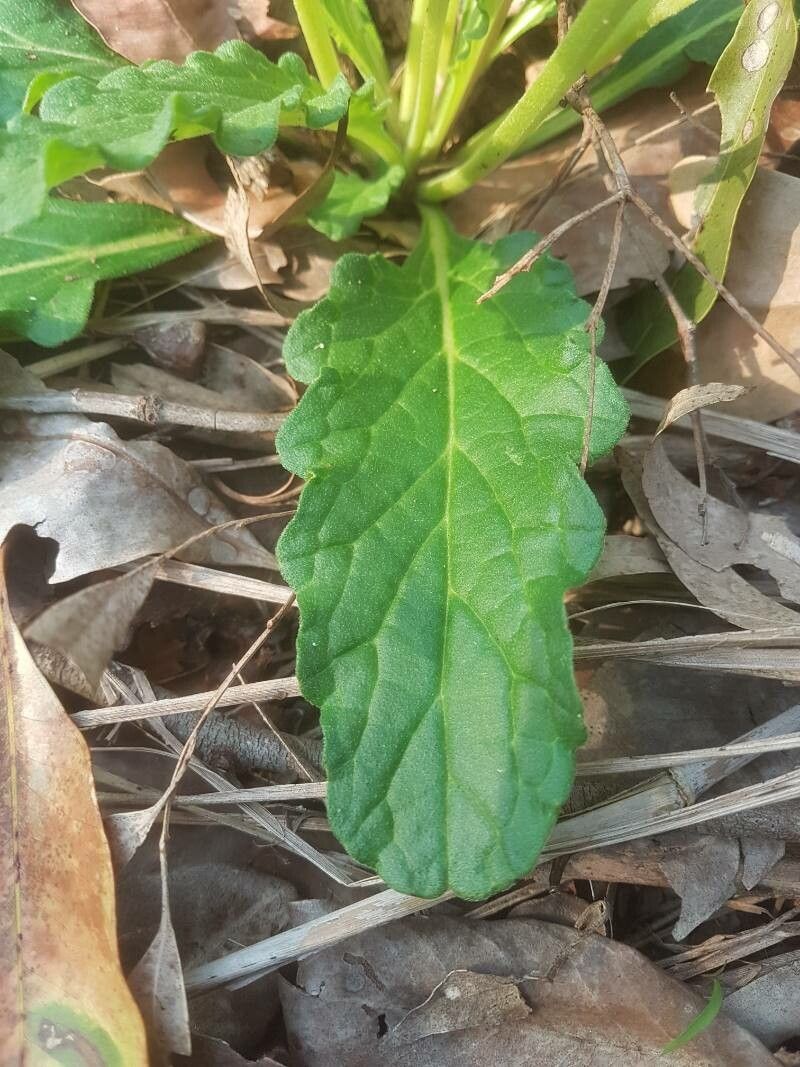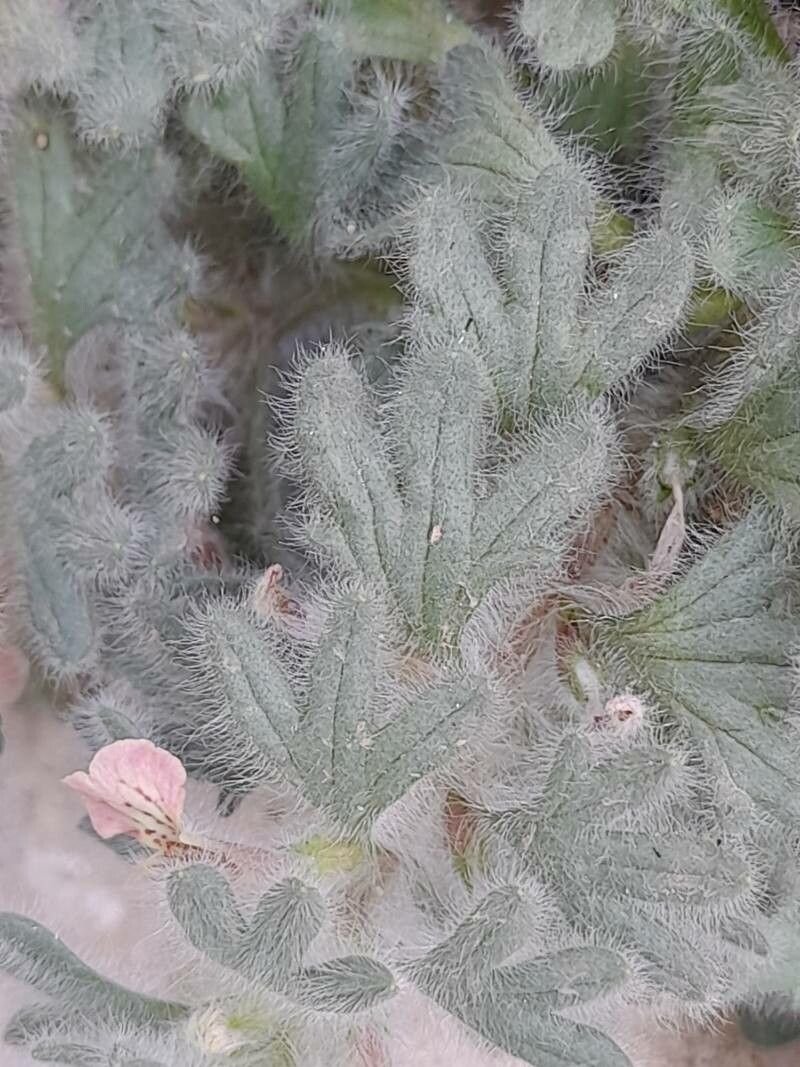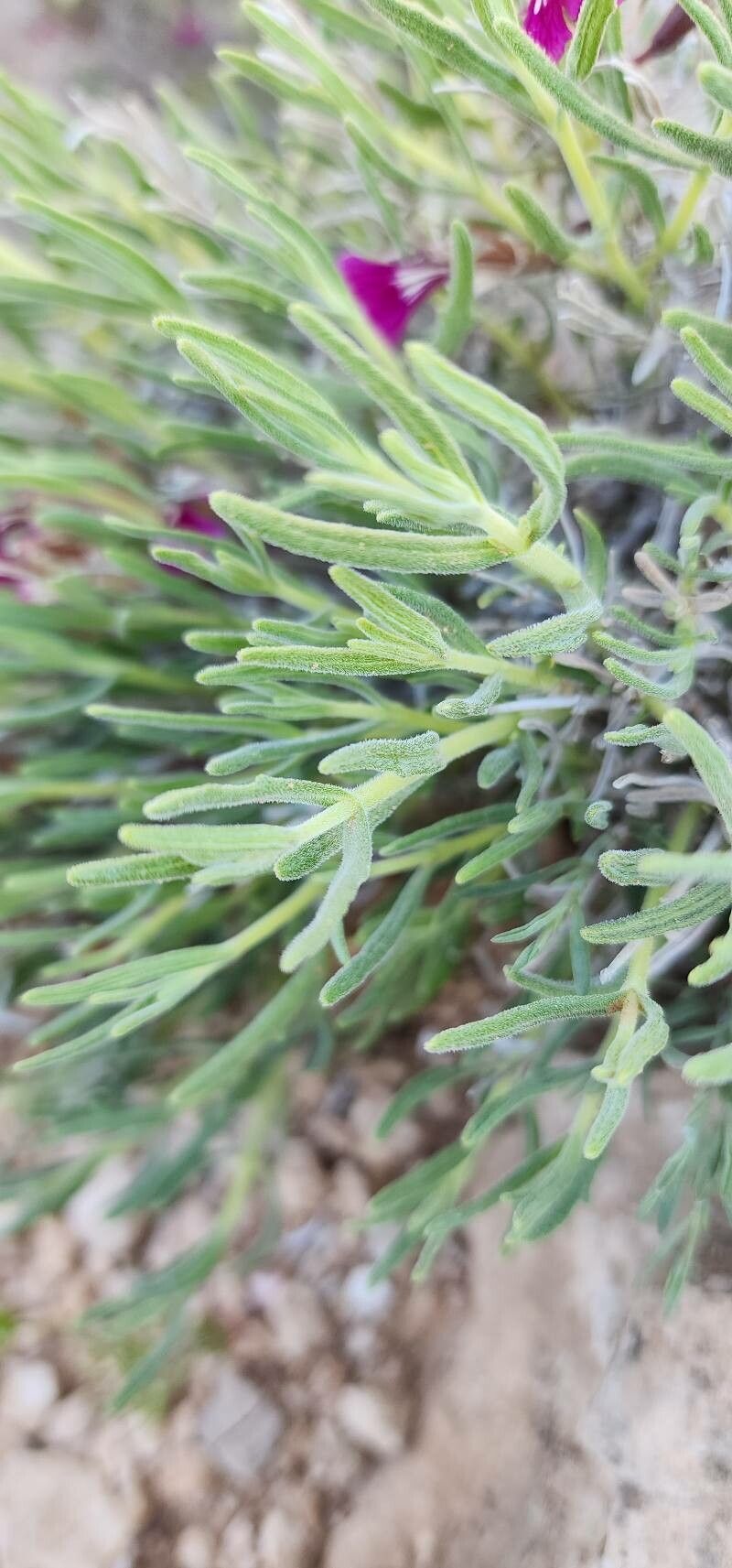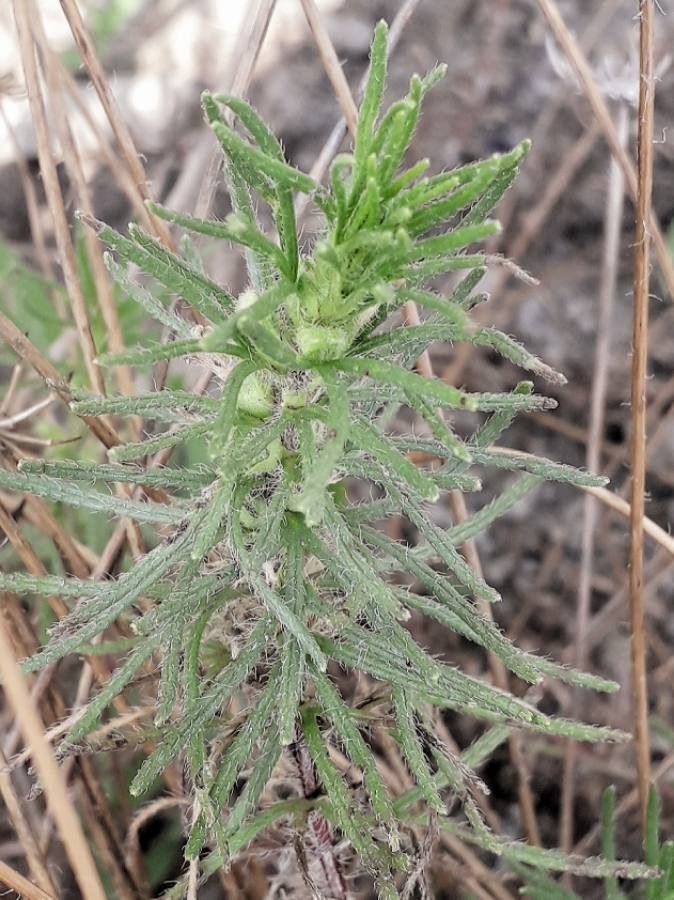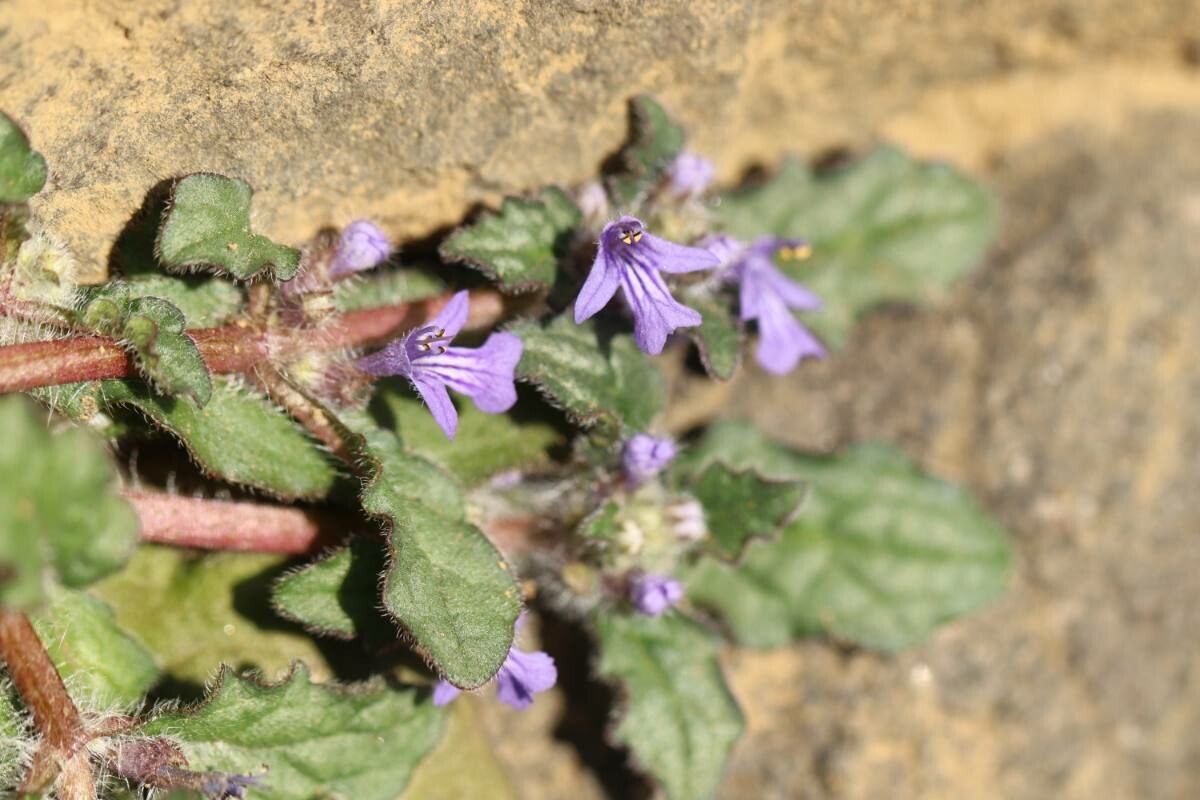
Ajuga decumbens is a herbaceous flowering plant native to China, Japan and Korea. It is commonly found in lightly forested sunny areas, such as meadows and roadsides between 400 and 2300 metres in altitude. This plant grows as a groundcover, and the leaf layer is usually no more than 100 millimetres tall. It flowers between April and June.
The Japanese bugle flower has strong disease resistance and is generally unlikely to get sick. Still, it can be affected by pests and illnesses found nearby. Such infections are typically mild. Regarding care, this plant needs a moderate level of attention. Regular pruning is necessary to keep it looking good and to support healthy growth. Applying fertilizer can also encourage more blooms. The Japanese bugle flower is appropriate for anyone with outdoor areas like a garden or patio and does not demand extensive gardening experience. It may need more intensive care when cultivated indoors.
How to keep Ajuga Decumbens.
Light
The Japanese bugle flower grows best in full sunlight but can tolerate spots with reduced light or almost complete shade. Sunlight is essential for its healthy development. However, prolonged shortages or excesses of sunlight can adversely affect the plant’s growth, potentially causing damage.
Water
The Japanese bugle flower thrives in moist environments and prefers consistently hydrated, evenly moist soil. While it can tolerate moderate drought, it truly flourishes in humid conditions. To maintain optimal growth, water the plant weekly and apply mulch to help retain soil moisture. This practice supports stable hydration throughout the growing season, particularly in outdoor garden settings.
Temperature
The Japanese bugle flower is native to regions where temperatures range from 41 to 95 °F (5 to 35 ℃). It grows best within that range but can tolerate minor seasonal variations.
Fertilizer
The best time to fertilize a Japanese bugle flower is in early spring, as it comes out of dormancy and starts active growth. Fertilizing supplies essential nutrients for healthy development. While the Japanese bugle flower has relatively low fertilizer requirements, applying fertilizer once a year can improve its survival and encourage better, longer-lasting blooms.
Pruning
To help Japanese bugle flowers thrive, it's important to prune them properly between early and late spring. Focus on removing dead or damaged stems, as well as trimming them after they've flowered. This practice encourages dense growth, improves air circulation, and enhances the overall appearance of the plants, while reducing the risk of them becoming leggy. Regular maintenance not only promotes abundant blooming but also reduces the risk of disease, making these flowers a standout feature in your garden.
Botanical profile.
- Plant Type
- Herb
- Life Cycle
- Perennial
- Genus
- Ajuga
- Family
- Lamiaceae
- Hardiness Zone
- 5-9
- Mature Height
- 30 cm
- Mature Spread
- 34 cm
- Leaf Color
- Green, Dark Green
- Leaf Type
- Evergreen
- Flower Color
- Purple, Lavender
- Flower Size
- 6.35 cm to 11.43 cm
- Bloom Time
- Spring
- Planting Time
- Summer, Autumn
- Harvest Time
- Late spring, Early summer, Mid summer
- Native Area
- South Korea, Vietnam, Japan, China
Other names.
Reader questions.
What are the sunlight requirements for the Japanese bugle flower?
The Japanese bugle flower thrives best with maximum sunlight exposure but is also capable of growing in areas with reduced light or almost no light. For optimal growth, it needs more than 6 hours of sunlight daily, classified as full sun. However, it can also manage in partial sun or full shade, which is about 3-6 hours of sunlight per day. Note the importance of watching how sunlight moves through your garden to find the perfect balance of light and shade, ensuring the plants’ happiness. Long-lasting scarcity or surplus of sunlight can harm the plant, impacting its healthy growth.
What is the native temperature range for the Japanese bugle flower?
The Japanese bugle flower, also known as Ajuga decumbens, is native to regions where the temperature stays within a range of 41 to 95°F (5 to 35°C). It thrives best within these temperatures but is capable of adjusting to slightly different conditions in various seasons. Despite its strong cold resistance, in circumstances where winter temperatures are expected to drop below -25°C, measures should be taken to protect the plant from the cold. This can include covering the plant with soil or straw. Before the onset of the first freeze in autumn, watering the plant generously to ensure the soil is moist can help prevent drought and water scarcity during winter and early spring.
How can artificial lighting support the growth of indoor Japanese bugle flower plants?
Indoor plants like the Japanese bugle flower require adequate lighting for optimal growth, especially when natural sunlight is insufficient. Artificial lights provide a vital solution, especially during winter or in less sunny spaces. LED lights are popular for indoor plants as they can be customized to provide specific wavelengths needed by the plants. Full sun plants need 30-50W/sq ft of artificial light, partial sun plants 20-30W/sq ft, and full shade plants 10-20W/sq ft. The light source should be placed 12-36 inches above the plant, mimicking natural sunlight as closely as possible. Most plants need 8-12 hours of light per day to mimic natural daylight hours effectively.
How does the Japanese bugle flower react to low temperatures?
The Japanese bugle flower is notably cold-tolerant and prefers temperatures to remain above 5°C. Throughout the winter, temperatures should ideally stay above -20°C to avoid any negative impacts on the plant. Should temperatures fall below -25°C, the plant may not show immediate signs of distress over the winter; however, there may be a noticeable decrease in sprouting or an absence of sprouting come spring. To manage this, it's recommended to remove any parts of the plant that have failed to sprout in spring as a solution to this issue.
What are the common symptoms of inadequate lighting for Japanese bugle flowers?
Common symptoms of light deficiency in Japanese bugle flowers include smaller new leaves, leggy or sparse growth, faster leaf drop, slower or no new growth, lighter-colored new leaves, and conditions such as chlorosis, sunscald, leaf curling, wilting, and leaf scorching. Chlorosis is the loss of leaf green color, turning yellow, while sunscald refers to leaf and stem damage from intense sunlight. Leaf curling is a defense against excessive sunlight, and leaf scorching occurs due to too much sun, resulting in brown, crispy leaf edges.
What care does the Japanese bugle flower need in high temperatures?
During the summer months, it's important for the well-being of the Japanese bugle flower to keep temperatures below 35°C. Exceeding 38°C can cause the leaves to lighten in color, become prone to curling, suffer from sunburn, and, in severe cases, lead the entire plant to wilt and dry out. To counteract these issues, any sunburned and dried-up parts of the plant should be trimmed away. Moving the plant to a shaded location or utilizing a shade cloth to protect it from the midday and afternoon sun is advisable. Additionally, watering the plant in the mornings and evenings can help maintain soil moisture and keep the plant healthy.
What solutions can help Japanese bugle flowers suffering from light exposure issues?
For indoor Japanese bugle flowers suffering from insufficient sunlight, a gradual move to a sunnier location each week, until they receive at least 6 hours of direct sunlight daily, is recommended. Utilizing a south-facing window and keeping curtains open maximizes sunlight exposure. If the plant is large or not easily movable, artificial lighting, such as desk or ceiling lamps for at least 8 hours daily or professional plant grow lights, can provide ample light. Outdoors, plants should be moved gradually to avoid sunburn. If sunlight is blocked, consider pruning trees or transplanting to a sunnier location. Note that parts of the plant affected by insufficient light may not recover fully, but new growth should be healthy after increasing light exposure.