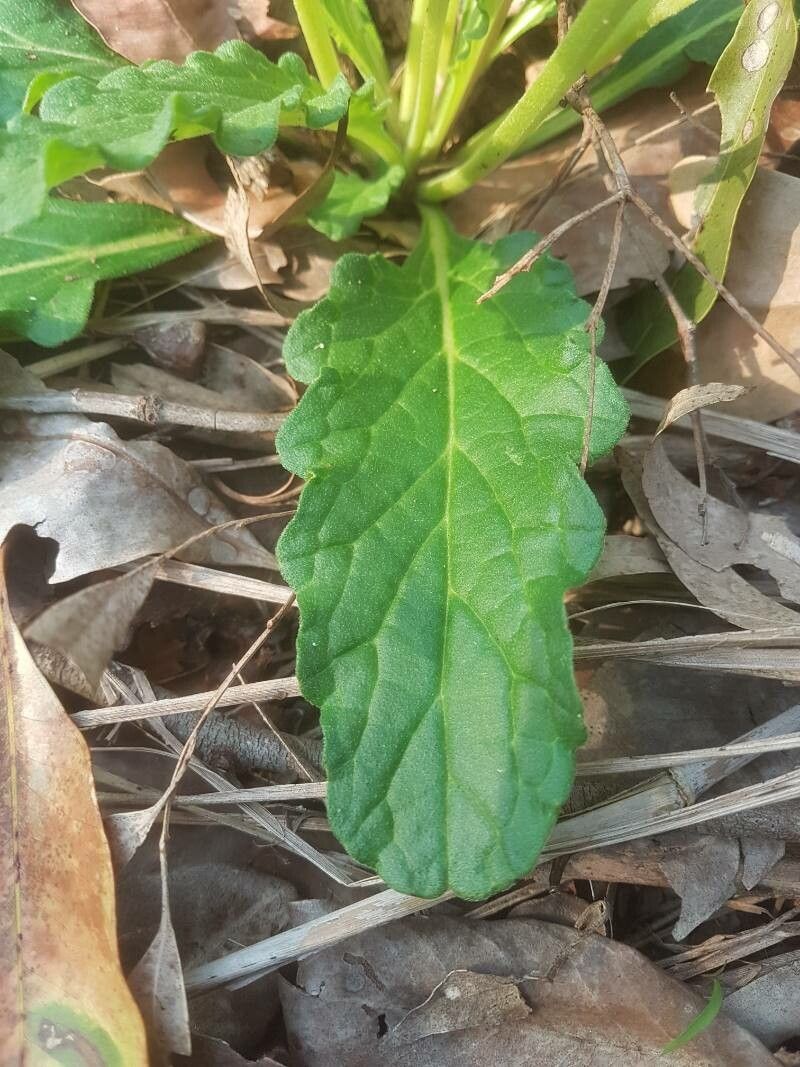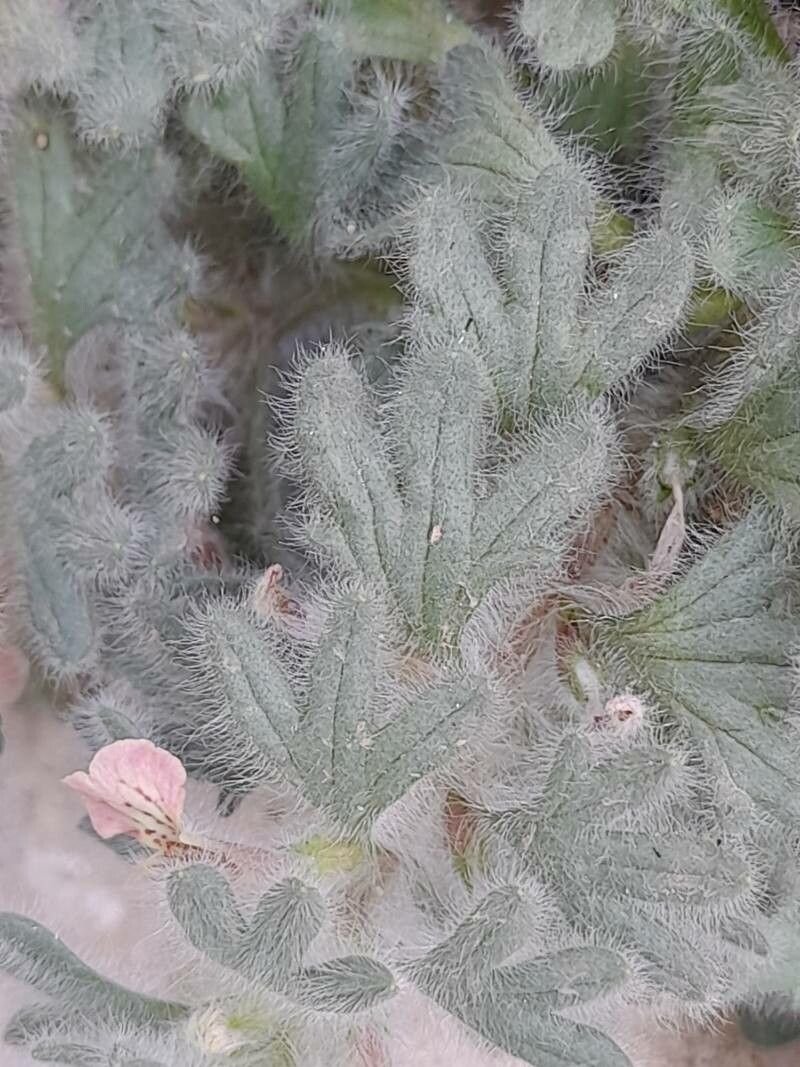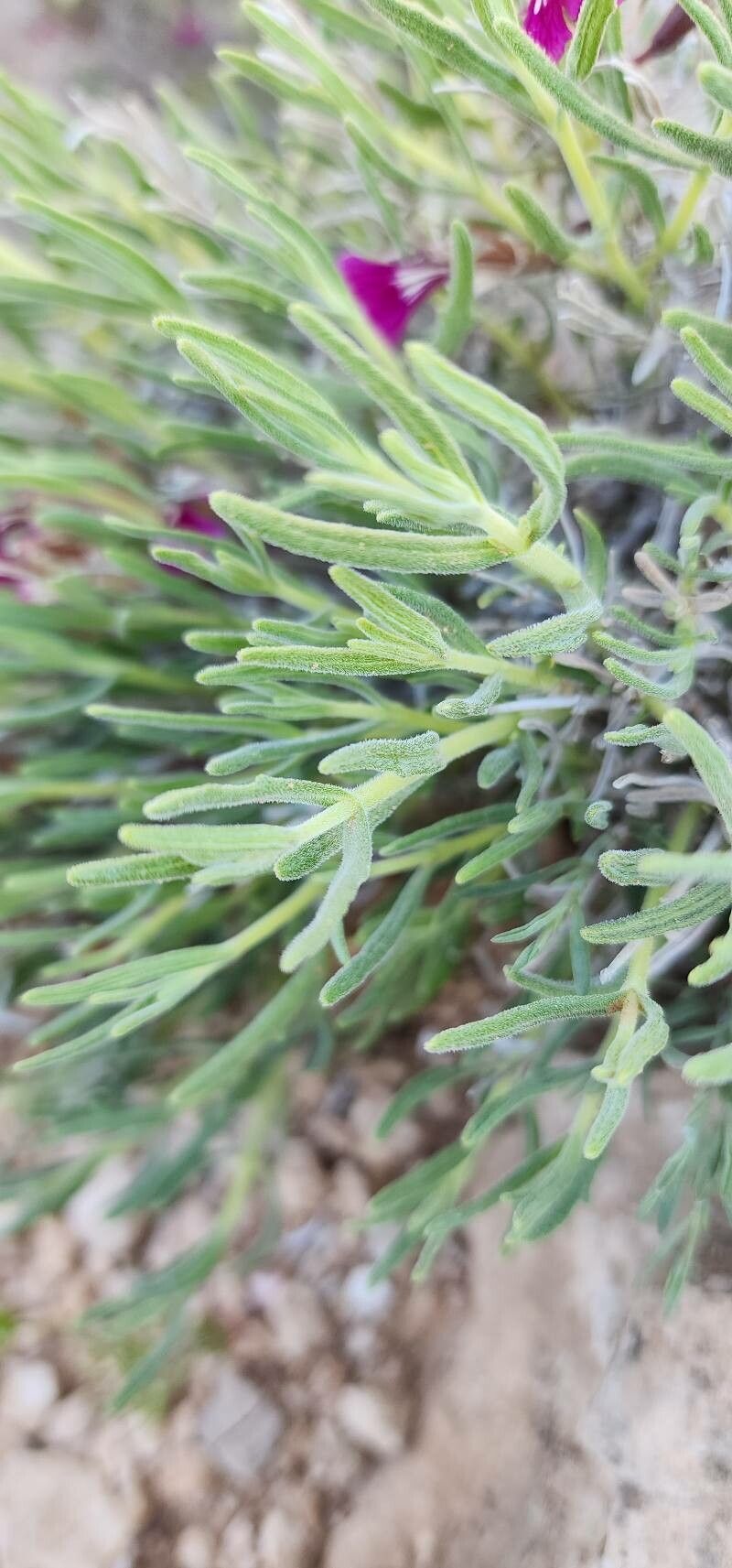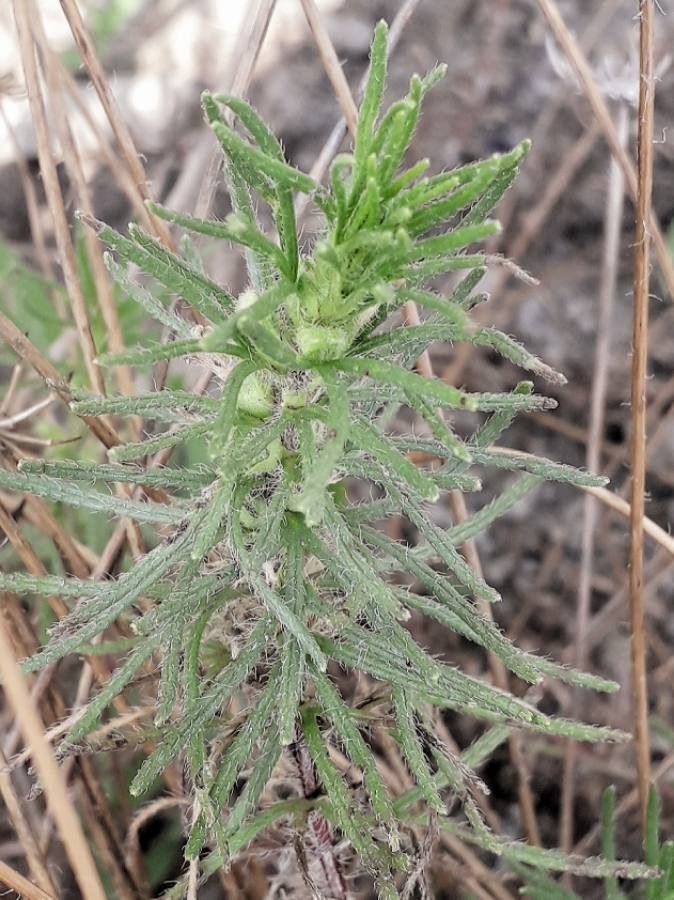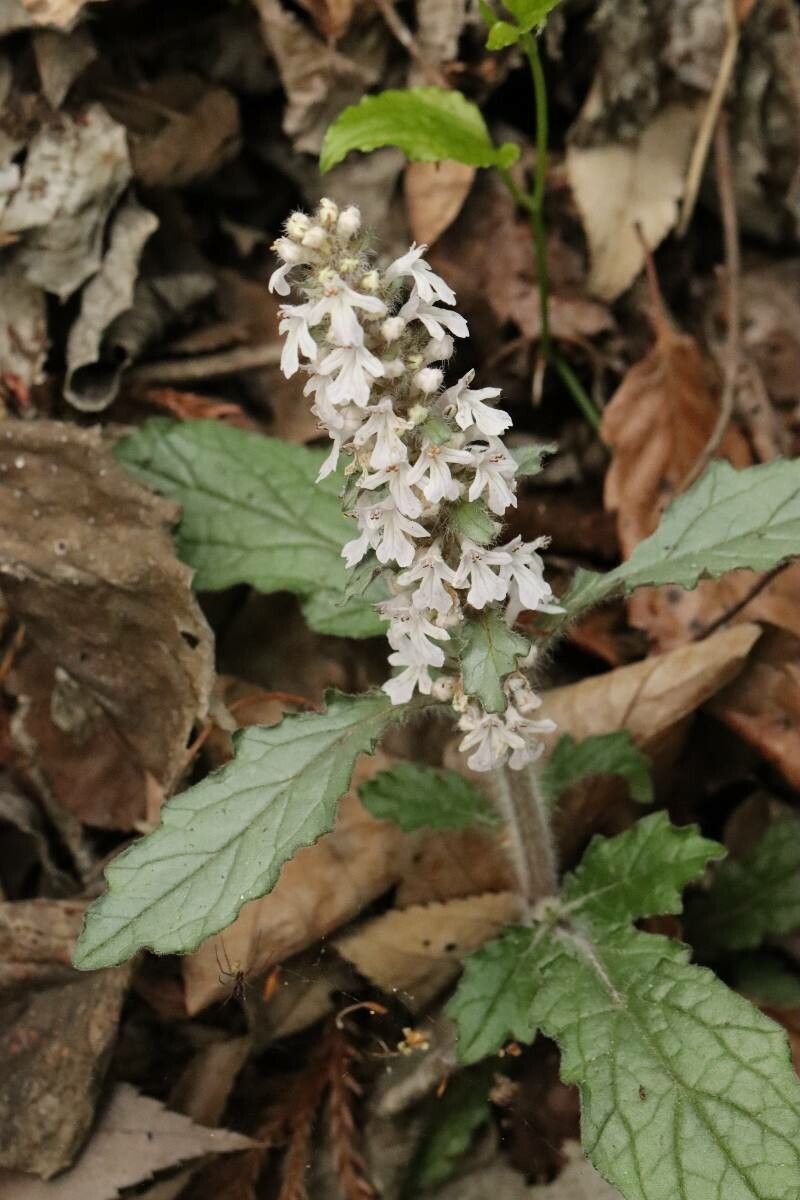
Bugleweed is fairly disease-resistant and typically does not suffer from many illnesses. That said, it can be affected by pests and diseases present in its environment. When infections do occur, they are generally mild. Regarding care, this plant needs a moderate level of attention. It should be pruned regularly to preserve an attractive appearance and healthy growth. Applying fertilizer can also encourage more blooms. Bugleweed is a good choice for anyone with outdoor space, such as a garden or patio, and does not call for extensive gardening experience. It may need additional care if grown indoors.
How to keep Ajuga Nipponensis.
Light
Bugleweed thrives in locations with abundant light, taking in plenty of sunlight for its growth and vigor. It can also survive in lightly shaded spots, though reduced illumination may somewhat reduce its vitality. Both excessive and insufficient light can potentially stress or stunt this plant’s growth, showing how greatly light affects its health.
Water
Bugleweed thrives in moist environments and requires consistent hydration. It prefers soil that remains evenly moist, so it should be watered on a weekly basis. As an evergreen plant, bugleweed retains its leaves throughout the year. This helps stabilize its transpiration rate, making it less vulnerable to changes in its watering schedule.
Temperature
Bugleweed can tolerate a wide range of temperatures, but its occurrence may still be restricted by particular combinations of moisture and heat. It does best in warm summer climates with sufficient rainfall or regular watering. Long stretches of cloudy, rainy weather or extended high temperatures can raise the chance of Bugleweed dying. In winter, appropriate protection from cold can boost the plant's likelihood of survival.
Fertilizer
When most of Bugleweed's blooms have opened to full size, resume fertilizing. At the time the flowers are at their peak, feed the plant about once every three to four weeks, weather permitting. Then, once Bugleweed starts producing fewer new blooms, stop fertilizing; there's no need to fertilize when the plant can no longer produce additional blooms.
Pruning
Bugleweed benefits from spring pruning, which involves removing spent flowers and thinning overcrowded stems to improve air circulation. Additionally, trim any damaged or diseased stems to boost the plant's health. Regular maintenance not only promotes a fuller appearance but also prevents legginess, keeping the garden looking tidy.
Botanical profile.
- Plant Type
- Herb
- Life Cycle
- Annual, Biennial, Perennial
- Genus
- Ajuga
- Family
- Lamiaceae
- Hardiness Zone
- 4-9
- Mature Height
- 10 cm to 30 cm
- Mature Spread
- 20 cm to 40 cm
- Leaf Color
- Green, Dark Green
- Leaf Type
- Semi-evergreen
- Flower Color
- Purple
- Flower Size
- 1.02 cm to 2.03 cm
- Bloom Time
- Mid spring, Late spring, Early summer
- Planting Time
- Spring, Autumn
- Harvest Time
- Summer
- Native Area
- Laos, Vietnam, Japan, China