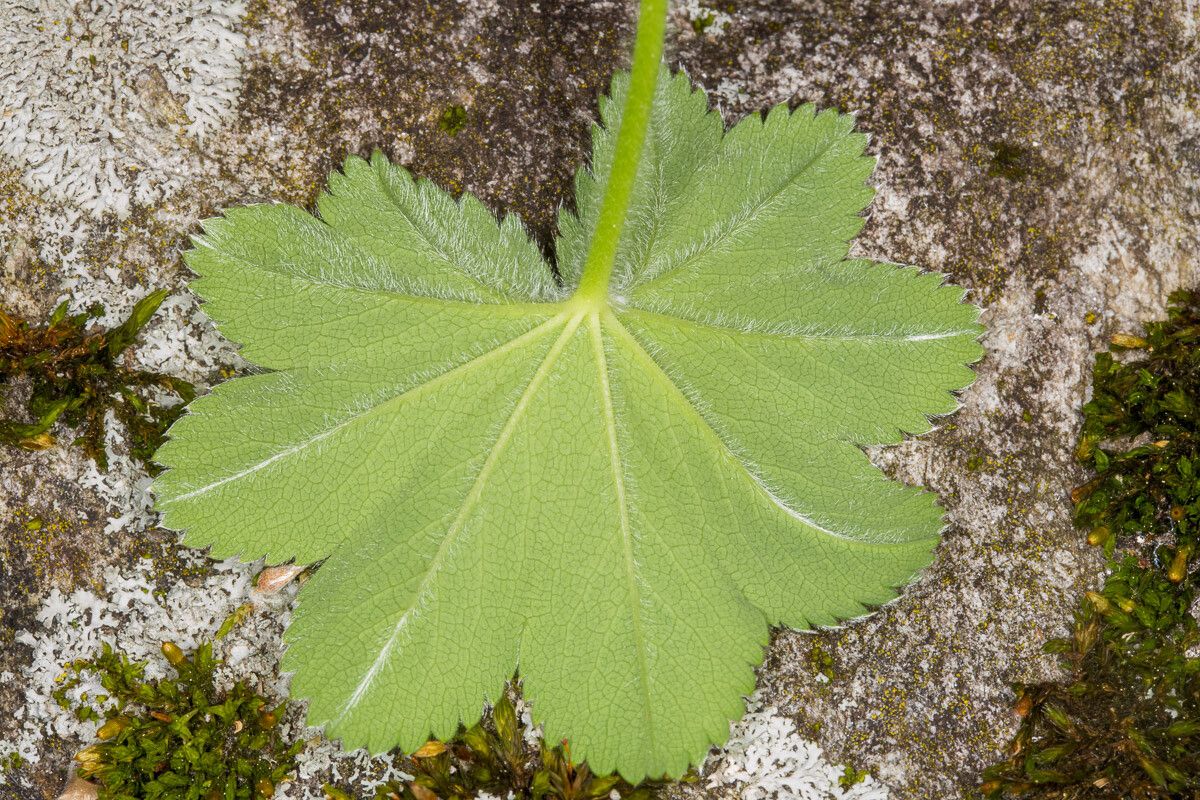
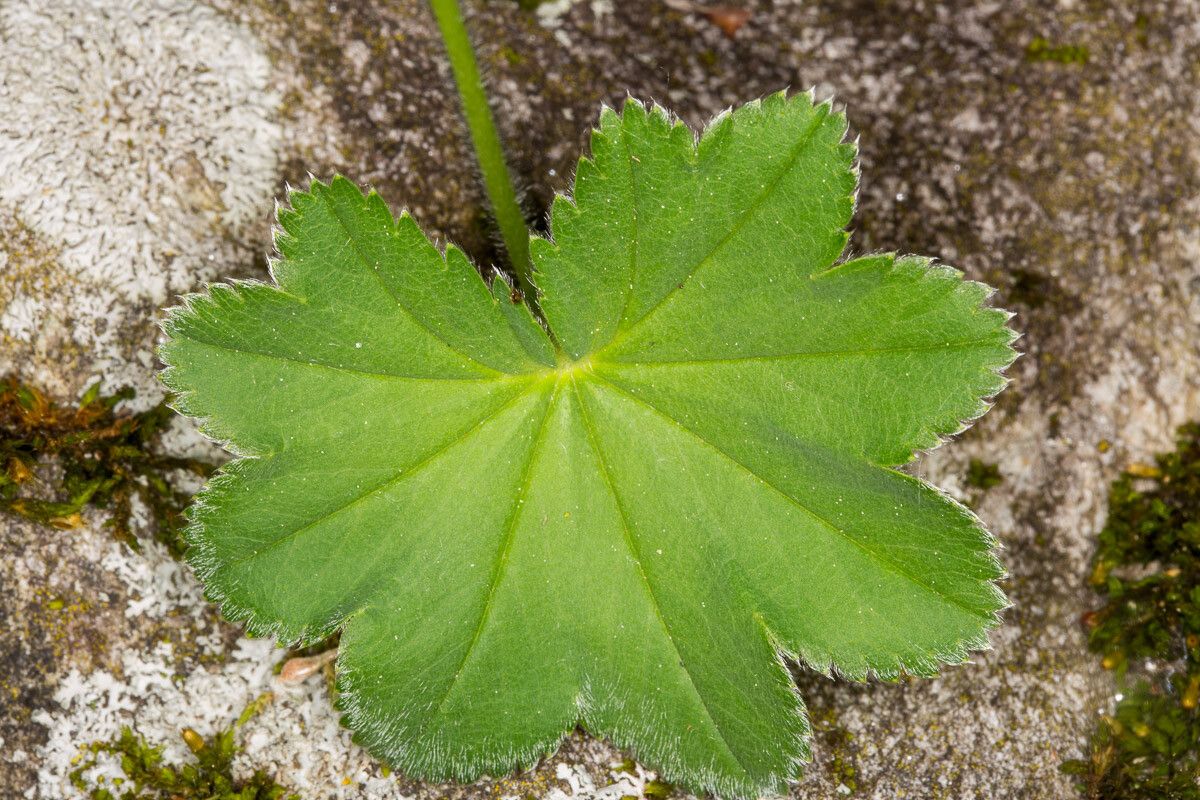
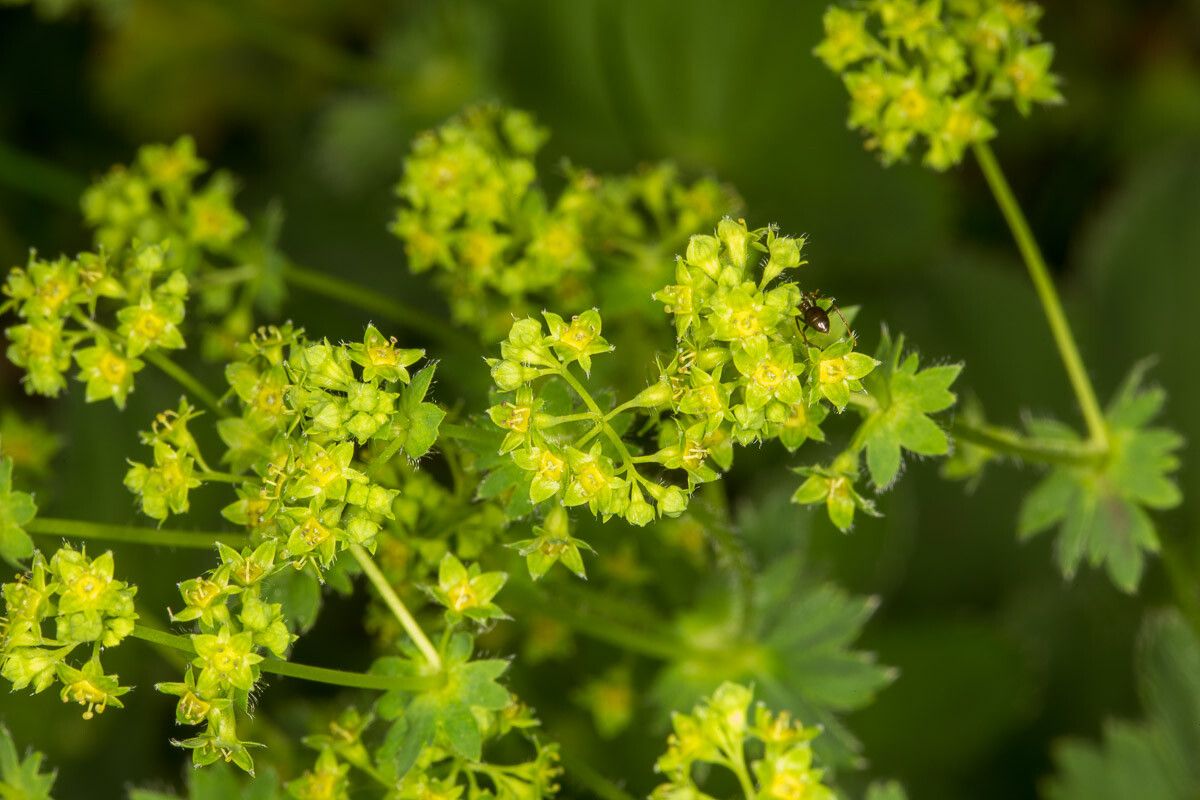
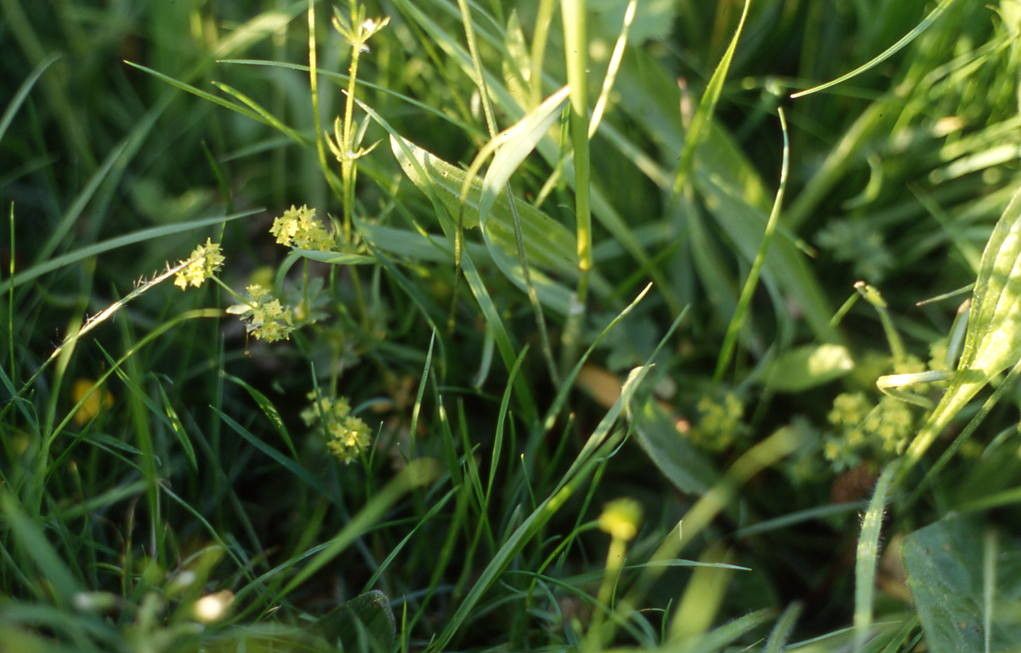
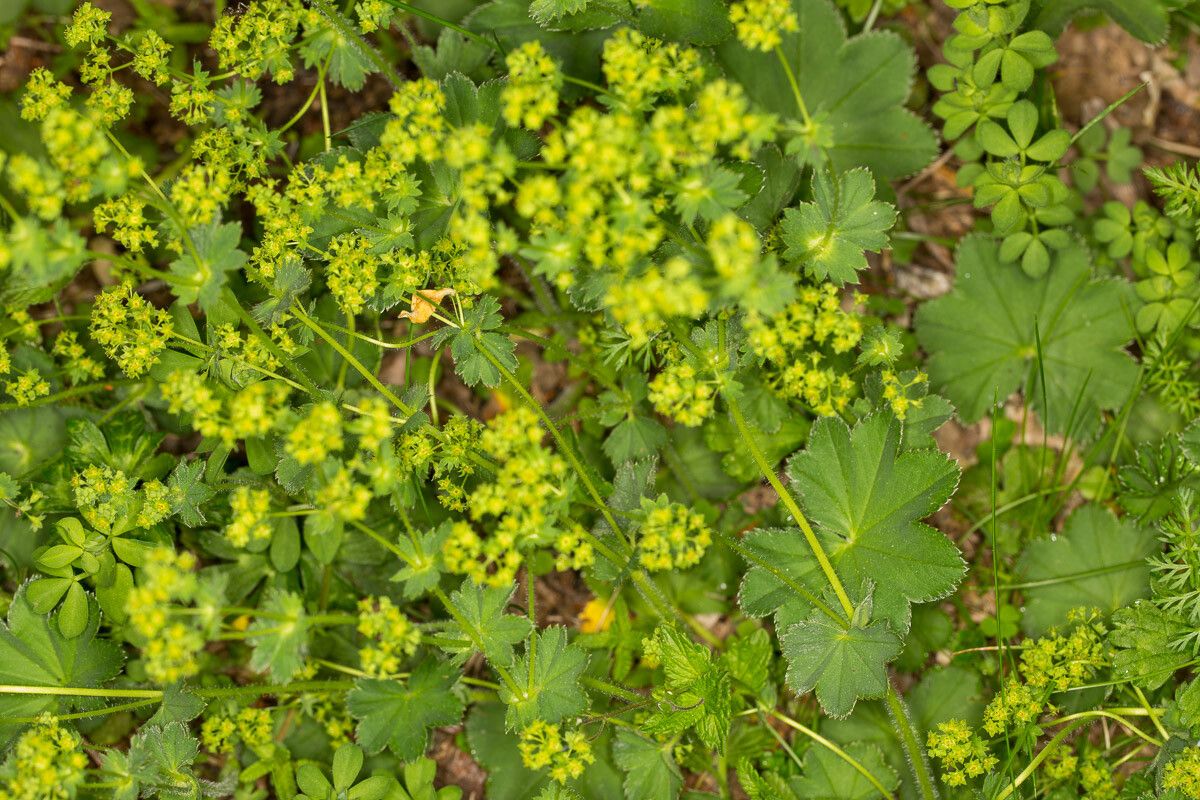
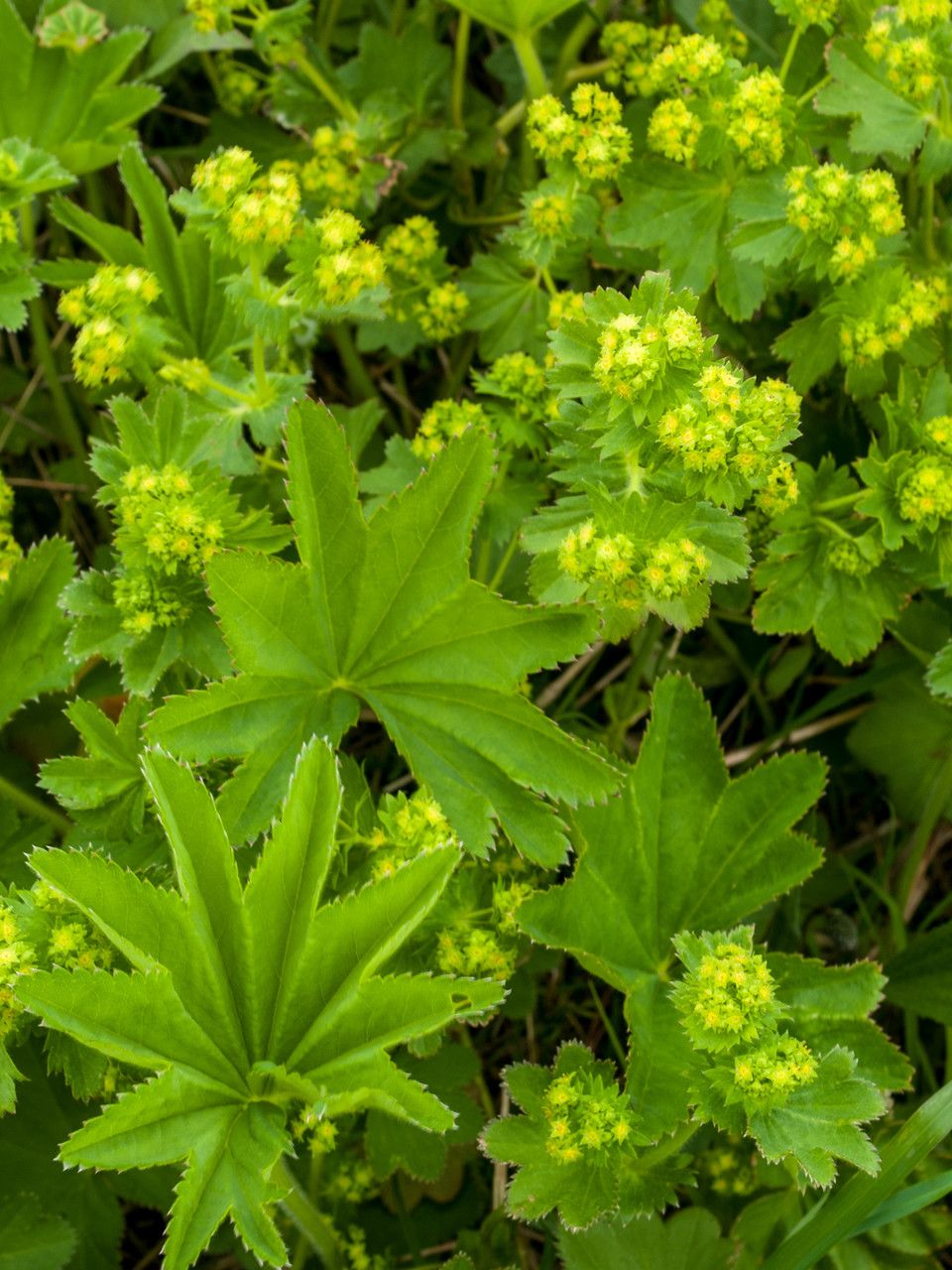
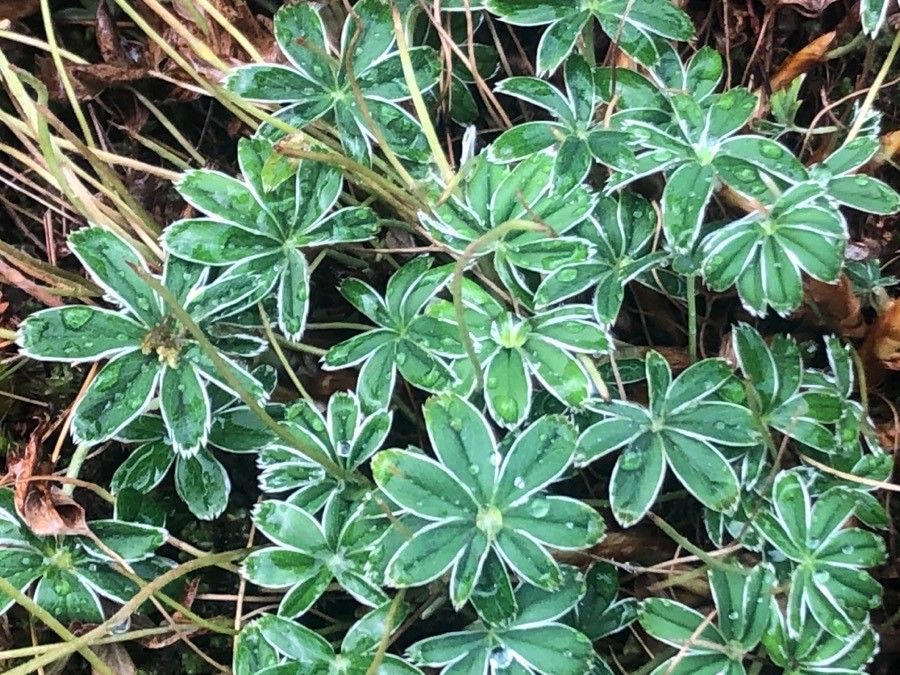
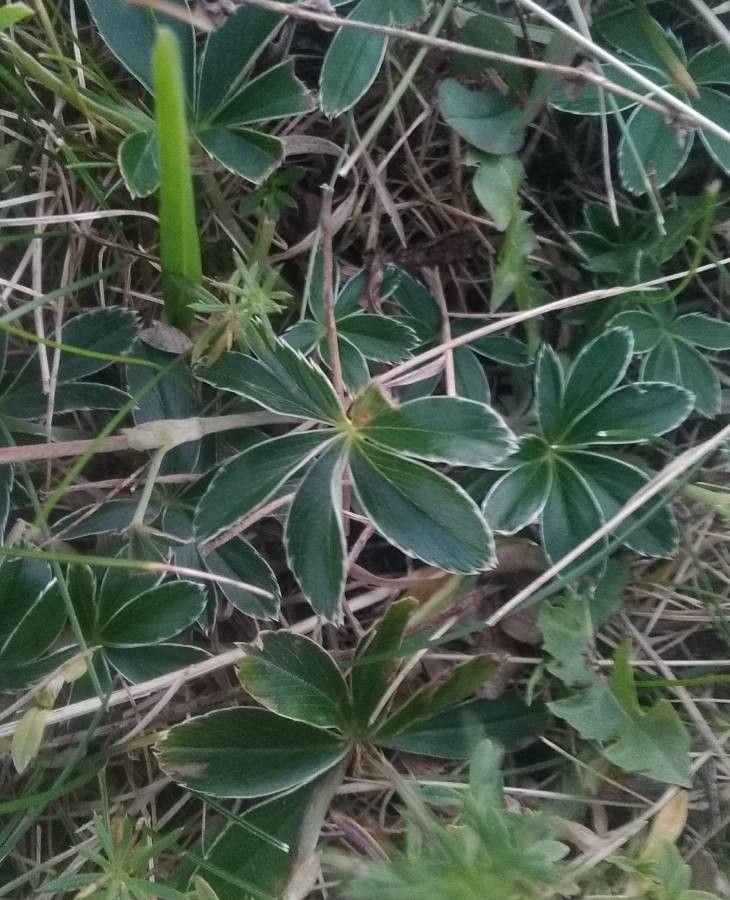
Alchemilla filicaulis is a species of plants belonging to the family Rosaceae.It is native to Europe and Northern America. It is a known host species to at least two species of pathogenic fungi, Peronospora potentillae and Ramularia aplospora.
Thinstem lady's mantle has strong disease resistance and is typically not vulnerable to illnesses. Still, it can be affected by pests and diseases present in its local area. These infections are typically mild. Regarding care, this plant needs a moderate level of maintenance. It should be pruned regularly to preserve a tidy appearance and encourage healthy growth. Applying fertilizer can also support better flowering. Thinstem lady's mantle is appropriate for anyone with an outdoor area, like a garden or patio, and does not demand extensive care experience. It may need extra attention when kept indoors.
How to keep Alchemilla Filicaulis.
Light
Thinstem lady's mantle is native to habitats like forest understories and rocky sites, where it grows under natural shade. It prefers partial sun but can tolerate both full sun and full shade, demonstrating its versatility and hardiness.
Temperature
Thinstem lady's mantle can adjust to a wide range of temperatures, though its range may still be constrained by different mixes of moisture and heat. It performs best in warm summer conditions with sufficient rainfall or supplemental watering. Extended stretches of cloudy, rainy weather or prolonged high temperatures raise the risk of Thinstem lady's mantle dying. During winter, protecting it properly from the cold can increase its chances of survival.
Fertilizer
Usually one fertilizer application in spring is enough for Thinstem lady's mantle, although multiple feedings can boost growth. Feed every month to every month and a half. Fertilization improves the leaves' appearance and function, helping maintain even color and a healthy texture. It also promotes root development and better nutrient uptake for long-term plant health.
Pruning
Thinstem lady's mantle features delicate, serrated leaves and small greenish-yellow flowers. When pruning, focus on removing dead foliage and cutting the stems to encourage bushier growth; this is best done from early to late spring. Removing spent flowers helps to prolong blooming, improve air circulation, and reduce pests. Always use clean tools to prevent the spread of disease.
Botanical profile.
- Plant Type
- Herb
- Life Cycle
- Perennial
- Genus
- Alchemilla
- Family
- Rosaceae
- Hardiness Zone
- 3-8
- Mature Height
- 46 cm
- Mature Spread
- 46 cm
- Leaf Color
- Green
- Leaf Type
- Deciduous
- Flower Size
- 0.25 cm to 0.51 cm
- Bloom Time
- Late spring, Early summer, Mid summer
- Planting Time
- Spring
- Harvest Time
- Mid summer, Late summer, Early fall
- Native Area
- Sweden, Czech Republic, Slovakia, Poland, Russia, Lithuania, Norway, Hungary, Germany, Italy, Spain, Switzerland, Denmark, Iceland, Estonia, Netherlands, Finland, Ireland, United Kingdom, Romania, Latvia, Belgium, France
Other names.