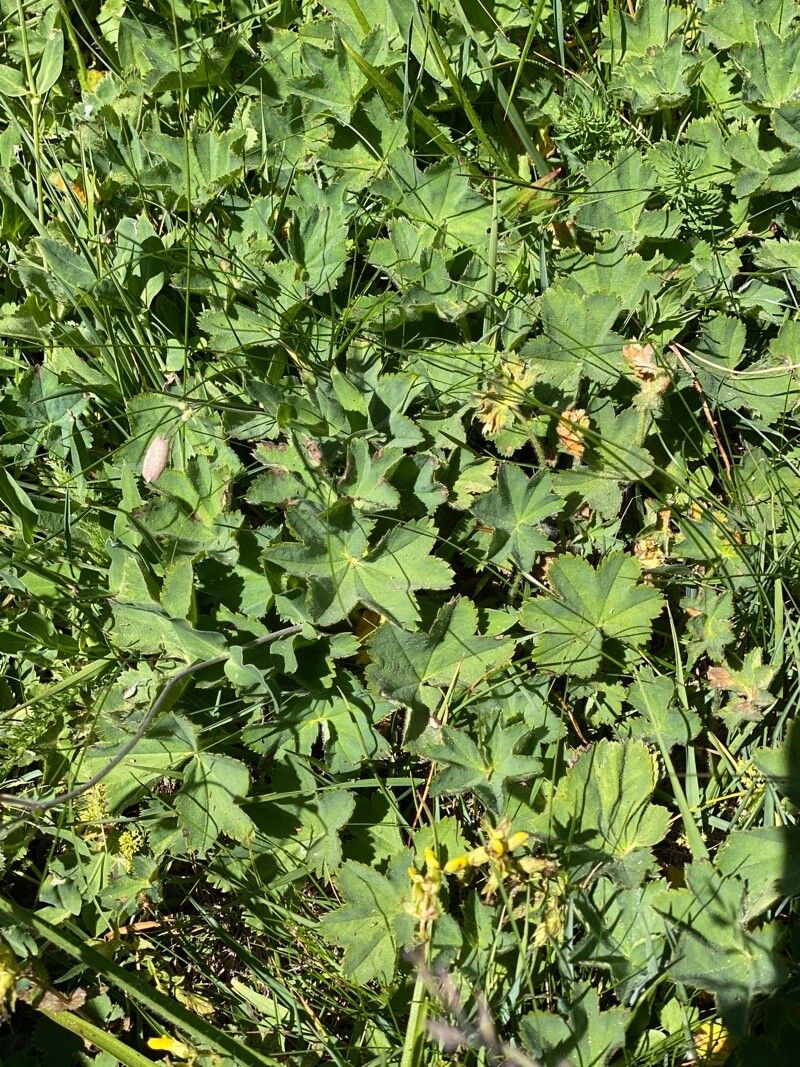
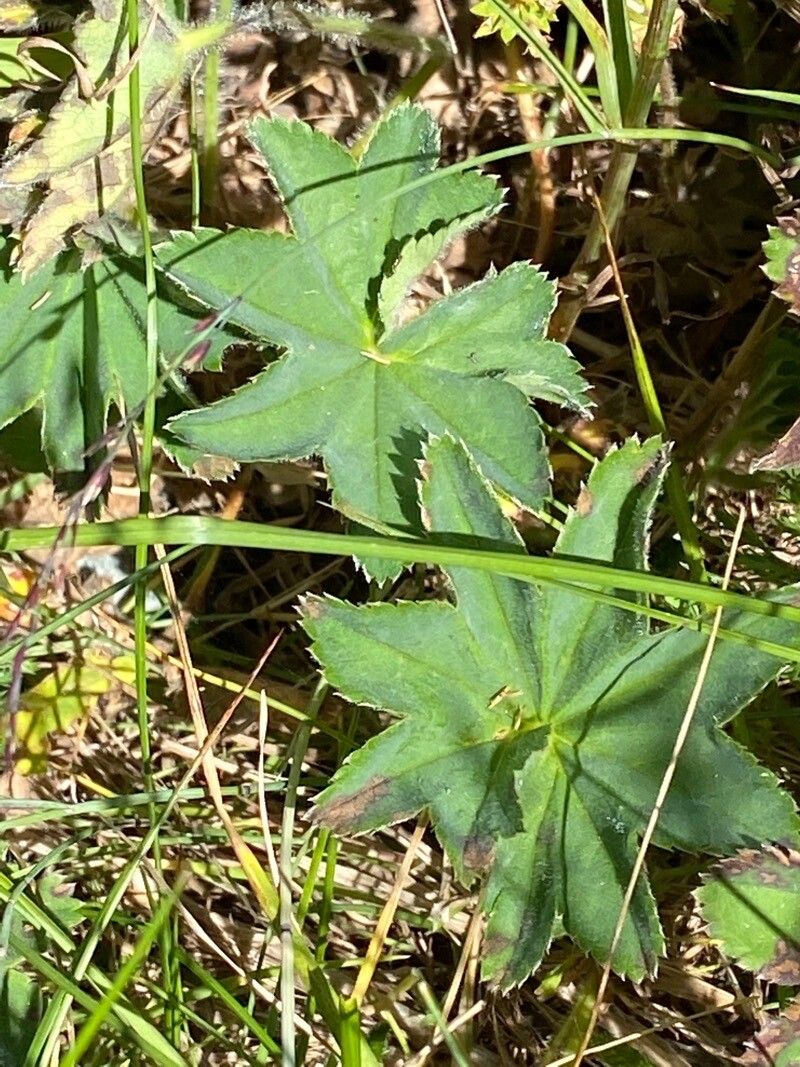
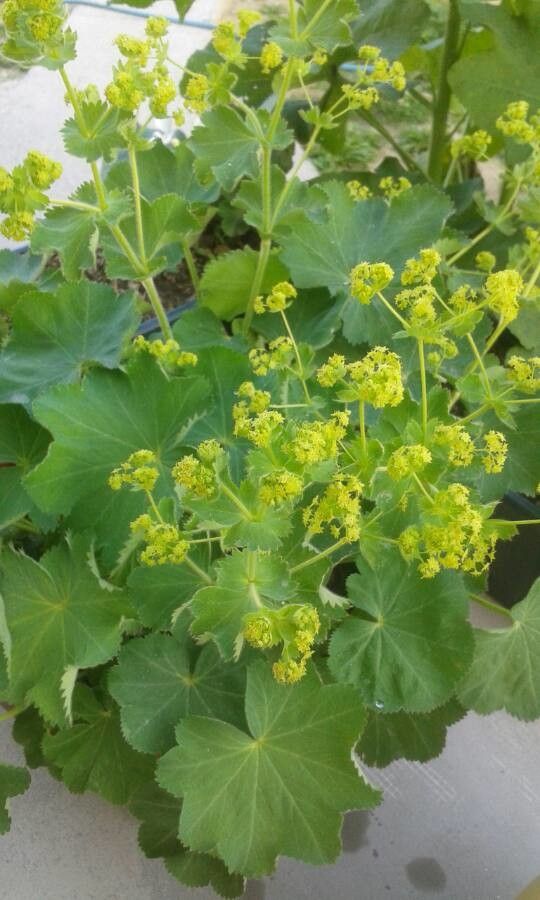
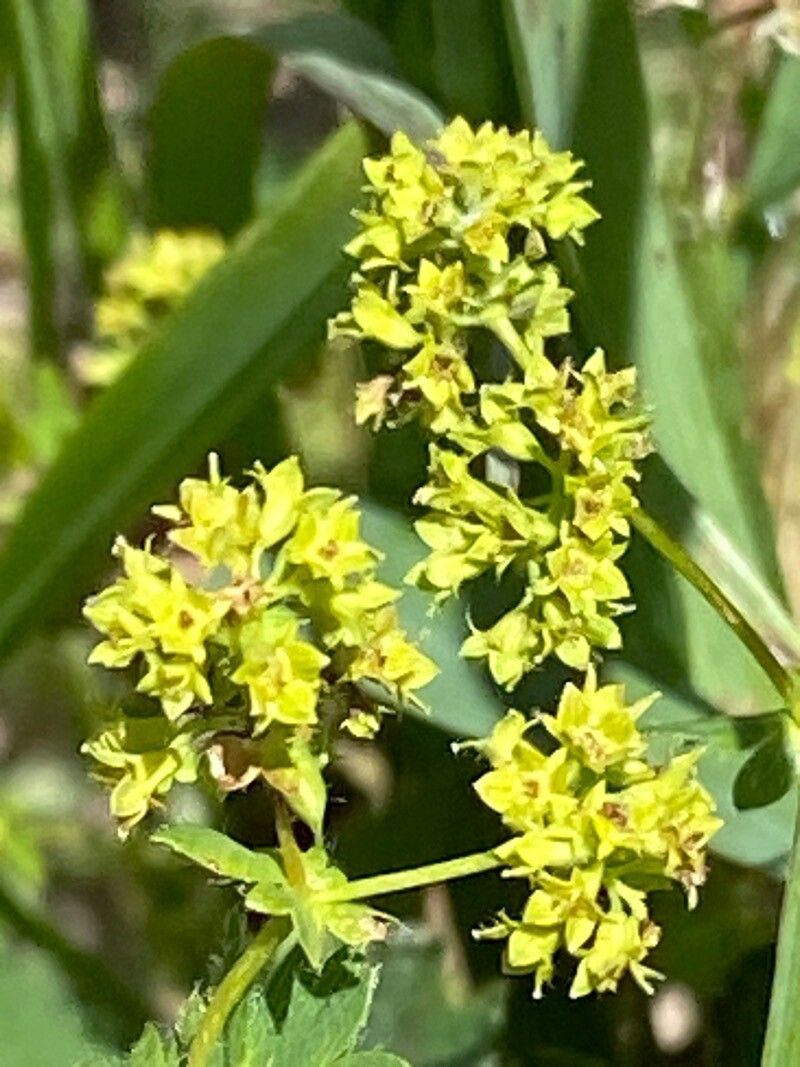
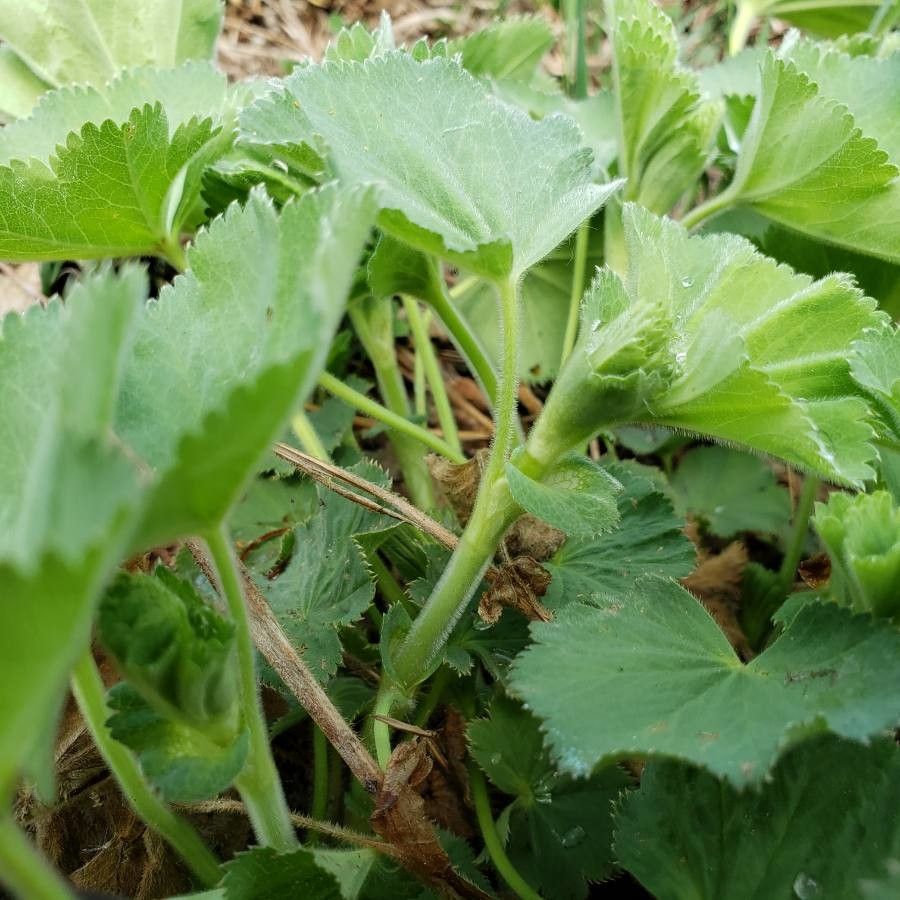
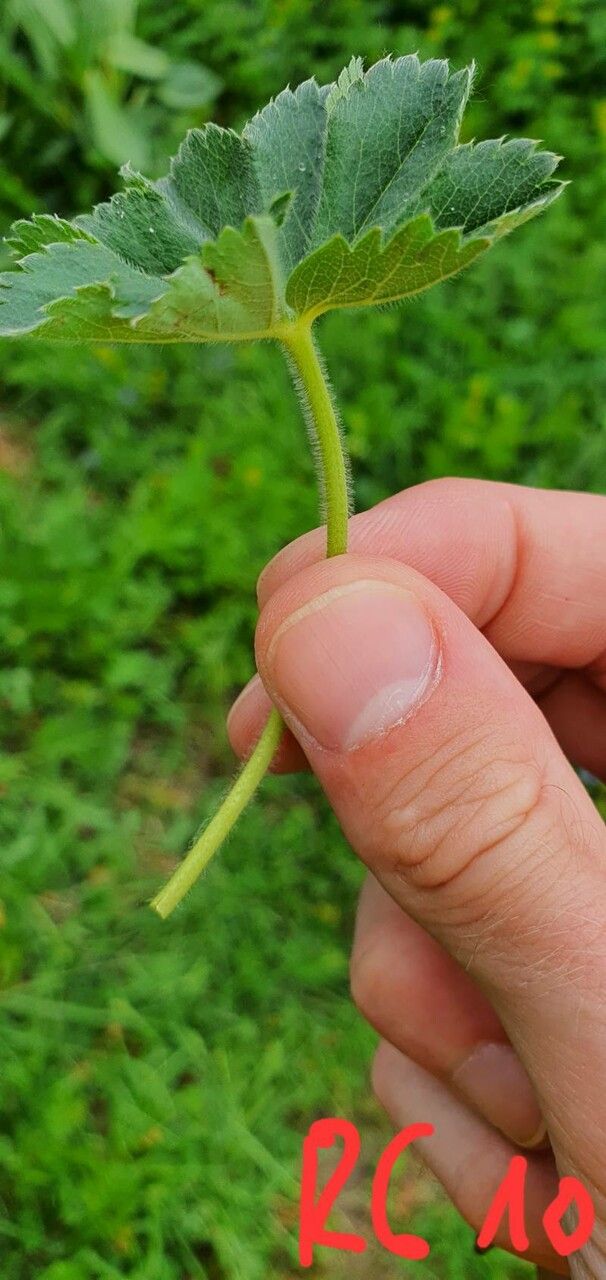
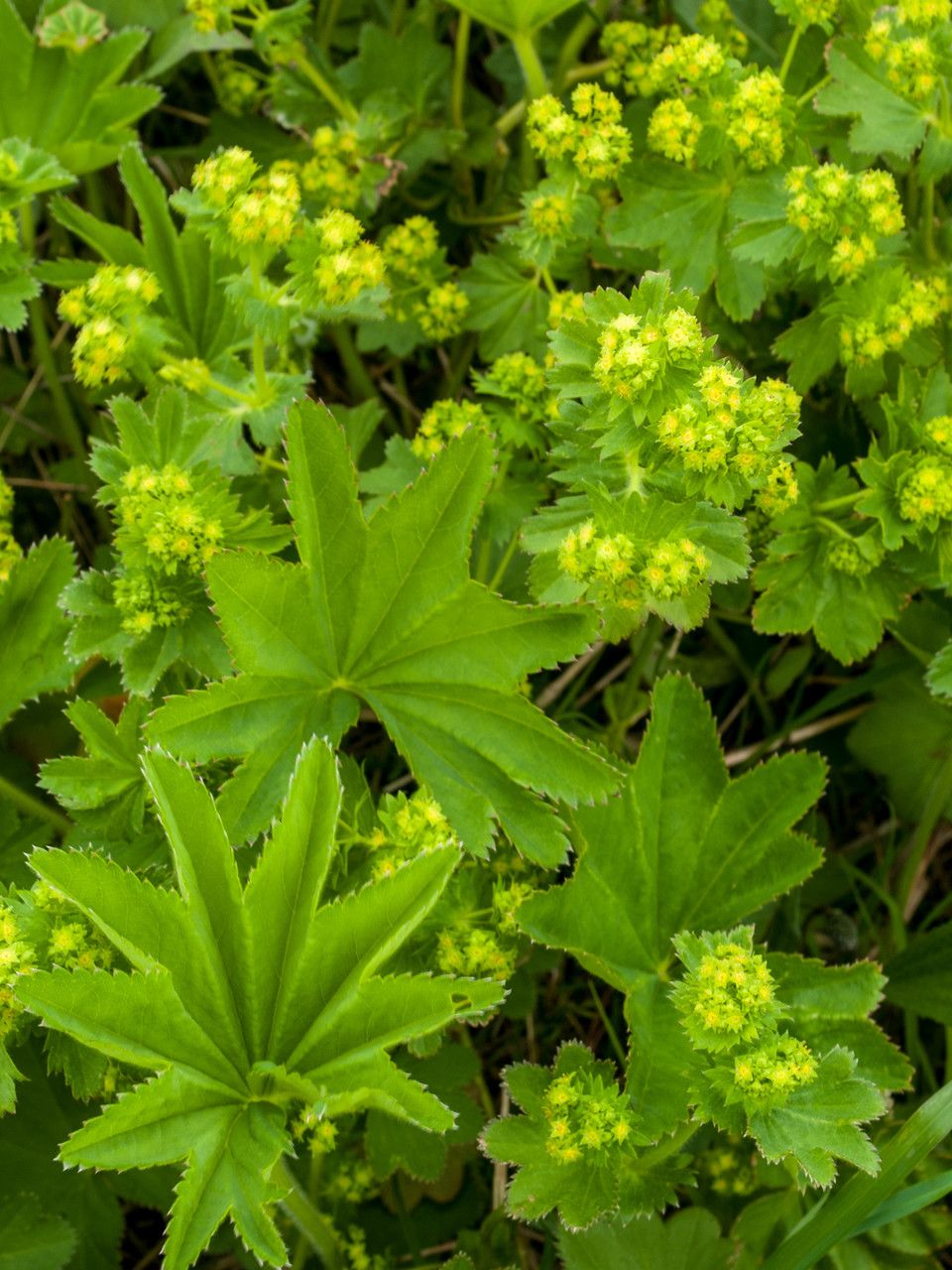
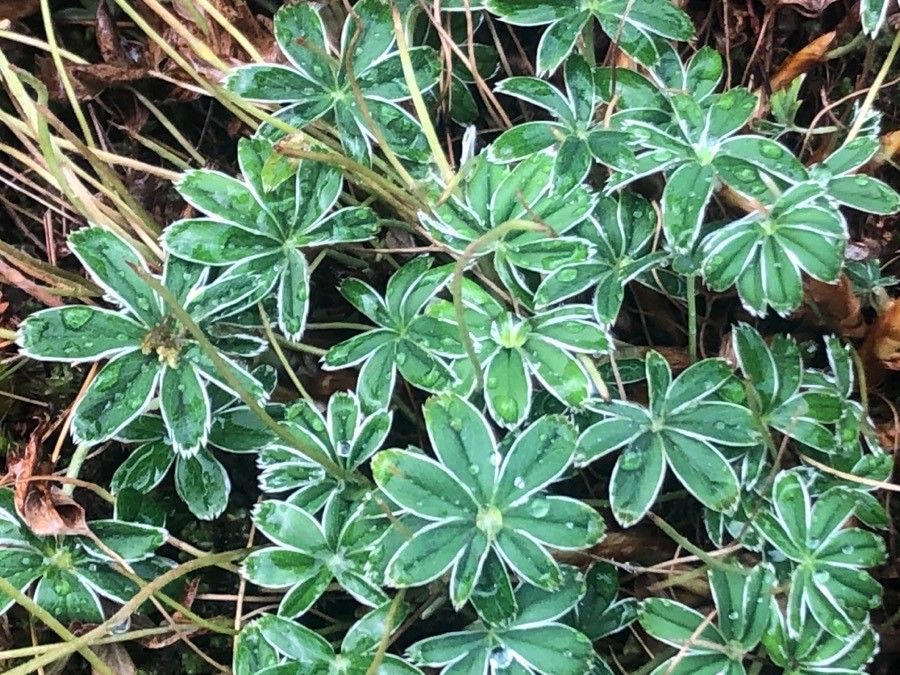
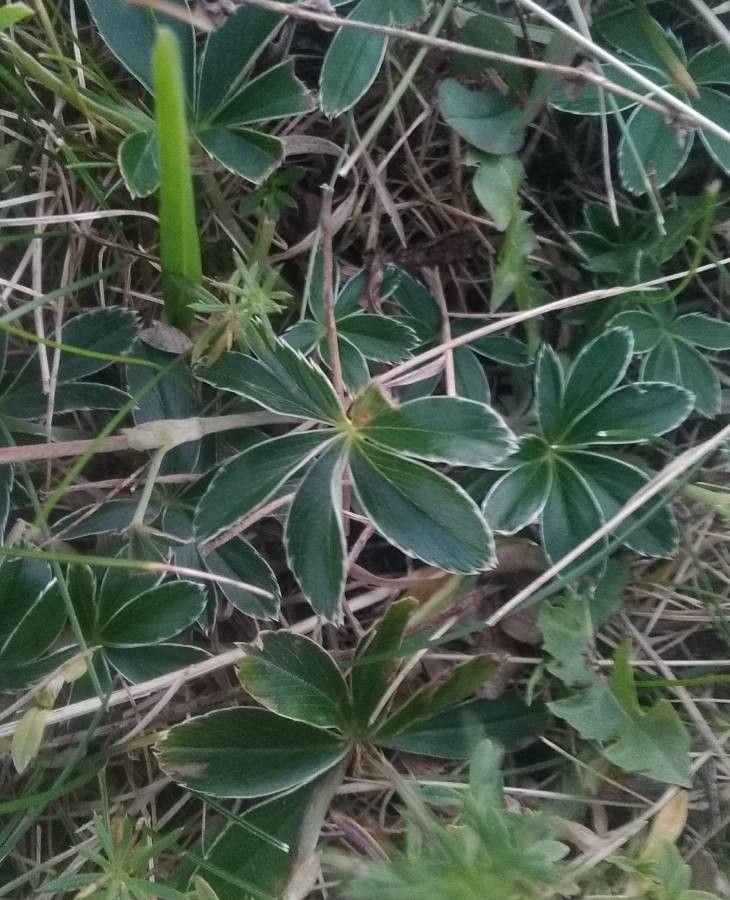
Alchemilla monticola, also called hairy lady's mantle, is a species of plant belonging to the family Rosaceae.It is native range extends from Europe to Siberia and Central China.
Hairy lady's mantle has strong disease resistance and is generally not prone to illnesses. However, it can be vulnerable to pests and diseases found in its environment. Such infections are typically mild. Care-wise, the plant needs moderate maintenance. It should be pruned regularly to keep a neat appearance and healthy growth. Fertilizing can also encourage flowering. Hairy lady's mantle is well suited to anyone with outdoor space, such as a garden or patio, and does not demand extensive gardening experience. When grown indoors, it may require additional care.
How to keep Alchemilla Monticola.
Light
Hairy lady's mantle occurs naturally in places such as forest understories or rocky sites, where it grows in natural shade. It prefers partial sun but can tolerate full sun or full shade, reflecting its adaptable, hardy nature.
Water
The hairy lady's mantle grows best in moist, well-drained environments. While it prefers consistent moisture, it is also moderately drought-tolerant. To prevent oversaturation, water it once a week. This plant is ideal for outdoor growth in temperate climates where seasonal rainfall supports its growth cycle.
Humidity
This plant will thrive in moderate humidity, which is probably the level in your home. However, misting it a few times a week can be very beneficial. Make sure the room has good ventilation.
Temperature
Hairy lady's mantle does well in cold climates and at high elevations. It favors cool temperatures, good air circulation, and a moist environment. In summer, measures should be taken to keep it cool, as it is very sensitive to heat and can easily die from it. Dry conditions can also damage the plant. In winter, no special cold protection is necessary, but maintaining soil moisture is important.
Fertilizer
The best time to fertilize a Hairy lady's mantle is in early spring, when it is coming out of dormancy and starting active growth. Fertilizing supplies essential nutrients for healthy development. Although Hairy lady's mantle has relatively low fertilizer needs, applying fertilizer annually can improve its survival and encourage better, longer-lasting flowers.
Pruning
Hairy lady's mantle showcases lobed, scalloped leaves paired with yellow-green flowers. To promote growth and flowering, prune the plant from early to late spring. Remove any dead parts to enhance air circulation, and trim away spent flowers to improve its appearance. Always use clean, sharp tools for effective maintenance.
Botanical profile.
- Plant Type
- Herb
- Life Cycle
- Perennial
- Genus
- Alchemilla
- Family
- Rosaceae
- Hardiness Zone
- 2
- Mature Height
- 20 cm
- Mature Spread
- 20 cm to 40 cm
- Leaf Color
- Light Green, Yellow Green
- Leaf Type
- Semi-evergreen
- Flower Color
- Yellow, Green
- Flower Size
- 0.25 cm to 0.51 cm
- Bloom Time
- Late spring, Early summer, Mid summer
- Planting Time
- Spring
- Harvest Time
- Mid summer, Late summer, Early fall
- Native Area
- Turkey, Austria, Sweden, Slovakia, Montenegro, Croatia, Slovenia, Belarus, Russia, Germany, Romania, Belgium, Moldova, France, Netherlands, Czech Republic, Bulgaria, Poland, Greece, Ukraine, Serbia, Norway, Italy, Switzerland, Denmark, Finland, Albania, United Kingdom, Hungary
Other names.
Reader questions.
How should I water my Hairy lady's mantle plant?
To properly water the Hairy lady's mantle plant, it is best to use filtered water at room temperature. Tap water may contain harmful particles, so filtering it ensures the plant's health. The plant is adapted to warm environments, so using cold water can be a shock to its system. It is also important to avoid overhead watering, as it can cause issues with the foliage. Instead, water the plant by applying filtered room temperature water directly to the soil until it is fully soaked. This method benefits the plant by moistening the roots and aiding in their spread through the soil to collect necessary nutrients.
What are the sunlight requirements for Hairy lady's mantle?
Hairy lady's mantle requires full sun, which means it should receive above 6 hours of sunlight daily. It thrives in locations that offer a balance of light and shade, ensuring its optimal growth. This perennial herbaceous plant is versatile, as it can also tolerate partial sun conditions, making it suitable for various spots in your garden.
What are the ideal growing conditions for Hairy lady's mantle?
Hairy lady's mantle, known botanically as Alchemilla monticola, thrives best in cold regions and high-altitude areas. It has a strong preference for cool temperatures, ample ventilation, and a moist environment. To support its growth during the hot summer months, various cooling measures should be implemented due to its high susceptibility to heat, which can be fatal. Although it can handle dry environments to some extent, maintaining soil moisture is crucial, especially in winter. Surprisingly, no special cold protection measures are needed in winter thanks to its high tolerance to cold, but it is recommended to water the plant generously before the first freeze in autumn to ensure the soil remains moist, helping the plant avoid drought and water scarcity in winter and early spring.
What should I do if I give my Hairy lady's mantle too much or too little water?
Both overwatering and underwatering can harm the health of your Hairy lady's mantle, but overwatering is more common and can cause wilting, yellowing, and diseases like root rot, mold, and mildew. Underwatering is less likely, but can lead to brittle, brown leaves. It's important to recognize signs of overwatering early and reduce watering immediately. If the soil drains poorly, replace it with a well-draining mix. If your plant shows signs of underwatering, increase watering until the signs improve.
What should I do if natural sunlight is insufficient for my indoor plants?
When natural sunlight is insufficient, especially during winter or in less sunny spaces, artificial lighting can provide a vital solution for indoor plants. For optimal growth, different plants require varying intensities of artificial light based on their sun preferences. Full sun plants need 30-50W/sq ft, partial sun plants 20-30W/sq ft, and full shade plants 10-20W/sq ft. LED lights are recommended due to their ability to be customized to specific plant needs. Ensure to place the light 12-36 inches above the plant and mimic natural daylight hours, usually 8-12 hours per day.
How does Hairy lady's mantle react to low temperatures, and what measures should be taken?
Hairy lady's mantle exhibits a remarkable tolerance to extremely cold temperatures, managing well even when winter temperatures drop below -40°C. However, should temperatures fall beneath this threshold, you may not observe any immediate changes during the winter, but there could be a noticeable decrease in sprouting, or in some cases, no sprouting at all come spring. To mitigate this, it's advised to remove any parts of the plant that have failed to sprout as soon as spring arrives.
How frequently should I water my Hairy lady's mantle?
If you have your Hairy lady's mantle in a pot, the best way to determine if it needs water is to stick your finger into the soil. If the top two to three inches of soil feel dry, then it's time to water it. If you have your Hairy lady's mantle planted outside in the ground, you can use the same method to test the soil. When the top few inches of soil have dried out, it means it's time to water it. Usually, during the spring and early fall, you'll need to water this plant about once a week using this method. However, when it gets really hot, you may have to water it twice a week or even more. Regardless, mature and well-established Hairy lady's mantle plants can handle drought quite well.
What are the signs of light deficiency in Hairy lady's mantle?
Symptoms of light deficiency in Hairy lady's mantle include smaller new leaves, leggy or sparse growth, faster leaf drop, slower or no new growth, lighter-colored new leaves, chlorosis, sunscald, leaf curling, wilting, and leaf scorching. These symptoms indicate that the plant is not receiving adequate sunlight, affecting its ability to photosynthesize and maintain its health.
What should I do if Hairy lady's mantle is exposed to high temperatures?
Hairy lady's mantle is particularly vulnerable to high temperatures, with its growth halting entirely if temperatures exceed 21°C, increasing its risk of rot. If exposed to such conditions, trim away any sunburned and dried-up parts of the plant. Additionally, move the plant to a shadier location to protect it from the midday and afternoon sun, or employ the use of a shade cloth for added protection. Ensuring the soil remains moist by watering the plant in the morning and evening is also vital for its survival in high temperatures.
How much water does my Hairy lady's mantle plant need?
To properly water your Hairy lady's mantle, don't hesitate to give it a generous amount of water. Make sure the first two to three inches of soil are dry before watering. It's important to thoroughly soak the soil by supplying enough water until it flows through the drainage holes at the bottom of the pot. If you don't see excess water draining, you may have underwatered the plant. However, be cautious not to let water accumulate in the soil, as it can harm the plant. Additionally, if water doesn't drain properly, it may indicate poorly draining soil, which should be avoided. If the plant is outside, providing 1 inch of rain per week will suffice.
How can I address light deficiency for Hairy lady's mantle both indoors and outdoors?
To address light deficiency, gradually move your Hairy lady's mantle to sunnier locations, ensuring it receives at least 6 hours of direct sunlight daily. For indoor plants, use south-facing windows or consider additional artificial lighting, keeping lamps on for at least 8 hours a day. For outdoor plants, avoid sudden changes in light intensity to prevent sunburn. Removing obstructions that block sunlight and transplanting to sunnier spots can also help. Note that parts of the plant affected by insufficient light may not recover, but new growth will thrive under better lighting conditions.
How should I water my Hairy lady's mantle as it grows?
The water requirements for Hairy lady's mantle vary depending on its growth stages. In the first few years or after transplanting, it needs more water because it focuses on growing new roots for future growth. These roots perform better with slightly more moisture. After a few seasons, it requires less water. Additionally, during the bloom period, extra water may be necessary as flower development utilizes a significant amount of moisture.