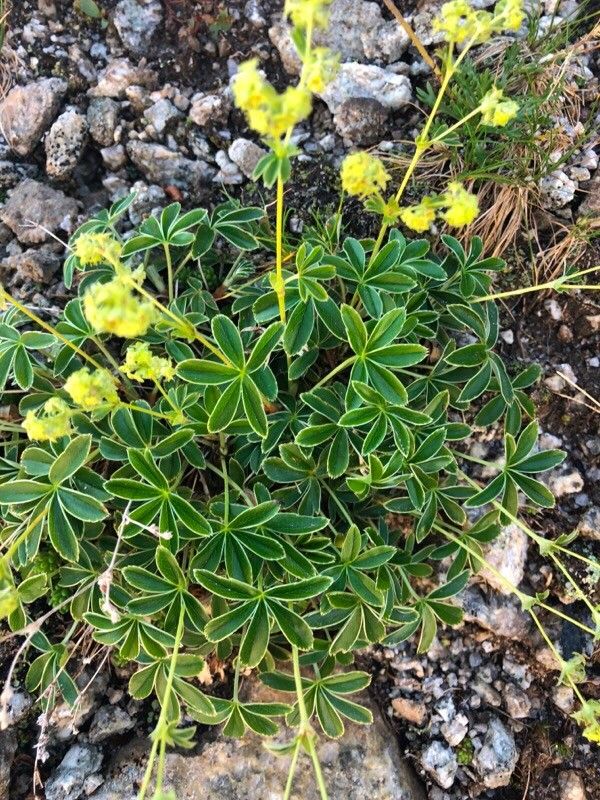
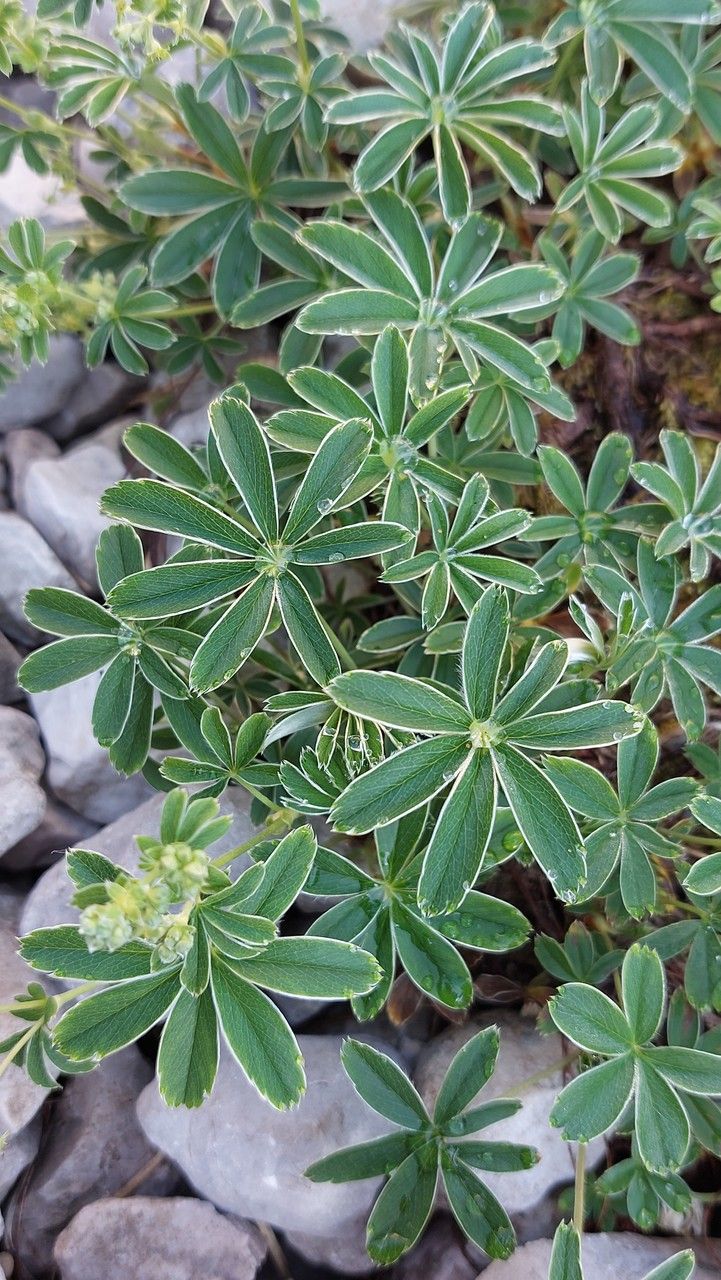
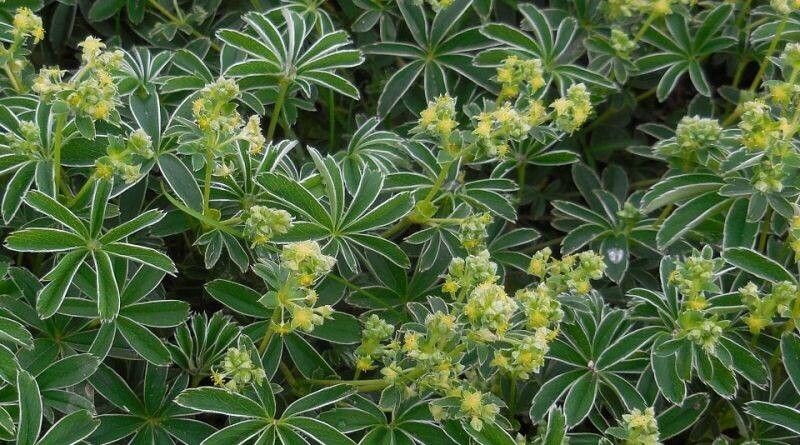
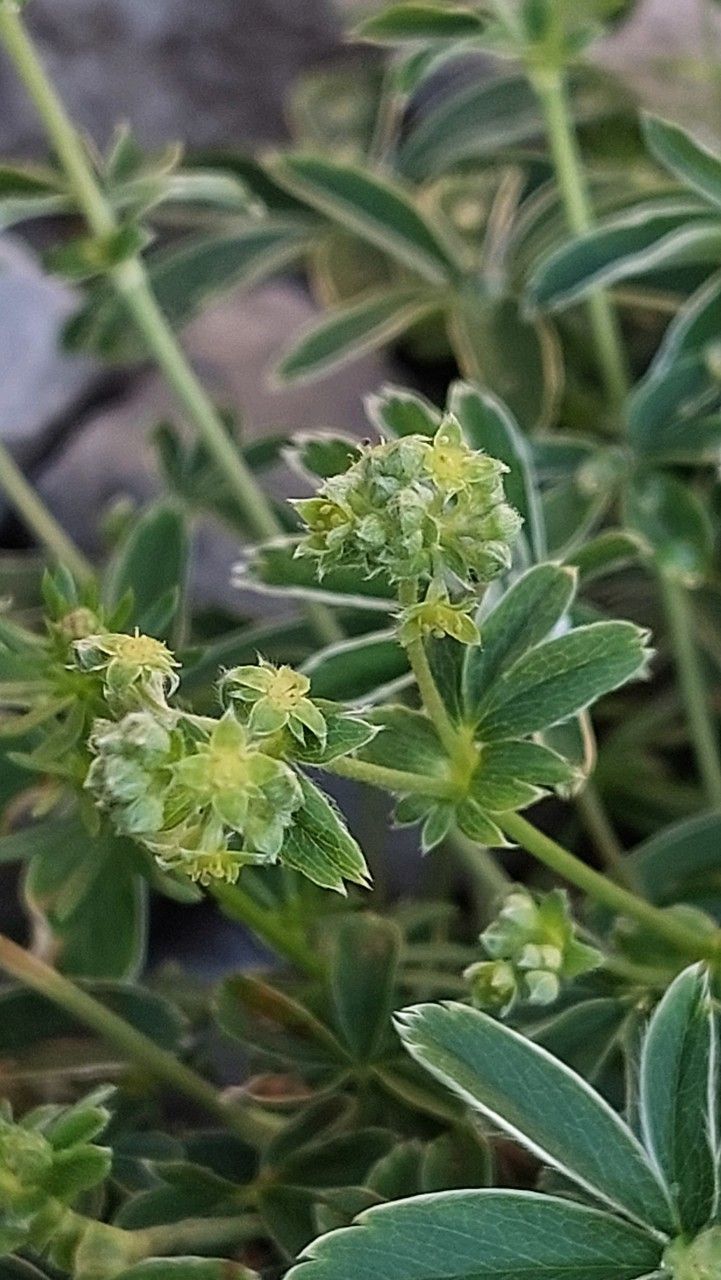
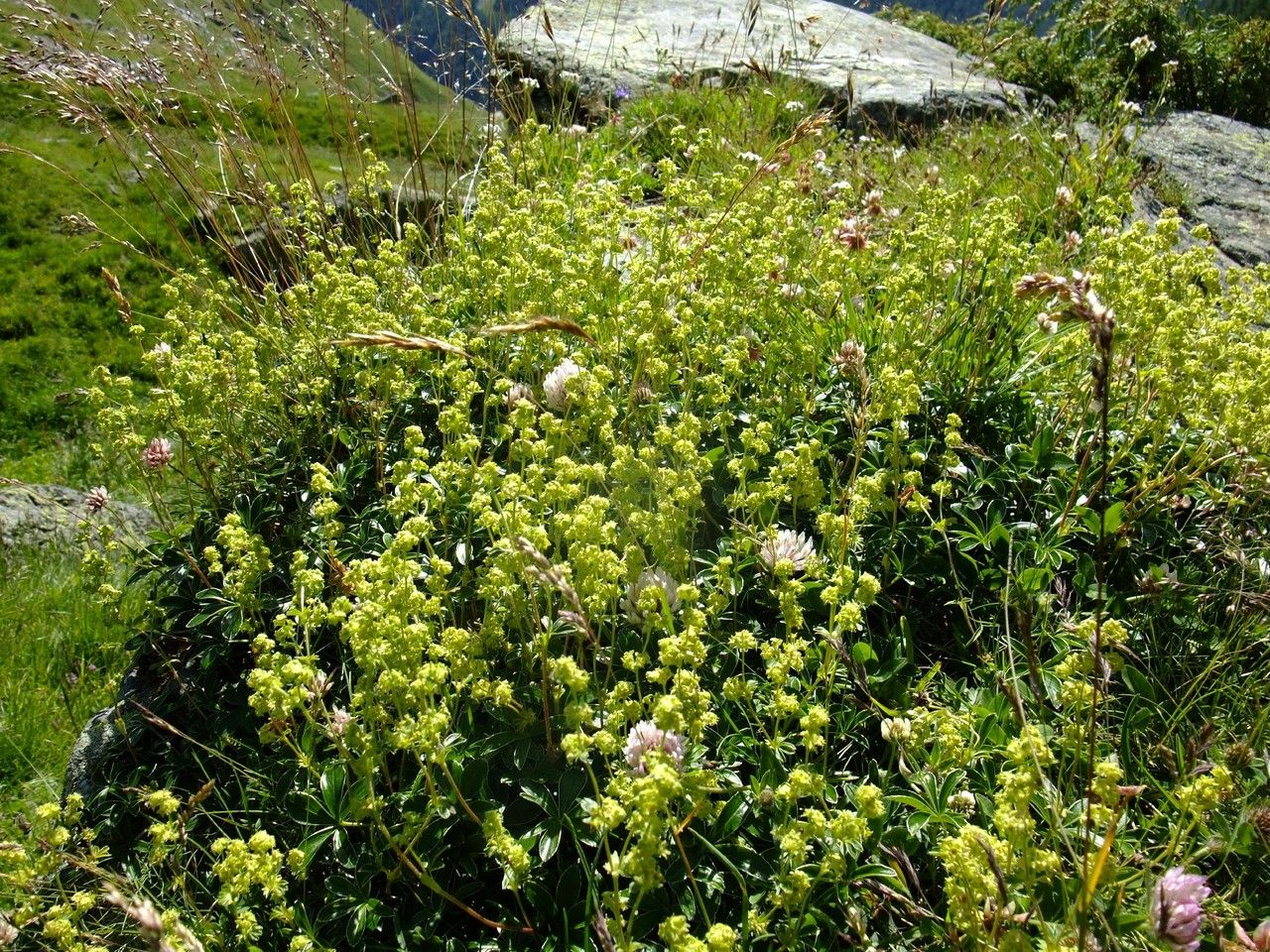
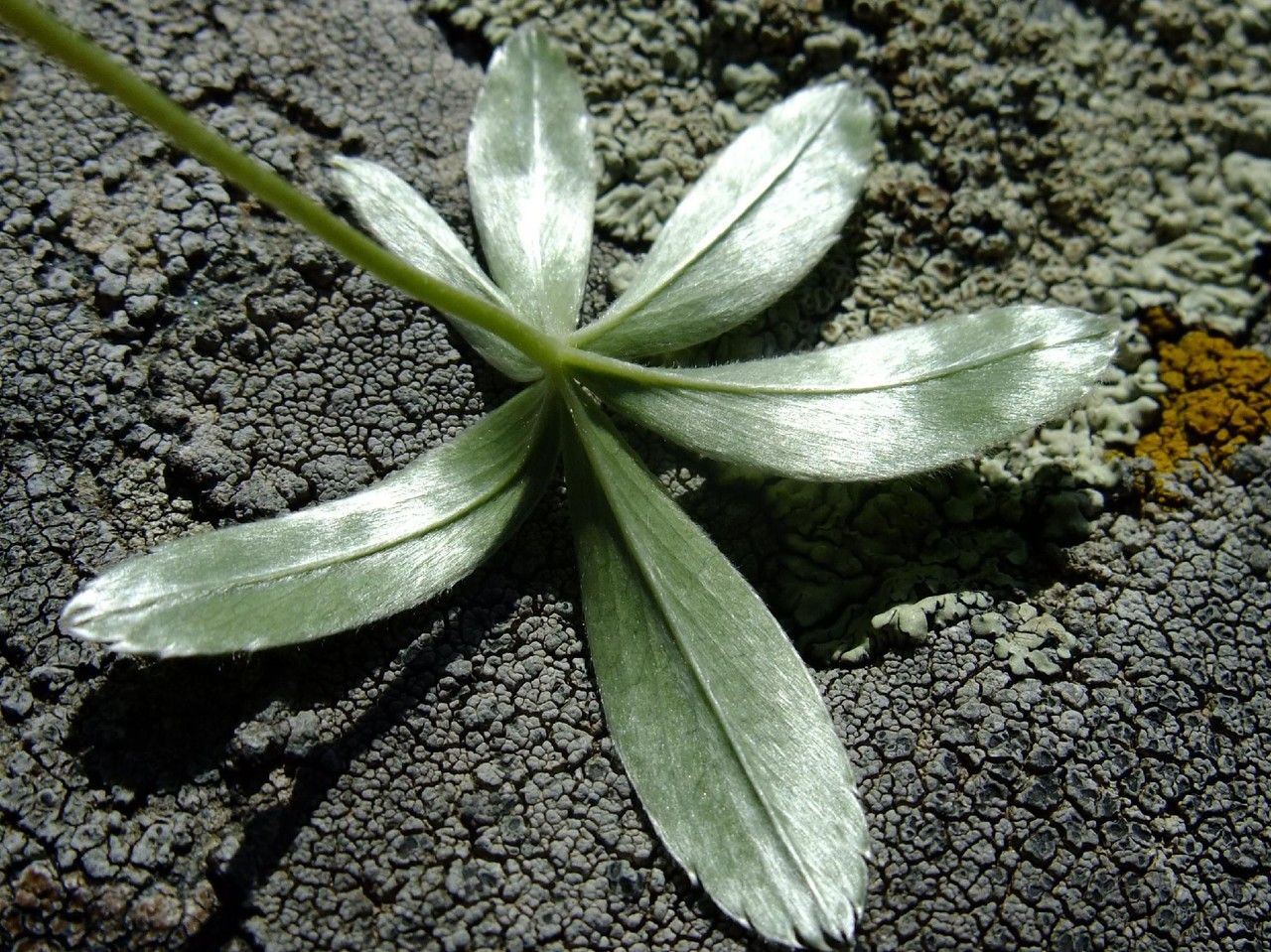
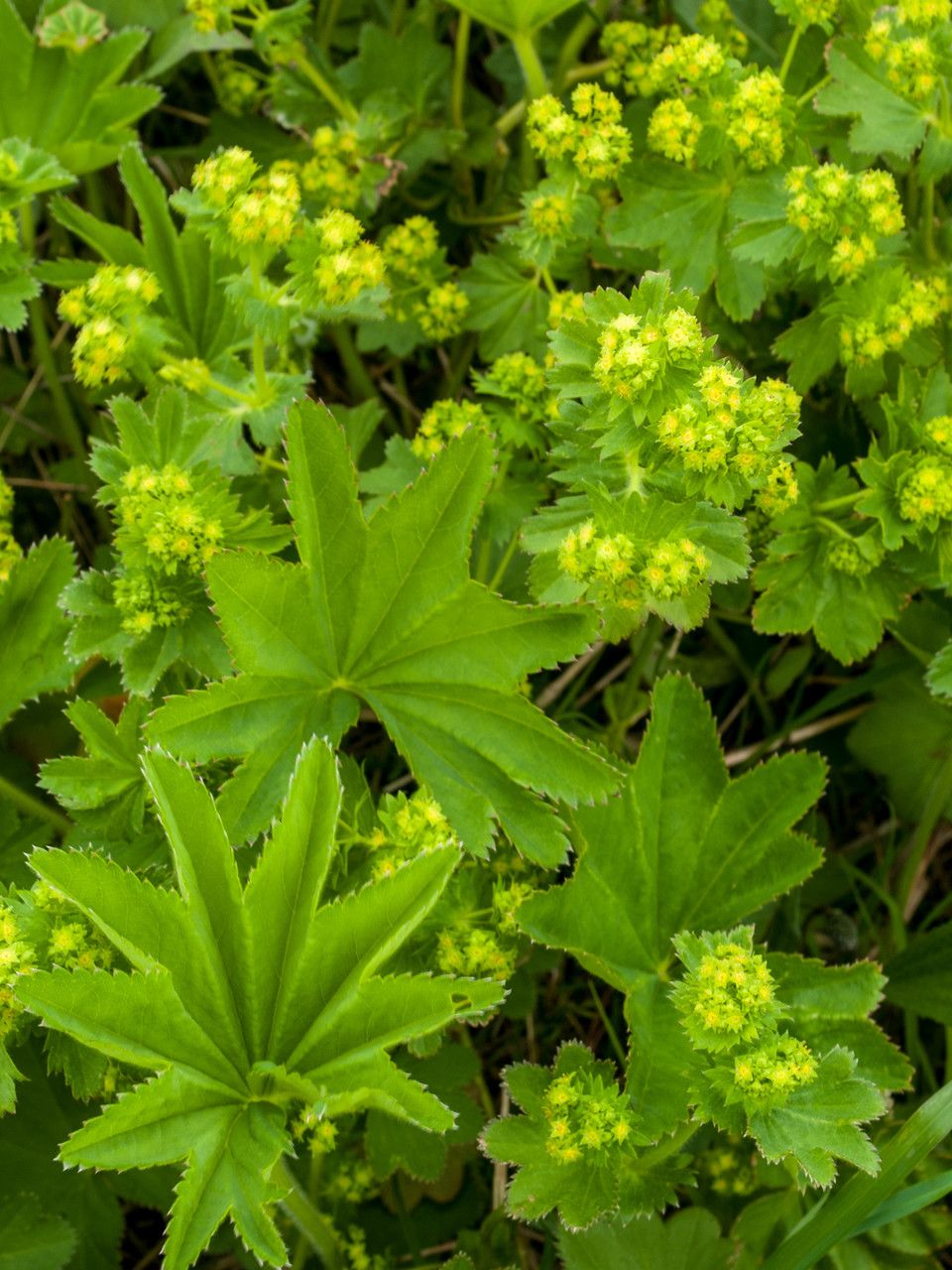
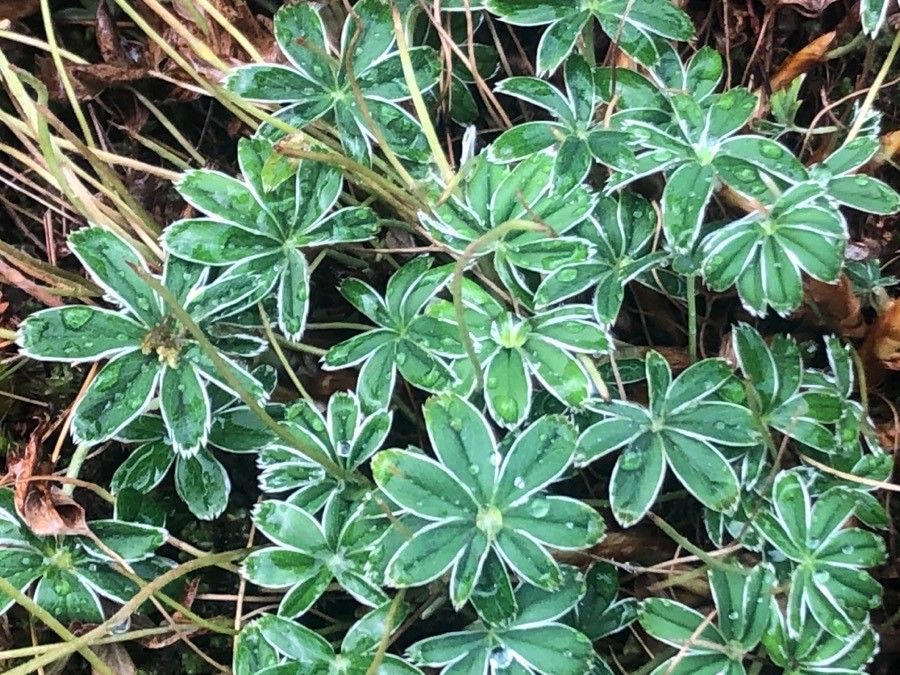
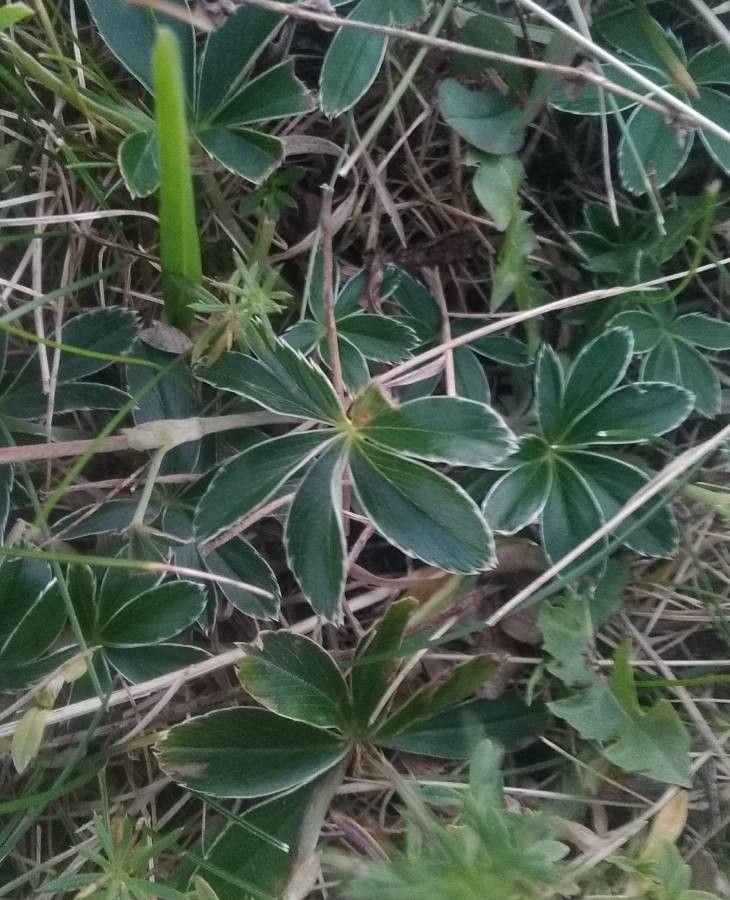
Alchemilla nitida has good resistance to disease and is generally not prone to illnesses. However, it can still be affected by pests and diseases present in its surroundings. Such infections are usually mild. The plant needs moderate maintenance. It should be pruned regularly to keep an attractive appearance and promote healthy growth. Fertilizing can also help encourage flowering. Alchemilla nitida is well suited for anyone with outdoor space, such as a garden or patio, and does not require much gardening experience. It may need more care if grown indoors.
How to keep Alchemilla Nitida.
Light
Alchemilla nitida is native to habitats like forest understories and rocky areas, where it grows in natural shade. It prefers partial sun but can also tolerate full sun or full shade, showing its versatile and hardy nature.
Water
Alchemilla nitida flourishes in moist, temperate climates and prospers in evenly moist soil, though it can handle moderate drought conditions. To ensure healthy growth, it is recommended to water the plant weekly. Applying mulch can also aid in retaining soil moisture. Due to its adaptability to varying rainfall, Alchemilla nitida is a robust choice for outdoor gardens, especially as an attractive addition to garden borders.
Temperature
Alchemilla nitida can tolerate a wide range of temperatures, but its distribution may still be restricted by specific combinations of moisture and heat. It grows best in warm summer climates with sufficient rainfall or watering. Long stretches of cloudy, rainy weather or extended high temperatures can raise the chance of Alchemilla nitida dying. In winter, protecting it from cold can improve its survival rate.
Fertilizer
One fertilizer application in spring is generally adequate for Alchemilla nitida, though repeated feedings can boost growth. Feed every month to every month and a half. Fertilization improves leaf appearance and function, helping maintain uniform color and a healthy texture. It also promotes root development and nutrient uptake, supporting long-term plant health.
Pruning
Alchemilla nitida features finely textured foliage and benefits from pruning between early and late spring. To encourage growth, remove any dead or damaged material, and deadhead the plant after flowering to extend the blooming period. Making clean cuts during pruning helps prevent disease, while also improving air circulation and sunlight penetration, leading to a healthier plant.
Botanical profile.
- Plant Type
- Herb
- Life Cycle
- Perennial
- Genus
- Alchemilla
- Family
- Rosaceae
- Hardiness Zone
- 4-8
- Mature Height
- 10 cm to 30 cm
- Mature Spread
- 15 cm to 40 cm
- Leaf Color
- Light Green, Yellow Green
- Leaf Type
- Evergreen
- Flower Size
- 0.25 cm to 0.51 cm
- Bloom Time
- Late spring, Early summer, Mid summer
- Planting Time
- Spring, Summer, Autumn
- Harvest Time
- Mid summer, Late summer, Early fall
- Native Area
- Switzerland, Germany, Austria, France