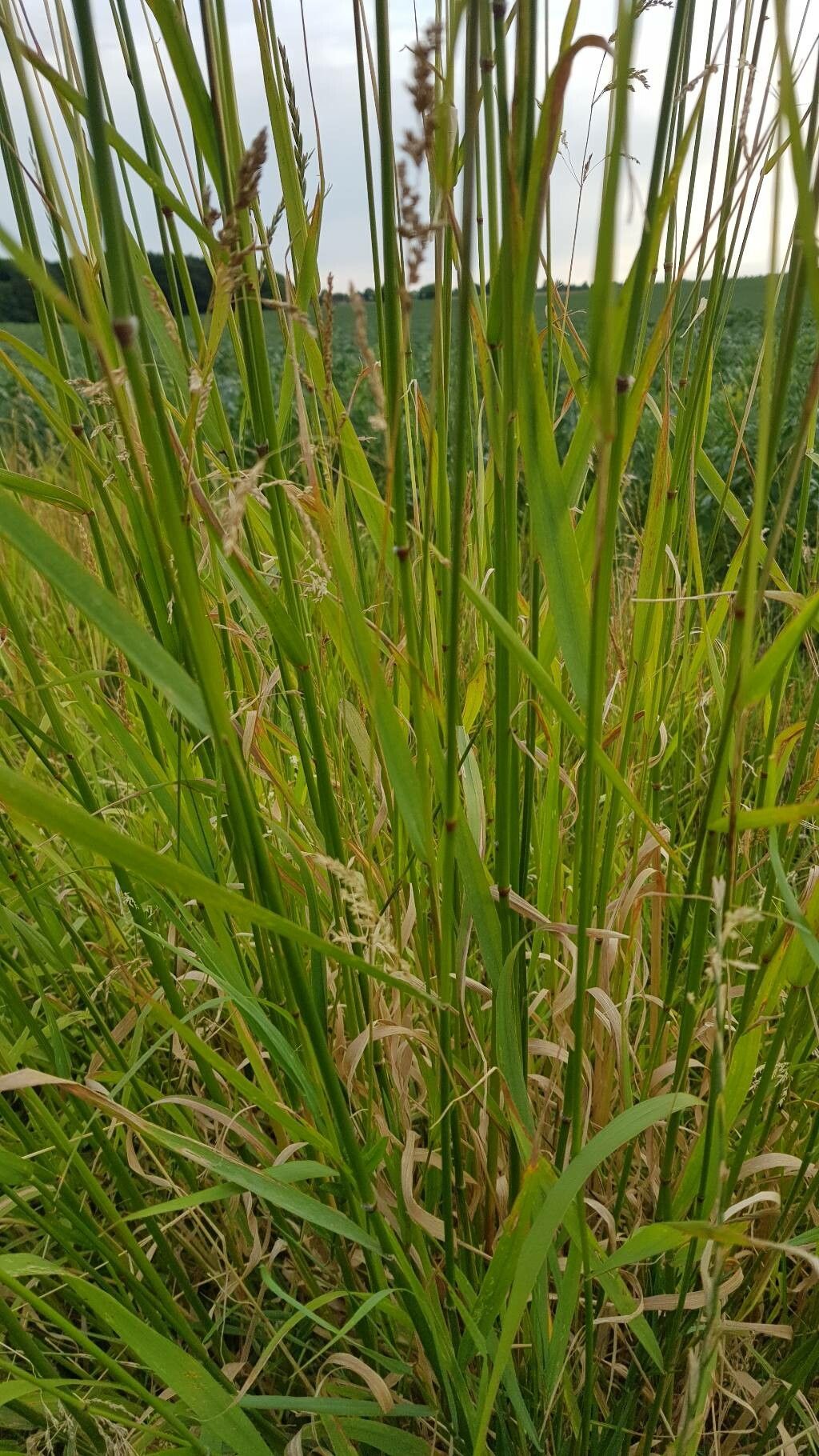
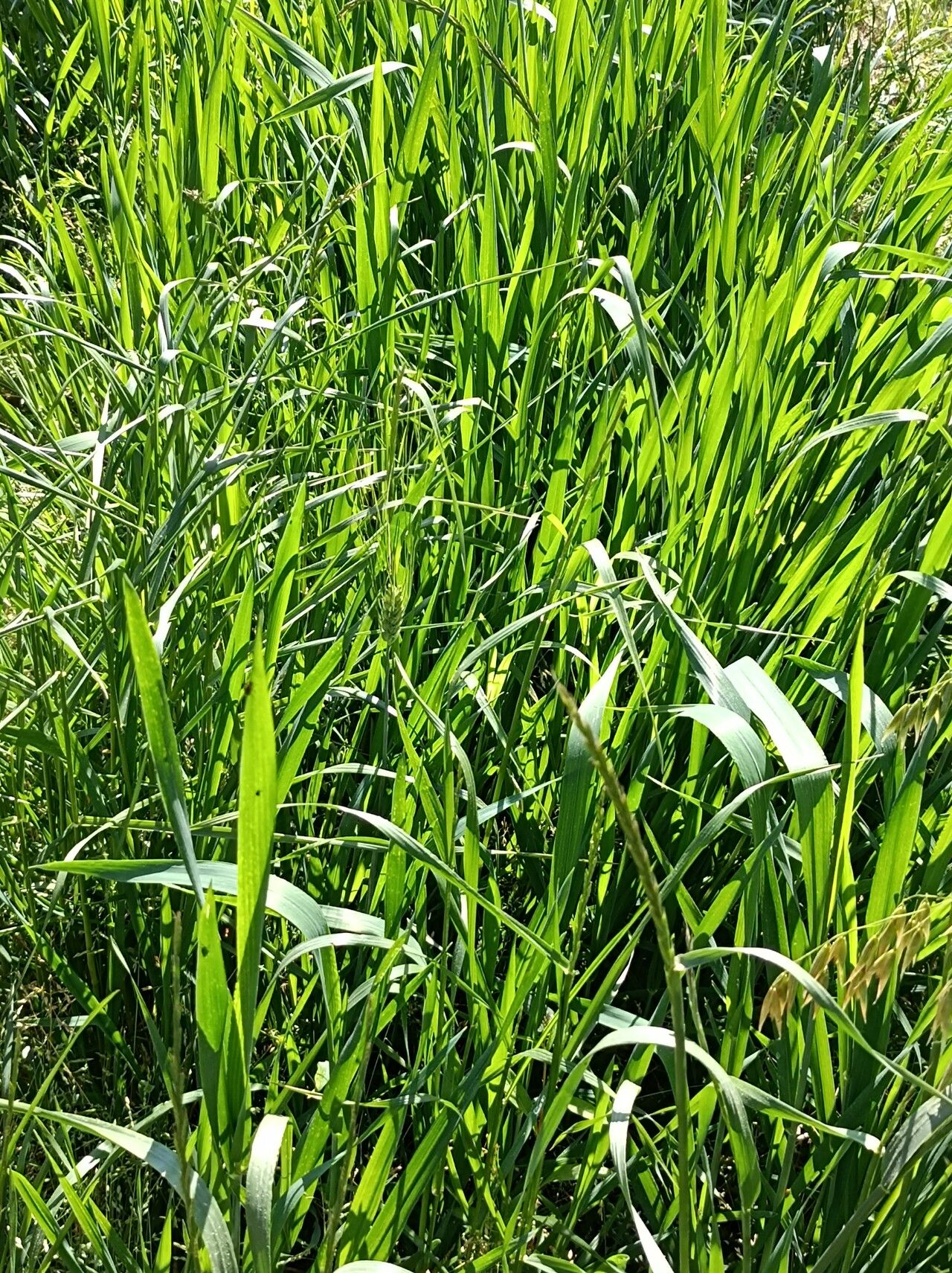
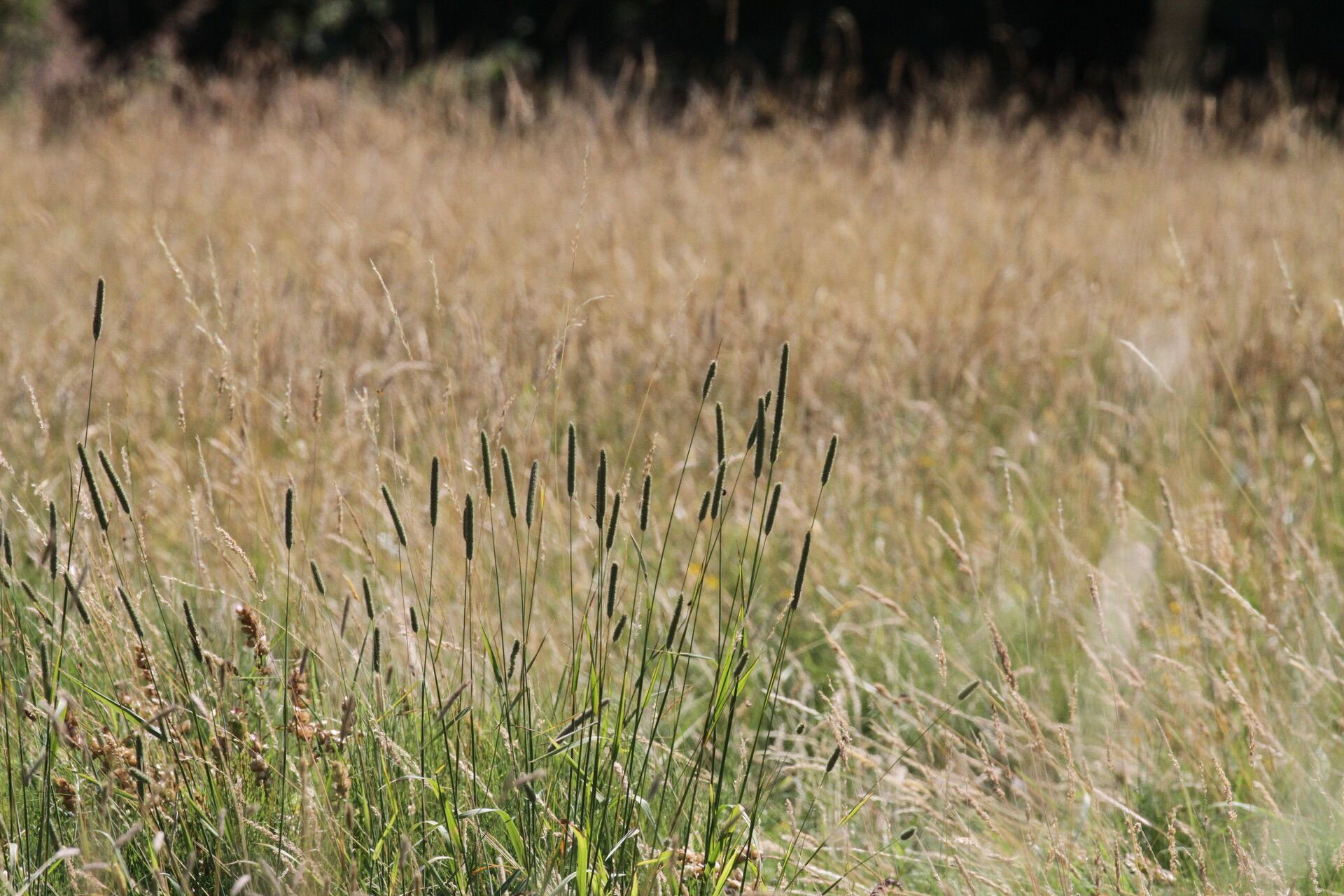
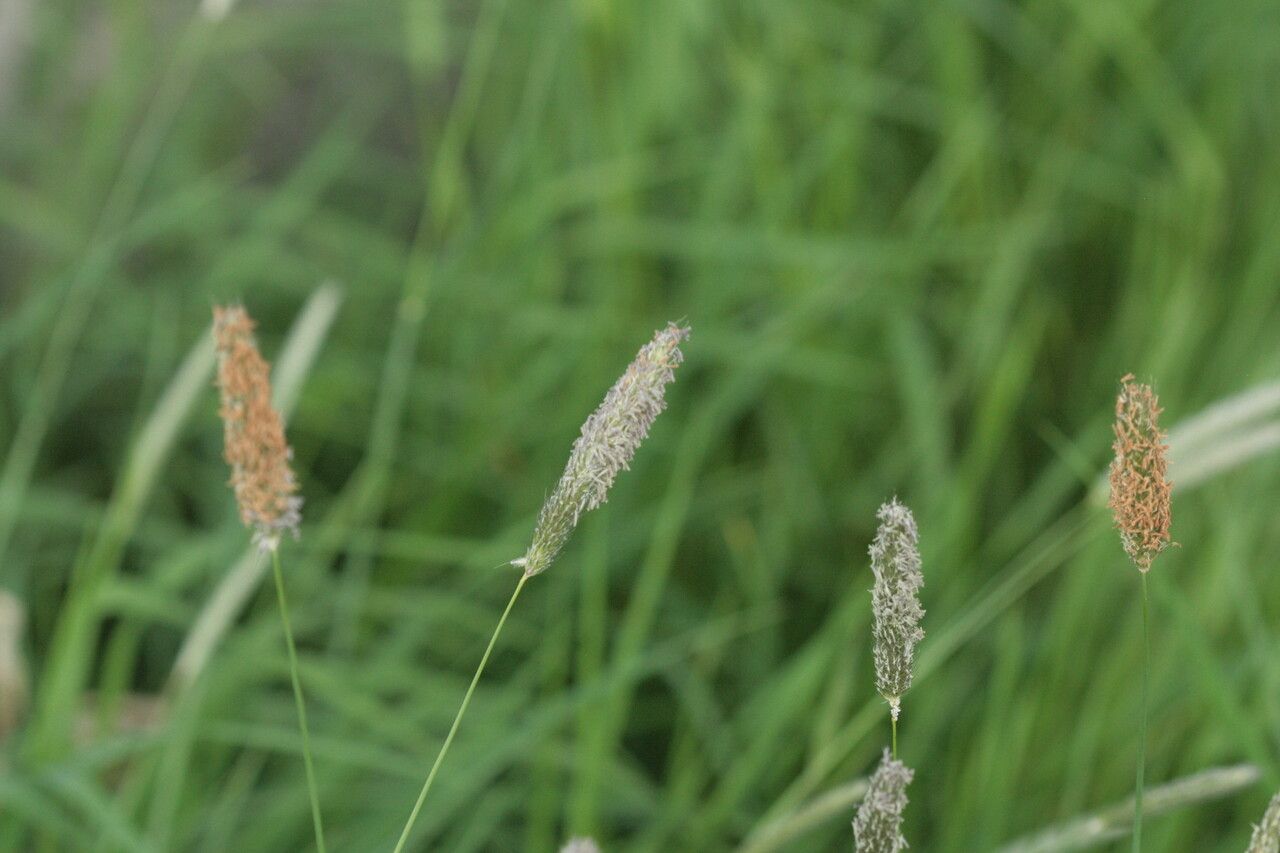
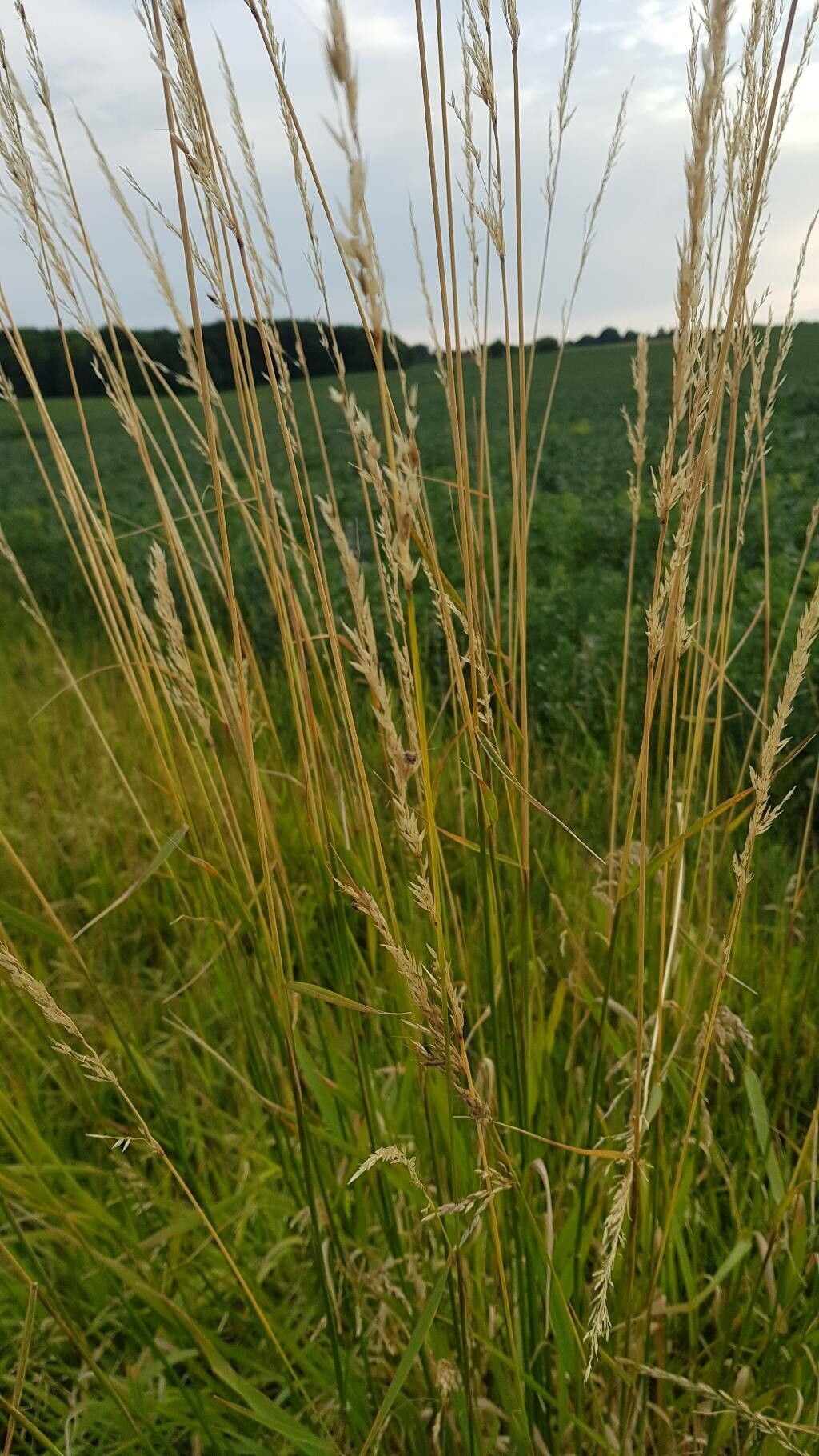
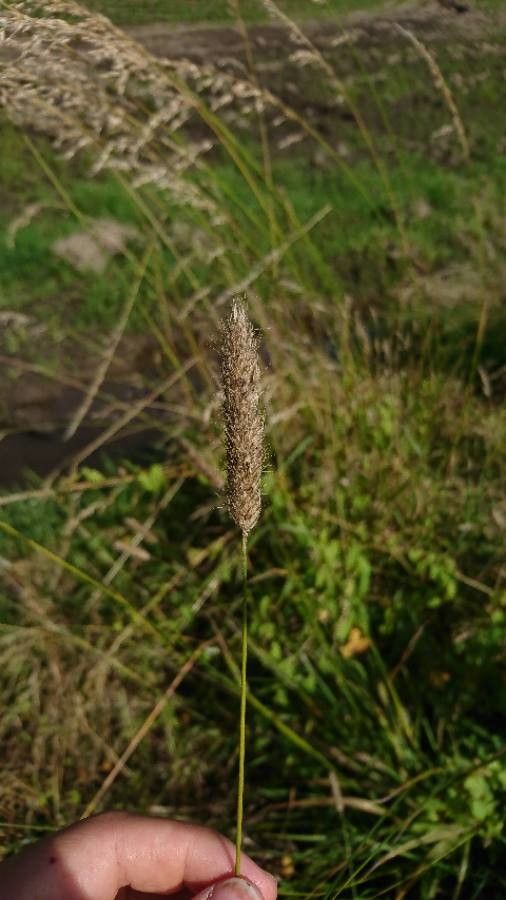
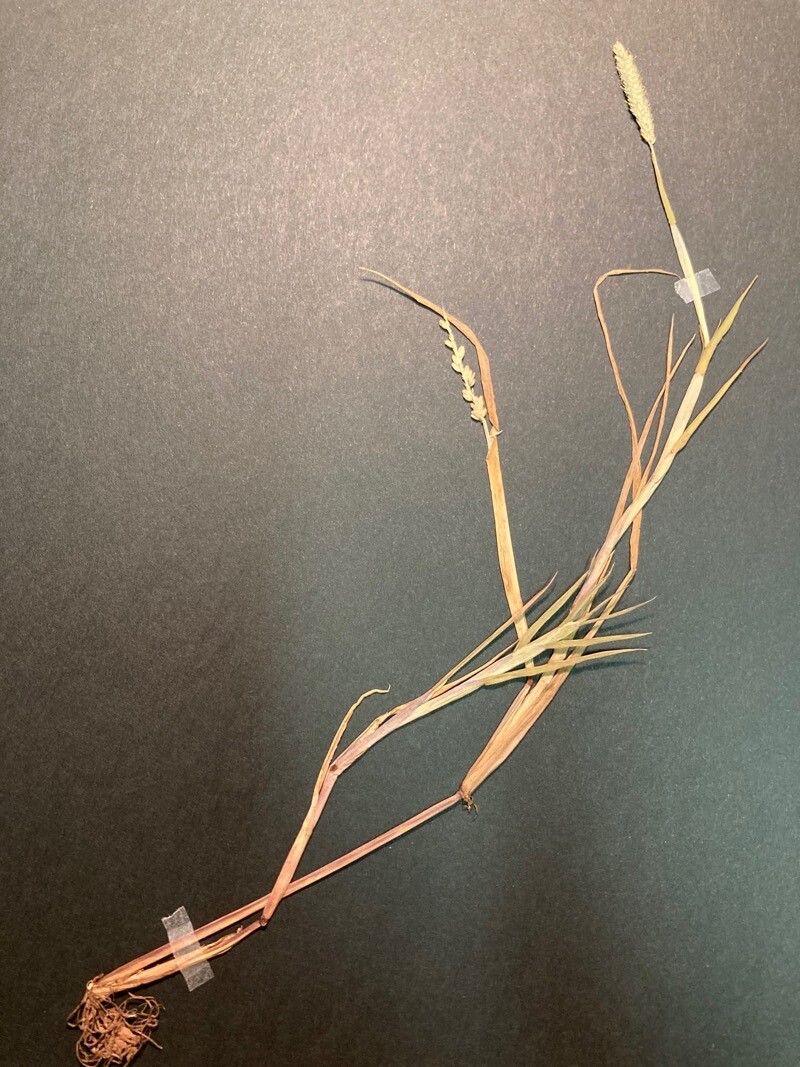
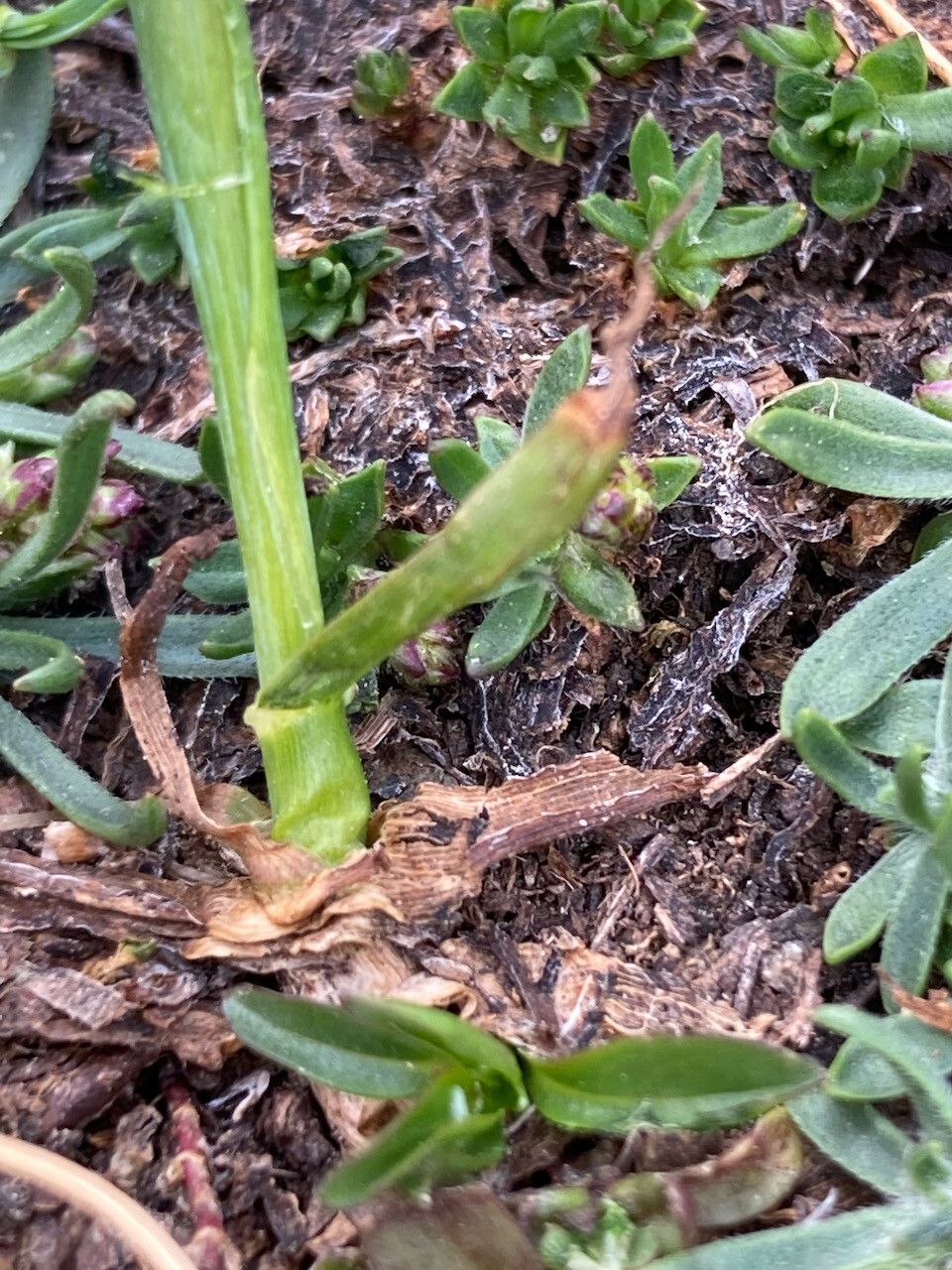
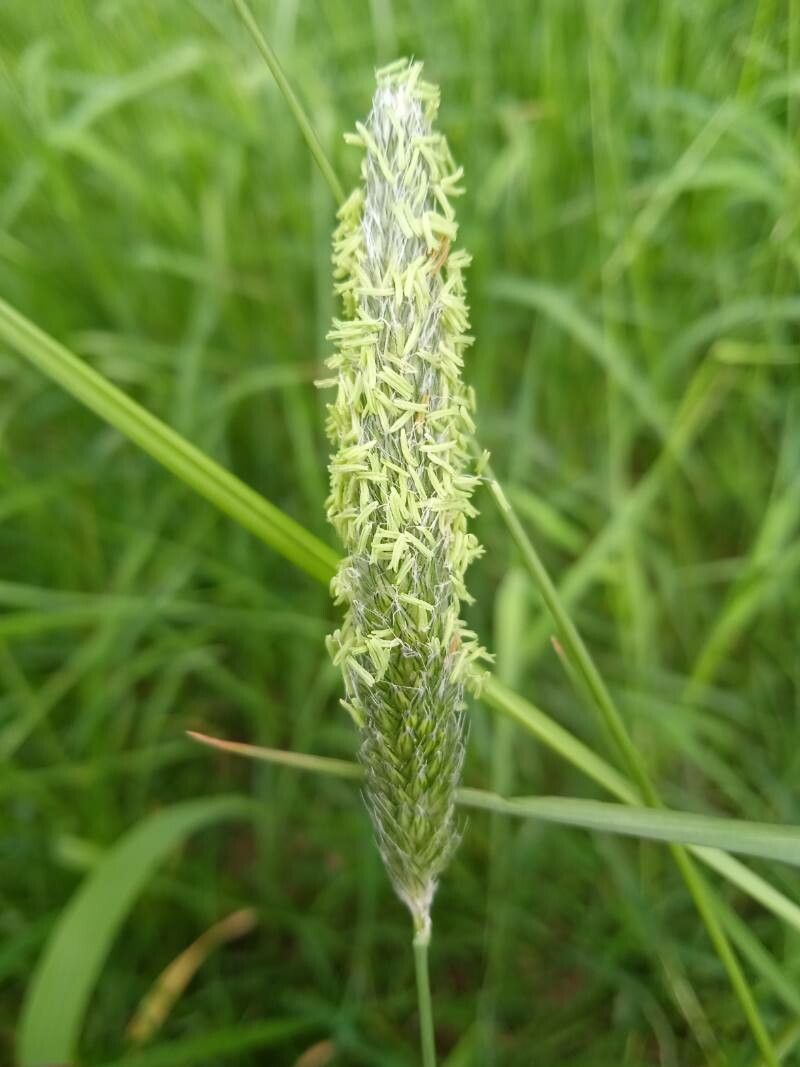
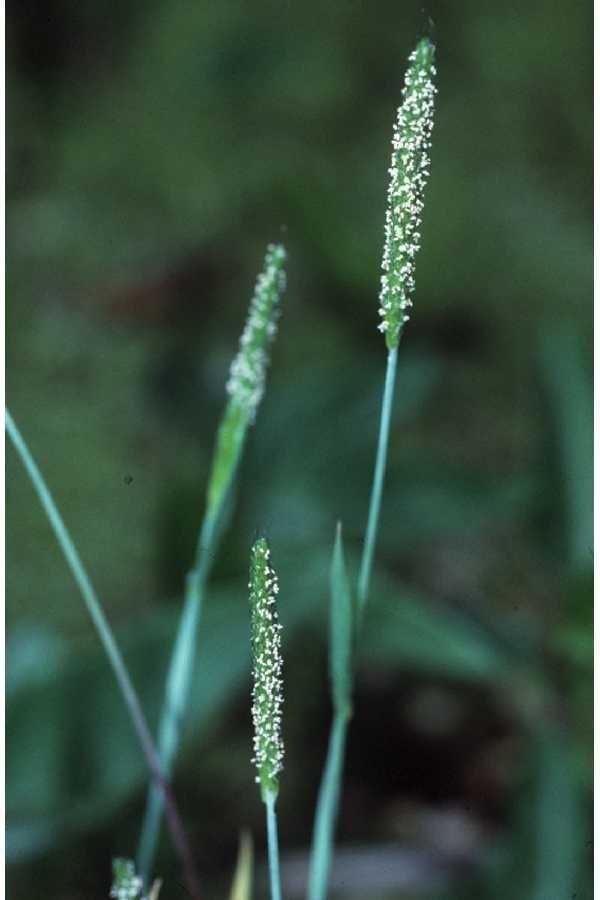
Alopecurus arundinaceus, the creeping meadow foxtail or creeping foxtail, is a rhizomatous perennial species in the Grass family (Poaceae). Native to Eurasia and northern Africa, and widely introduced elsewhere, this sod forming grass is useful as a forage and for erosion control. It grows in damp or saline grasslands and banks of waterways, and on mountains up to 1,200 m. It flowers between April and July, depending on its location.
Creeping meadow foxtail is disease-resistant and typically does not suffer from illnesses. In terms of care, the plant is fairly low maintenance. When grown outdoors it needs little watering, and larger specimens usually do not require pruning. Smaller plants, however, should be trimmed after they have finished blooming. Creeping meadow foxtail is suitable for anyone with an outdoor area, such as a garden or deck, and does not demand much gardening experience.
How to keep Alopecurus Arundinaceus.
Light
Creeping meadow foxtail does best in locations that receive direct sunlight for most of the day. It can tolerate areas with partial shade. Too little light produces weak growth, while too much light can cause the plant some stress. In its native habitat it favors open, sunlit areas.
Water
Creeping meadow foxtail originates from moist meadows and thrives in consistently damp environments. To prevent waterlogging, water the plant once a week. When grown outdoors, it mainly depends on natural rainfall, which supports its growth during the active season.
Temperature
Creeping meadow foxtail originates from habitats where temperatures typically range from 32 to 77 °F (0 to 25 °C). It performs best within that temperature span. Making seasonal adjustments to imitate its native climate, such as providing warmth during winter, can help its growth.
Fertilizer
Creeping meadow foxtail needs extra nutrients to encourage healthy new growth. In spring, placing compost around the base of the plant will effectively supply the nutrition it requires. Fertilizing supports vigorous growth and helps the plant resist diseases and pests.
Pruning
Creeping meadow foxtail is a hardy grass species that benefits from early spring pruning. Trimming the plant in the spring removes dead stems and promotes new growth. Cutting the grass back to just a few inches improves air circulation, reduces the risk of disease, and helps control its spread, resulting in a more attractive appearance. For the best results, use clean, sharp tools.
Botanical profile.
- Plant Type
- Grass
- Life Cycle
- Perennial
- Genus
- Alopecurus
- Family
- Poaceae
- Hardiness Zone
- 3
- Mature Height
- 0.3 m to 1.07 m
- Mature Spread
- 1 cm
- Leaf Color
- Green, Blue
- Leaf Type
- Deciduous
- Flower Color
- Yellow, Green, Red, Brown
- Flower Size
- 2.54 cm to 6.35 cm
- Bloom Time
- Mid spring, Late spring, Early summer
- Planting Time
- Spring, Summer
- Harvest Time
- Summer
Other names.
Reader questions.
What are the sunlight requirements for Creeping meadow foxtail?
Creeping meadow foxtail requires full sun conditions, meaning it thrives in areas that receive more than 6 hours of sunlight daily. However, it can also tolerate partial sun conditions, with about 3-6 hours of sunlight. It's important to observe how sunlight moves through your garden and choose locations that offer a balance of light and shade to ensure the plant's happiness. In its native environment, Creeping meadow foxtail prefers open, sun-drenched spaces but can withstand some shade. Too little light can lead to weak growth, while too much might stress the plant.
What is the ideal temperature range for Creeping meadow foxtail?
Creeping meadow foxtail, scientifically known as Alopecurus arundinaceus, flourishes in environments where temperatures generally range from 32 to 77 °F (0 to 25 °C). Maintaining this temperature range is crucial for its optimal growth. To ensure its health and growth, seasonal adjustments mimicking its native climate, especially providing warmth during winter, are beneficial.
How can artificial lighting support indoor Creeping meadow foxtail plants?
Indoor plants, including Creeping meadow foxtail, require adequate lighting to grow optimally. When natural sunlight is insufficient, especially during winter or in less sunny spaces, artificial lighting becomes a vital solution for facilitating faster, healthier growth. LED lights, being customizable to provide specific wavelengths, are a popular choice for indoor plant lighting. For full sun plants, 30-50W per square foot is needed, while partial sun plants require 20-30W, and full shade plants need 10-20W. The light source should be placed 12-36 inches above the plant to mimic natural sunlight, and the duration of light exposure should match the natural daylight hours the plant species needs, which is typically 8-12 hours per day.
Is Creeping meadow foxtail cold-tolerant?
Yes, Creeping meadow foxtail is highly cold-tolerant. It does not require additional frost protection measures during winter months. Nevertheless, to prepare for winter and early spring, it is advisable to water the plant generously before the first freeze in autumn. This practice ensures the soil remains moist and enters a frozen state, thus preventing drought and water scarcity for the plant.
What are the signs of inadequate or excessive light exposure in Creeping meadow foxtail?
Signs of inadequate light exposure in Creeping meadow foxtail include smaller new leaves, leggy or sparse growth, faster leaf drop, slower or stopped growth, and lighter-colored new leaves. Excessive sunlight can lead to chlorosis (leaves turning yellow due to chlorophyll breakdown), sunscald (damage from intense sunlight exposure), leaf curling (a defense mechanism against water loss and damage), wilting (loss of turgor pressure causing drooping), and leaf scorching (brown, dry, and crispy leaf edges). These symptoms indicate the plant's struggle with its light environment, either needing more light or suffering from too much direct exposure.
How should Creeping meadow foxtail be cared for in low temperatures?
Creeping meadow foxtail is extremely cold-tolerant and can survive winter temperatures down to -35°C (-31°F). However, if temperatures drop below this threshold, you might not notice any changes during winter, but there could be a decrease in sprouting or no sprouting at all come spring. To address this issue in spring, remove any parts of the plant that have failed to sprout as part of your care routine.
How can light exposure be improved for Creeping meadow foxtail?
To improve light exposure for Creeping meadow foxtail, gradually move indoor plants to sunnier locations each week until they receive at least 6 hours of direct sunlight daily, utilizing south-facing windows for maximum exposure. For plants that are large or not easily movable, consider using artificial light, keeping lamps on for at least 8 hours daily or investing in professional plant grow lights. Outdoors, gradually adapt your plants to more sun by incrementally moving them to sunnier spots each week to avoid sunburn. If obstructions like trees block sunlight, consider pruning them. For smaller plants, transplanting during the dormant period (late winter or early spring) to a location with more sunlight and good drainage is recommended. Note that parts of the plant affected by prior insufficient sunlight may not recover, but new growth should be healthy following these adjustments.
How does high temperature affect Creeping meadow foxtail and how can it be mitigated?
Creeping meadow foxtail is not tolerant of high temperatures; growth may halt when temperatures exceed 25°C (77°F), making the plant more susceptible to rot. To mitigate the damage from high temperatures, trim away any sunburned and dried-up parts. It's also advisable to relocate the plant to a shaded area or use a shade cloth to protect it from the midday and afternoon sun. Watering the plant in the morning and evening can help keep the soil moist, further supporting the plant's health under high-temperature conditions.