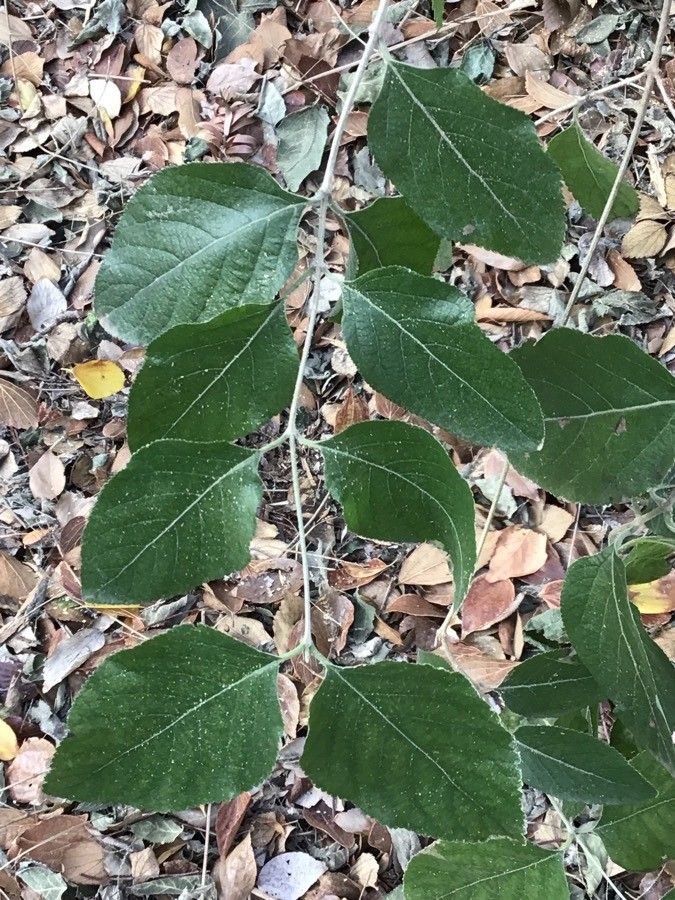
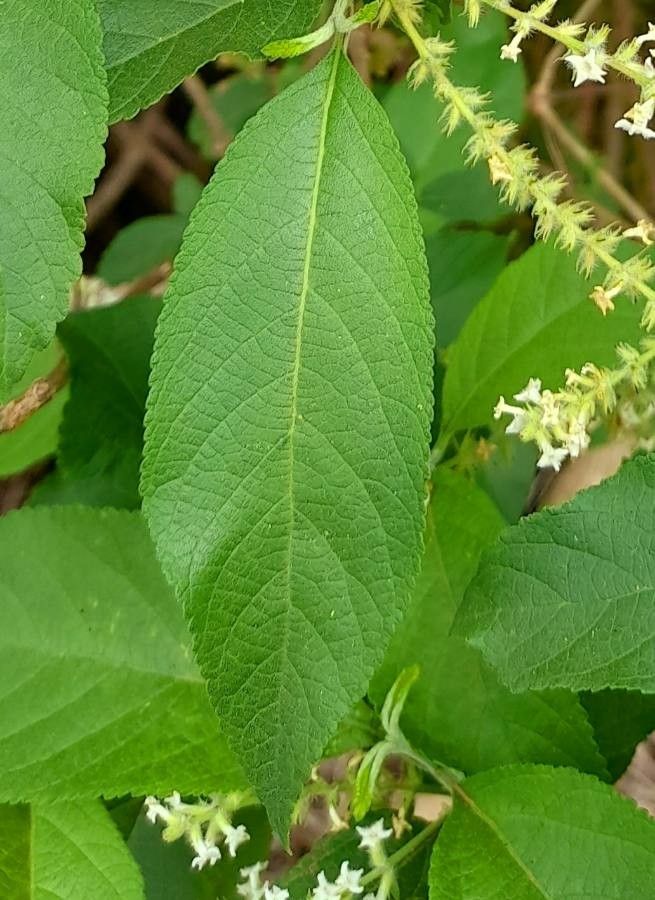
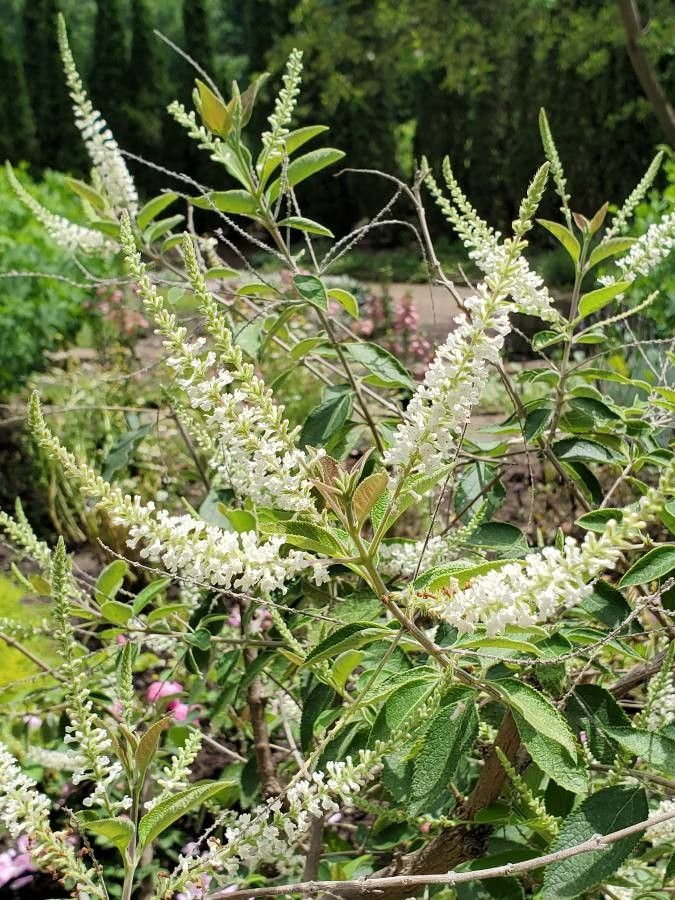
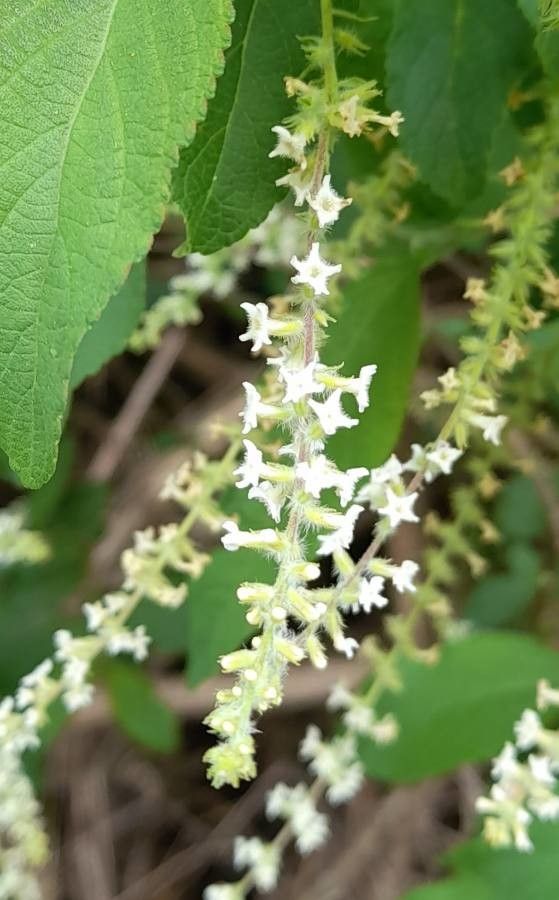
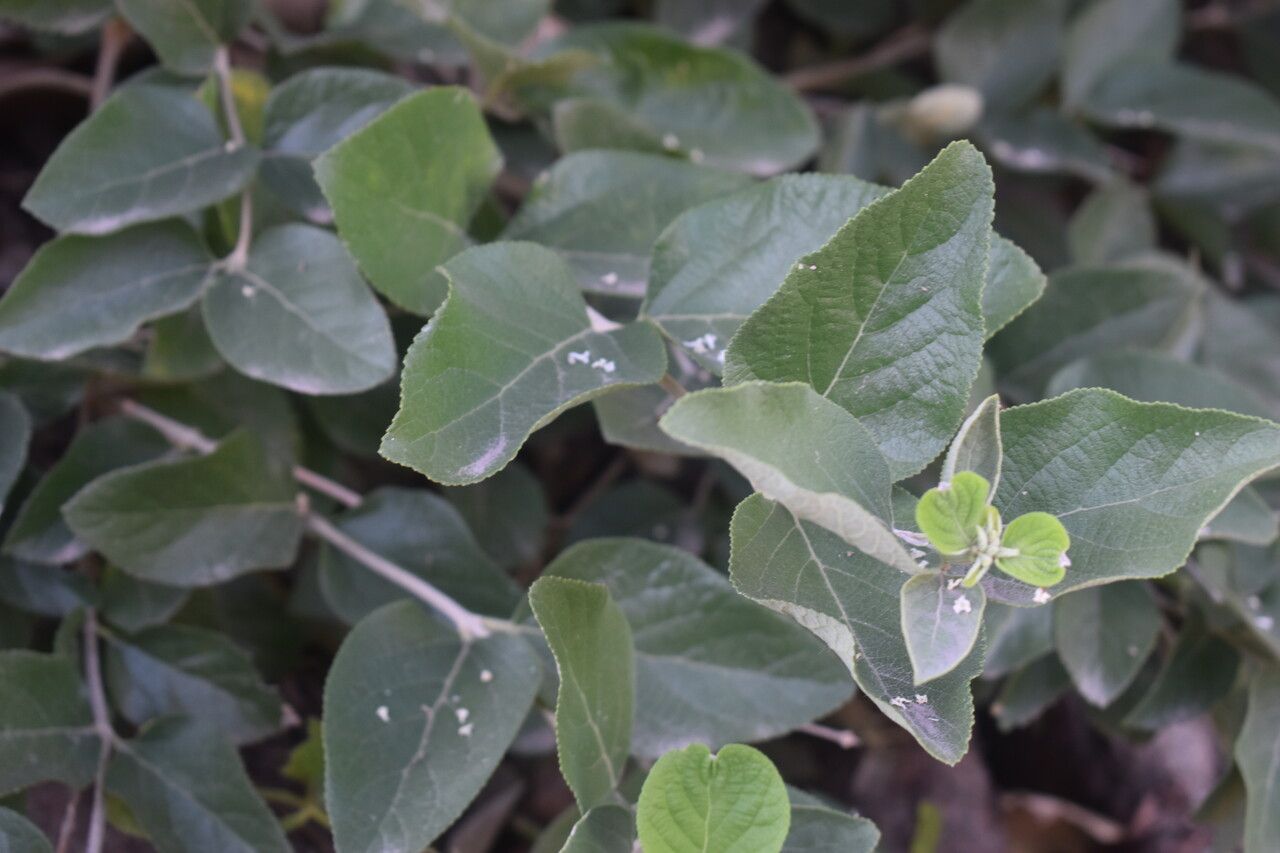
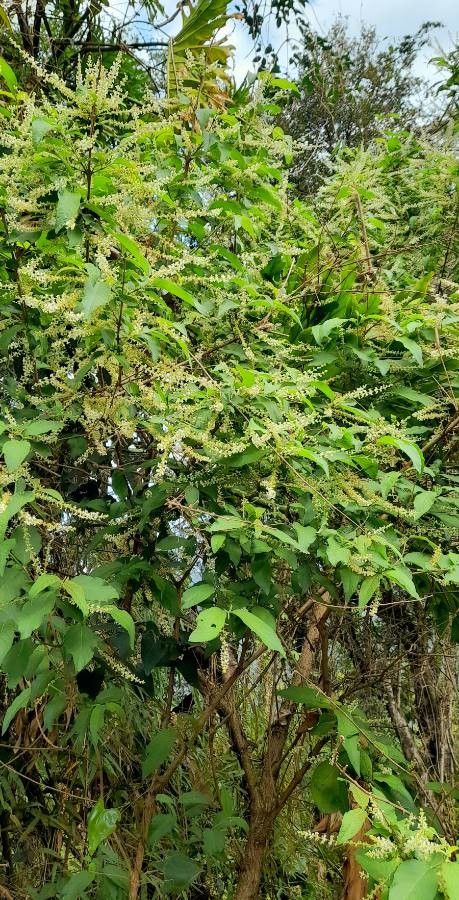
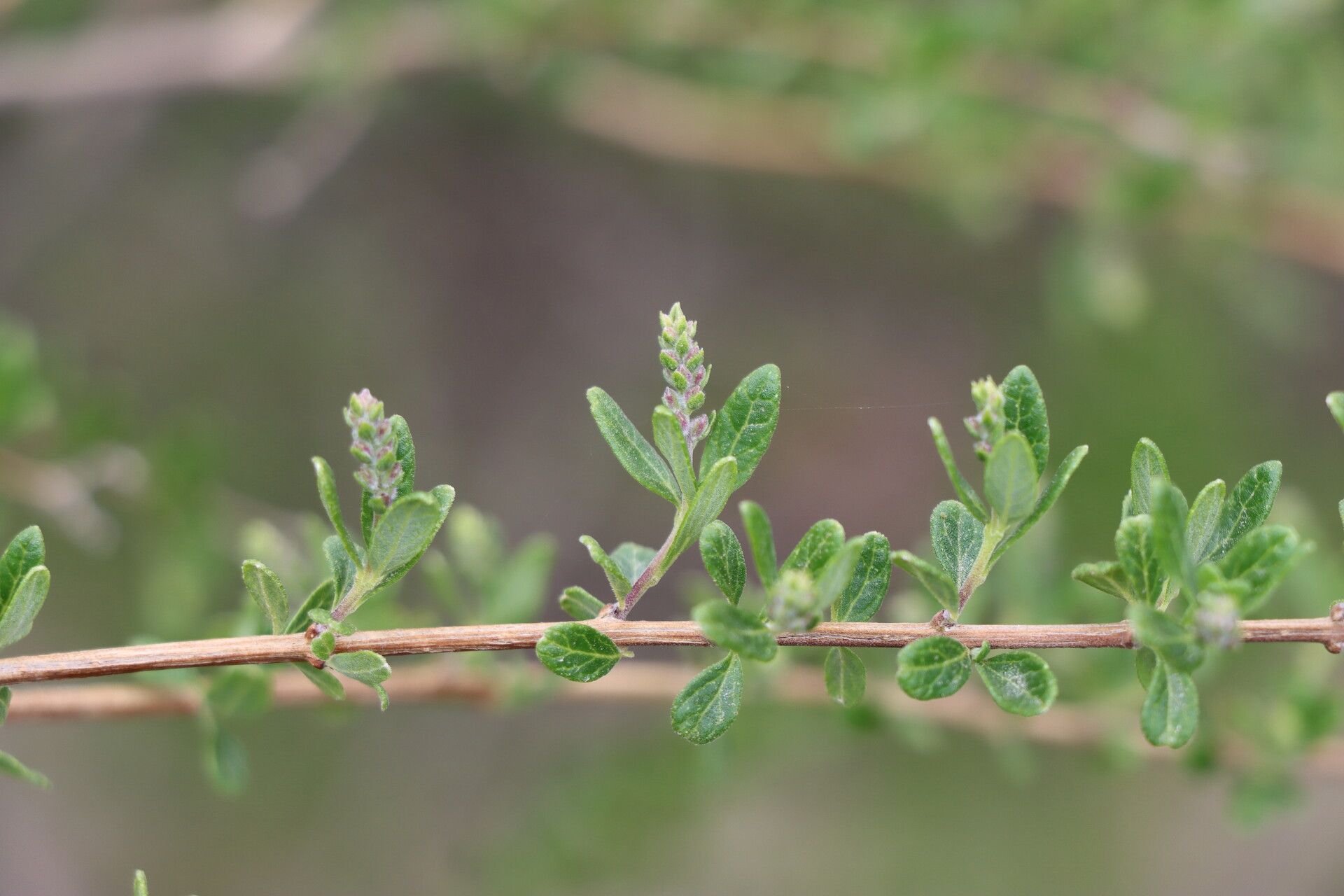
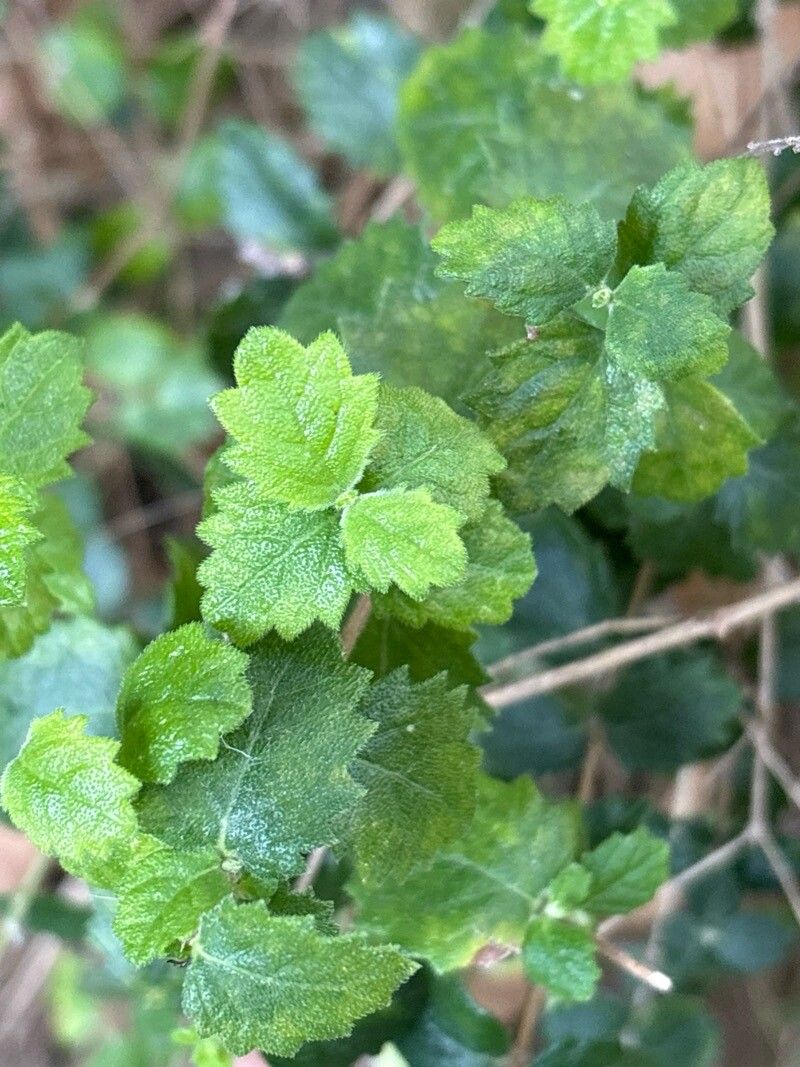
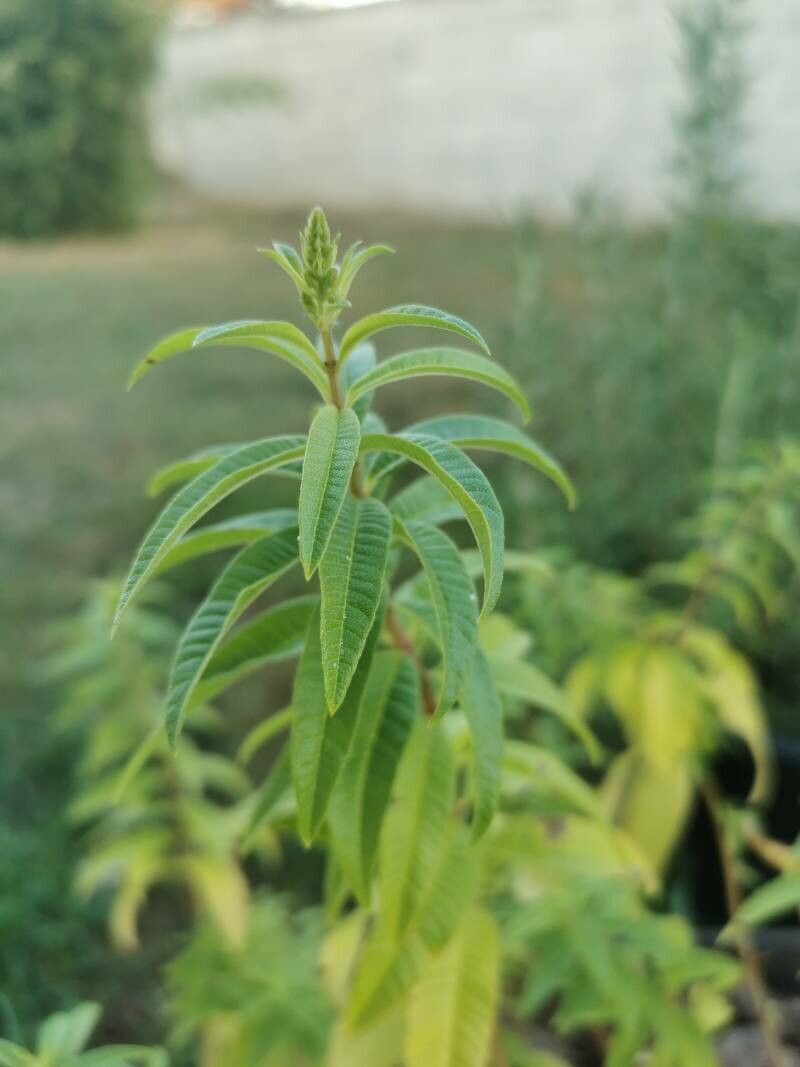
Aloysia virgata, commonly known as sweet almond verbena, is a perennial shrub in the Verbenaceae family. Native to South America, this plant can grow up to 6 feet tall. It features slender stems and small, lance-shaped green leaves with serrated edges. When crushed, the leaves emit a pleasant almond-like fragrance.
During the summer and fall, sweet almond verbena produces clusters of small white or pale pink flowers that are highly fragrant. These flowers attract bees, butterflies, and other pollinators.
The plant thrives in full sun or partial shade and prefers well-drained soil that is moist but not waterlogged. Although it can tolerate drought conditions, it requires regular watering during hot weather.
Aloysia virgata possesses several medicinal properties, including anti-inflammatory, antispasmodic, and analgesic effects. These qualities make it useful for treating various ailments such as headaches and reducing fever.
In addition to its medicinal properties, Aloysia virgata has culinary uses. Its leaves can be used to flavor teas and desserts, offering a pleasant almond-like aroma.
Overall, Aloysia virgata is an excellent choice for gardeners seeking an attractive shrub with fragrant foliage. Its medicinal benefits and ease of growth in most climates make it a popular choice among gardeners worldwide.
Sweet almond bush is fairly disease-resistant and is generally not susceptible to diseases. Regarding care, this plant is relatively low-maintenance. When grown outdoors, it requires minimal watering, and larger plants generally do not need pruning. Smaller plants, however, should be pruned after they have bloomed. Sweet almond busht is suitable for anyone with an outdoor area, such as a garden or deck, and does not demand much experience in plant care.
How to keep Aloysia Virgata.
Light
The sweet almond bush does best with abundant light, reflecting the open habitats where it naturally grows. It needs full-day sun to develop optimally. If light is lacking, the plant becomes weak and flowers poorly. Too much sun can cause leaf scorch, though it is fairly resilient to those conditions.
Water
The sweet almond bush, native to subtropical regions, thrives in humid conditions with moderate moisture. It does best when watered every 1-2 weeks. To prevent waterlogging, especially during the growing season, it requires well-draining soil. While it can withstand short periods of dryness, it is primarily suited for outdoor cultivation, where you can enjoy its aromatic foliage.
Temperature
The sweet almond bush is native to regions where temperatures range from 59 to 100 °F (15 to 38 ℃). It prefers a temperate climate and may need adjustments such as warm mulching in winter or shade cloths in excessively hot conditions.
Fertilizer
Timing is essential for feeding a Sweet almond bush. Apply fertilizer in early spring and continue doing so monthly until early summer. Fertilizer promotes attractive blooms and supplies energy during both dormant periods and active growth.
Pruning
The sweet almond bush, known for its fragrant white flower spikes, benefits greatly from pruning in the spring. Effective techniques include removing dead branches and thinning the plant to improve its shape and air circulation. Pruning not only enhances the bush's growth and flowering but also helps maintain its overall health. However, be careful not to trim more than one-third of the plant at a time to avoid causing stress.
Pot & Repot
To promote healthy growth, repot your sweet almond bush in early spring. Choose a container that is one size larger than the current one, as this will accommodate the bush's potential growth of up to 5 feet. It’s best to repot every 2-3 years. After repotting, place the sweet almond bush in a sunny spot and water it regularly. Make sure to use a well-draining pot to prevent root rot.
Botanical profile.
- Plant Type
- Shrub
- Life Cycle
- Perennial
- Genus
- Aloysia
- Family
- Verbenaceae
- Hardiness Zone
- 8-11
- Mature Height
- 1.52 m to 4.57 m
- Mature Spread
- 0.91 m to 2.44 m
- Leaf Color
- Green
- Leaf Type
- Evergreen, Deciduous
- Flower Color
- White
- Flower Size
- 2.54 cm
- Bloom Time
- Late spring, Summer, Fall
- Planting Time
- Spring, Summer, Autumn
- Harvest Time
- Mid summer, Late summer, Fall, Early winter
- Native Area
- Bolivia, Peru
Other names.
Reader questions.
How should I water my Sweet almond bush to make sure it gets enough water?
Watering your Sweet almond bush is not a complicated task. You can use any common watering tool, such as a watering can, hose, or even a cup, to water the plant. It's important to make sure you water the soil directly and evenly, giving all parts of the root system the moisture they need. Using filtered water is helpful, as tap water may contain harmful particles. It's also best to use water that is at or slightly above room temperature, avoiding water that is too hot or too cold. However, the Sweet almond bush is generally adaptable and will respond well to various water sources.
Why is it important to fertilize my Sweet almond bush?
Fertilizing your Sweet almond bush is essential for multiple reasons. Firstly, it will promote beautiful blooms. Fertilizing in early spring guarantees excellent flowering during that season. Additionally, fertilizer provides your Sweet almond bush with the necessary energy to store in the ground during periods of dormancy. By supplying extra nutrients in the fall or late spring, you ensure that your Sweet almond bush has ample energy to utilize when active growth resumes.
How many hours of sunlight does a Sweet almond bush need each day to grow healthy?
To ensure healthy growth, Sweet almond bush needs at least 3–6 hours of sun each day. However, this is the minimum requirement. Most plants that can handle part sun can also thrive in full sun. These plants are more flexible because they require less light for photosynthesis compared to plants that need full sun or part shade.
What is the best temperature for Sweet almond bush?
Plants are affected by colder temperatures because they adopt the temperature of the air around them. When plants are exposed to sunlight, they can warm up again, but this doesn't happen in winter. The recommended temperature range for the Sweet almond bush is between 70~85℉(21~30℃). Although they can handle temperatures as low as 20~30℉(-6~0℃), or even 15℉(-10℃), they should not be exposed to these temperatures for long periods as it can cause frost damage. To prevent wilting, it's important to keep the maximum temperature within the range of 70~85℉(21~30℃), while also providing occasional water spraying and shade.
What do I do if I give my Sweet almond bush too much or too little water?
When taking care of outdoor plants, especially newly planted ones or seedlings, it's important to be mindful of the amount of water they receive. In the beginning, when the tree is small or just planted, make sure to water it adequately for a few months. Once the roots are established, the Sweet almond bush can rely on rain for most of its water needs. However, when the Sweet almond bush is planted in pots, overwatering becomes a greater risk. If you accidentally overwater your plant, there are steps you can take to address the situation. First, stop watering the plant immediately to minimize the impact of overwatering. Then, remove the Sweet almond bush from its pot and inspect the roots. If there are no signs of root rot, you can return the plant to its container. But if there are signs of root rot, trim away the affected roots and consider applying a fungicide to prevent further damage. Finally, repot the Sweet almond bush in well-draining soil. In the case of underwatering, which is often a simpler problem to fix, make sure to water the plant more frequently. If you notice the leaves drooping, drying out, or falling off, and they regain fullness after watering, adjust the frequency of your watering to prevent underwatering from occurring again.
When should I fertilize my Sweet almond bush?
To ensure effective fertilization of a Sweet almond bush, it is important to consider the timing. Applying fertilizer too early when the bush is still dormant will render it ineffective and prone to being washed away by rainwater, resulting in waste and pollution. The recommended approach is to apply the first round of fertilizer in early spring and continue with monthly fertilization until early summer.
What kind of sunlight does the Sweet almond bush require?
Sweet almond bushes thrive when exposed to full or partial sun. They prefer receiving direct morning light, but during summer, they require protection from the intense afternoon sun. In moderate climates, excessive exposure to hot afternoon sun can harm the leaves, causing damage to the plant's overall appearance and health.
Do I need to change the temperature for the Sweet almond bush at different stages of growth?
To ensure successful growth of the Sweet almond bush, it is important to research and ensure the right temperature conditions. Some growers may consider decreasing the plants' thermostats during the growing season to save on HVAC costs. However, it's crucial to understand that temperature can impact factors such as flowering, pest management, and overall plant quality. There is a specific temperature point at which the Sweet almond bush will cease growing, which typically occurs during winter when certain species may enter a dormant phase. As the seasons change and the base temperature increases, the Sweet almond bush can grow more rapidly. It's worth noting that species naturally found in warm environments have higher optimal temperatures compared to those thriving in cooler climates. Exposing Sweet almond bush seeds to cool temperatures can lead to reduced uniformity and delays in growth. Adjusting the temperature during flowering may be necessary, but not during other phases of growth. Additionally, cooler night temperatures will require less water, so irrigation should be adjusted accordingly.
How much frequently should I water my Sweet almond bush?
Most plants grow well with rainfall, but if your area doesn't get much rain, you'll need to water them every 2 weeks in spring and fall, and more often in summer. In winter, when plants grow slower and need less water, you can water them less frequently or not at all. Young or newly planted Sweet almond bushes need more water to establish themselves. For potted Sweet almond bushes, you can either set a watering schedule, like once a week or every other week, but keep in mind that this may not always be enough for the specific conditions of your plant. Another option is to check the soil moisture and water when the top 2 to 4 inches of soil, about ⅓ to ½ of the pot depth, are dry.
When is the best time to not fertilize my Sweet almond bush?
To ensure optimal growth of your Sweet almond bush, it is important to consider a few factors when applying fertilizer. Firstly, avoid using a fertilizer high in nitrogen, as this can cause excessive leaf growth but few blooms. Instead, opt for a fertilizer with a lower nitrogen content compared to other nutrients. Secondly, refrain from fertilizing your Sweet almond bush after early autumn. Fertilizing during this time can result in excessive growth right before winter, which is not ideal. Additionally, avoid fertilizing during hot and dry periods as dry soil is less effective at delivering nutrients. Fertilizing in such conditions can stimulate growth that requires more water, potentially becoming problematic if water is not readily available. It is advisable to apply fertilizer earlier in the season when temperatures are cooler. Lastly, keep in mind that Sweet almond bushes can absorb fertilizer from nearby plants or lawns. Therefore, exercise caution to avoid inadvertently over-fertilizing your bushes. Providing a double-dose of fertilizer can have adverse effects.
Does sunlight harm the Sweet almond bush? How can I protect the Sweet almond bush from the sun and heat damage?
Indoor sweet almond bushes are vulnerable to damage from direct sunlight when they are taken outdoors. To prevent sunburn, gradually move the pots from shade to a brighter spot. It's important to note that even plants accustomed to the sun can still be harmed by extreme heat. In hot weather, keep the soil consistently moist to help the plants handle the excessive heat. To protect the sweet almond bush during extreme weather, such as a heatwave, consider moving container plants to areas with afternoon shade or use a shade cloth.
How do I keep Sweet almond bush warm when it's cold outside?
To prepare the Sweet almond bush for colder temperatures, first, stop fertilizing it to prevent new growth. This will allow the existing branches to become more resilient. To protect them from the cold, consider constructing structures such as cages or trellises around the plant. Another option is to use heat mats, which can gently warm the soil and provide a consistent ideal temperature for the Sweet almond bush.