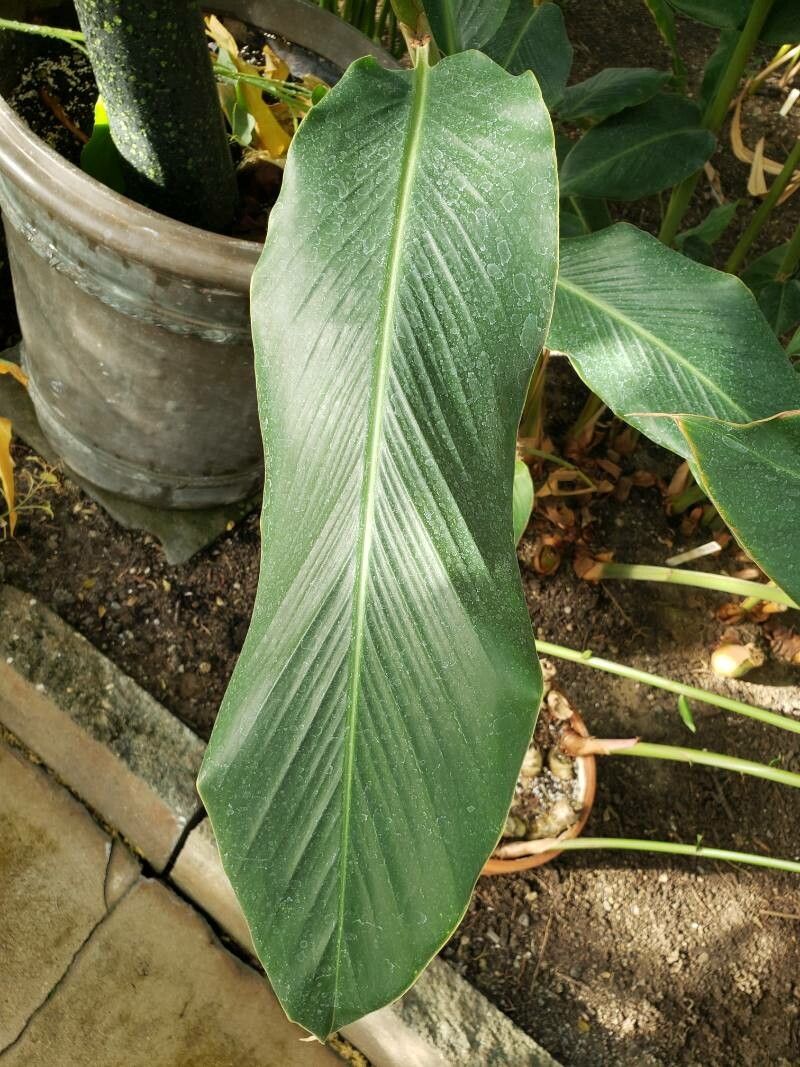
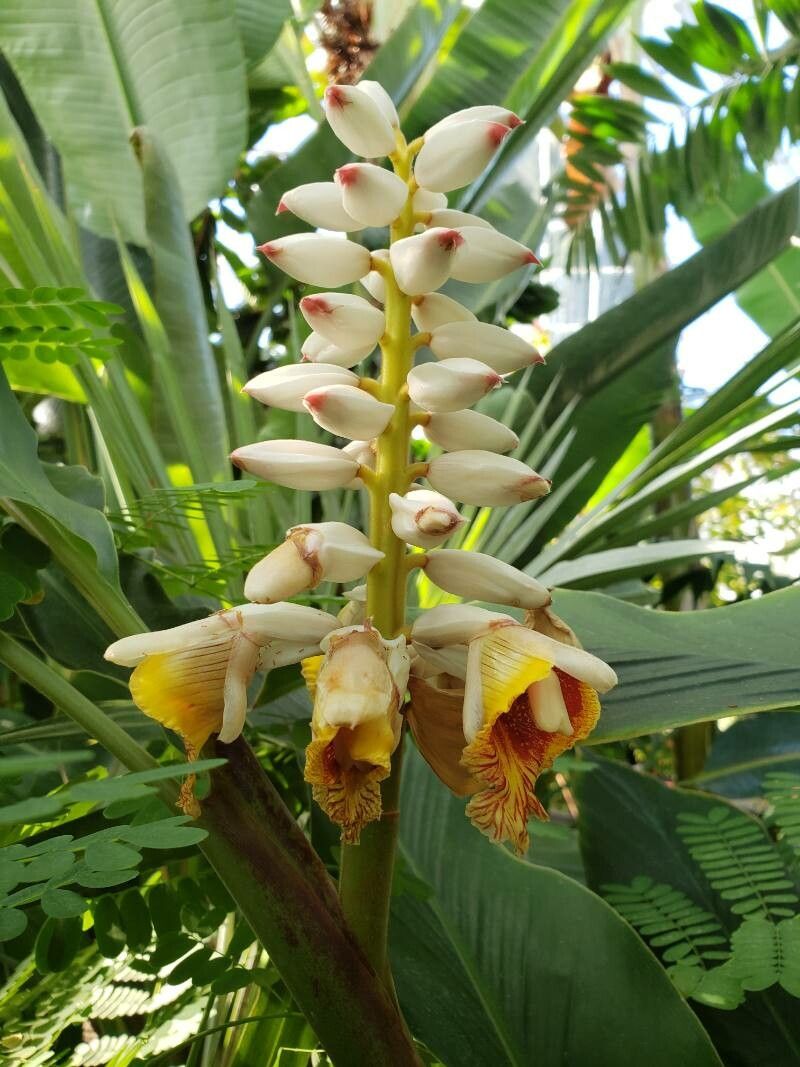
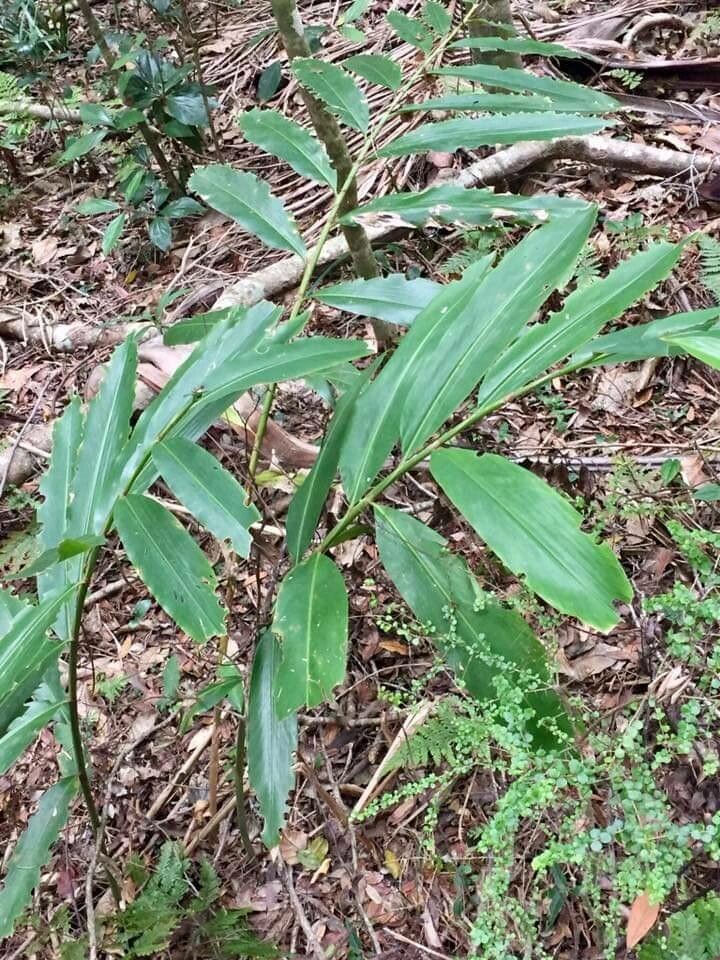
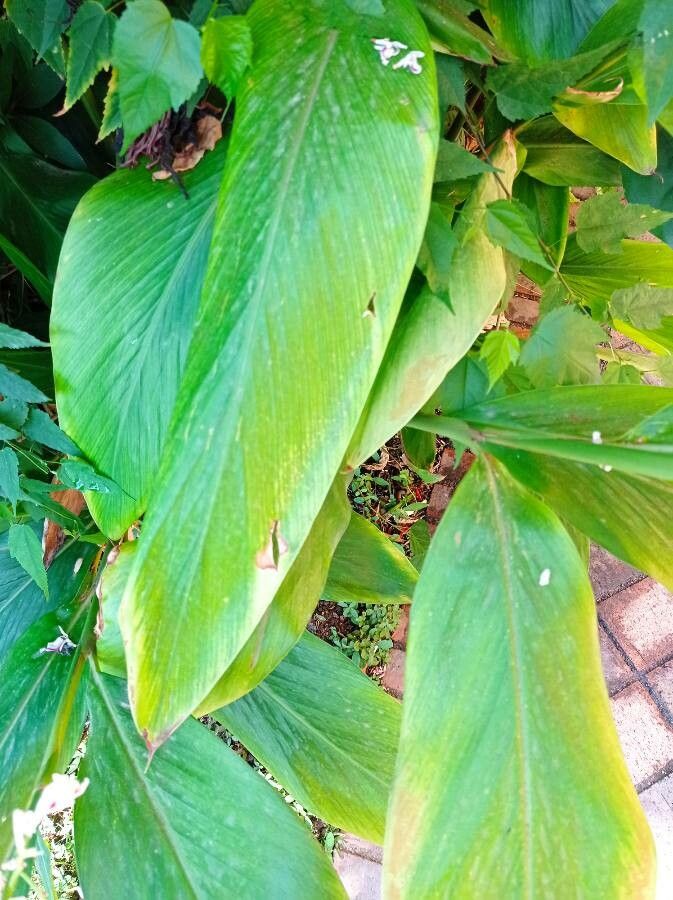
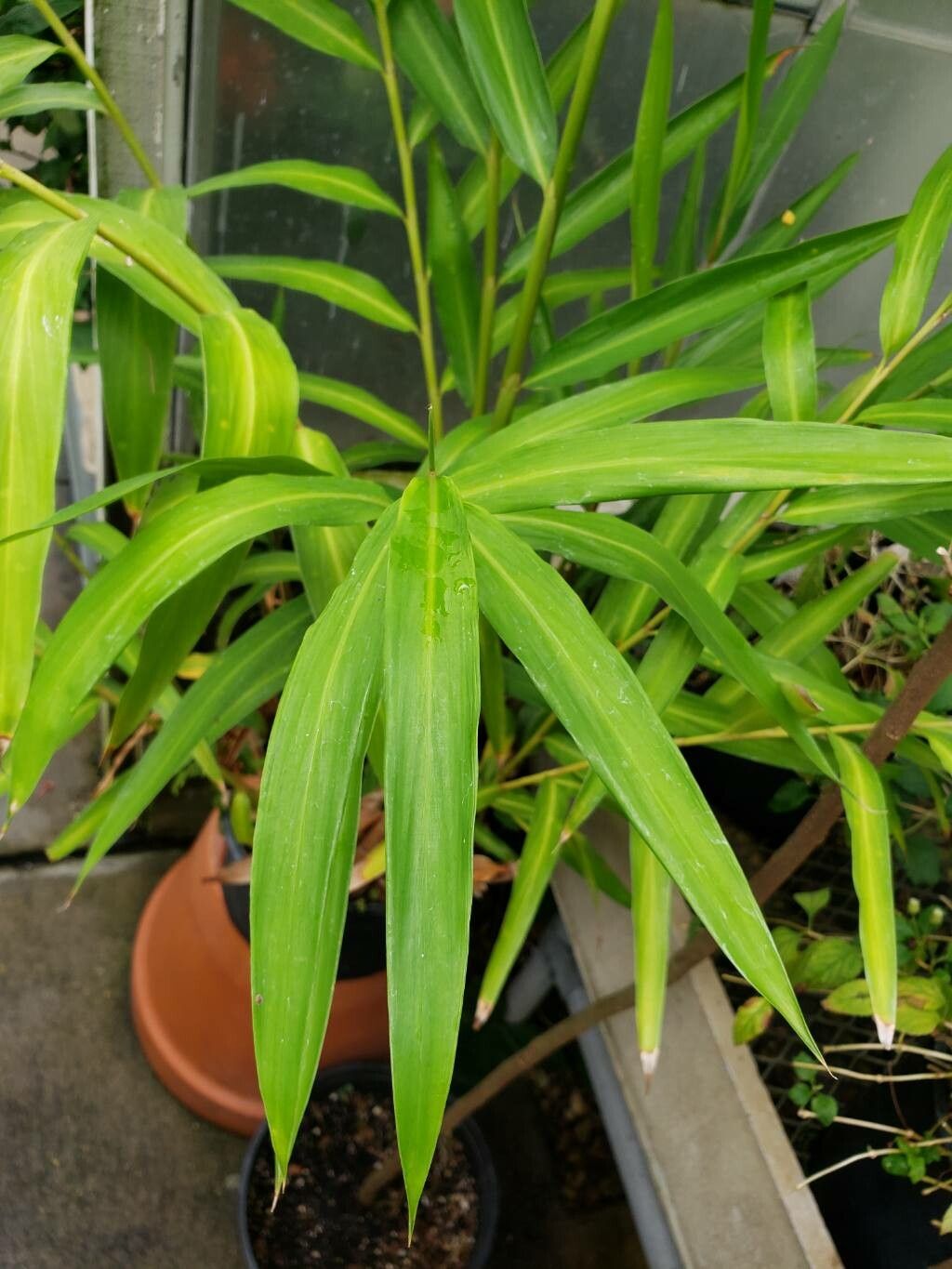
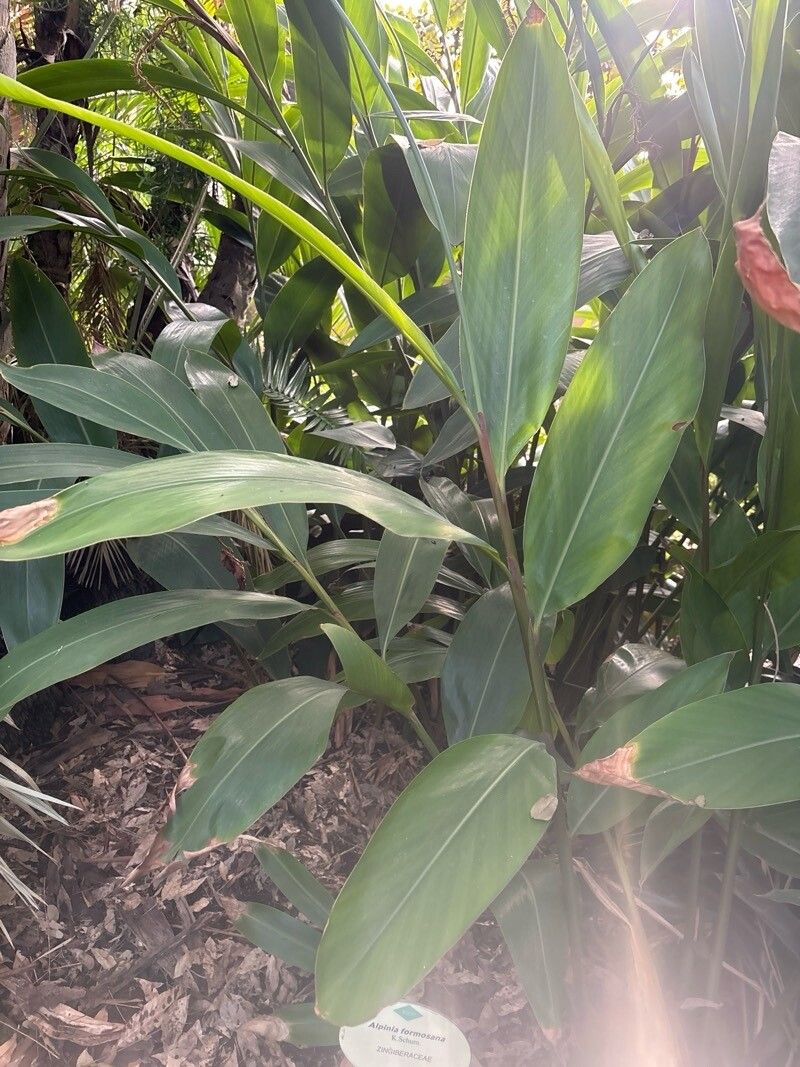
Alpinia malaccensis is a plant in the family Zingiberaceae cultivated for ornamental and medicinal purposes. It is a native of Indonesia and Malaysia. An oil is obtained from its leaves and rhizomes. It has many medicinal properties.
Ornamental ginger has strong resistance to disease and is usually not susceptible to illnesses. Still, it can be affected by pests and diseases present in its surroundings. Such infections are typically not serious. Regarding care, this plant needs a moderate level of maintenance. It should be pruned regularly to preserve a neat appearance and healthy growth. Applying fertilizer can also encourage flowering. Ornamental ginger is well suited for anyone with outdoor space, like a garden or patio, and does not require extensive care experience. It may need increased attention when grown indoors.
How to keep Alpinia Malaccensis.
Light
Ornamental ginger usually thrives beneath the canopy, drawing most of its energy from filtered sunlight. Locations with gentle light are well suited to its growth. This relaxed light requirement stays consistent across its different growth stages. Originating in an understory environment, it is adapted to areas that receive light only occasionally. Excessive exposure or insufficient light can impair its health.
Water
Ornamental ginger comes from tropical rainforests and thrives in high humidity. This plant prefers soil that remains consistently moist, so it needs to be watered weekly. Usually grown outdoors, ornamental ginger does best when rainfall patterns mimic those of its native habitat, ensuring it receives enough water during its active growth periods.
Temperature
Ornamental ginger comes from tropical areas where the climate is generally warm and humid. Consequently, it is well suited to high heat and moisture. It is sensitive to sudden temperature shifts and prefers a steady thermal environment, so avoiding indoor temperature swings is important. It typically cannot withstand cold and needs warmer conditions to grow. If the surrounding temperature falls too low, the plant may stop growing or even die.
Fertilizer
Proper fertilization is essential for Ornamental ginger's health and appearance. Fertilize Ornamental ginger during summer, applying it monthly throughout the season. Nutrients support growth and preserve the plant's parts. Fertilizing improves Ornamental ginger's flower display, ensuring the best blooms.
Pruning
Ornamental ginger benefits greatly from regular pruning, which helps maintain its shape and encourages healthy growth. When pruning, concentrate on removing any damaged stems and thinning out overcrowded areas to improve air circulation. The best time to prune is from late winter to early spring, as this enhances the plant's vitality and appearance, while also promoting the development of new shoots and blooms.
Botanical profile.
- Plant Type
- Herb
- Life Cycle
- Perennial
- Genus
- Alpinia
- Family
- Zingiberaceae
- Hardiness Zone
- 10-11
- Mature Height
- 2.13 m to 3.96 m
- Mature Spread
- 0.91 m to 2.13 m
- Leaf Color
- Green, Dark Green
- Leaf Type
- Evergreen
- Flower Color
- White, Yellow, Pink, Purple, Red
- Flower Size
- 3.05 cm to 5.08 cm
- Bloom Time
- All year round
- Planting Time
- Spring, Summer
- Harvest Time
- All year round
- Native Area
- Sri Lanka, India, Malaysia, Indonesia, Cambodia, Vietnam, Myanmar, Bhutan, Bangladesh, Laos, Thailand, China