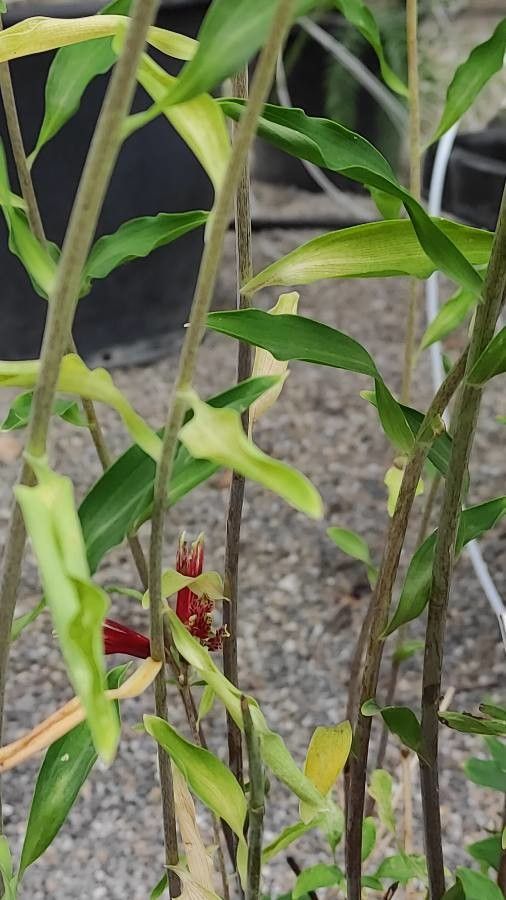
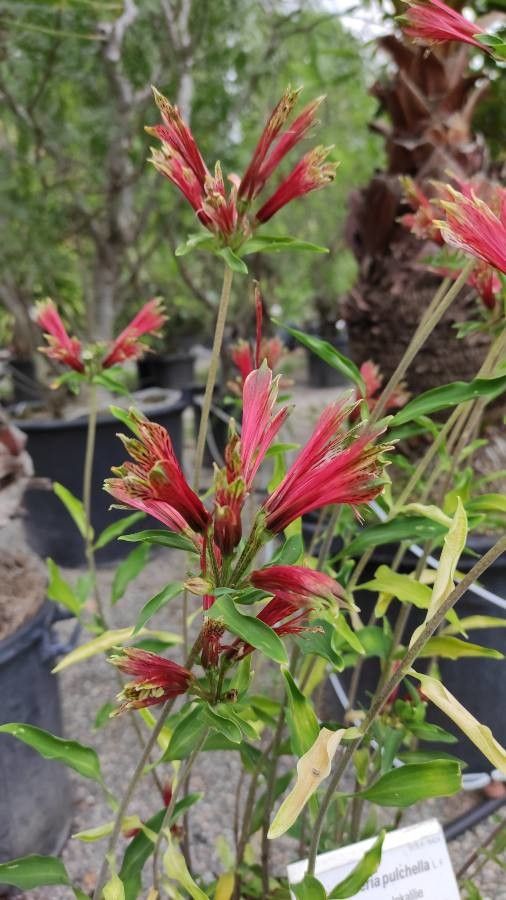
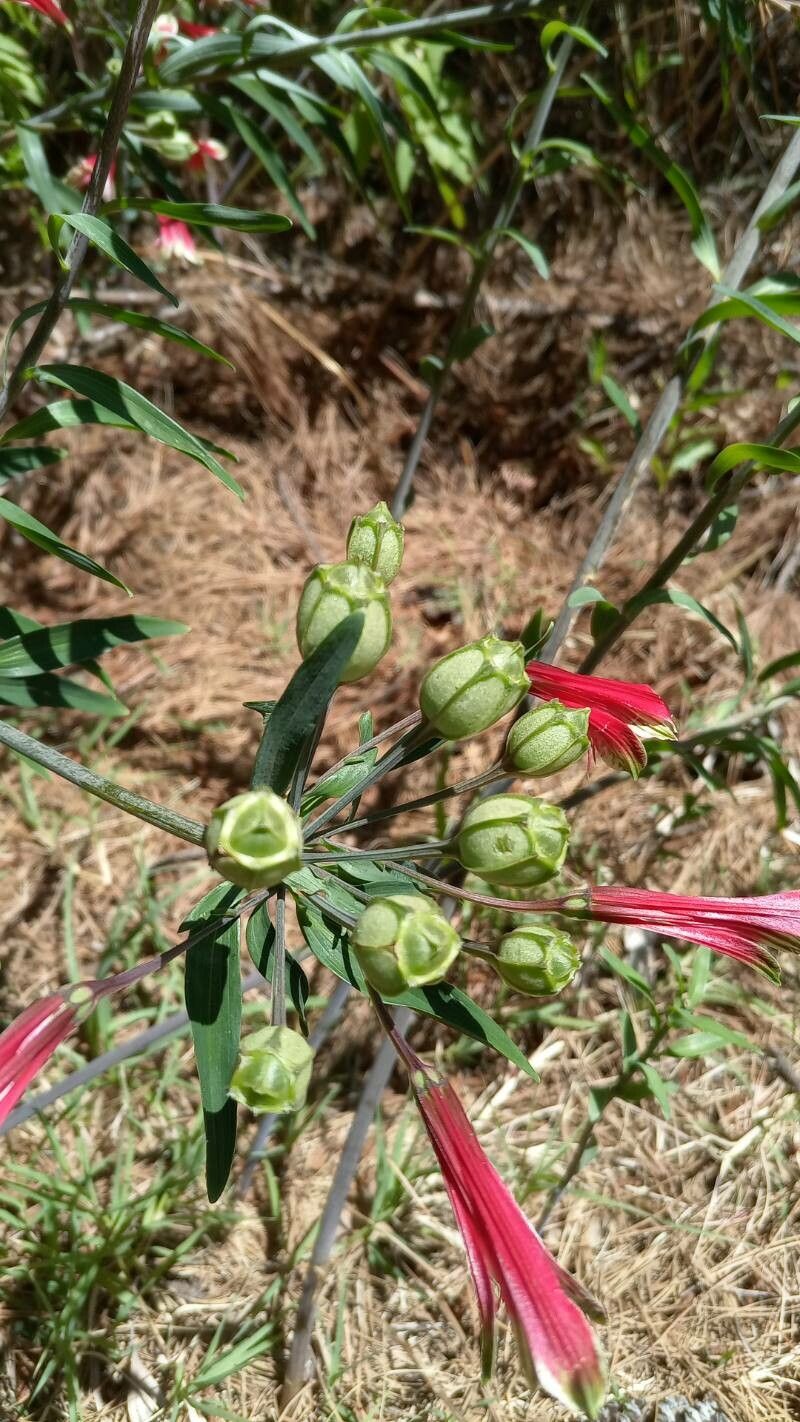
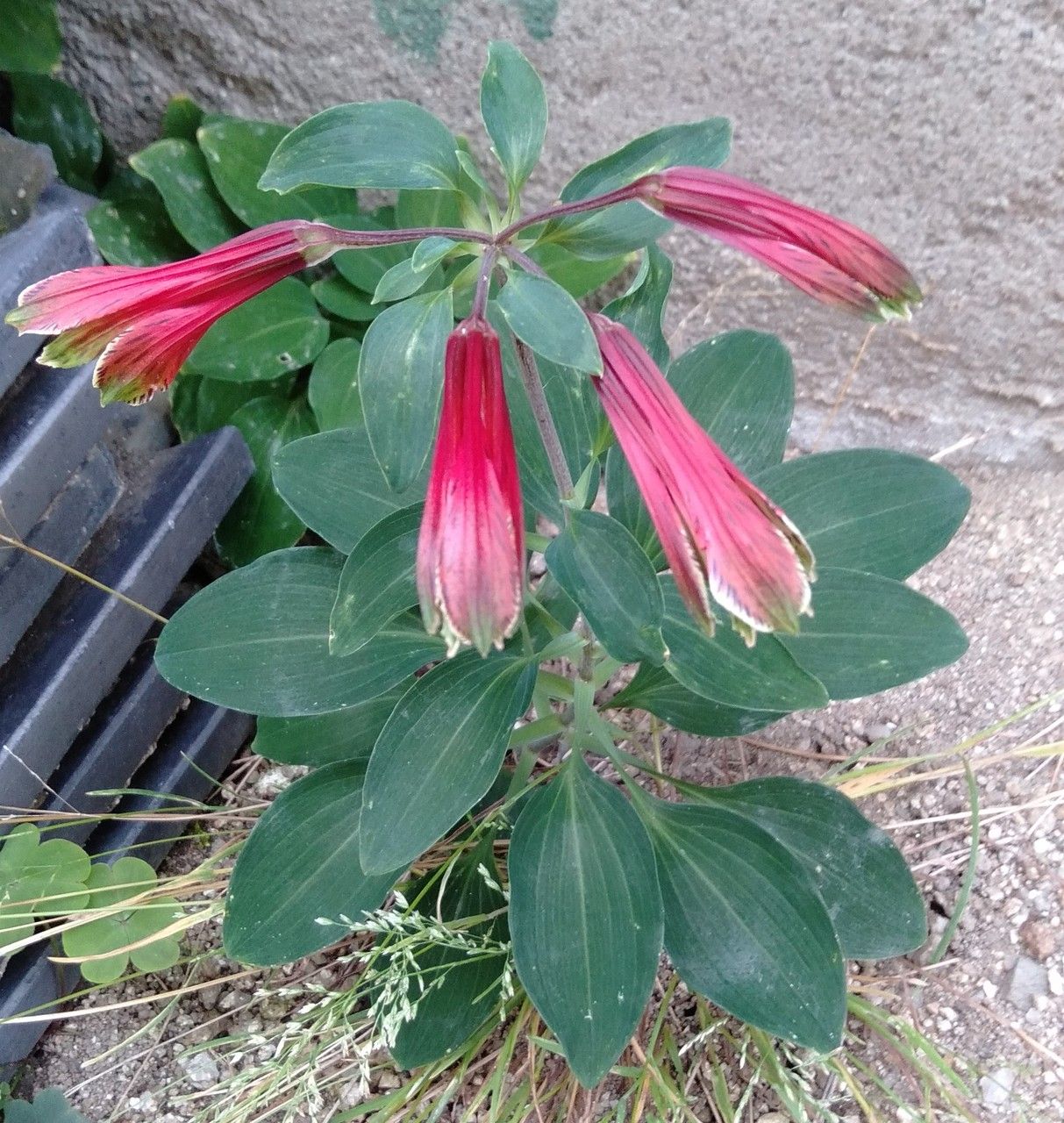
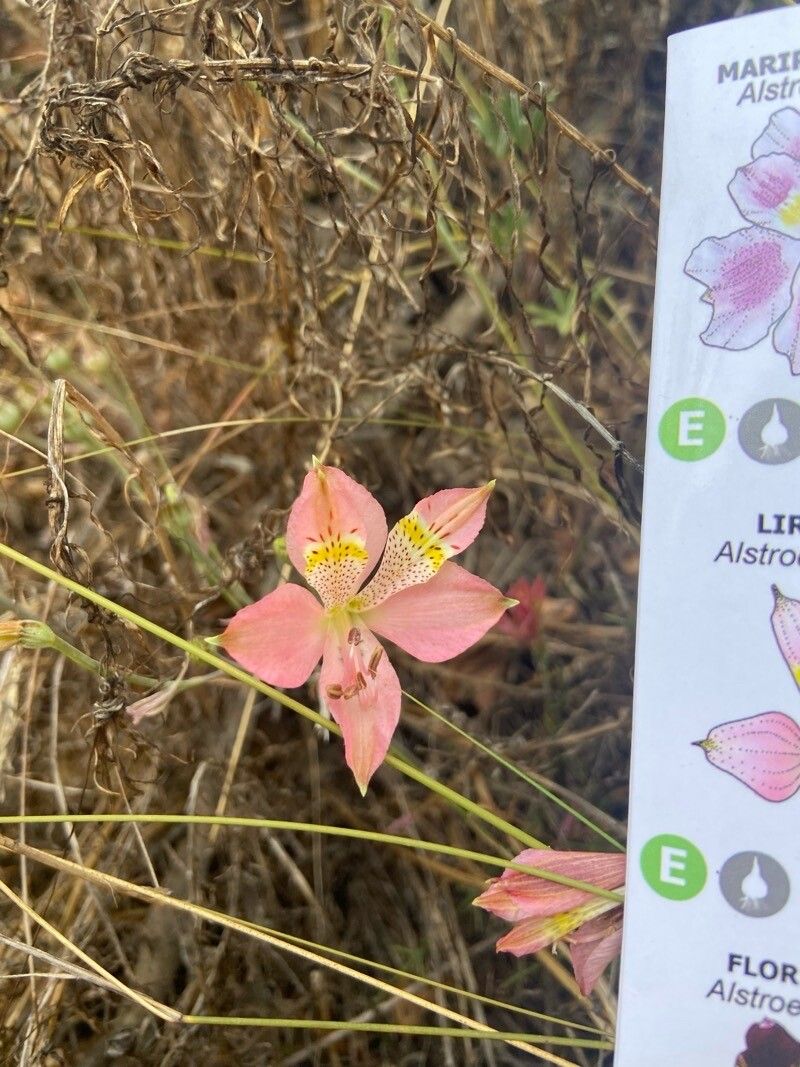
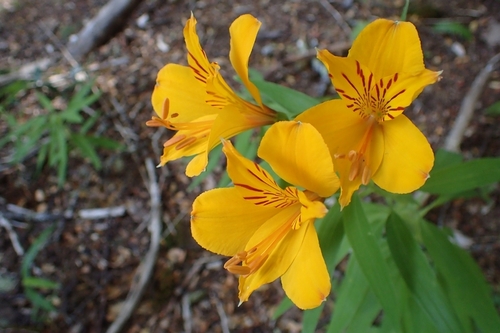
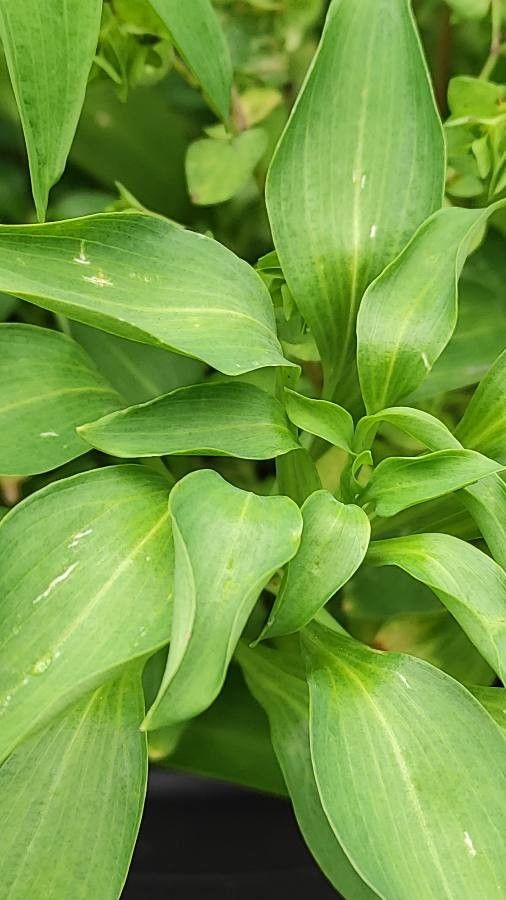
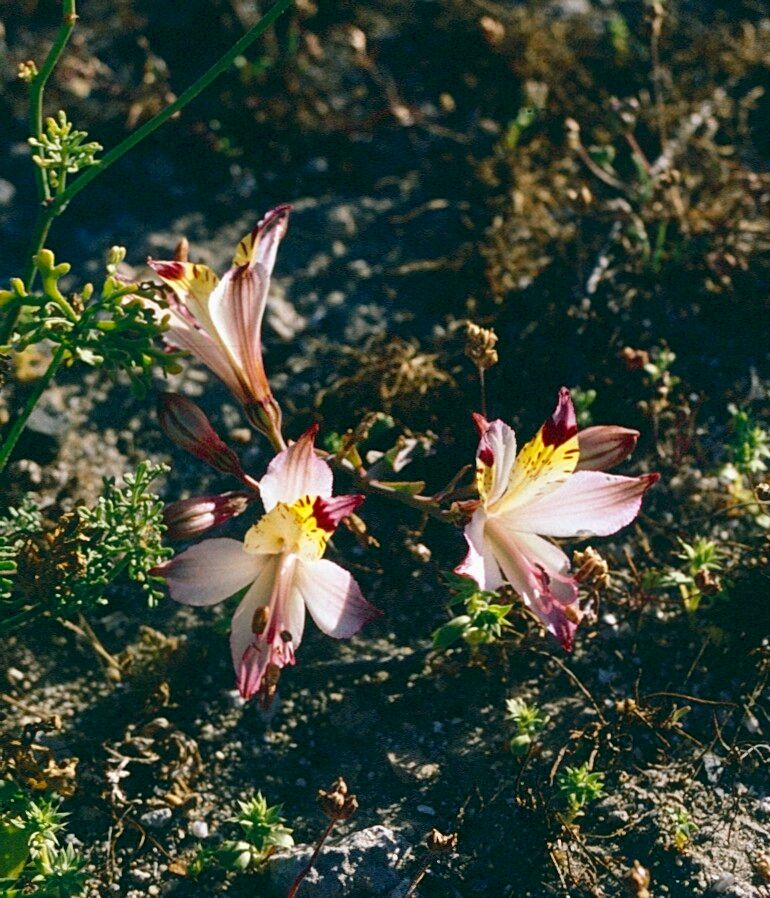
Alstroemeria pulchella is a scientific name that may refer to the following plants commonly referred to as Peruvian lilies:
Alstroemeria pulchella H.Vilm. (1866) — synonym of A. aurea Alstroemeria pulchella L.f. (1782) — synonym of A. pelegrina Alstroemeria pulchella L.f. (1782) — a misapplied name of A. psittacina, the New Zealand Christmas bell Alstroemeria pulchella Sims (1822) — synonym of A. ligtu subsp. simsii
The Peruvian lily is fairly resistant to disease and generally not prone to problems. However, it can be affected by pests and diseases present in its surroundings. These issues are usually mild. Regarding care, this plant requires moderate maintenance. It should be pruned regularly to keep a neat appearance and support healthy growth. Fertilizing can also help encourage flowering. The Peruvian lily is suitable for anyone with outdoor space, such as a garden or patio, and does not demand extensive care experience. It may need more attention if grown indoors.
How to keep Alstroemeria Pulchella.
Light
The peruvian lily typically prospers in regions with average sun exposure and is capable of withstanding stronger sunlight. Originating from a habitat with filtered sunlight, it adjusts well to different light strengths. However, poor light can hinder its growth and excessive light may risk burning the leaves.
Temperature
The Peruvian lily flourishes best in its native temperature range of 68 to 95°F (20 to 35 ℃), preferring a consistently warm climate throughout the year. If the weather is cooler, you may need to adjust the temperature to mimic these conditions.
Fertilizer
The optimal period to provide nourishment to a Peruvian lily is in the beginning of spring, as it comes out of its dormant state and starts growing actively. The process of fertilization supplies essential nutrients that aid in its robust development. Even though the Peruvian lily doesn't require much fertilization, an annual fertility routine can improve its longevity and encourage the production of superior, longer enduring blossoms.
Pot & Repot
You are advised to transplant a Peruvian lily in the initial stage of spring. Choose a container that has a greater width than depth and ensures proper drainage. Employ a loamy, well-drained potting mixture fortified with compost. Carefully remove any lingering old soil from the bulb and plant it at a depth equal to its height. After transplanting, give it a good watering and situate it in an area with ample sunlight. Avoid excessive watering to keep bulb decay at bay.
Botanical profile.
- Plant Type
- Herb
- Life Cycle
- Perennial, Annual
- Genus
- Alstroemeria
- Family
- Alstroemeriaceae
- Hardiness Zone
- 7-10
- Mature Height
- 0.49 m to 1.22 m
- Mature Spread
- 30 cm to 61 cm
- Leaf Color
- Green
- Leaf Type
- Deciduous
- Flower Color
- Gold, Orange
- Flower Size
- 3.05 cm to 4.06 cm
- Bloom Time
- Mid spring, Late spring, Early summer
- Planting Time
- Spring
- Harvest Time
- Fall
- Native Area
- Argentina, Chile
Other names.