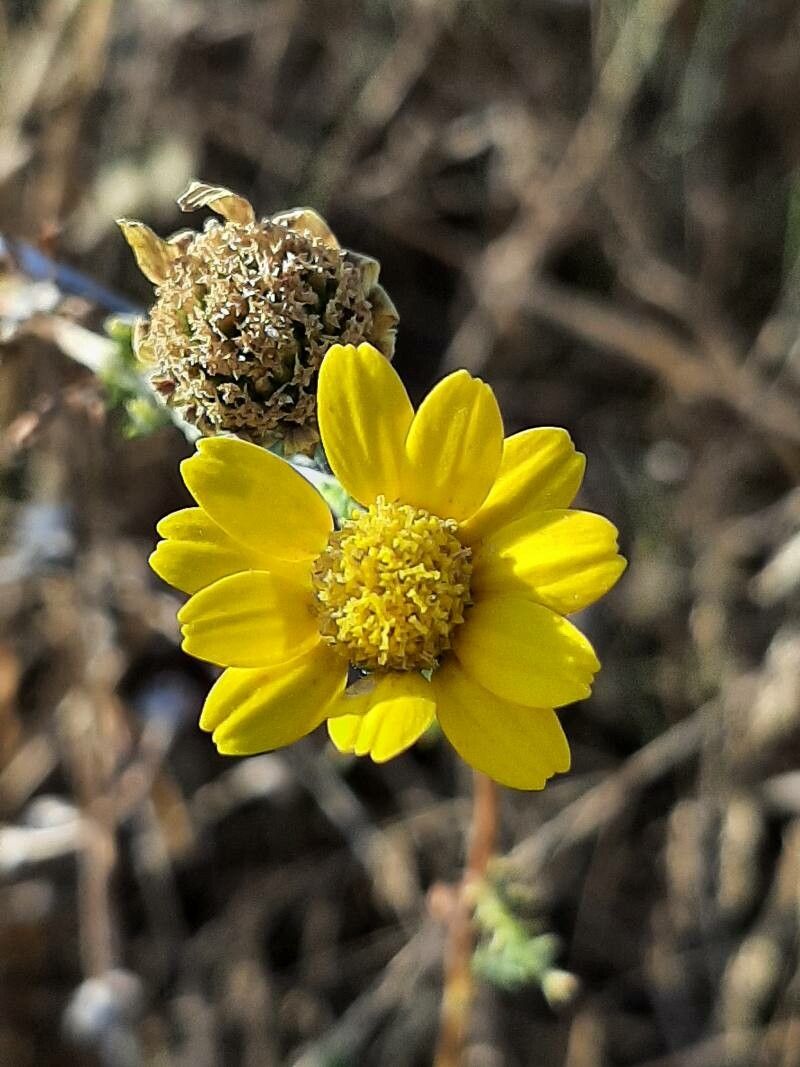
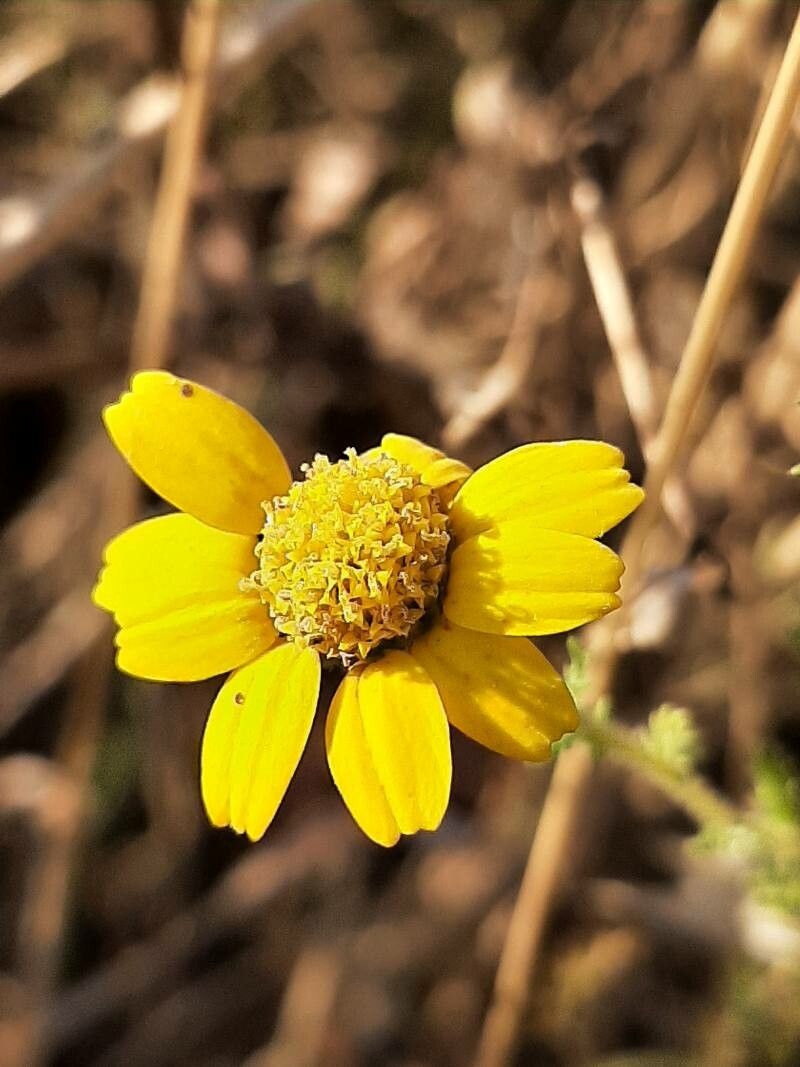
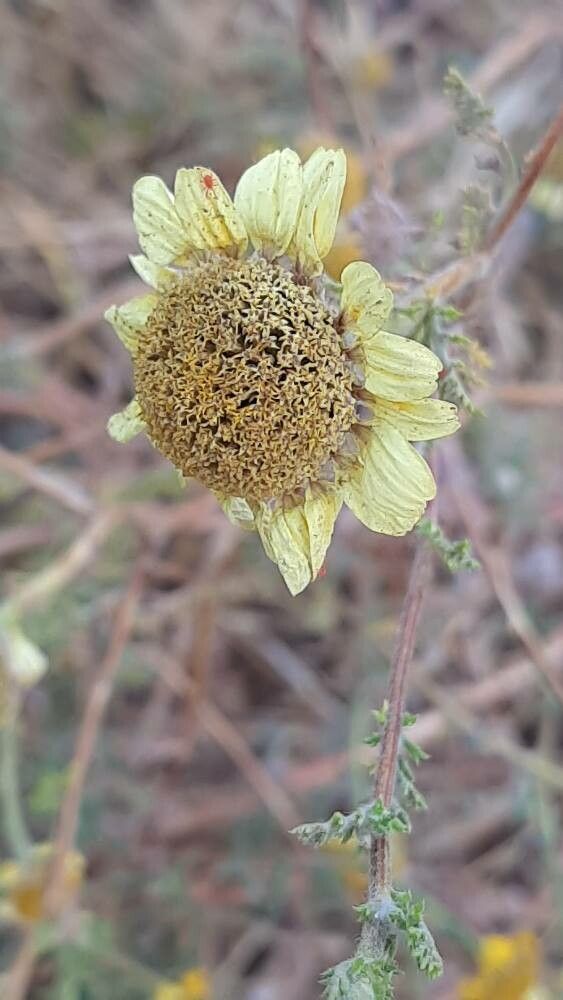
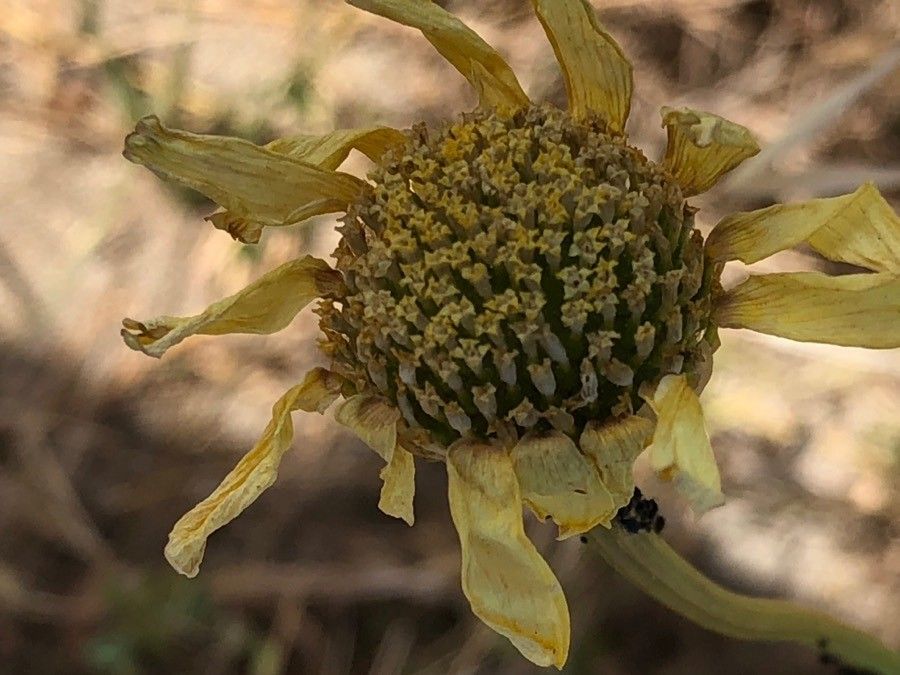
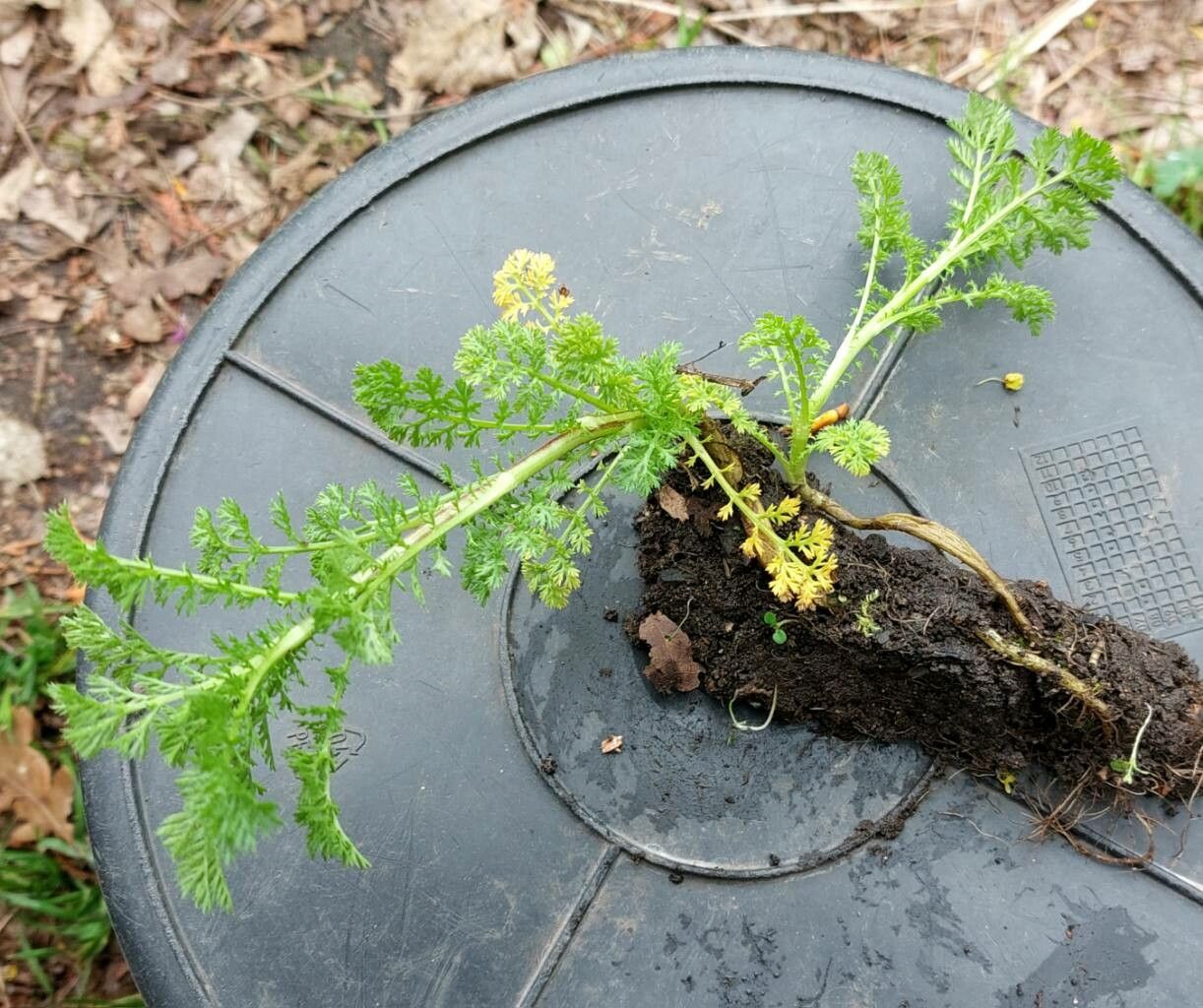
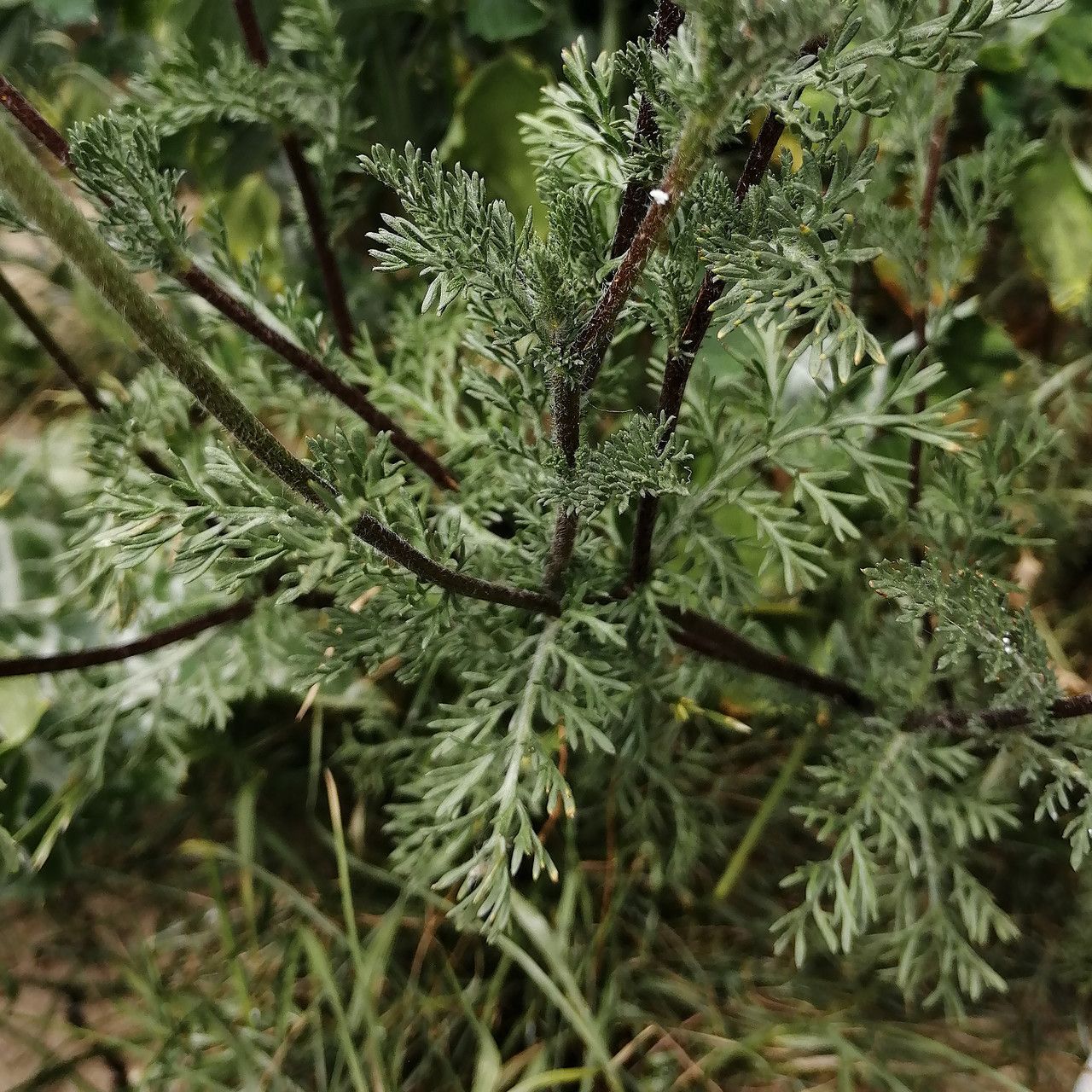
Anacyclus radiatus, commonly known as the Mediterranean pellitory or Spanish chamomile, is a perennial herbaceous plant belonging to the Asteraceae family. Native to the Mediterranean region, it is found in various parts of Europe, North Africa, and Asia. The plant can grow up to 30 cm in height and spreads out, bearing small white flowers that bloom from May to August.
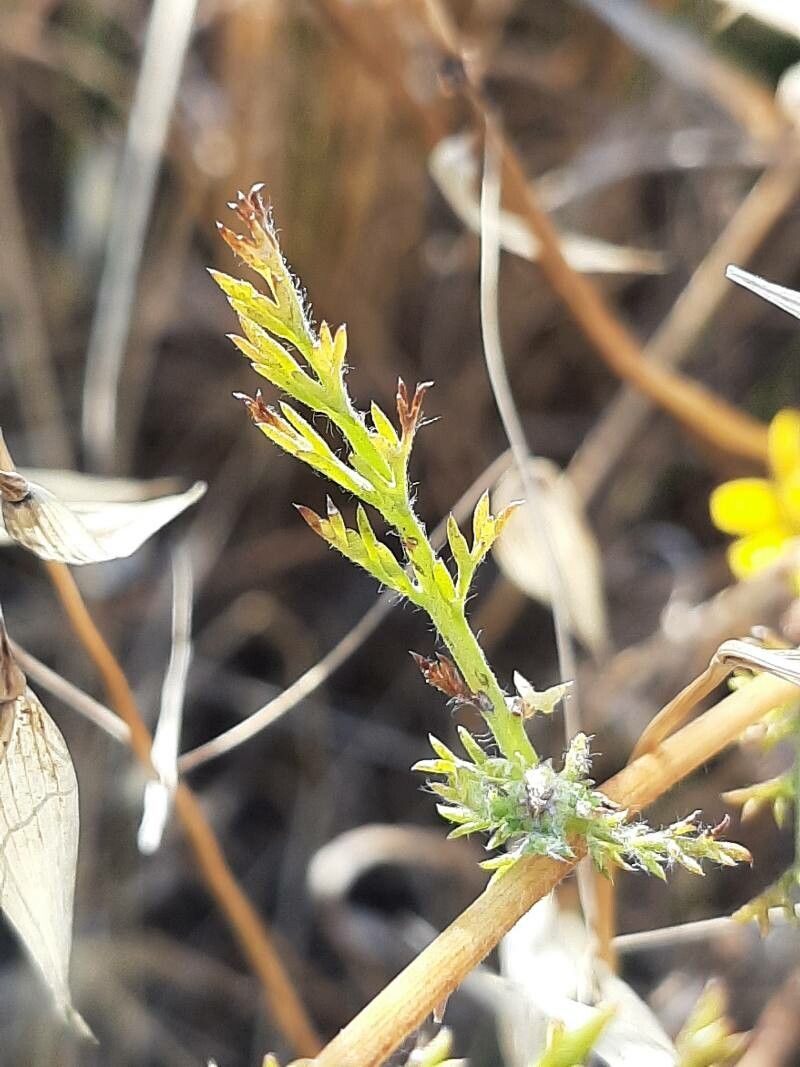
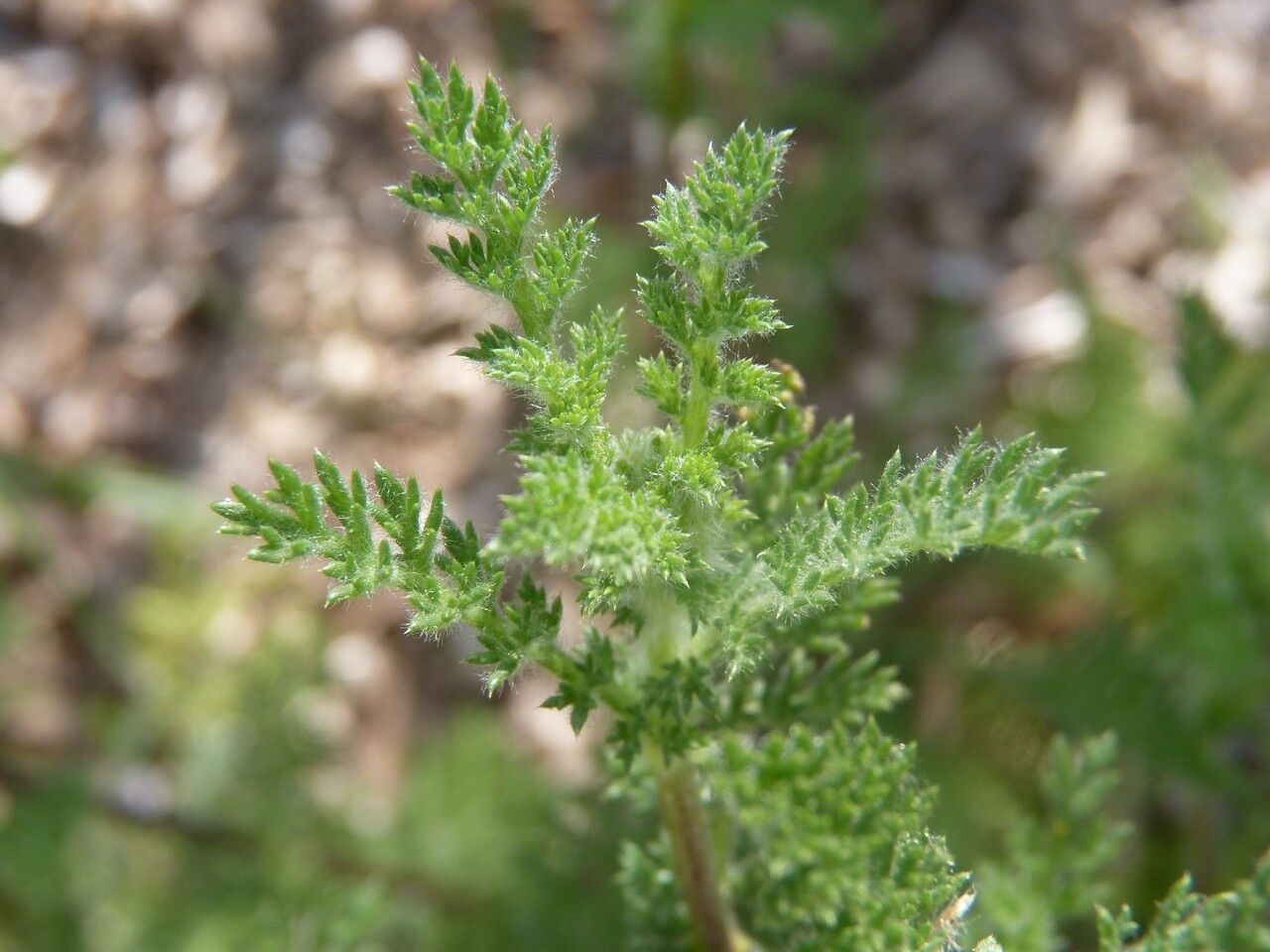
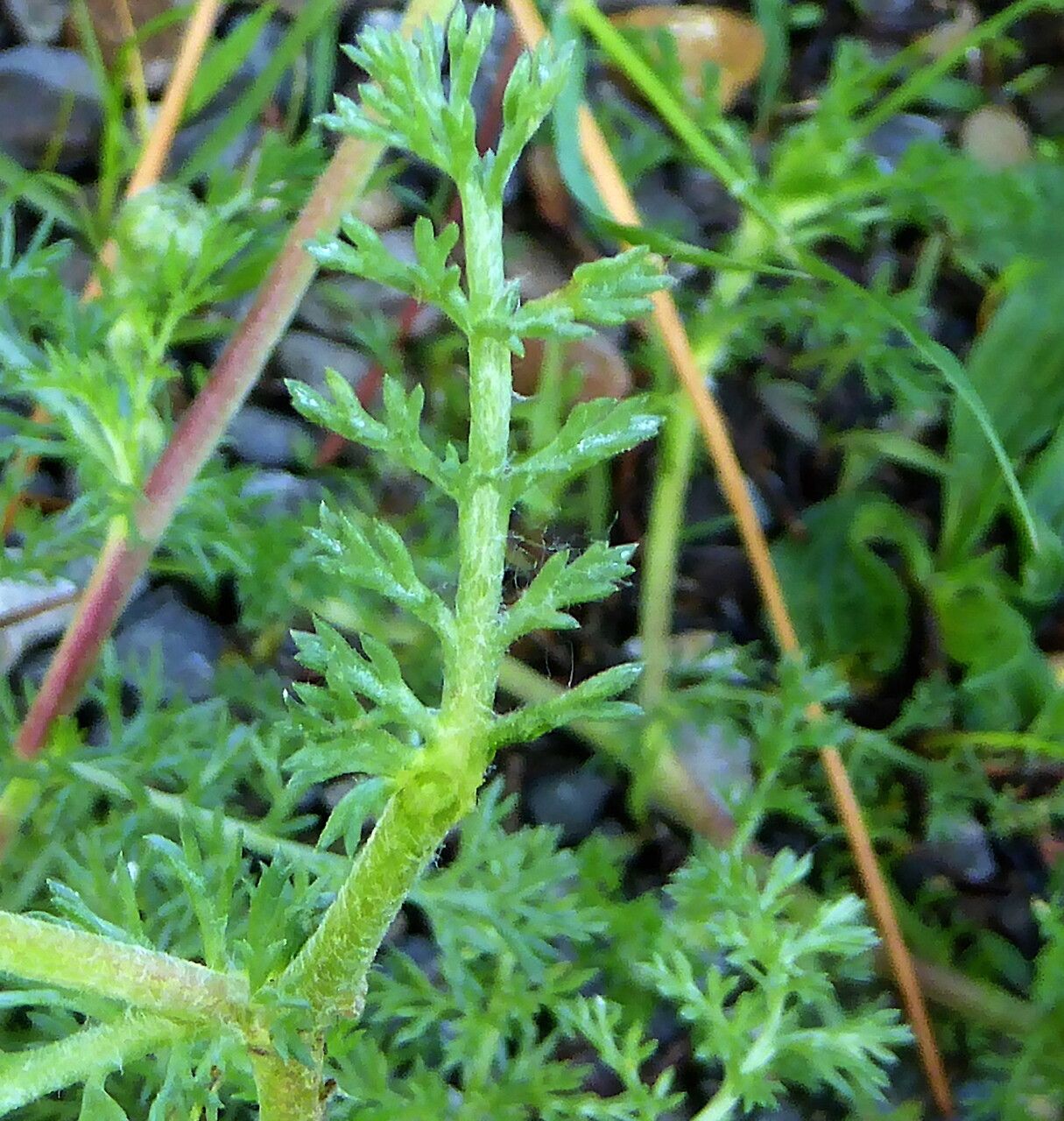
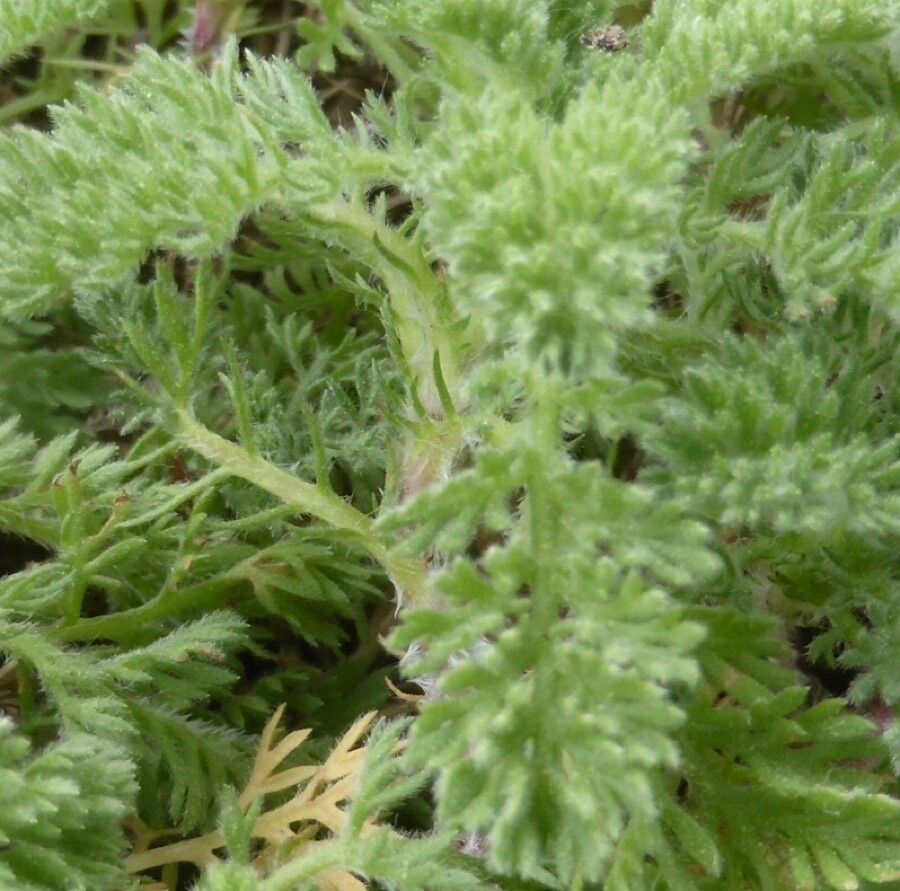
The deeply lobed leaves of Anacyclus radiatus have toothed edges and emit a strong, aromatic scent when crushed. The roots are also valued for their medicinal properties, as they contain essential oils with anti-inflammatory effects.
This plant prefers well-drained soil and thrives in full sun or partial shade. Once established, it can tolerate drought conditions. Commonly used as an ornamental plant for its attractive flowers, Anacyclus radiatus also has culinary applications, adding flavor to salads and soups.
Overall, Anacyclus radiatus is a fascinating herbaceous perennial with both ornamental and medicinal uses. Its ability to thrive in various growing conditions makes it a versatile addition to any garden or landscape design.
Yellow anacyclus has good resistance to disease and is generally unlikely to be affected by illnesses. However, it can be vulnerable to pests and diseases present in its environment. Such issues are usually not serious. For care, this plant requires moderate upkeep. It should be pruned regularly to maintain a tidy appearance and healthy growth. Fertilizing can also help encourage flowering. Yellow anacyclus is suitable for anyone with outdoor space, like a garden or patio, and does not require extensive experience in plant care. It may need more attention when grown indoors.
How to keep Anacyclus Radiatus.
Light
The yellow anacyclus does best with plenty of sunlight, a trait that comes from its native environment where abundant sun is vital for healthy growth. Too little light can harm its condition, but it also fares poorly under excessive light, which can potentially damage the plant.
Water
Yellow anacyclus, a plant native to arid regions, is remarkably drought-tolerant. It does best with just a weekly watering to avoid over-saturation. Commonly grown outdoors, this plant flourishes in full sunlight and poor soil. Its blooming cycle depends on water availability, resulting in stunning displays when conditions are right.
Temperature
Yellow anacyclus can tolerate a wide span of temperature conditions, but its distribution may still be constrained by certain combinations of moisture and heat. It grows best in warm summer climates with sufficient rainfall or watering. Extended periods of cloudy, rainy weather or sustained high temperatures raise the likelihood of Yellow anacyclus dying. In winter, providing adequate protection from cold can improve the plant's chances of survival.
Fertilizer
When most of the Yellow anacyclus blooms are fully open, resume fertilizing. At peak flowering, feed it once every three to four weeks, weather permitting. When Yellow anacyclus begins to produce fewer new blooms, stop fertilizing; there’s no need to feed it once it can no longer produce more flowers.
Pruning
Yellow anacyclus has vibrant yellow flowers and thrives with proper care. To ensure optimal growth and ornamental appeal for the upcoming season, it's important to prune the plant from early to late spring. By removing dead stems and thinning crowded areas, you can improve air circulation and promote healthy, abundant blooms.
Botanical profile.
- Plant Type
- Herb
- Life Cycle
- Annual
- Genus
- Anacyclus
- Family
- Asteraceae
- Hardiness Zone
- 8-11
- Mature Height
- 61 cm
- Mature Spread
- 30 cm to 49 cm
- Leaf Color
- Green, Dark Green
- Leaf Type
- Semi-evergreen
- Flower Color
- White, Yellow
- Flower Size
- 3.05 cm to 5.08 cm
- Bloom Time
- Mid spring, Late spring, Early summer
- Planting Time
- Spring
- Harvest Time
- Early summer, Mid summer
Other names.
Reader questions.
How should I water my Yellow anacyclus plant?
To water Yellow anacyclus, you have multiple options like using a garden hose, watering can, or any common watering tool. This type of plant is not too particular about the source of water, as it can thrive with rainwater, tap water, or filtered water. It's generally best to avoid watering from above as it can harm the leaves and flowers and potentially cause disease. For optimal irrigation, using a drip system is recommended as it applies water evenly and directly to the soil. When watering a potted Yellow anacyclus, you can follow a similar approach but using a cup, watering can, or tap water to directly water the soil.
What are the sunlight requirements for Yellow anacyclus?
Yellow anacyclus requires more than 6 hours of sunlight daily for optimal growth; this is due to its natural habitat where it thrives under generous illumination. The plant is sensitive to both insufficient and excessive light, which can negatively affect its well-being or even cause damage. It's important to monitor the movement of sunlight through your garden to ensure your plants receive a balanced amount of light and shade, ensuring their happiness and health.
If I give my Yellow anacyclus plant too much water or too little water, what should I do?
To avoid underwatering your Yellow anacyclus, simply water it regularly when you notice it getting dry. Overwatering, on the other hand, can be a serious issue that can lead to diseases and even death for the plant. To prevent overwatering, make sure to choose a sunny location with good drainage for your plant. If you have overwatered a potted Yellow anacyclus, consider repotting it with loose soil and a pot that drains well.
How do I use artificial lighting for indoor Yellow anacyclus plants?
For Yellow anacyclus plants grown indoors where natural sunlight is insufficient, artificial lighting provides a vital solution. Indoor plants require adequate artificial lighting for optimal growth, especially during winter or in less sunny spaces. LED lights are recommended as they can be customized to specific wavelengths needed for plant growth. The amount of light required varies with the type of plant: full sun plants need 30-50W/sq ft, partial sun plants need 20-30W/sq ft, and full shade plants need 10-20W/sq ft. The artificial light source should be placed 12-36 inches above the plant, mimicking natural sunlight distance. Additionally, the duration of artificial lighting should match natural daylight hours for the plant species, typically 8-12 hours per day.
How often do I need to water my Yellow anacyclus?
To keep the Yellow anacyclus healthy, you need to water it regularly during the growing season. In spring, water it once a week. As it gets hotter, you might need to water it two to three times a week. But be careful not to overdo it, as that can harm the plant. Regardless of how often you water, make sure the soil remains moist but not soaking wet. If your Yellow anacyclus is in a pot, you'll need to water it more frequently compared to if it's in the ground. Usually, watering it a few times a week should be enough for a potted plant, while an in-ground plant can be watered once a week.
What are the symptoms of inappropriate light conditions in Yellow anacyclus?
Yellow anacyclus displays several symptoms when grown in inadequate light conditions, including small leaves, leggy or sparse growth, faster leaf drop, slower or no new growth, lighter-colored new leaves, chlorosis, sunscald, leaf curling, wilting, and leaf scorching. These symptoms can indicate either too little or too much sunlight exposure, affecting the plant's ability to photosynthesize, maintain hydration, and grow healthily.
How much water does my Yellow anacyclus plant need?
There are a few different ways to determine how much water to give to your Yellow anacyclus. Some gardeners use the "feel the soil" method, which suggests watering until the top six inches of soil feel moist. Another option is to use a set measurement, such as two gallons per week, depending on the temperature and soil dryness. However, following strict guidelines may result in overwatering if your plant needs less water. When growing Yellow anacyclus in a container, you should moisten all layers of dry soil and check for moisture by sticking your finger in the soil or observing excess water draining from the pot.
What solutions can address light-related issues for Yellow anacyclus?
To address light-related issues for Yellow anacyclus, consider gradually moving plants to sunnier locations to receive at least 6 hours of direct sunlight daily. For indoor plants, use a south-facing window or artificial light sources like desk lamps or plant grow lights for at least 8 hours daily. Outdoor plants should be moved gradually to avoid sunburn, allowing them to adapt to increased light exposure. If there are obstructions like trees blocking sunlight, pruning may help. For smaller plants, transplanting during their dormant period to a location with ample sunlight and good drainage can be beneficial. Note that parts of the plant that have been affected by insufficient sunlight may not recover, but new growth should be healthy.
How do I know if I am giving enough water to my Yellow anacyclus?
Avoiding overwatering your Yellow anacyclus can be somewhat difficult due to their deep roots that require weekly soil moistening. However, these plants are highly susceptible to root rot and may experience browning from overwatering. Underwatering is less likely, as they can survive without supplemental watering for a while. Nevertheless, if you go too long without watering, they may wilt and develop dry leaves.
How should I give water to my Yellow anacyclus throughout the year?
As the season progresses, you can expect your Yellow anacyclus to need more water. In the spring, watering once a week is sufficient. However, as the summer arrives and the heat intensifies, you will likely need to increase watering to about three times per week, especially for Yellow anacyclus in containers. Container soil tends to dry out faster in warm weather. In the autumn, while your Yellow anacyclus is still flowering, it may require slightly less water as the temperature decreases and the sun becomes less intense compared to summer.
How do I water my Yellow anacyclus when it is growing at different stages?
Yellow anacyclus goes through various growth stages throughout the year, each with different water requirements. Initially, when you start with a seed, you should provide more water to the plant than it will need in the future. It's important to water frequently to maintain consistent soil moisture during the germination process. After a few weeks, as the plant emerges from the soil, it will require slightly less water than during the seedling phase. Once the Yellow anacyclus is mature, a regular watering schedule of about once per week should suffice. However, when the flowers start to develop, a little more water may be needed to support the process.
What's the difference between watering Yellow anacyclus inside and outside?
Most Yellow anacyclus prefer to grow outdoors rather than indoors for a few reasons. Firstly, these plants tend to grow quite tall, making them more suitable for outdoor spaces. Secondly, Yellow anacyclus requires more sunlight than most indoor environments can provide on a daily basis. However, if you have a suitable indoor growing location, you may still be able to cultivate these plants. It's important to note that indoor locations tend to be drier than outdoor ones due to HVAC units, so you may need to provide your Yellow anacyclus with water more frequently. Additionally, soil in containers can dry out quickly compared to soil in the ground, so keep an eye on moisture levels.