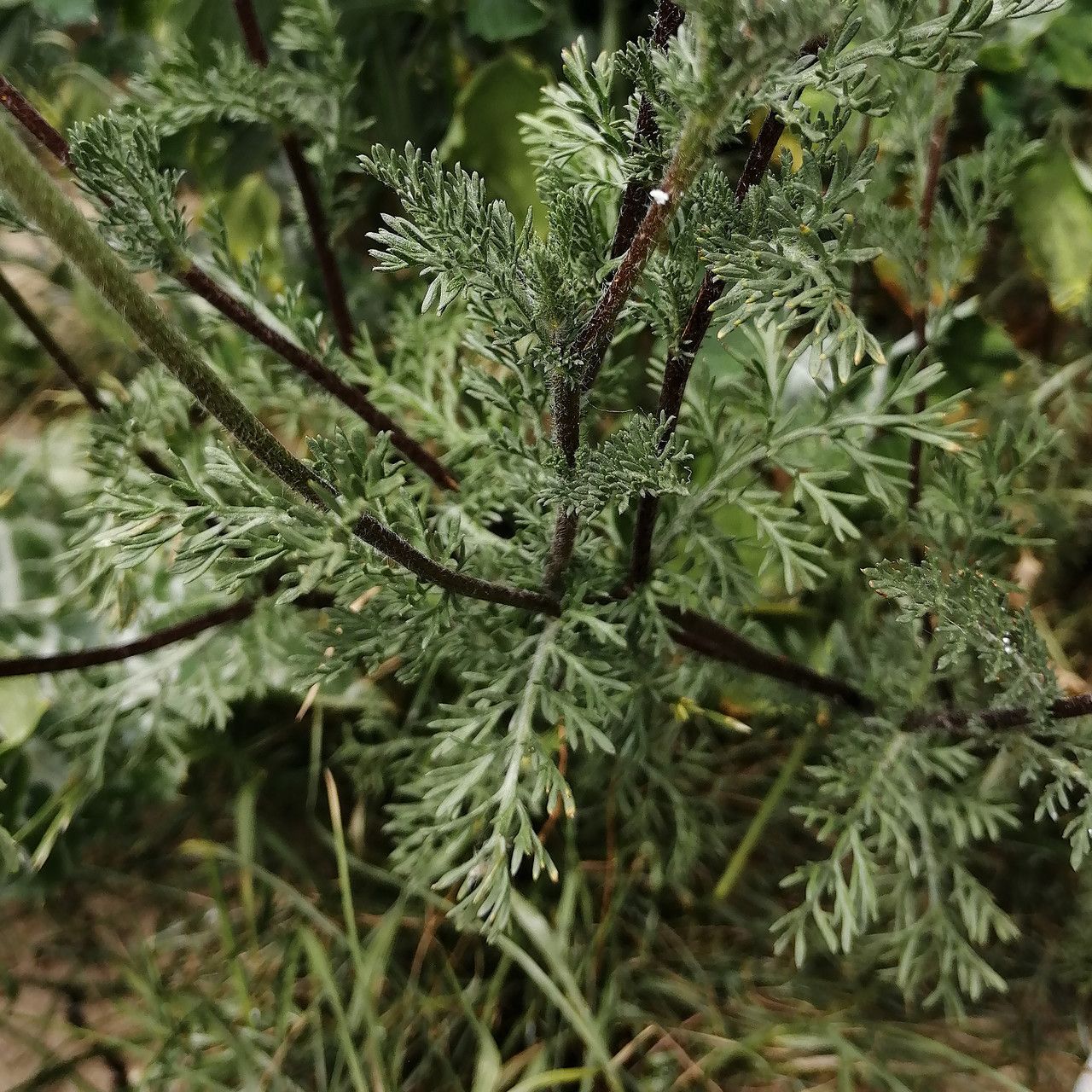
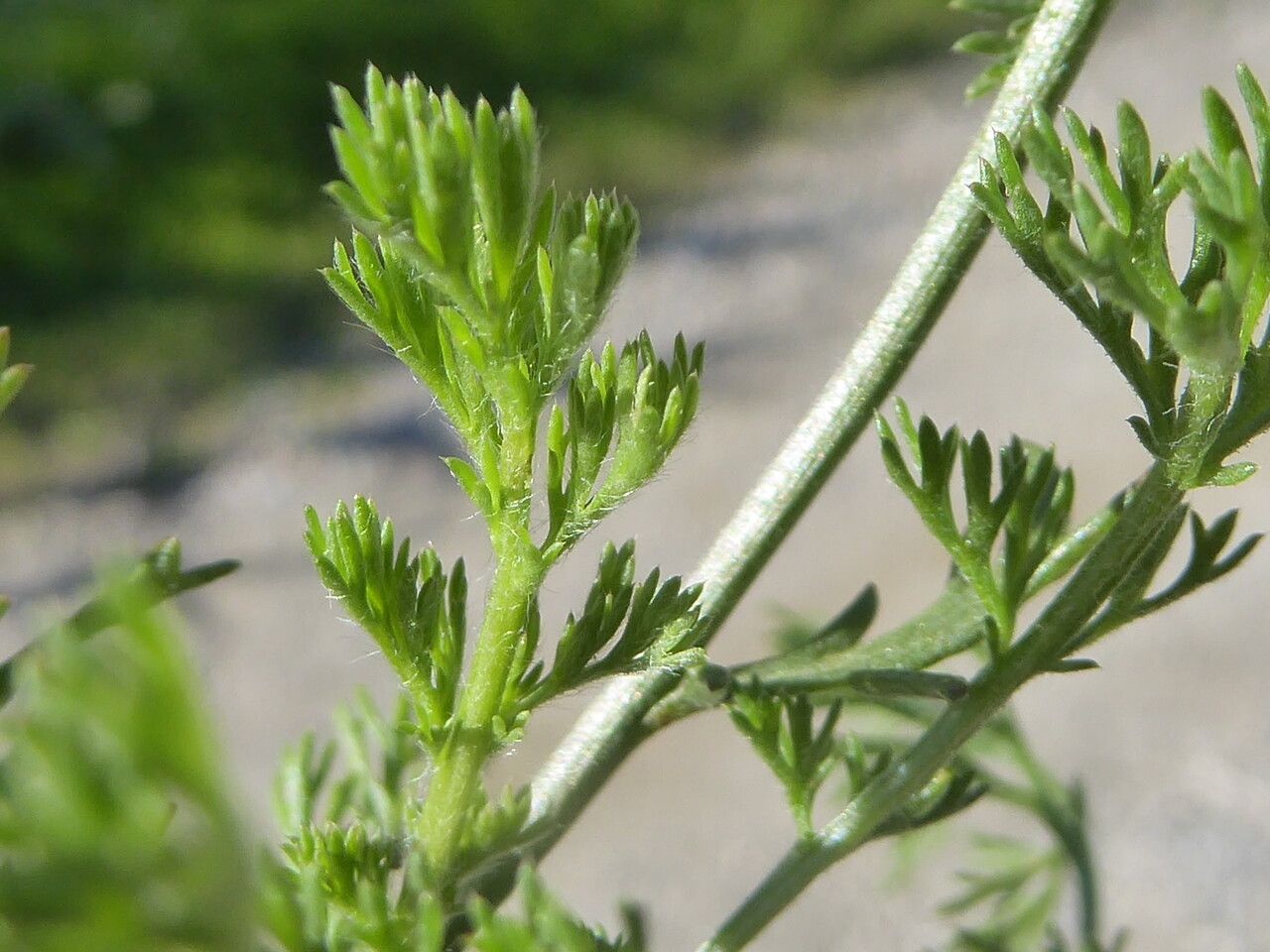
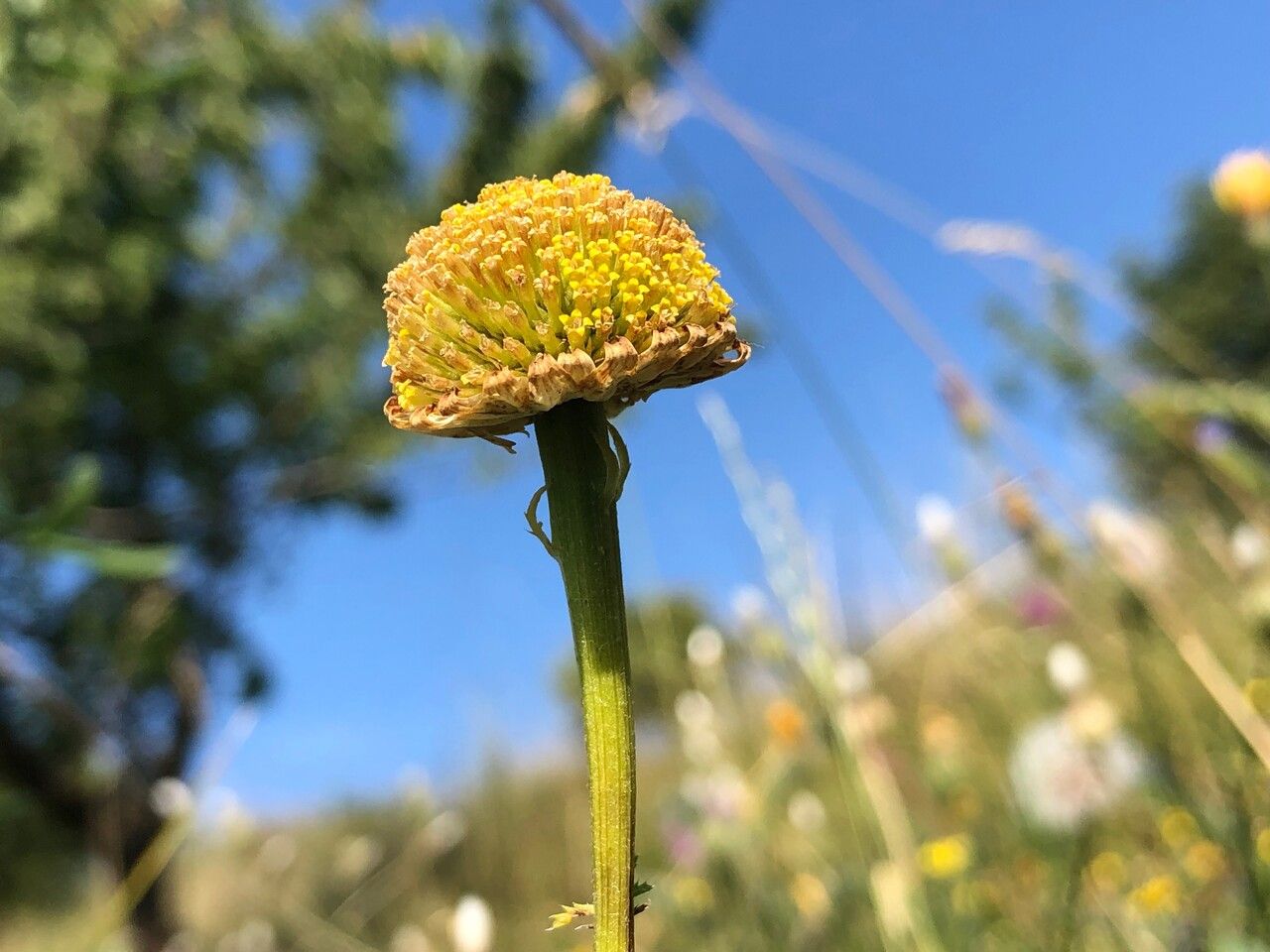
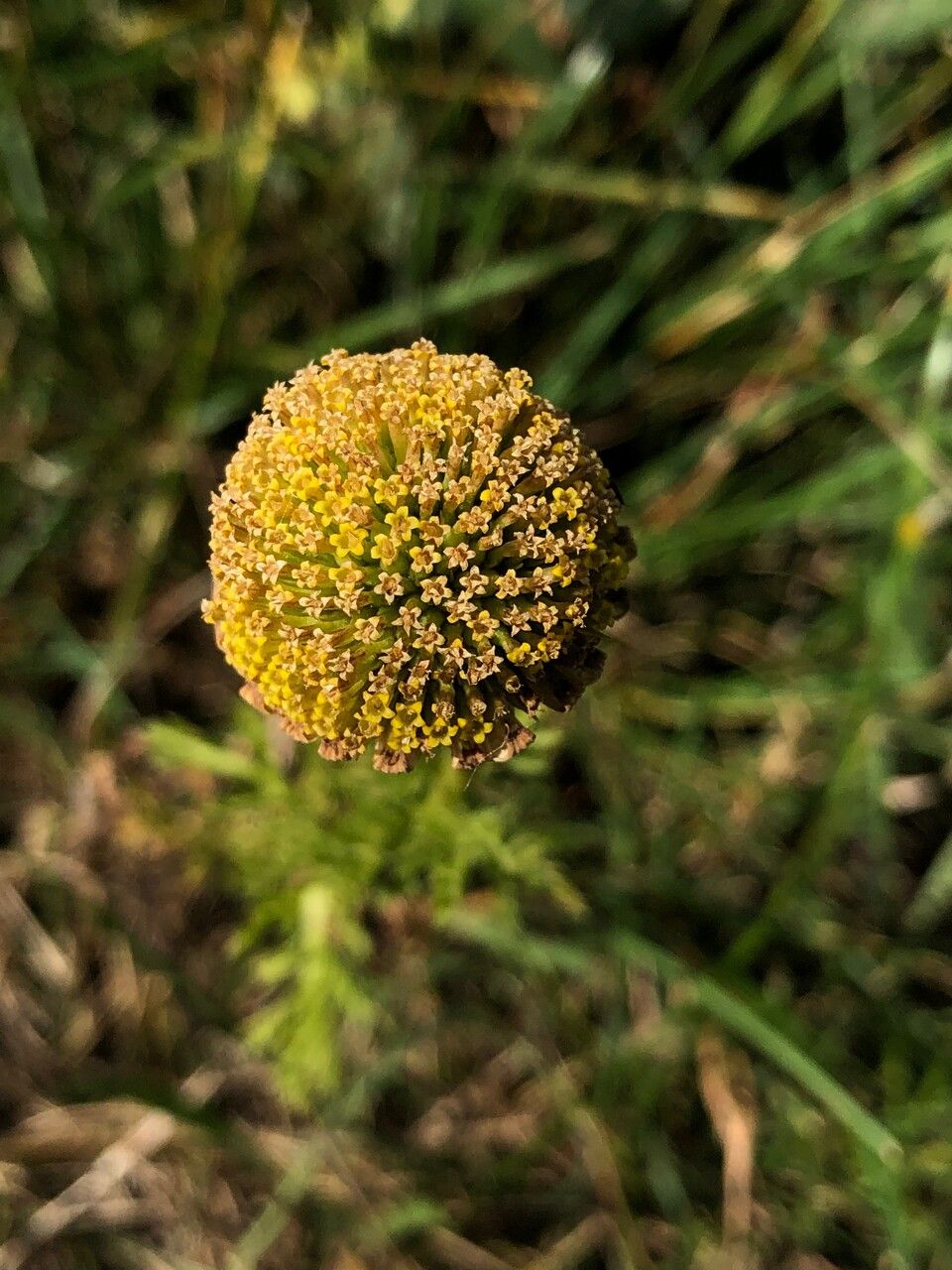
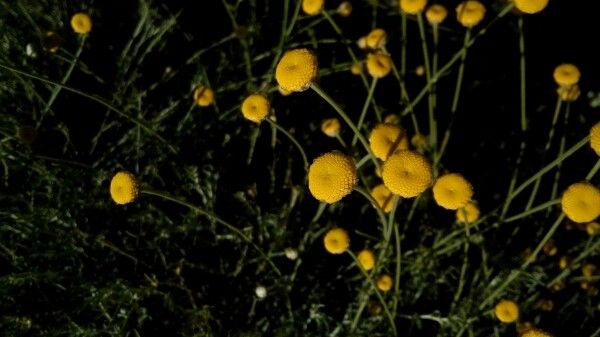
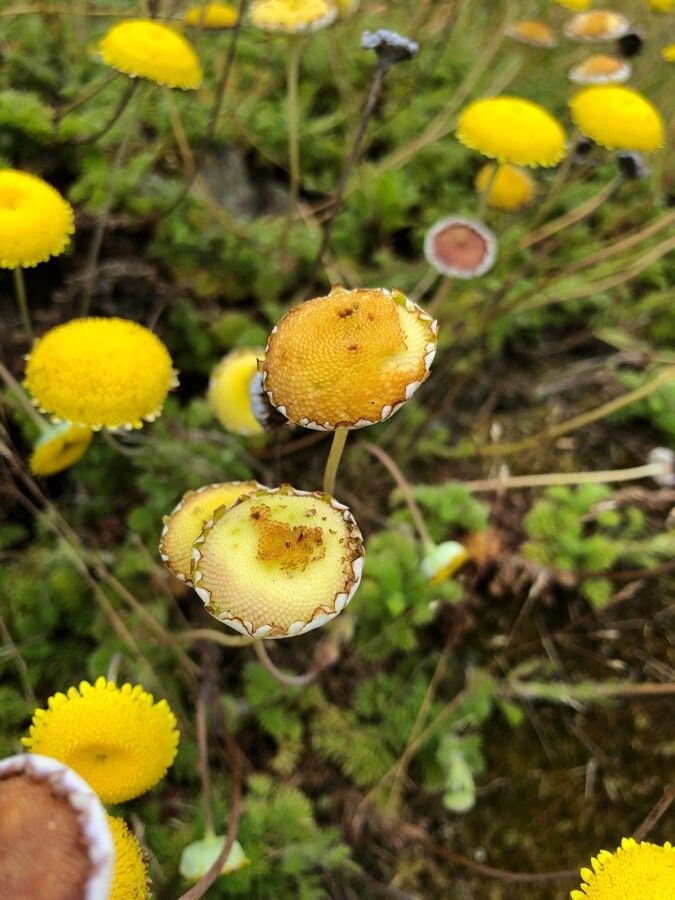
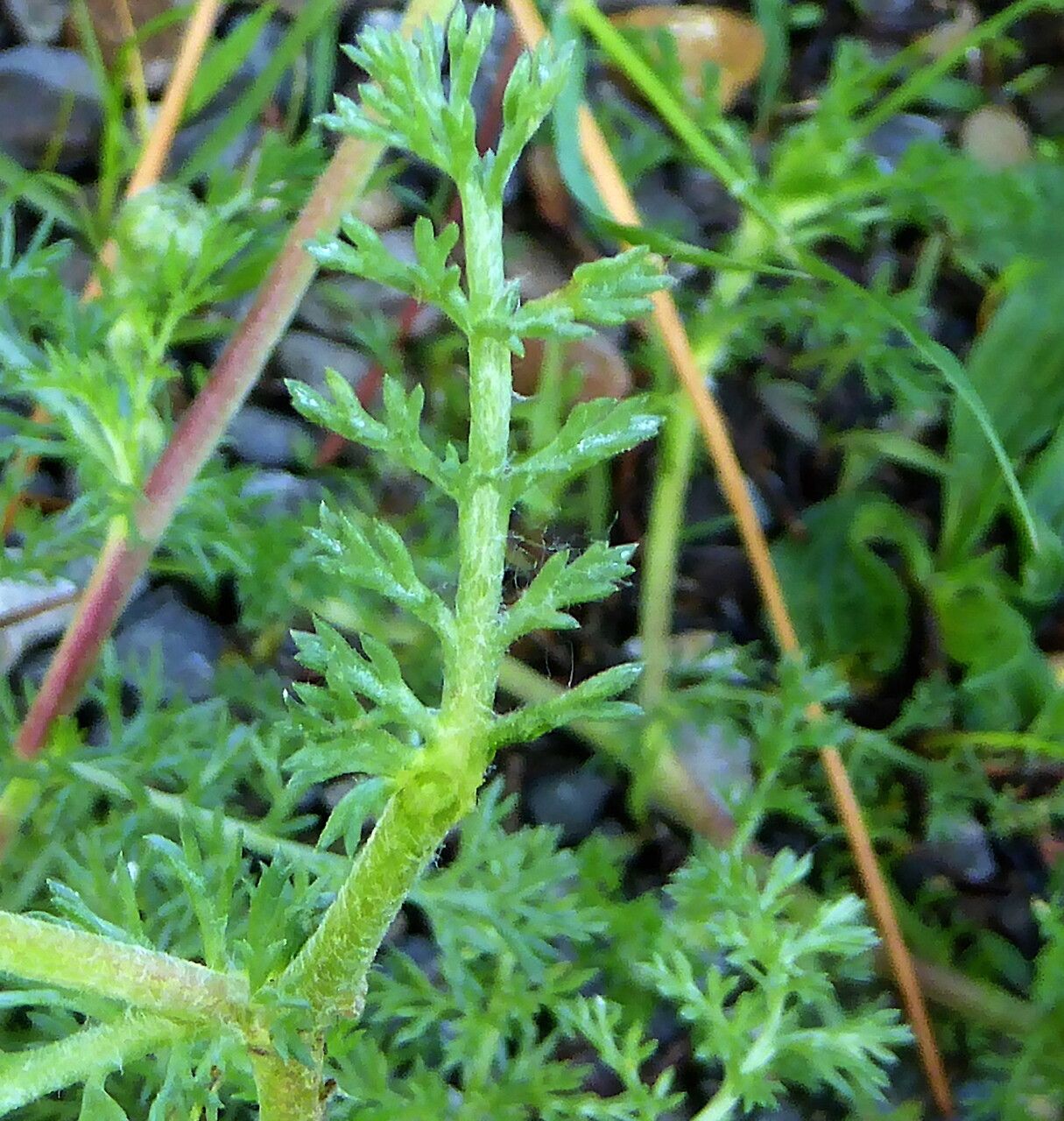
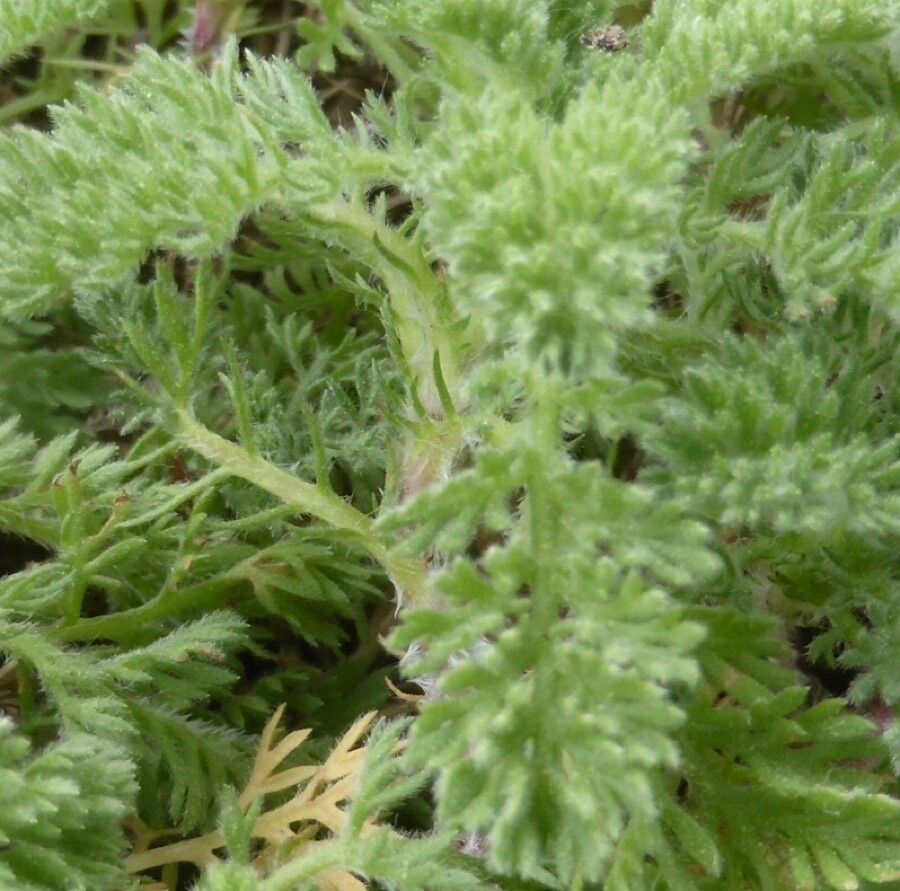
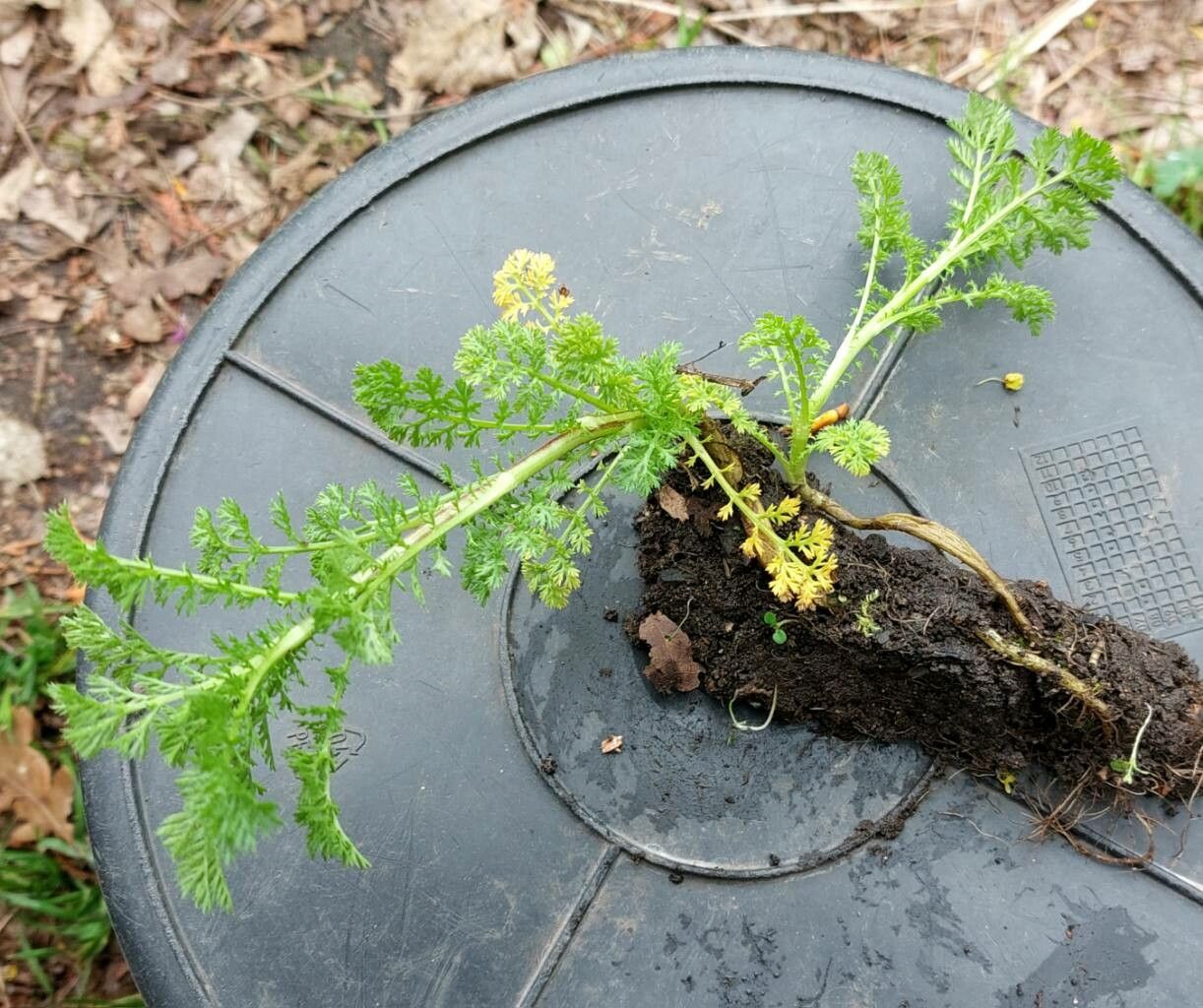
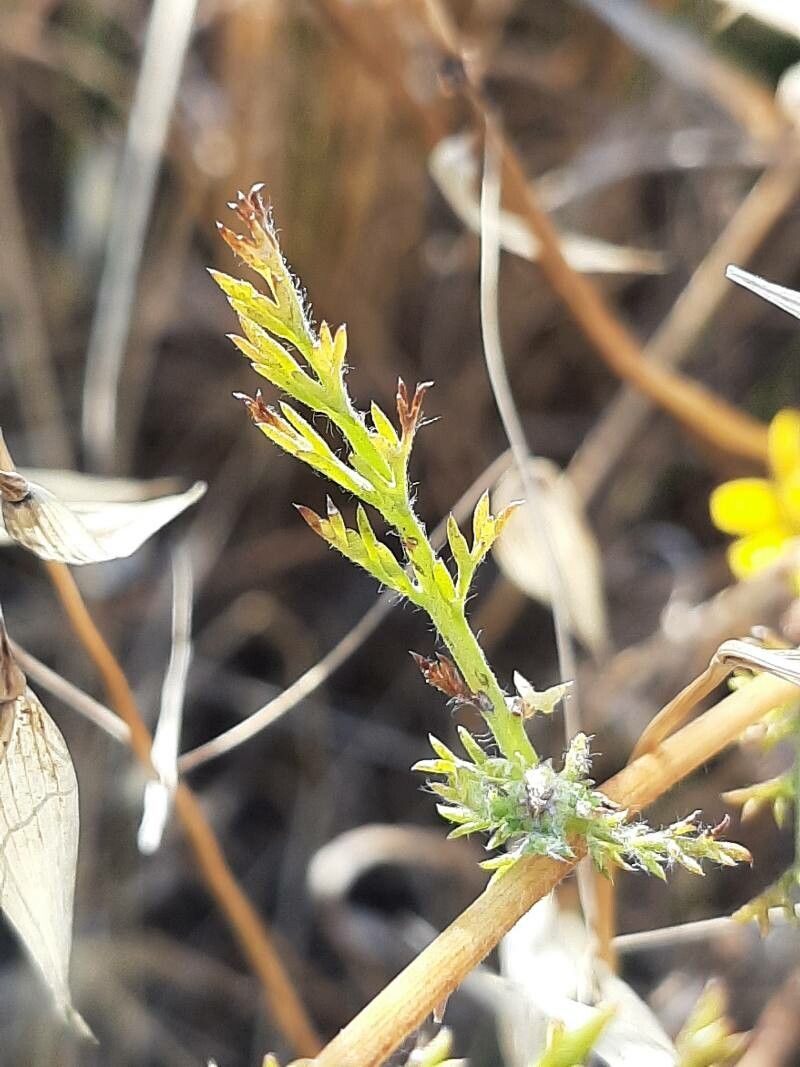
Anacyclus valentinus is the type species for the genus Anacyclus in the tribe Anthemideae and family Asteraceae.
Bachelor's button has strong disease resistance and is generally not prone to illnesses. However, it can be vulnerable to pests and diseases present in its surroundings. These problems are usually mild. In terms of care, this plant needs moderate maintenance. Regular pruning is required to keep a neat appearance and encourage healthy growth. Fertilizing can also help boost flowering. Bachelor's button is suitable for anyone with outdoor space, such as a garden or patio, and does not demand extensive care experience. It may need more attention when grown indoors.
How to keep Anacyclus Valentinus.
Light
Bachelor's button comes from bright, open habitats and does best in full sun. Although it can tolerate some partial shade, it prefers direct sunlight for optimal development. This plant, which can be annual or biennial, is noted for its sun-loving character.
Water
Bachelor's button flourishes in dry Mediterranean climates and is drought-tolerant, needing moderate watering once a week in well-drained soil. As an outdoor plant, it thrives in full sun. Adequate water availability is essential during its active growing season to maintain its vigor.
Temperature
Bachelor's button can tolerate a wide range of temperatures, but its distribution may still be restricted by different combinations of moisture and heat. It performs best in warm summer climates with sufficient rainfall or watering. Extended periods of cloudy, rainy weather, as well as prolonged high temperatures, can raise the chance of Bachelor's button dying. In winter, adequate protection from cold can enhance the plant's survival rate.
Fertilizer
When most of the Bachelor's button blooms are fully open, it's time to start fertilizing again. At the peak of flowering, resume fertilizing every three to four weeks, weather permitting. Then, once Bachelor's button begins producing fewer new blooms, stop fertilizing; there's no need to fertilize when the plant can no longer produce more blooms.
Pruning
To maintain the health and appearance of bachelor's button, it is important to regularly prune the plant from early to late spring. Removing spent blooms through deadheading, as well as cutting away any dead or diseased parts, can enhance bloom production and help the plant maintain a compact shape. Be sure to use clean, sharp tools for pruning to avoid damaging the plant.
Botanical profile.
- Plant Type
- Herb
- Life Cycle
- Annual, Perennial
- Genus
- Anacyclus
- Family
- Compositae
- Hardiness Zone
- 8-11
- Mature Height
- 10 cm to 30 cm
- Mature Spread
- 30 cm to 49 cm
- Leaf Color
- Green, Dark Green
- Leaf Type
- Semi-evergreen
- Flower Color
- White, Yellow
- Flower Size
- 1.02 cm to 1.52 cm
- Bloom Time
- Mid spring, Late spring, Early summer
- Planting Time
- Spring, Summer
- Harvest Time
- Summer
- Native Area
- Libya, Tunisia, Spain, Poland, Ireland, United Kingdom, Algeria, Morocco, Belgium, France
Other names.
Reader questions.
What are the sunlight requirements for Bachelor's button?
Bachelor's button thrives in bright, open environments and requires full sun, defined as above 6 hours of sunlight daily, for optimal growth. It can tolerate partial sun, about 3-6 hours of sunlight, but prefers direct sunlight. The warning to watch how sunlight moves through your garden and choose spots that provide the right balance of light and shade is key to ensuring the happiness of your plants.
How does artificial lighting aid in the growth of indoor Bachelor's button plants?
Indoor Bachelor's button plants require adequate lighting for optimal growth, especially when natural sunlight is insufficient. Artificial lights, particularly LED lights, which can be customized to provide specific wavelengths of light, offer a vital solution. Full sun plants need 30-50W/sq ft of artificial light, while partial sun plants need 20-30W/sq ft. The light source should be placed 12-36 inches above the plant to mimic natural sunlight, and the duration should mimic natural daylight hours, generally 8-12 hours of light per day.
What are some symptoms of light deficiency in Bachelor's button when grown indoors?
When Bachelor's button is cultivated indoors with inadequate light, it may exhibit symptoms like smaller new leaves compared to mature ones, leggy or sparse growth due to longer spaces between leaves or stems, faster leaf drop as older leaves are shed early to conserve resources, slower or halted growth, lighter colored or irregularly patterned new leaves suggesting a lack of chlorophyll, and conditions like chlorosis (yellowing of leaves), sunscald, leaf curling, wilting, and leaf scorching.
What are some solutions to light deficiency problems for indoor and outdoor Bachelor's button plants?
For indoor plants, optimize growth by gradually moving plants to sunnier locations, aiming for at least 6 hours of direct sunlight daily or using artificial light like plant grow lights for additional illumination. For outdoor plants, gradually introduce them to sunnier spots to avoid shock and potential sunburn. Reducing sunlight obstructions is crucial, whether by pruning trees or relocating smaller plants to sunnier areas with ample sunlight and good drainage.