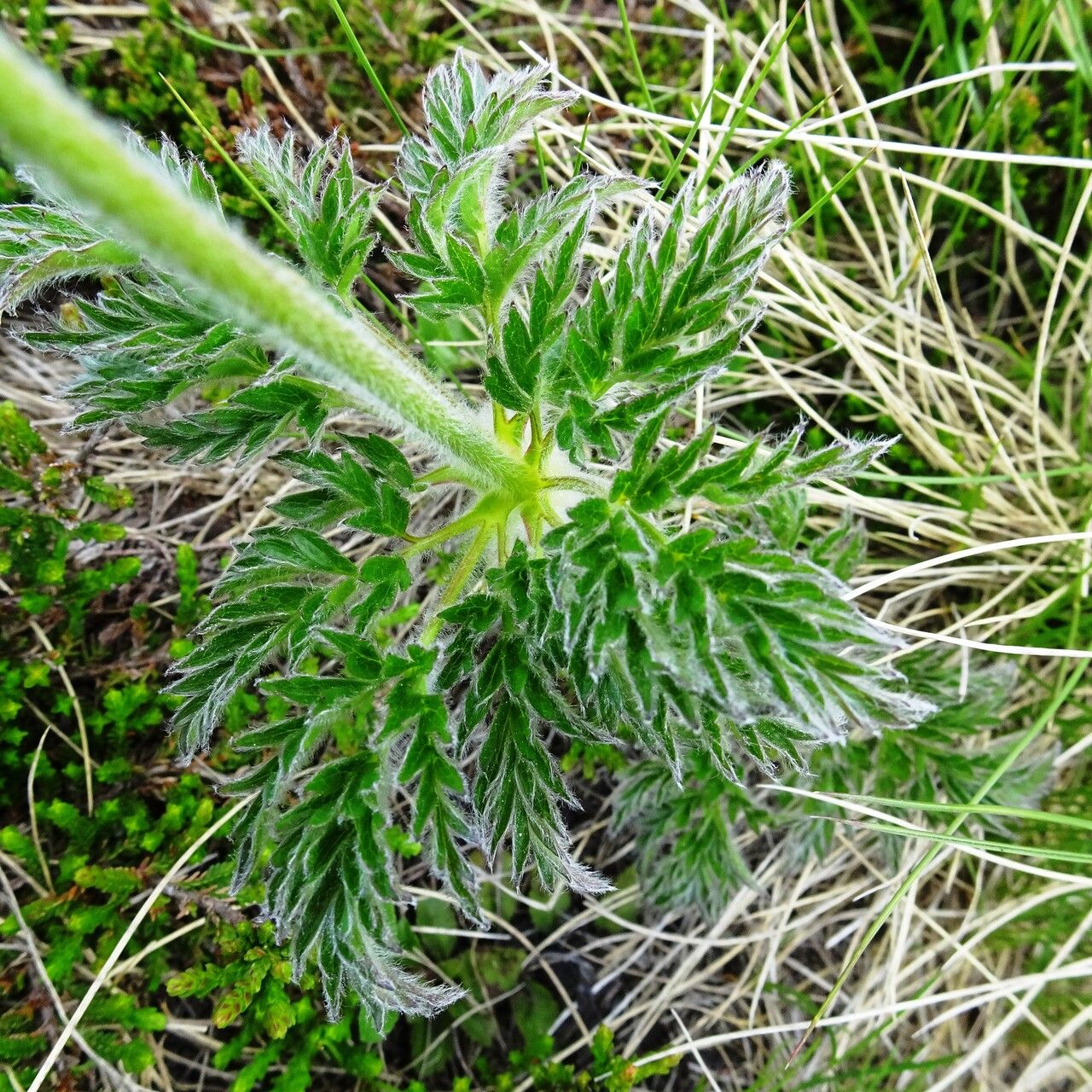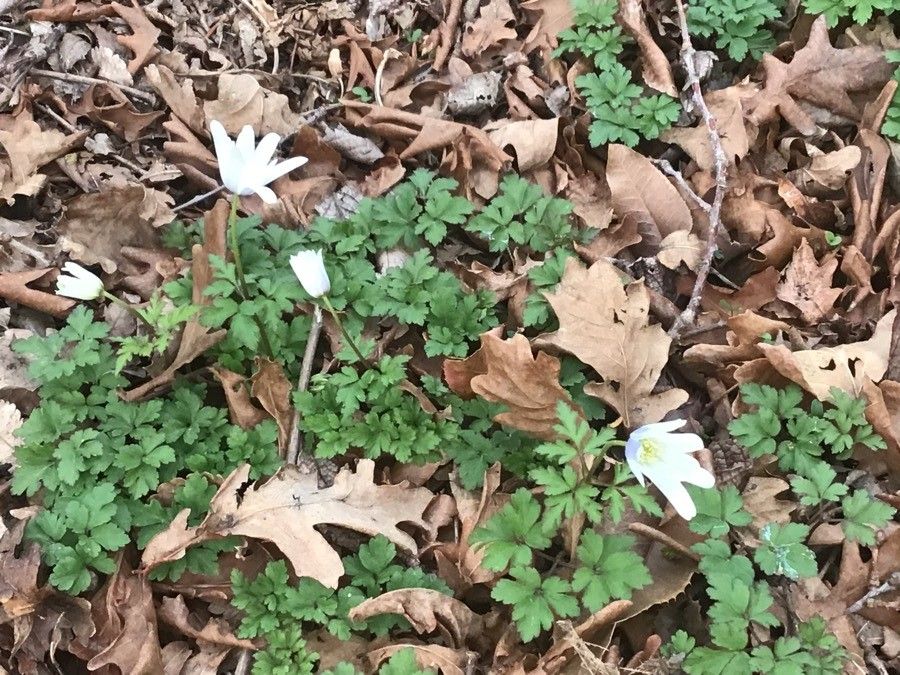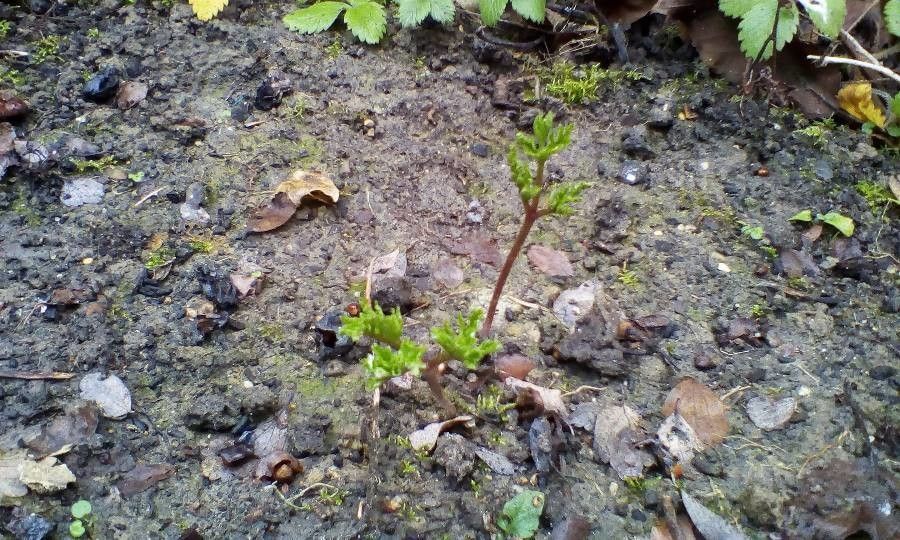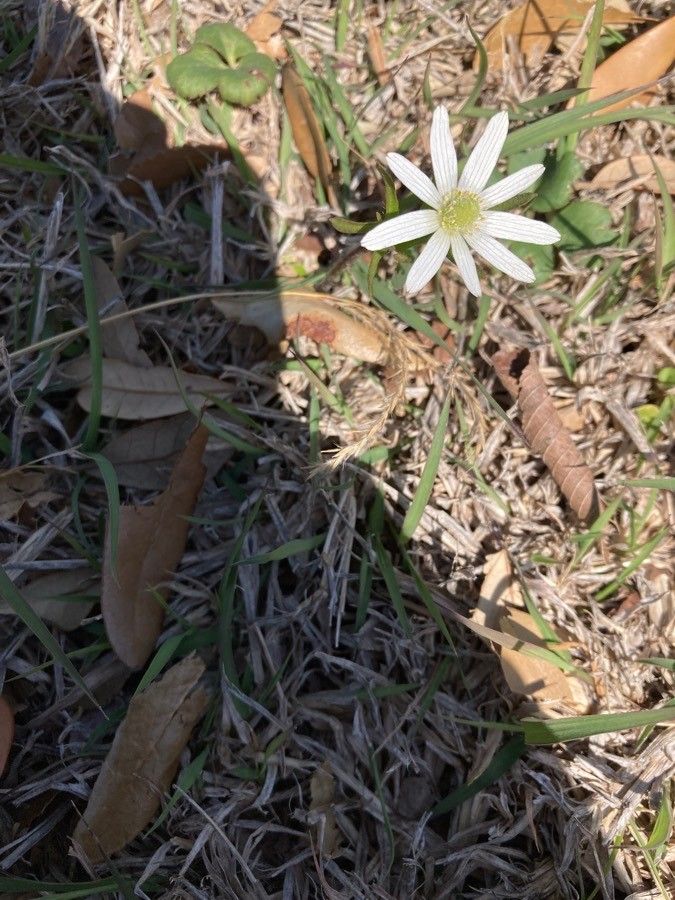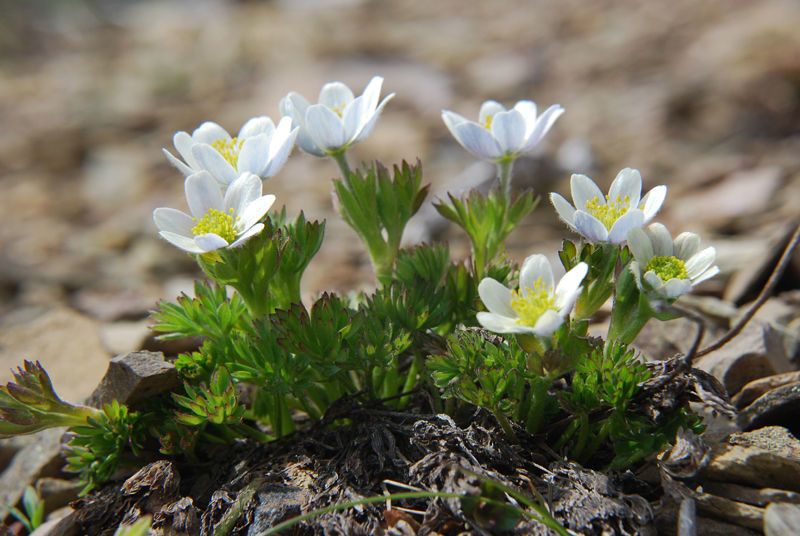
Little belt mountain thimbleweed has strong resistance to disease and is generally not easily affected by illnesses. However, it can be vulnerable to pests and diseases present in its environment. These problems are typically not serious. For care, this plant needs moderate maintenance. It should be pruned regularly to keep a neat appearance and encourage healthy growth. Fertilizing can also help encourage flowering. Little belt mountain thimbleweed is suitable for people with outdoor areas like a garden or patio and does not demand extensive gardening experience. It may need more care when kept indoors.
How to keep Anemone Lithophila.
Light
The Little belt mountain thimbleweed is indigenous to habitats like forest understories or rocky terrains where it naturally receives shaded exposure. Though it has a preference for partial sunlight, it shows adaptability to both full sunlight or complete shade, which underpins its resilient and flexible qualities.
Fertilizer
The optimal period to fertilize Little belt mountain thimbleweed is during the early spring when the flowers are beginning to form. Appropriate fertilization aids in enhancing the blossoming and allows the plant to yield beautiful flowers. Fertilizing in the early spring not only guarantees superb blooms throughout the season but also supplies energy for the periods when the plant is not actively growing.
Botanical profile.
- Plant Type
- Herb
- Life Cycle
- Perennial
- Genus
- Anemone
- Family
- Ranunculaceae
- Hardiness Zone
- 4-8
- Mature Height
- 10 cm to 25 cm
- Mature Spread
- 10 cm to 20 cm
- Leaf Color
- Green, Dark Green
- Leaf Type
- Deciduous
- Flower Color
- White
- Flower Size
- 2.03 cm to 3.05 cm
- Bloom Time
- Early spring, Mid spring
- Planting Time
- Spring, Summer
- Harvest Time
- Late spring, Early summer