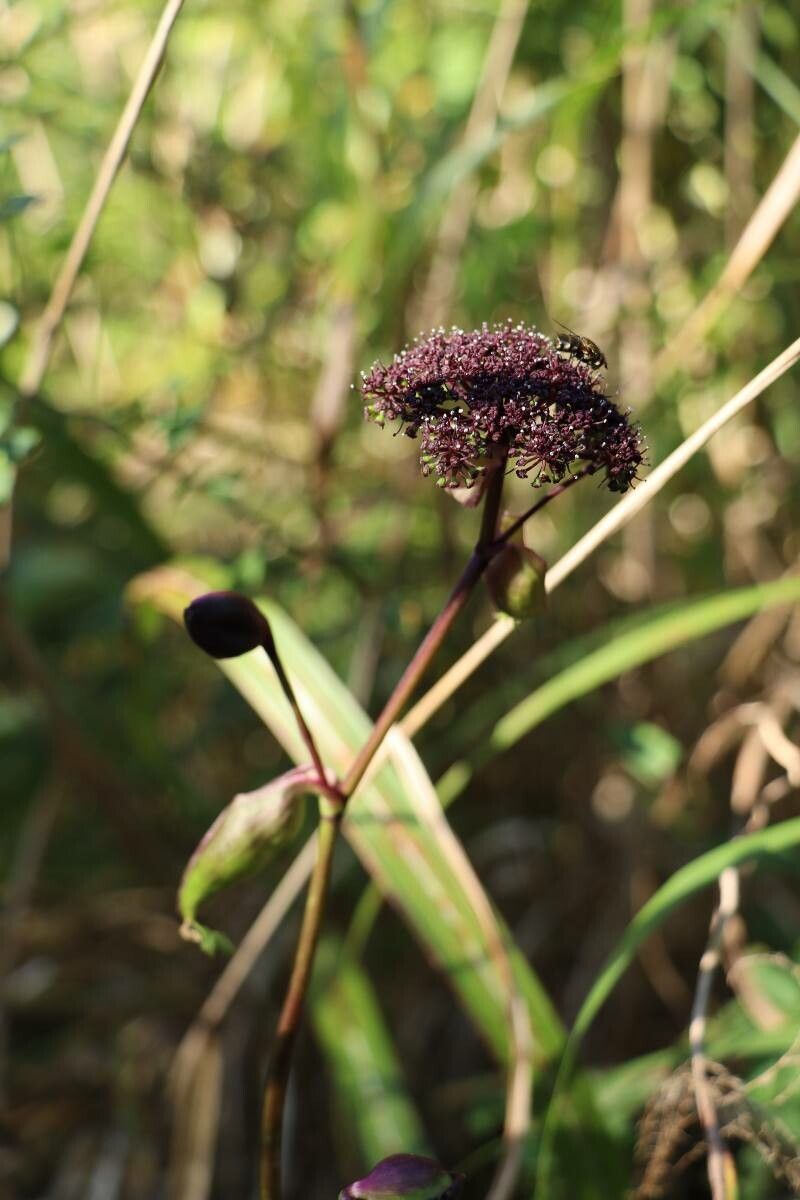
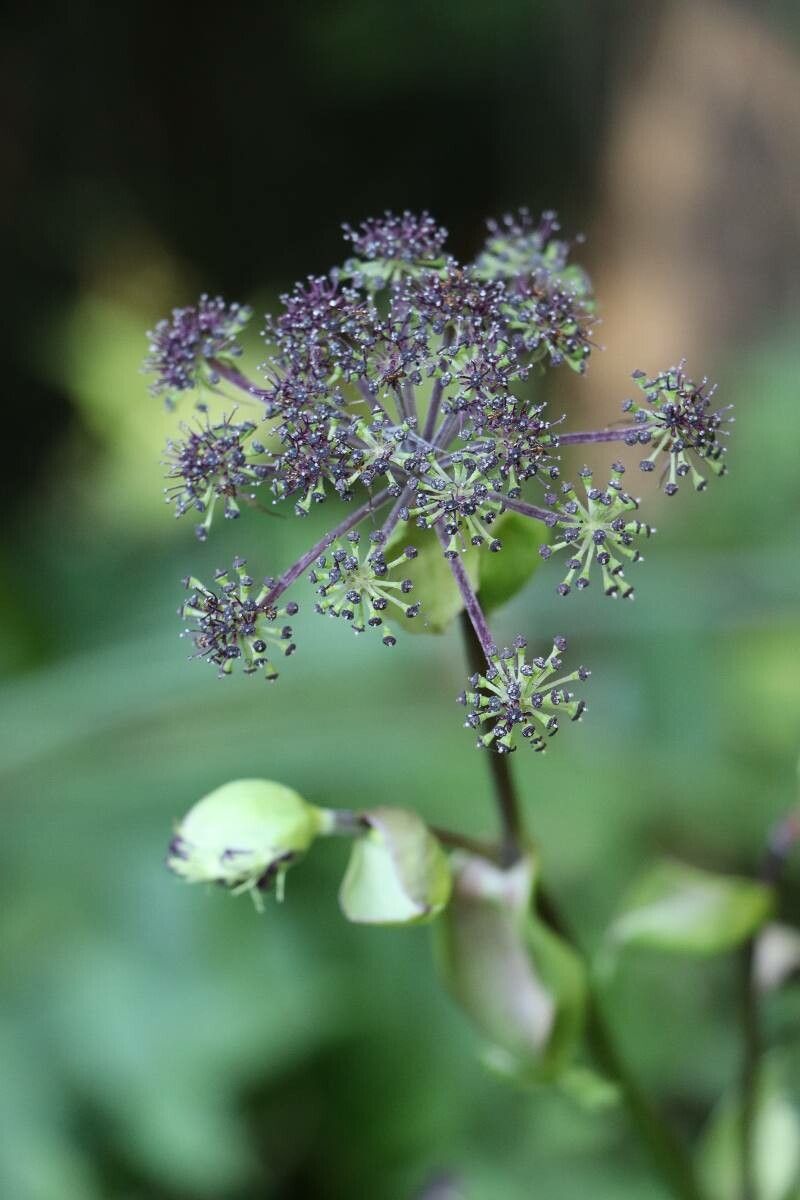
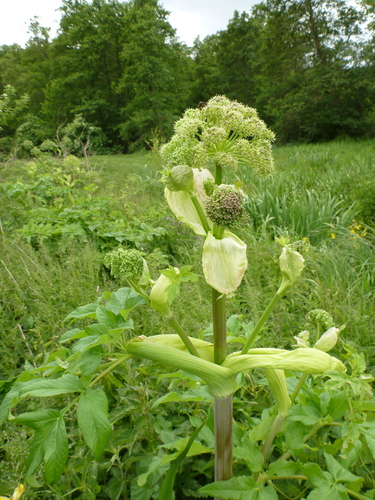
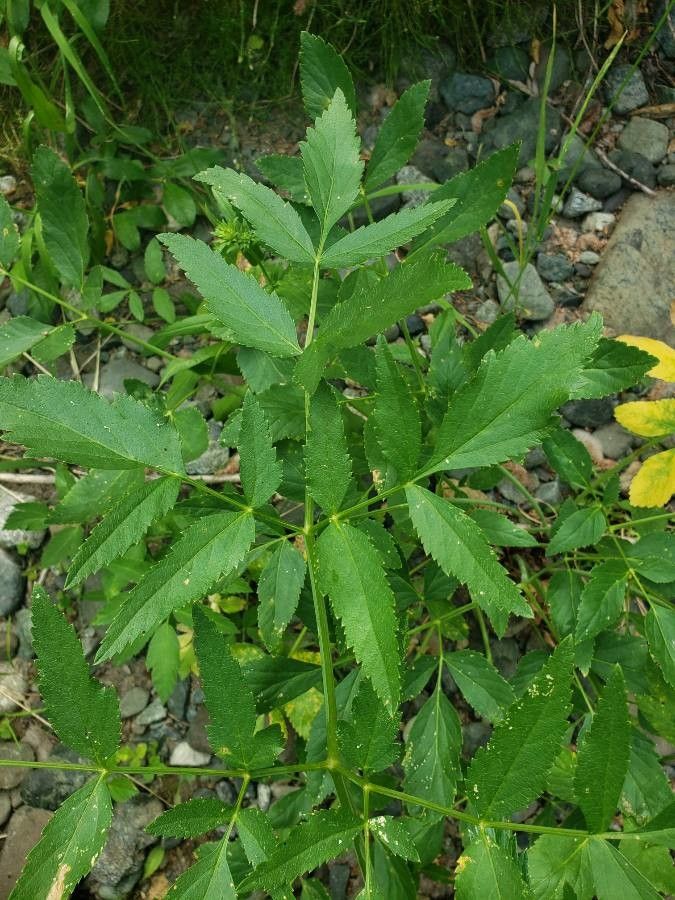
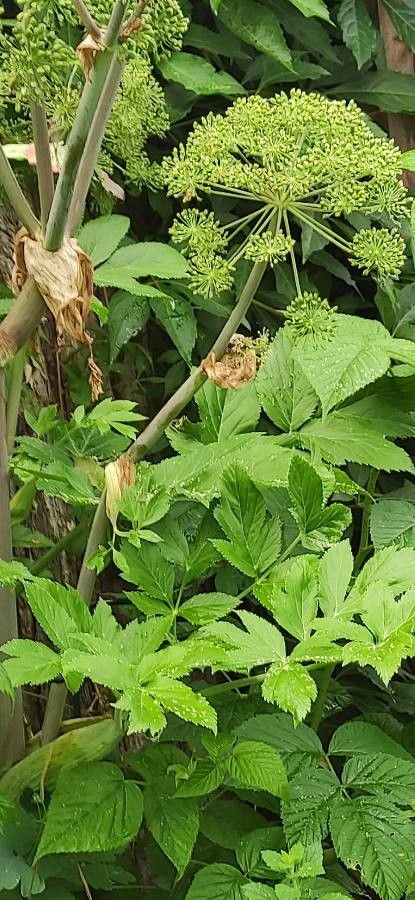
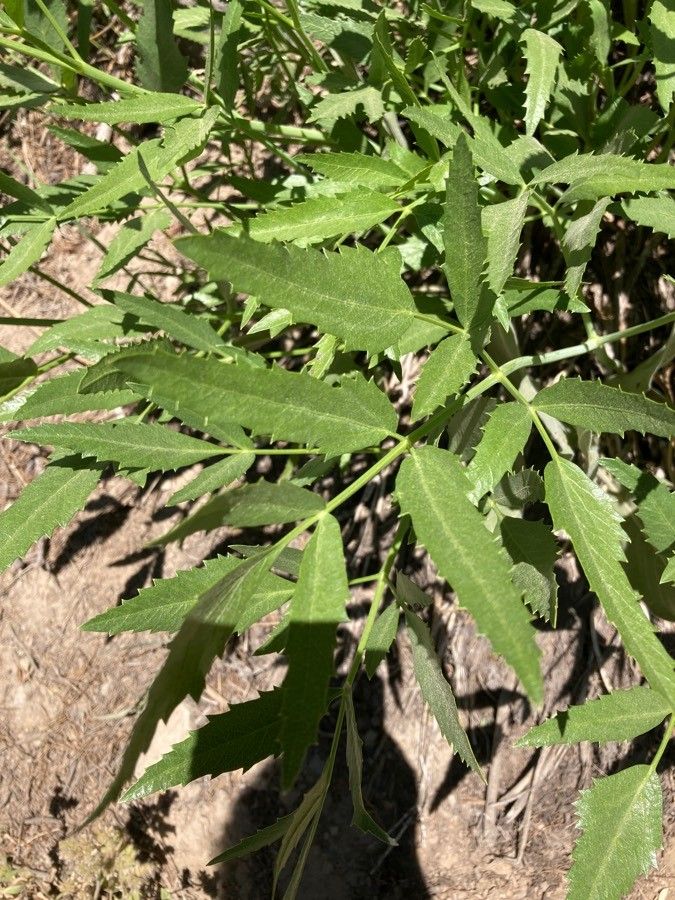
Purple-flower angelica is fairly disease-resistant and typically not prone to illnesses. Still, it can be affected by pests and diseases present in its environment, though these problems are usually mild. For care, this plant needs a moderate level of maintenance. It should be pruned regularly to keep a good appearance and healthy growth. Fertilizing can also encourage flowering. Purple-flower angelica is well suited for anyone with outdoor space like a garden or patio and does not demand much care experience. It may need more attention when grown indoors.
How to keep Angelica Decursiva.
Light
Purple-flower angelica is native to habitats like forest understories and rocky areas, where it grows in natural shade. It prefers partial sun but can tolerate full sun or full shade, demonstrating its versatile, hardy nature.
Water
Purple-flower angelica thrives in moist, shaded woodlands, preferring soil that remains consistently moist and receives weekly watering. It is best suited for outdoor cultivation, where it can take advantage of natural rainfall. The availability of water greatly influences its growth cycle and flowering potential.
Temperature
Purple-flower angelica can tolerate a wide range of temperatures, but its distribution may still be restricted by different combinations of moisture and heat. It performs best in warm summer climates with adequate rainfall or watering. Extended periods of cloudy, rainy weather, as well as prolonged high temperatures, can raise the likelihood of Purple-flower angelica dying. In winter, proper protection from cold can increase the plant's survival rate.
Fertilizer
The best time to fertilize Purple-flower angelica is in early spring, when it is coming out of dormancy and beginning active growth. Fertilization supplies essential nutrients for healthy development. Although Purple-flower angelica has relatively low fertilizer requirements, an annual application can improve its survival and encourage better, longer-lasting flowers.
Pruning
To promote healthy growth and improve the appearance of purple-flower angelica, it's important to prune during the early to late spring. Focus on removing dead or damaged stems as well as leggy branches. This not only enhances the plant's growth but also its visual appeal. Make sure to use clean tools to prevent the spread of disease and avoid heavy pruning, which can stress the plant. Following these guidelines, as recommended by reliable sources, will yield the best results.
Botanical profile.
- Plant Type
- Herb
- Life Cycle
- Perennial
- Genus
- Angelica
- Family
- Apiaceae
- Hardiness Zone
- 4-9
- Mature Height
- 2.13 m
- Mature Spread
- 61 cm to 91 cm
- Leaf Color
- Green, Dark Green
- Leaf Type
- Deciduous
- Flower Color
- White
- Flower Size
- 0.20 cm
- Bloom Time
- Early summer, Mid summer
- Planting Time
- Spring, Summer, Autumn
- Harvest Time
- Late summer, Early fall
Other names.
Reader questions.
What are the sunlight requirements for plants?
Plants require varying amounts of sunlight, categorized as partial sun, which is about 3-6 hours of sunlight, and full sun, which is above 6 hours of sunlight daily. It’s essential to watch how sunlight moves through your garden to choose the best spots that offer a balance of light and shade, ensuring the plants thrive.
What are the essentials for growing Purple-flower angelica?
Purple-flower angelica thrives in environments like forest understories or rocky areas, benefitting from natural shade. It prefers partial sun but can also grow in full shade, making it a versatile herbaceous perennial. In conditions where natural light is insufficient, especially indoors, artificial lighting can be a vital solution. LED lights are recommended, with specific wattage based on the plant's sunlight needs: 30-50W/sq ft for full sun plants, 20-30W/sq ft for partial sun plants, and 10-20W/sq ft for full shade plants. The artificial light should be placed 12-36 inches above the plant for 8-12 hours per day to mimic natural sunlight conditions.
What symptoms indicate insufficient light for indoor Purple-flower angelica?
When Purple-flower angelica is grown indoors with insufficient light, it might display symptoms like smaller new leaves, leggy or sparse growth, faster leaf drop, slower or halted growth, lighter-colored new leaves, chlorosis, sunscald, leaf curling, wilting, and leaf scorching. These issues highlight the plant's struggle with inadequate sunlight, affecting its health and growth negatively.
How can I optimize the growth of Purple-flower angelica in low light conditions?
To optimize Purple-flower angelica's growth in low light, gradually introduce it to sunnier spots weekly until it gets 3-6 hours of direct sunlight daily, allowing for gradual adaptation. For plants that are large or hard to move, consider supplementary artificial lighting, such as keeping a lamp on for at least 8 hours daily or investing in professional grow lights. For outdoor plants, move them to sunnier locations gradually to prevent sunburn. Prune any obstructions like tree branches to improve sunlight exposure. For smaller plants, consider transplanting them during their dormant period, in late winter or early spring, to a spot with better sunlight and drainage.