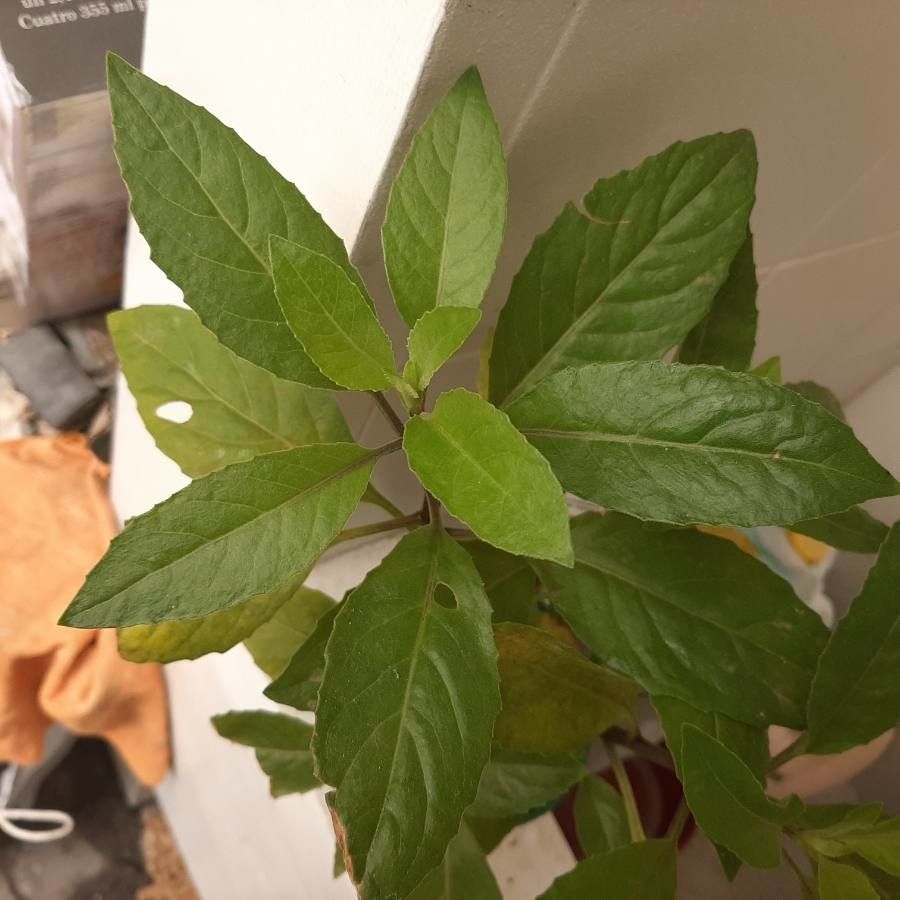
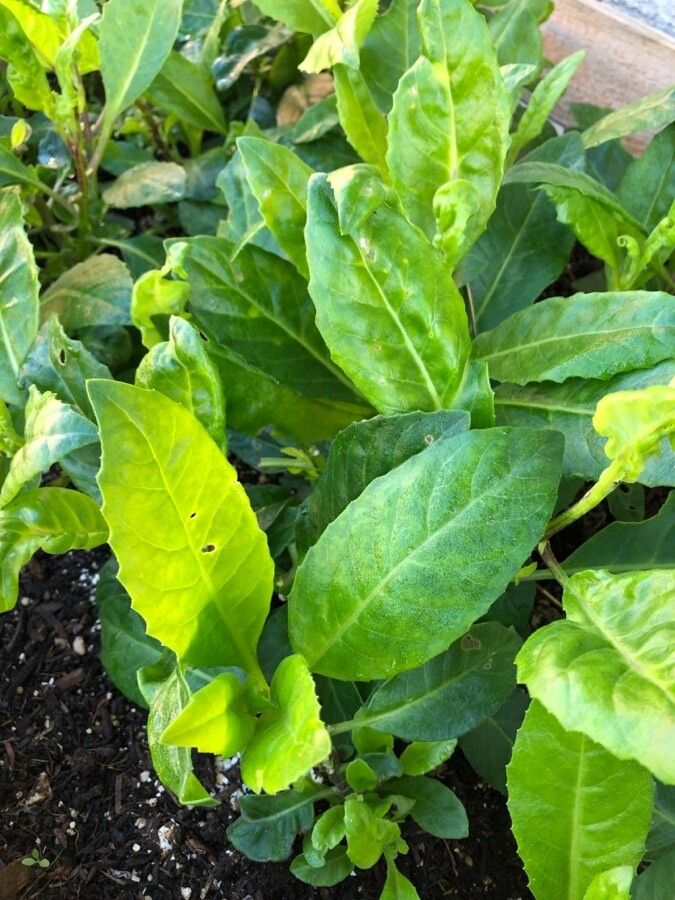
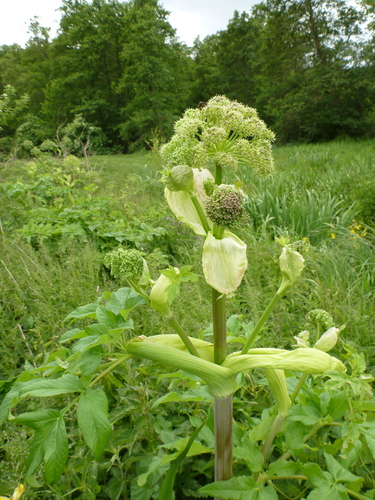
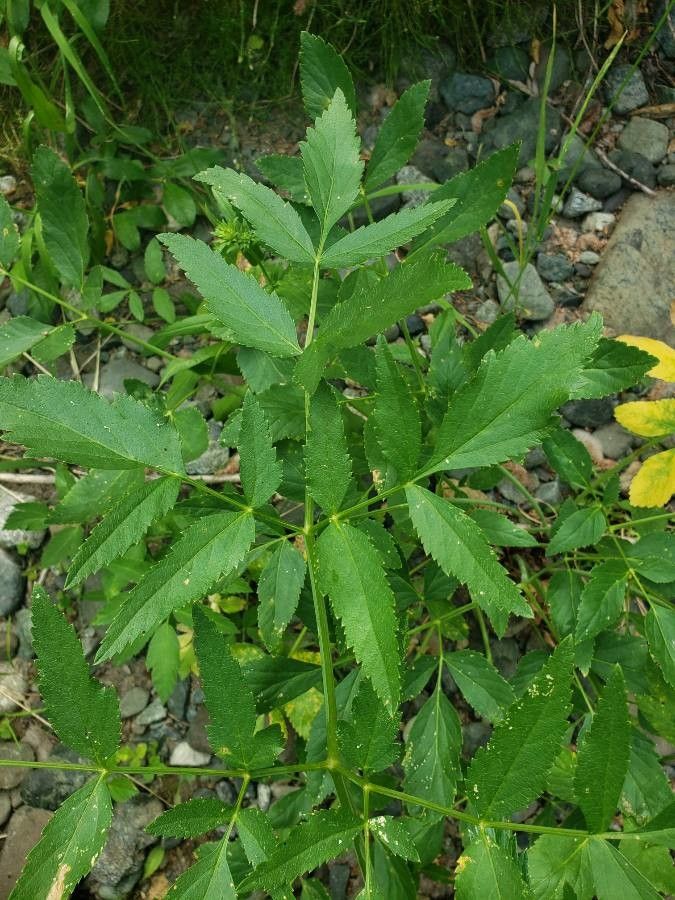
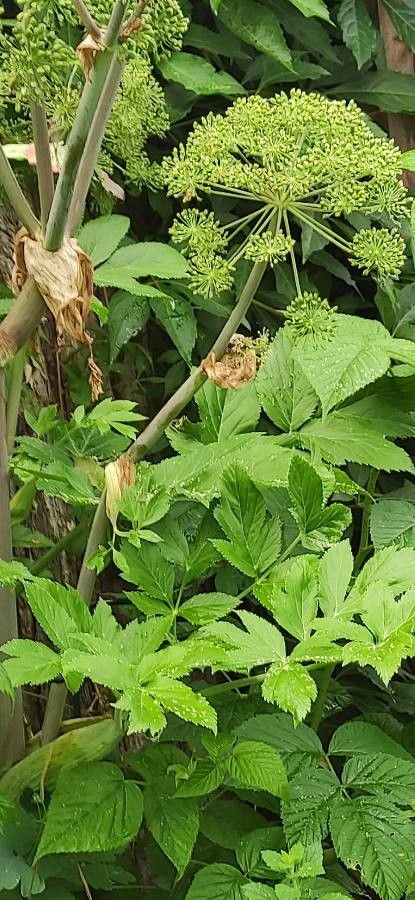
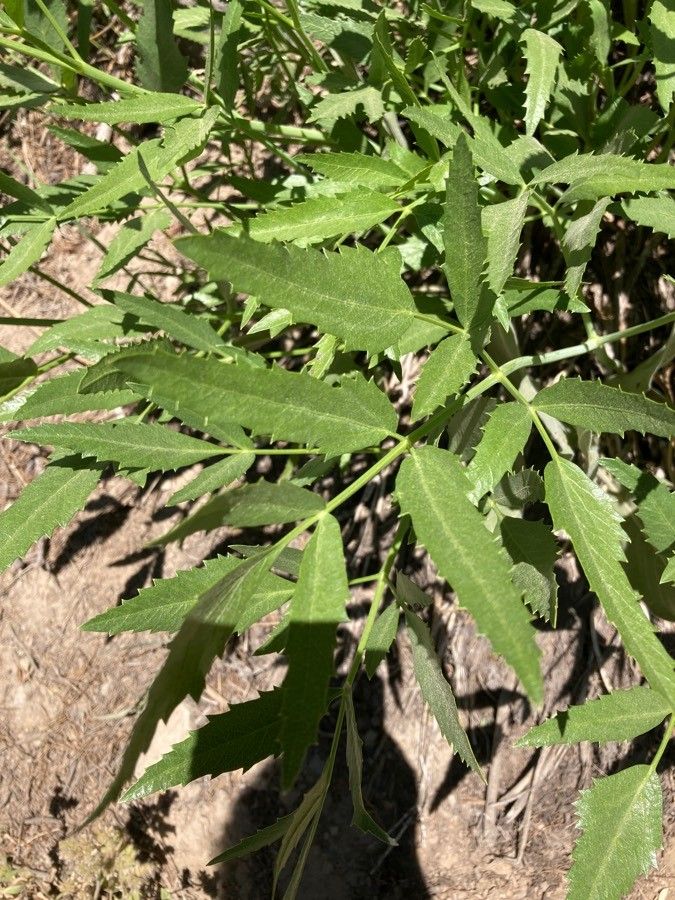
Angelica keiskei, commonly known under the Japanese name of ashitaba (アシタバ or 明日葉), literally "tomorrow's leaf", is a species of flowering plant in the carrot family. It is native to Japan, where it is found on the Pacific Coast. It is native to the area of the Bōsō Peninsula, Miura Peninsula, Izu Peninsula, and the Izu Islands. It has been widely cultivated outside its natural range.
Ashitiba has moderate resistance to disease but can be prone to problems like leaf spot. Its susceptibility to insect pests varies by variety, though most varieties tend to be relatively less resistant to pests. In terms of care, Ashitiba requires regular watering and fertilization and frequent removal of yellowing leaves. It is important to address pests and diseases as they appear and to harvest the plant promptly. Ashitiba is suited to people who can dedicate some time and effort to routine care.
How to keep Angelica Keiskei.
Light
Ashitiba favors locations with a moderate amount of sunlight but can tolerate more intense light. It comes from settings where light filters through in dappled patterns, and those conditions support its health. Excessive exposure can stress the plant, while too little light may lessen its growth vigor and overall vitality.
Water
Ashitiba, an herb native to the Japanese archipelago, thrives in subtropical climates with consistent moisture. To keep the plant hydrated, it needs to be watered weekly. It adapts well to outdoor cultivation and benefits from natural rainwater during its peak growing seasons as an herbaceous perennial.
Temperature
Ashitiba is indigenous to temperate regions. It performs best at temperatures between 68 and 95 °F (20 to 35 °C). Seasonal temperature shifts may require adjustments to maintain its healthy growth.
Fertilizer
To maximize Ashitiba's yield and flavor, provide sufficient nitrogen throughout the entire growth period, from before planting through harvest. Plants that are properly watered and fertilized develop plentiful, healthy leaves and have reduced bitterness. Before planting, amend the soil with organic matter such as compost or manure, preferably 2 to 8 weeks ahead.
Pruning
Ashitiba is known for its vibrant green leaves and medicinal properties. To maintain its health, prune the plant from late winter to early spring by removing any dead stems. Make cuts just above the leaf nodes to encourage bushier growth. Regular pruning boosts the plant's vigor and adaptability, but be careful not to over-prune, as this can cause stress. By following these proven techniques, you can ensure optimal care for your ashitiba.
Pot & Repot
Ashitaba benefits from being repotted every 2-3 years, ideally in early spring. Choose a slightly larger pot each time to promote healthy growth. After repotting, ensure the soil remains consistently moist. Place the plant in a location with bright, indirect light, and be careful not to overwater it to ensure a smooth transition.
Botanical profile.
- Plant Type
- Herb
- Life Cycle
- Perennial, Biennial
- Genus
- Angelica
- Family
- Apiaceae
- Hardiness Zone
- 7-10
- Mature Height
- 1.52 m
- Mature Spread
- 49 cm
- Leaf Color
- Green
- Leaf Type
- Evergreen
- Flower Color
- White
- Flower Size
- 0.25 cm to 0.51 cm
- Bloom Time
- Early summer, Mid summer
- Planting Time
- Spring, Autumn
- Harvest Time
- Late summer, Early fall
- Native Area
- Japan
Other names.
Reader questions.
How much sunlight does Ashitiba require?
Ashitiba benefits from areas that receive a moderate amount of sunlight but can also withstand more intense light conditions. It thrives under full sunlight for most of the day but can tolerate partial shade. Its ideal environment is one where dappled light filters through, mimicking its natural habitat. However, it's crucial to be cautious of overexposure, as it may stress the plant, while insufficient light can impede its growth and vitality.
What is the native climate for Ashitiba?
Ashitiba is native to regions that enjoy temperate climates. It thrives in environments where the temperature ranges from 68 to 95°F (20 to 35°C). To ensure the healthy growth of Ashitiba, it's necessary to adjust for seasonal temperature changes, keeping in mind that the plant prefers relatively warm temperatures. During the winter months, it's beneficial for the plant's growth to maintain temperatures above 20°C and ensure that the minimum temperature stays above the freezing point to avoid freeze damage. When outdoor temperatures drop to about -5°C (25°F) during winter, consider bringing Ashitiba indoors or provide extra protection through a temporary greenhouse or by wrapping the plant with plastic film or fabric.
What are the effects of insufficient or excessive sunlight on Ashitiba?
When Ashitiba is exposed to low light conditions, it may exhibit smaller new leaves, leggy or sparse growth, early leaf drop, halted new growth, lighter-colored new leaves, and symptoms of chlorosis. Conversely, excessive sunlight can lead to sunscald, leaf curling, wilting, and leaf scorching. These conditions indicate either a lack of adequate sunlight causing a deficiency in chlorophyll and nutrients or overexposure leading to damage from intense light.
How does Ashitiba respond to low temperatures?
Ashitiba has a moderate tolerance to low temperatures, performing best when the thermometer reads between 20°C to 35°C. It is vital to keep it above 0°C during the colder months. Should temperatures plummet below -15°C, you might notice the leaves of your Ashitiba darkening. More severe cold spells can lead to water-soaked necrosis, wilting, and drooping, causing the leaves to gradually turn brown. If frost damage occurs, you should trim away the affected parts and immediately move the plant to a warmer environment indoors or set up a makeshift greenhouse to shield it from the cold. Placing it near a south-facing window can ensure it gets enough sunlight, and if natural light is scarce, supplemental lighting might be necessary.
What solutions exist for managing light conditions for Ashitiba?
To optimize Ashitiba's growth in varying light conditions, indoors you can gradually shift the plant to sunnier areas or use artificial light if moving the plant isn't feasible. Outdoors, it's advisable to gradually introduce the plant to sunnier spots to avoid sunburn. Reducing obstructions by pruning or transplanting can also help. It is essential to adapt these solutions to the plant's needs, providing sufficient sunlight while avoiding sudden changes in light exposure.
What should you do if Ashitiba is exposed to high temperatures?
Ashitiba should ideally be kept in temperatures below 35°C during the summer months. Exposure to temperatures above 41°C can inhibit the plant's growth, cause the leaves to lighten in color, and make the plant more prone to sunburn. If your Ashitiba suffers from high temperature stress, you should trim away the sunburned and dried-up parts of the plant. Moving the plant to a cooler location, particularly one that offers shade from the afternoon sun, can prevent further damage. It's also important to water the plant adequately in the mornings and evenings to keep the soil moist and help the plant recover.
How can artificial lighting support Ashitiba's growth?
Indoor Ashitiba plants benefit significantly from artificial lighting, especially when natural sunlight is inadequate. LED lights, offering customizable wavelengths, can mimic natural light conditions. The ideal artificial light intensity varies based on the plant's sunlight requirements, and it's recommended to position the light source 12-36 inches above the plant and adjust the lighting duration to simulate natural daylight hours, ensuring the plant receives 8-12 hours of light daily.