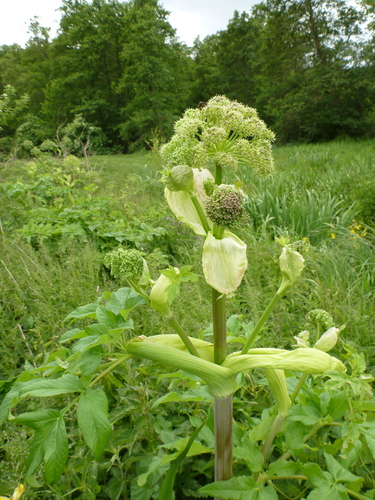
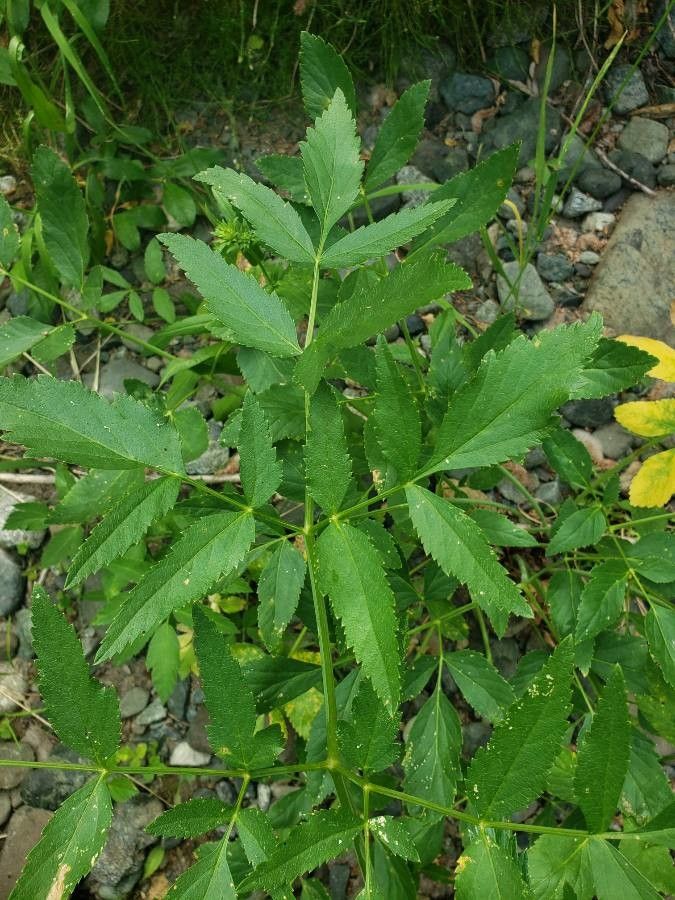
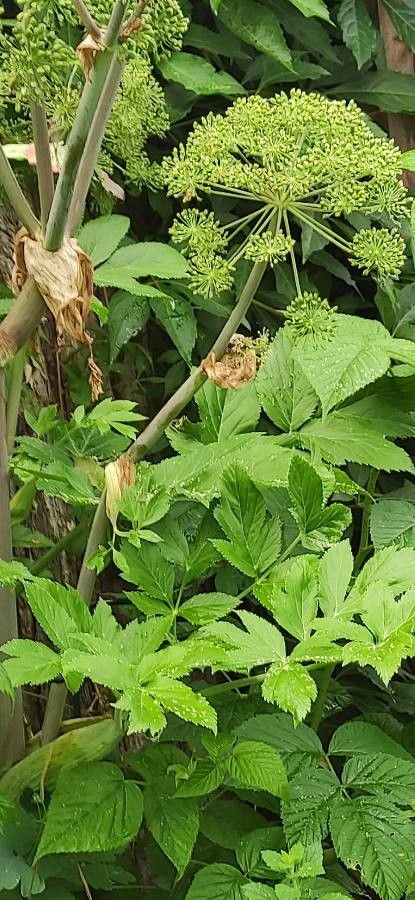
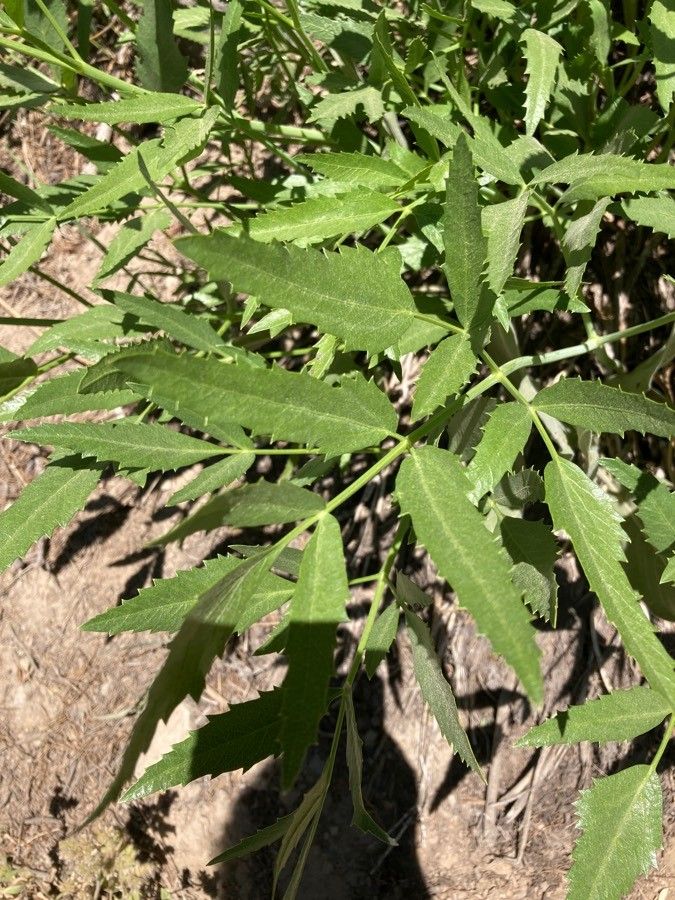
Angelica lineariloba, commonly known as narrow-leaved angelica, is a perennial herbaceous plant belonging to the Apiaceae family. Native to North America, this plant thrives in diverse habitats such as meadows, forests, and wetlands. It can reach a height of 1 to 2 meters and features a robust stem with long, narrow, toothed leaves arranged alternately.
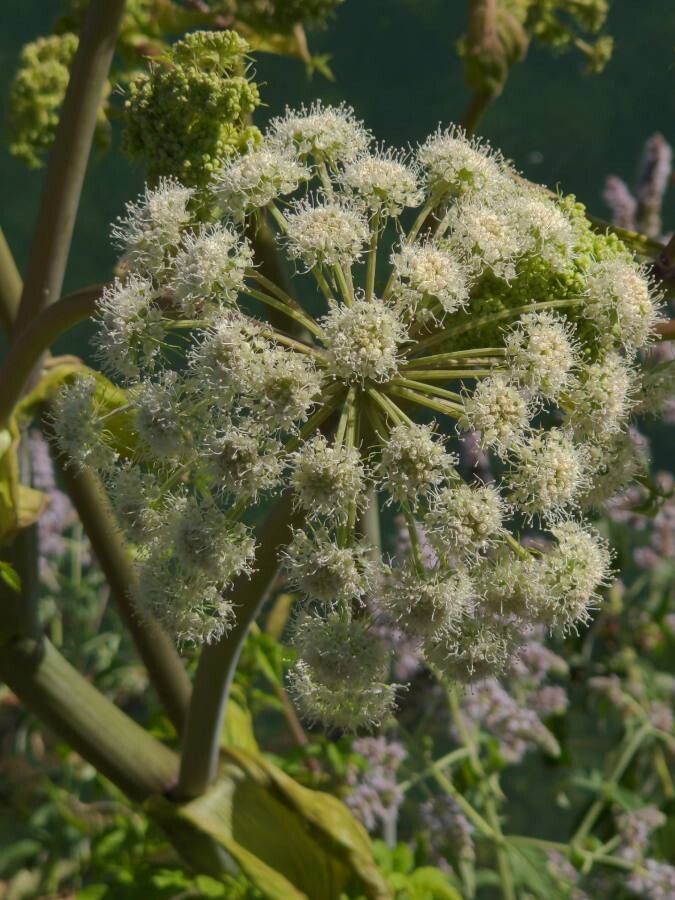
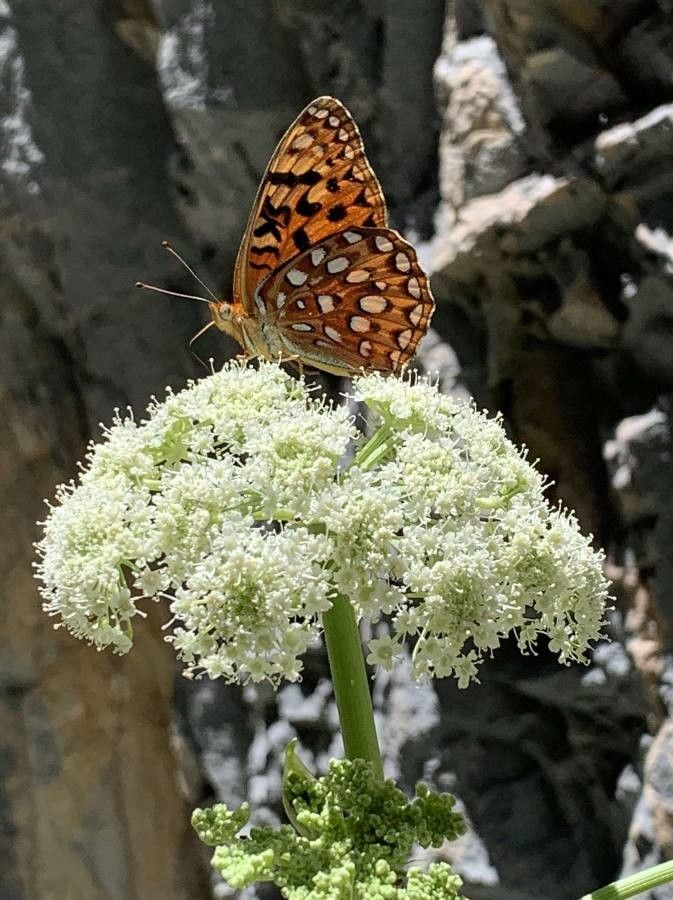
The flowers of Angelica lineariloba are small and white or greenish-yellow, blooming from June to August in large umbels at the stem's top. The plant also produces small, oval-shaped fruits with ridged surfaces.
For centuries, Native American tribes have used Angelica lineariloba for medicinal purposes, believing it to have healing properties for various ailments, including colds, coughs, fevers, headaches, and stomachaches.
Additionally, the plant is a vital food source for wildlife. Deer feed on its leaves, while birds consume its seeds.
In conclusion, Angelica lineariloba is a significant herbaceous perennial native to North America. It serves both medicinal purposes among Native American tribes and provides essential food sources for wildlife, particularly deer and birds.
How to keep Angelica Lineariloba.
Pruning
Poison angelica produces toxic clusters of white flowers arranged in layers. To maintain the plant's health and appearance, prune it in early spring by removing dead stems and shaping it. This encourages vigorous regrowth and improves air circulation, thereby reducing the risk of diseases. Proper trimming enhances the plant’s overall health and beauty.
Botanical profile.
Other names.