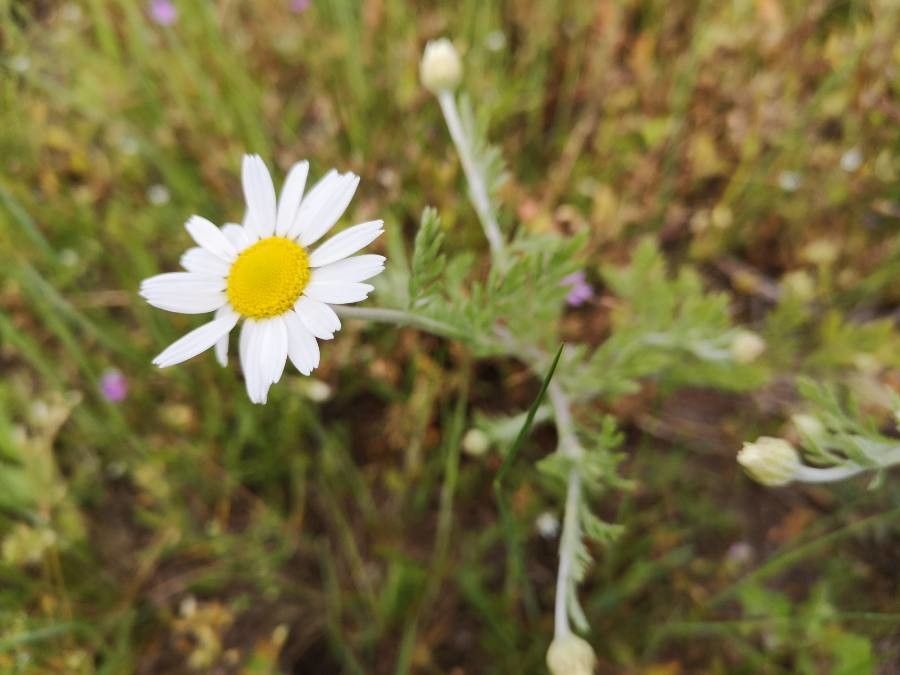
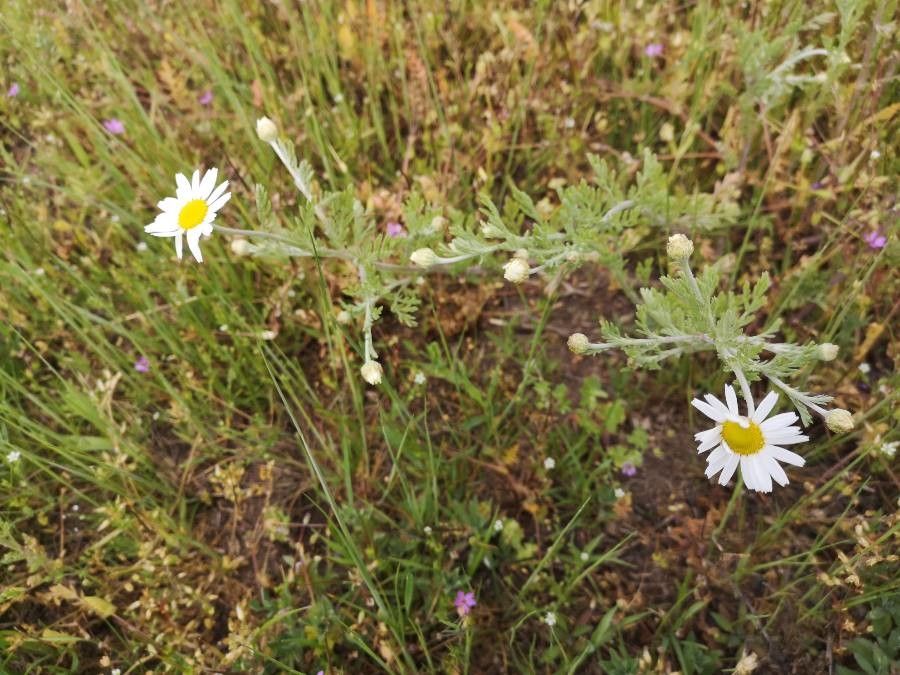
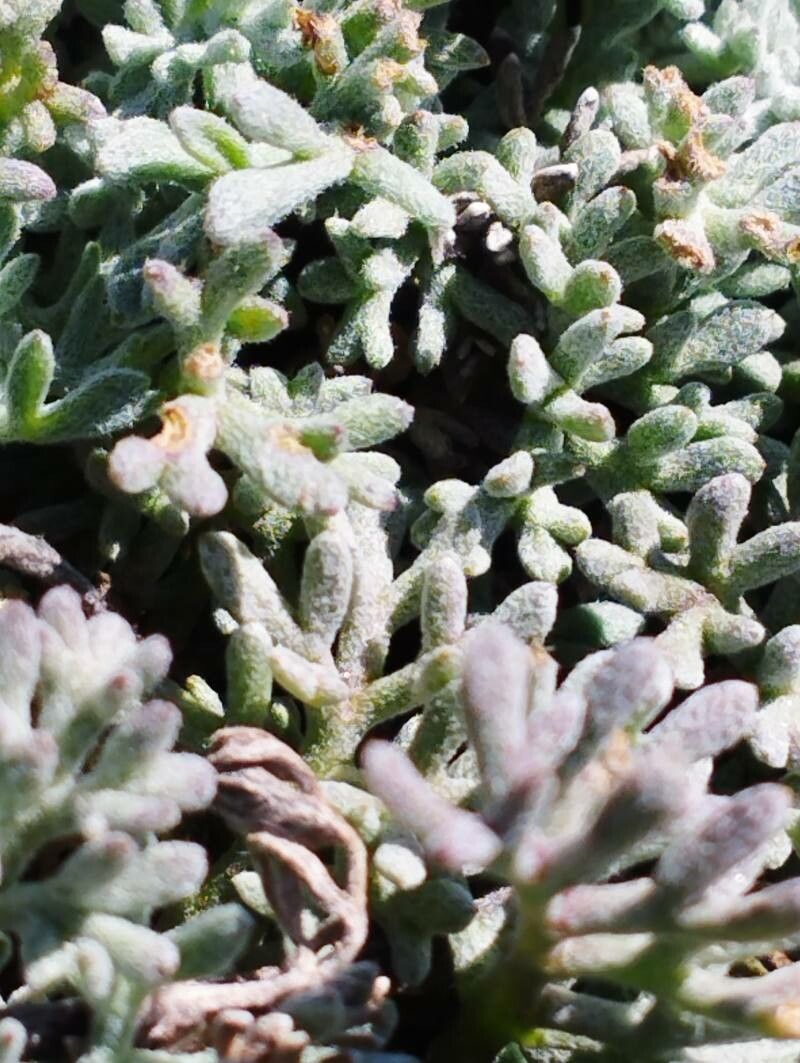
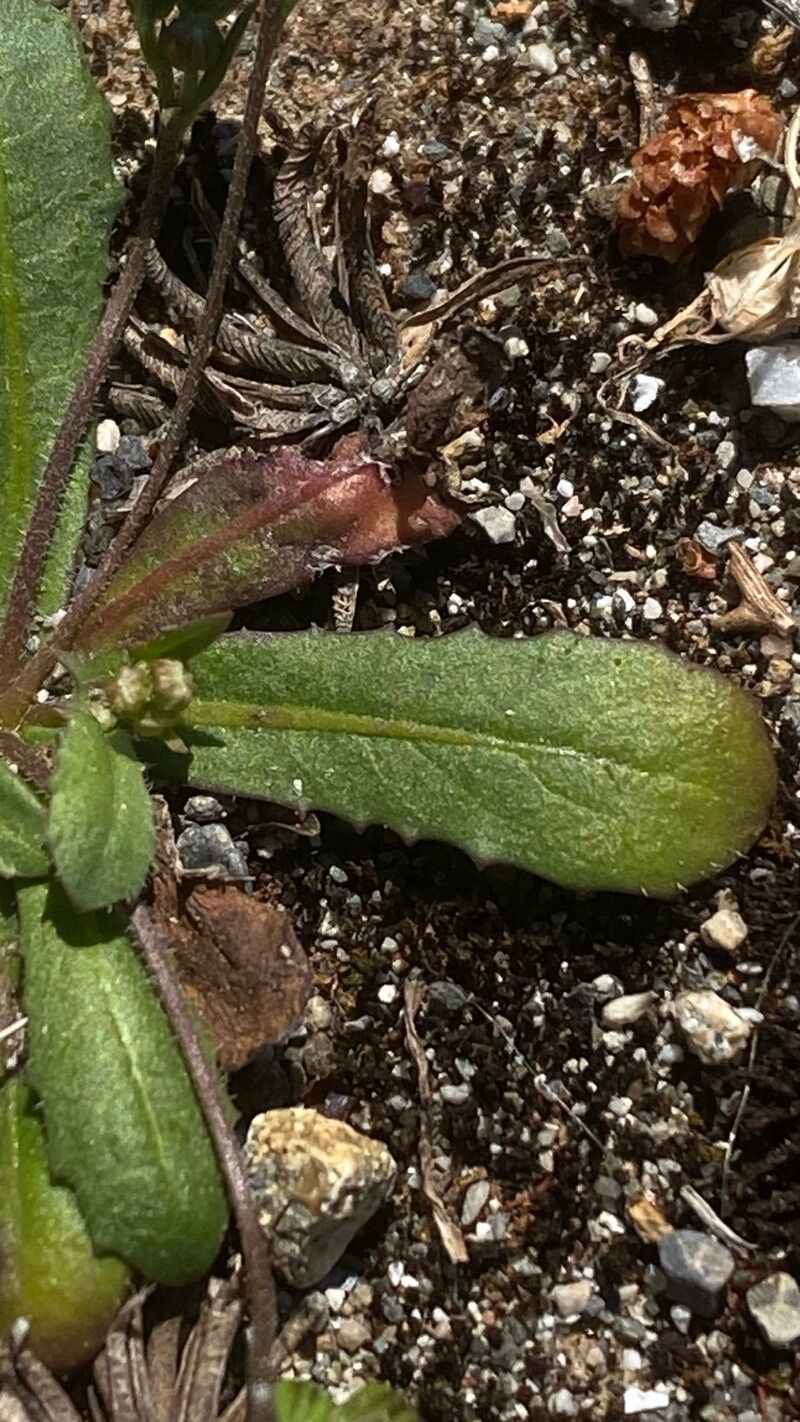
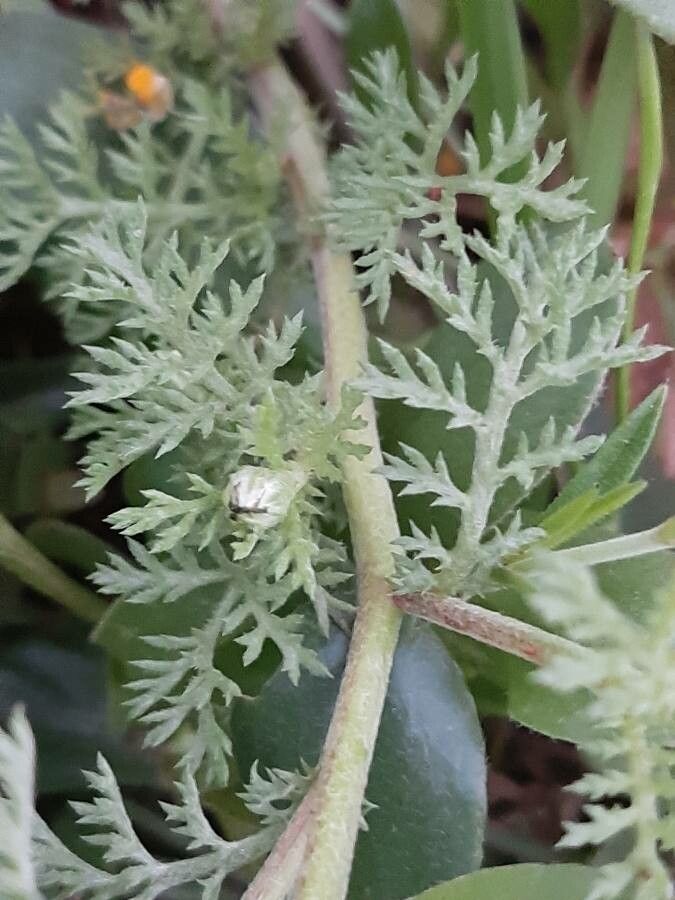
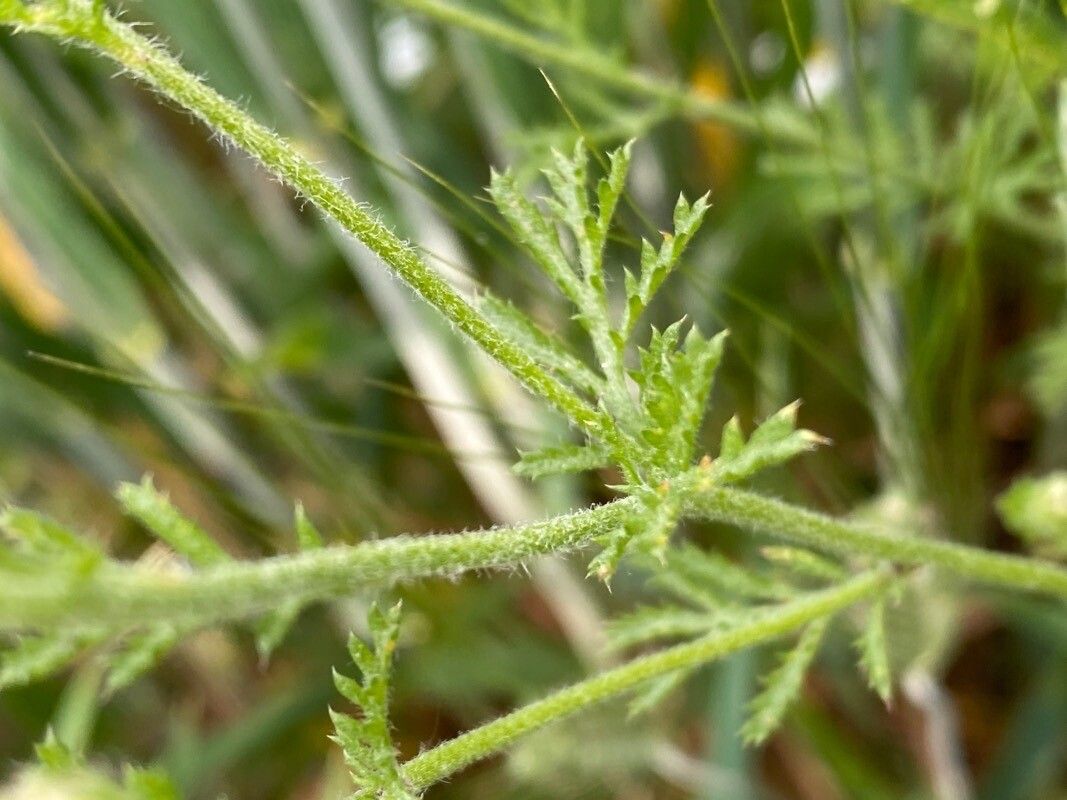
Eastern chamomile is fairly resistant to disease and generally not highly susceptible. However, it can be affected by pests and diseases present in its surroundings. Such infections are usually mild. In terms of care, the plant requires moderate upkeep. It should be pruned regularly to maintain a good appearance and healthy growth. Fertilizing can also help encourage flowering. Eastern chamomile is suitable for anyone with outdoor space, such as a garden or patio, and does not demand extensive care experience. It may need more attention when grown indoors.
How to keep Anthemis Ruthenica.
Light
Eastern chamomile is a sun-loving, perennial herbaceous plant that originates in open habitats and often thrives in meadows and grasslands. It prefers full sun but can also tolerate partial sun.
Water
Eastern chamomile, a plant native to temperate regions, is well-suited for low-maintenance gardens due to its tolerance for moderate moisture levels and drought conditions. To keep it healthy, weekly watering is recommended. Additionally, natural rainfall during the growing season can enhance its flowering, minimizing the need for extra care.
Temperature
Eastern chamomile can tolerate a wide range of temperatures, though its distribution may still be restricted by different combinations of moisture and heat. It performs best in warm summer conditions with sufficient rainfall or irrigation. Extended periods of cloudy, rainy weather or prolonged high temperatures increase the chance that Eastern chamomile will die. In winter, adequate protection from the cold can enhance the plant's survival rate.
Fertilizer
For Eastern chamomile, the primary time to apply fertilizer is in early spring as flower buds develop. Using an appropriate fertilizer promotes improved blooms and helps Eastern chamomile produce attractive flowers. Feeding in early spring ensures strong flowering throughout the season and supplies energy for dormant growth stages.
Pruning
Eastern chamomile is a perennial plant known for its feathery foliage and daisy-like flowers. To keep it healthy and flourishing, it's important to prune the plant from early to late spring. Start by removing any dead stems, thinning out crowded growth to improve air circulation, and deadheading the flowers after they bloom to encourage continuous blooming. Additionally, make sure to sanitize your tools before pruning to prevent infections.
Botanical profile.
- Plant Type
- Herb
- Life Cycle
- Perennial
- Genus
- Anthemis
- Family
- Asteraceae
- Hardiness Zone
- 5-9
- Mature Height
- 20 cm to 40 cm
- Mature Spread
- 15 cm to 30 cm
- Leaf Color
- Green, Blue
- Leaf Type
- Evergreen
- Flower Color
- White, Yellow
- Flower Size
- 2.03 cm to 3.05 cm
- Bloom Time
- Mid spring, Late spring, Early summer
- Planting Time
- Spring, Summer, Autumn
- Harvest Time
- Summer
- Native Area
- Turkey, Austria, Czech Republic, Slovakia, Montenegro, Bulgaria, Poland, Greece, Croatia, Belarus, Ukraine, Serbia, Russia, Norway, Hungary, Germany, Italy, Kazakhstan, United Kingdom, Romania, Belgium, Moldova, France
Other names.