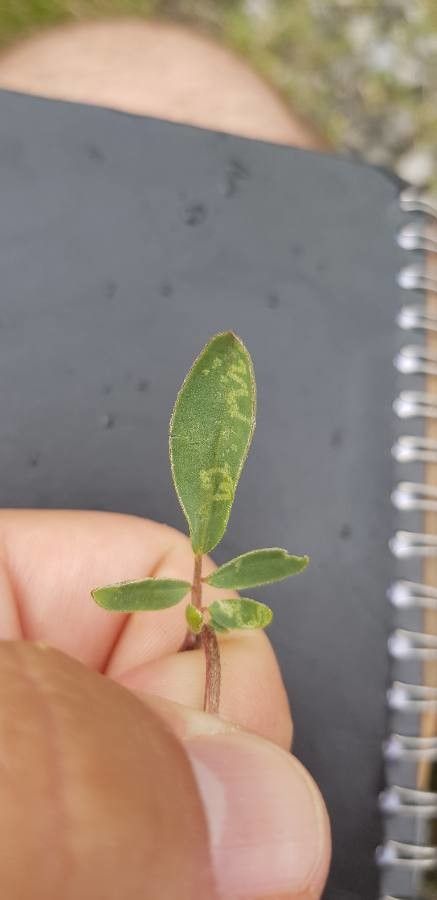
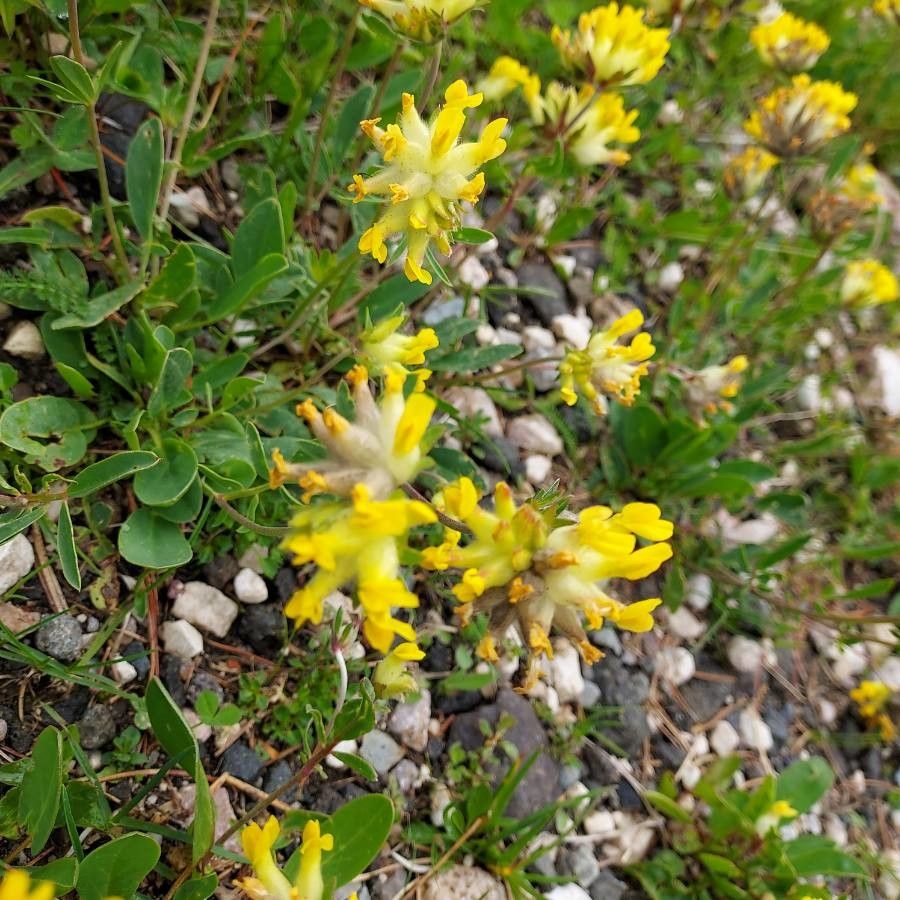
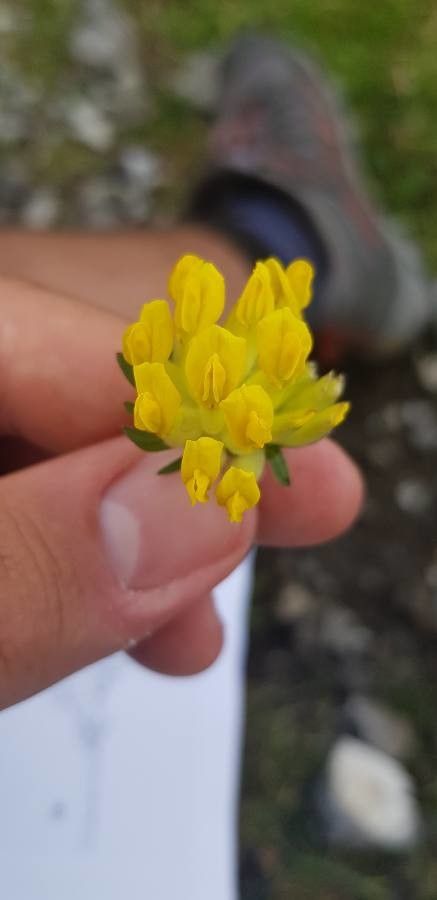
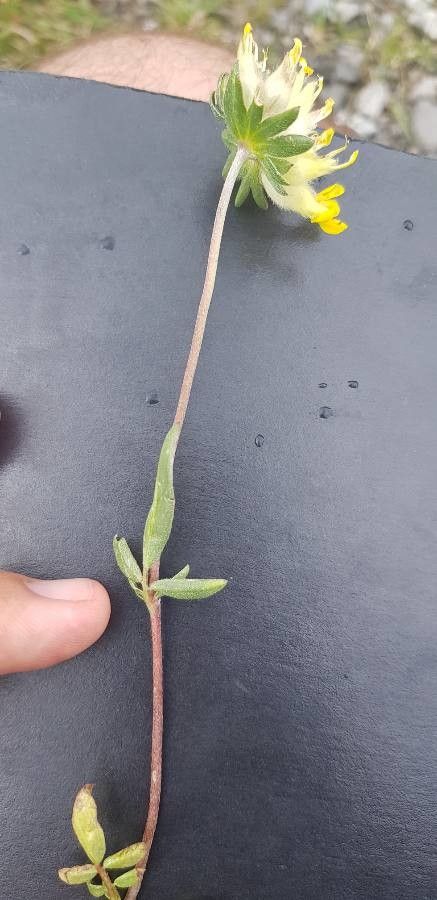
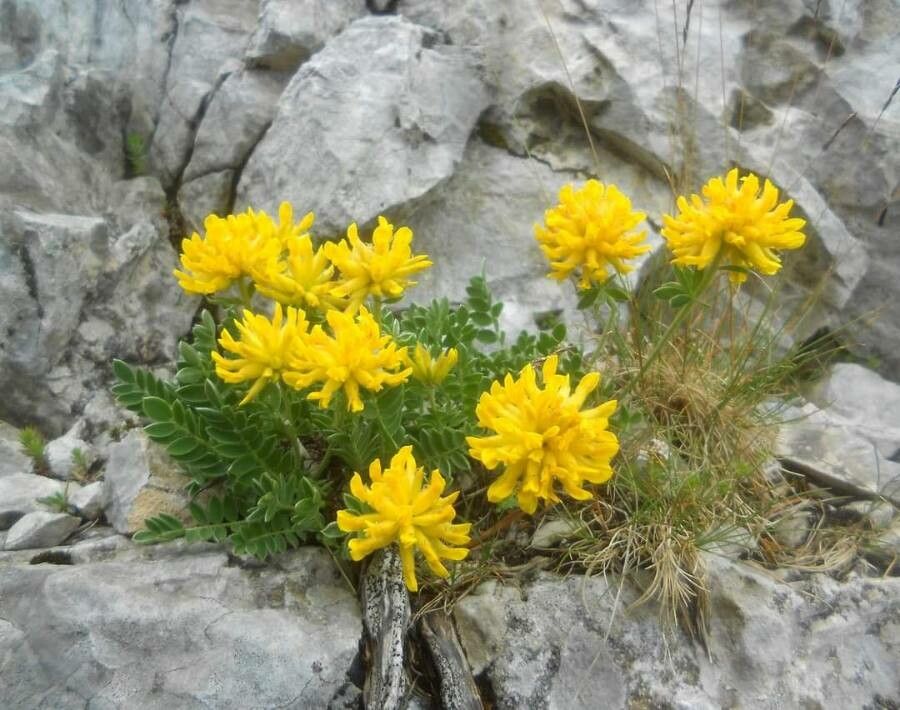
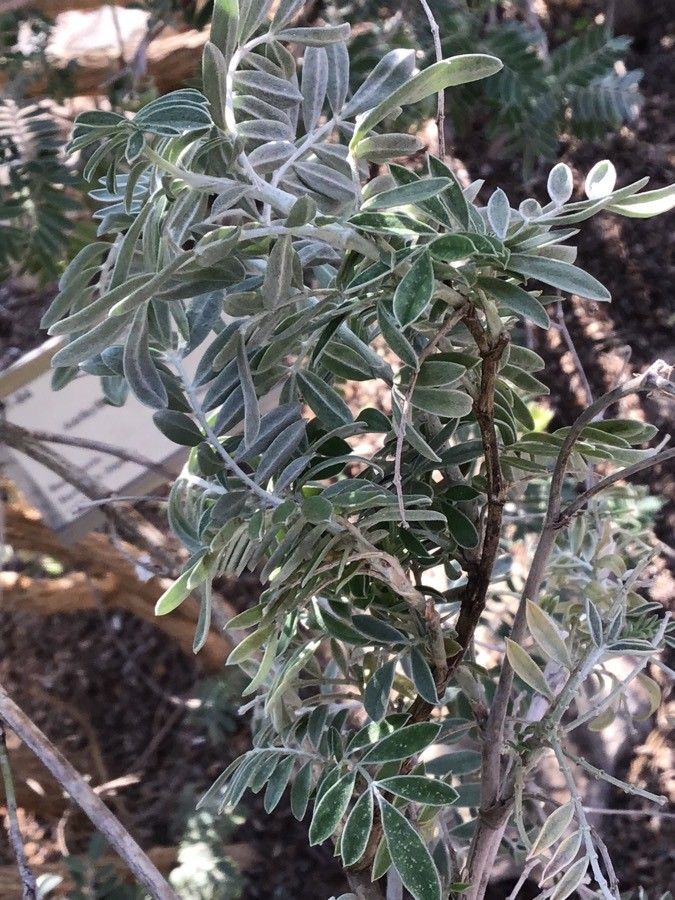
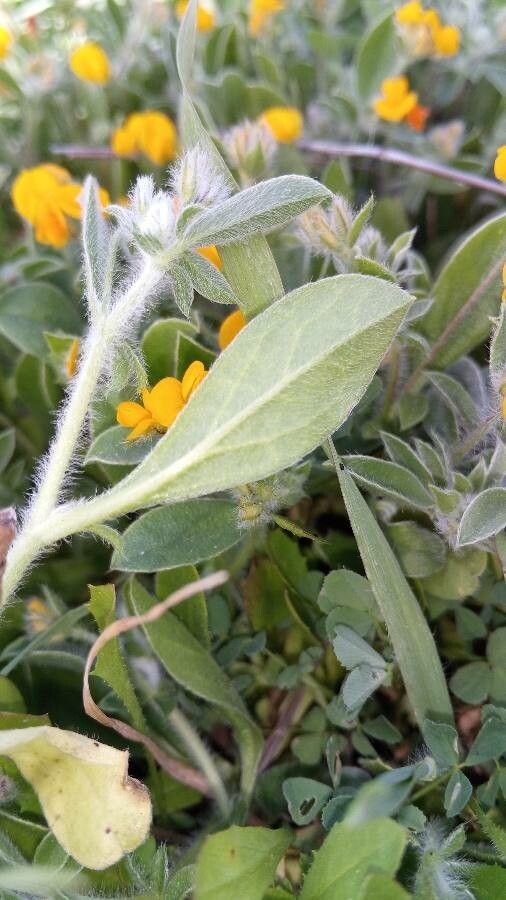
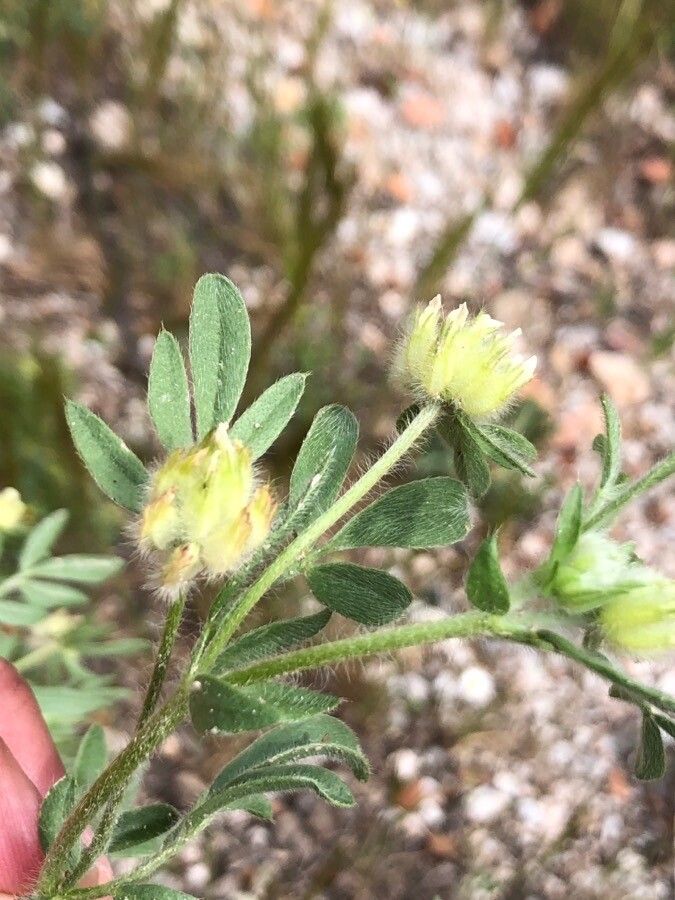
Alpine kidney vetch is relatively disease-resistant and usually not affected by many illnesses. Nevertheless, it can be vulnerable to pests and diseases present in its surroundings. When these infections occur, they tend to be mild. For care, this plant requires moderate maintenance. It should be pruned regularly to keep a neat appearance and support healthy growth. Fertilizing can also encourage better flowering. Alpine kidney vetch is appropriate for people with outdoor spaces like a garden or patio and does not need extensive gardening experience. It may demand more attention when grown indoors.
How to keep Anthyllis Alpestris.
Light
Alpine kidney vetch is a perennial herb that thrives in sunny conditions and stems from open environments, frequently prospering in grasslands and meadows. While it enjoys full sun, it is also able to withstand conditions of partial sunlight.
Fertilizer
Typically, an Alpine kidney vetch plant only requires a single feeding of fertilizer during the spring. However, if you want to get the most growth out of the plant, you can provide it with multiple applications of fertilizer – once every month to month-and-a-half should suffice. Fertilization serves to boost the look and performance of the leaves, contributing to a steady color and a robust texture. On top of that, it encourages development of the plant's roots and enhances its nutrient intake, ensuring its well-being in the long run.
Botanical profile.
- Plant Type
- Herb
- Life Cycle
- Perennial
- Genus
- Anthyllis
- Family
- Leguminosae
- Hardiness Zone
- 4-8
- Mature Height
- 10 cm to 30 cm
- Mature Spread
- 15 cm to 25 cm
- Leaf Color
- Light Green, Olive Drab
- Leaf Type
- Deciduous
- Flower Color
- Yellow, Cream
- Flower Size
- 1.02 cm to 1.52 cm
- Bloom Time
- Mid spring, Late spring, Early summer
- Planting Time
- Spring, Autumn
- Harvest Time
- Summer