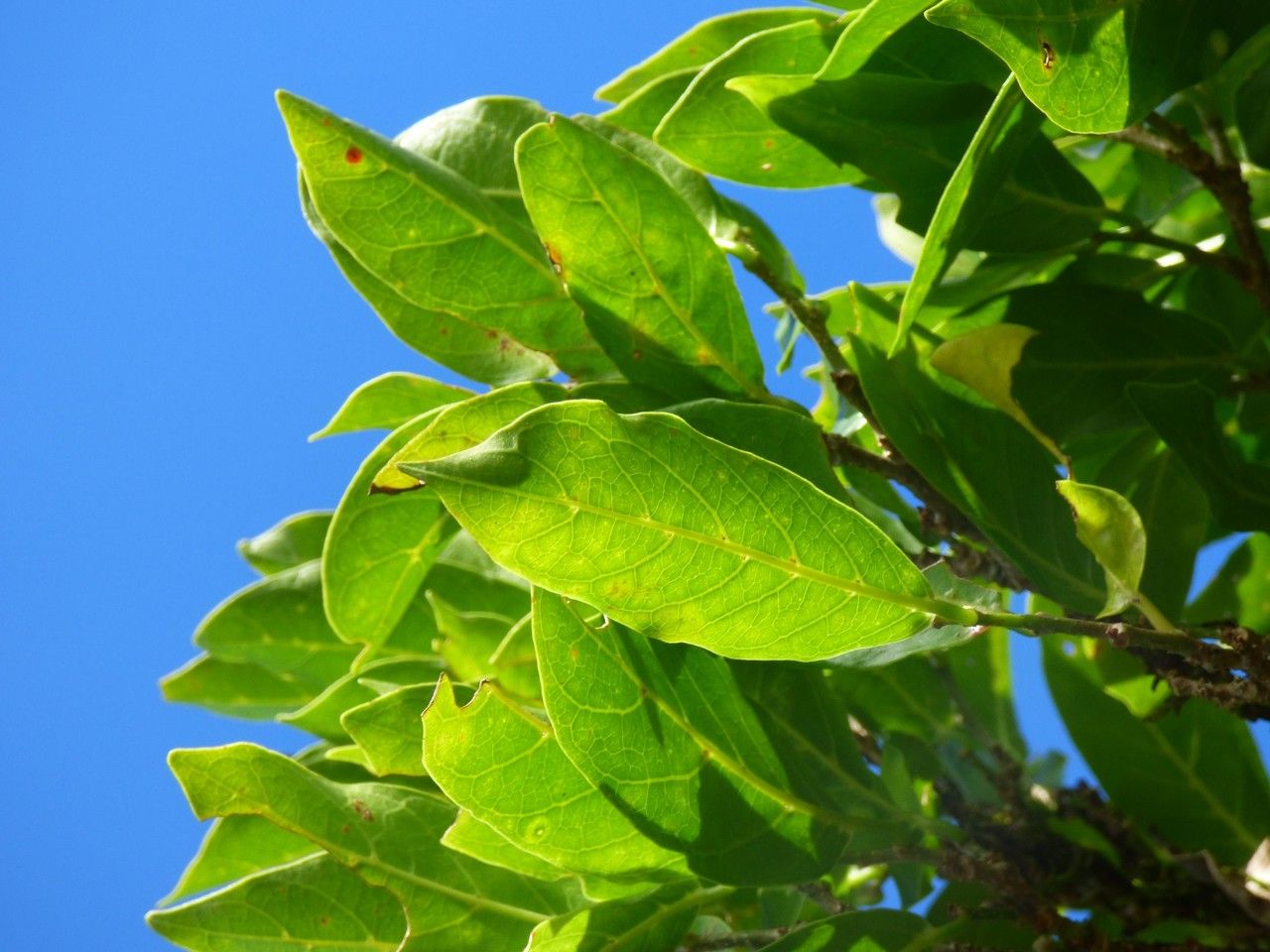
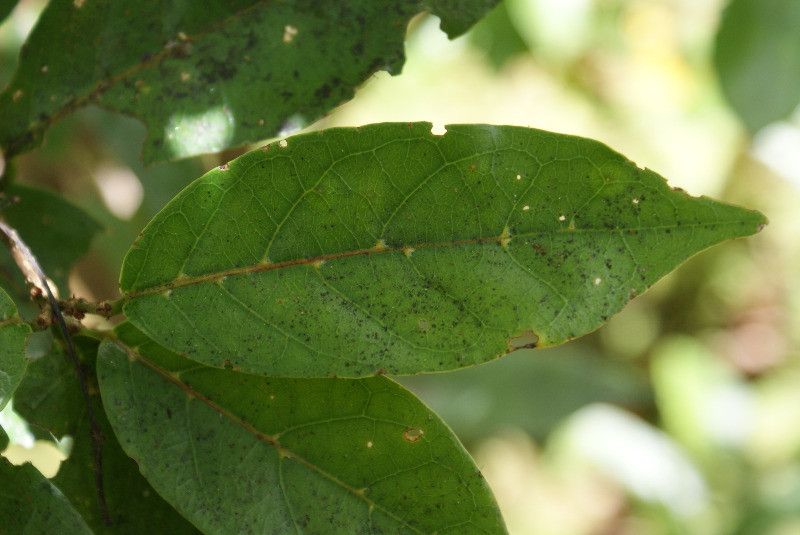
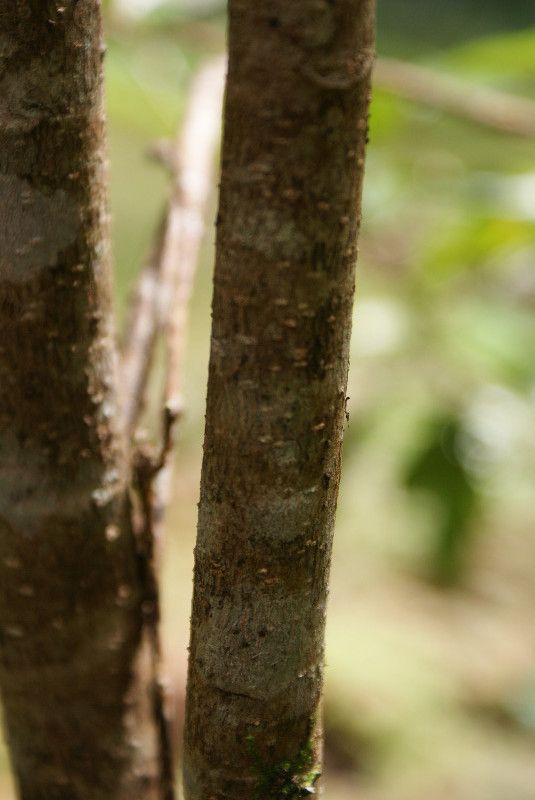
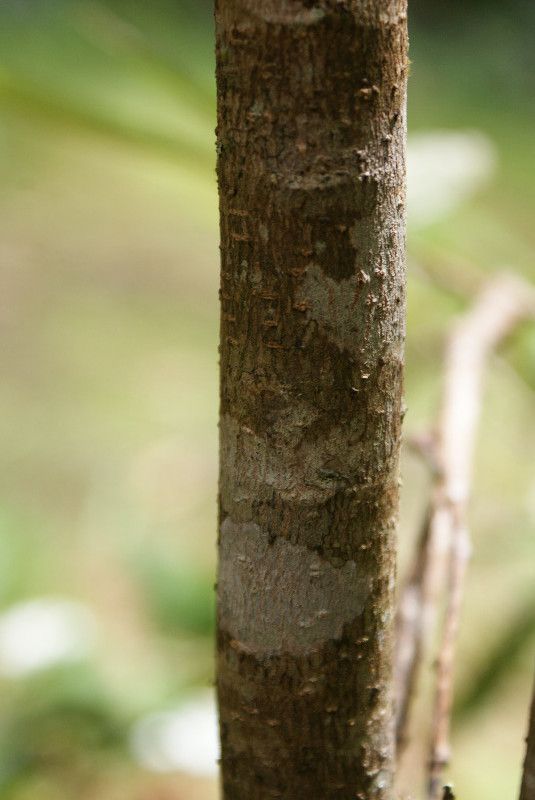
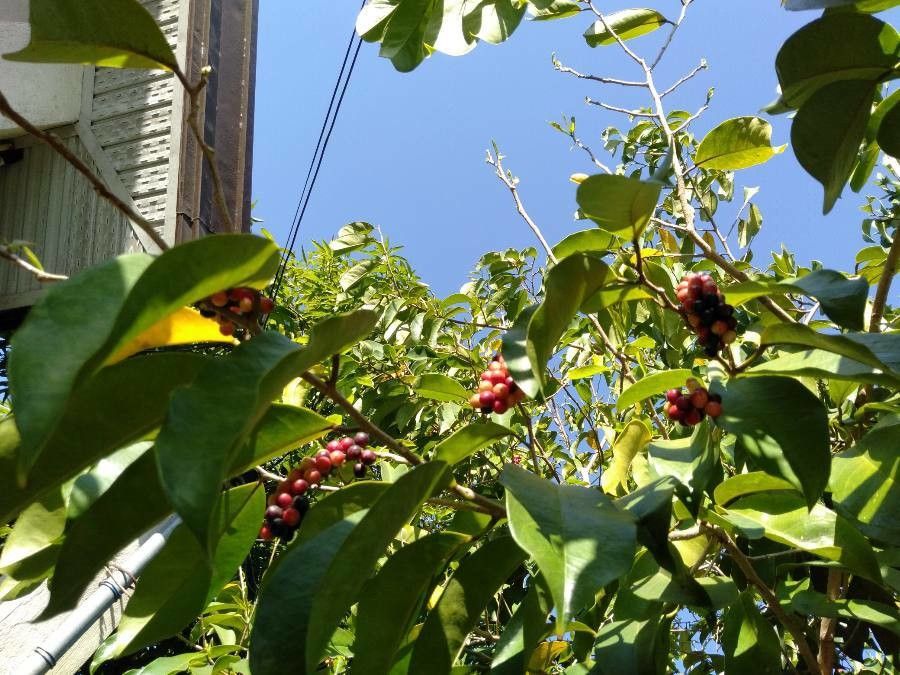
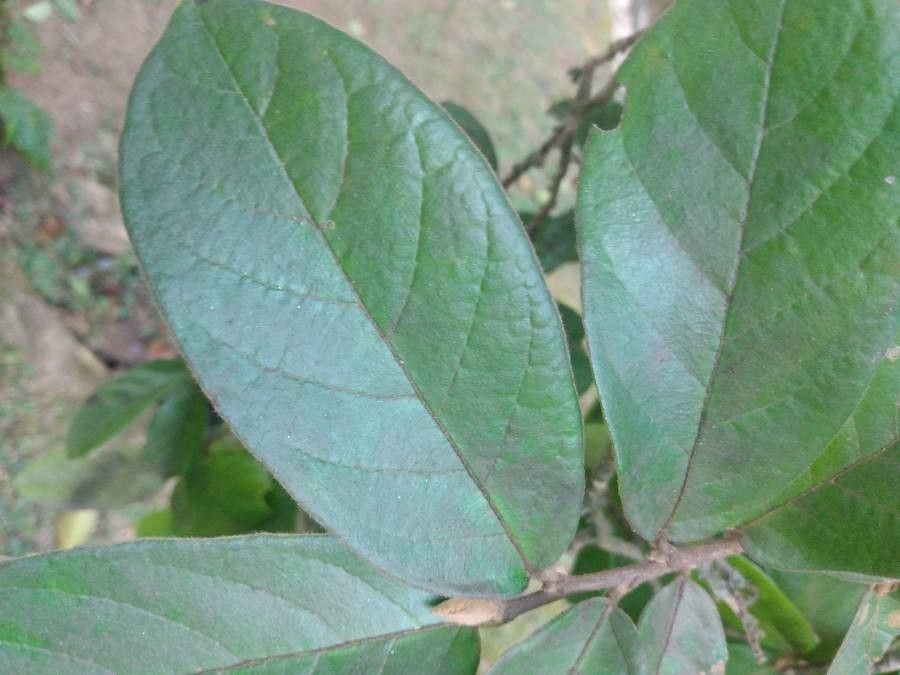
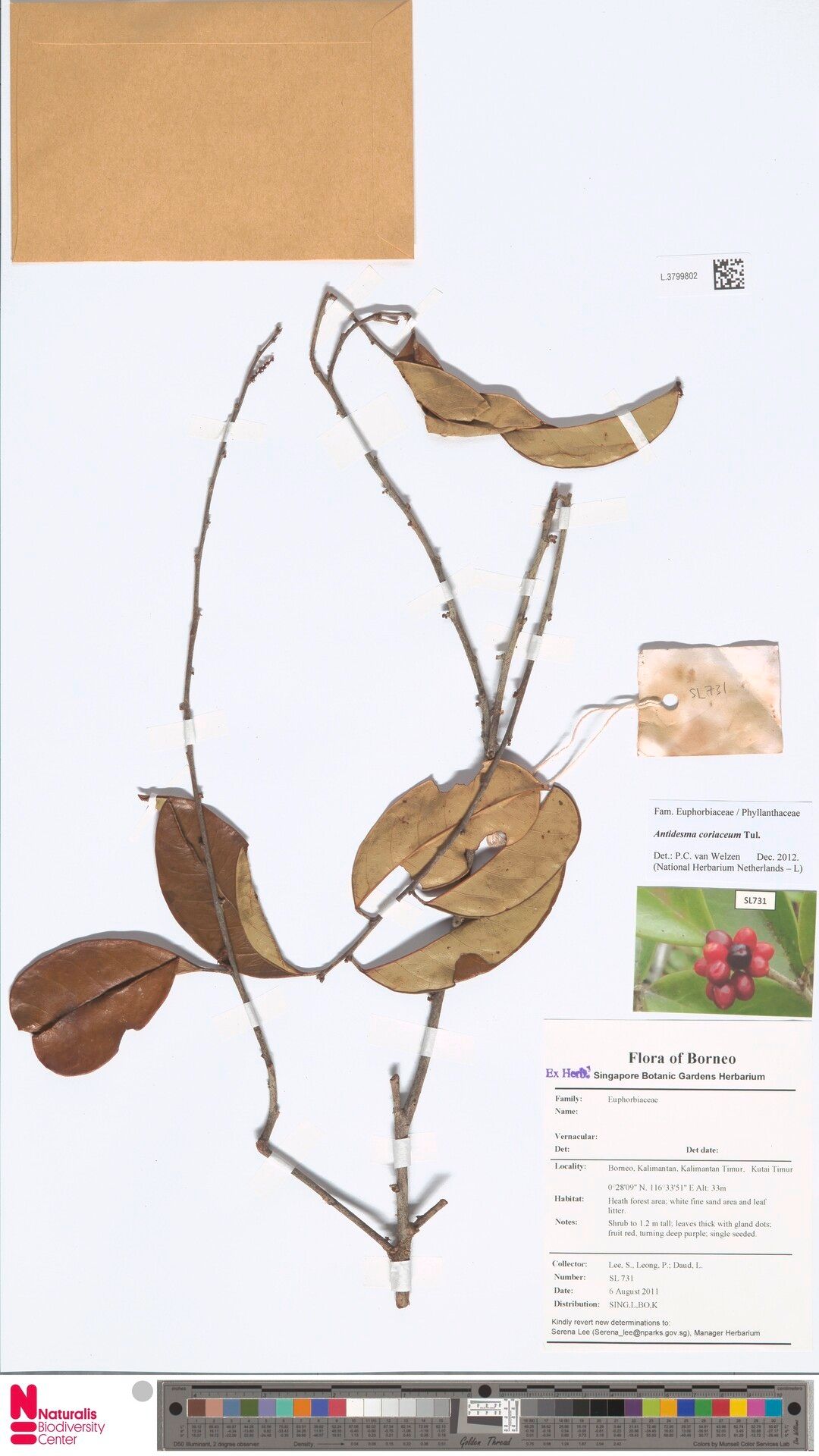
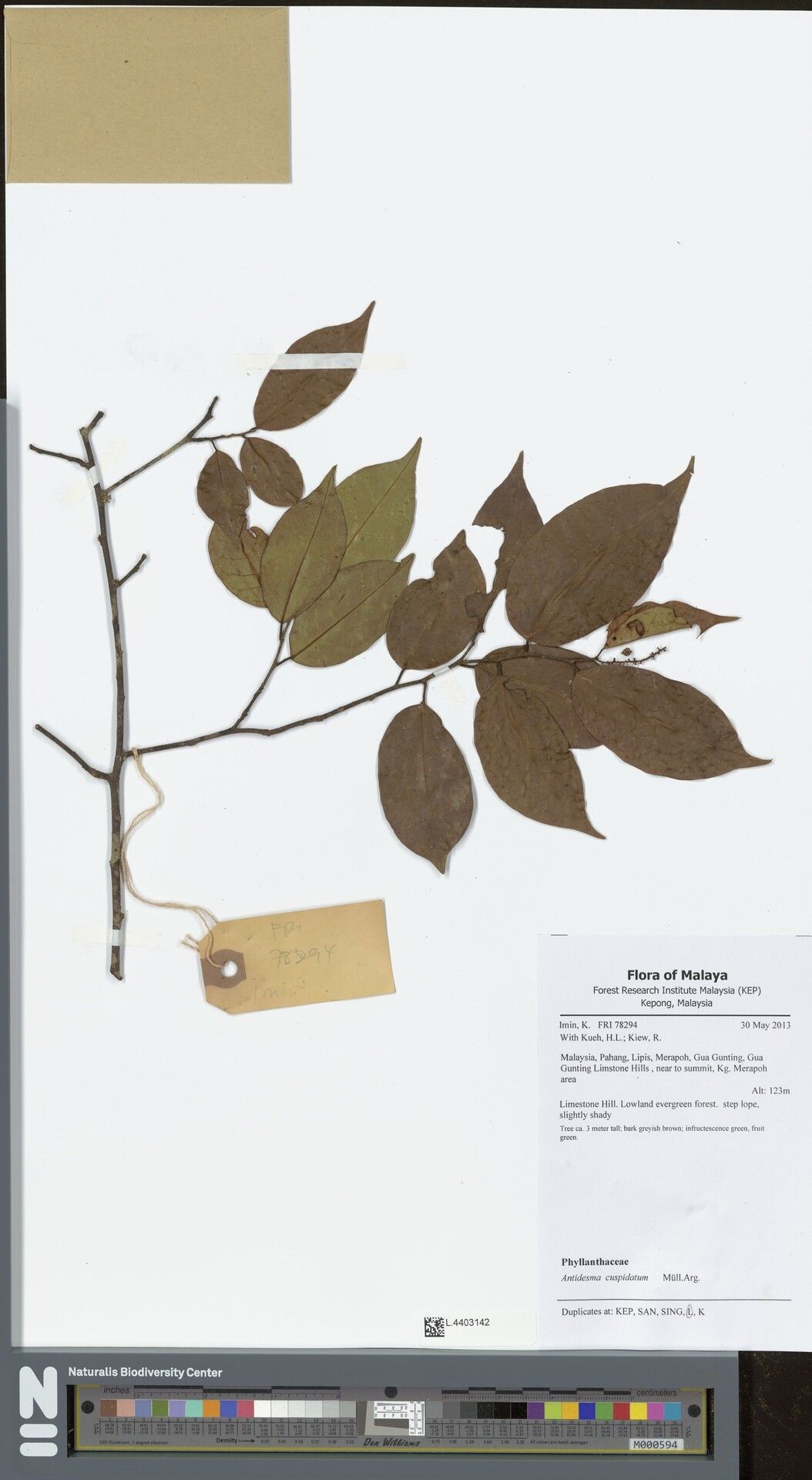
Antidesma madagascariense shows strong resistance to diseases and is usually not vulnerable to them. With respect to care, this plant is fairly low-maintenance. Planted outdoors, it needs only light watering, and larger specimens typically do not require pruning. Smaller plants, however, should be pruned after they finish flowering. Antidesma madagascarienset is suitable for anyone who has outdoor space, like a garden or a deck, and does not demand much prior plant-care experience.
How to keep Antidesma Madagascariense.
Light
Antidesma madagascariense comes from open habitats, such as sunny meadows and forest edges, where light is abundant. It performs best in Full Sun but can tolerate Partial Sun, adapting well to different light conditions.
Water
Antidesma madagascariense, a plant native to arid regions, is highly drought-tolerant and typically needs watering only every 2-3 weeks. When grown outdoors, it uses its deep root system to take advantage of seasonal rains, which helps keep its foliage evergreen.
Temperature
Antidesma madagascariense comes from tropical areas where the climate is typically warm and humid. As a result, it is well adapted to high temperatures and humidity. It does not tolerate sudden temperature shifts and prefers a stable thermal environment, so avoiding temperature fluctuations indoors is important. It generally cannot withstand cold conditions and needs higher temperatures to grow. If the surrounding temperature falls too low, the plant may stop growing or even die.
Fertilizer
Prefer organic fertilizers (e.g., fish emulsion, compost) instead of chemical ones for Antidesma madagascariense. Supply young plants with increased nitrogen and phosphorus in spring. Work compost or fertilizer into the soil before or immediately after planting. For mature plants, add a balanced fertilizer in spring or one specific to any nutrient deficiency. Nutrient shortages cause small leaves, short/stunted branches, yellow to bronze foliage, acidic fruits, early fruit drop, and fruit splitting.
Pruning
Antidesma madagascariense benefits greatly from careful pruning during its dormant period, which is from early to late winter. The main steps include removing dead branches, thinning out dense areas, and shaping the plant to improve airflow. Regular pruning not only encourages healthier growth but also increases fruit production. To prevent disease and enhance the plant's vitality, always use sharp and sanitized tools.
Botanical profile.
- Plant Type
- Tree
- Life Cycle
- Perennial
- Genus
- Antidesma
- Family
- Phyllanthaceae
- Hardiness Zone
- 10-12
- Mature Height
- 4.88 m
- Mature Spread
- 3.05 m to 4.88 m
- Leaf Color
- Dark Green, Forest Green
- Leaf Type
- Evergreen
- Flower Color
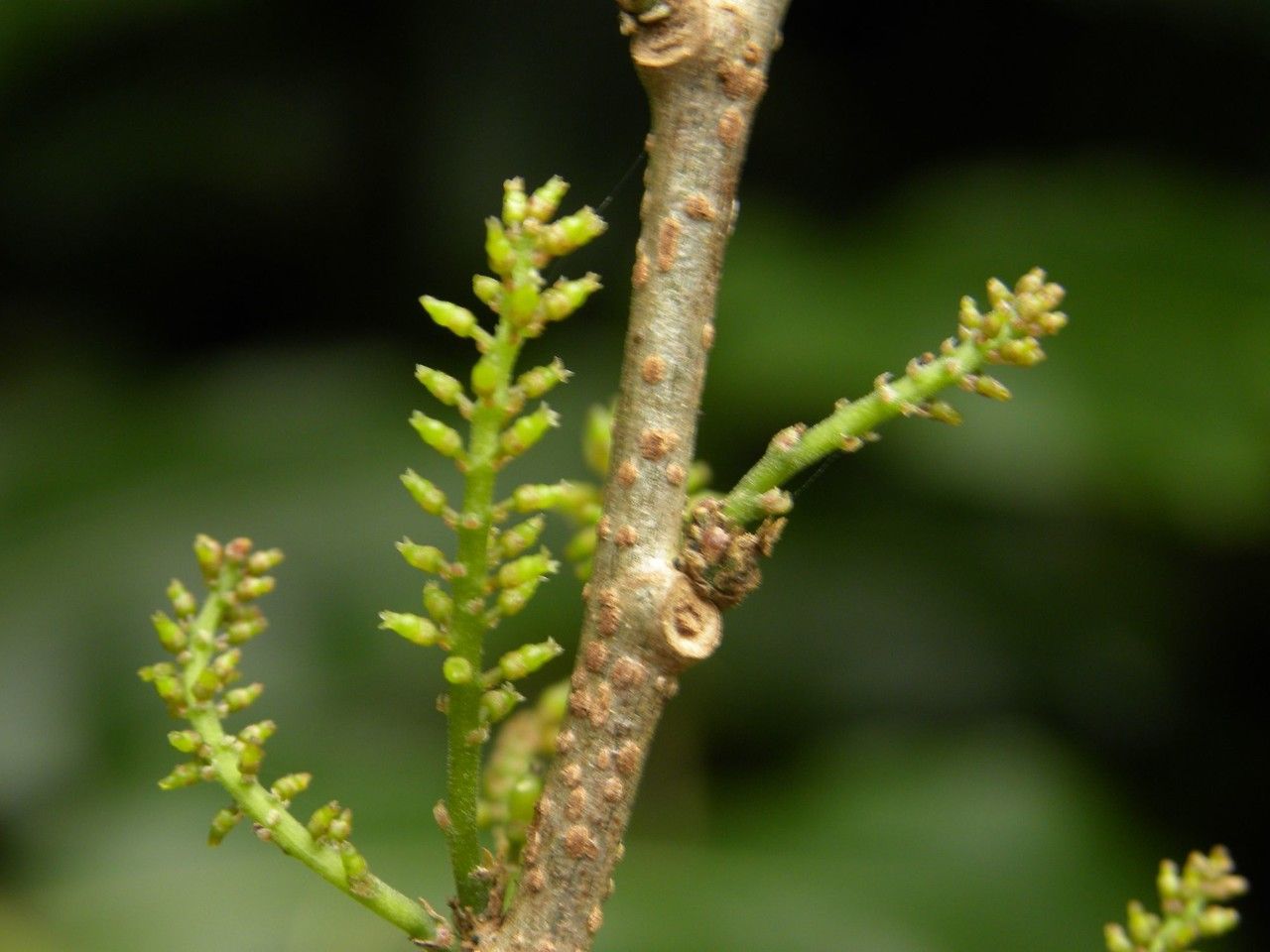
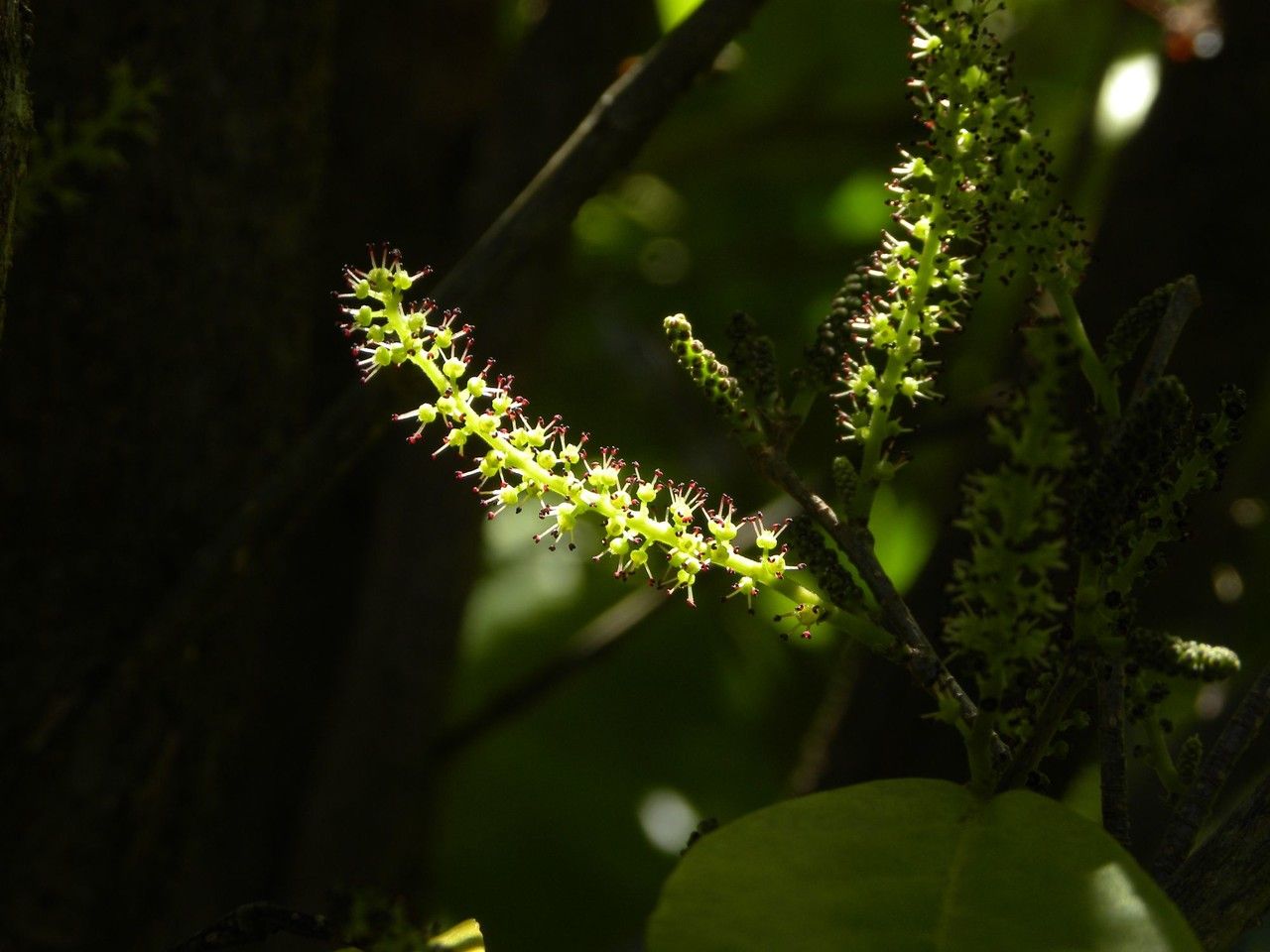
- Green, Yellow
- Flower Size
- 0.20 cm to 0.25 cm
- Bloom Time
- Late spring, Early summer, Mid summer
- Planting Time
- Spring, Autumn
- Harvest Time
- Late summer, Early fall, Mid fall
- Native Area
- Madagascar