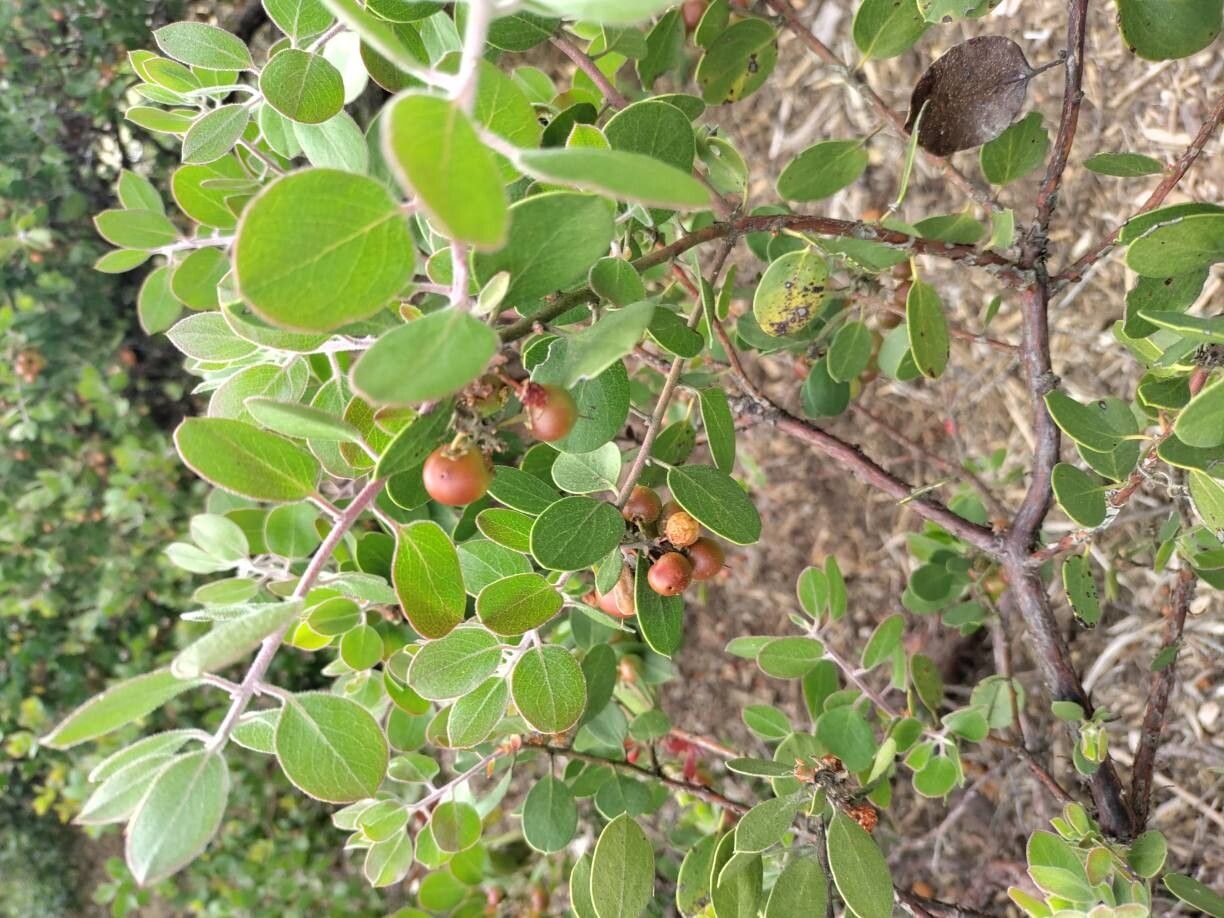
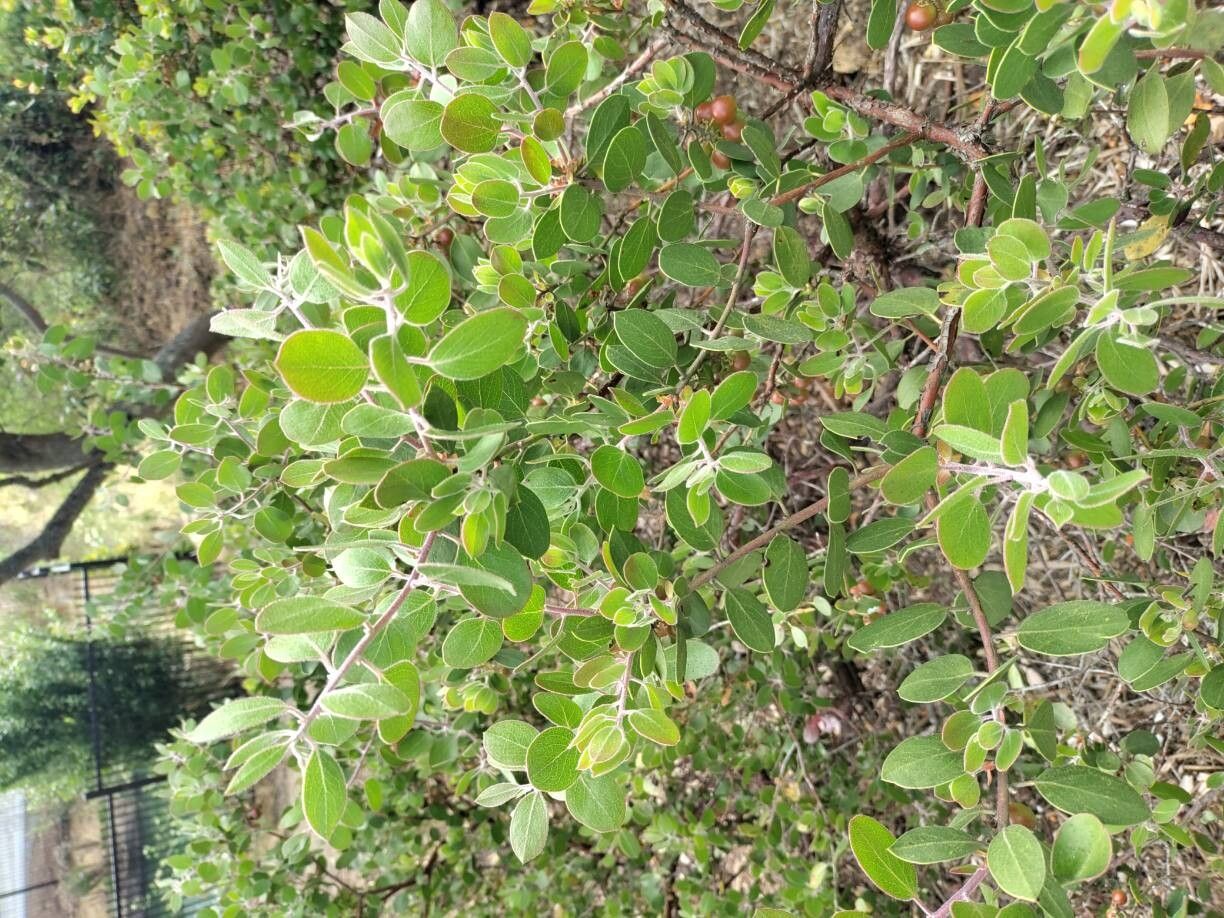
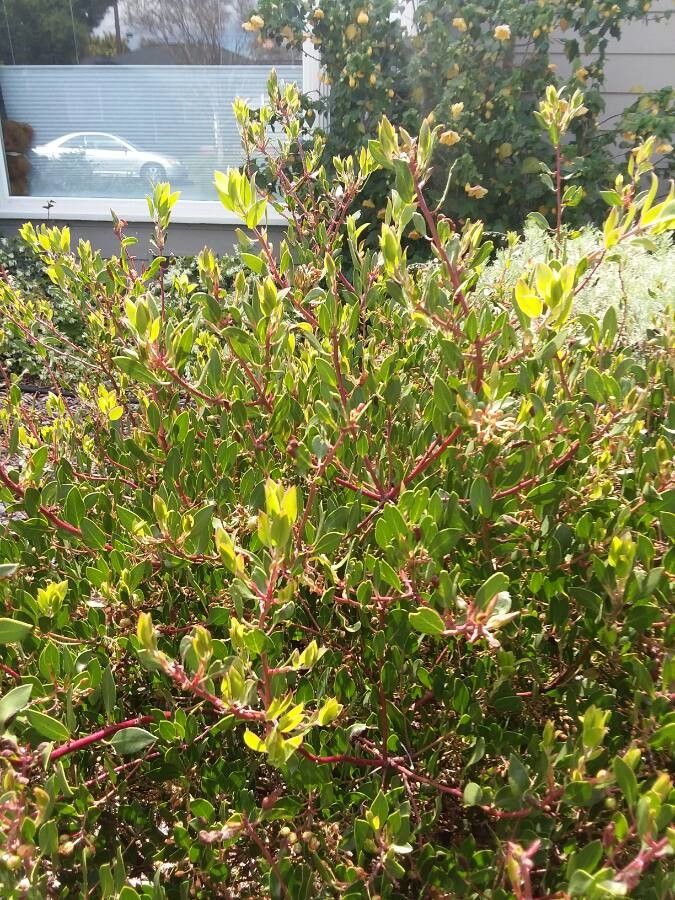
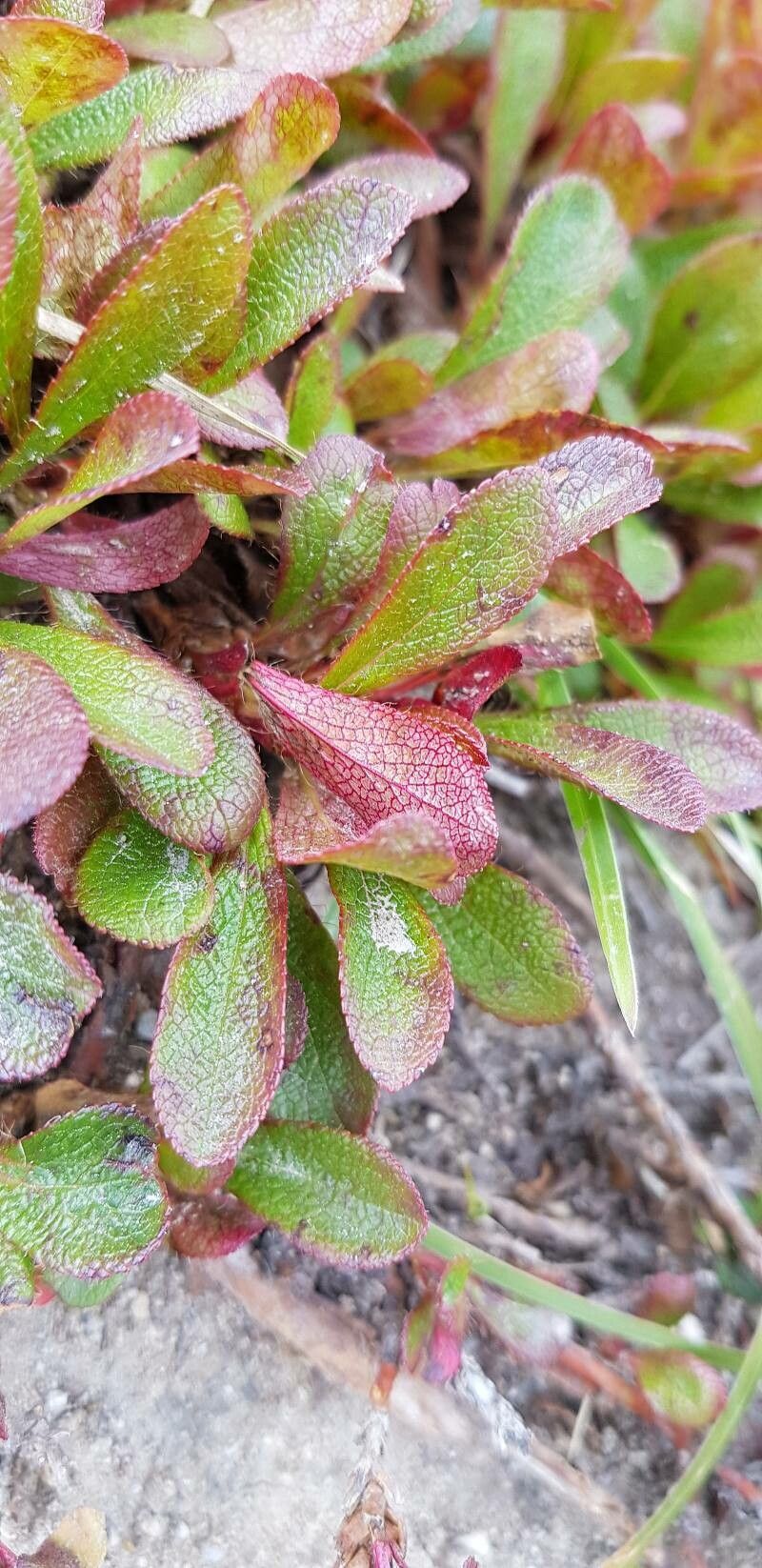
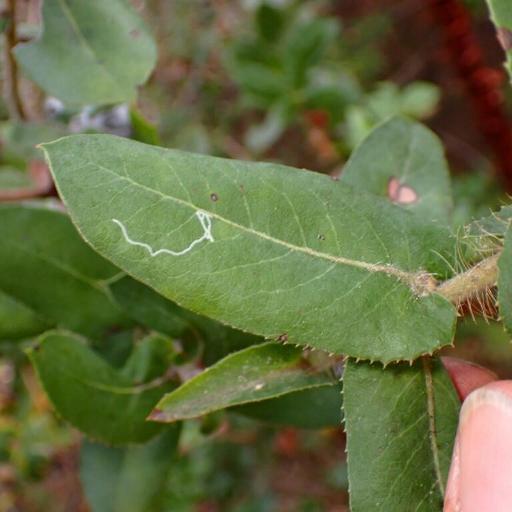
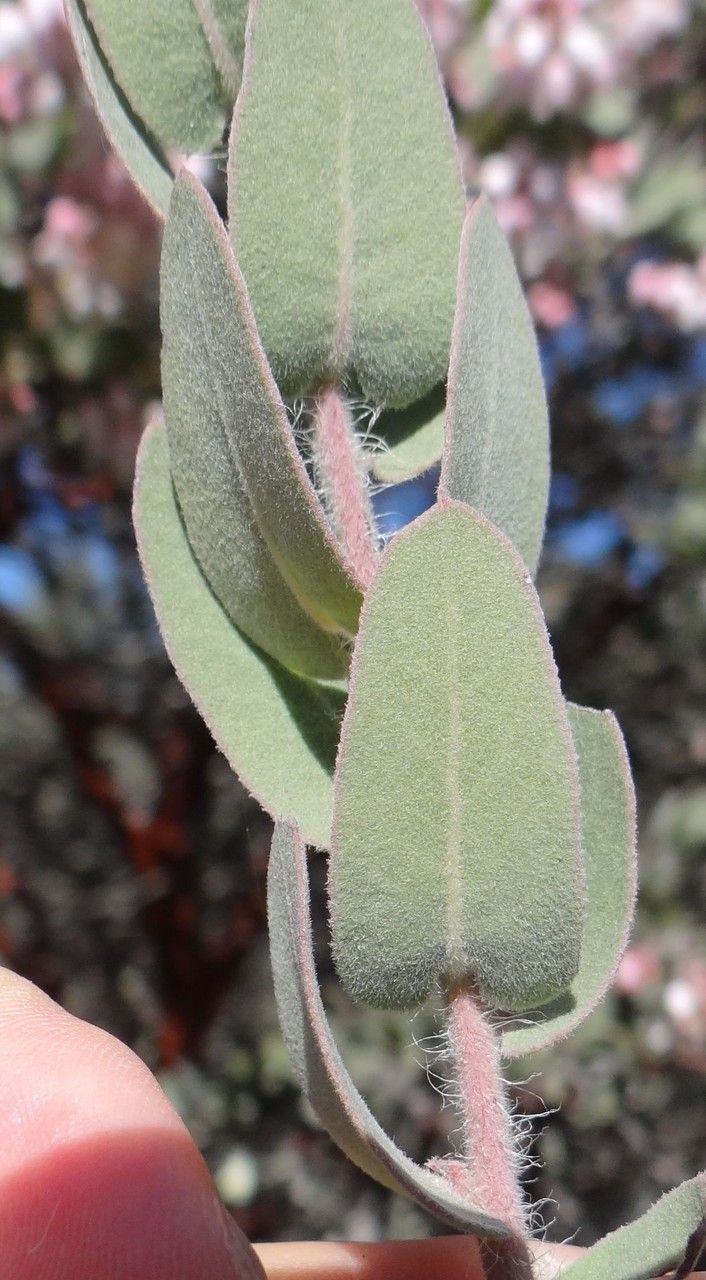
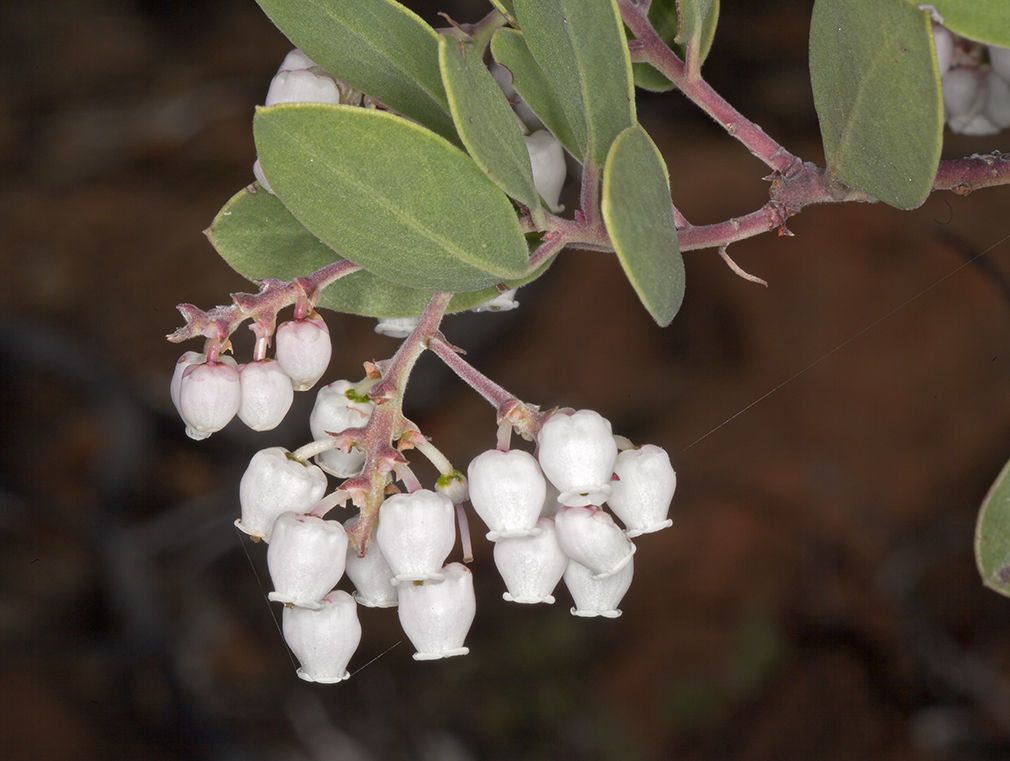
Arctostaphylos edmundsii, commonly known as Little Sur Manzanita, is a small evergreen shrub native to California. Typically, it grows up to 3 feet tall and 6 feet wide, featuring a dense, spreading habit. The leaves are small, leathery, and glossy green, transitioning to a reddish-brown color in the fall. During winter or early spring, the plant produces clusters of pinkish-white flowers, which are followed by red berries. While edible, these berries are not commonly consumed by humans.
Arctostaphylos edmundsii prefers well-drained soils and full sun exposure, though it can tolerate some shade. Once established, it is drought-tolerant but benefits from occasional watering during extended dry periods.
This shrub is valued ornamentally for its attractive foliage, flowers, and berries. It also provides habitat for wildlife, particularly birds that feed on its fruits.
Overall, Arctostaphylos edmundsii is an excellent choice for gardeners seeking an attractive, low-maintenance shrub that thrives in California's Mediterranean climate. It also offers significant ecological benefits to local wildlife populations.
How to keep Arctostaphylos Edmundsii.
Pruning
The Little Sur manzanita is characterized by a dense, spreading growth pattern and small, glossy leaves. To maintain its shape and encourage healthy growth, it's best to do selective pruning from early to late winter while the plant is dormant. Lightly pruning any dead or damaged branches can improve air circulation, stimulate the growth of new shoots, and preserve the plant's attractive appearance.
Botanical profile.
- Plant Type
- Shrub
- Life Cycle
- Perennial
- Genus
- Arctostaphylos
- Family
- Ericaceae
- Mature Height
- 30 cm to 91 cm
- Mature Spread
- 2 m
Other names.