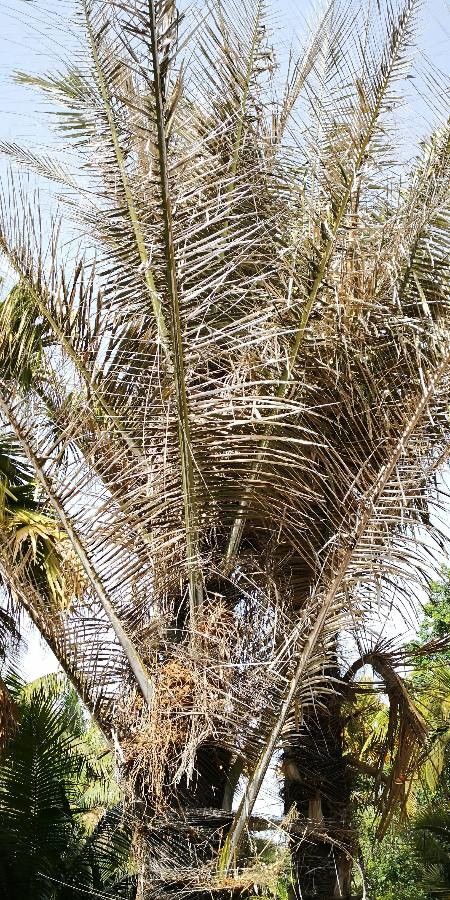
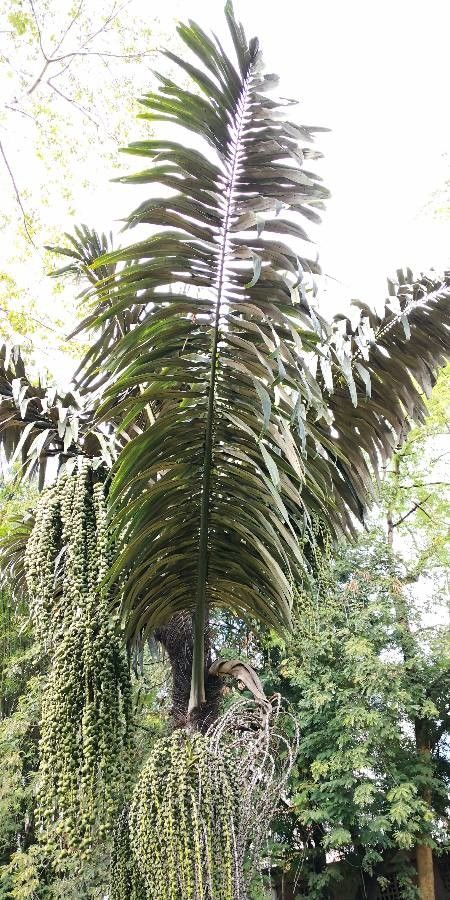
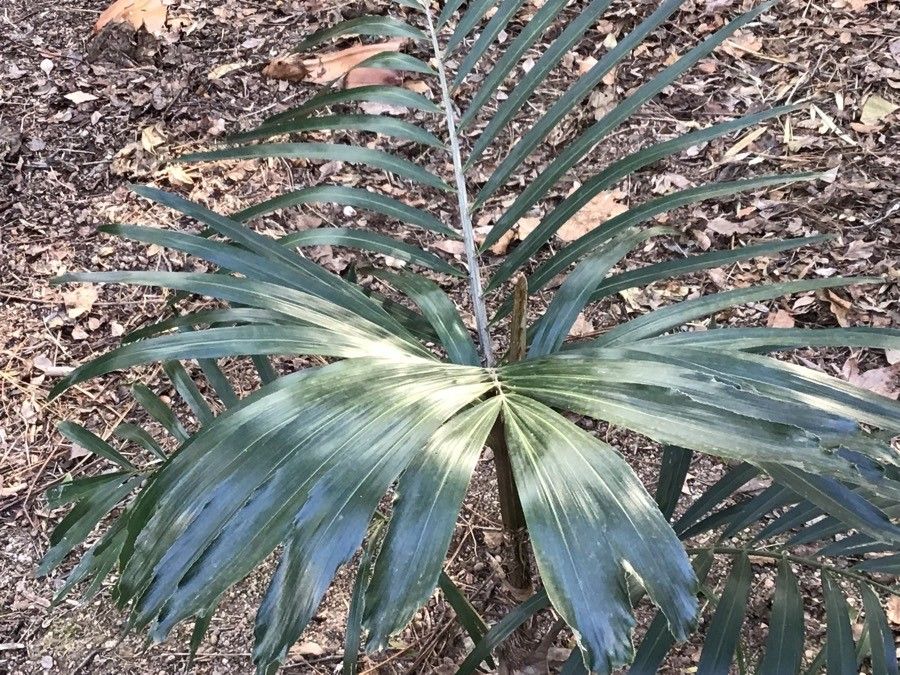
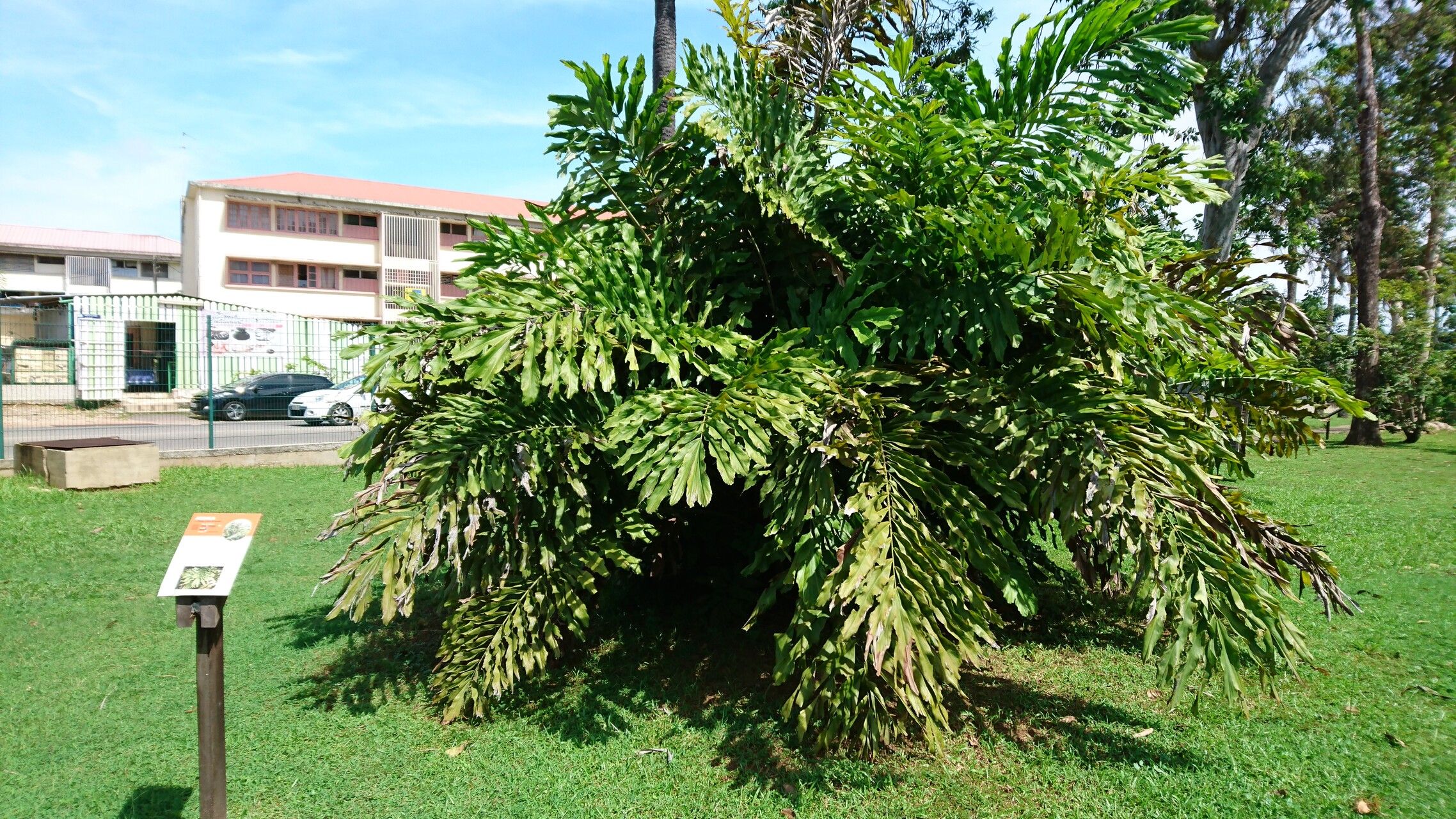
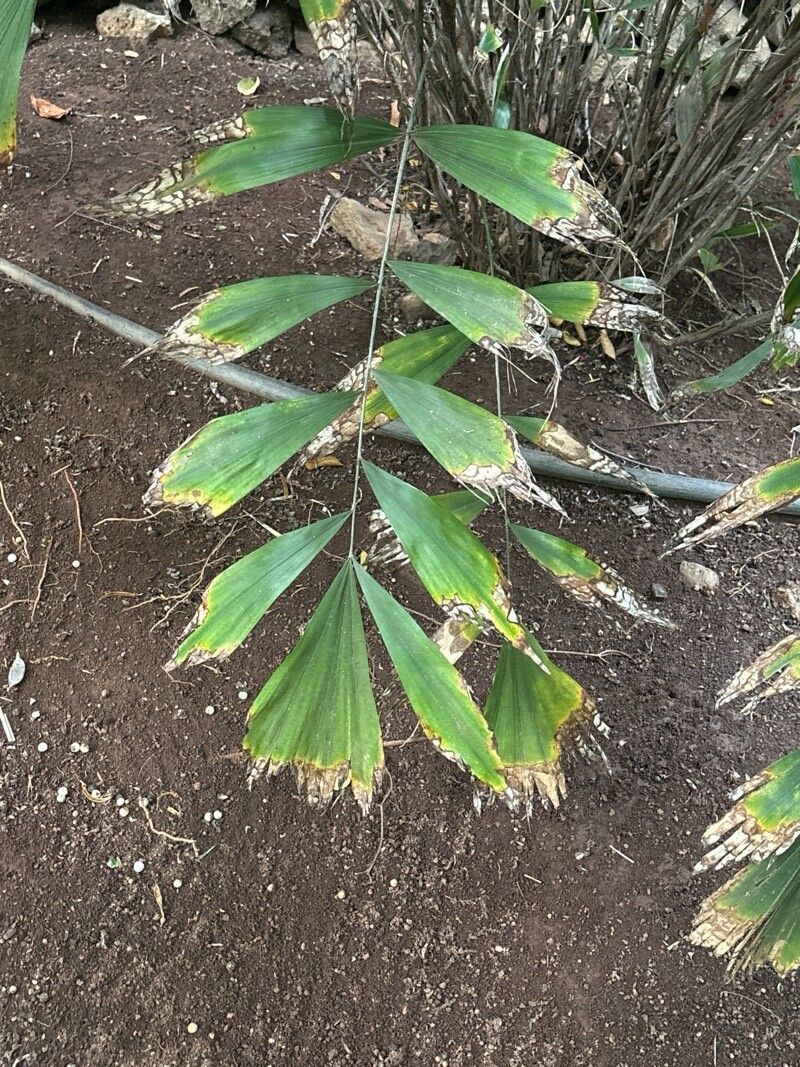
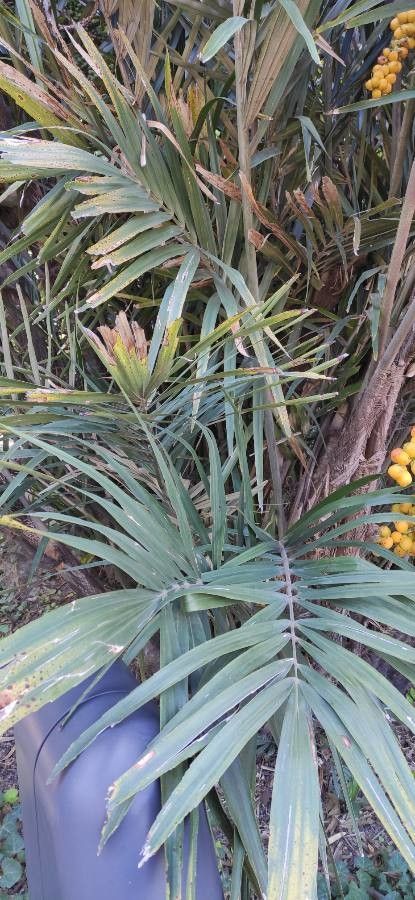
Arenga pinnata, commonly known as the sugar palm or gomuti palm, is a tropical plant native to Southeast Asia. This tall and slender palm tree can reach heights of up to 20 meters. Its long, narrow leaves can grow up to 6 meters in length and are arranged in a fan-like pattern.
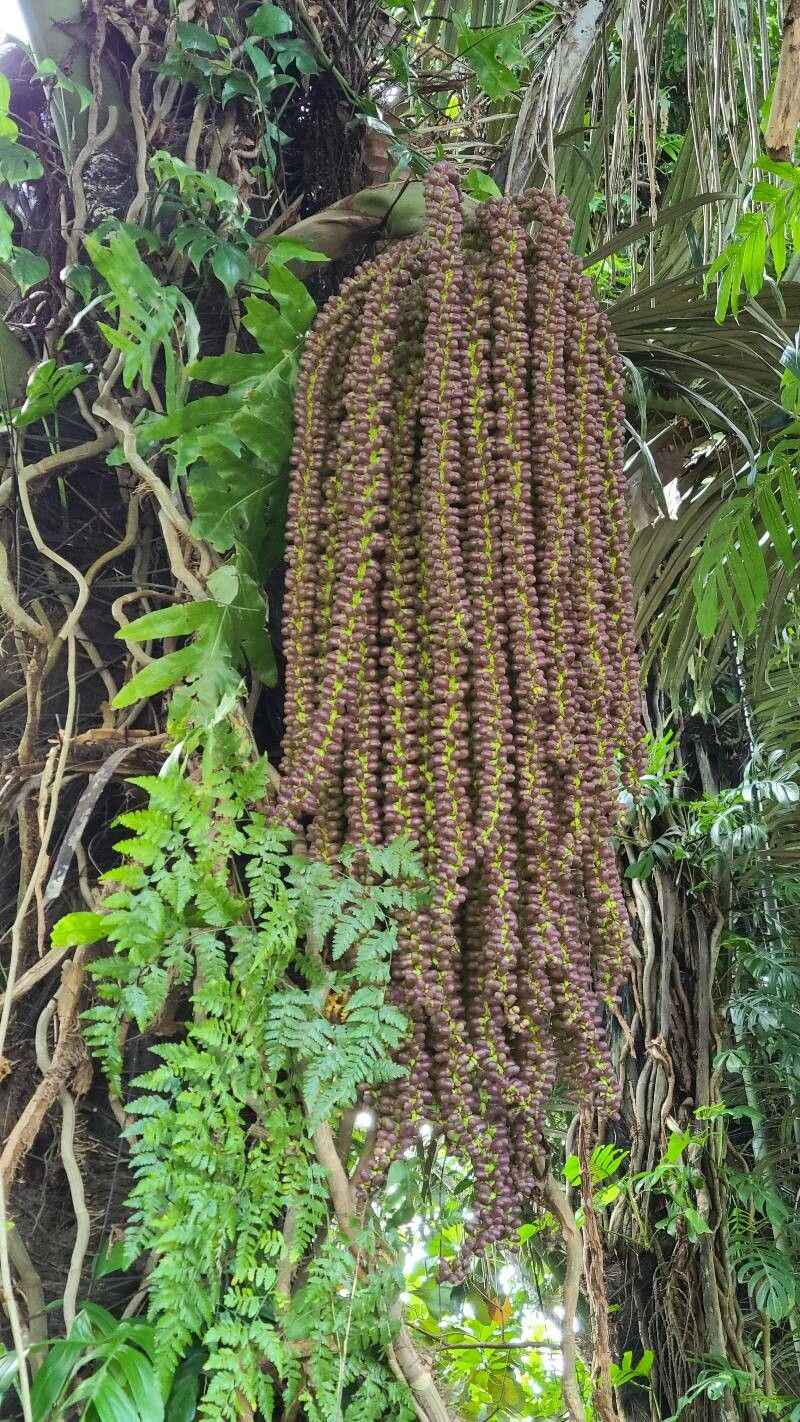
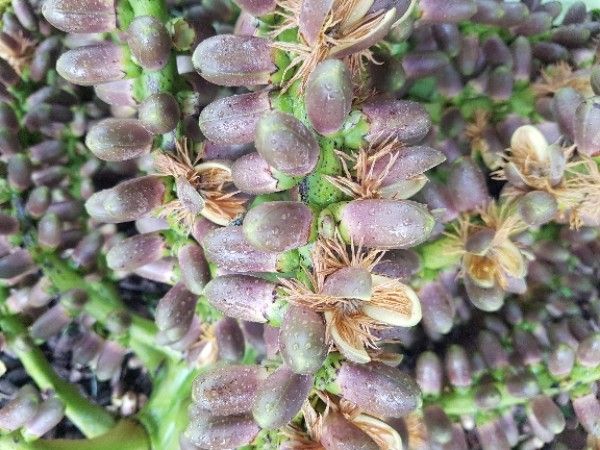
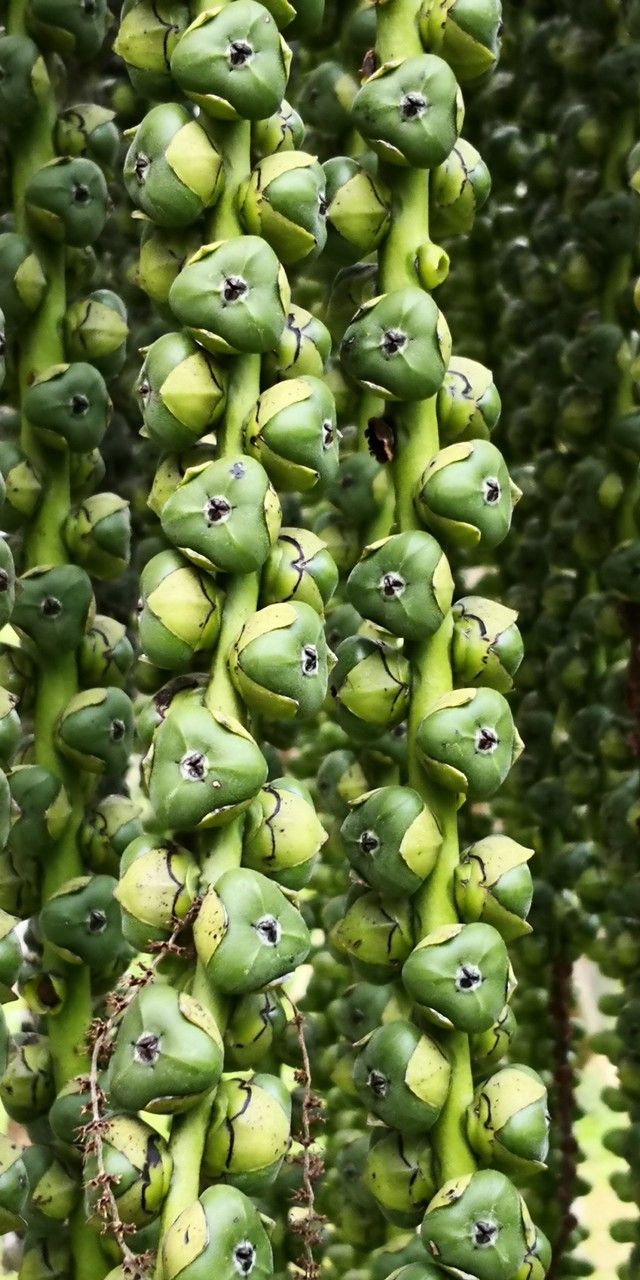
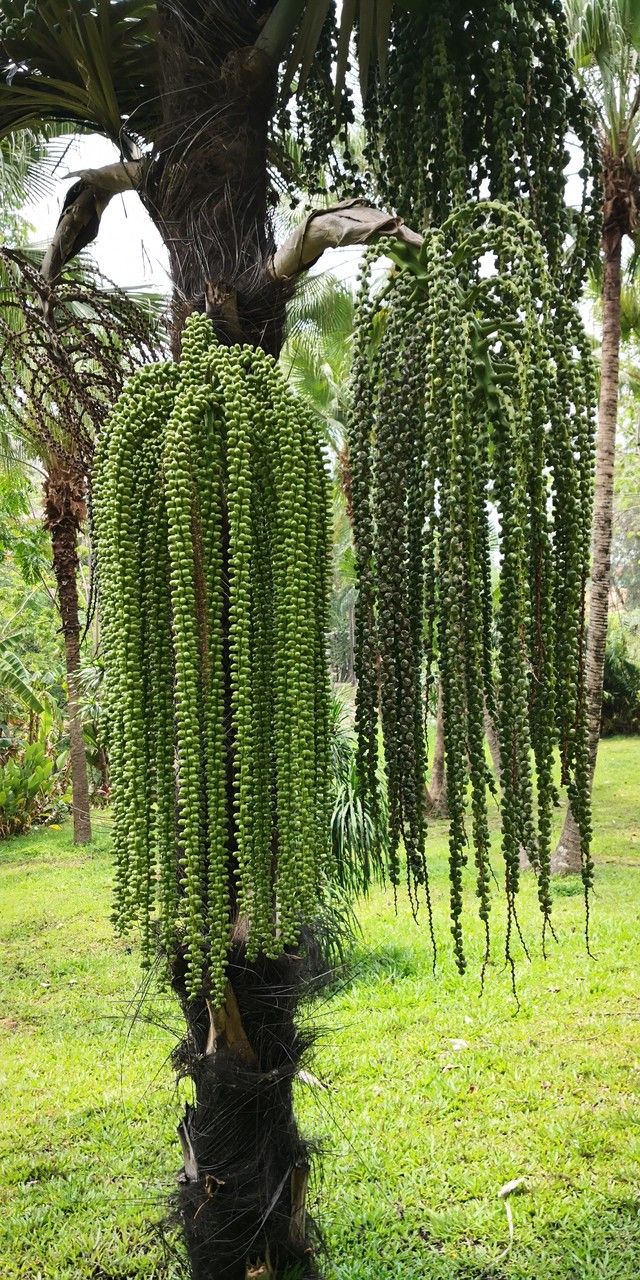
The sugar palm produces small flowers that are either yellow or greenish-white. These flowers grow on long stalks that emerge from the base of the leaves. The plant's fruit is oval-shaped and contains a single seed.
Arenga pinnata has numerous uses, serving as a source of food, fiber, and building materials. The sap from its trunk can be used to produce sugar or fermented into an alcoholic beverage known as toddy. Its leaves are often woven into baskets or mats, and its wood is utilized for construction purposes.
This palm thrives in tropical climates with high humidity but can also withstand drought conditions once established. It prefers well-drained soils rich in organic matter but is also capable of growing in sandy soils.
Overall, Arenga pinnata is a significant plant species with various practical applications for local communities within its natural habitat. Additionally, it holds potential for commercial use beyond its native range, making it an important resource for sustainable development efforts worldwide, especially in industries such as food production and construction materials.
Sugar palm is disease-resistant and is generally not susceptible to illnesses. In terms of care, this plant is fairly low-maintenance. When grown outdoors it needs only minimal watering, and larger specimens typically do not require pruning. Smaller plants, however, should be pruned after they have finished blooming. Sugar palm is suitable for anyone with outdoor space, such as a garden or a deck, and does not demand extensive experience in plant care.
How to keep Arenga Pinnata.
Light
The sugar palm does best with plentiful sunlight like that found in open environments, though it also tolerates moderately lit locations. From seedling to full-grown stages, the species prospers under these favorable light levels. Excessive light can hinder its development, while insufficient light reduces its vigor. Its natural range generally offers this ideal light intensity.
Water
The sugar palm thrives in humid tropical environments with consistent moisture, but it can tolerate drought once established. For optimal health, water it every two weeks. This plant is usually grown outdoors, where abundant rainwater during the growing season supports its lush foliage and robust growth.
Temperature
The sugar palm originates from warm climates, typically with temperatures ranging from 68 to 100 °F (20 to 38 ℃). You should adjust its surroundings to match these conditions, providing a warmer environment during the cooler months.
Fertilizer
Use organic fertilizers (e.g., fish emulsion, compost) instead of chemical fertilizers for Sugar palm. Give young plants higher levels of nitrogen and phosphorus in spring. Mix compost or fertilizer into the soil before or after planting. For mature plants, apply a balanced fertilizer or one targeted to specific deficiencies in spring. Nutrient deficiency results in small leaves, short branches, yellow or bronze leaves, acidic fruits, premature fruit drop, and splitting.
Pruning
To improve the health and sap production of sugar palms, it is best to prune them in early spring. Focus on removing dead fronds and flowering clusters to enhance air circulation. This practice aligns with the sugar palm's growth cycle, promoting overall health, reducing pests, and supporting structural integrity. Remember to always wear gloves for protection during maintenance activities.
Botanical profile.
- Plant Type
- Tree
- Life Cycle
- Perennial
- Genus
- Arenga
- Family
- Arecaceae
- Hardiness Zone
- 10-12
- Mature Height
- 15.24 m
- Mature Spread
- 6.1 m to 7.92 m
- Leaf Color
- Green
- Leaf Type
- Evergreen
- Flower Color
- White, Yellow, Green
- Flower Size
- 2.54 cm
- Bloom Time
- All year round
- Planting Time
- Spring, Summer, Autumn
- Harvest Time
- All year round
- Native Area
- India, Malaysia, Cambodia, Myanmar, Philippines, Laos, Thailand, China
Other names.
Reader questions.
What are the sunlight requirements for Sugar Palm?
Sugar Palm thrives under full sun, which means it requires above 6 hours of sunlight per day, but it can also tolerate partial sun, about 3-6 hours of sunlight. It's essential to observe how sunlight moves through your garden to find spots that offer a perfect balance of light and shade, ensuring the plants' happiness. When cultivating Sugar Palm, from its germination phase to maturity, an abundant amount of solar exposure is ideal. However, overexposure can stunt the plant's growth, whereas under-exposure might weaken its robustness. Its native habitat usually provides this optimal light intensity, indicating the importance of simulating such conditions for healthy growth.
What is the ideal temperature range for a Sugar palm?
Sugar palm thrives in environments with warm temperatures, specifically between 68 to 100 °F (20 to 38 °C). It is very sensitive to cold temperatures, and it's important to provide a warmer setting during the cooler months to ensure the plant's health. During the winter, the temperature should be kept above 20°C to promote growth, and any temperatures nearing 5°C can be harmful to the plant.
How do artificial lights support Sugar Palm growth?
Indoor Sugar Palm plants require adequate lighting for optimal growth, especially when natural sunlight is insufficient, such as in winter or less sunny spaces. Artificial lights can offer a vital solution, promoting faster, healthier growth. LED lights are recommended because they can be customized to provide specific wavelengths of light that plants need. For full sun plants, 30-50W/sq ft of artificial light is needed; 20-30W/sq ft for partial sun plants, and 10-20W/sq ft for full shade plants. The light source should be placed 12-36 inches above the plant to mimic natural sunlight, and the duration should mimic natural daylight hours, generally 8-12 hours of light per day.
How should I care for my Sugar palm during the winter?
In the winter, it's crucial to protect your Sugar palm from cold temperatures by keeping the environment around it warmer than 20°C. If you've been growing your Sugar palm outdoors, it's recommended to bring it indoors as autumn approaches. Place the plant near a bright window, ideally facing south, to ensure it receives ample sunlight. However, make sure it’s placed at a safe distance from heaters to avoid damage from excessive dry heat.
What are the symptoms of insufficient sunlight in Sugar Palm?
When Sugar Palm is cultivated indoors, especially during winter, it might be placed in areas with insufficient lighting, leading to several symptoms. These include small leaves, leggy or sparse growth, faster leaf drop, slower or no new growth, and lighter-colored new leaves. Insufficient sunlight causes a lack of chlorophyll and essential nutrients, leading to these symptoms. Additionally, excessive sunlight can lead to chlorosis, sunscald, leaf curling, wilting, and leaf scorching, impacting the plant's ability to photosynthesize, maintain hydration, and overall health negatively.
What should I do if my Sugar palm is affected by low temperatures?
If your Sugar palm has been exposed to low temperatures and shows signs of damage, such as leaves lightening in color or showing symptoms of wilting and drooping after frost, it's important to act quickly. You should trim off the frost-damaged parts to prevent further damage. Then, move your plant indoors or to a warmer environment to protect it from the cold. Ensuring the plant is placed near a south-facing window can provide it with necessary sunlight, but remember to avoid placing it directly by heaters or air conditioning vents to prevent the air around it from becoming too dry.
How can you improve light conditions for Sugar Palm?
To ensure your Sugar Palm receives optimal growth conditions, gradually move plants to a sunnier location each week until they get at least 6 hours of direct sunlight daily. For indoor plants, use a south-facing window and keep curtains open during the day for maximum sunlight exposure. If your plant is large or not easily movable, consider using artificial light, keeping a desk or ceiling lamp on for at least 8 hours daily, or investing in professional plant grow lights. For outdoor plants, avoid sudden changes in light intensity to prevent sunburn. If your plant suffers from a lack of sunlight, new growth after adjusting light exposure will be healthy, though parts already affected may not recover. Additionally, reduce obstructions like trees that block sunlight by pruning, and for smaller plants, consider transplanting during the dormant period to a location with ample sunlight and good drainage.
How do I protect my Sugar palm from high temperatures?
During the hot summer months, Sugar palm should be kept in conditions below 100°F (38°C) to avoid heat stress. If temperatures rise above 109°F (43°C), the plant may suffer from sunburn, indicated by a lightening of leaf color. To protect your Sugar palm, trim away any sunburned or dried parts of the plant, and relocate it to a spot where it’s shielded from the intense midday and afternoon sun. Additionally, watering the plant in the early morning and late evening can help keep the soil consistently moist, adding to its protection against excessive heat.