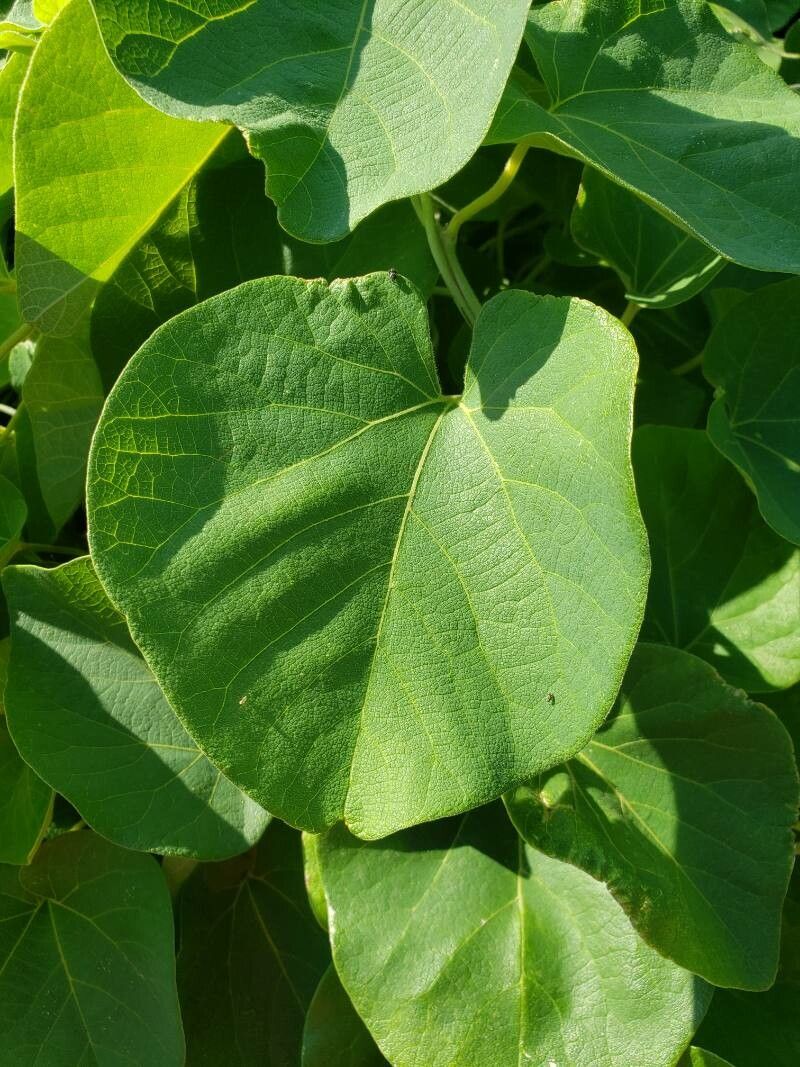
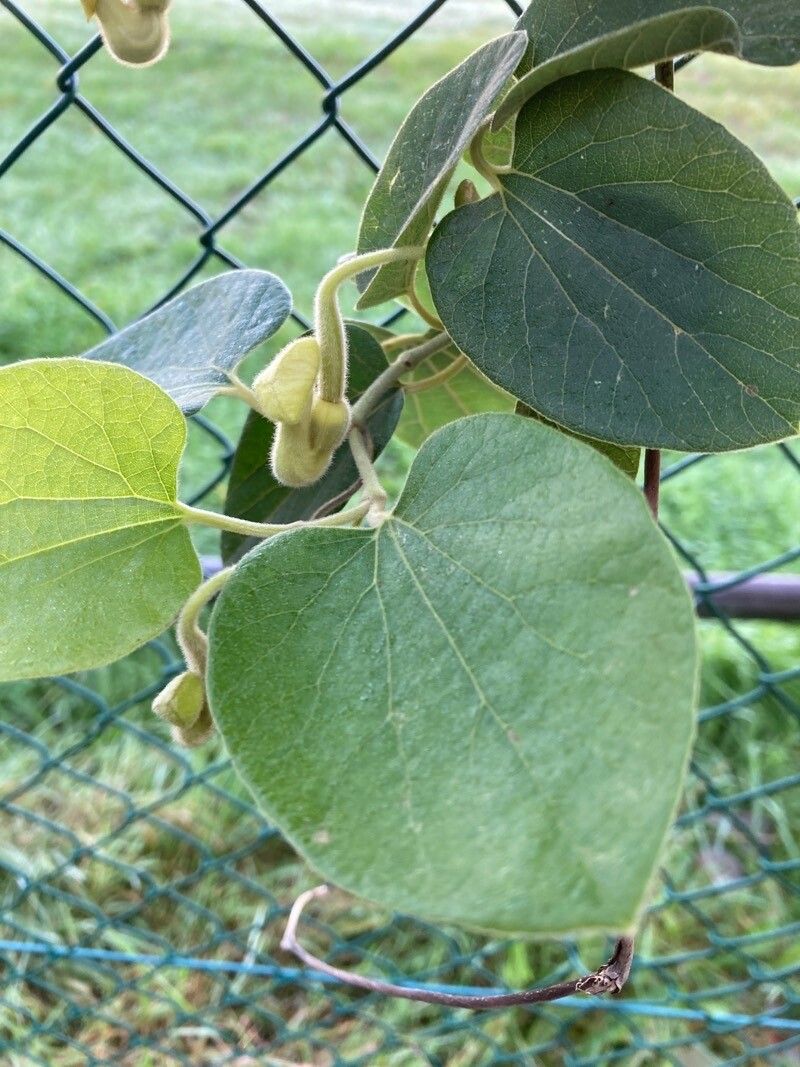
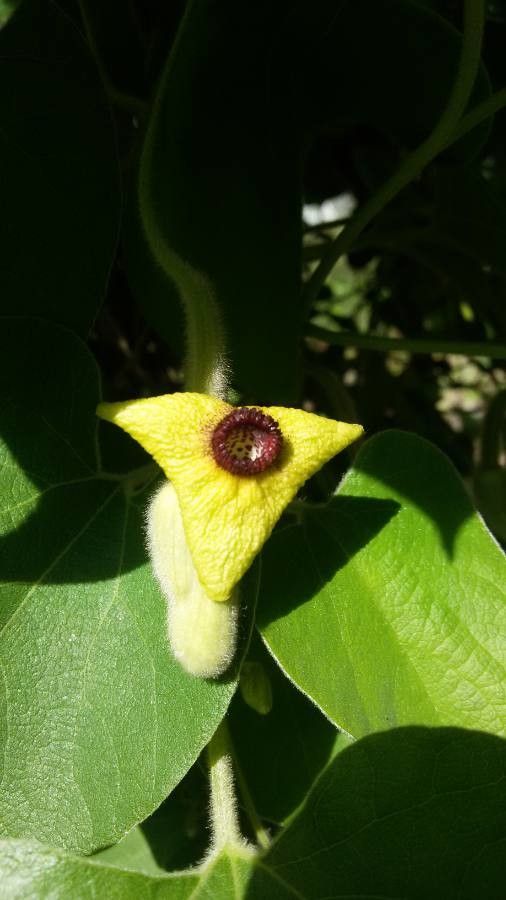
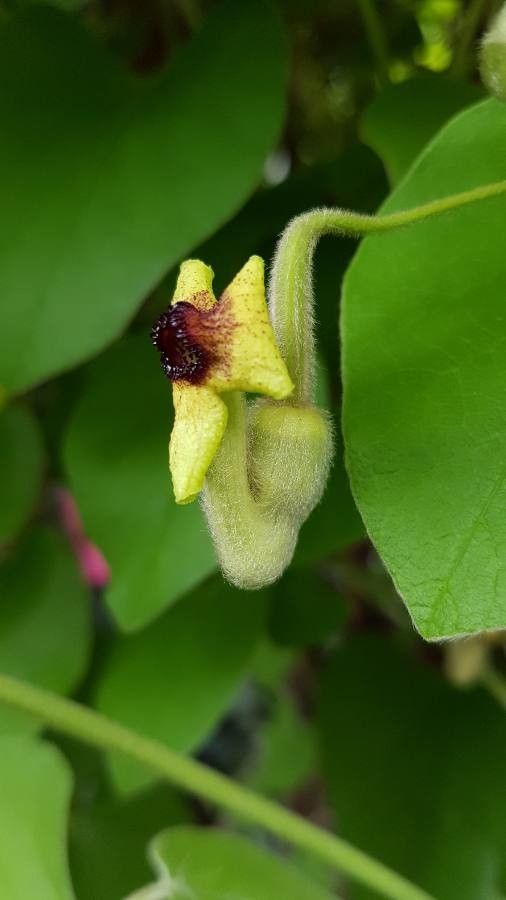
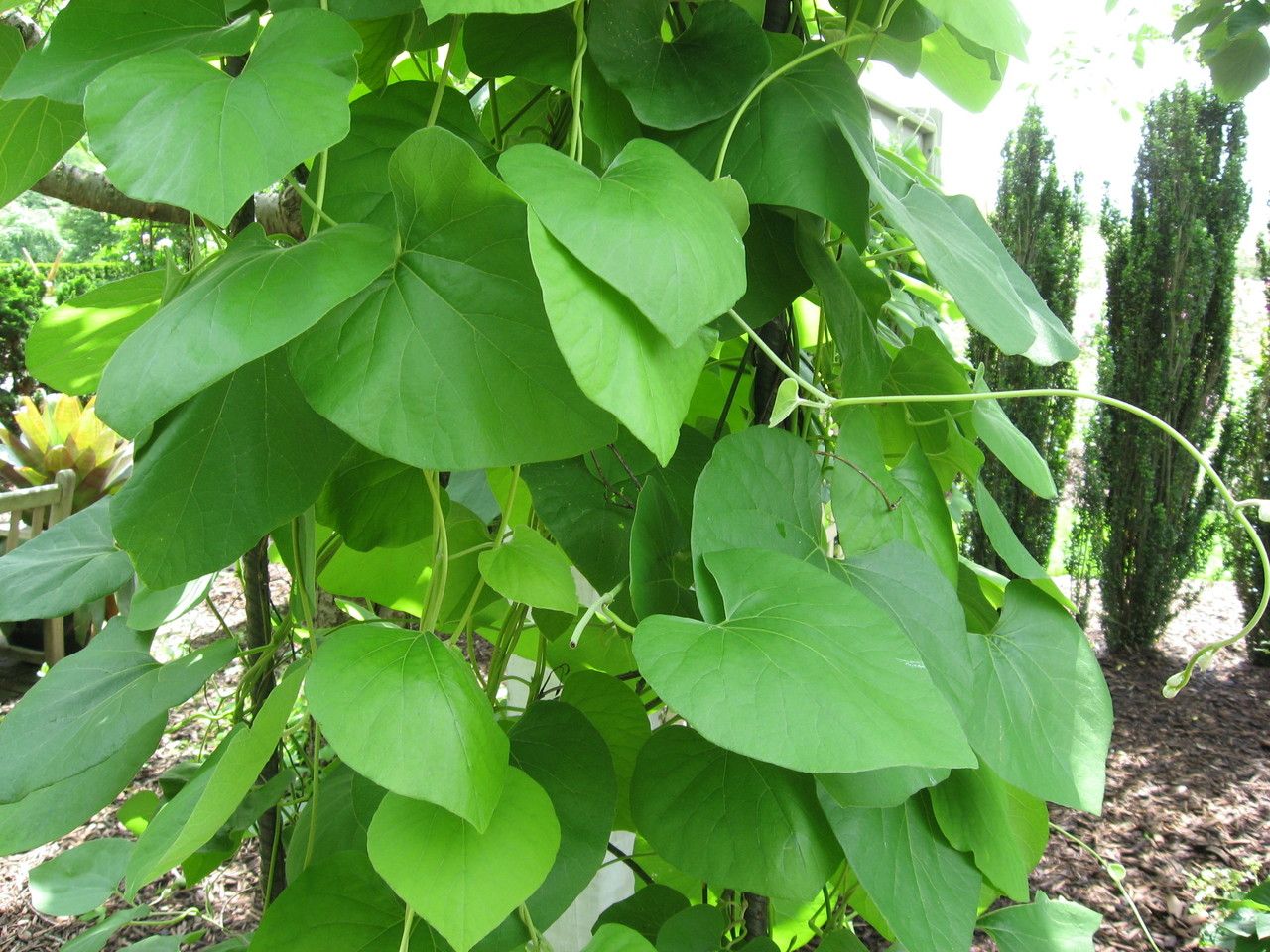
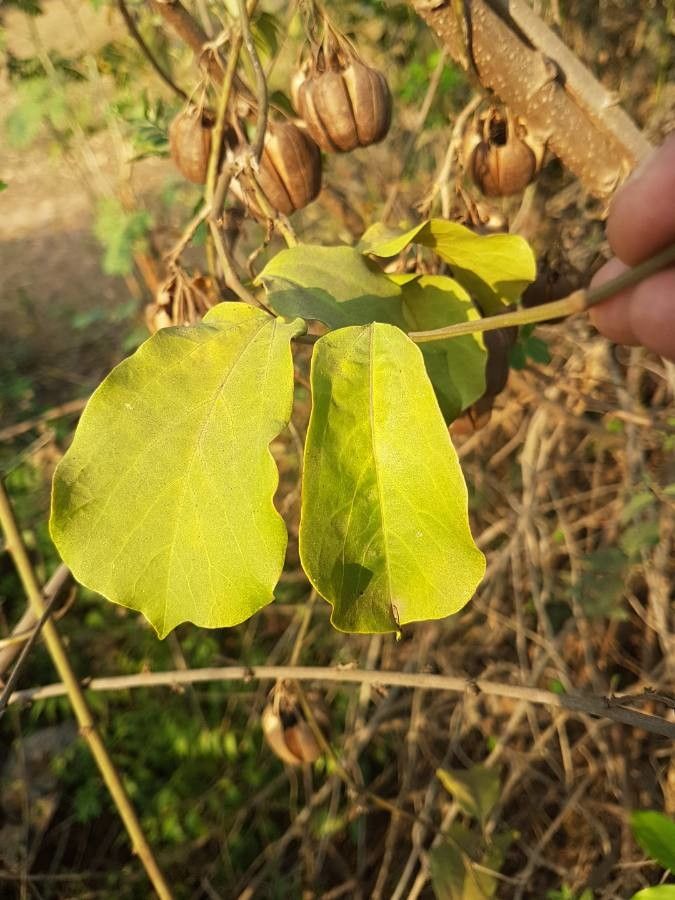
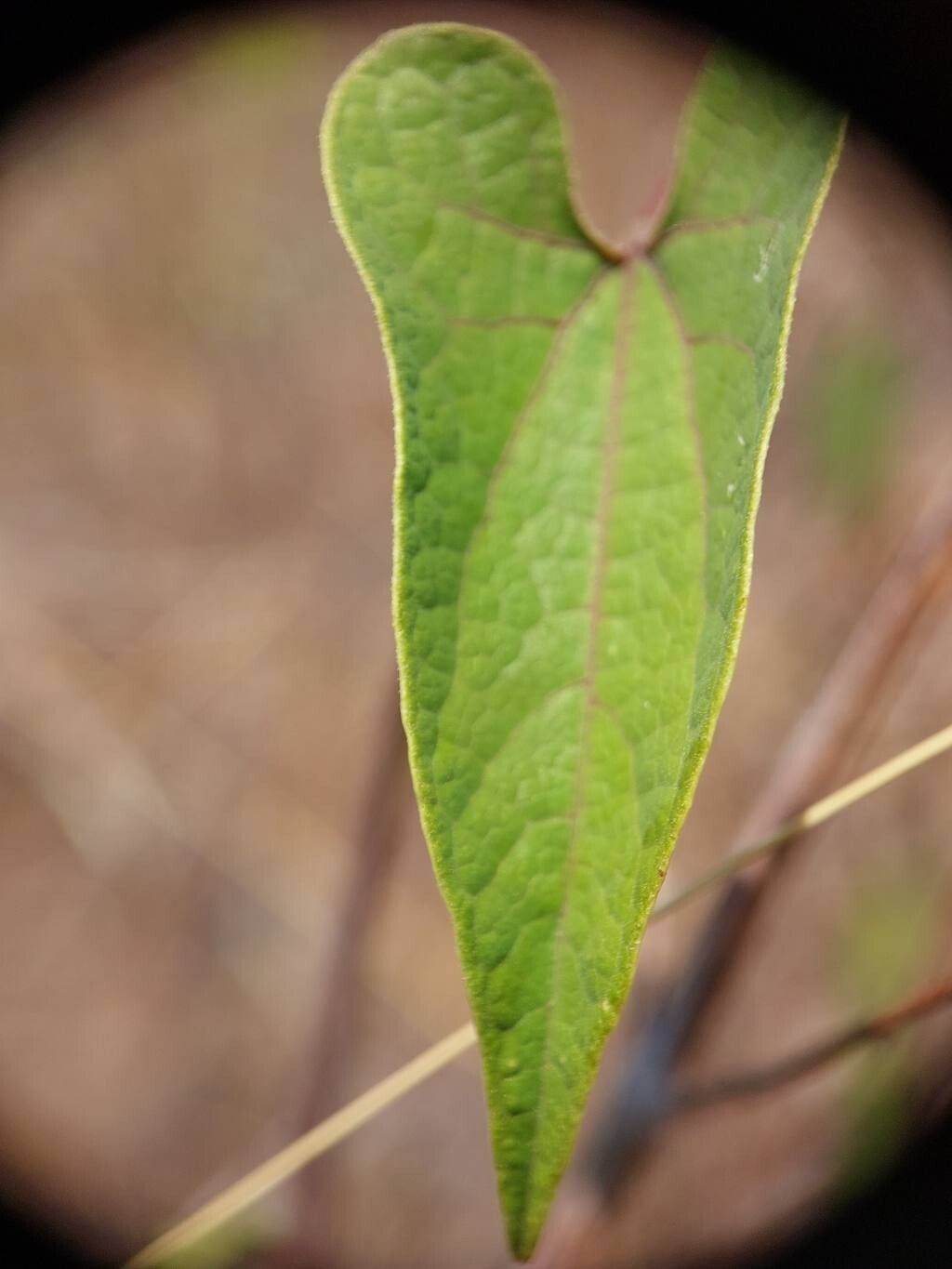
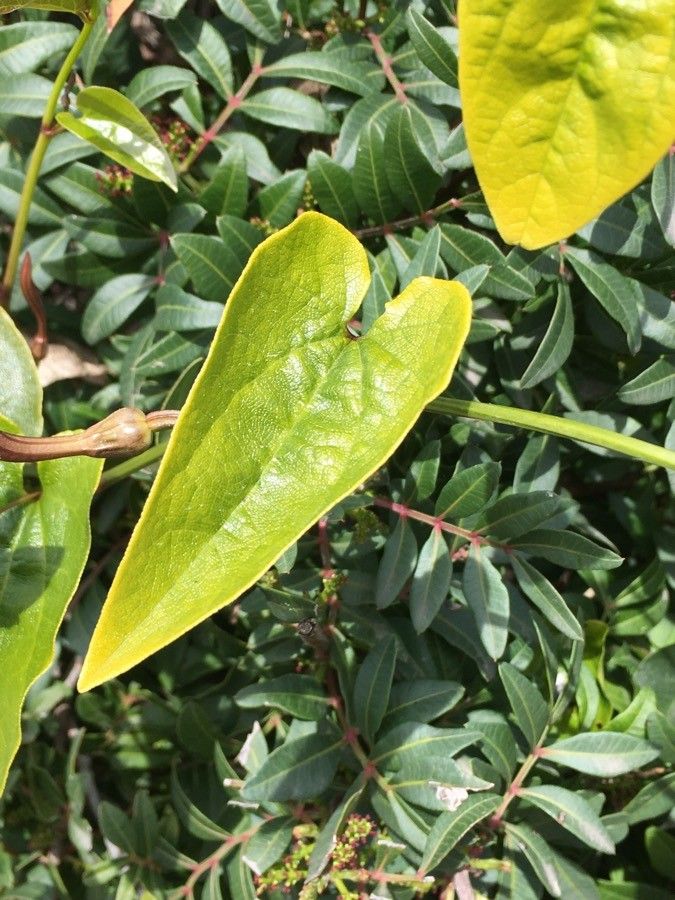
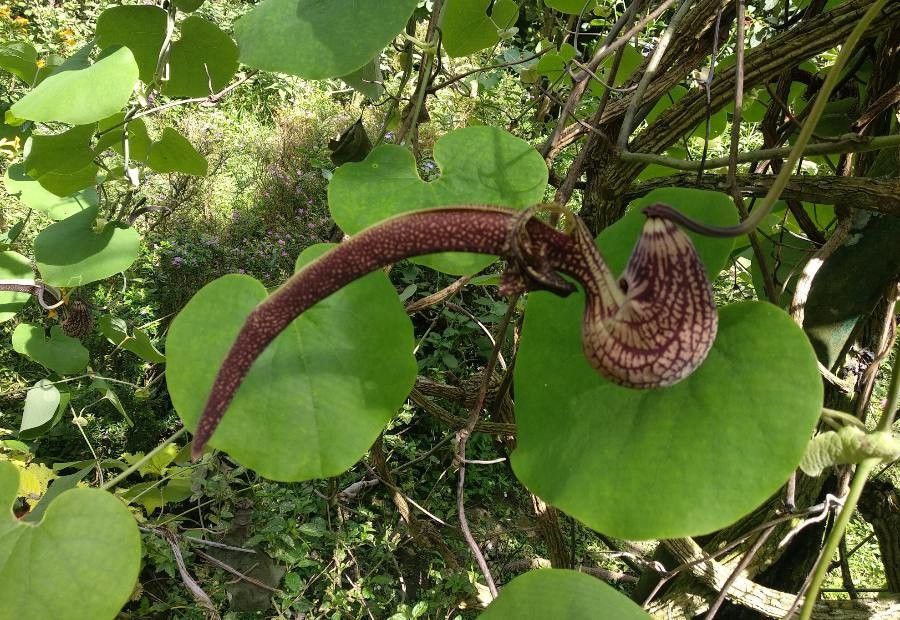
Aristolochia tomentosa is a species of flowering plant in the family Aristolochiaceae. Its native range includes the southeastern and South Central United States. The common name for the plant is woolly Dutchman's-pipe because the flower superficially resembles a Dutch smoking pipe.
Woolly dutchman's pipe is resistant to disease and generally not susceptible to illnesses. Regarding care, this plant is fairly low-maintenance. Planted outdoors it needs only minimal watering, and larger plants usually do not require pruning. Smaller plants, however, should be pruned after they have finished blooming. Woolly dutchman's pipet is suitable for anyone with outdoor space, such as a garden or deck, and does not require extensive care experience.
How to keep Aristolochia Tomentosa.
Light
Woolly dutchman's pipe does best in a combination of sun and shade; too much sun can cause the leaves to bleach. This light preference comes from its natural habitat, where it grows beneath a canopy that filters some rays. Its growth stages do not require any changes to sunlight exposure.
Water
Woolly dutchman's pipe is a drought-tolerant plant that efficiently absorbs moisture, allowing it to thrive in dry conditions. It only needs watering once every three weeks, making it perfect for low-maintenance outdoor gardening. Its strong roots help it flourish in soils with low moisture levels.
Temperature
Woolly dutchman's pipe is native to habitats where temperatures commonly range from 41 to 90 °F (5 to 32 ℃). This plant prefers moderate temperatures and may need adjustments in cases of extreme cold or heat.
Fertilizer
Timing is critical when fertilizing Woolly dutchman's pipe. Begin fertilizing in early spring and continue once a month until early summer. Fertilizer promotes lovely blooms and supplies energy during the plant's dormant and active growth phases.
Pruning
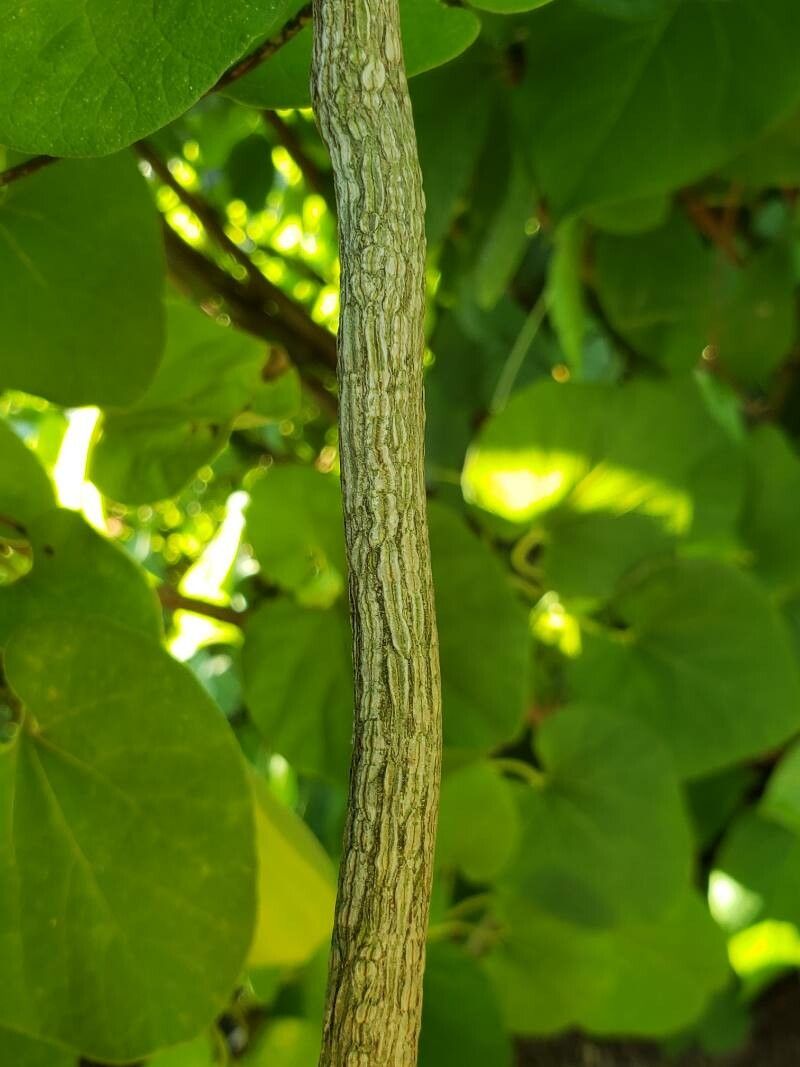
The Woolly Dutchman's Pipe is known for its woolly stems and distinctive pipe-shaped flowers. To promote a healthy structure, prune it in early spring by removing any dead or crossed branches. Light trimming can encourage dense foliage, but be careful with heavy pruning, as it may reduce flowering. Annual pruning helps enhance growth and ornamental appeal. For more detailed care instructions, refer to horticultural guides.
Botanical profile.
- Plant Type
- Vine
- Life Cycle
- Perennial
- Genus
- Aristolochia
- Family
- Aristolochiaceae
- Hardiness Zone
- 5-8
- Mature Height
- 6.1 m to 9.14 m
- Mature Spread
- 1.52 m to 6.1 m
- Leaf Color
- Green, Blue
- Leaf Type
- Semi-evergreen
- Flower Color
- Yellow, Green, Red, Brown
- Flower Size
- 2.54 cm to 7.62 cm
- Bloom Time
- Mid spring, Late spring, Early summer
- Planting Time
- Spring, Autumn
- Harvest Time
- Mid summer, Late summer, Early fall
Other names.
Reader questions.
How should I water my Woolly dutchman's pipe?
To ensure excellent root development, place a garden hose at the base of each plant. Avoid spraying the leaves directly and keep in mind that outdoor plants in direct sunlight may need more water for their leaves. To moisten the roots, you can use bubblers or soaker hoses for each plant. When adding or removing plants, use soaker hoses that cover the entire garden or bed to deeply water the roots. After watering, remove any excess water and allow the soil to dry before watering again. Watering at ground level will help prevent diseases. On sunny days, you can spray the whole bush with water. Whether the plant is in a pot or in the ground, remember that Woolly dutchman's pipe prefers deep watering instead of light sprinkling.
What are the sunlight requirements for plants?
Plants have different sunlight needs categorized as partial sun and full sun. Partial sun refers to about 3-6 hours of sunlight, while full sun means the plant should receive above 6 hours of sunlight daily. It's essential to observe the movement of sunlight through your garden to choose spots that offer a balance of light and shade, ensuring your plants thrive.
What is the native climate for Woolly Dutchman's Pipe?
Woolly Dutchman's Pipe, scientifically known as Aristolochia tomentosa, is native to environments where temperatures typically range from 41 to 90 °F (5 to 32 °C). This plant flourishes in mild temperatures and may require specific care adjustments during periods of extreme cold or warmth to thrive.
What should I do if I give Woolly dutchman's pipe plant too much or too little water?
When a Woolly dutchman's pipe is overwatered, it may exhibit yellowing, wilting, and dropping of leaves. The plant may also appear unhealthy with mushy stems. If these signs are present, it is best to adjust your watering schedule accordingly. Conversely, wilting can also indicate under watering, with leaves becoming dry and crispy. When the soil is dry and simply watering is not enough, give the plant a thorough watering. Sufficient water will help the Woolly dutchman's pipe recover, but the plant may still appear dry with yellow leaves due to root damage. Once the plant returns to normal, the yellowing of leaves will stop. When growing the plant indoors, always check the moisture levels in the pot and avoid overwatering. Look for signs of black spots, and if present, allow the soil to dry out by refraining from watering for a few days. Overwatering can lead to root rot, so if you notice discolored and slimy roots, consider transferring the plant to a different pot. Preventing root rot and avoiding overly soggy soil is important. When planting the Woolly dutchman's pipe outdoors, make sure to dig a bit deeper. If you find that the soil is too dry when checking with your fingers, it may indicate underwatering. Adequate watering is necessary to facilitate the plant's recovery.
How does the Woolly Dutchman's pipe respond to sunlight and shade?
The Woolly Dutchman's pipe, or Aristolochia tomentosa, thrives best under a mix of sun and shade, reflecting its natural habitat's conditions where sunlight is filtered by a canopy. Too much sun may lead to a bleaching effect on the leaves. Throughout its growth stages, the plant doesn't require adjustments in sunlight, making it a flexible choice for gardeners.
How does Woolly Dutchman's Pipe handle cold weather?
Woolly Dutchman's Pipe has strong cold resistance, meaning special frost protection measures are usually not necessary. However, if temperatures are expected to drop below the plant's growth limit, it's important to provide cold protection. This can be done by wrapping the trunk and branches with non-woven fabric or cloth and ensuring the soil is moist before the first freeze, which helps prevent drought and water scarcity during winter and early spring.
How often do I need to water my Woolly dutchman's pipe plant?
The Woolly dutchman's pipe prefers to be watered deeply but infrequently. If the plant is in a pot, it's important to soak it in a gallon of water each time because the soil in pots dries out quickly. In colder regions, water every 3 to 5 days. Water the plant early in the morning when the soil is dry, both indoors and outdoors. You can also check the soil moisture to determine if watering is needed - if the top 2-3 inches of soil are dry, it's time to water the plant thoroughly. On hot days, check the moisture daily because the heat can dry out the soil rapidly. If you have a garden, irrigation of the soil is necessary. In hot climates, water once a week and only when the top 2-3 inches of soil are too dry. Avoid watering the plant if it has received sufficient rainfall to prevent root rot. Woolly dutchman's pipe plants typically grow during spring and fall, so adding about 3 to 4 inches of mulch can help conserve water when they are outdoors. In sandy soil, water more frequently as it drains faster. However, with clay soil, water less frequently to allow the plant to dry out for 2-3 days and prevent root rot. To keep track of watering, mark the date on the calendar and be mindful if the leaves start to droop, as that could indicate a need for water.
What role does artificial lighting play for indoor plants?
Artificial lighting is crucial for indoor plants, especially when natural sunlight is insufficient, like in winter or less sunny spaces. It promotes faster, healthier plant growth. LED lights are ideal because they can be adjusted to provide specific light wavelengths necessary for plant growth. Full sun plants need 30-50W/sq ft, partial sun plants 20-30W/sq ft, and full shade plants 10-20W/sq ft. The light source should be placed 12-36 inches above the plant, with the duration mimicking natural daylight hours, generally 8-12 hours per day.
What should I do if the temperature falls below the Woolly Dutchman's Pipe's cold tolerance?
If the temperature falls below the Woolly Dutchman's Pipe's tolerance for cold, even though there might not be noticeable changes in winter, the branches may become brittle and dry by spring, failing to produce new shoots. To address this, you should prune away any dead branches in the spring that haven't produced new leaves.
How much water should I give my Woolly Dutchman's pipe plant?
The Woolly dutchman's pipe plant needs about a gallon of water on a regular basis. For potted plants, water them deeply until you see water dripping from the bottom of the pot. Then wait for the soil to dry before watering again. You can use a water calculator or moisture meter to determine the amount of water your plant receives each week. During the flowering period, provide plenty of water but allow the moisture to evaporate to prevent root rot. If the Woolly dutchman's pipe is planted outdoors and receives adequate rainfall, it may not need additional watering. When the plant is young or newly planted, make sure it receives 1-2 inches of rain per week. As the plant grows, it can survive solely on rainfall. Only in very hot weather or when there is no rainfall for 2-3 weeks, consider giving the plant a full watering during the cooler part of the day to prevent heat damage. Additional watering will be needed during extended periods of dry weather.
What are the symptoms of light deficiency in Woolly Dutchman's pipe?
When Woolly Dutchman's pipe grows in inadequate light, it exhibits symptoms such as smaller new leaves, leggy or sparse growth, faster leaf drop, slower or ceased growth, paler new leaves, and conditions like chlorosis, sunscald, leaf curling, wilting, and leaf scorching. These symptoms indicate either too little or too much sunlight exposure, affecting the plant's health and growth.
How does Woolly Dutchman's Pipe react to high temperatures?
During the summer, it's important to ensure the Woolly Dutchman's Pipe does not exceed its maximum suitable growth temperature. If it does, you may notice the leaves becoming lighter in color, the tips may dry out and wither, and the plant may become more susceptible to sunburn. To manage this, trim sunburned and dried parts, move the plant to a shaded location or use a shade cloth, and water it during the cooler mornings and evenings to maintain soil moisture.