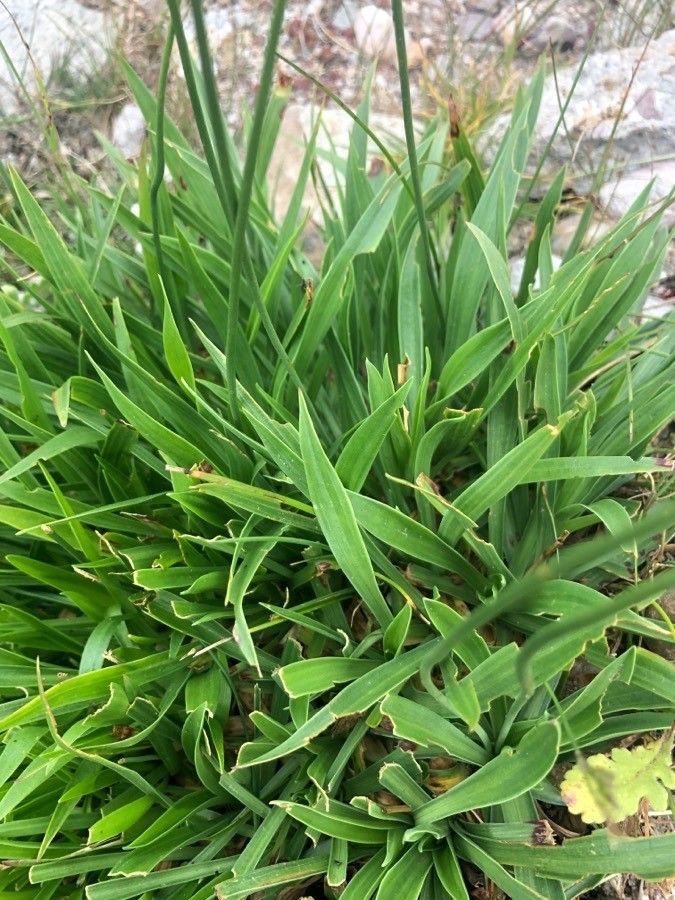
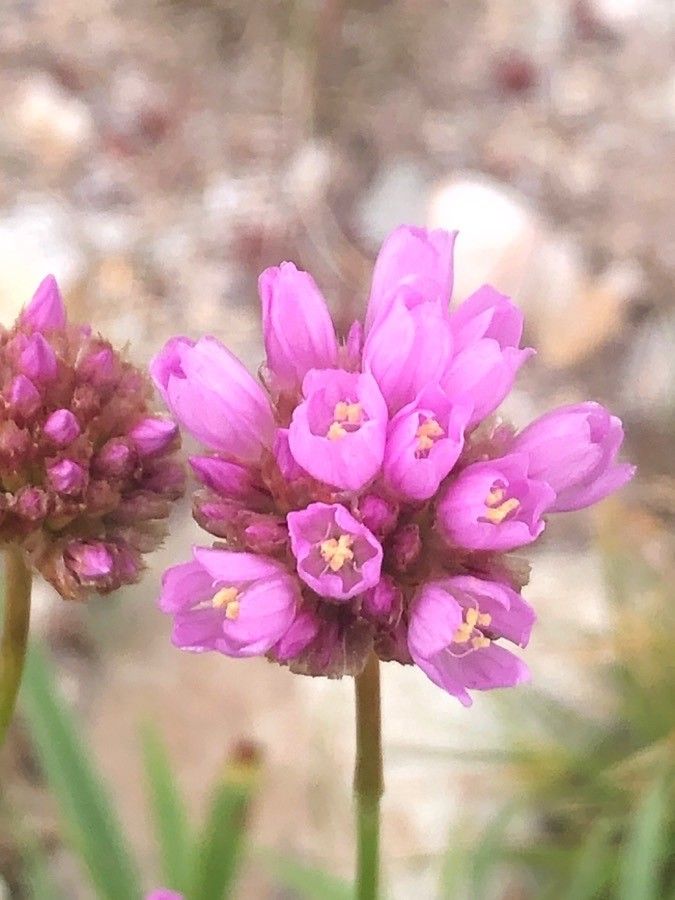
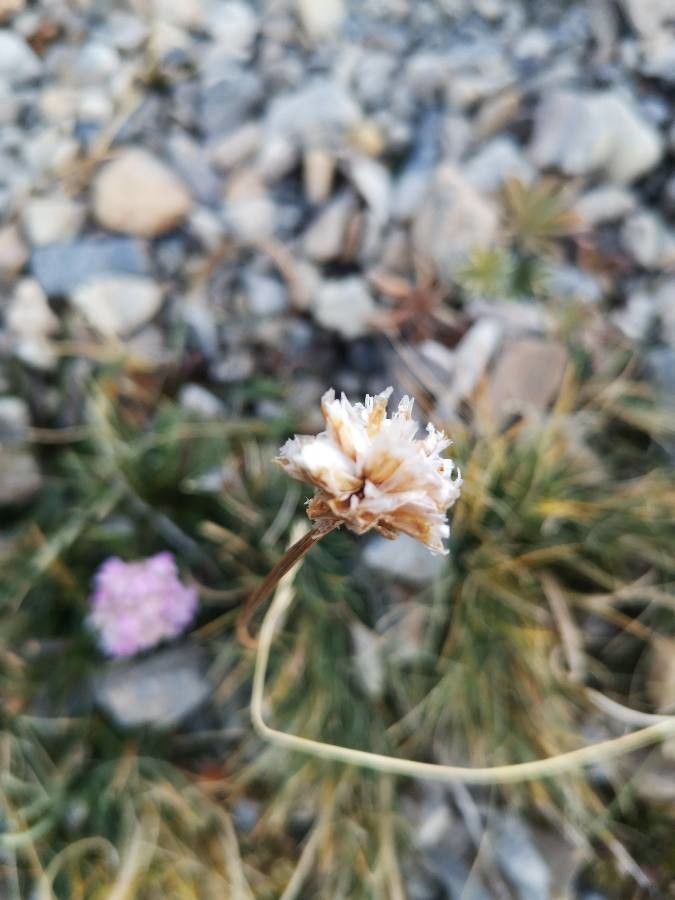
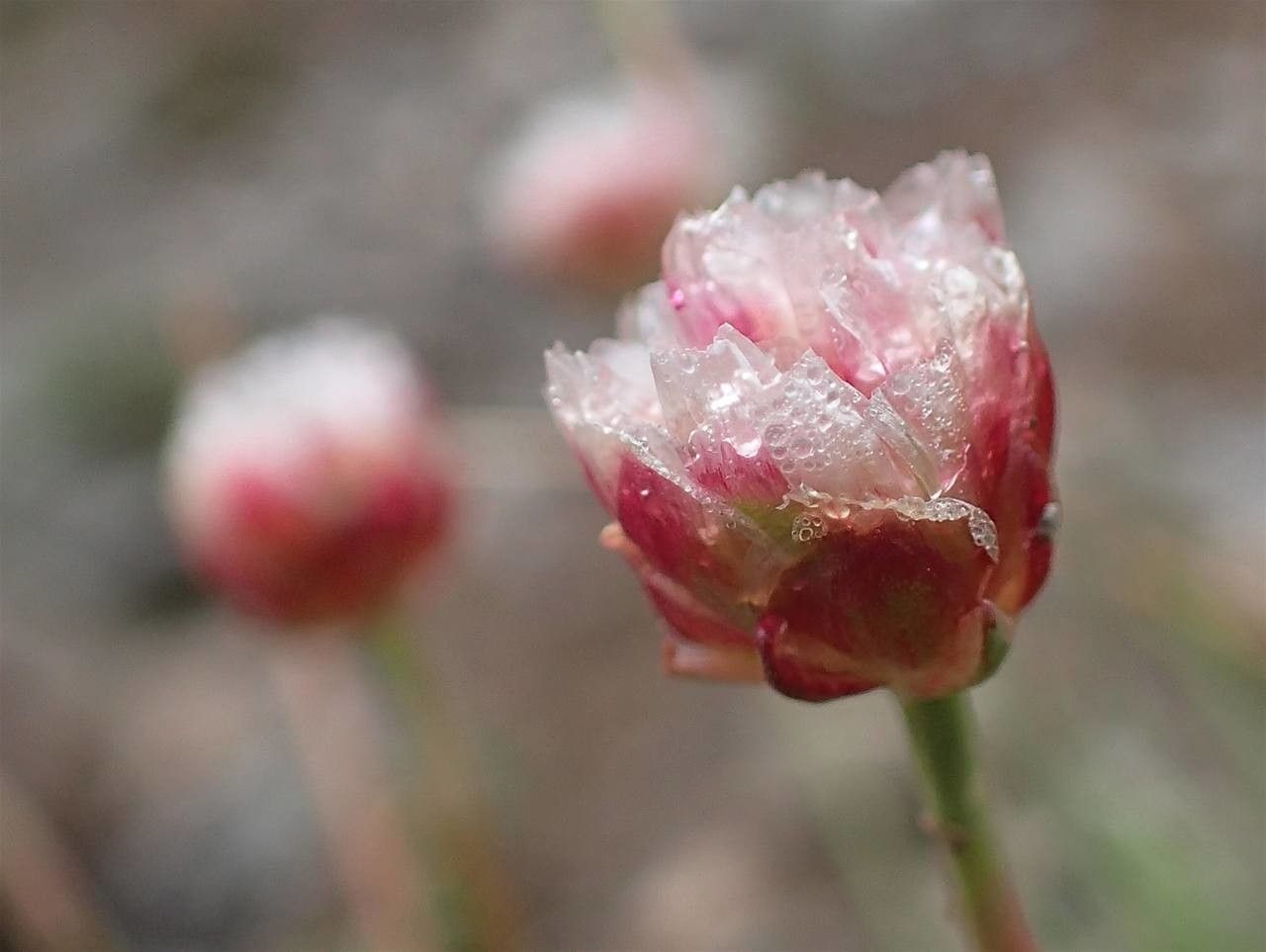
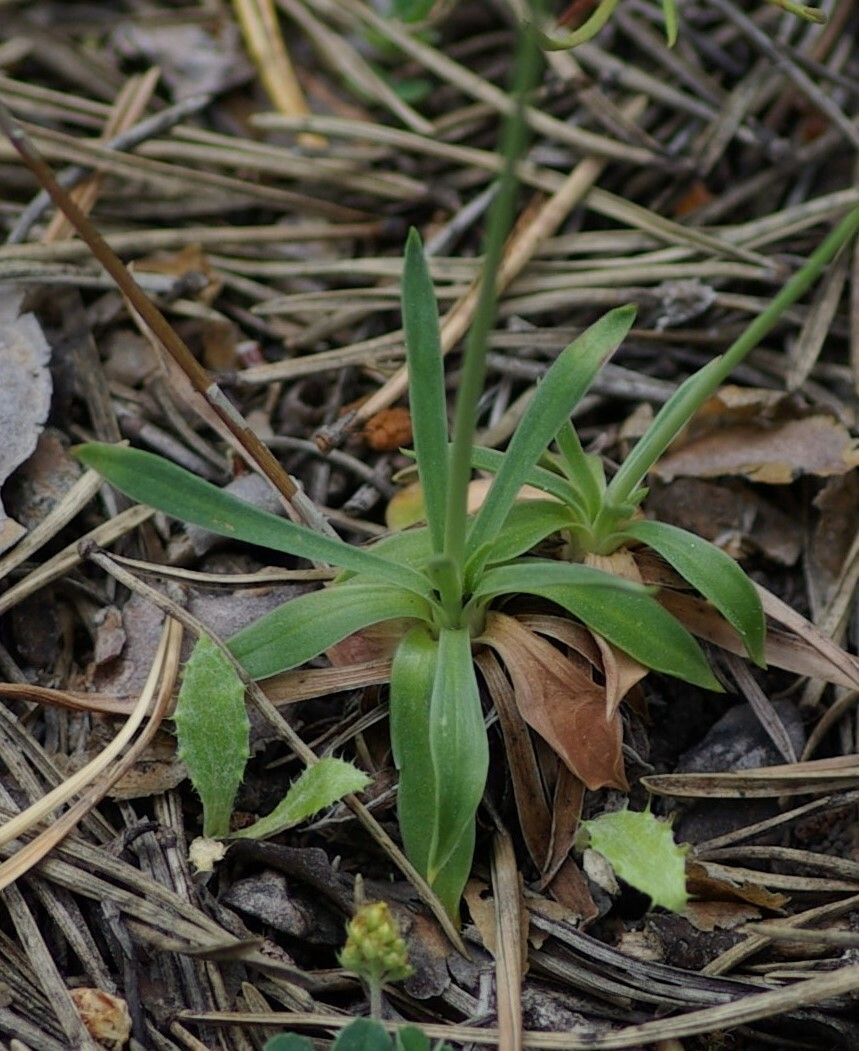
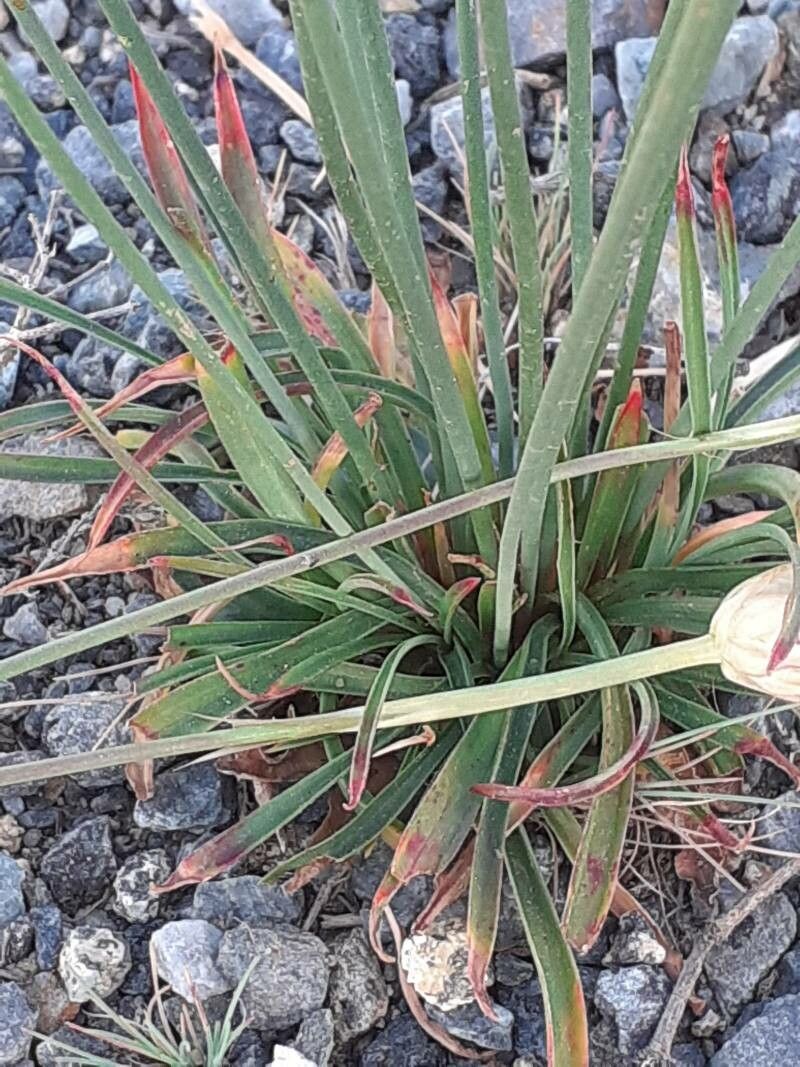
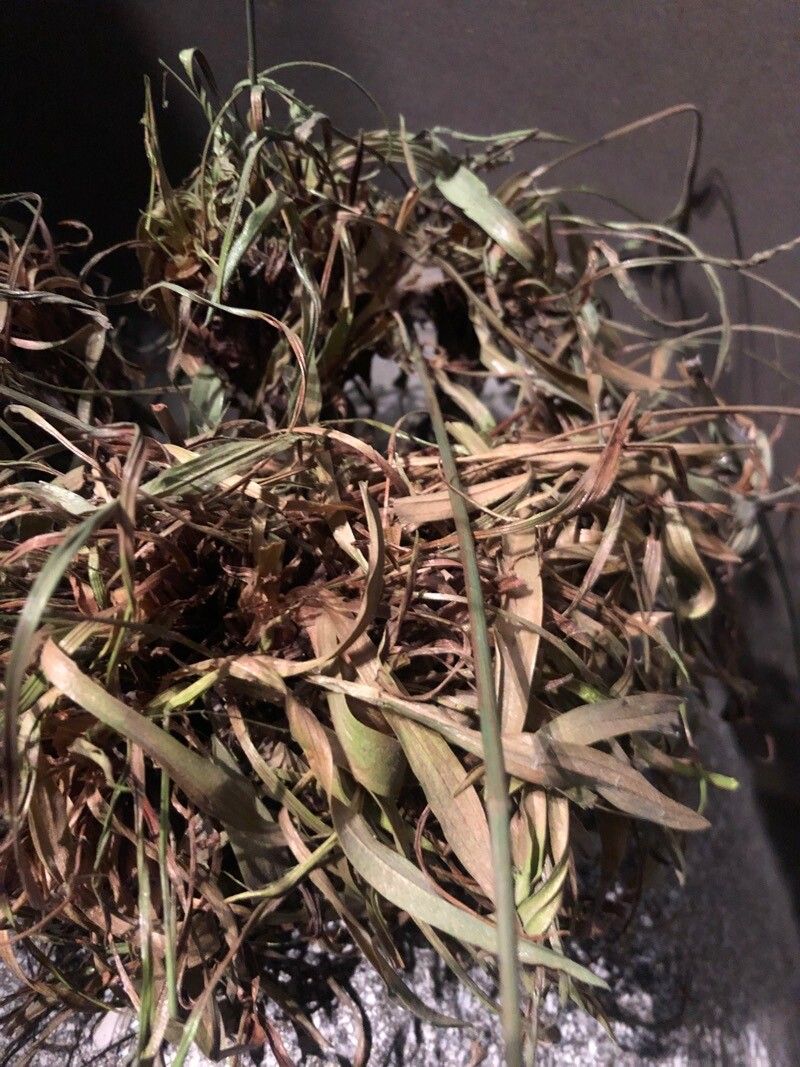
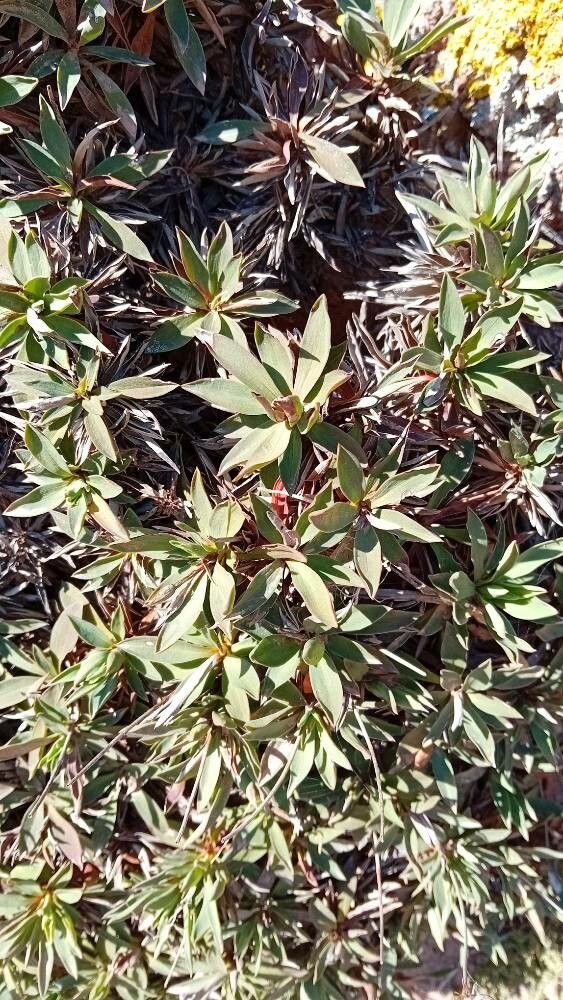
Armeria alpina, commonly known as Alpine thrift or mountain thrift, is a small perennial plant part of the Plumbaginaceae family. Native to the mountainous regions of Europe and Asia, it thrives in rocky alpine meadows, cliffsides, and crevices.
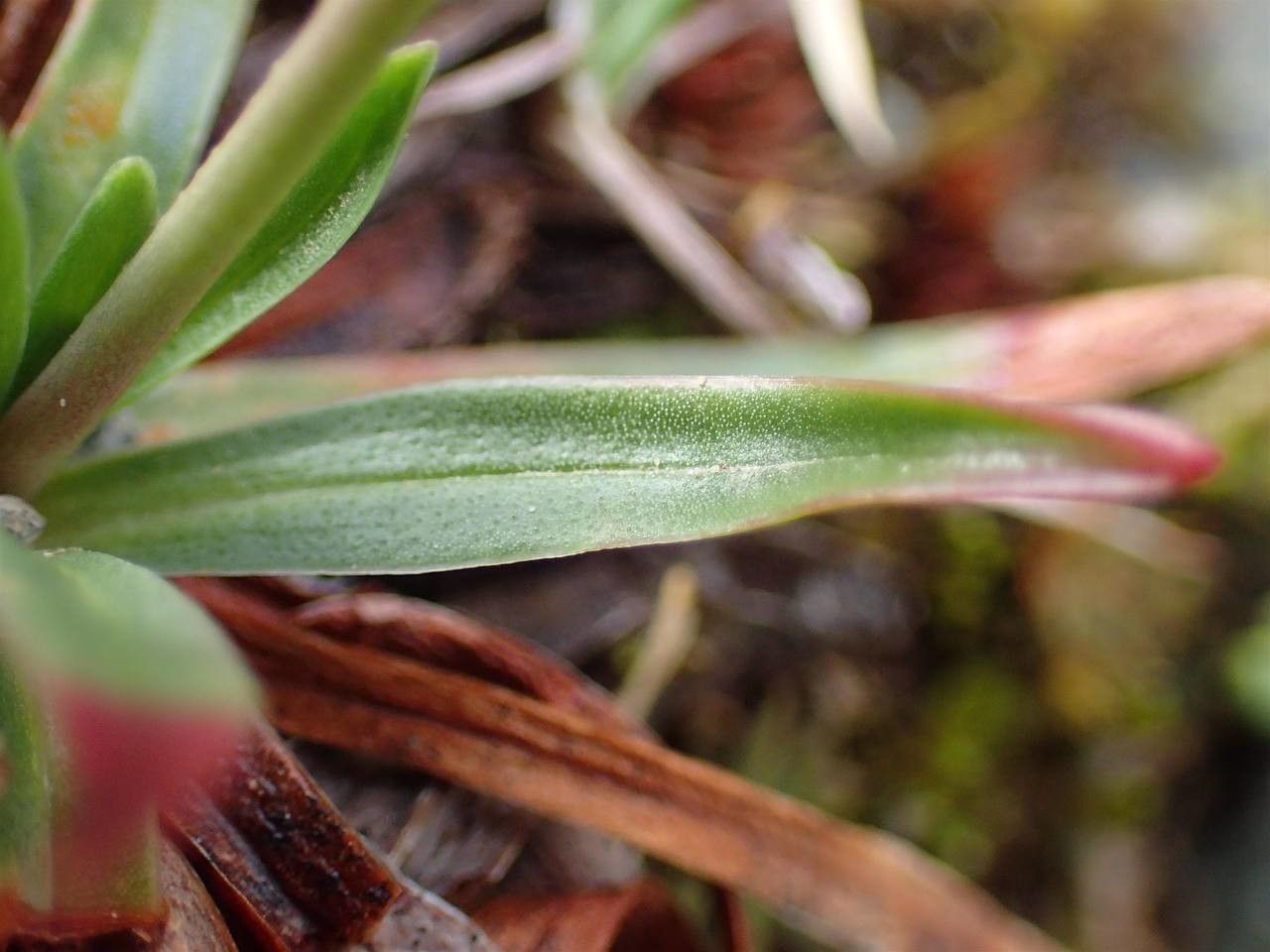
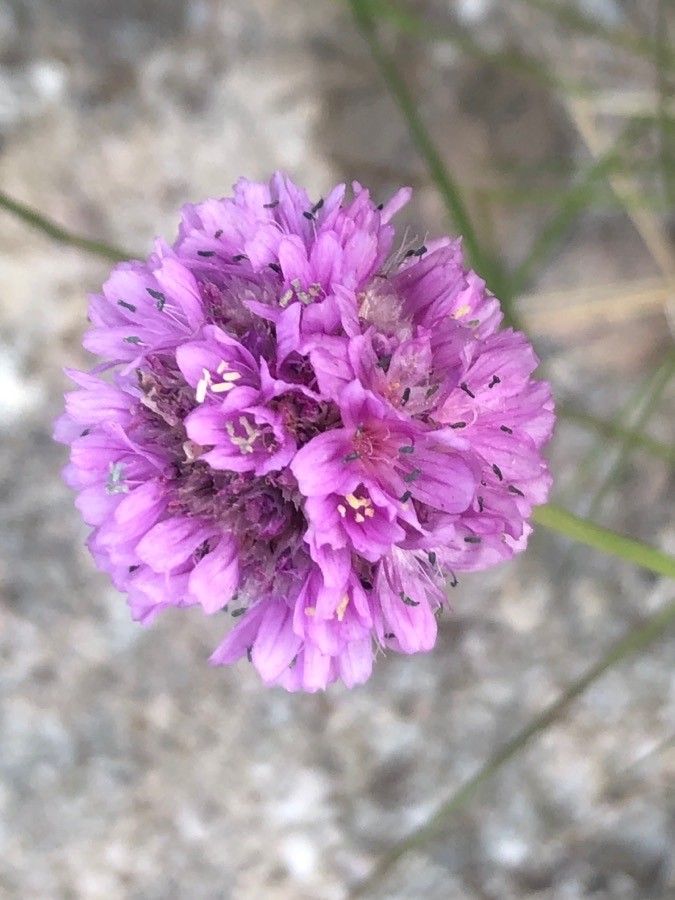
The plant typically reaches a height of 10-15 cm and spreads 20-30 cm across. It features narrow, grass-like leaves that are evergreen and form dense tufts. Its flowers, which bloom from late spring through summer, are small pink or white globular clusters.
Armeria alpina is a hardy plant, capable of tolerating cold temperatures and drought conditions. It thrives in well-drained soil with full sun exposure but can also grow in partial shade.
This plant serves multiple purposes, including ornamental use in rock gardens or borders, thanks to its attractive flowers and foliage. Additionally, it possesses medicinal properties and can be used to treat respiratory ailments such as coughs due to its expectorant qualities.
Overall, Armeria alpina is an attractive, low-maintenance perennial suitable for various garden settings. Its ornamental and medicinal benefits make it a valuable addition to any garden collection.
Alpine thrift has strong disease resistance and is generally not prone to illness. Still, it can be vulnerable to pests and diseases present in its surroundings. These problems are typically not serious. Regarding care, the plant needs moderate maintenance. It should be pruned regularly to preserve an attractive appearance and healthy growth. Fertilizing can also encourage flowering. Alpine thrift is suitable for anyone with outdoor space, such as a garden or patio, and does not require extensive gardening experience. It may need more attention when grown indoors.
How to keep Armeria Alpina.
Light
Alpine thrift is a sun-loving, perennial herbaceous plant that comes from open habitats and is often found in meadows and grasslands. It prefers full sun but can also tolerate partial sun.
Water
Alpine thrift is well-suited to well-drained soils and grows best with moderate moisture, though it can handle short periods of dryness. It benefits from weekly watering, especially during the cooler temperatures of its growing season, which mirrors the rainfall patterns of its natural habitat.
Fertilizer
The best time to fertilize an Alpine thrift is in early spring, as it is coming out of dormancy and beginning active growth. Fertilization supplies essential nutrients for healthy growth. Although Alpine thrift has relatively low fertilizer requirements, applying fertilizer annually can improve its survival and encourage better, longer-lasting flowers.
Pruning
Alpine thrift is known for its vibrant blooms and can thrive beautifully with proper care. To keep it healthy and attractive, make sure to prune it in early spring. This involves removing spent flowers and trimming the plant to maintain its compact shape, which supports continuous blooming. Making clean cuts during pruning helps prevent disease, improves air circulation, and promotes healthy growth. As a result, you'll have a more visually appealing plant.
Botanical profile.
- Plant Type
- Herb
- Life Cycle
- Perennial
- Genus
- Armeria
- Family
- Plumbaginaceae
- Hardiness Zone
- 4-8
- Mature Height
- 5 cm to 15 cm
- Mature Spread
- 10 cm to 20 cm
- Leaf Color
- Dark Green
- Leaf Type
- Evergreen
- Flower Size
- 1.02 cm to 2.03 cm
- Bloom Time
- Mid spring, Late spring, Early summer
- Planting Time
- Spring, Summer, Autumn
- Harvest Time
- Summer
- Native Area
- Austria, Italy, Spain, Switzerland, Serbia, Slovakia, Romania, France, Bulgaria, Poland, Hungary, Slovenia, Netherlands
Other names.
Reader questions.
How should I water my Alpine thrift plant to keep it healthy?
To ensure the health of your Alpine thrift, it's best to water it with filtered water at room temperature. Tap water may contain harmful particles, so filtering it will provide a safer option. Since the Alpine thrift is accustomed to warm environments, it's important to use room temperature or slightly warm water to avoid shocking the plant. Additionally, it's recommended not to water this plant from overhead to prevent any issues with the foliage. Instead, apply the filtered room temperature water directly to the soil until it is completely soaked. This method benefits the plant by moisturizing the roots and aiding in their spread through the soil for nutrient absorption.
Why should I add fertilizer to my Alpine thrift plant?
Fertilization plays a crucial role in maintaining the health and appearance of Alpine thrift. By fertilizing properly, you can ensure consistent color and a thriving texture in its leaves. Additionally, fertilizing supports root growth, both by generating new roots and preserving existing ones. This not only strengthens the plant's current state but also enhances its ability to absorb soil nutrients in the long run.
What should I do if I give too much or too little water to my Alpine thrift plant?
Both overwatering and underwatering can harm the health of your Alpine thrift, but overwatering is a more common problem. Excess water can cause wilting, yellowing leaves, and potentially lead to diseases like root rot, mold, and mildew, which can be fatal to the plant. Underwatering is less likely, as the Alpine thrift can tolerate drought fairly well. However, it can still occur and is indicated by brittle, brown leaves. It is important to identify the signs of overwatering early when caring for your Alpine thrift, as some diseases caused by overwatering, like root rot, may not be reversible if left unaddressed for too long. If you notice early signs of overwatering, reduce your watering schedule and check the soil drainage. If the soil drains poorly, replace it with a loose, well-draining potting mix. If you see signs of underwatering, simply increase the frequency of watering until the signs improve.
When should I fertilize my Alpine thrift plant?
If you plant Alpine thrift outside, it will start growing new leaves in early spring. This is when you should start fertilizing it. Usually, one application of fertilizer in the spring is enough for the plant to do well. But if you want it to grow even more, you can fertilize it multiple times during spring and early summer. In this case, you should feed it about once every month to a month and a half.
How often do I need to water my Alpine thrift?
If your plant is in a pot, the most accurate way to determine if your Alpine thrift needs water is by checking the soil with your finger. If the top two to three inches of soil are dry, it's time to water. For Alpine thrift grown outdoors in the ground, you can use the same method. Once the top few inches of soil have dried out, it's time to water. Typically, watering once a week is sufficient during spring and early fall. However, in extremely hot weather, you may need to water twice or more per week. It's worth noting that mature, well-established Alpine thrift has a remarkable ability to endure drought.
When is the best time to not fertilize my Alpine thrift?
During the late fall and winter, your Alpine thrift goes into a dormant phase, not producing new growth. Avoid fertilizing it during this period. In spring and summer, if you decide to fertilize, start decreasing the amount of fertilizer as summer approaches because the growth rate of your Alpine thrift also slows down. It is always unwise to fertilize your Alpine thrift in extremely hot weather or when the soil is exceptionally dry. Fertilizing under these conditions can stress your Alpine thrift and lead to its premature death.
How much water does my Alpine thrift plant need?
When watering your Alpine thrift, it's important to be generous with the amount of water you provide. Make sure that the top two to three inches of soil are dry before watering, and then give the plant a thorough watering so that the soil is completely soaked. You should add enough water for excess water to flow out of the drainage holes at the bottom of the pot. If you don't see excess water draining, it's likely that you didn't give enough water. However, you also want to avoid allowing water to accumulate inside the soil, as this can harm the plant. On the other hand, if water isn't draining properly through the pot, it could indicate soil that doesn't drain well, which can also be damaging to the plant. If the plant is outdoors, getting 1 inch of rain per week should be enough.
What kind of fertilizer does my Alpine thrift plant need?
Choosing the best fertilizer for an Alpine thrift plant is actually quite simple. These plants do well with a general-purpose garden fertilizer that has equal amounts of nitrogen, phosphorus, and potassium. Look for a fertilizer with a ratio of 10-10-10 or something similar. It's best to avoid fertilizers with high nitrogen levels if you're unsure. Granular fertilizers are typically the best option for Alpine thrift, especially those that are slow-release and easy to apply to the soil. Additionally, using organic soil amendments like compost can also be beneficial for feeding your Alpine thrift plant.
How do I water my Alpine thrift at different times as it grows?
The water requirements of the Alpine thrift can vary depending on its growth stages. When the plant is young or has been recently transplanted, it will need more water than usual. During these stages, the plant focuses on developing new roots to support future growth, which requires additional moisture. As the plant matures, it will require less water. Additionally, during the bloom period, the plant needs more water due to the energy expended in flower development.
How can I feed my Alpine thrift plant?
1. Wait until early spring when your Alpine thrift has just started sprouting its first leaves above the soil's surface. 2. Once you notice this sign, apply a granular slow-release fertilizer with a balanced formula to the soil around the base of your Alpine thrift. 3. You can repeat this process later in the season if you prefer. Remember to apply the fertilizer to the soil at the base of the plant, not directly onto the plant itself. Sometimes, you may need to move some leaves to access the soil above the roots. 4. Additionally, it's advisable to water your Alpine thrift both before and after applying the fertilizer.
How do I water my Alpine thrift at different times of the year?
The Alpine thrift has its highest water needs in the hottest months of the year. In summer, you might need to water this plant more than once a week, depending on how quickly the soil dries out. In contrast, during the winter, the plant enters a dormant phase and requires much less water than usual. In fact, you may not need to water it at all during this time. If you do choose to water it in winter, do so no more than once a month to avoid the risk of disease.
What will happen if I give too much fertilizer to my Alpine thrift plant?
The Alpine thrift, a type of plant, can be overfertilized if you give it too much fertilizer. This is more likely to happen if you use a fertilizer with high levels of nitrogen. You'll notice the leaves turning brown as a first sign of overfertilization. To avoid this issue, many gardeners choose to fertilize their Alpine thrift only once per year, in the early spring.