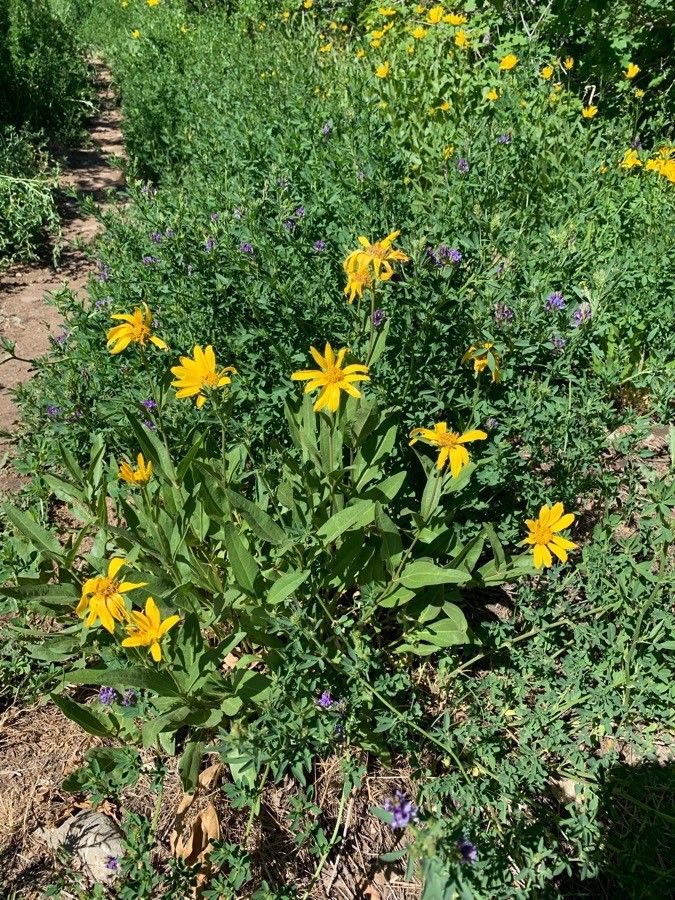
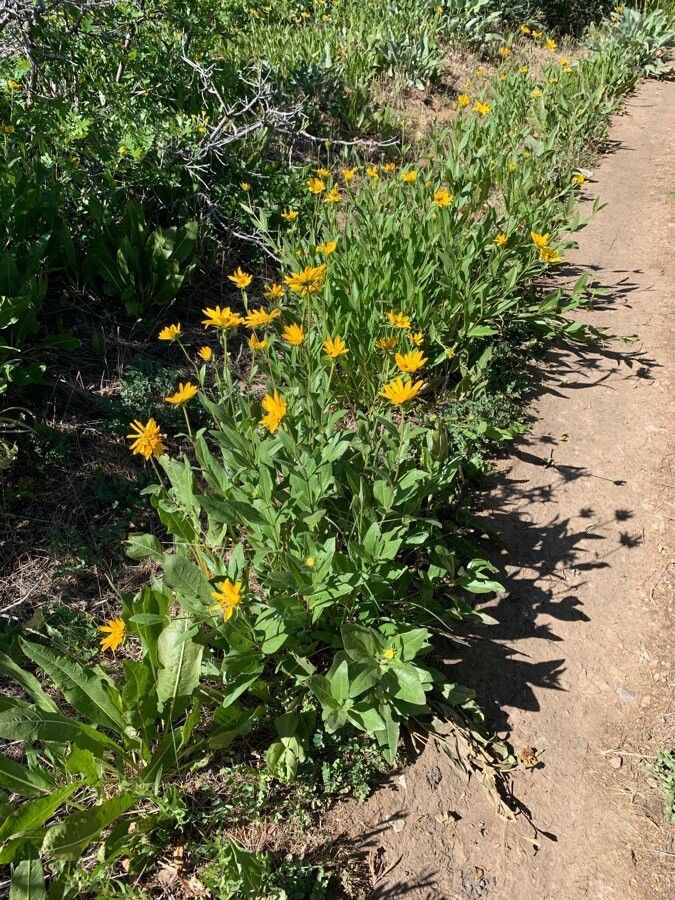
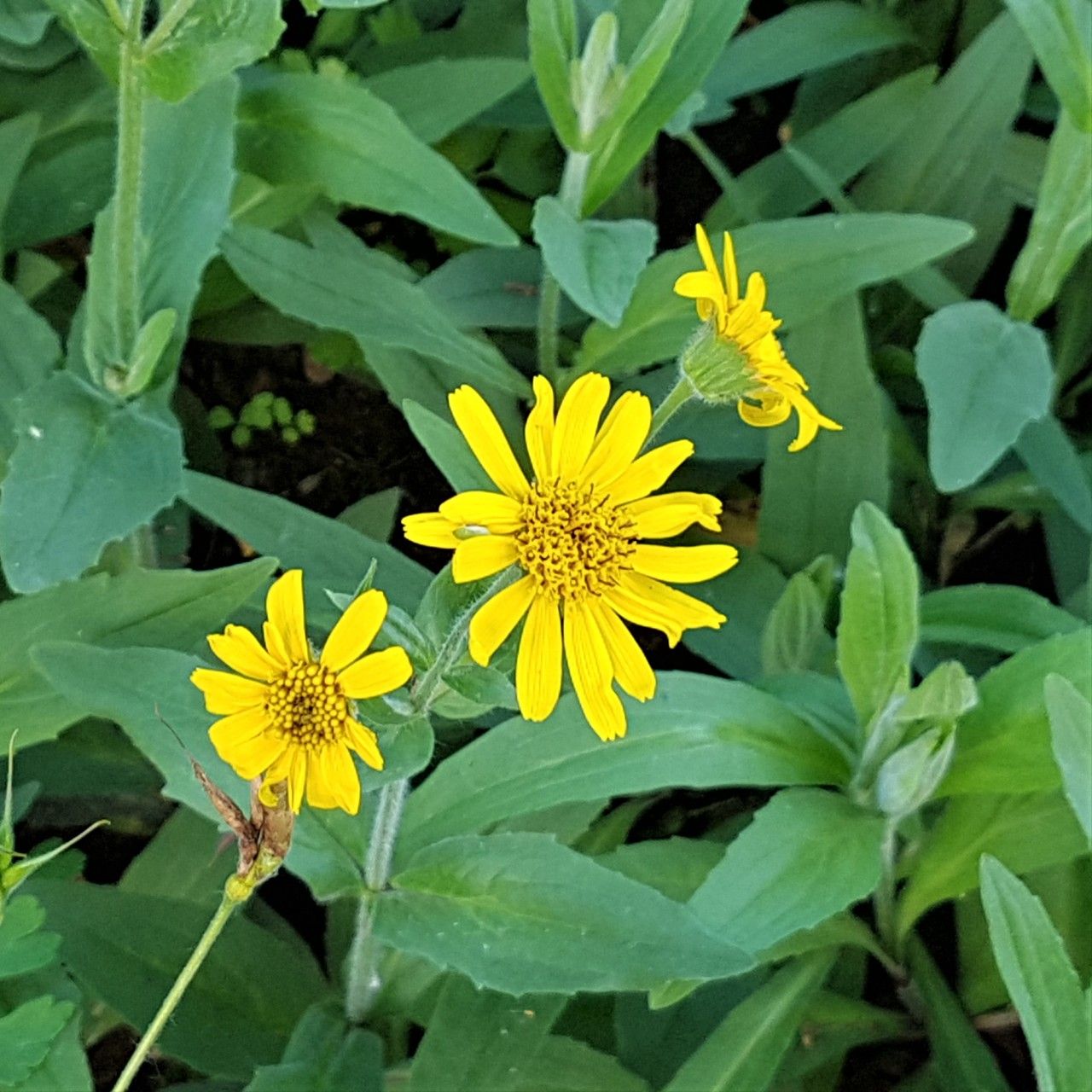
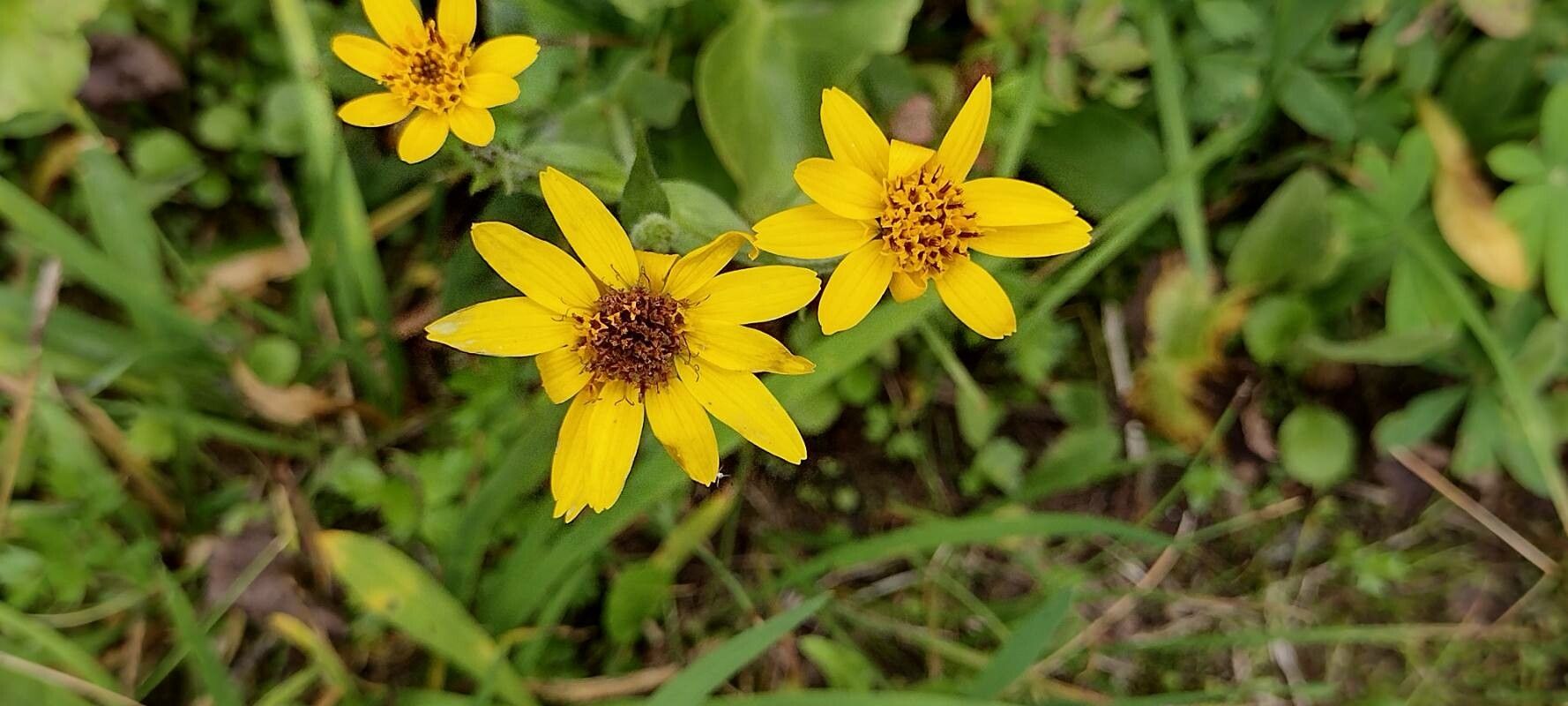
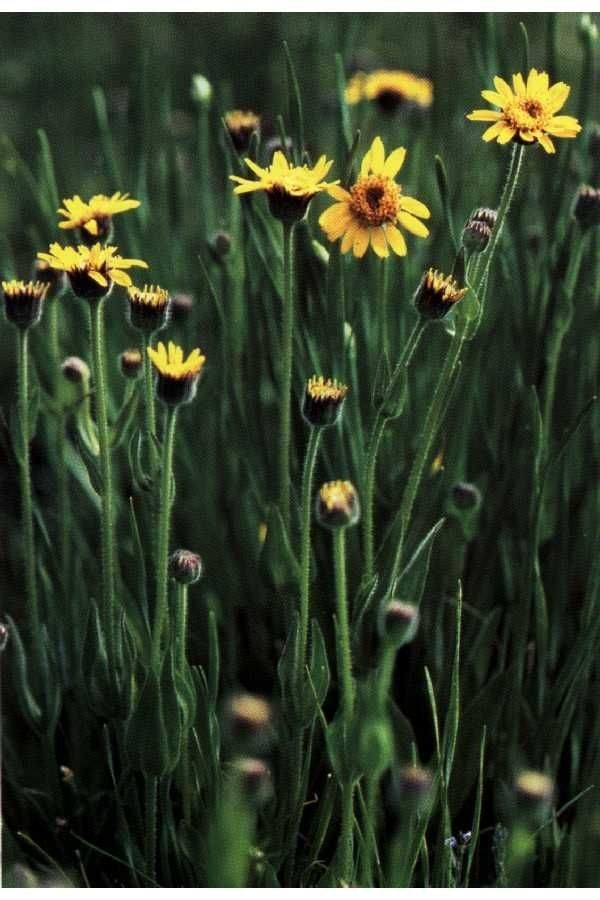
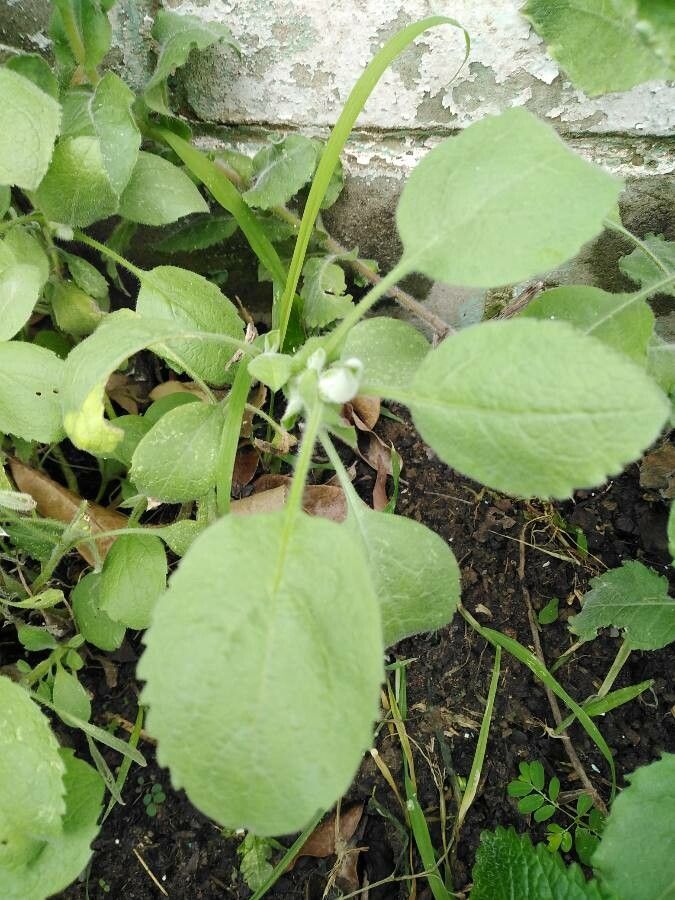
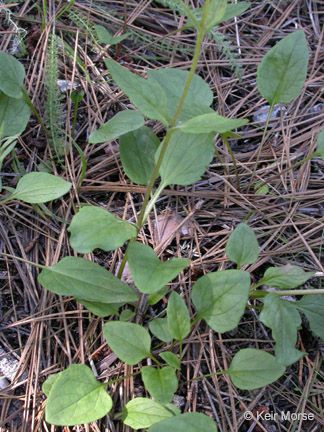
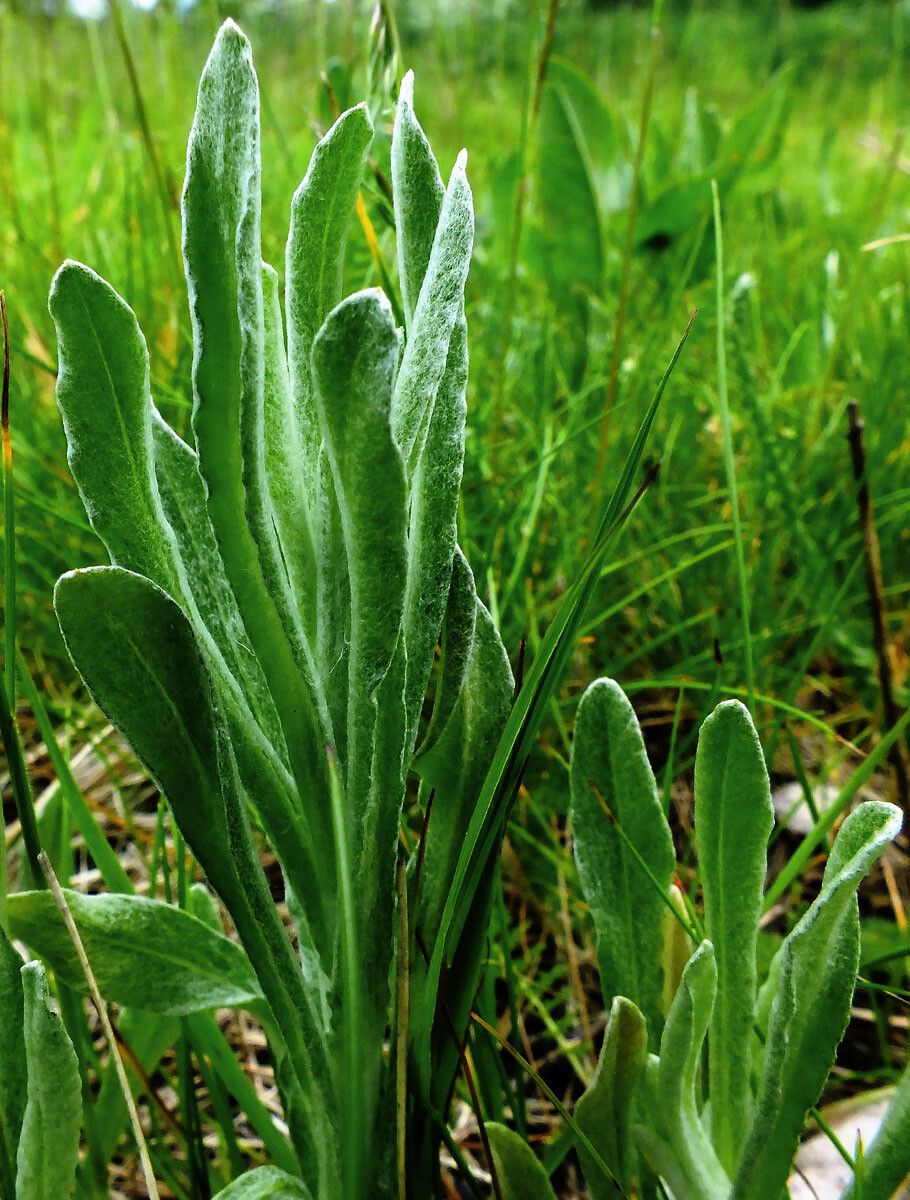
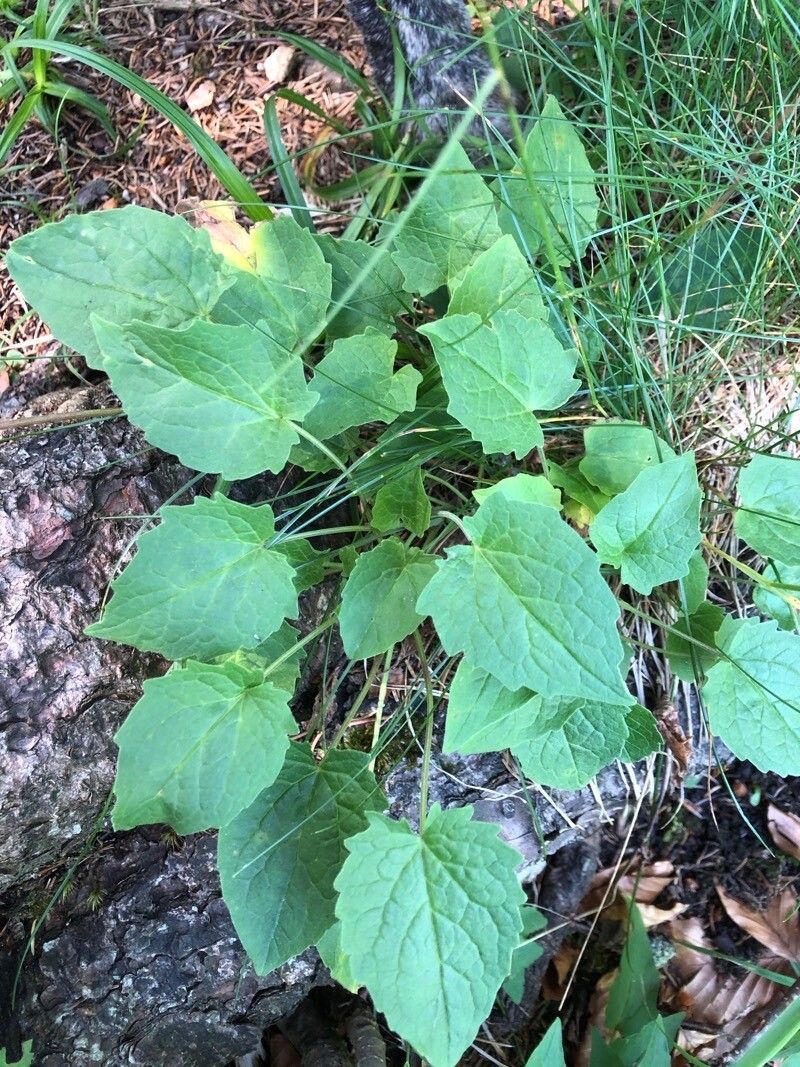
Arnica mollis is a North American species of arnica in the sunflower family, known by the common name soft arnica,: 113 or hairy arnica. It is native to Canada (British Columbia, Alberta, Quebec, and all 3 Arctic territories) and the United States (Alaska and the western mountains as far south as San Bernardino County, California and Rio Arriba County, New Mexico. There are also isolated populations in the White Mountains of Coos County, New Hampshire. The species grows in subalpine mountain habitat such as meadows and streambanks.Arnica mollis is a perennial herb producing one or more hairy, glandular, mostly naked stems 20 to 60 centimeters tall. There are 3 to 5 pairs of leaves along mainly the lower half of the stem, each oblong in shape and 4 to 20 centimeters in length.The inflorescence holds one to a few daisylike flower heads with centers of yellow disc florets and fringes of yellow ray florets. The fruit is an achene with a brownish pappus."Mollis" means "soft", referring to the soft hairs on the leaves.: 113
Hairy arnica is largely disease-resistant and typically not prone to illnesses. That said, it can be affected by pests and diseases present in its surroundings, though these issues are usually mild. Care-wise, the plant requires moderate maintenance. It should be pruned regularly to maintain a good appearance and healthy growth, and fertilizing can help encourage flowering. Hairy arnica is appropriate for anyone with outdoor space, like a garden or patio, and does not demand extensive care experience. It may need more attention if grown indoors.
How to keep Arnica Mollis.
Light
Hairy arnica is a sun-loving, perennial herbaceous plant that comes from open habitats and commonly grows in meadows and grasslands. It prefers full sun, though it can also tolerate partial sun conditions.
Water
Hairy arnica thrives in alpine meadows, where it enjoys moderate moisture and consistent rainfall. To mimic its natural habitat, it's important to water it weekly, especially during the growing season, to ensure optimal flowering. Being an herbaceous perennial, hairy arnica is best grown outdoors to take advantage of natural precipitation. Consistency in its care is essential for its healthy growth.
Temperature
Hairy arnica is native to temperate regions and thrives in temperatures from 41 to 95 °F (5 to 35 ℃). It can tolerate seasonal temperature shifts, but extreme heat or cold may be harmful.
Fertilizer
The best time to fertilize a Hairy arnica is in early spring, when it is coming out of dormancy and beginning active growth. Fertilization supplies essential nutrients for healthy growth. Although Hairy arnica has relatively low fertilizer requirements, applying fertilizer once a year can improve its survival and promote better, longer-lasting flowers.
Pruning
Hairy arnica is a perennial herb that features soft, hairy leaves and bright yellow flowers. To maintain its health and beauty, follow these care tips: Prune the plant in early spring to encourage new growth, and trim it again after flowering to maintain its shape. Be sure to remove any spent blooms to boost flowering and reduce the risk of disease. With regular care, this plant will thrive.
Botanical profile.
- Plant Type
- Herb
- Life Cycle
- Perennial
- Genus
- Arnica
- Family
- Asteraceae
- Hardiness Zone
- 4-9
- Mature Height
- 15 cm to 61 cm
- Mature Spread
- 20 cm to 30 cm
- Leaf Color
- Green
- Leaf Type
- Deciduous
- Flower Color
- Yellow, Gold
- Flower Size
- 5.08 cm to 6.35 cm
- Bloom Time
- Early summer, Mid summer
- Planting Time
- Spring, Summer, Autumn
- Harvest Time
- Late summer, Early fall
Other names.
Reader questions.
What is Hairy Arnica and where is it native to?
Hairy arnica, with its botanical name Arnica mollis, is native to temperate climates. It thrives in environments where temperatures range from 41 to 95 °F (5 to 35 °C), making it adaptable to various seasonal temperature fluctuations. Despite its strong cold resistance, it's important to note that extreme conditions, either hot or cold, can be detrimental to its health.
Does Hairy Arnica need special frost protection during winter?
Hairy arnica possesses strong cold resistance, eliminating the need for special frost protection measures in typical winter conditions. However, if temperatures are expected to plummet below -30°C, it's crucial to provide additional protection. This can be achieved by covering the plant with soil, straw, or other insulating materials. Also, watering the plant abundantly before the first freeze in autumn ensures that the soil remains moist, thus protecting the plant from drought and scarcity of water during the colder months.
How does Hairy Arnica react to low temperatures?
Hairy arnica is notably cold-tolerant, thriving best in temperatures above 5°C and ideally kept above -25°C during the winter. When temperatures fall below -30°C, you might not notice any immediate changes; however, such conditions can lead to decreased sprouting or even prevent sprouting in the spring. To address this, it's recommended to remove any parts of the plant that have failed to sprout as spring arrives.
What should be done if Hairy Arnica is exposed to high temperatures?
During the summer months, maintaining Hairy arnica below 35°C is important to prevent stress from high temperatures. If temperatures soar above 38°C, the leaves may become lighter, curl, and even sustain sunburn, potentially leading to the wilting and drying out of the plant. To combat these issues, trim away any sunburned or dried-up parts of the plant. Relocating the plant to a shadier location or using a shade cloth can protect it from the harsh midday and afternoon sun. Additionally, watering the plant in the morning and evening can help keep the soil moist, aiding in the plant's overall health and resilience.