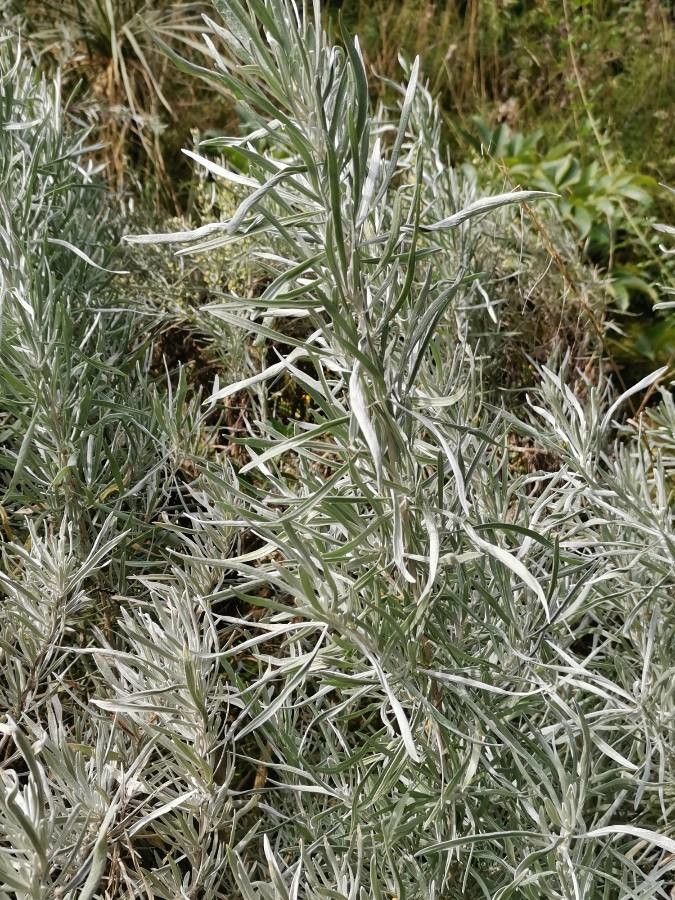
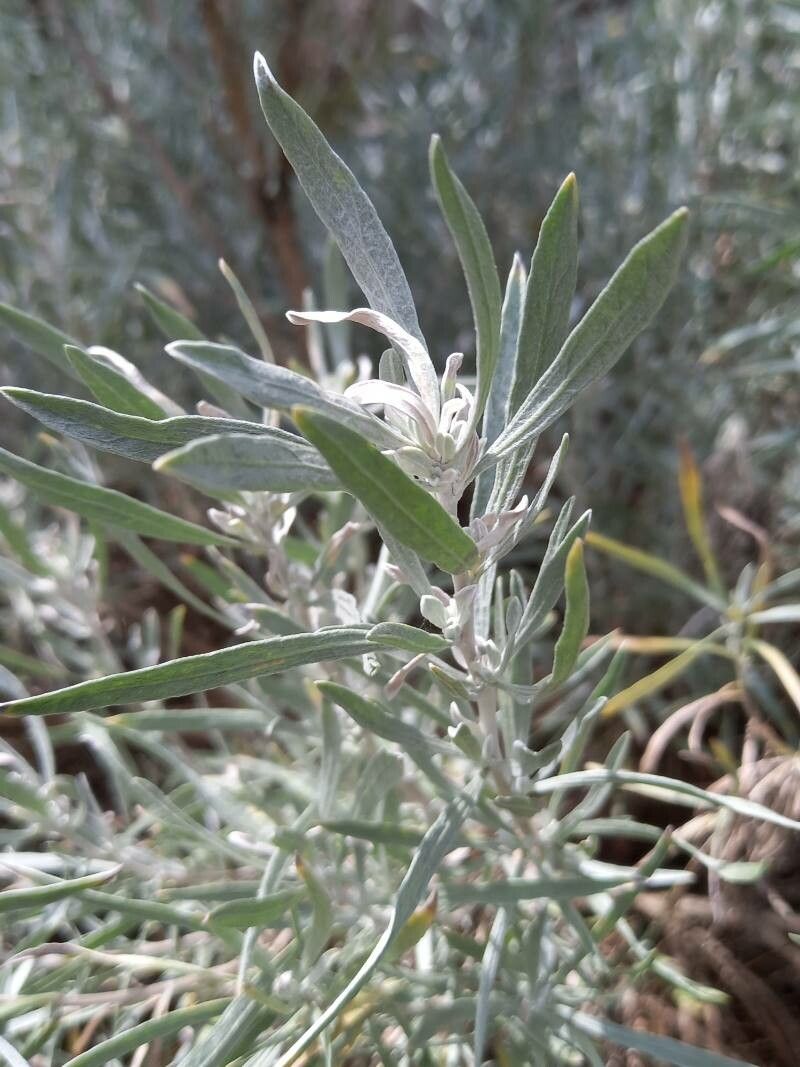
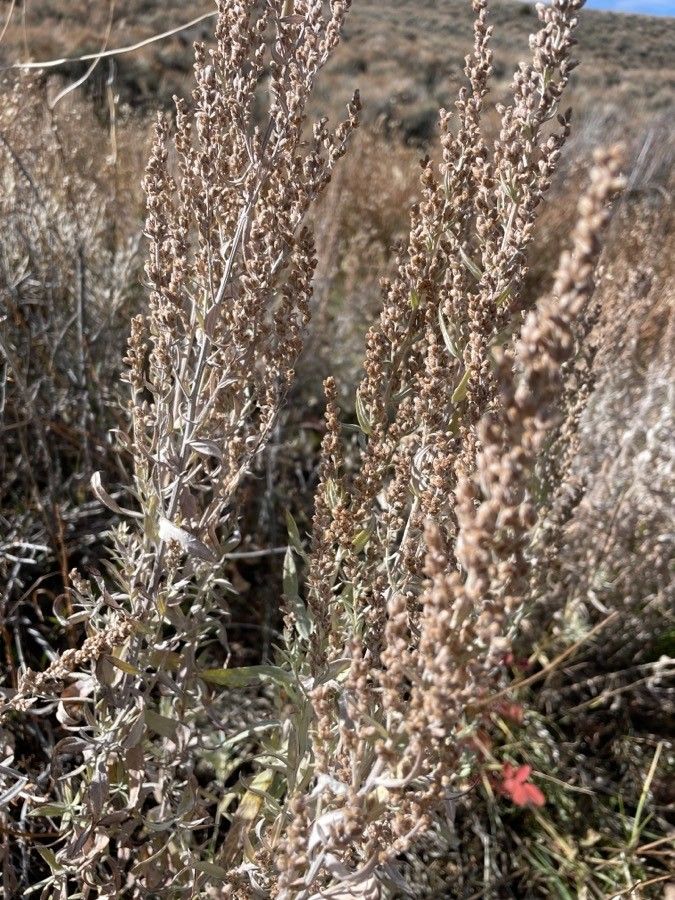
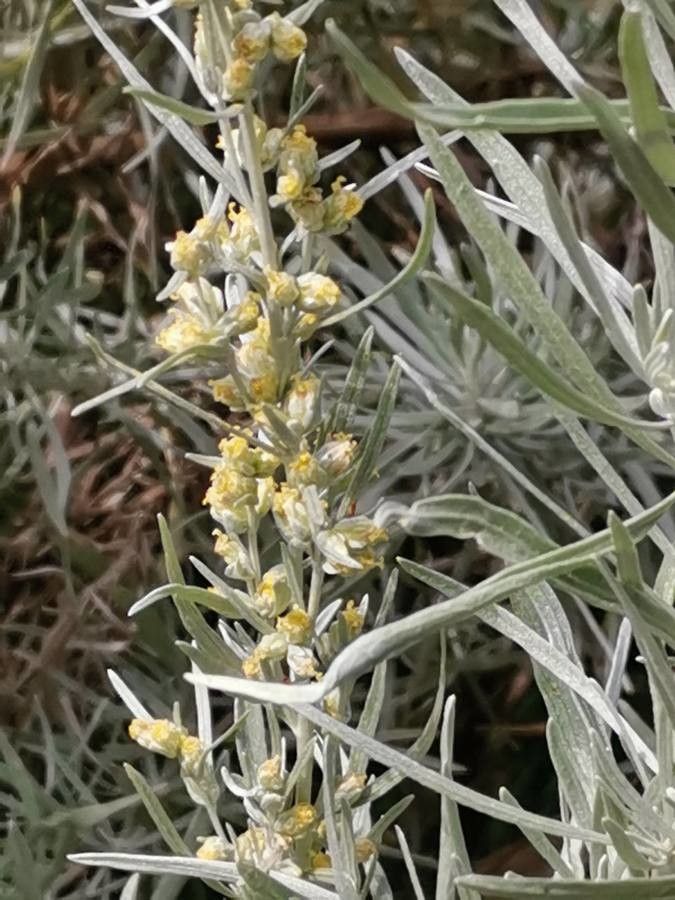
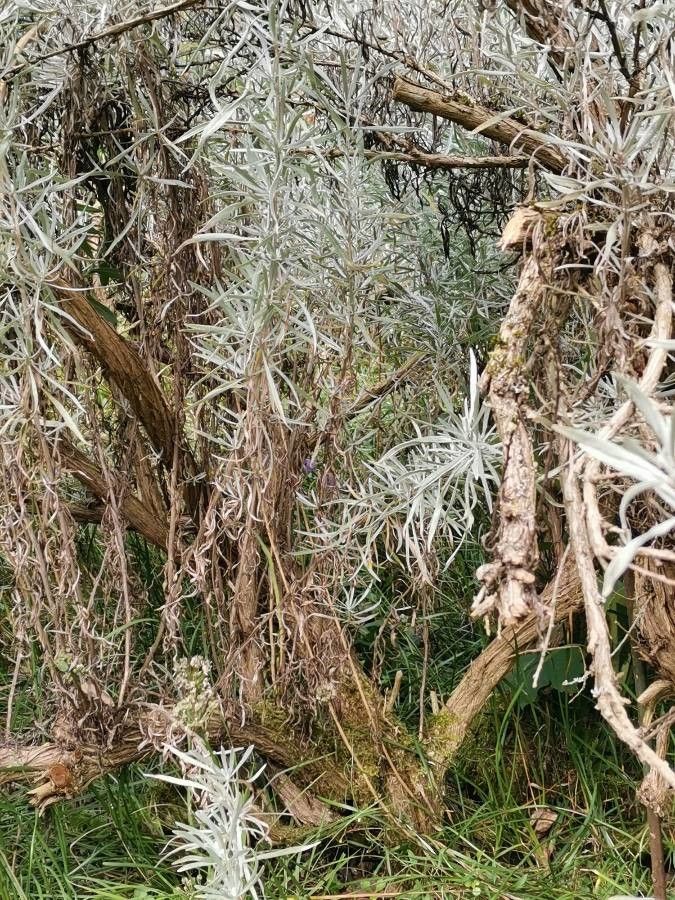
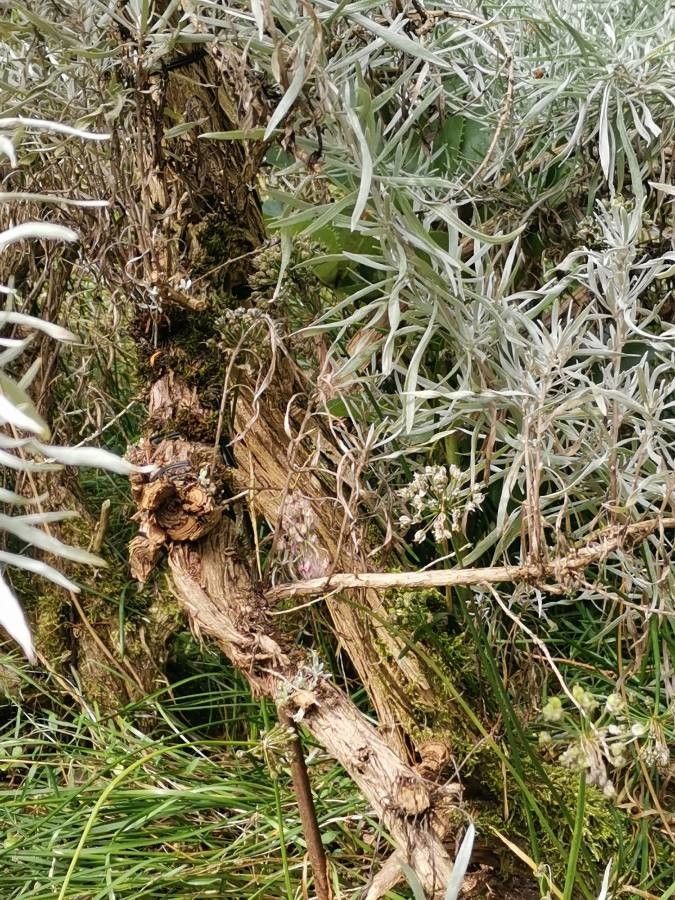
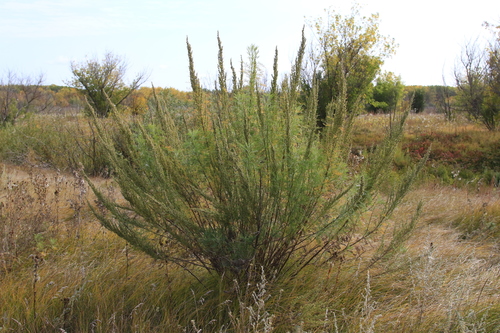
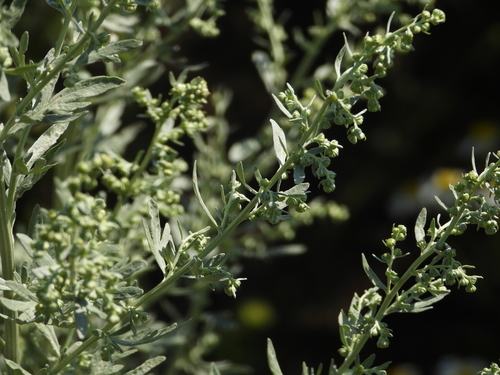
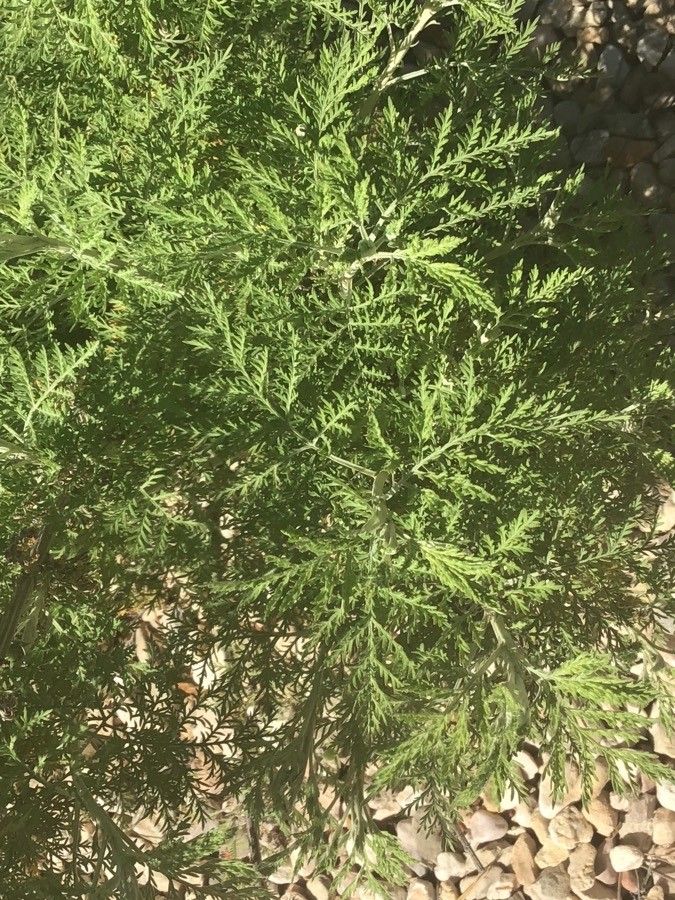
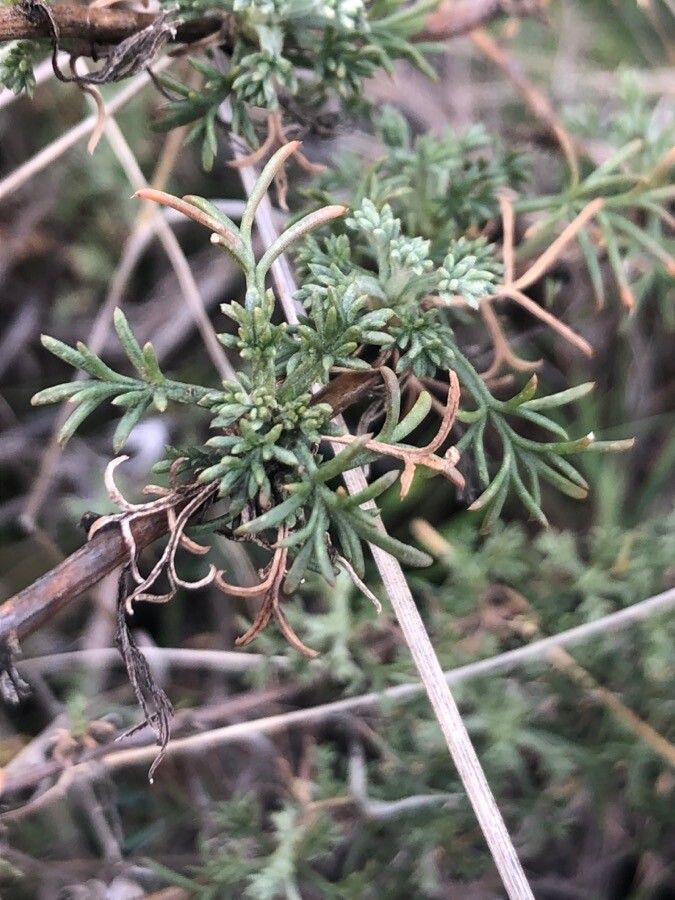
Artemisia cana is a species of sagebrush native to western and central North America, a member of the sunflower family. It is known by many common names, including silver sagebrush, sticky sagebrush, silver wormwood, hoary sagebrush, and dwarf sagebrush.
Silver sagebrush is fairly resistant to disease and normally does not suffer from illnesses. Regarding care, this plant is low-maintenance. Planted outdoors it needs minimal watering, and larger plants usually do not require pruning. Smaller plants, however, should be pruned after they have finished blooming. Silver sagebrusht is suitable for anyone with an outdoor area, such as a garden or deck, and does not demand extensive care experience.
How to keep Artemisia Cana.
Light
Silver sagebrush comes from open habitats, like sunlit meadows and forest margins, that provide abundant light. It thrives in full sun but can also tolerate partial sun, adapting well to a range of sunlight conditions.
Water
Silver sagebrush, native to arid regions, is highly drought-tolerant and only needs watering every 2-3 weeks. It thrives outdoors in well-draining soil, which prevents root rot and mimics its natural habitat, thereby optimizing its water use efficiency.
Temperature
Silver sagebrush is highly adaptable to a variety of climate conditions, whether very hot summers or cold winters. However, it does have an ideal temperature range for growth. When temperatures become excessively high, the plant is susceptible to heat and humidity stress, which can result in its death. In areas where temperatures approach the lower limit of its cold tolerance, it is important to take insulation measures to protect the plant.
Fertilizer
Fertilize your Silver sagebrush in early spring to encourage healthy growth. Regular feeding improves overall health, producing vigorous growth, greater tolerance of harsh conditions, and increased resistance to pests and diseases. Keep a consistent fertilization schedule for your Silver sagebrush to preserve lush foliage with deep, vibrant color.
Pruning
To enhance the growth and shape of silver sagebrush, it's beneficial to prune it in early spring. Start by removing any dead branches to improve air circulation. Light pruning helps increase the plant's density, while more severe pruning can rejuvenate older plants. However, be sure to limit your cuts to no more than one-third of the plant at a time to minimize stress. By doing so, you can ensure that your silver sagebrush thrives in the garden.
Botanical profile.
- Plant Type
- Shrub
- Life Cycle
- Perennial
- Genus
- Artemisia
- Family
- Asteraceae
- Hardiness Zone
- 3-9
- Mature Height
- 30 cm to 91 cm
- Mature Spread
- 30 cm to 61 cm
- Leaf Color
- Silver, Gray
- Leaf Type
- Semi-evergreen
- Flower Color
- Yellow
- Flower Size
- 0.25 cm to 0.51 cm
- Bloom Time
- Mid summer, Late summer, Early fall
- Planting Time
- Spring, Summer, Autumn
- Harvest Time
- Early fall, Mid fall
Other names.
Reader questions.
What is the botanical name for Silver sagebrush?
The botanical name for Silver sagebrush is Artemisia cana. This particular species is known for its unique characteristics and belongs to the Artemisia genus.