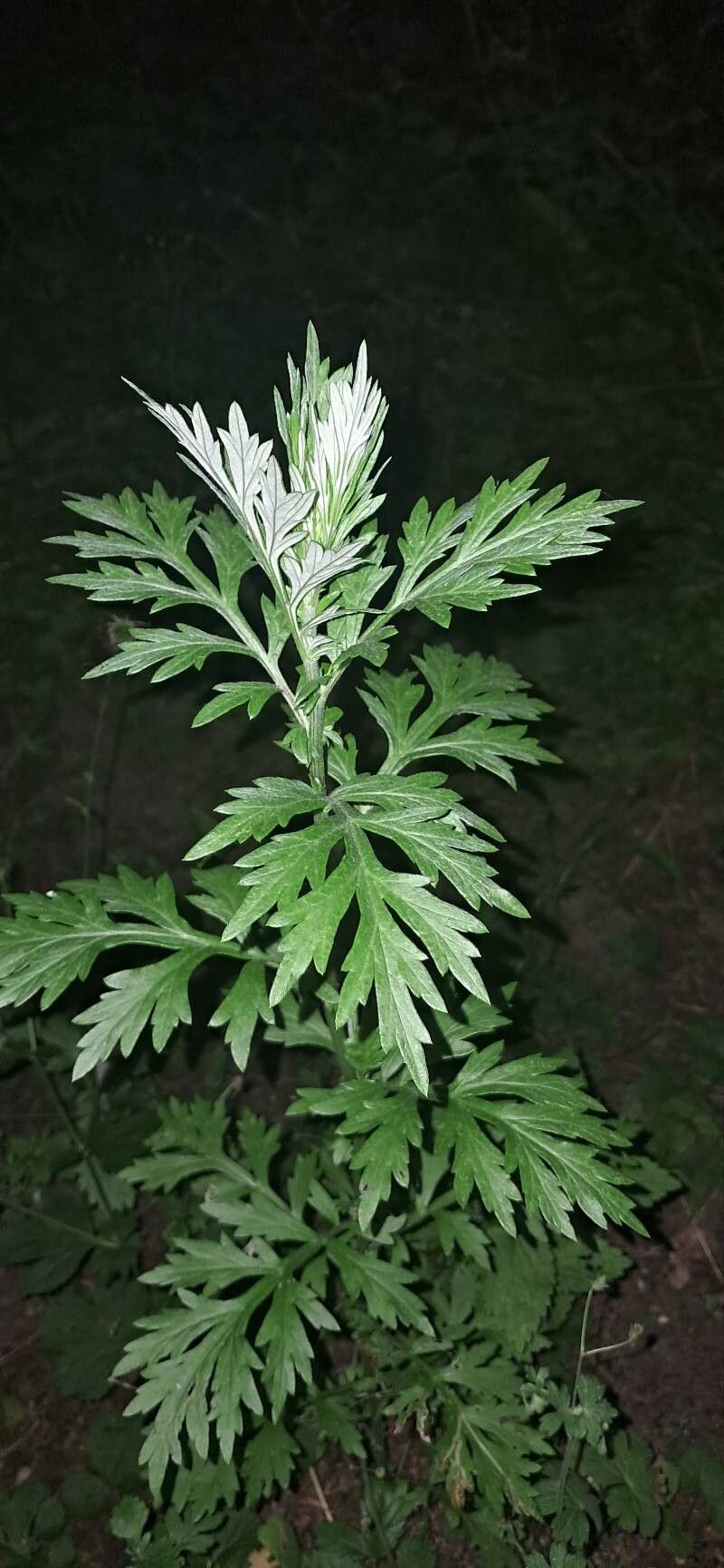
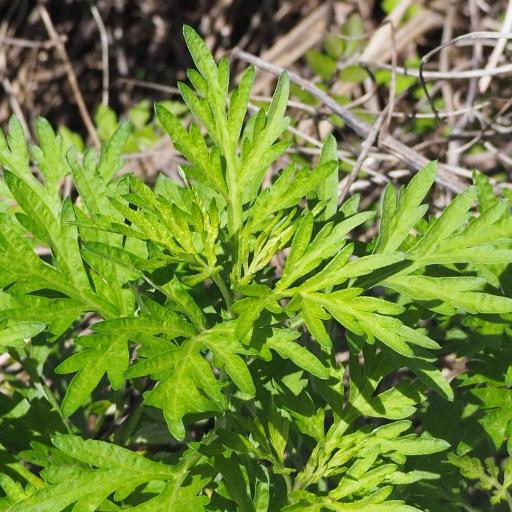
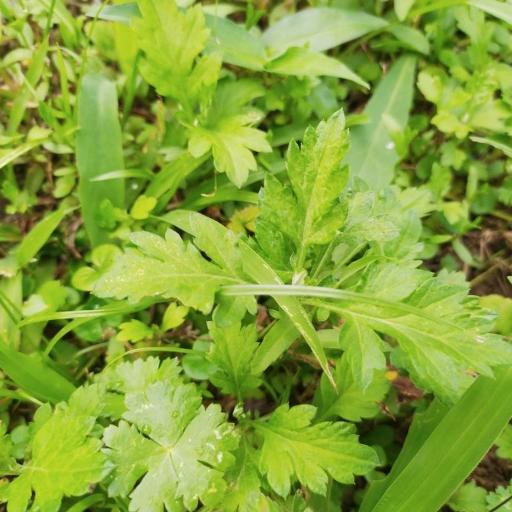
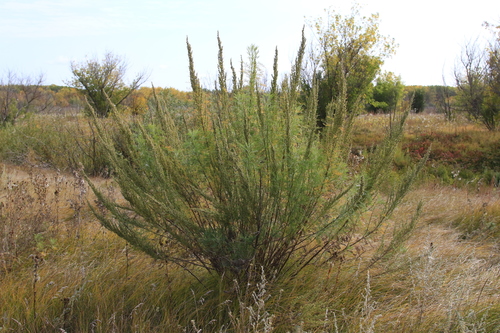
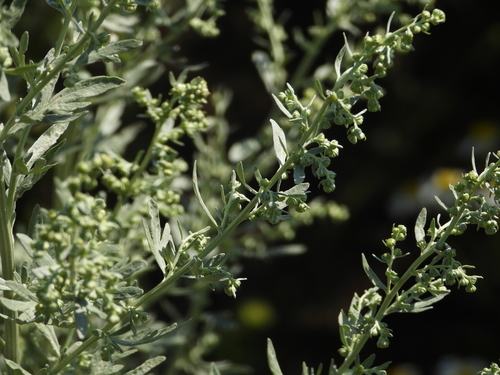
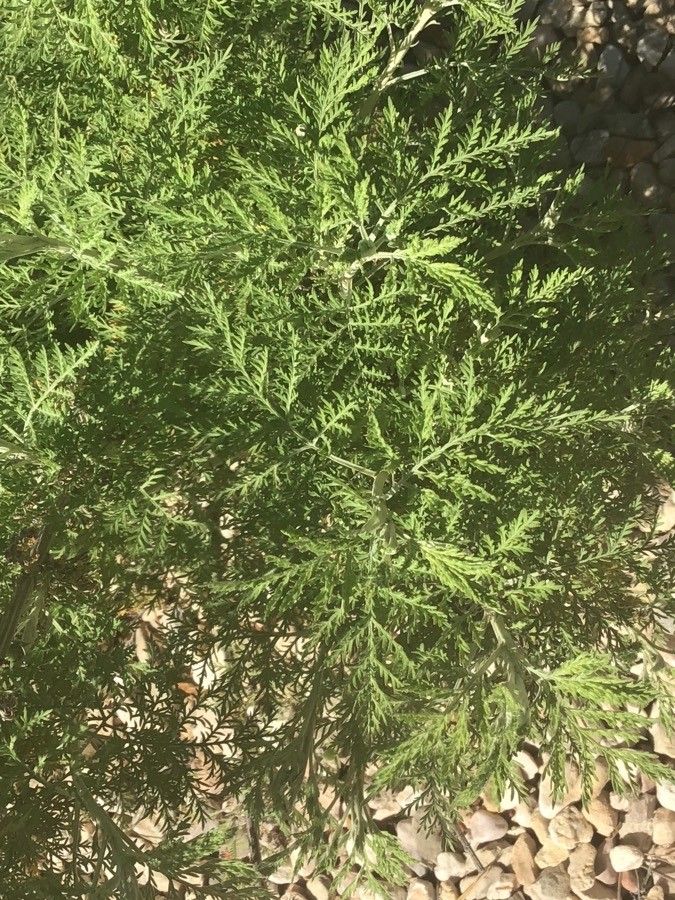
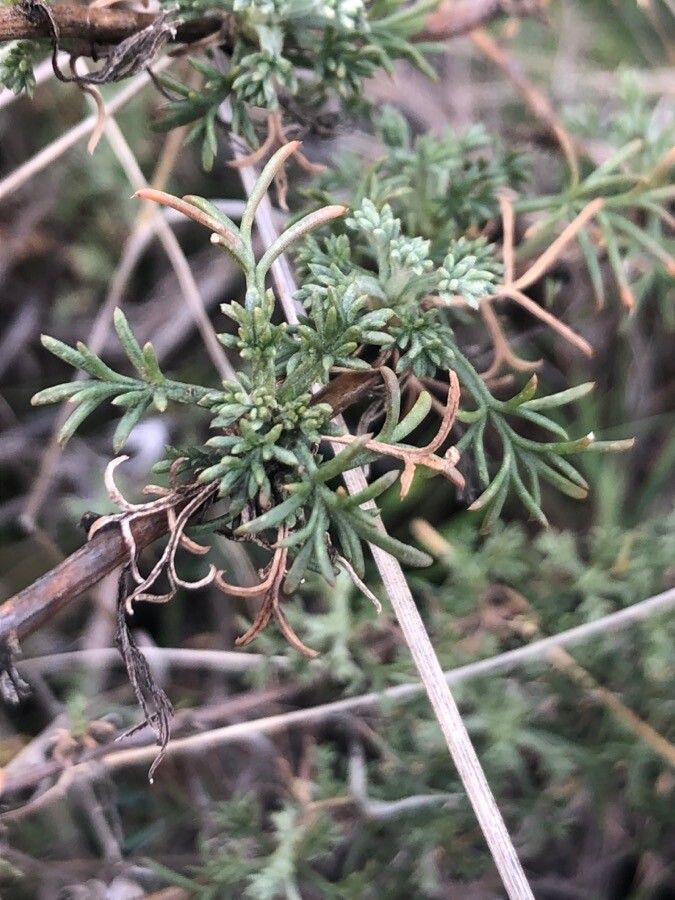
Artemisia indica, the Indian wormwood, is a widespread species of flowering plant in the family Asteraceae. It is native to the Indian Subcontinent, mainland Southeast Asia, China, Taiwan, the Philippines, Korea, the Ryukyu Islands, and Japan, and it has been introduced to Peninsular Malaysia. In the wild it is typically found alongside roads, on slopes, in forest edges, and in scrublands at elevations below 2,000 m (6,600 ft).
Japanese mugwort has moderate resistance to disease but can be prone to problems like leaf spot. Its vulnerability to insect pests varies by variety, though most are less resistant to pests. For care, Japanese mugwort requires regular watering and fertilizing, along with frequent pruning of yellowing leaves. It’s important to manage pests and diseases when they occur and to harvest the plant at the appropriate time. Japanese mugwort is appropriate for people who can dedicate some time and effort to regular upkeep.
How to keep Artemisia Indica.
Light
Japanese mugwort is a plant that flourishes in full sunlight yet can also tolerate areas with reduced sun exposure. It originates in habitats with abundant sunlight. However, too much sun can cause wilting, and being defoliated may impede its growth.
Water
Japanese mugwort flourishes in moist environments and needs regular watering to stay healthy. As a herbaceous perennial, its growth depends on the availability of water. Therefore, it is essential to water it weekly and pay extra attention to irrigation during its active growing seasons to maintain its lush foliage and overall vitality.
Temperature
Japanese mugwort originates in climate zones where typical temperatures fall between 68 and 95 °F (20 and 35 °C). For best growth, maintain temperatures within that range year-round. Deviations may require adjustments by season.
Fertilizer
To get the best yield and taste from Japanese mugwort, provide sufficient nitrogen through the entire growing period, from before planting until harvest. Keeping plants well-watered and properly fertilized encourages plentiful, healthy leaves and helps prevent bitterness. Before planting, improve the soil with organic matter such as compost or manure, preferably 2 to 8 weeks beforehand.
Pruning
To help Japanese mugwort thrive, it's important to prune it regularly, preferably from early to late spring. Trim off any dead stems to promote healthy growth and thin out dense areas to improve air circulation. Always use clean, sharp tools to avoid damaging the plant and to prevent infections. This will encourage the growth of a fuller and more vigorous plant.
Botanical profile.
- Plant Type
- Herb
- Life Cycle
- Perennial, Annual
- Genus
- Artemisia
- Family
- Asteraceae
- Hardiness Zone
- 6-9
- Mature Height
- 0.76 m to 1.52 m
- Mature Spread
- 49 cm to 91 cm
- Leaf Color
- Green, Blue
- Leaf Type
- Evergreen
- Flower Color
- Yellow
- Flower Size
- 0.20 cm to 0.25 cm
- Bloom Time
- Late summer, Early fall, Mid fall
- Planting Time
- Spring, Summer, Autumn
- Harvest Time
- Fall
- Native Area
- Nepal, Sri Lanka, India, Japan, Myanmar, Bhutan, Pakistan, Laos, South Korea, Thailand, China
Other names.