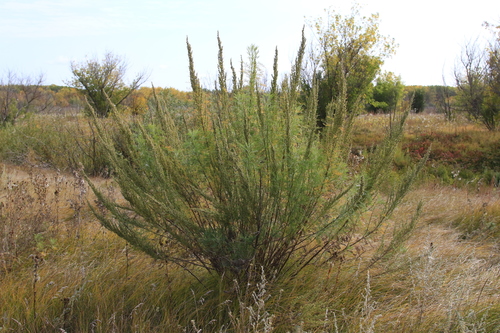
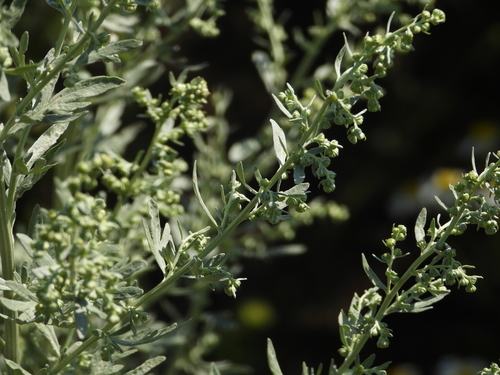
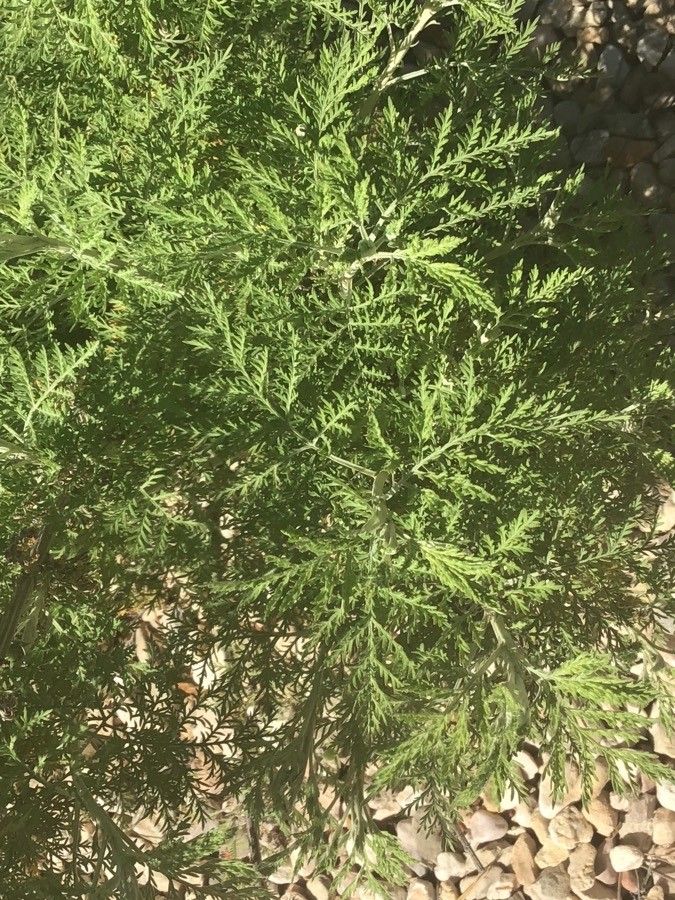
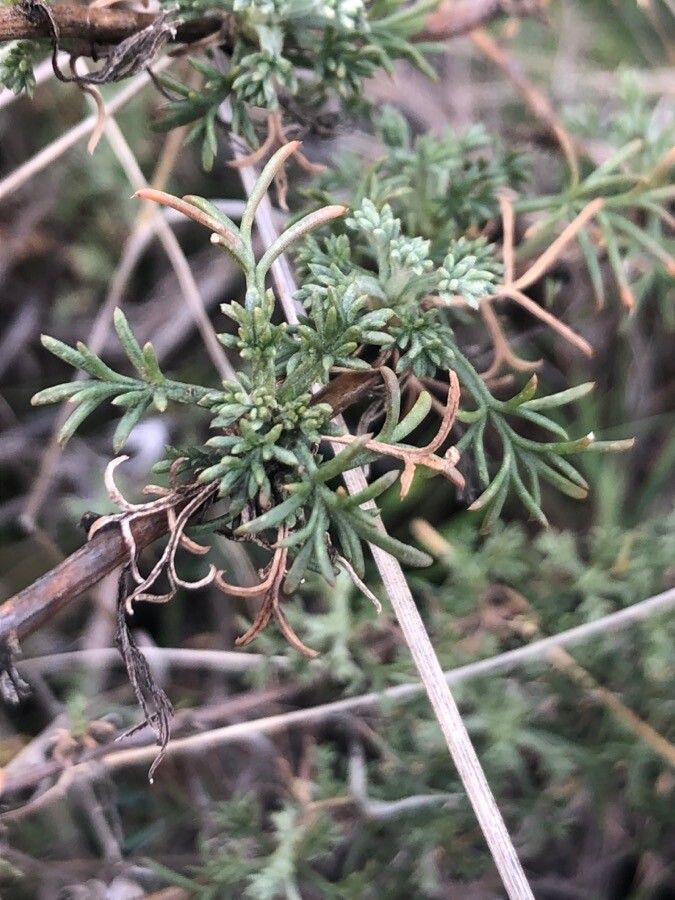
Artemisia tripartita is a species of flowering plant in the aster family known by the common name threetip sagebrush. It is native to western North America from British Columbia to Nevada and Montana to Colorado. It covers about 8.4 million acres (3.4 million hectares) of the Rocky Mountains and Great Basin.
Threetip sagebrush has strong disease resistance and is generally not prone to illnesses. Regarding care, this plant is fairly low maintenance. Planted outdoors it needs minimal watering, and larger specimens typically do not require pruning. Smaller plants, however, should be pruned after they have bloomed. Threetip sagebrush is suitable for anyone with outdoor space, such as a garden or a deck, and does not call for extensive gardening experience.
How to keep Artemisia Tripartita.
Light
Threetip sagebrush comes from open habitats, like sunny meadows and forest margins, where light is plentiful. It does best in Full Sun but can also endure Partial Sun, showing adaptability to a range of light conditions.
Water
Native to arid regions, threetip sagebrush thrives with minimal water, needing only a watering every 2-3 weeks. It prefers well-draining soil to prevent waterlogging, which promotes healthy root development and mimics its natural dry habitat, thereby enhancing its drought tolerance.
Temperature
Threetip sagebrush is highly adaptable to a range of climate conditions, whether facing scorching summers or cold winters. Nevertheless, it has an optimal temperature range for growth. When temperatures become too high, the plant is vulnerable to heat and humidity stress, which can lead to its death. In areas where temperatures near its lower cold-tolerance limit, it is important to provide insulation to protect the plant.
Fertilizer
Fertilize your Threetip sagebrush in early spring to encourage healthy growth. Consistent feeding improves overall health, leading to vigorous growth, greater tolerance of harsh conditions, and stronger resistance to pests and disease. Keep to a regular fertilization schedule for your Threetip sagebrush to maintain vibrant, richly colored, and lush foliage.
Pruning
Threetip sagebrush, recognized for its aromatic and finely divided leaves, is an excellent choice for xeriscaping. To promote good air circulation and stimulate new growth, prune the plant between early and late winter, taking care to remove any old, woody stems. Proper pruning not only improves the shape, health, and longevity of threetip sagebrush but also helps prevent disease and supports vigorous development in the spring.
Botanical profile.
- Plant Type
- Shrub
- Life Cycle
- Perennial
- Genus
- Artemisia
- Family
- Compositae
- Hardiness Zone
- 6-9
- Mature Height
- 1.83 m
- Mature Spread
- 30 cm to 49 cm
- Leaf Color
- Green, Blue
- Leaf Type
- Evergreen
- Flower Color
- Yellow, Green
- Flower Size
- 0.51 cm to 1.02 cm
- Bloom Time
- Mid summer, Late summer, Early fall
- Planting Time
- Spring, Summer
- Harvest Time
- Fall
Other names.
Reader questions.
What are the optimal growth conditions for Threetip sagebrush?
Threetip sagebrush, known botanically as Artemisia tripartita, thrives in a range of climate conditions, showing great adaptability to both hot summers and cold winters. Ideal growth occurs within its optimal temperature range. To protect the plant in very cold weather, insulation measures might be needed, especially if temperatures fall near its lower cold tolerance limit. Though the plant has strong cold resistance, in extreme cases where winter temperatures drop below -25°C, precautions such as wrapping the trunk and branches with non-woven fabric or cloth are advisable. Additionally, watering the plant abundantly before the first freeze of autumn to ensure the soil remains moist can help prevent drought and water scarcity during the colder months.
How does Threetip sagebrush react to extreme temperatures?
Threetip sagebrush is notably tolerant of a wide temperature range but exhibits certain reactions to extreme temperatures. During winters, it fares well above -15°C but can endure down to -25°C. If temperatures fall below this threshold, you may not notice immediate damage, but come spring, the plant may show brittleness and dryness in branches, failing to produce new shoots. In contrast, summer temperatures should ideally stay below 35°C. When the mercury rises above 38°C, the sagebrush's leaves may lighten in color, and tips can dry and wither, increasing susceptibility to sunburn. To address these issues, dead branches should be pruned in spring, and sunburned or dried parts removed during summer. Adjusting the plant's location or using shade cloth to protect it from intense sun, alongside regular watering in the morning and evening, can also be beneficial.