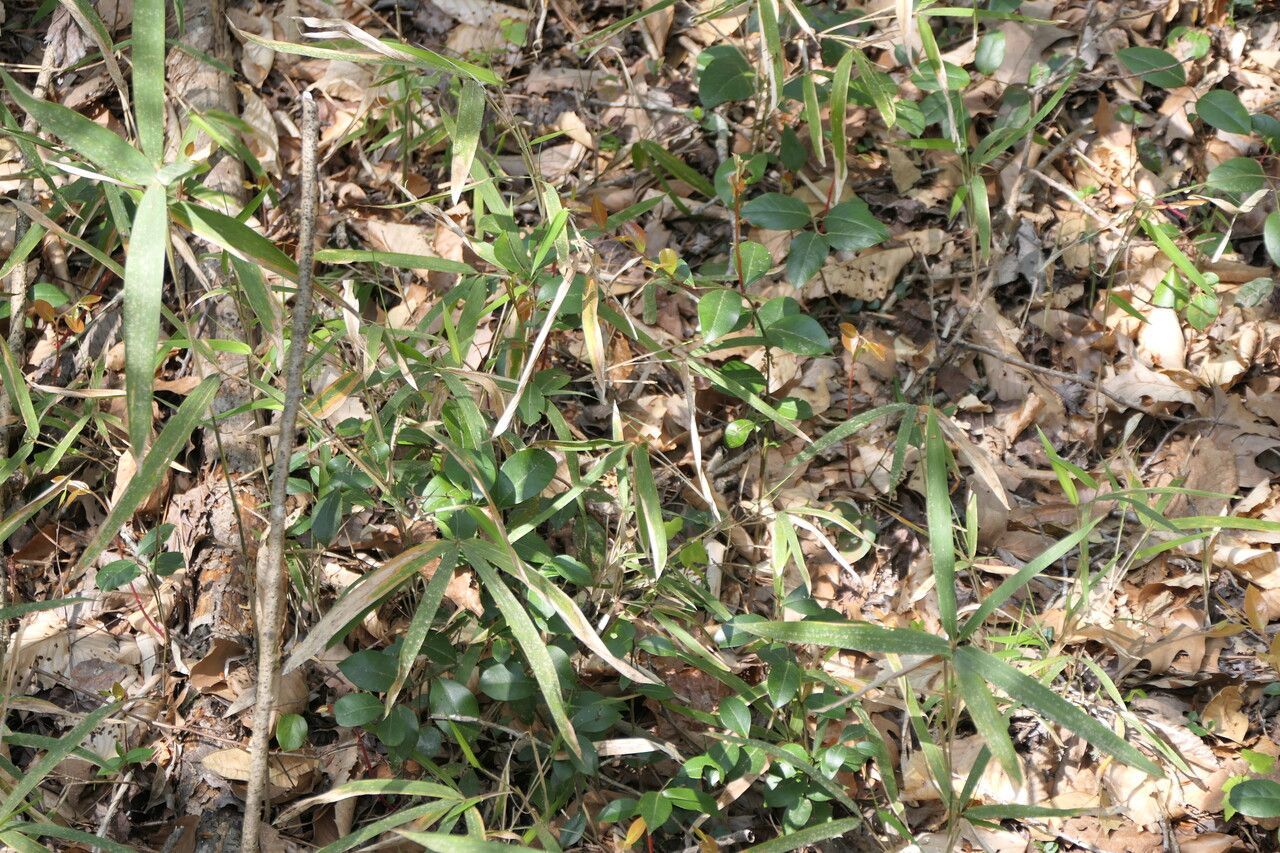
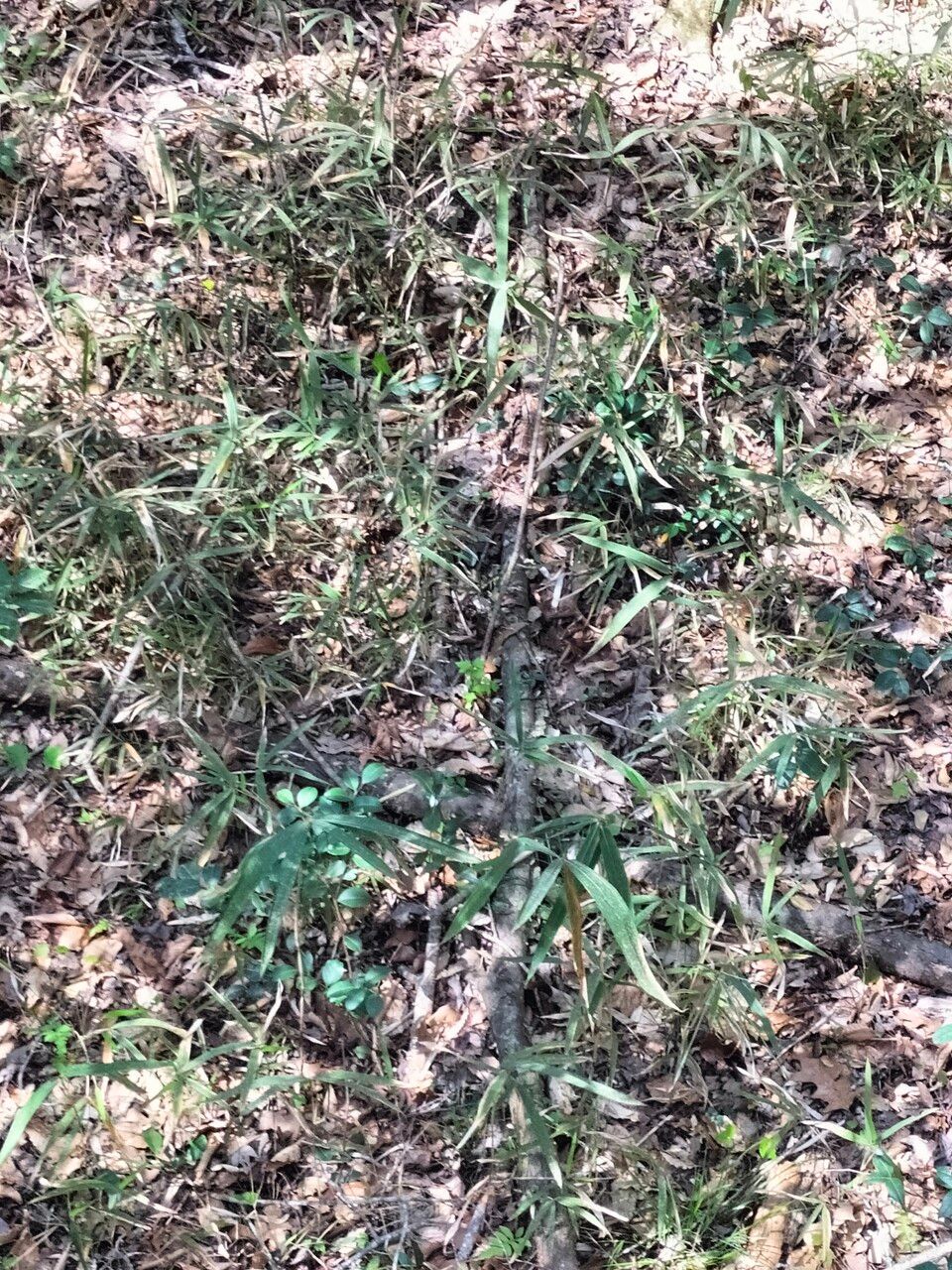
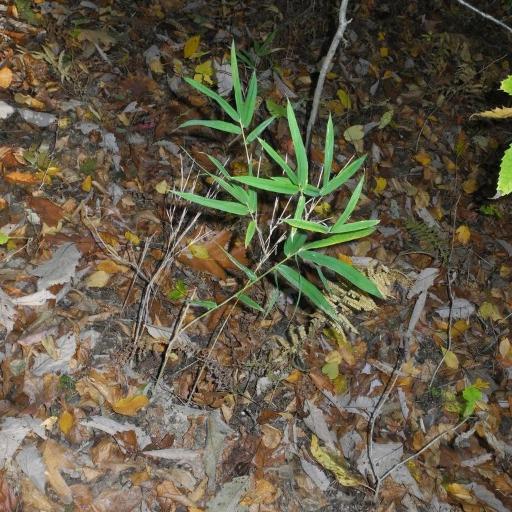
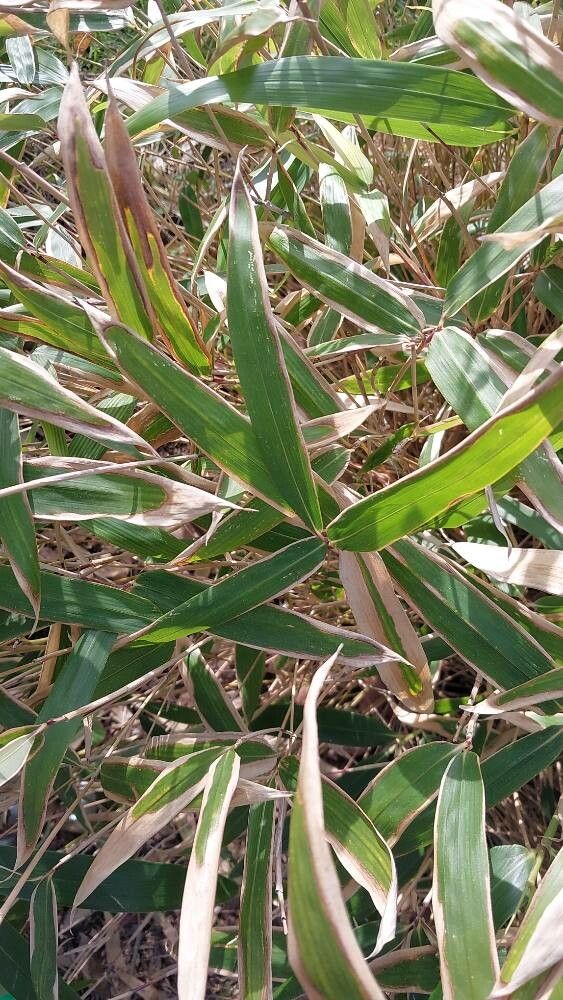
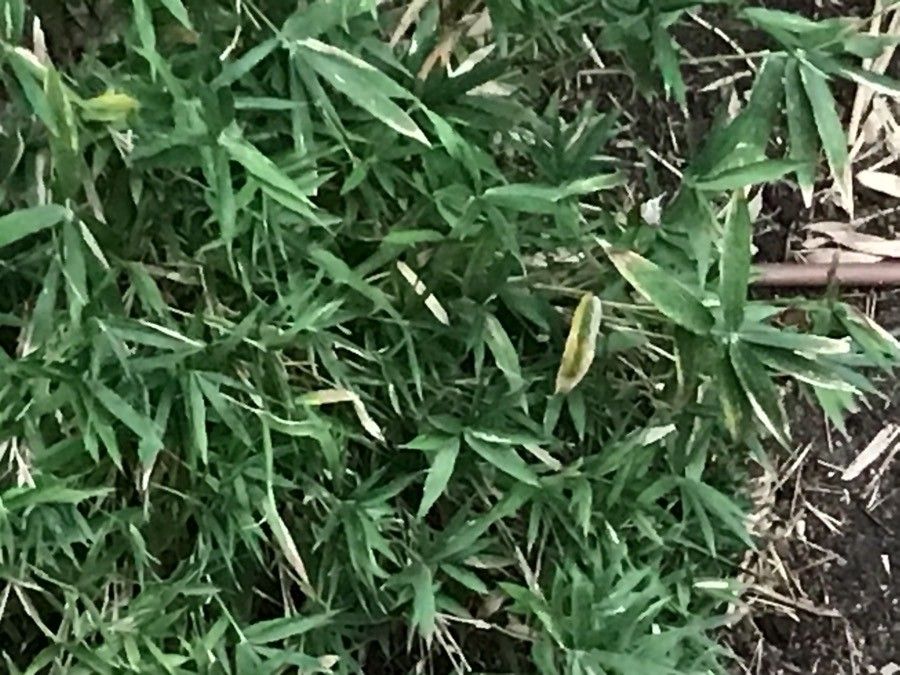
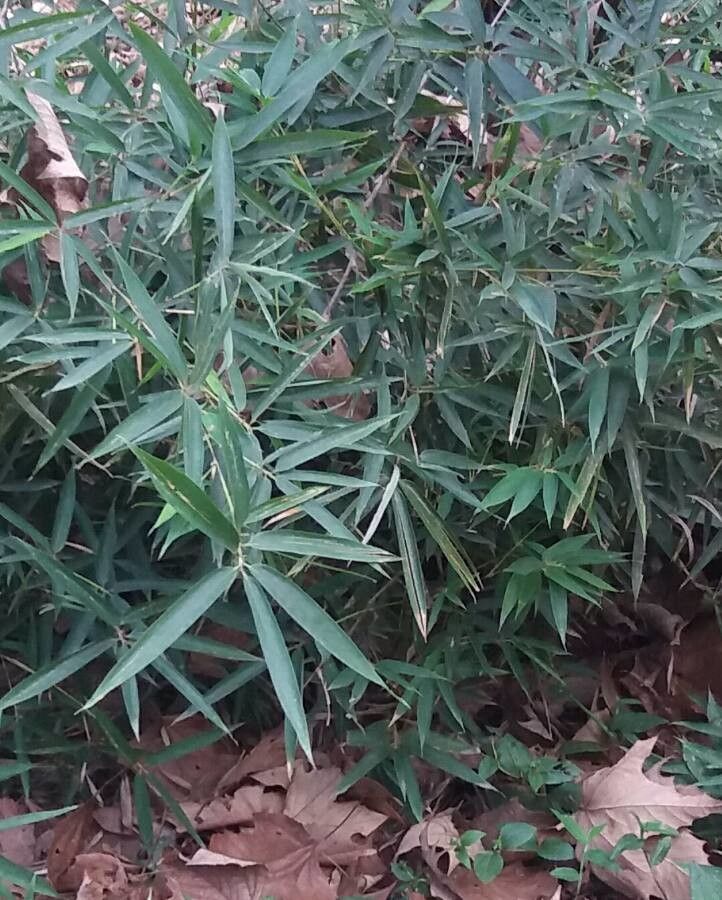
Arundinaria tecta, or switchcane, is a bamboo species native to the Southeast United States, first studied in 1813. It serves as host to several butterfly species. The species typically occurs in palustrine wetlands, swamps, small to medium blackwater rivers, on deep peat in pocosins, and in small seepages with organic soils.
Switchcane shows good resistance to disease and is generally not susceptible to illnesses. Regarding care, this plant is relatively low-maintenance. When planted outdoors, it needs minimal watering, and larger plants generally do not require pruning. However, smaller plants should be pruned after they have bloomed. Switchcanet is suitable for anyone with an outdoor space, such as a garden or deck, and does not require much care experience.
How to keep Arundinaria Tecta.
Light
Switchcane does best with a generous amount of daylight. It can also tolerate a canopy that provides scattered light, although that is less ideal. Excessive sunlight may cause harm, while too little sun exposure can hinder its vigour or vigor. Its native setting, thick forests, suggests it can adapt to varying light conditions.
Water
Switchcane thrives in humid environments by maintaining moisture levels in its tissues. While it can tolerate brief periods of dryness, it requires weekly watering to stay healthy. When grown outdoors, switchcane benefits from natural rainfall, which supports its growth during important developmental stages.
Temperature
Switchcane performs best in climates where temperatures range from 50 to 95⁰F (10 to 35⁰C). This perennial favors warm seasons but can tolerate temperate conditions. For best results, regulate temperatures in line with seasonal changes.
Fertilizer
Switchcane needs extra nutrients to encourage healthy new growth. In spring, spreading compost around the base of the plant will effectively supply the required nourishment. Fertilizing supports vigorous growth and helps the plant withstand diseases and pests.
Pruning
Prune switchcane in early spring to maintain its shape and promote healthy growth. Remove any dead canes and thin out overcrowded areas to improve air circulation and increase plant vigor. Make sure to make clean cuts to prevent disease, as regular pruning encourages the development of fresh, vibrant shoots.
Botanical profile.
- Plant Type
- Grass
- Life Cycle
- Perennial
- Genus
- Arundinaria
- Family
- Poaceae
- Hardiness Zone
- 6-9
- Mature Height
- 0.91 m to 1.83 m
- Mature Spread
- 3 cm
- Leaf Color
- Green, Dark Green
- Leaf Type
- Evergreen
- Bloom Time
- Late spring, Early summer
- Planting Time
- Spring, Autumn
- Harvest Time
- Mid summer, Late summer
Other names.
Reader questions.
What are the sunlight requirements for Switchcane?
Switchcane thrives in a range of sunlight conditions but does best with ample daylight. It requires full sun, which is above 6 hours of sunlight daily, or partial sun, about 3-6 hours of sunlight daily, to prosper. Given its native environment in dense forests, it can also grow under scattered light, though too much sunlight may cause damage and insufficient sunlight can hinder its vigor. Attention to the garden's light and shade balance is crucial for the plant's health.
What is the optimal temperature range for growing Switchcane?
Switchcane, scientifically known as Arundinaria tecta, flourishes in climates with a temperature range of 50 to 95°F (10 to 35°C). It is a perennial plant that loves warm seasons but is also well-suited to temperate environments. To ensure optimal growth, it is advisable to regulate the temperature according to the changes in seasons. Additionally, Switchcane demonstrates strong cold resistance, making special frost protection measures generally unnecessary. However, in instances where winter temperatures are anticipated to plunge below -25°C, providing cold protection by covering the plant with soil or straw is recommended. To further aid in its winter survival, it is suggested to water the plant heavily before the first freeze in autumn, keeping the soil moist to help prevent drought and water scarcity during the colder months and into early spring.
Can artificial lighting be used for Switchcane, and how?
Yes, artificial lighting can be beneficial for Switchcane, especially when natural sunlight is insufficient. It is essential for promoting faster, healthier growth indoors. LED lights, known for their ability to provide specific wavelengths of light, are recommended. Full sun plants need between 30-50W/sq ft, partial sun plants 20-30W/sq ft, and full shade plants 10-20W/sq ft of artificial light. The light source should be placed 12-36 inches above the plant and be on for 8-12 hours a day to simulate natural daylight hours.
How does Switchcane react to low temperatures?
Switchcane exhibits a high tolerance to cold conditions and thrives exceptionally well when temperatures remain above 10°C. During the winter, it is important to ensure that the temperature does not drop below -15°C. Although Switchcane may not show immediate adverse effects when temperatures fall below -25°C, such low temperatures can affect the plant's ability to sprout in the following spring, possibly leading to decreased sprouting or no sprouting at all. To mitigate these effects, it is advisable to remove any parts of the plant that have failed to sprout in the spring.
What are the signs of inadequate lighting for Switchcane?
Signs of inadequate lighting in Switchcane include smaller new leaves, leggy or sparse growth, early leaf drop, slower or halted growth, paler or irregularly colored new leaves, chlorosis, sunscald, leaf curling, wilting, and leaf scorching. These symptoms indicate either an excess or deficiency in light, which can significantly impact the plant's health and its ability to photosynthesize.
What should I do if Switchcane is exposed to high temperatures?
Switchcane should ideally be kept below 35°C during the summer months. Exposure to temperatures above 38°C can lead to various signs of stress in the plant, including the lightening of leaf color, leaf curling, susceptibility to sunburn, and in severe cases, wilting and drying out of the entire plant. To counteract the effects of high temperatures, it is recommended to trim away any sunburned and dried parts of the plant. Relocating the plant to an area that offers protection from the midday and afternoon sun, or using a shade cloth to create shade, can also be beneficial. Additionally, maintaining soil moisture is crucial, so watering the plant in the morning and evening is advisable.
How can Switchcane's lighting conditions be improved?
To improve Switchcane's lighting conditions, gradually increase its exposure to sunlight or use artificial lighting if necessary. For outdoor plants, move them to sunnier spots weekly to avoid shock. Indoors, place the plant near a south-facing window or use grow lights for at least 8 hours daily. Reducing obstructions like trimming branches can also help. If needed, transplant smaller plants to brighter locations during their dormant period. Remember, while parts of the plant affected by poor lighting might not recover, new growth will adapt to the improved lighting conditions.