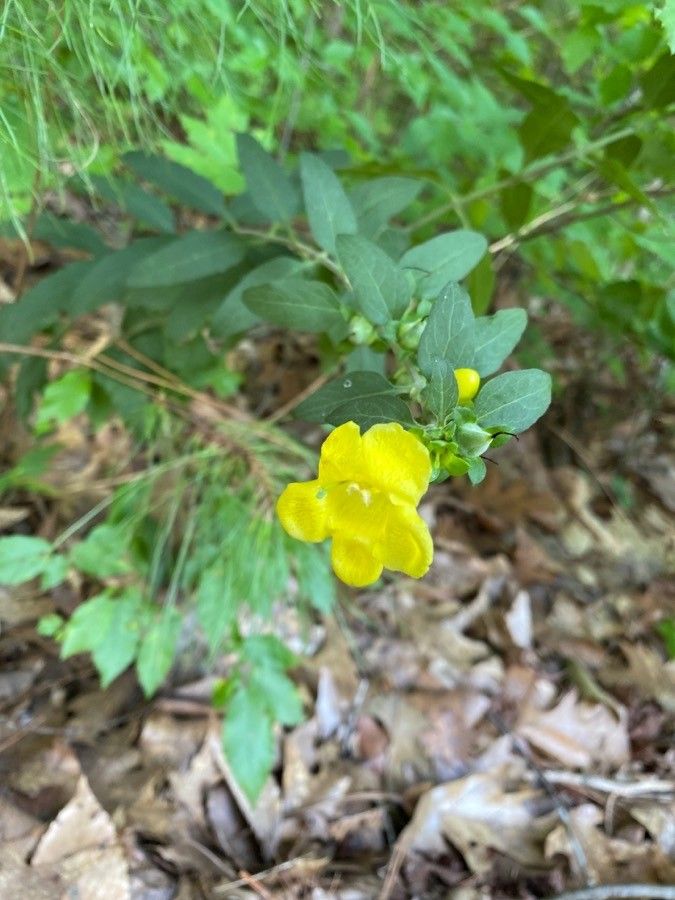
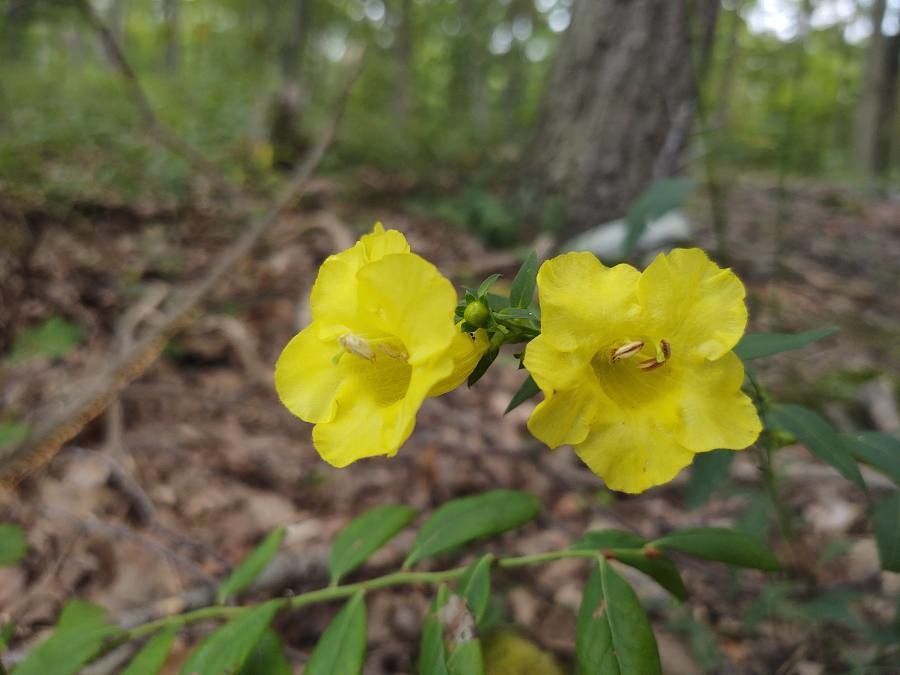
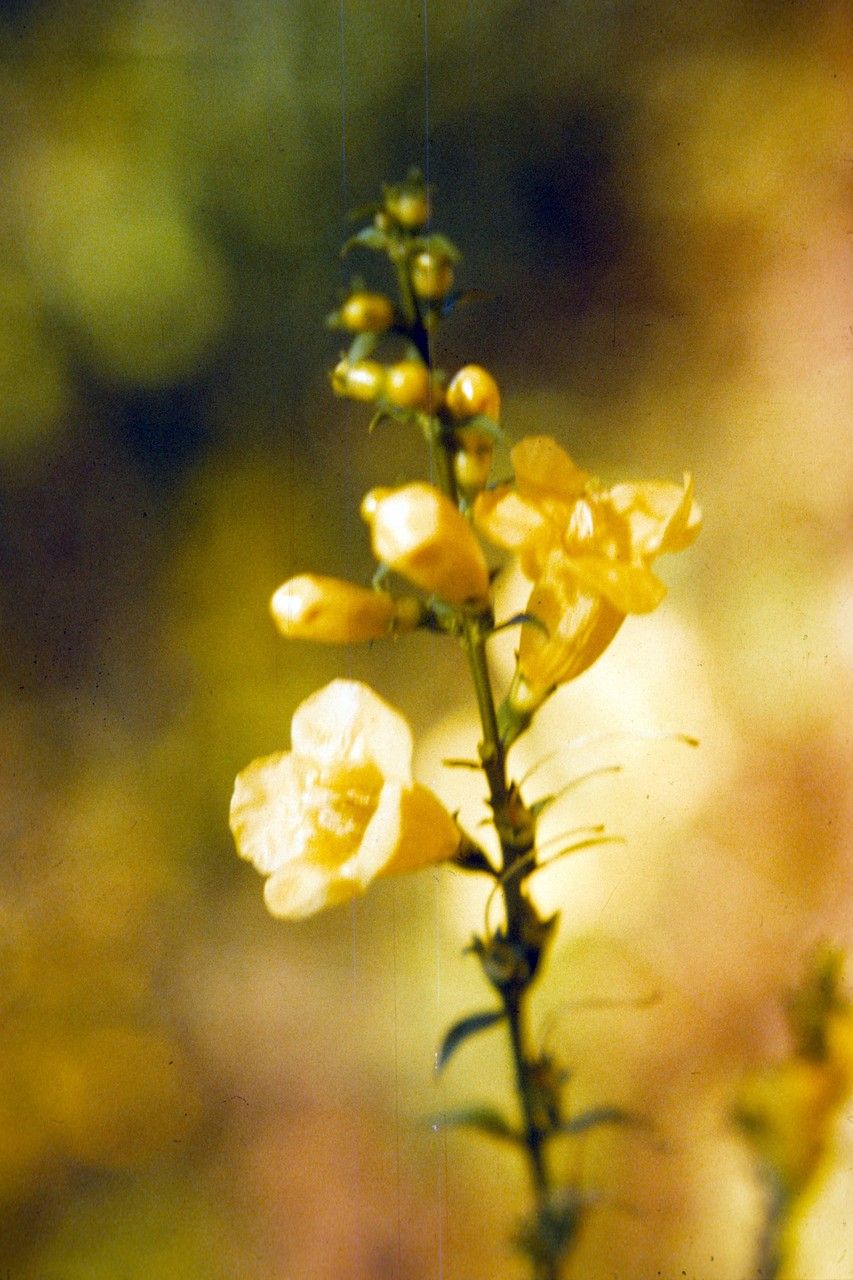
Aureolaria virginica, commonly known as the downy yellow false foxglove, is a herbaceous perennial native to eastern North America. This plant typically reaches a height of 2 to 3 feet and features showy yellow flowers that bloom in late summer. Aureolaria virginica prefers moist, well-drained soils and partial shade, but it can tolerate full sun in cooler climates. It is often found in woodland areas or along stream banks.
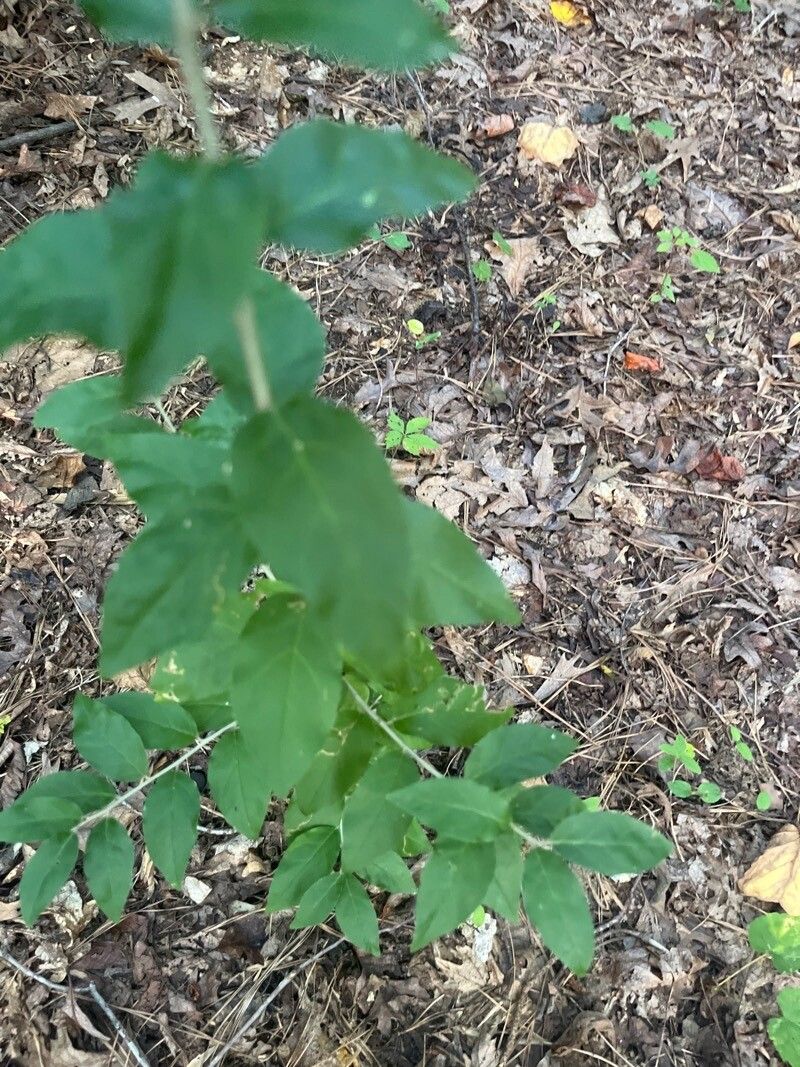
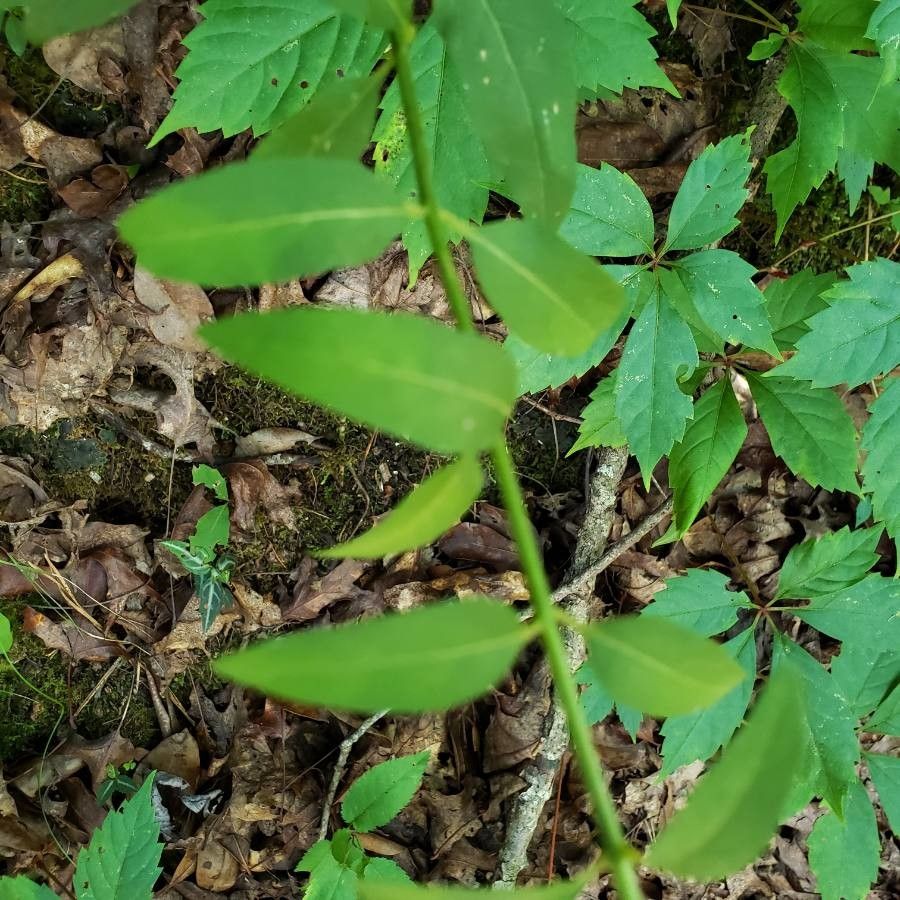
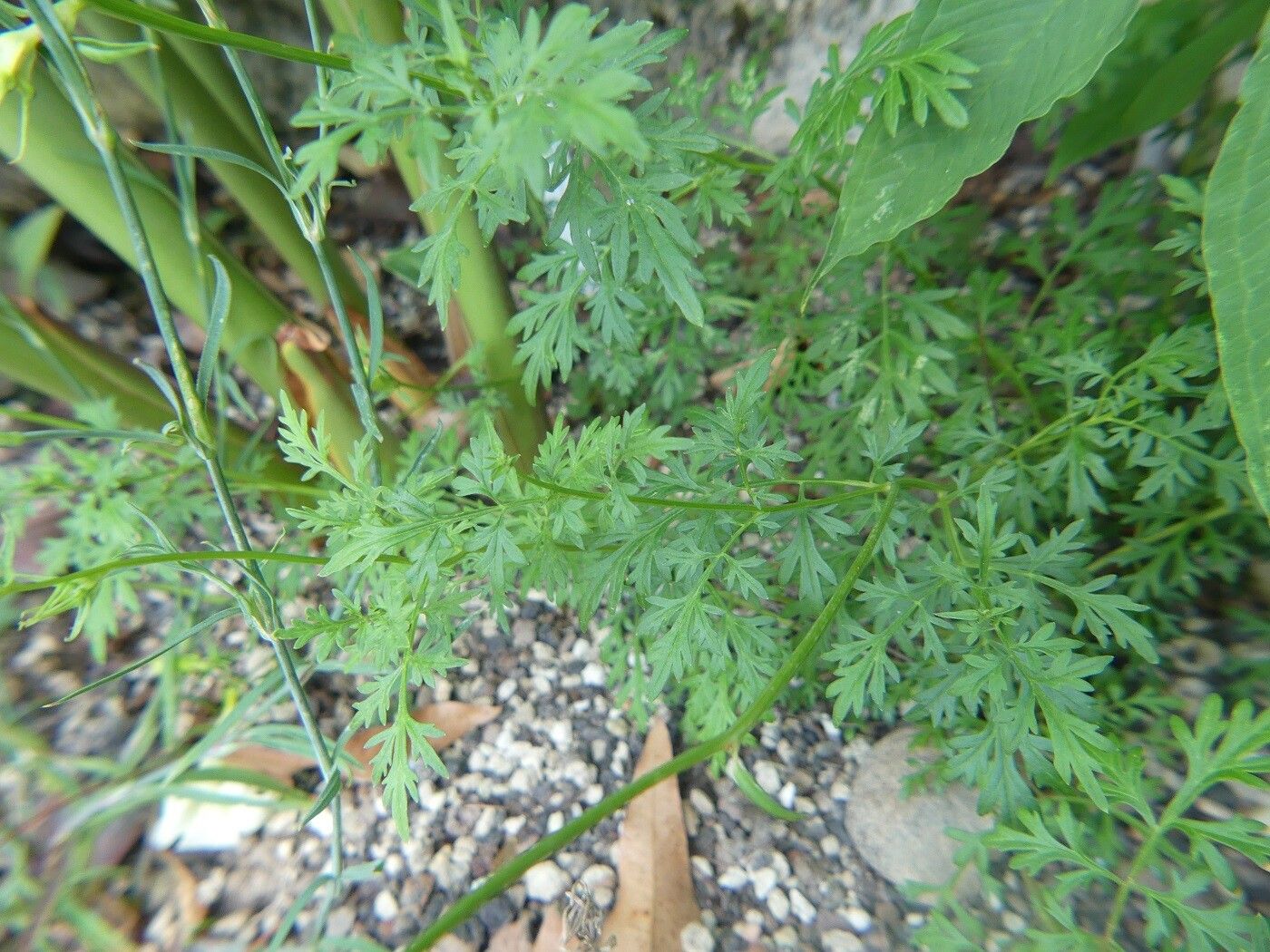
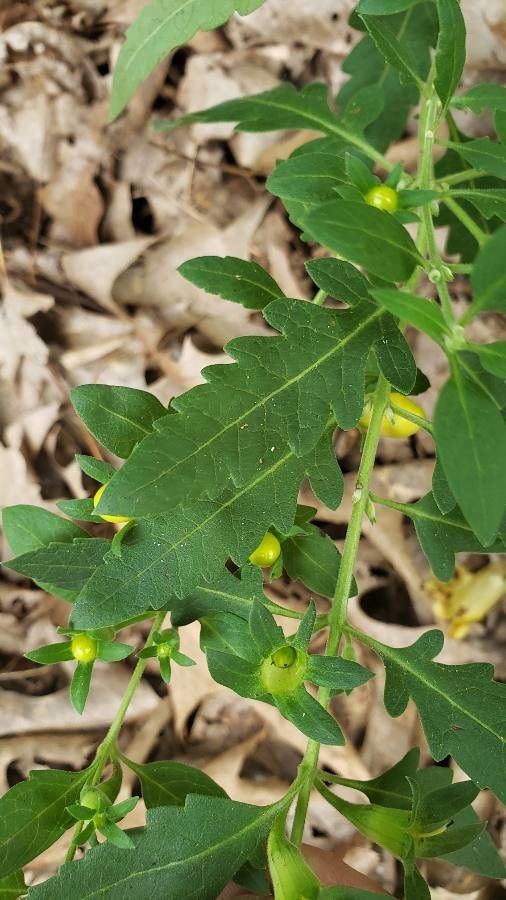
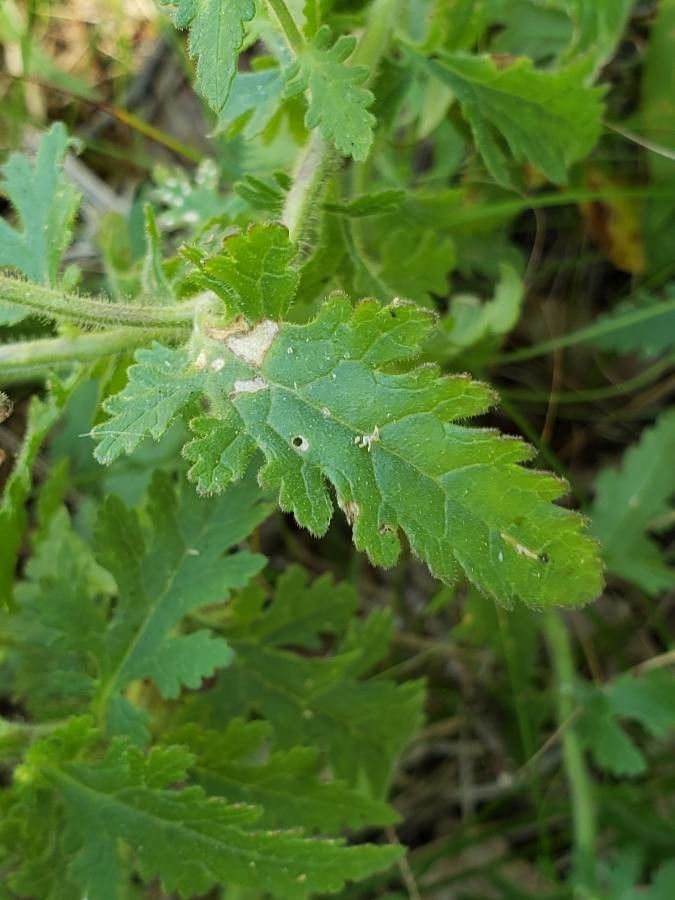
The leaves are lance-shaped and covered with fine hairs, which give them a soft texture. This plant is an important food source for various species of bees and butterflies, making it an excellent addition to pollinator gardens or naturalized areas.
Although Aureolaria virginica has no known medicinal uses for humans, some Native American tribes used it as a remedy for ailments such as fever and rheumatism. Overall, Aureolaria virginica is an attractive native plant that provides significant ecological benefits while adding beauty to any landscape design.
Downy yellow false foxglove is fairly disease-resistant and generally not prone to illnesses. However, it can be affected by pests and diseases present in its environment. These problems are typically not serious. In terms of care, the plant has moderate maintenance needs. It should be pruned regularly to maintain a neat appearance and healthy growth. Fertilizing can also help encourage flowering. Downy yellow false foxglove is suitable for anyone with outdoor space, such as a garden or patio, and does not require extensive gardening experience. It may need more attention when grown indoors.
How to keep Aureolaria Virginica.
Light
Downy yellow false foxglove favors moderate sunlight but can also tolerate low-light conditions. It comes from habitats where light is filtered through taller plants, so it does well in less sunny locations. Too much sun can stress the plant, while too little light can limit its growth.
Water
The downy yellow false foxglove, native to the deciduous woodlands of Eastern North America, thrives in environments with consistent moisture. Although it can tolerate moderate drought, it's best to water it weekly to simulate its natural habitat. Applying mulch can further help retain moisture during the growing season, making outdoor cultivation the best option for its overall health.
Temperature
Downy yellow false foxglove is naturally adapted to cool temperate areas and prefers temperatures between 41 and 95 °F (5 and 35 ℃). To promote healthy growth, adjustments should be made during extreme seasonal changes to keep conditions within that temperature range.
Fertilizer
The best time to fertilize a Downy yellow false foxglove is in early spring, as it comes out of dormancy and begins active growth. Fertilizing supplies essential nutrients needed for healthy development. Although Downy yellow false foxglove has relatively low fertilization requirements, applying fertilizer annually can improve its survival and encourage better, longer-lasting blooms.
Pruning
The downy yellow false foxglove is known for its vibrant yellow flowers and soft, fuzzy texture. To promote growth and improve airflow, prune this plant from early to late spring, paying particular attention to removing dead or damaged stems. To preserve its beauty, avoid pruning during peak flowering. By doing so, you will ensure a healthy and vigorous presence in your garden.
Botanical profile.
- Plant Type
- Herb
- Life Cycle
- Perennial
- Genus
- Aureolaria
- Family
- Orobanchaceae
- Hardiness Zone
- 4-9
- Mature Height
- 0.49 m to 1.52 m
- Mature Spread
- 30 cm to 91 cm
- Leaf Color
- Green, Dark Green
- Leaf Type
- Deciduous
- Flower Color
- Yellow
- Flower Size
- 5.08 cm to 6.35 cm
- Bloom Time
- Summer
- Planting Time
- Spring, Summer
- Harvest Time
- Late summer, Early fall, Mid fall
Other names.
Reader questions.
What are the sunlight requirements for Downy yellow false foxglove?
Downy yellow false foxglove, scientifically known as Aureolaria virginica, thrives in conditions with intermediate sun exposure, coping well in both partial sun and full shade environments. It requires about 3-6 hours of sunlight per day for partial sun and less than 3 hours of sunlight for full shade. Originating from environments where sunlight is filtered through taller flora, it can endure low light situations but may experience restricted growth or strain in too much or too little sunlight. Observing your garden's sunlight movement is crucial for finding the ideal balance of light and shade, ensuring the plant's health and happiness.
What are the ideal temperature conditions for Downy yellow false foxglove?
Downy yellow false foxglove, or Aureolaria virginica, is well suited to cool temperate regions, thriving in temperatures ranging from 41 to 95°F (5 to 35°C). It exhibits strong resistance to cold, so special frost protection measures aren't generally needed. However, when winter temperatures are expected to plummet below -30°C, it's crucial to safeguard the plant against the cold by using insulation materials like soil or straw, and to water it abundantly before the first freeze in autumn to maintain soil moisture.
How can artificial lighting be used for Downy yellow false foxglove indoors?
Indoor plants, including Downy yellow false foxglove, may require artificial lighting to achieve optimal growth, especially in conditions where natural sunlight is insufficient, like during winter or in less sunny spaces. LED lights are recommended due to their ability to provide specific wavelengths needed by plants. The intensity of artificial light should vary depending on the plant's natural sunlight needs: 30-50W/sq ft for full sun plants, 20-30W/sq ft for partial sun plants, and 10-20W/sq ft for full shade plants. The distance between the plant and the light source should be 12-36 inches to mimic natural sunlight. Additionally, to mirror natural daylight hours, most plants will benefit from 8-12 hours of artificial light per day.
How does Downy yellow false foxglove react to low temperatures?
Downy yellow false foxglove is cold-tolerant, favoring temperatures above 5°C for optimal growth and requires temperatures to remain above -25°C during winter. If temperatures drop below -30°C, the plant doesn't show immediate signs of distress, but this may lead to decreased sprouting or even a lack of sprouting come spring. To combat this, any non-sprouting parts should be removed in spring.
What symptoms indicate insufficient light for Downy yellow false foxglove?
Downy yellow false foxglove exhibits several symptoms when exposed to insufficient light. These include smaller new leaves, leggy or sparse growth due to longer spaces between leaves or stems, faster leaf drop as a resource conservation measure, halted growth as the plant enters a survival mode, paler new leaves signaling a lack of chlorophyll, chlorosis or yellowing of leaves due to chlorophyll breakdown, sunscald on leaves or stems from intense light exposure, leaf curling as a defense mechanism against excessive light, wilting from increased water loss, and leaf scorching characterized by brown, dry edges on leaves due to excessive sunlight.
What should be done if Downy yellow false foxglove experiences high temperatures?
During the summer, it's important to ensure that Downy yellow false foxglove does not endure temperatures above 35°C. Exposure to temperatures over 38°C can cause the leaves to lighten in color, curl, become prone to sunburn, and, in extreme cases, cause the plant to wilt and dry out. To mitigate damage, trim any sunburned or dried parts of the plant, relocate it to a shadier spot or use shade cloth for protection, and ensure the soil stays moist by watering in the mornings and evenings.
What are the solutions for managing insufficient or excessive sunlight for Downy yellow false foxglove?
To manage sunlight for Downy yellow false foxglove, both indoor and outdoor solutions can be applied. Indoors, gradually increase the plant's exposure to sunlight by moving it to sunnier spots each week until it receives 3-6 hours of direct sunlight daily or use artificial light sources like desk lamps or professional grow lights for at least 8 hours daily. Outdoors, gradually transition your plants to sunnier locations to avoid sunburn. For ground plants, reduce obstructions by pruning trees or transplant smaller plants during their dormant period to areas with better sunlight and drainage. It's important to note that parts of the plant affected by insufficient sunlight may not recover, but new growth will be healthy once light conditions improve.