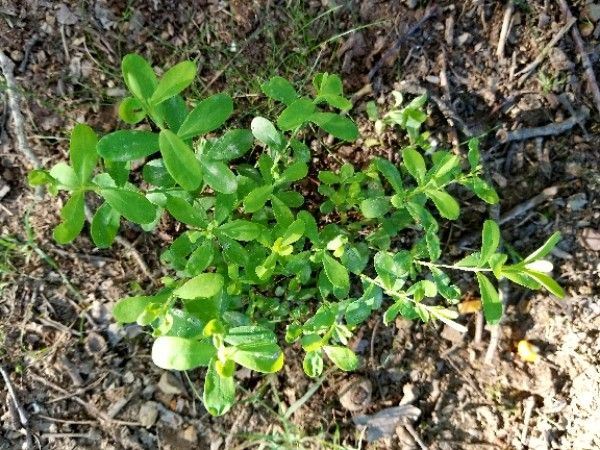
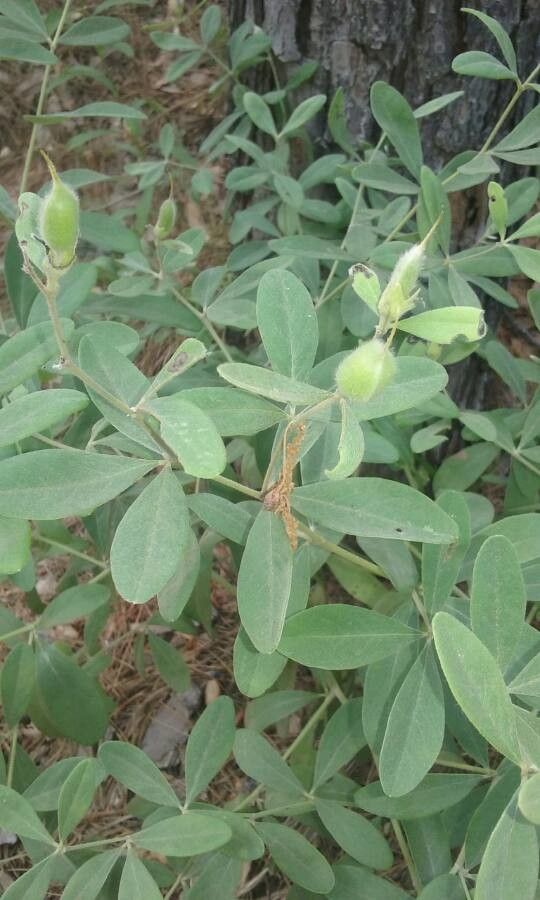
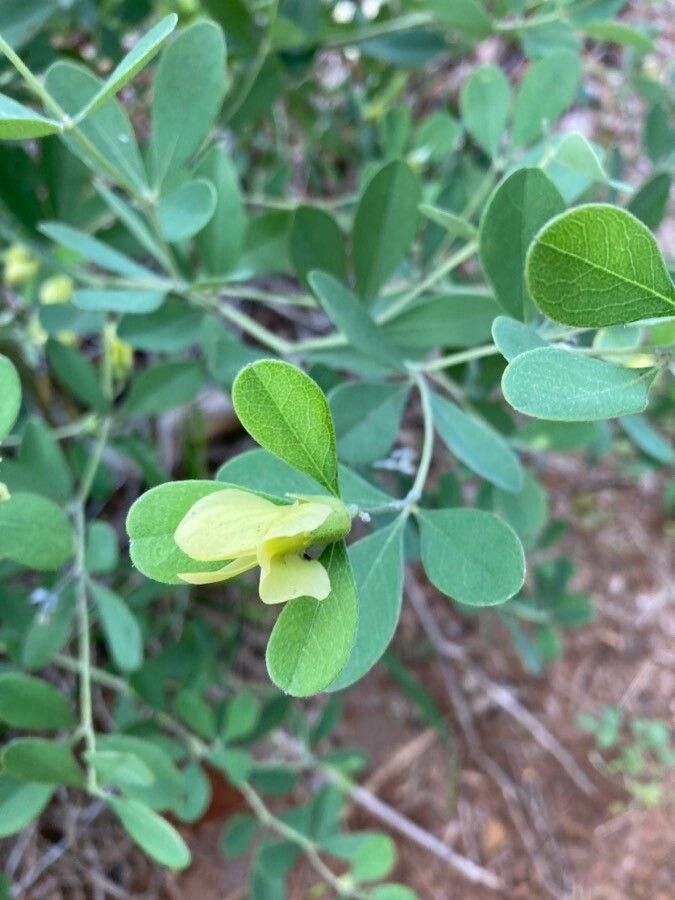
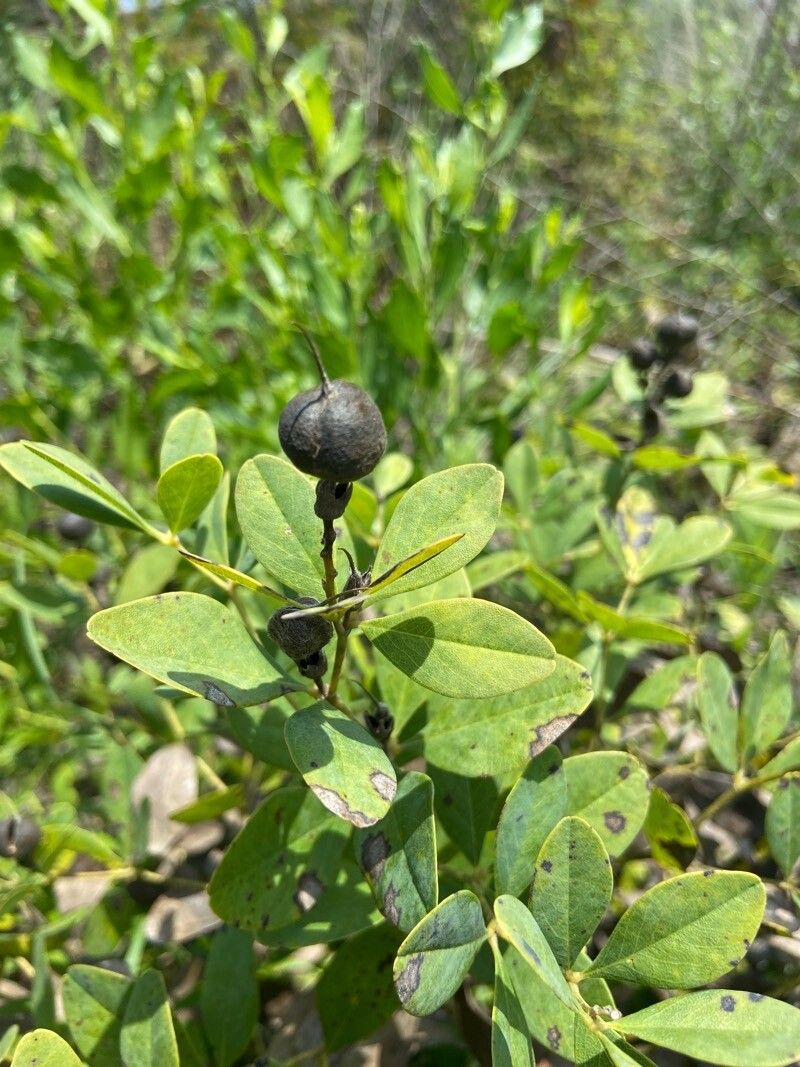
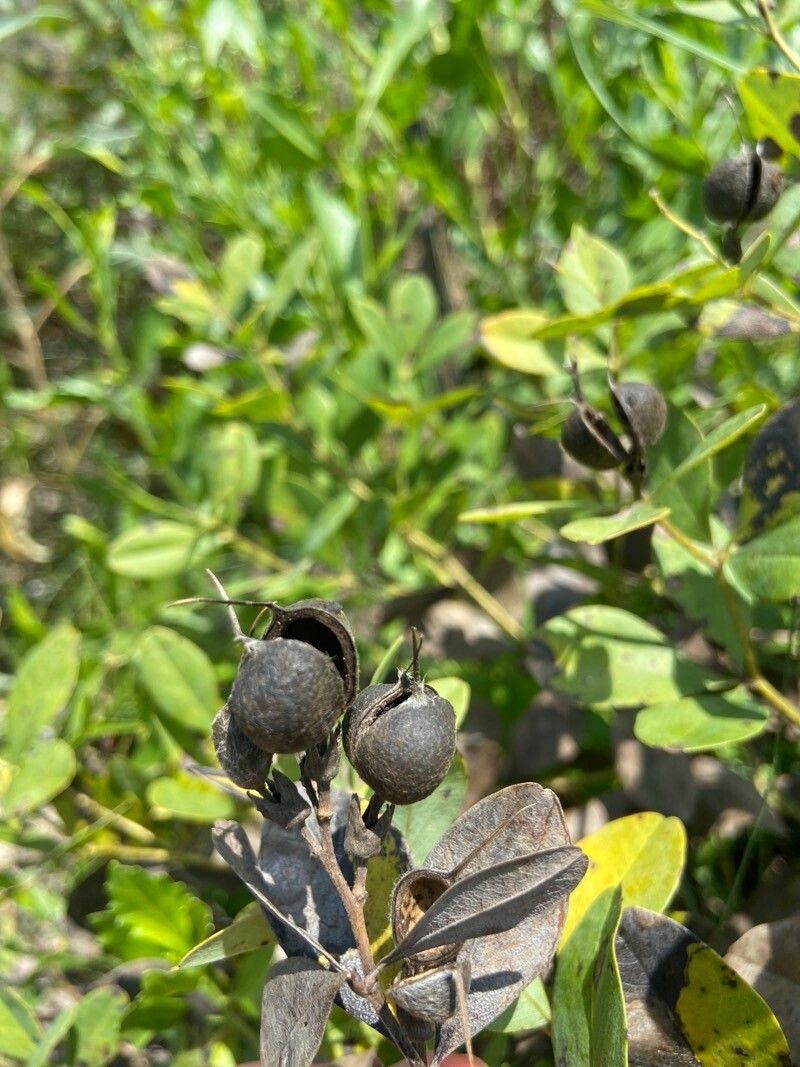
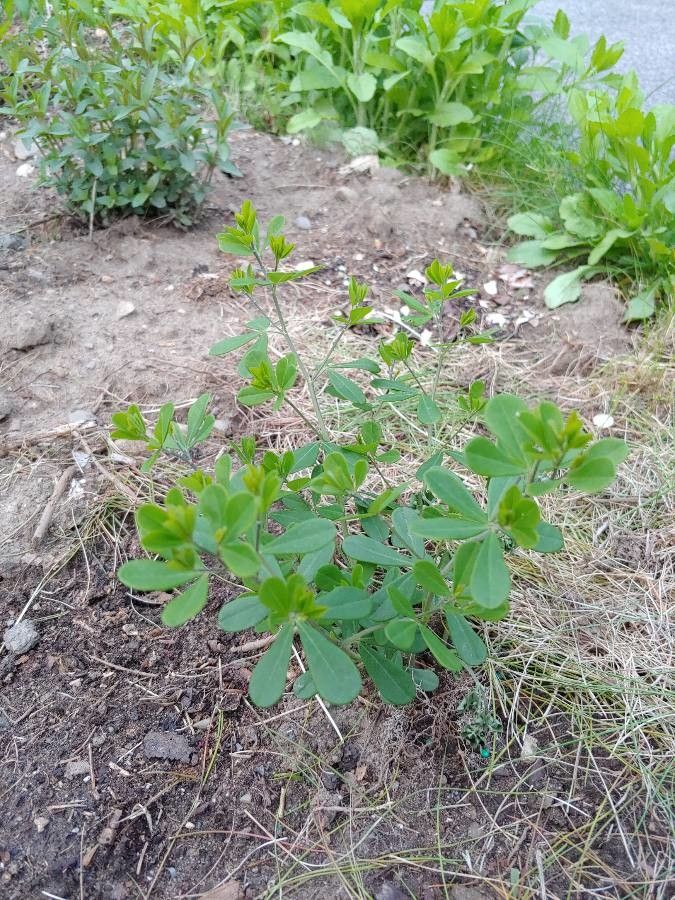
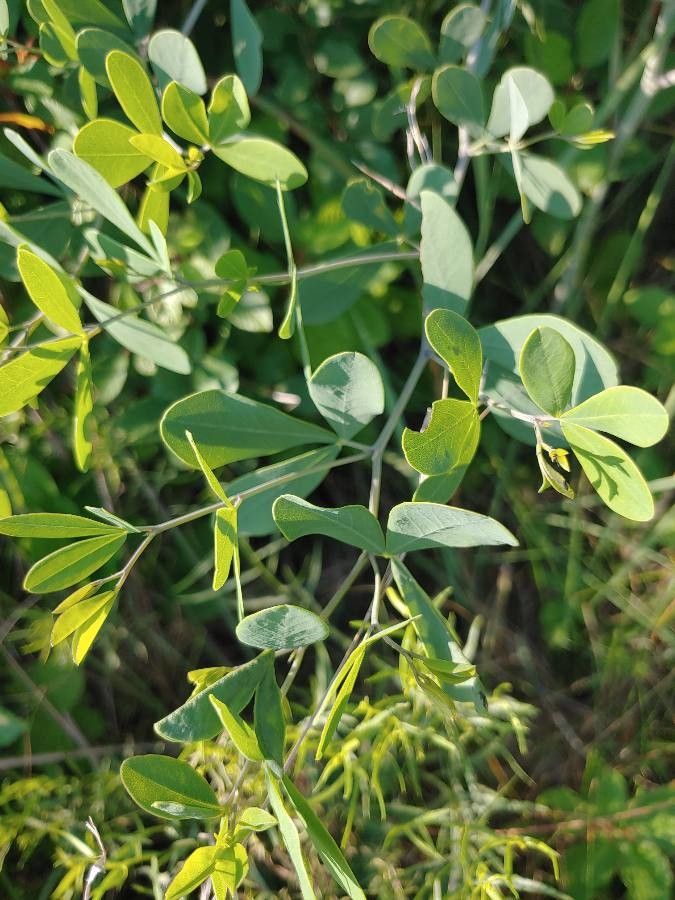
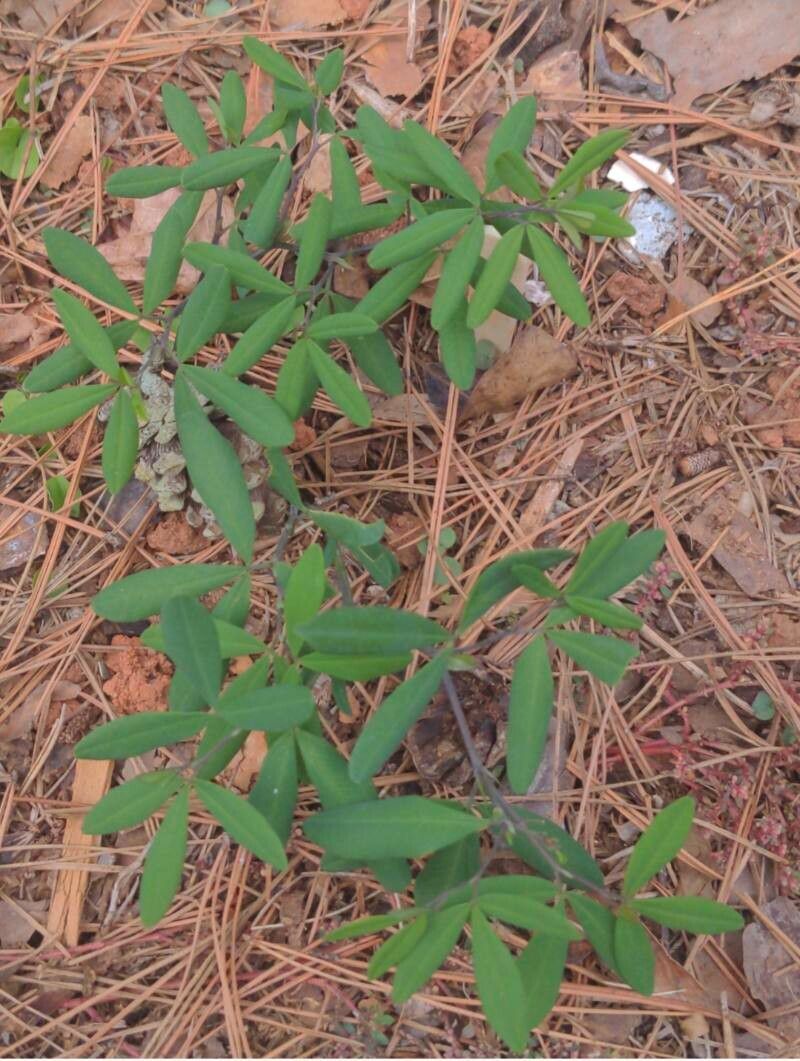
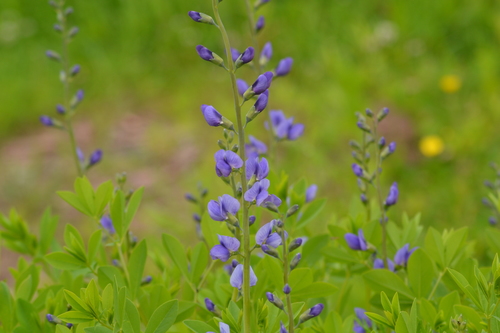
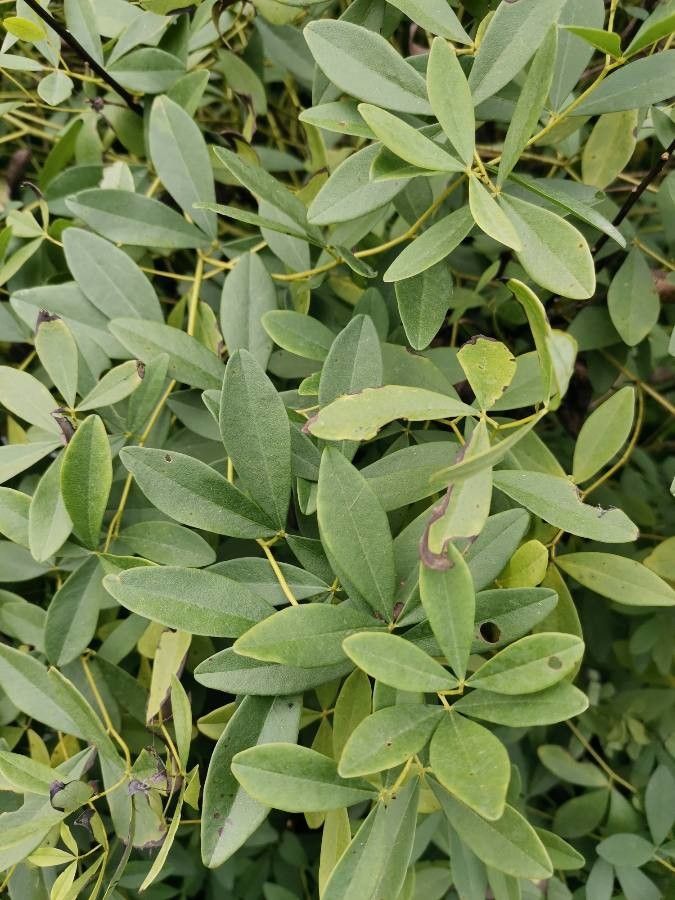
Baptisia nuttalliana, commonly known as Nuttall's wild indigo, is a perennial herbaceous plant native to North America. It belongs to the Fabaceae family and is renowned for its striking blue-purple flowers that bloom in late spring and early summer. The plant typically grows to a height of 3-4 feet and has a bushy habit with multiple stems arising from the base. Its leaves are trifoliate, with each oval-shaped leaflet measuring up to 4 inches in length. The flowers are arranged in long spikes that can extend up to 1 foot, with each spike containing numerous pea-like flowers.
Baptisia nuttalliana thrives in full sun or partial shade and well-drained soil but can tolerate a wide range of soil types, including sandy or clay soils. It is drought-tolerant once established but benefits from occasional watering during prolonged dry spells.
The plant has several medicinal uses among Native American tribes, including as an anti-inflammatory agent for treating arthritis pain and respiratory infections such as bronchitis or pneumonia.
Overall, Baptisia nuttalliana is an attractive ornamental plant that adds color and interest to gardens. Its cultural significance is also notable due to its medicinal properties valued by indigenous communities.
How to keep Baptisia Nuttalliana.
Pruning
Nuttall's wild indigo is known for its vibrant blue flowers and bushy growth habit. To maintain its health and shape, prune the plant in early spring. Cut old stems down to the base and thin out any crowded branches to improve airflow. Removing spent blooms not only enhances the plant's appearance but also encourages prolonged flowering.
Botanical profile.
Other names.