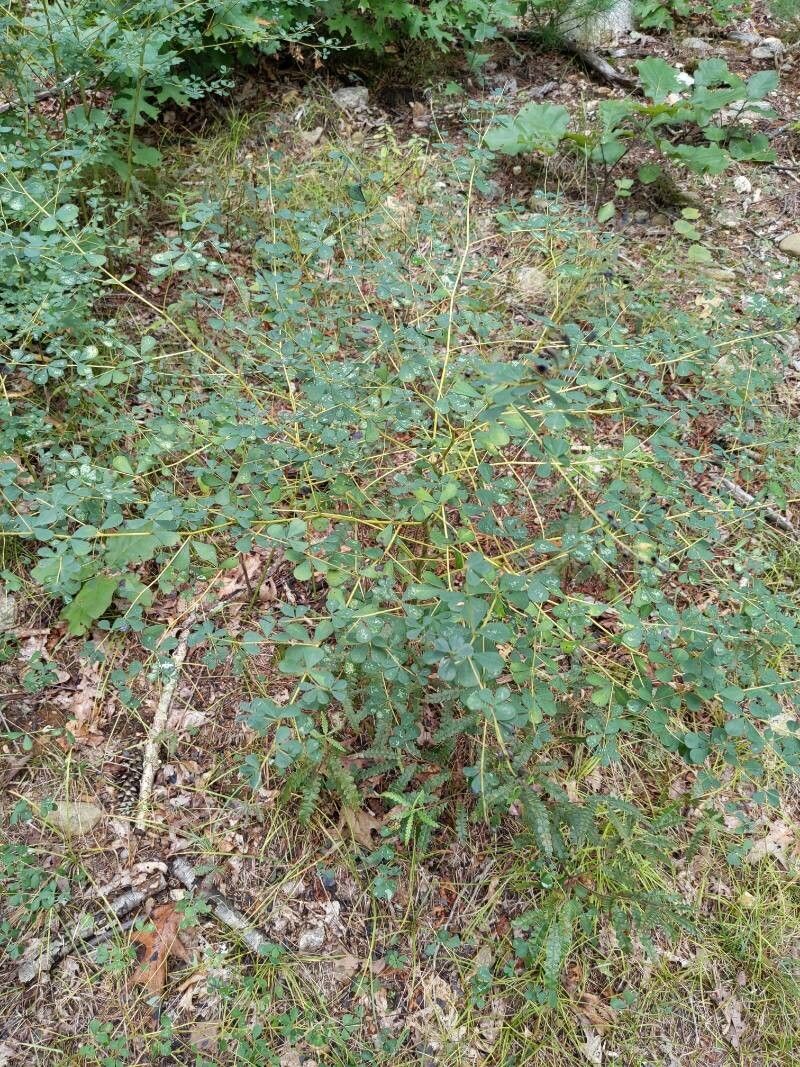
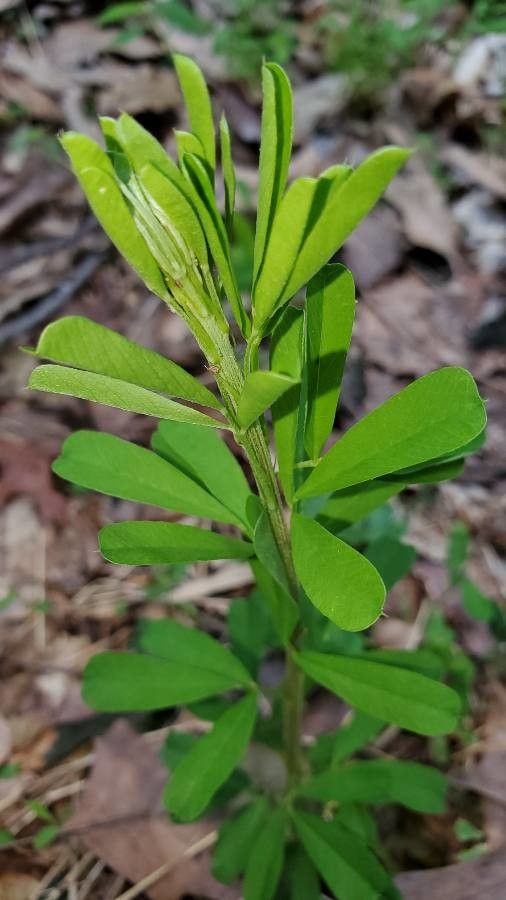
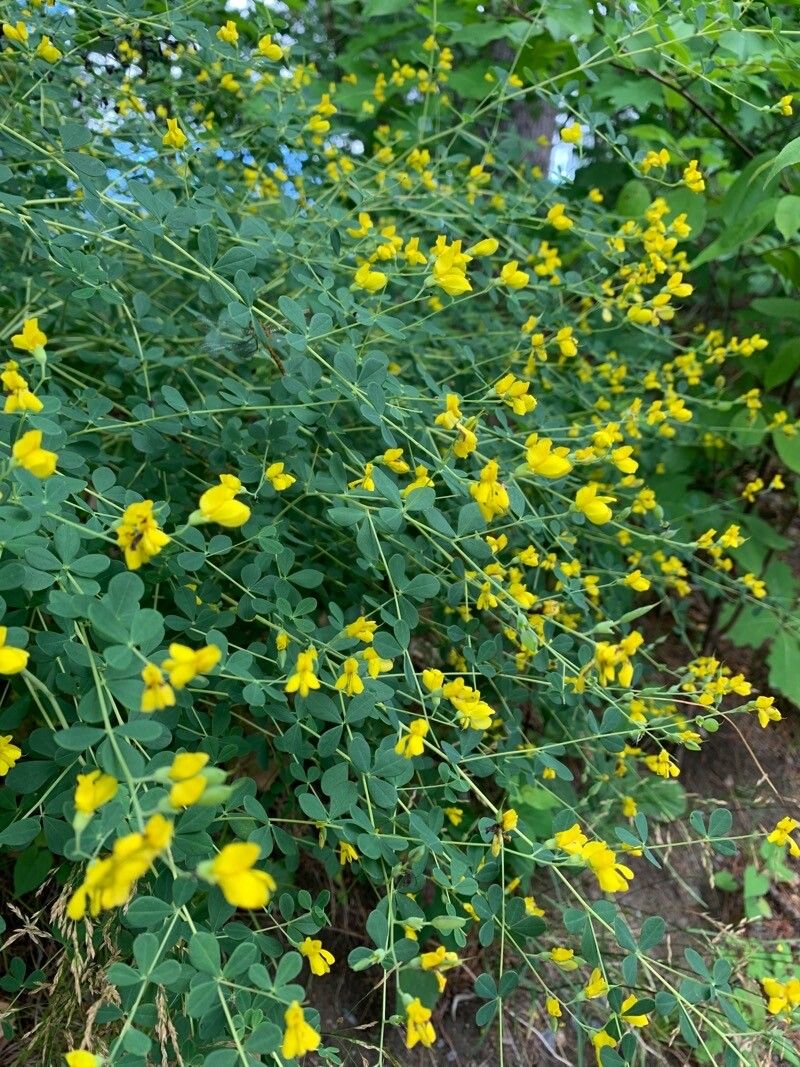
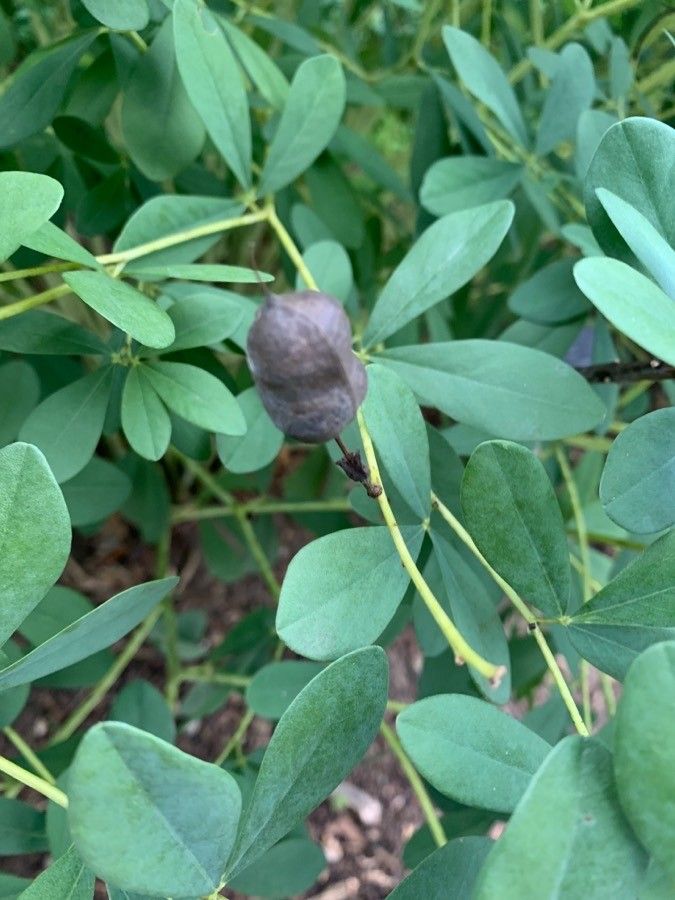
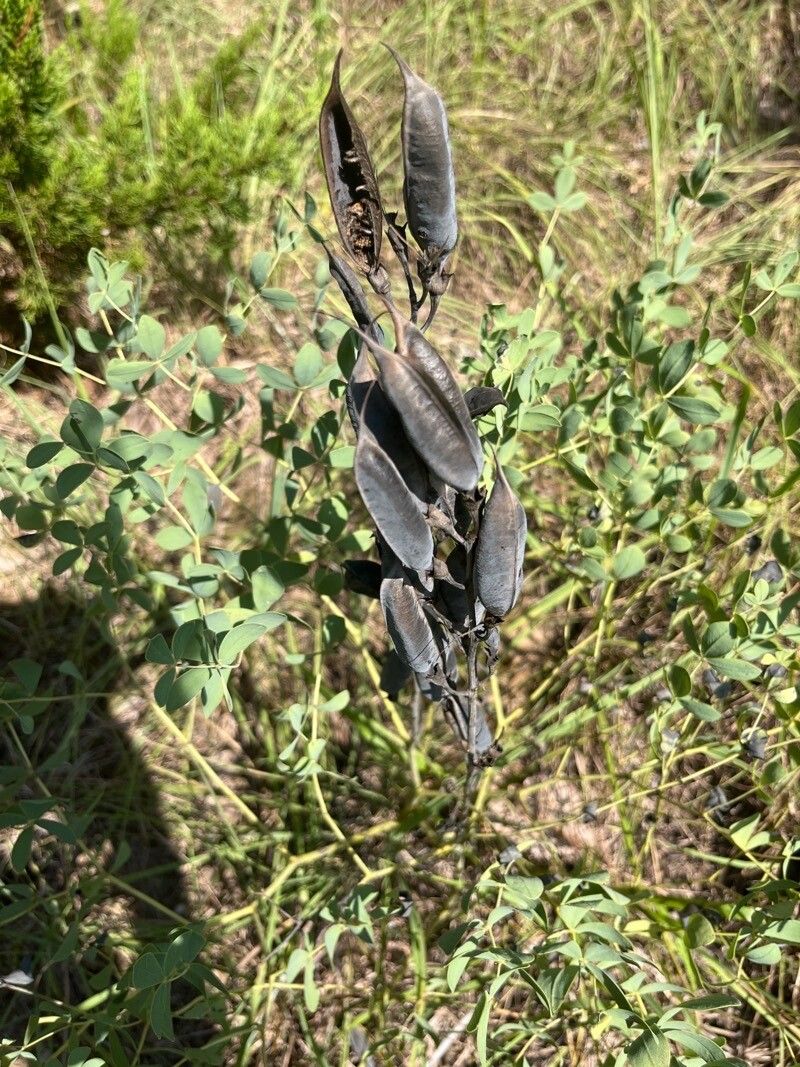
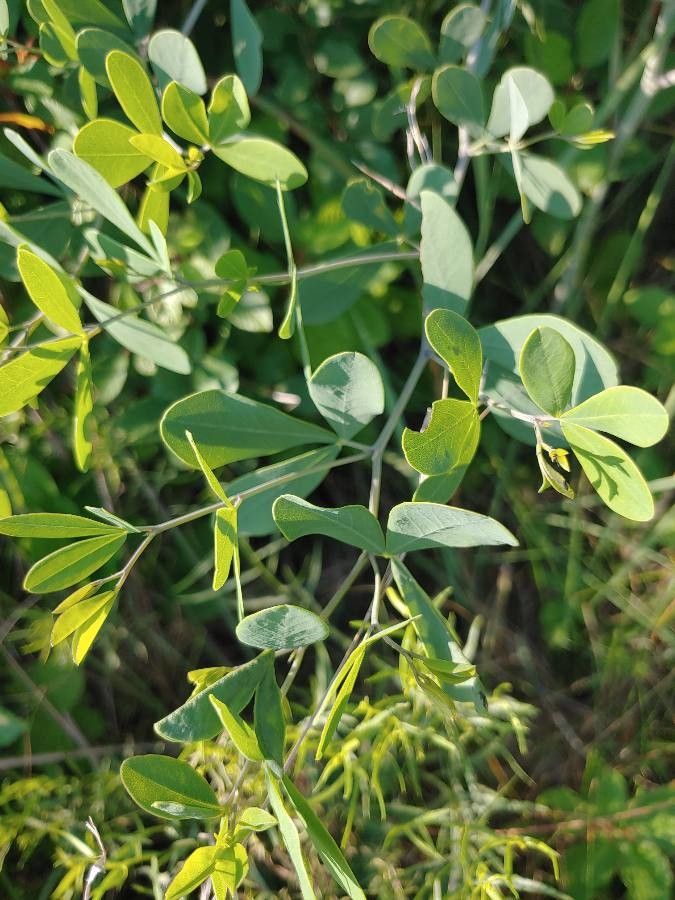
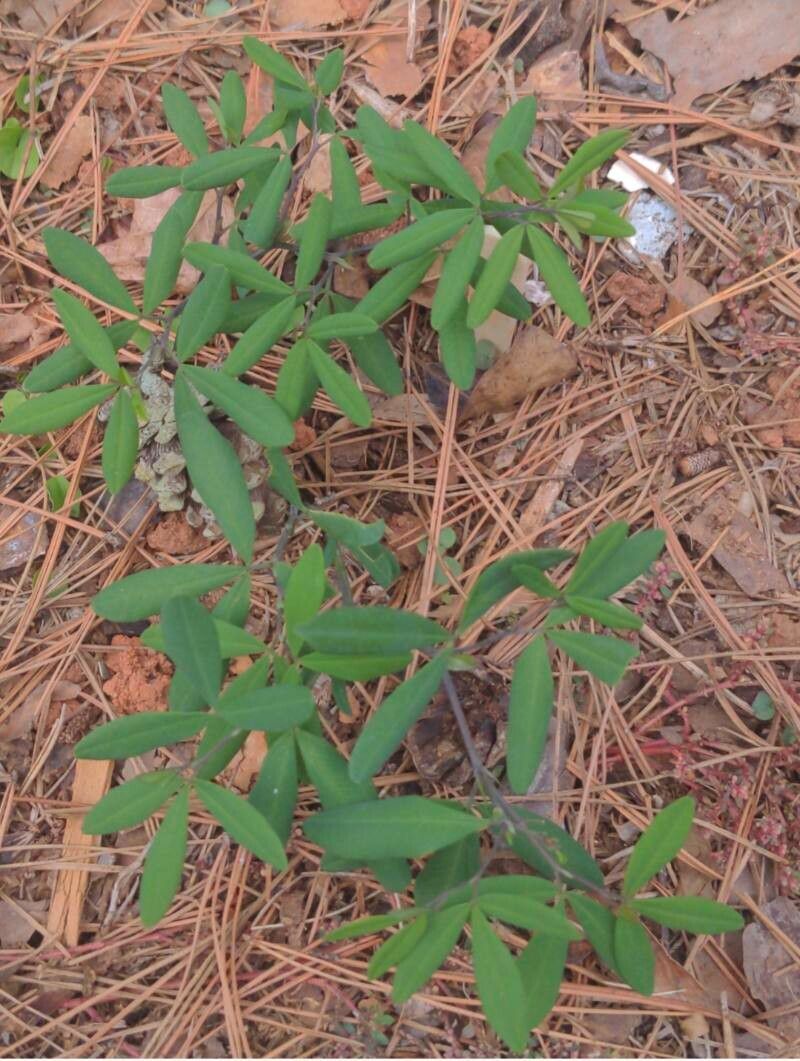
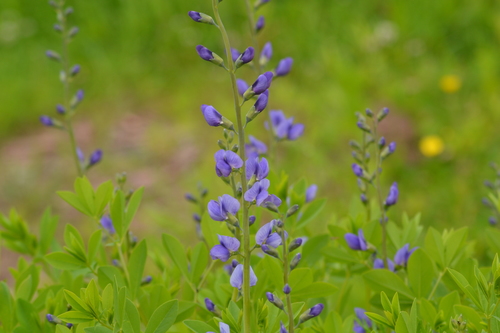
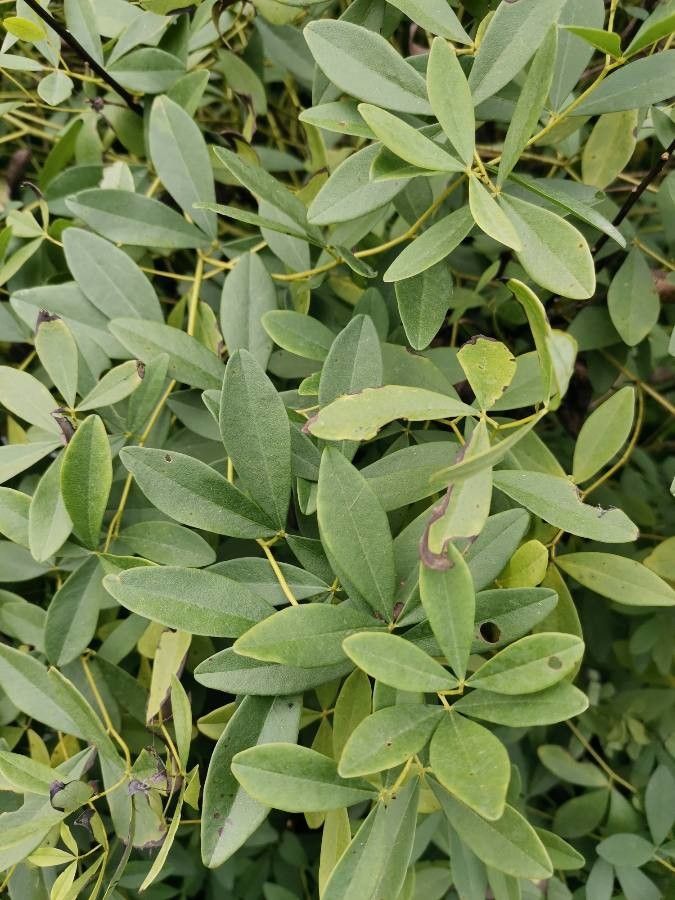
Baptisia tinctoria, commonly known as wild indigo or yellow wild indigo, is a perennial herbaceous plant native to North America. Belonging to the Fabaceae family, it can grow up to 3 feet tall. The plant features a deep taproot and multiple stems with trifoliate leaves that are bluish-green in color.
The bright yellow flowers of Baptisia tinctoria bloom in late spring or early summer, arranged in long spikes that can reach up to 1 foot in length. These flowers eventually give way to seed pods that turn black when mature.
Baptisia tinctoria has a long history of medicinal use by Native Americans, who utilized it as a natural dye and an herbal remedy for various ailments, including fever, diarrhea, and skin infections.
Beyond its medicinal properties, Baptisia tinctoria is also valued as an ornamental plant. Its hardiness and ability to withstand drought conditions make it suitable for gardens or naturalized areas.
Overall, Baptisia tinctoria is a versatile plant with both practical uses and aesthetic appeal.
Wild Indigo is generally resistant to disease and not often affected by illnesses. Nevertheless, it can be vulnerable to pests and diseases present in its environment. These issues are usually minor. In terms of care, the plant requires moderate maintenance. It should be pruned regularly to maintain a tidy appearance and support healthy growth. Fertilizing can also help encourage flowering. Wild Indigo is suitable for anyone with outdoor space, such as a garden or patio, and does not demand extensive gardening experience. It may need more attention when cultivated indoors.
How to keep Baptisia Tinctoria.
Light
Wild Indigo prospers when given full exposure to celestial luminescent sources that provide warmth and light for most of the day. It can also tolerate reduced sunlight, making it adaptable to changing light levels throughout the day. In its native environment, it thrives under these conditions. Different light intensities can cause changes in the plant’s growth and coloration.
Water
Wild Indigo is well-suited to varying moisture conditions and demonstrates strong drought tolerance. While it requires weekly watering to remain healthy, it benefits from natural rainfall, which can reduce the need for additional watering during the active growing season.
Temperature
Wild Indigo naturally occurs in habitats where temperatures range from 41 to 89.6 °F (5 to 32 ℃). It prefers milder climates. Seasonal temperature adjustments may be needed for optimal growth.
Fertilizer
The best time to fertilize a Wild Indigo is early spring, as it is coming out of dormancy and beginning active growth. Fertilizing supplies essential nutrients for healthy development. Even though Wild Indigo has fairly low fertilizer requirements, applying fertilizer once a year can improve its survival and encourage healthier, longer-lasting flowers.
Pruning
Wild Indigo is a hardy perennial known for its bushy growth and attractive pea-like flowers. To keep it healthy and encourage vibrant blooming, prune it from early to late spring. Start by removing any dead stems and thinning out older branches to improve airflow. This practice promotes vigorous growth and may also increase flower production. Regular pruning helps ensure your Wild Indigo remains lush and thriving.
Botanical profile.
- Plant Type
- Herb
- Life Cycle
- Perennial
- Genus
- Baptisia
- Family
- Fabaceae
- Hardiness Zone
- 4-8
- Mature Height
- 61 cm to 91 cm
- Mature Spread
- 61 cm to 91 cm
- Leaf Color
- Green, Gray, Silver
- Leaf Type
- Deciduous
- Flower Color
- Yellow
- Flower Size
- 2.54 cm
- Bloom Time
- Late spring, Early summer
- Planting Time
- Spring, Summer
- Harvest Time
- Mid summer, Late summer, Early fall
Other names.
Reader questions.
What are the sunlight requirements for Wild Indigo?
Wild Indigo (Baptisia tinctoria) thrives best in full sun conditions, which means it requires more than 6 hours of sunlight daily to flourish. However, it can also adapt to partial sun settings, receiving about 3 to 6 hours of sunlight. It's important to observe your garden's light conditions throughout the day to find the ideal spot for your Wild Indigo, ensuring it gets the balance of light it needs to be happy and healthy.
What is the native climate for Wild Indigo?
Wild Indigo, scientifically known as Baptisia tinctoria, is native to environments where temperatures range from 41 to 89.6 °F (5 to 32 °C). It prefers milder climates and has strong cold resistance. Despite its resistance to cold, in areas where winter temperatures are expected to drop below -30°C, it is crucial to provide cold protection by covering the plant with materials such as soil or straw. Additionally, to prepare for winter, it is recommended to water the plant abundantly before the first freeze in autumn, ensuring the soil remains moist, which helps prevent drought and water scarcity for the plant during winter and early spring.
How essential is sunlight for Wild Indigo's growth and what are the effects of varied light intensities?
Sunlight is crucial for the optimal growth of Wild Indigo, as it thrives under full celestial illumination for most of the day. Its versatility also allows it to endure lesser sun exposure, comfortably transitioning through varying luminosities. In its native habitat, Wild Indigo prospers under these conditions, experiencing changes in growth and color due to different light intensities. When natural sunlight is insufficient, especially during winter or in darker indoor spaces, artificial lighting can be a beneficial alternative. LEDs, which can be tailored to provide specific light wavelengths, are recommended for indoor plant lighting, ensuring faster and healthier growth by mimicking natural sunlight conditions.
How does low temperature affect Wild Indigo and what should be done?
Wild Indigo is quite cold-tolerant, thriving best in temperatures above 5°C and should ideally be kept above -25°C during winter. However, when temperatures fall below -30°C, there may not be any noticeable changes during the winter, but issues may arise such as a decrease in sprouting or even no sprouting during springtime. To mitigate this, in spring, any parts of the plant that have failed to sprout should be removed to promote new growth and maintain the health of the plant.
What symptoms indicate insufficient light for Wild Indigo, and how can it affect the plant?
When Wild Indigo does not receive adequate light, several symptoms can appear. New leaves may grow smaller, and the plant can develop a leggy appearance with sparse growth due to elongated spaces between leaves or stems. There might be faster leaf drop as the plant sheds older leaves to conserve resources, accompanied by slower or halted new growth. Insufficient sunlight can also cause new leaves to appear lighter in color or yellow, a condition known as chlorosis. Extreme sunlight exposure can lead to sunscald, curling leaves, wilting, and leaf scorching, indicating the necessity of proper light management for plant health.
How does high temperature affect Wild Indigo and what solutions can be implemented?
During the summer, Wild Indigo should ideally be kept below 32°C to avoid heat stress. When temperatures exceed 35°C, the plant may exhibit signs of distress such as leaves becoming lighter in color, prone to curling, susceptibility to sunburn, and, in severe cases, the entire plant may wilt and become dry. To protect the plant from high temperatures, trim away the sunburned and dried parts. Additionally, moving the plant to a location that provides shade from the midday and afternoon sun, or using a shade cloth can be beneficial. It's also important to water the plant in the morning and evening to ensure the soil remains moist.
How can I address and fix lighting issues for Wild Indigo both indoors and outdoors?
To fix lighting issues for Wild Indigo, gradually adjust the plant to receive at least 6 hours of direct sunlight daily, which can be done by moving the plant closer to a south-facing window or using artificial lighting for indoor plants. Outdoors, it's recommended to gradually shift your plants to sunnier spots, avoiding sudden changes in light intensity to prevent sunburn. For plants grown in the ground, identify areas obstructing sunlight and consider pruning or transplanting to better-lit locations. Note that although parts of the plant affected by insufficient light may not recover, new growth should be healthy after adjusting light exposure.