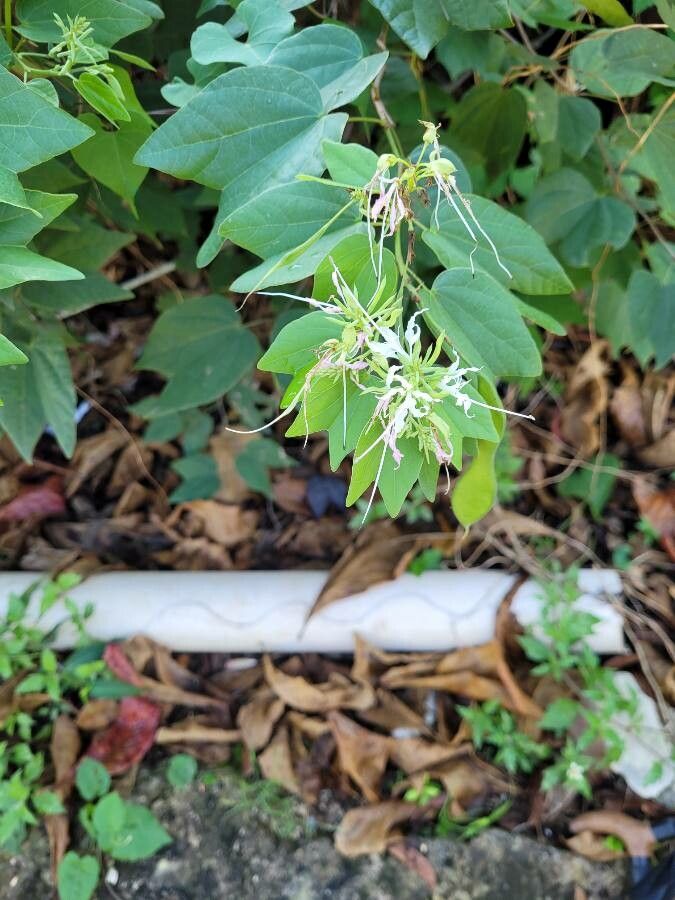
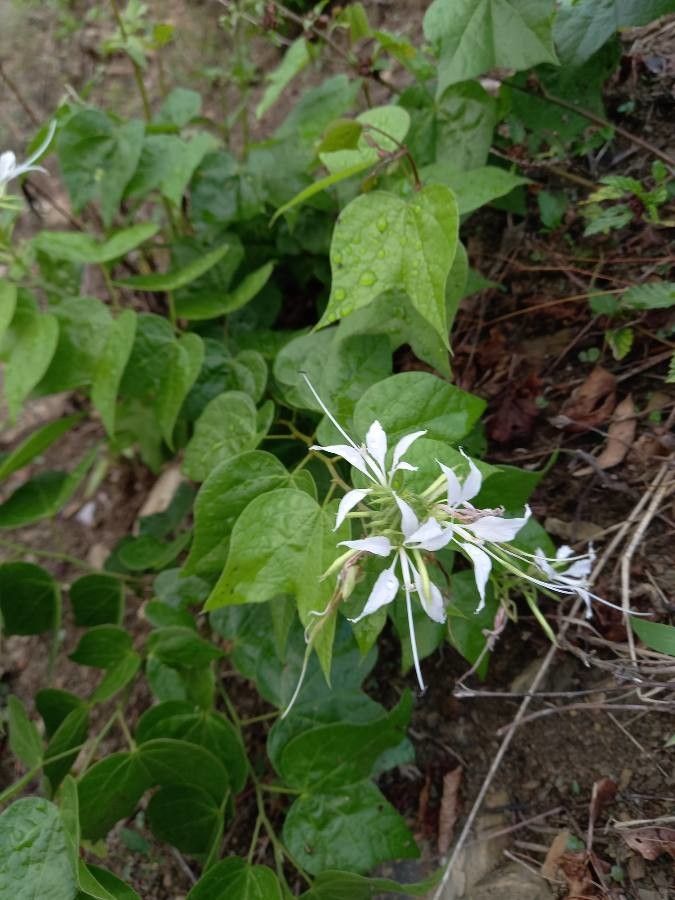
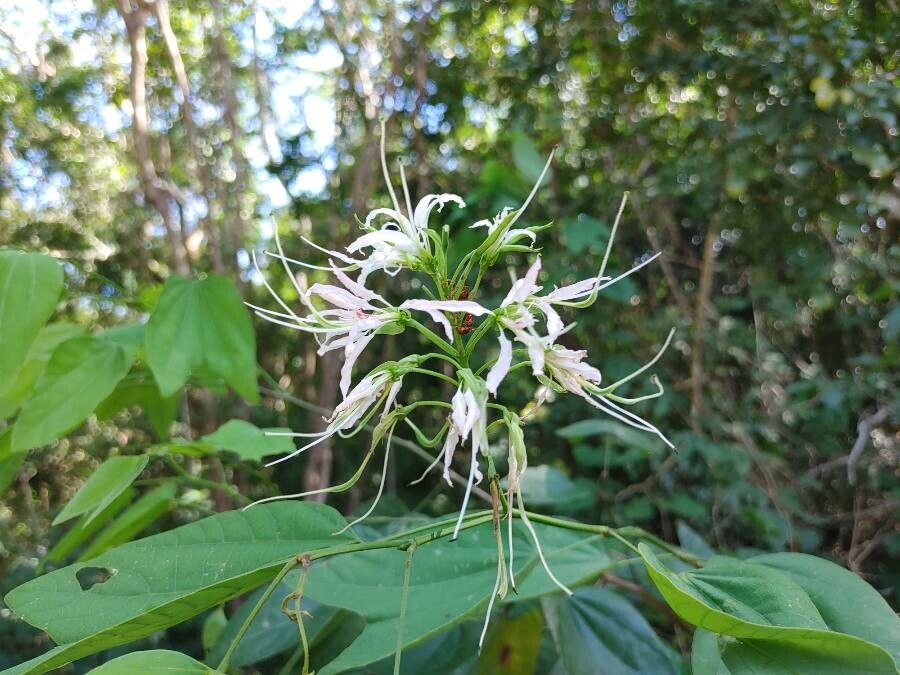
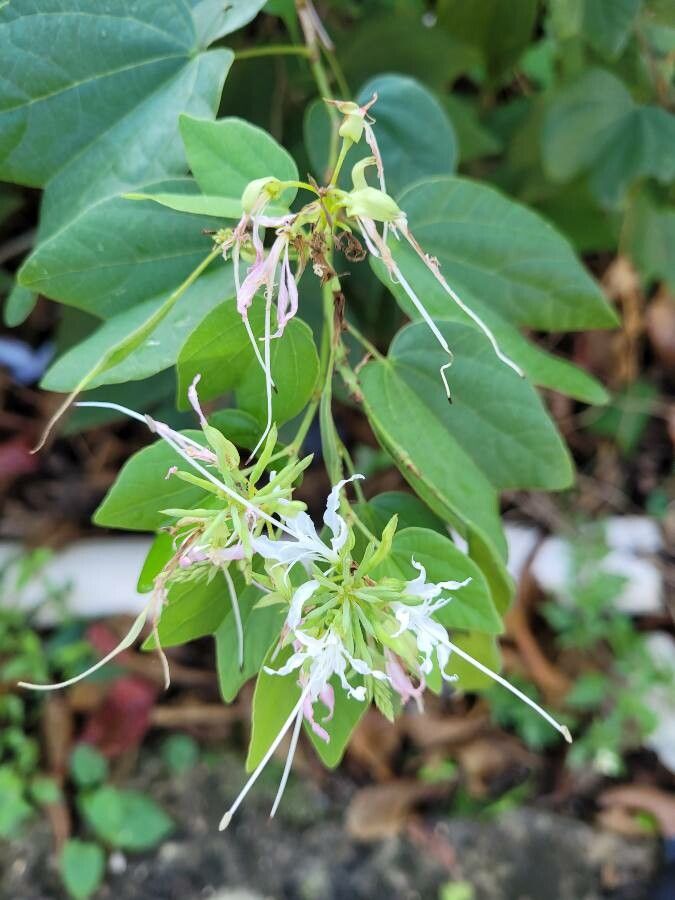
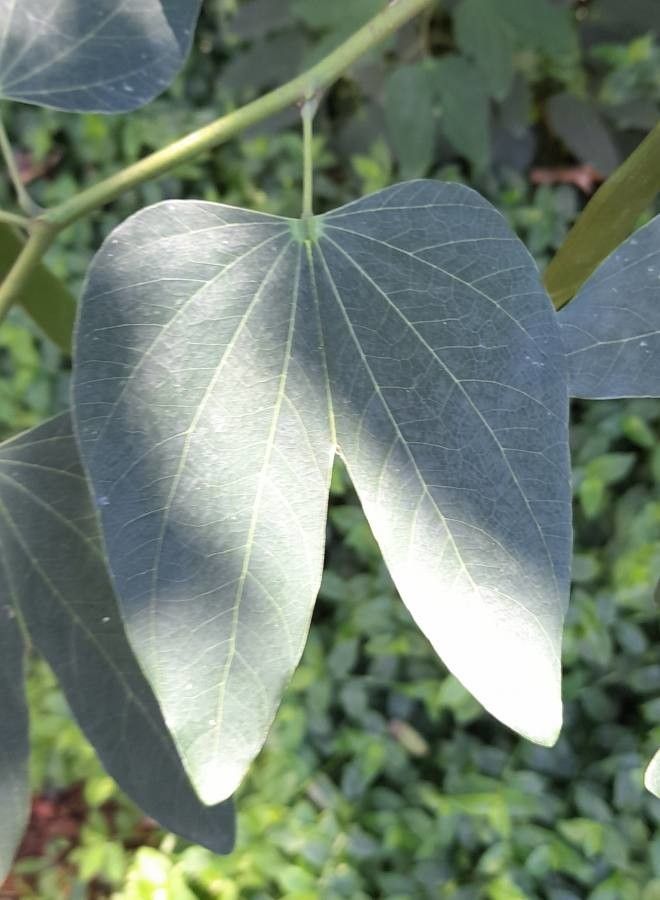
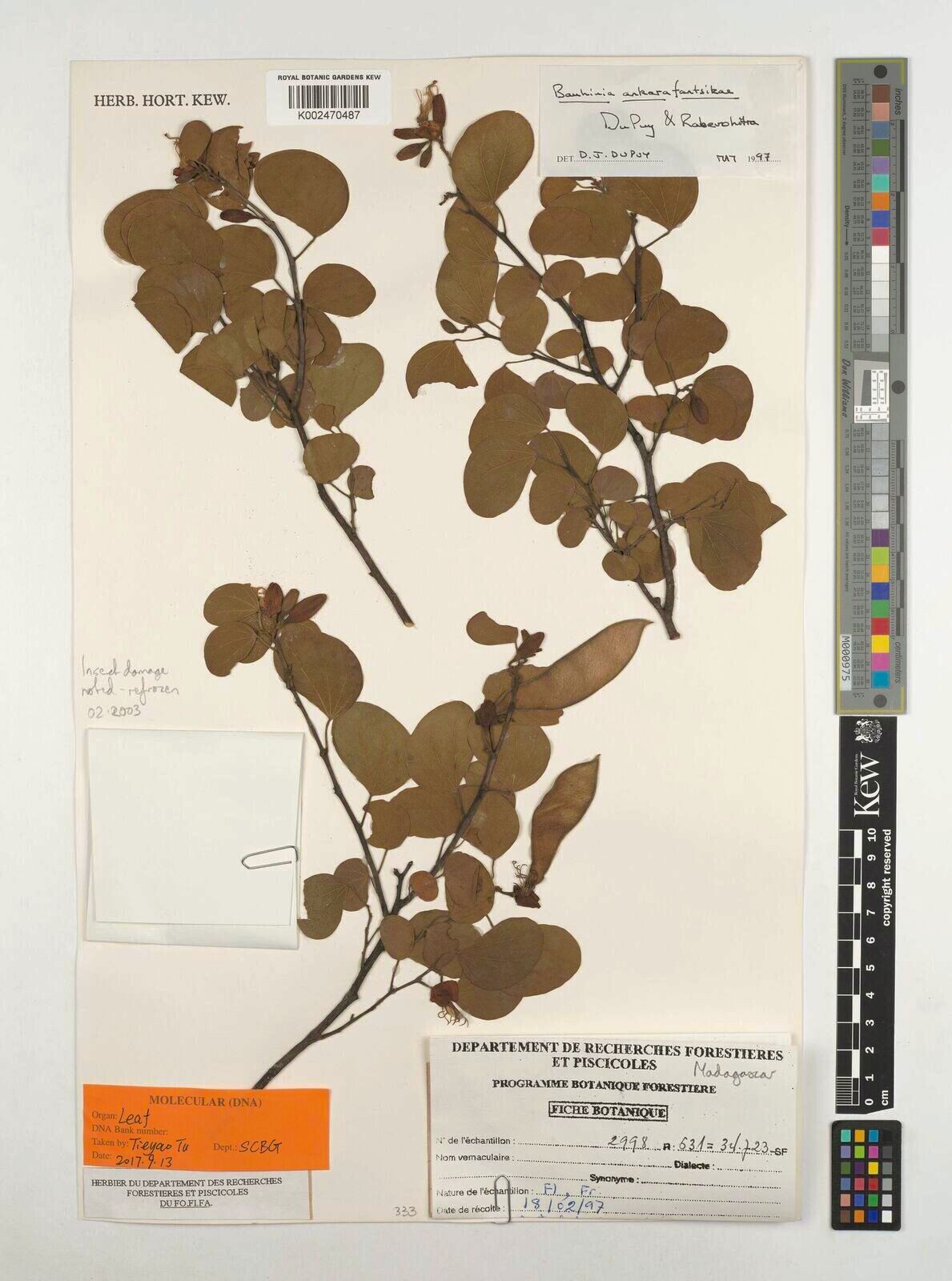
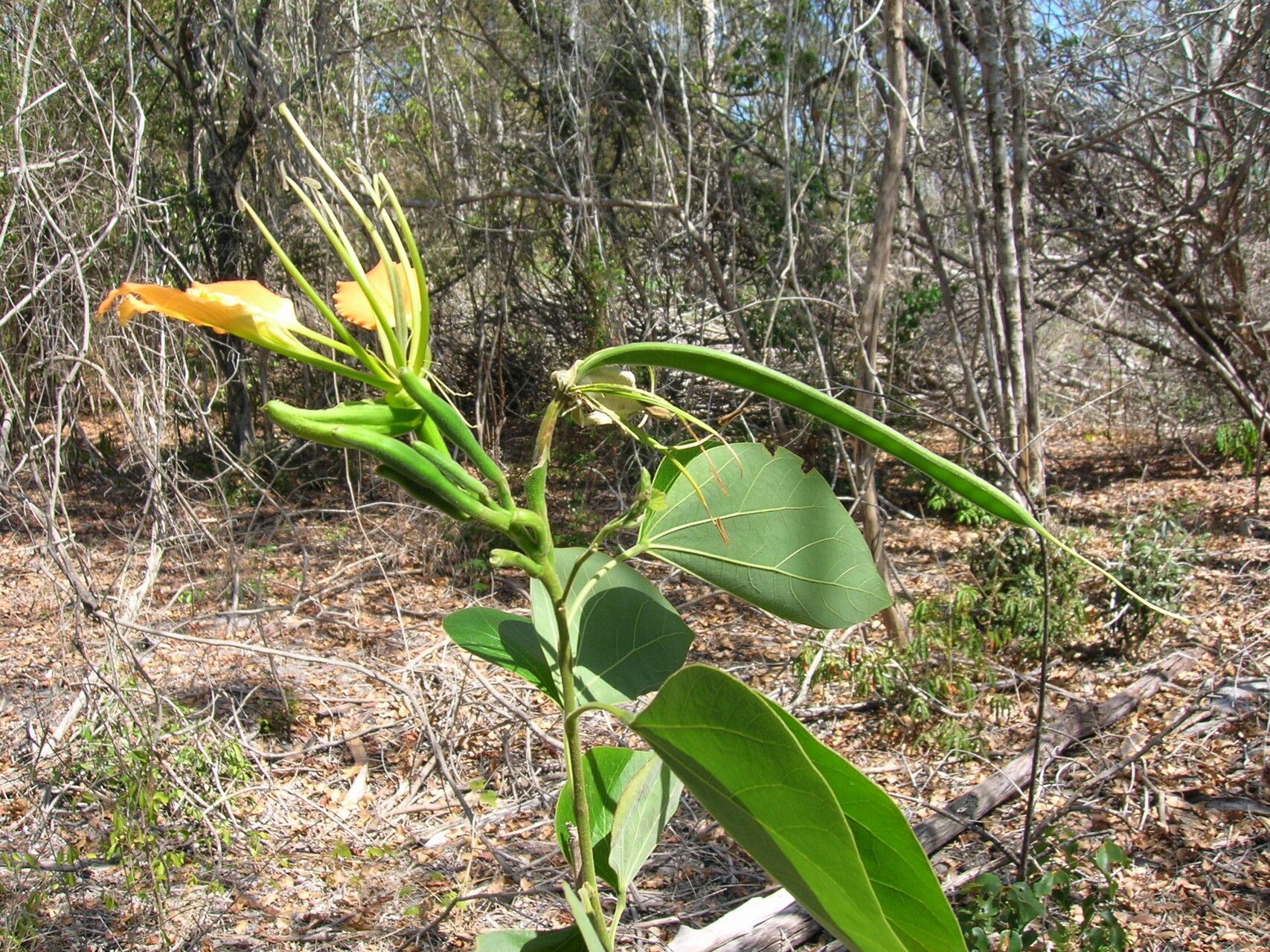
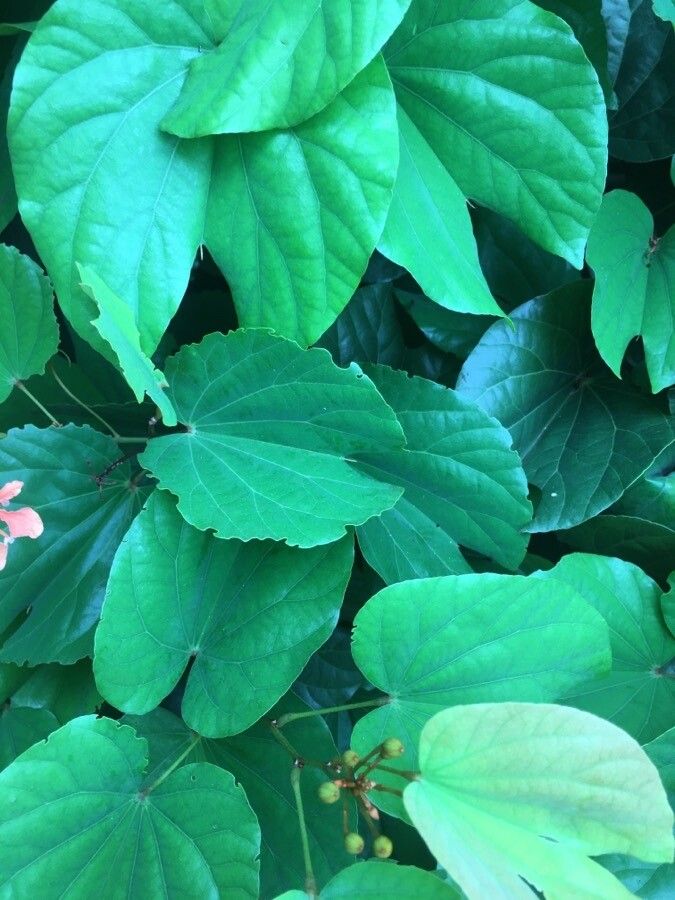
Bauhinia divaricata, the bull hoof or Mexican orchid tree, is a species of flowering plant in the family Fabaceae. It is native to Mexico, Central America (except Panama), and the Caribbean.
The Mexican orchid tree has strong resistance to disease and is usually not susceptible to illnesses. Regarding care, this species is fairly low-maintenance. Planted outdoors, it needs only limited watering, and larger specimens typically do not require pruning. Smaller plants, however, should be pruned after they have finished blooming. The Mexican orchid tree is appropriate for anyone with outdoor space, such as a garden or deck, and does not demand much prior care experience.
How to keep Bauhinia Divaricata.
Light
The Mexican orchid tree comes from open habitats like sunlit meadows and forest edges, where abundant light is present. It performs best in Full Sun but can also tolerate Partial Sun, adjusting well to different sunlight conditions.
Water
The Mexican orchid tree flourishes in moist, tropical-like environments with consistent humidity and can tolerate moderate drought. To maintain optimal moisture levels, it should be watered twice a week. As an ornamental tree, it benefits from natural rainwater during the growing season, which enhances its foliage and flowering potential.
Temperature
The Mexican orchid tree adapts well to different temperatures, tolerating high heat and wide temperature swings. In hot conditions, attention should be paid to watering and providing adequate shade to avoid sunburn. Conversely, it is fairly sensitive to cold; while it can endure limited chill, very low temperatures can cause frost damage.
Fertilizer
Timing is vital when fertilizing the Mexican orchid tree. Fertilize in early spring and continue once a month until early summer. Fertilizer promotes attractive blooms and supplies energy during both dormancy and active growth.
Pruning
The Mexican orchid tree is known for its vibrant, orchid-like flowers and its sprawling growth habit. To maintain its health and appearance, prune the tree in early spring to remove any dead or crossing branches. This will improve airflow and encourage healthier blooms. Regular thinning helps control the size of the tree, prevents it from becoming leggy, and ensures a strong structure. Be sure to use clean, sharp tools for pruning to prevent the spread of disease.
Botanical profile.
- Plant Type
- Tree
- Life Cycle
- Perennial
- Genus
- Bauhinia
- Family
- Fabaceae
- Hardiness Zone
- 9-11
- Mature Height
- 3.05 m to 7.92 m
- Mature Spread
- 3.05 m to 6.1 m
- Leaf Color
- Green, Dark Green
- Leaf Type
- Deciduous
- Flower Color
- White, Pink
- Flower Size
- 5.08 cm to 6.35 cm
- Bloom Time
- Late spring, Summer, Early fall
- Planting Time
- Spring, Summer, Autumn
- Harvest Time
- Late summer, Fall
- Native Area
- Belize, Cuba, Honduras, Mexico, Guatemala, Nicaragua, Costa Rica, Jamaica
Other names.
Reader questions.
What are the sunlight requirements for a Mexican orchid tree?
The Mexican orchid tree, scientifically known as Bauhinia divaricata, flourishes under specific sunlight conditions. It requires 'full sun' exposure, implying it needs more than 6 hours of sunlight daily to thrive optimally. Alternatively, it can also grow in 'partial sun' conditions, which means it should receive about 3-6 hours of sunlight each day. It's important to observe the sunlight's movement through your garden carefully, identifying areas that offer a suitable balance of light and shade. This attentiveness ensures the Mexican orchid tree's growth and happiness.
What is the Mexican orchid tree?
The Mexican orchid tree, known scientifically as Bauhinia divaricata, is a species notable for its distinct characteristics and origin. The tree is a subject of interest for its unique appearance and botanical properties.