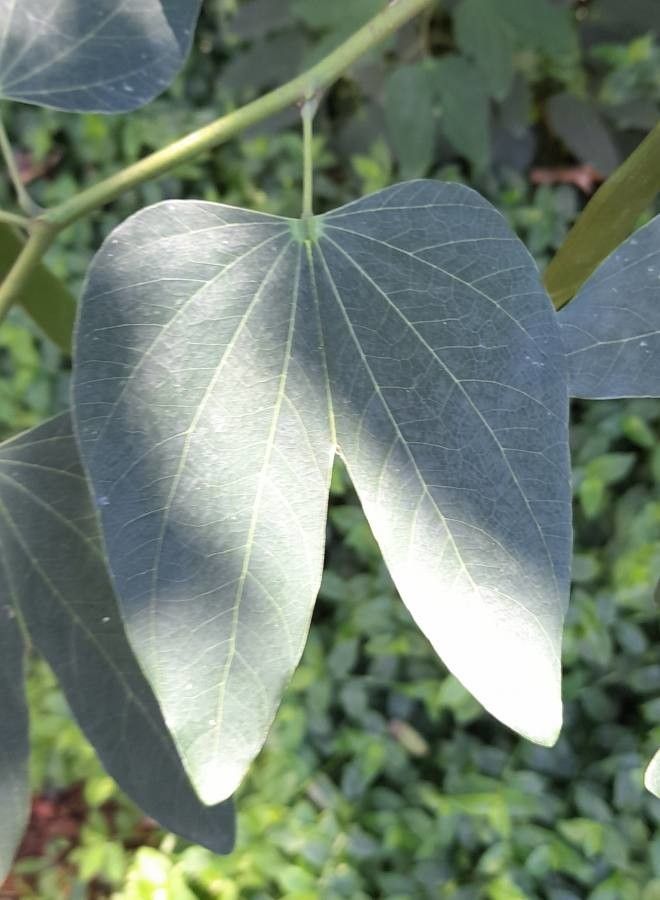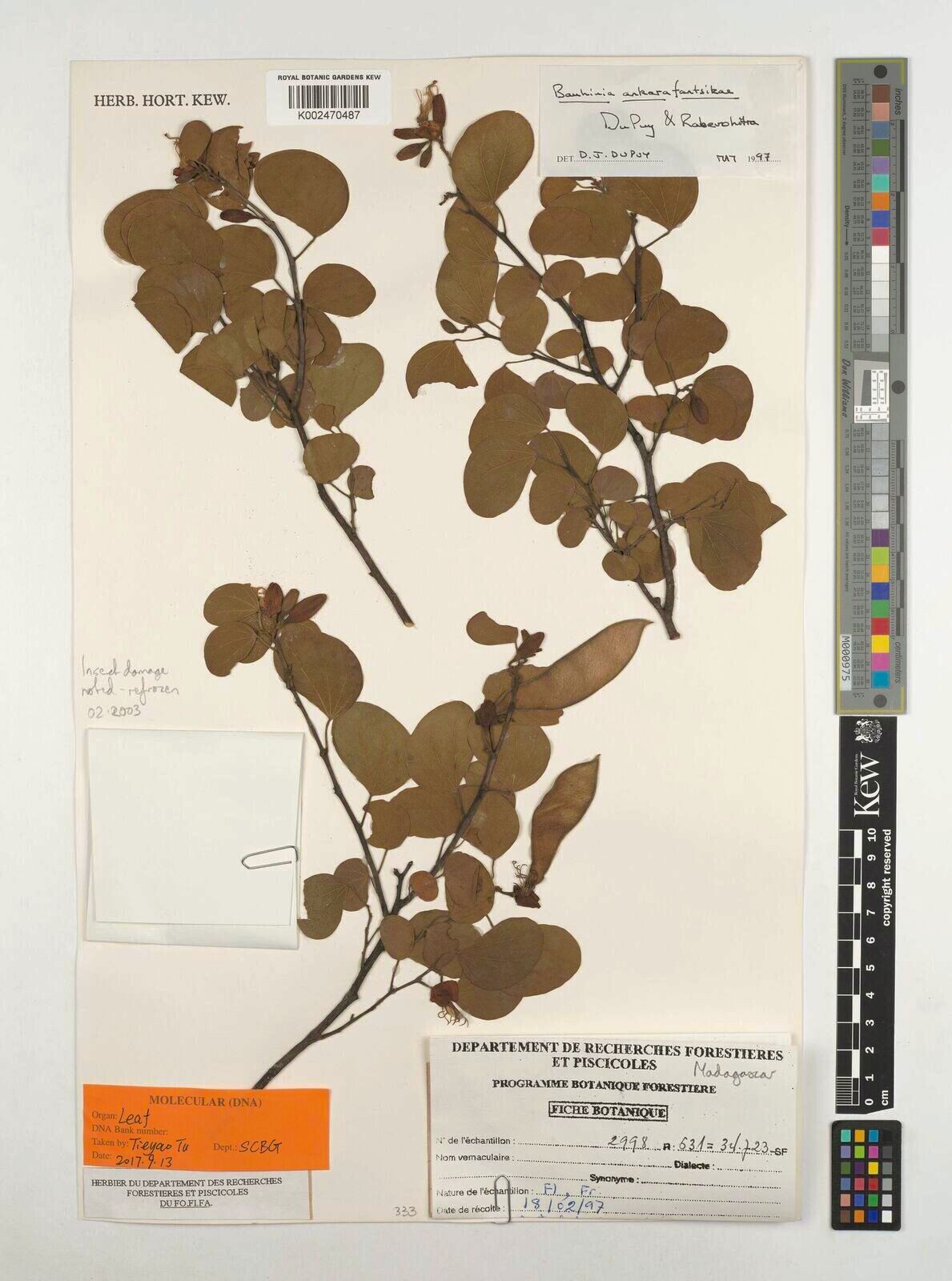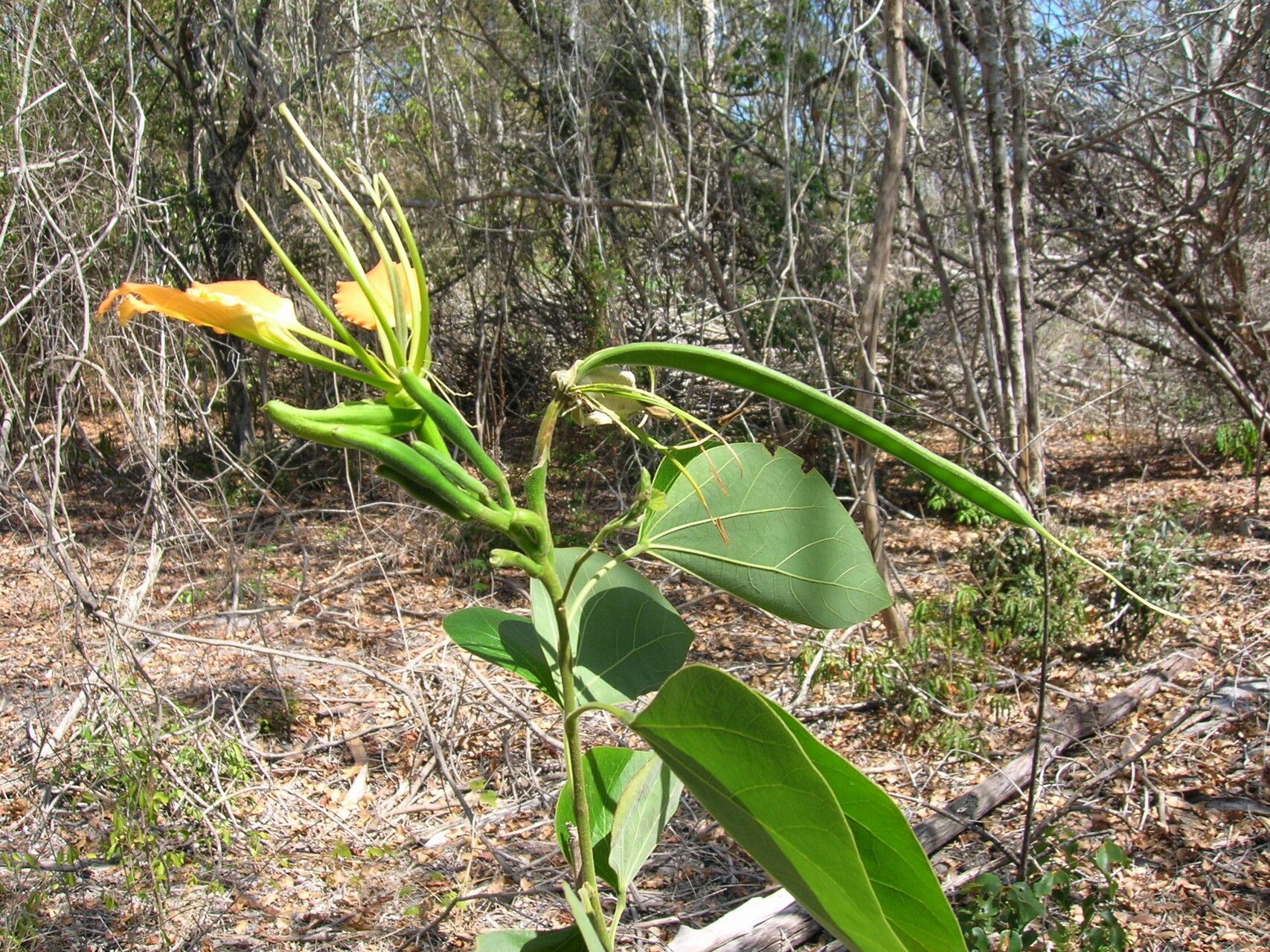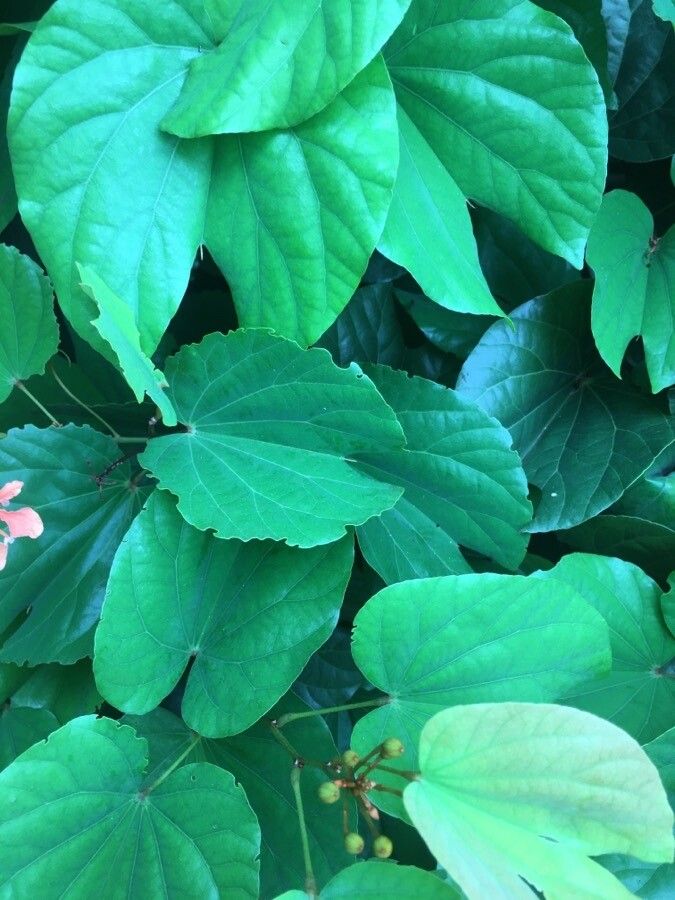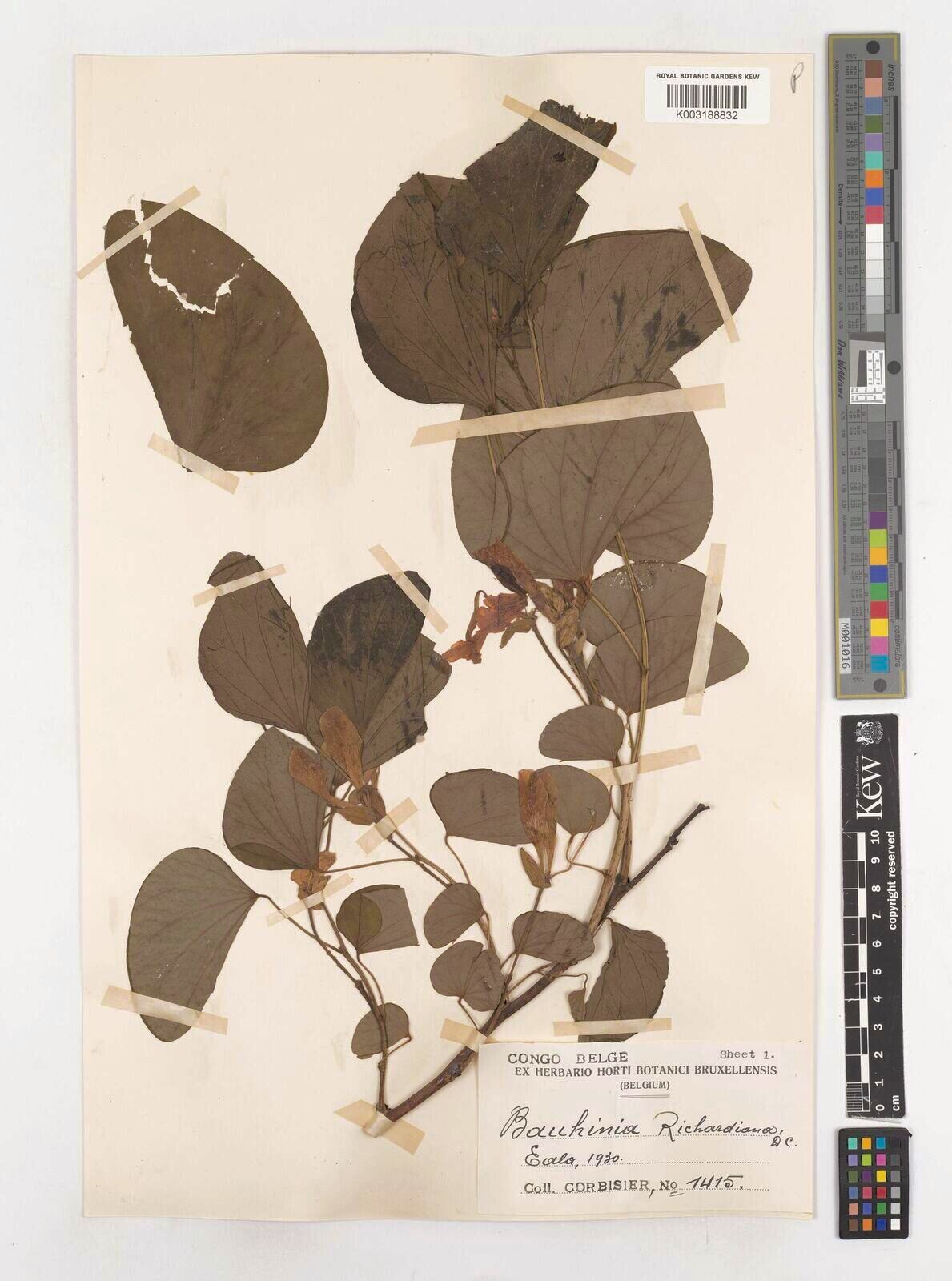
Bauhinia is a large genus of flowering plants in the subfamily Cercidoideae and tribe Bauhinieae, in the large flowering plant family Fabaceae, with a pantropical distribution. The genus was named after the Bauhin brothers Gaspard and Johann, Swiss-French botanists.
The pink bauhinia is disease-resistant and generally not susceptible to illnesses. As for care, this plant is fairly low-maintenance. When grown outdoors it needs only minimal watering, and larger plants typically do not require pruning. Smaller plants, however, should be pruned after they finish blooming. Pink bauhiniat is suitable for anyone with an outdoor area, like a garden or deck, and does not demand extensive gardening experience.
How to keep Bauhinia Richardiana.
Light
The pink bauhinia thrives best when it is highly exposed to light, although it can also tolerate moderate light situations. It naturally grows in environments enriched with plenty of sunlight. On the flip side, excessive exposure may cause damage to the leaves, and insufficient light can impede its flowering and development.
Temperature
The pink bauhinia originates from climates that vary from 50 to 95 °F (10 to 35 ℃), indicating its inclination towards gentler temperatures. During different seasons, modifications might be required to mimic its original habitat.
Fertilizer
It is vital to time the fertilization of Pink bauhinia correctly. Begin fertilizing in the early spring and continue on a monthly basis until the start of summer. The fertilizer aids in producing beautiful flowers and supplies energy during both dormant and active growth stages.
Botanical profile.
- Plant Type
- Tree, Shrub
- Life Cycle
- Perennial
- Genus
- Bauhinia
- Family
- Fabaceae
- Hardiness Zone
- 6-10
- Mature Height
- 14.94 m
- Mature Spread
- 49 cm
- Leaf Color
- Green
- Leaf Type
- Deciduous
- Flower Color
- Yellow, Pink, White, Red
- Flower Size
- 10.16 cm to 12.70 cm
- Bloom Time
- All year round
- Planting Time
- Winter
- Harvest Time
- All year round
- Native Area
- Madagascar