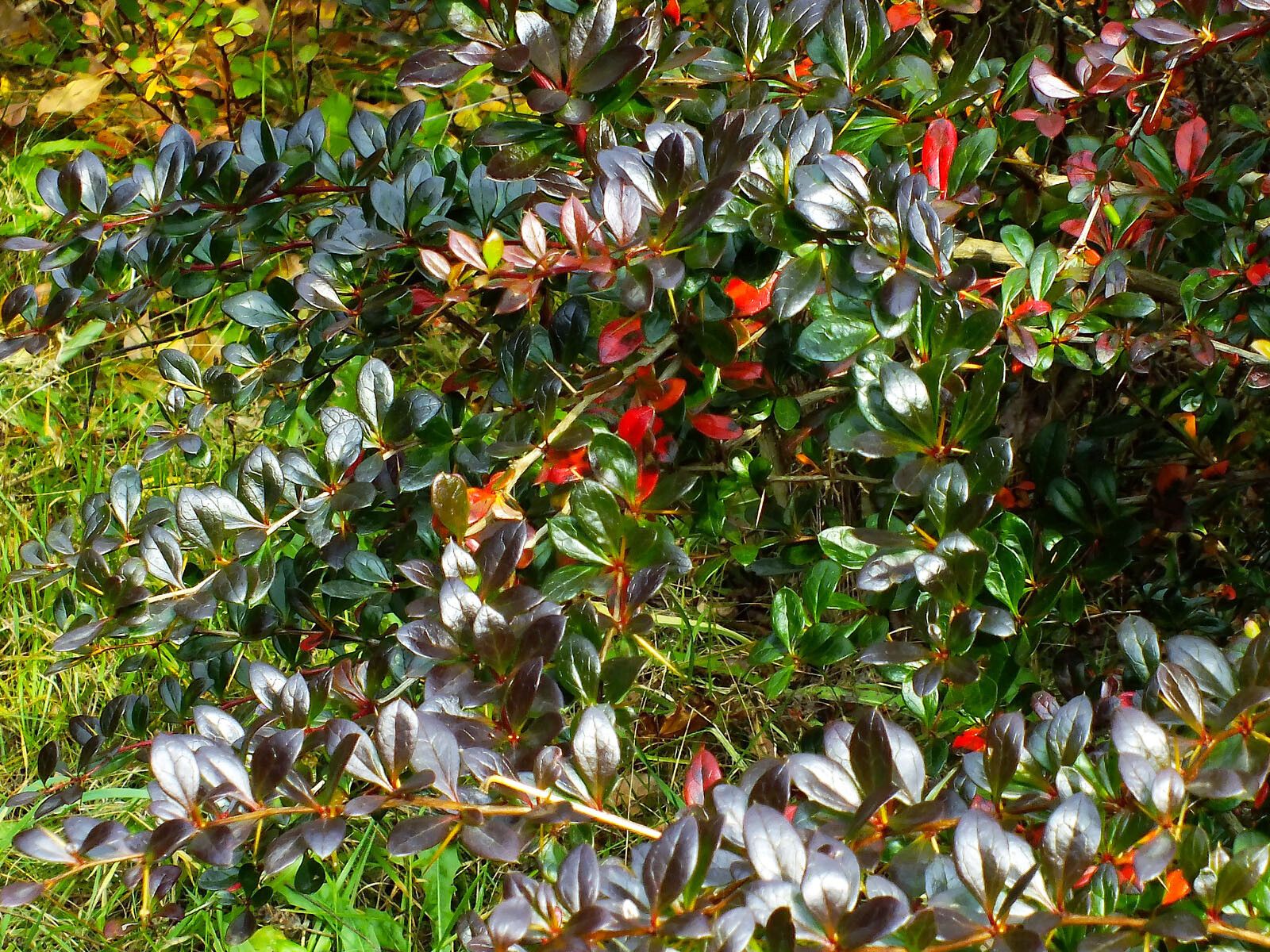
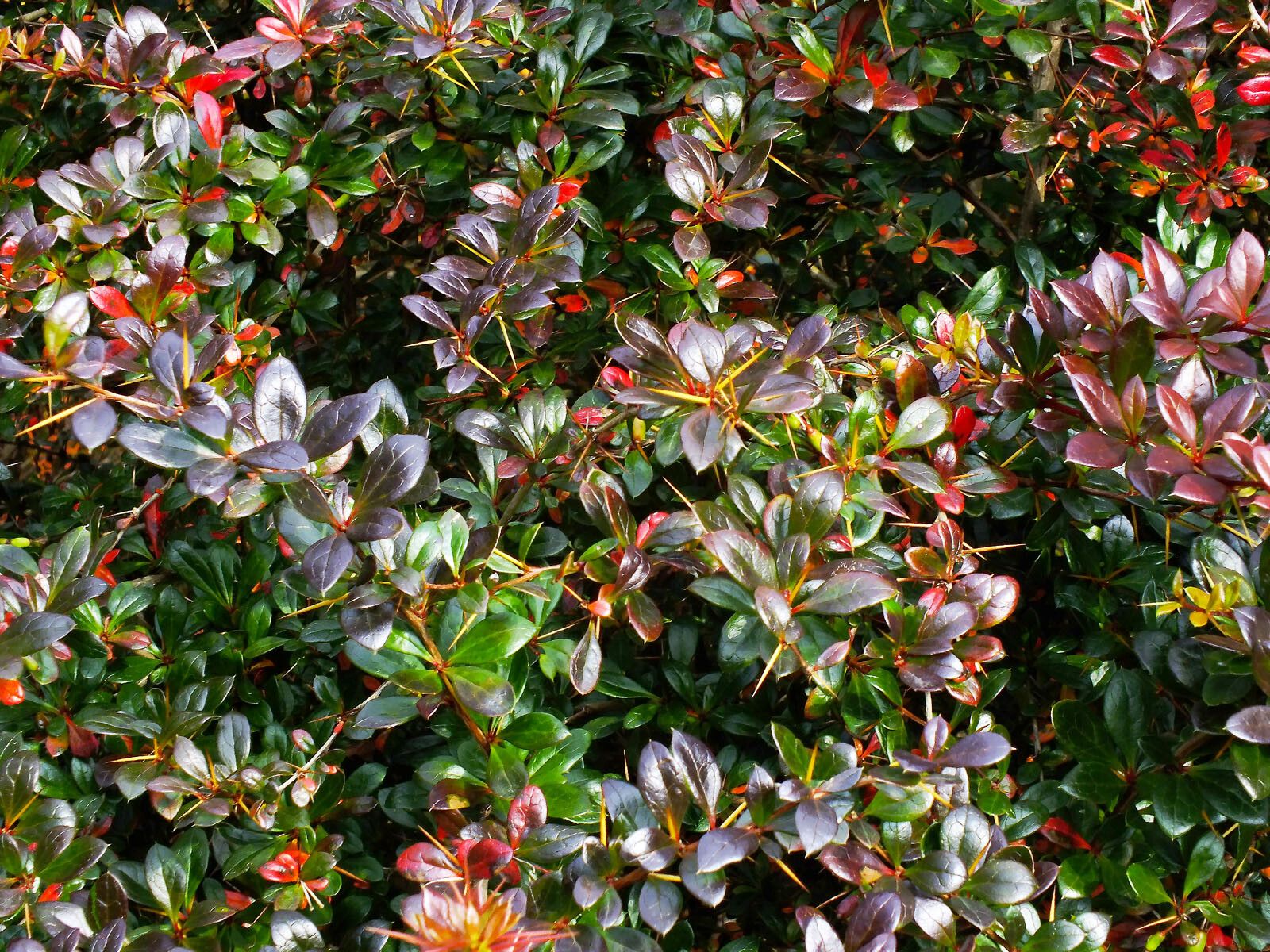
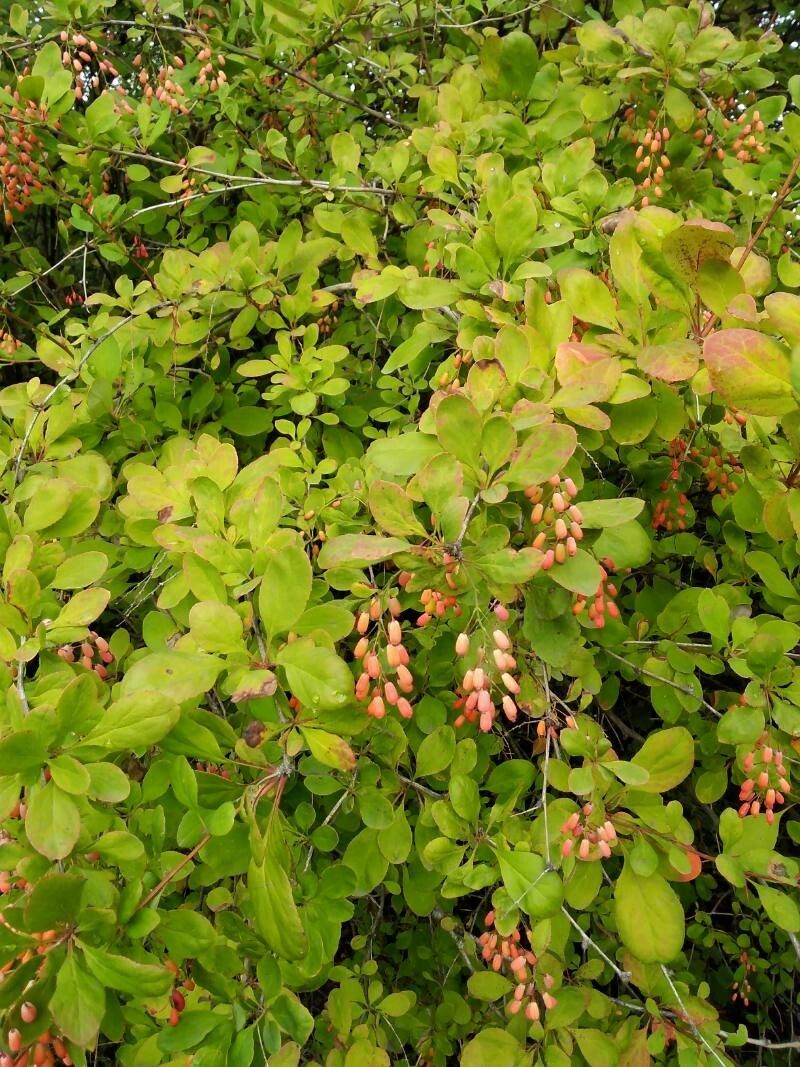
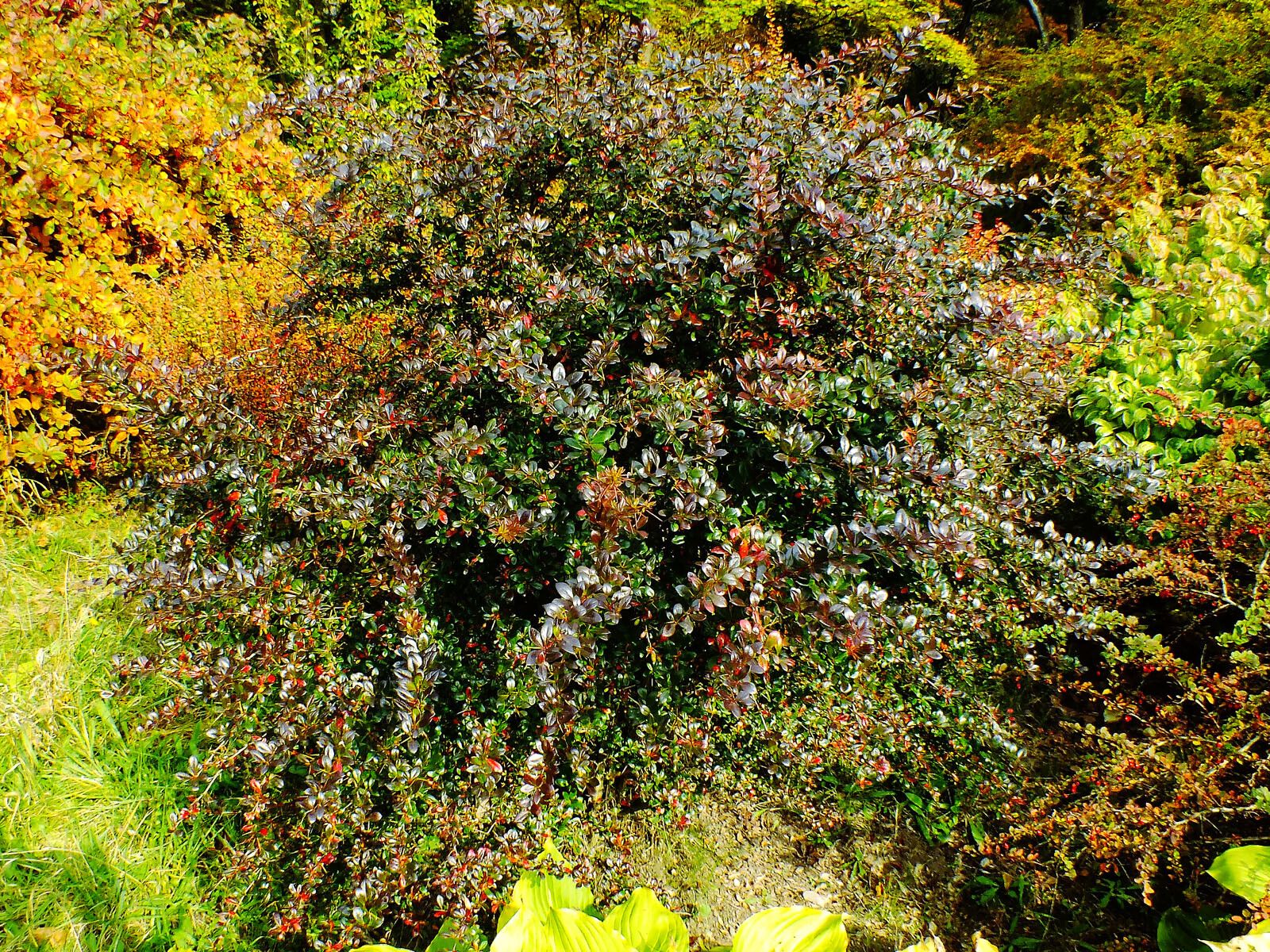
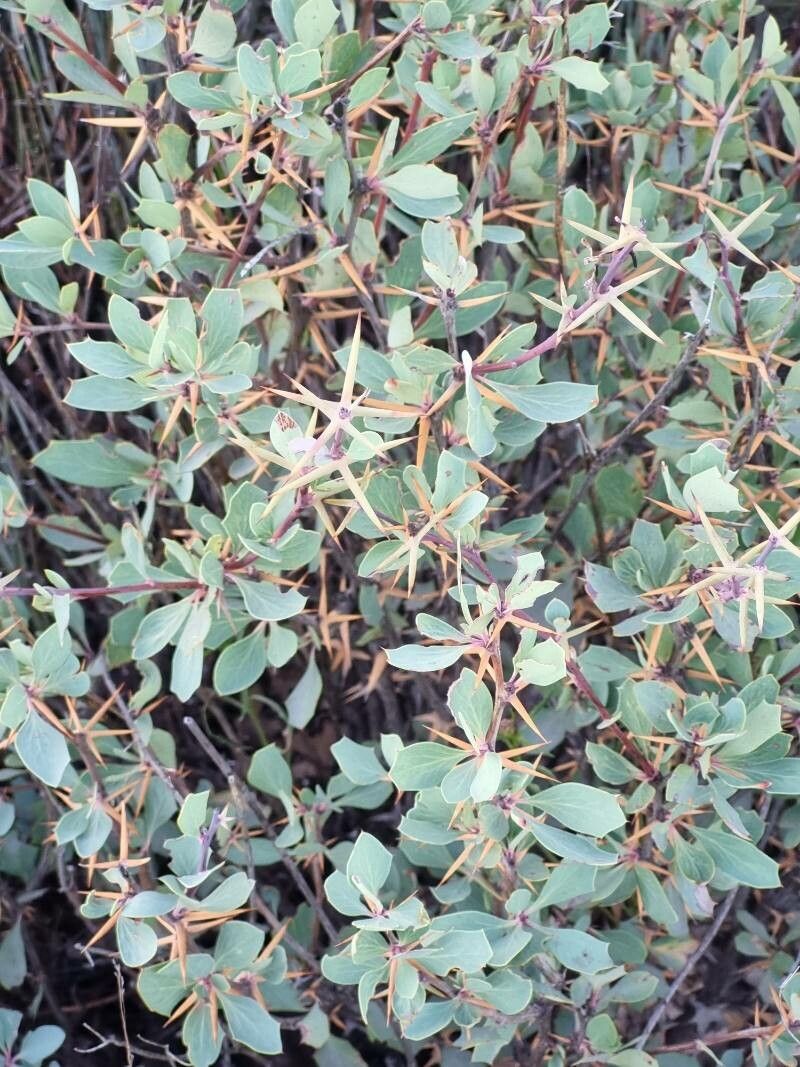
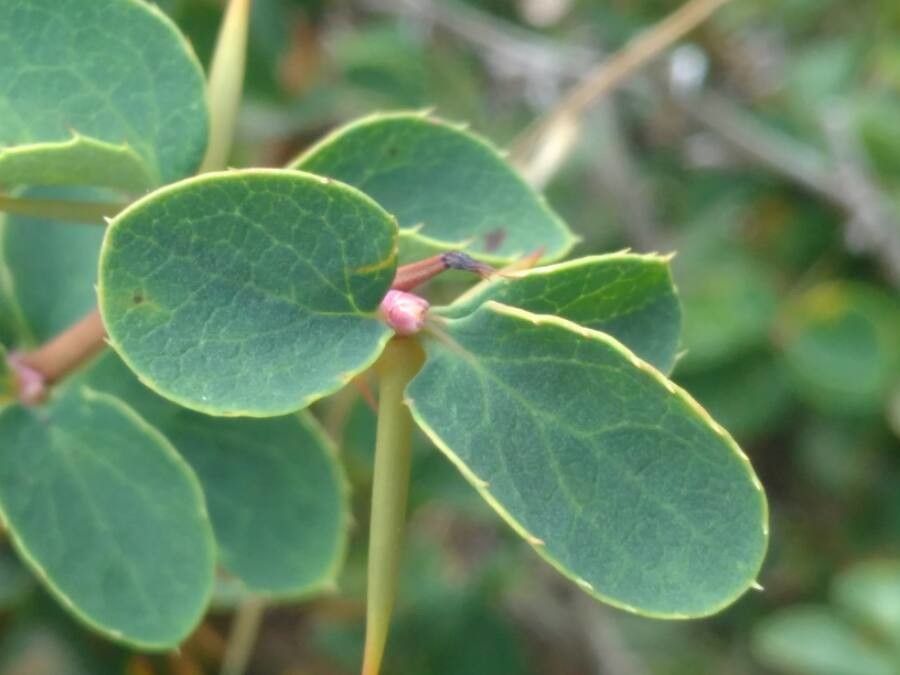
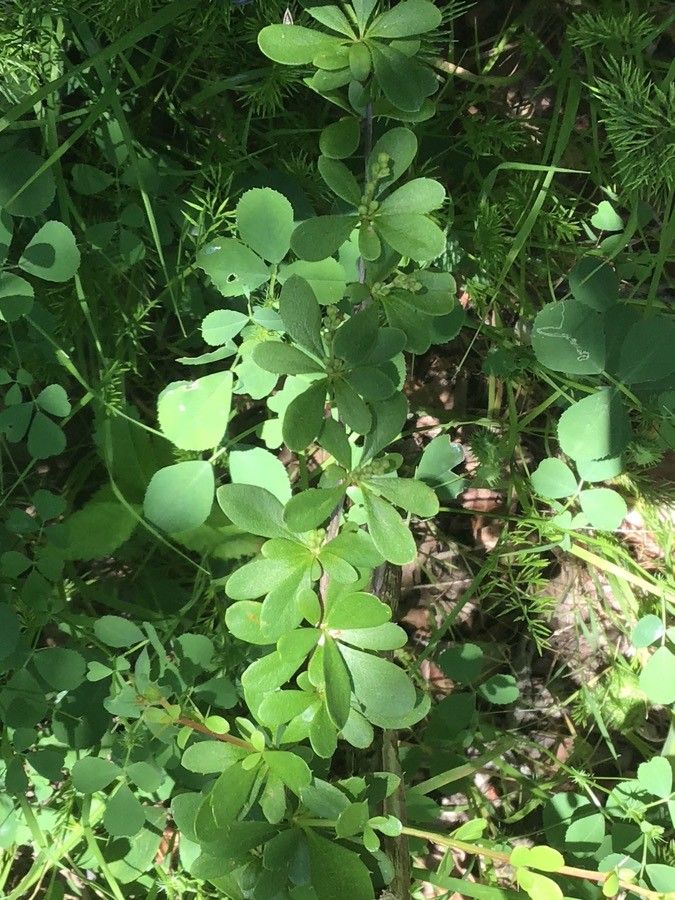
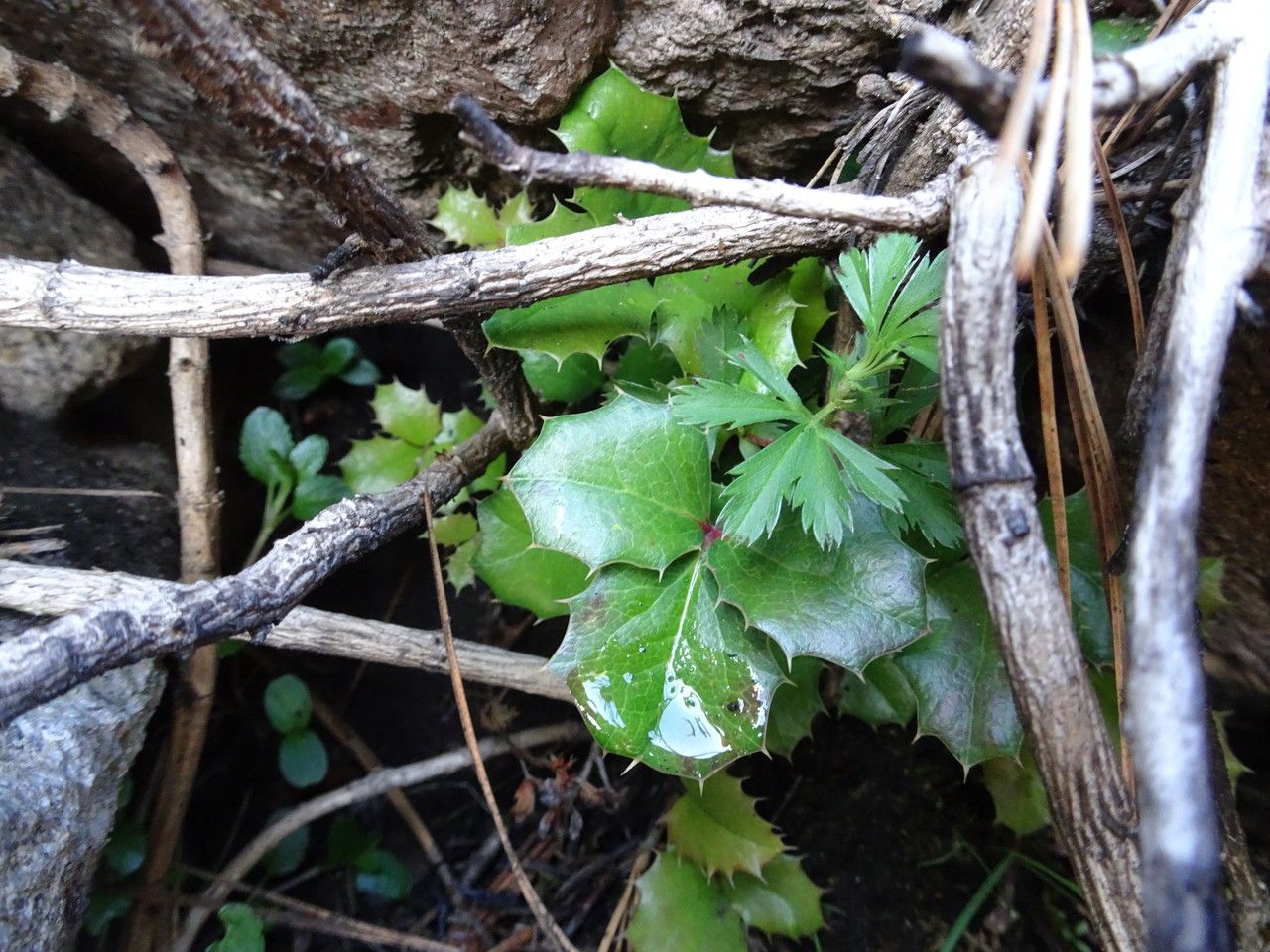
Berberis amurensis, commonly known as Amur barberry, is a shrub native to Japan, Korea, the Russian Far East, and parts of China (Gansu, Hebei, Heilongjiang, Henan, Jilin, Liaoning, Nei Mongol, Shaanxi, Shandong, Shanxi). It is named for the Amur River, which forms part of the boundary between Russia and China. It is found at elevations of 1100–2900 m.Berberis amurensis is a shrub up to 350 cm tall with spines up to 20 mm long on the smaller branches. Leaves are elliptical, paper-thin, up to 10 cm long. Flowers are borne in groups of up to 25. Berries are red, oblong, about 10 mm long.
Amur barberry has strong disease resistance and is usually not susceptible to illnesses. Regarding care, this plant is fairly low-maintenance. Planted outdoors it needs little watering, and larger specimens typically do not require pruning. Smaller plants, however, should be pruned after they finish flowering. Amur barberry is appropriate for anyone with an outdoor area, such as a garden or deck, and does not demand much plant-care experience.
How to keep Berberis Amurensis.
Light
Amur barberry is native to habitats like forest understories and rocky sites, where it occurs in naturally shaded conditions. It prefers partial sun but can tolerate both full sun and full shade, demonstrating its versatility and hardiness.
Water
To ensure the best care for amur barberry during its first growing season, water it only when the topsoil feels dry, rather than watering it daily. Once the plant is established, it becomes drought-resistant and only needs watering during prolonged dry periods. When watering, use a hose to gently irrigate the root system.
Temperature
Amur barberry is highly adaptable to a wide range of climates, from very hot summers to cold winters. Nevertheless, it has an optimal temperature range for healthy growth. If temperatures become too high, the plant can suffer heat and humidity stress, which may kill it. In areas where temperatures approach the lower limits of its cold tolerance, insulating the plant is important to protect it.
Fertilizer
Proper timing is essential when fertilizing Amur barberry. Apply fertilizer in early spring and continue monthly through early summer. Fertilizer promotes attractive blooms and supplies energy during both dormant and active growth periods.
Pruning
The Amur barberry is a tough, deciduous shrub known for its thorny branches and red berries. To encourage healthy growth and shape, prune it in early spring. Focus on removing dead wood and thinning out overcrowded branches to improve air circulation. This practice enhances the shrub's vigor, making the Amur barberry a durable addition to any garden.
Botanical profile.
- Plant Type
- Shrub
- Life Cycle
- Perennial
- Genus
- Berberis
- Family
- Berberidaceae
- Hardiness Zone
- 4-8
- Mature Height
- 3.35 m
- Mature Spread
- 2.44 m to 3.66 m
- Leaf Color
- Green
- Leaf Type
- Deciduous
- Flower Color
- Yellow
- Flower Size
- 4.06 cm to 10.16 cm
- Bloom Time
- Mid spring, Late spring
- Planting Time
- Spring, Summer
- Harvest Time
- Late summer, Early fall, Mid fall
- Native Area
- Russia, Japan, Mongolia, Koppen, South Korea, China
Other names.