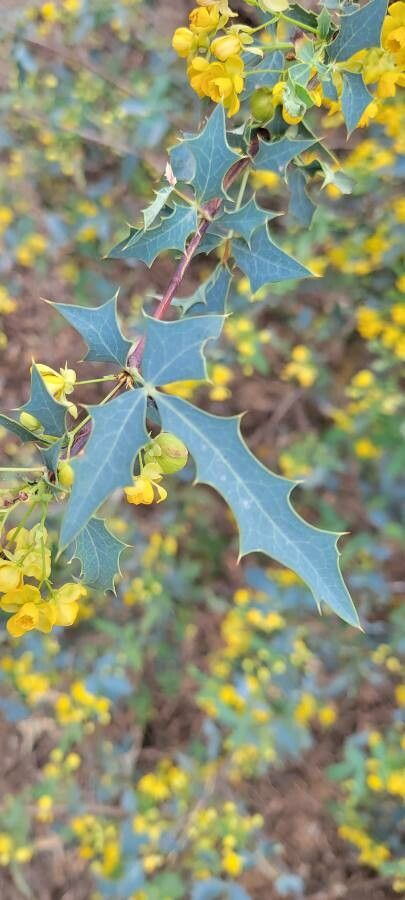
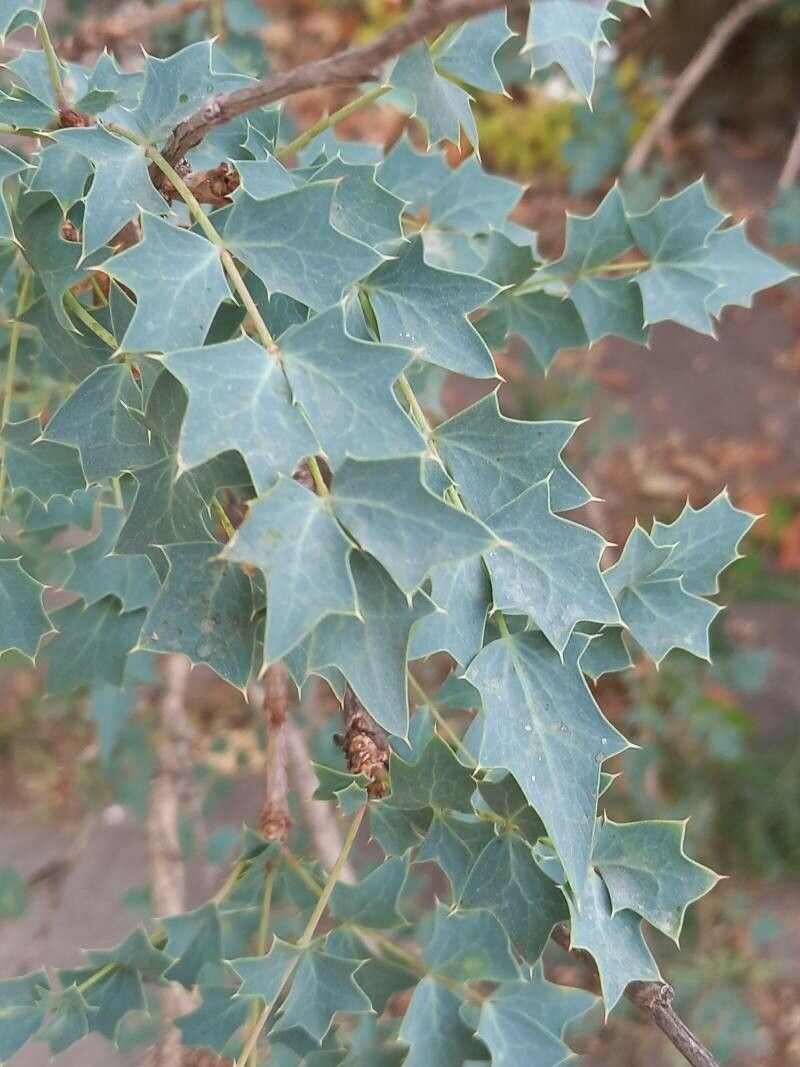
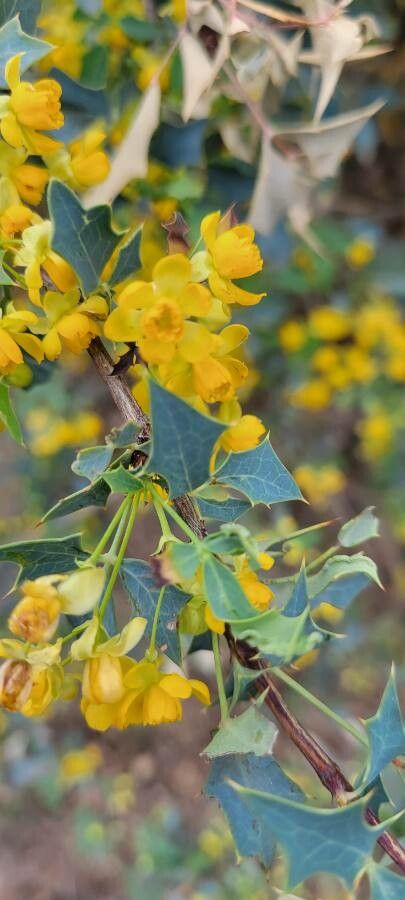
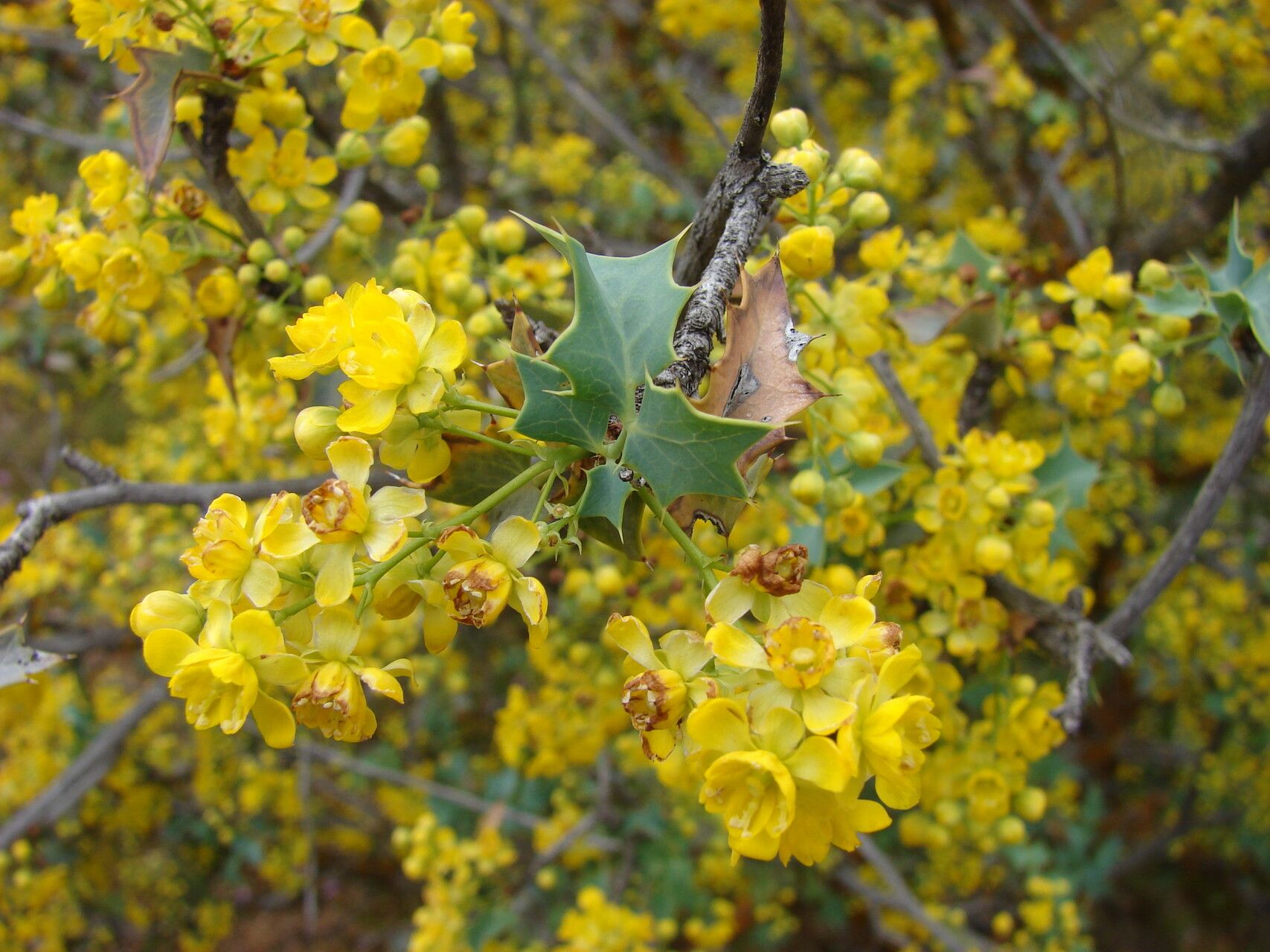
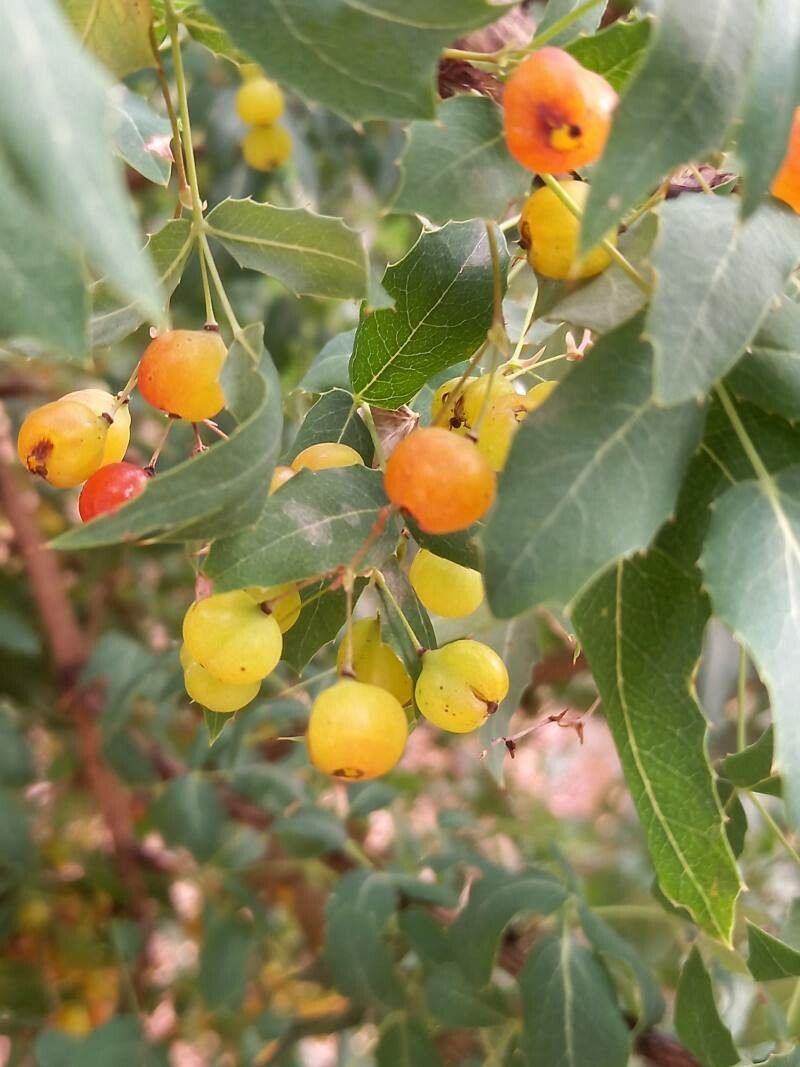
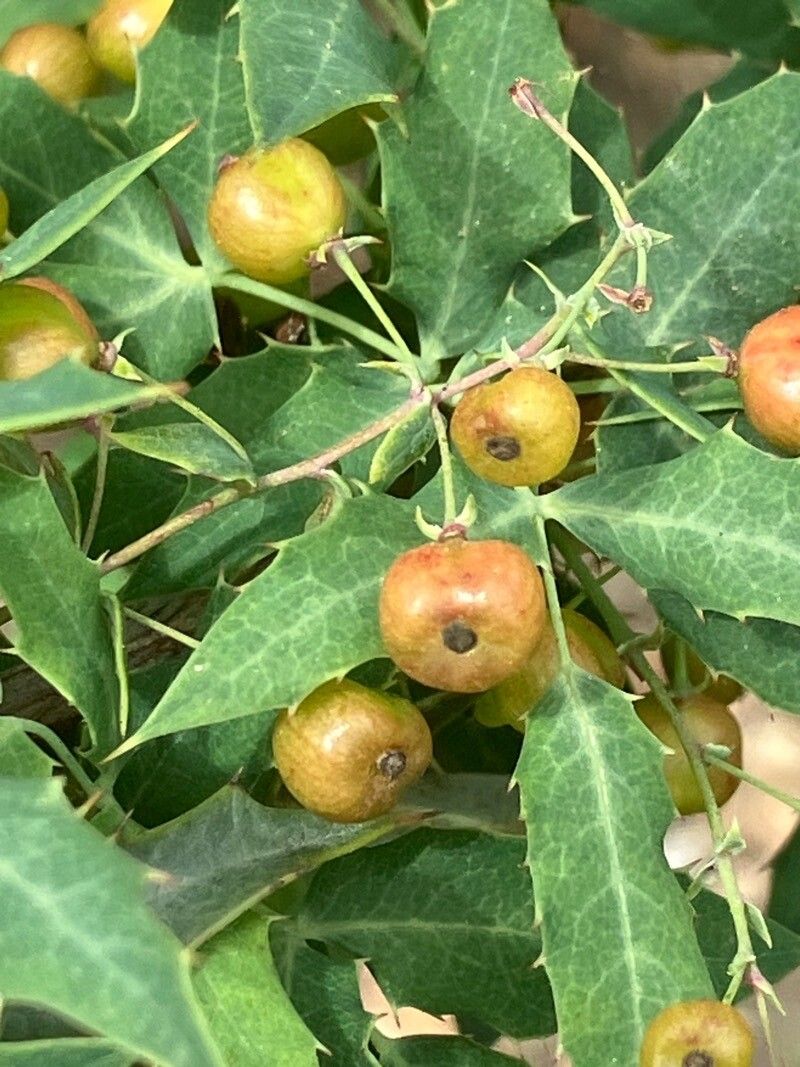
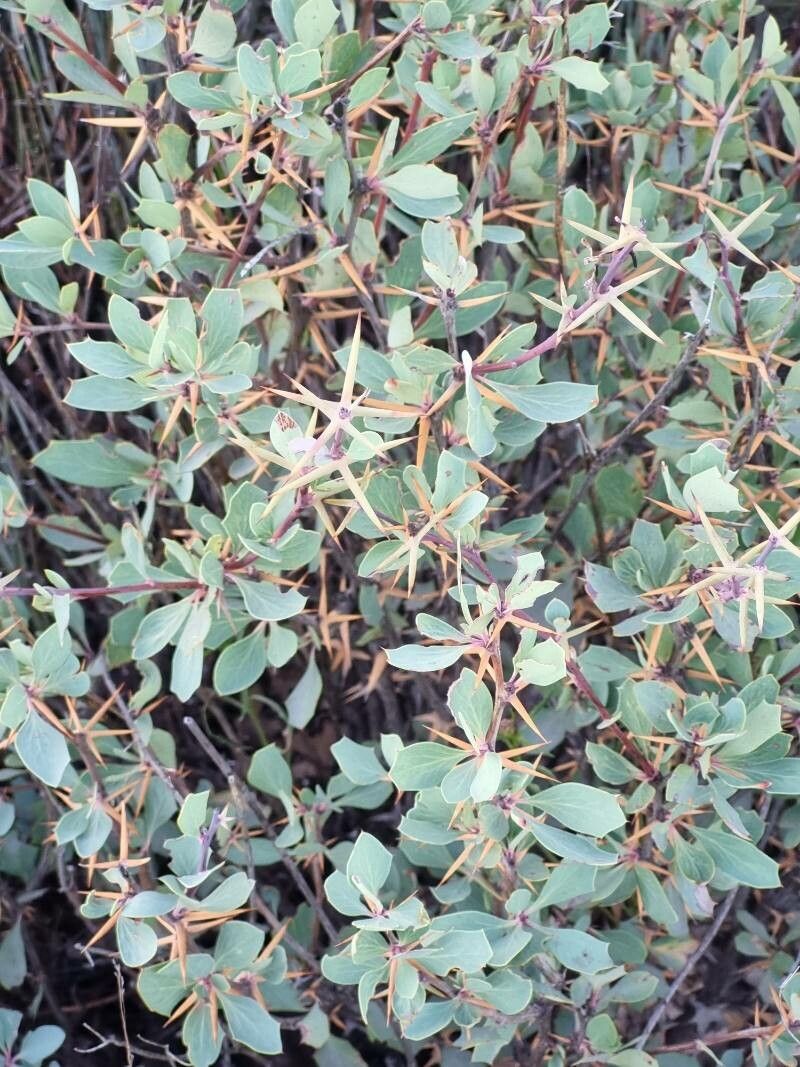
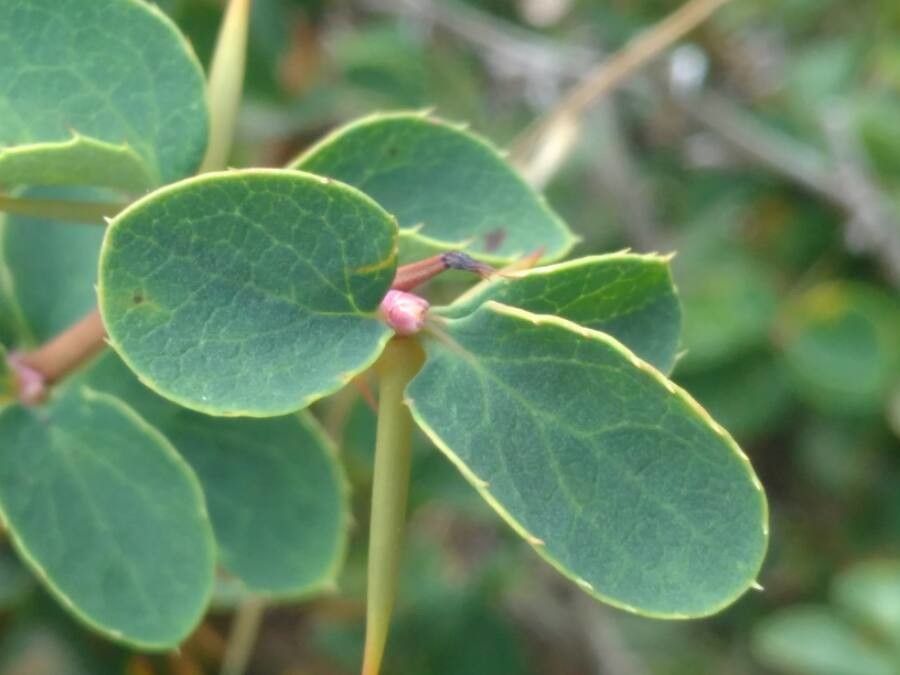
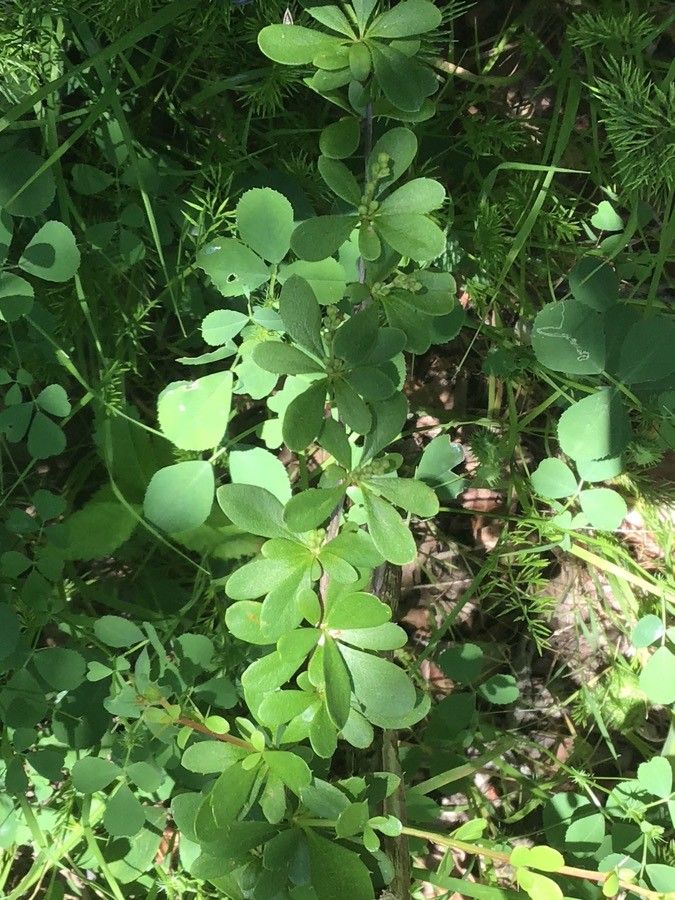
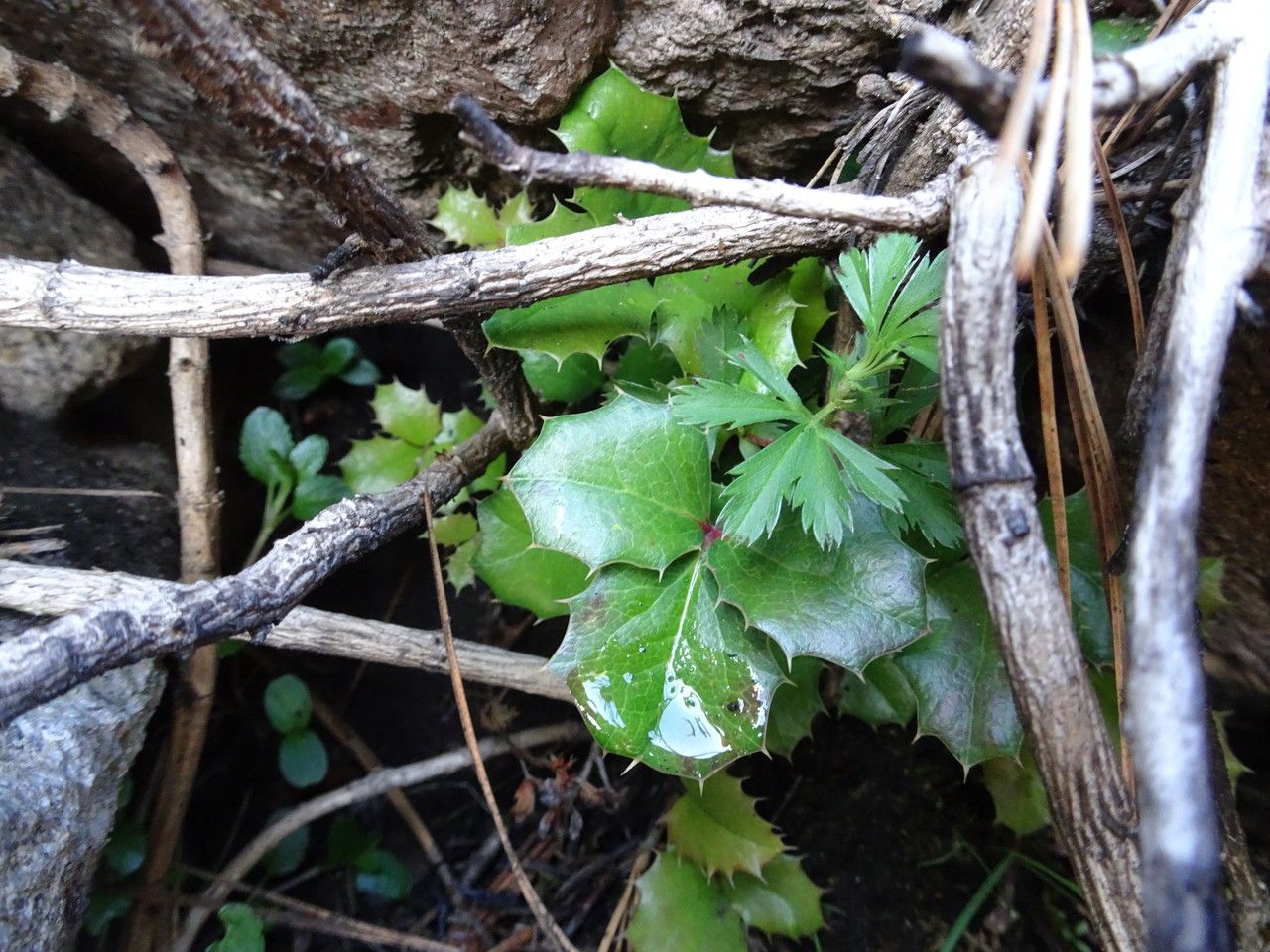
Berberis fremontii is a species of barberry known by the common name Frémont's mahonia.
Fremont barberry is disease-resistant and typically not susceptible to illnesses. Regarding care, this plant is fairly low-maintenance. Planted outdoors, it needs minimal watering, and larger specimens usually do not require pruning. Smaller plants, however, should be pruned after they finish blooming. Fremont barberry is appropriate for anyone with outdoor space, like a garden or deck, and does not demand much gardening experience.
How to keep Berberis Fremontii.
Light
The Fremont barberry grows optimally when consistently exposed to plenty of sunlight. The level of light is key to its development and vitality. It can withstand lower light situations in some instances, though it might not grow as strongly. Too much or too little sunlight might potentially harm the plant's general health.
Water
The Fremont barberry, native to arid regions, is highly drought-tolerant and requires minimal moisture to thrive. To mimic its natural dry habitat, water the plant every 2-3 weeks. As an outdoor plant, the Fremont barberry stores water in its tissues, enabling it to endure extended periods of drought.
Temperature
The Fremont barberry is native to areas where the temperature varies between 41 and 77 °F (5 to 25 ℃). It flourishes in these moderate climates. In various seasons, it's essential to prevent it from experiencing extreme temperatures on either end.
Fertilizer
It's essential to time the fertilization of Fremont barberry correctly. Begin the process in the early part of spring and conduct it on a monthly basis until the commencement of summer. The fertilizer contributes to the production of beautiful blossoms and supplies necessary energy throughout both dormancy and periods of active growth.
Pruning
The Fremont barberry is a resilient shrub characterized by its thorny stems and vibrant yellow flowers. To encourage growth and maintain its shape, prune the shrub in late spring after it has finished flowering. During pruning, remove any dead wood and thin out dense areas. Be sure to clean your tools before and after use to prevent disease, which will help enhance the shrub's longevity and blooming. Regular pruning and tool maintenance will also aid in controlling pests.
Botanical profile.
- Plant Type
- Shrub
- Life Cycle
- Perennial
- Genus
- Berberis
- Family
- Berberidaceae
- Hardiness Zone
- 5
- Mature Height
- 1.52 m
- Mature Spread
- 1.52 m
- Leaf Color
- Green, Blue, Purple, Lavender
- Leaf Type
- Evergreen
- Flower Color
- Yellow
- Flower Size
- 0.51 cm
- Bloom Time
- Mid spring, Late spring
- Planting Time
- Spring, Summer, Autumn
- Harvest Time
- Mid summer, Late summer, Early fall
Other names.