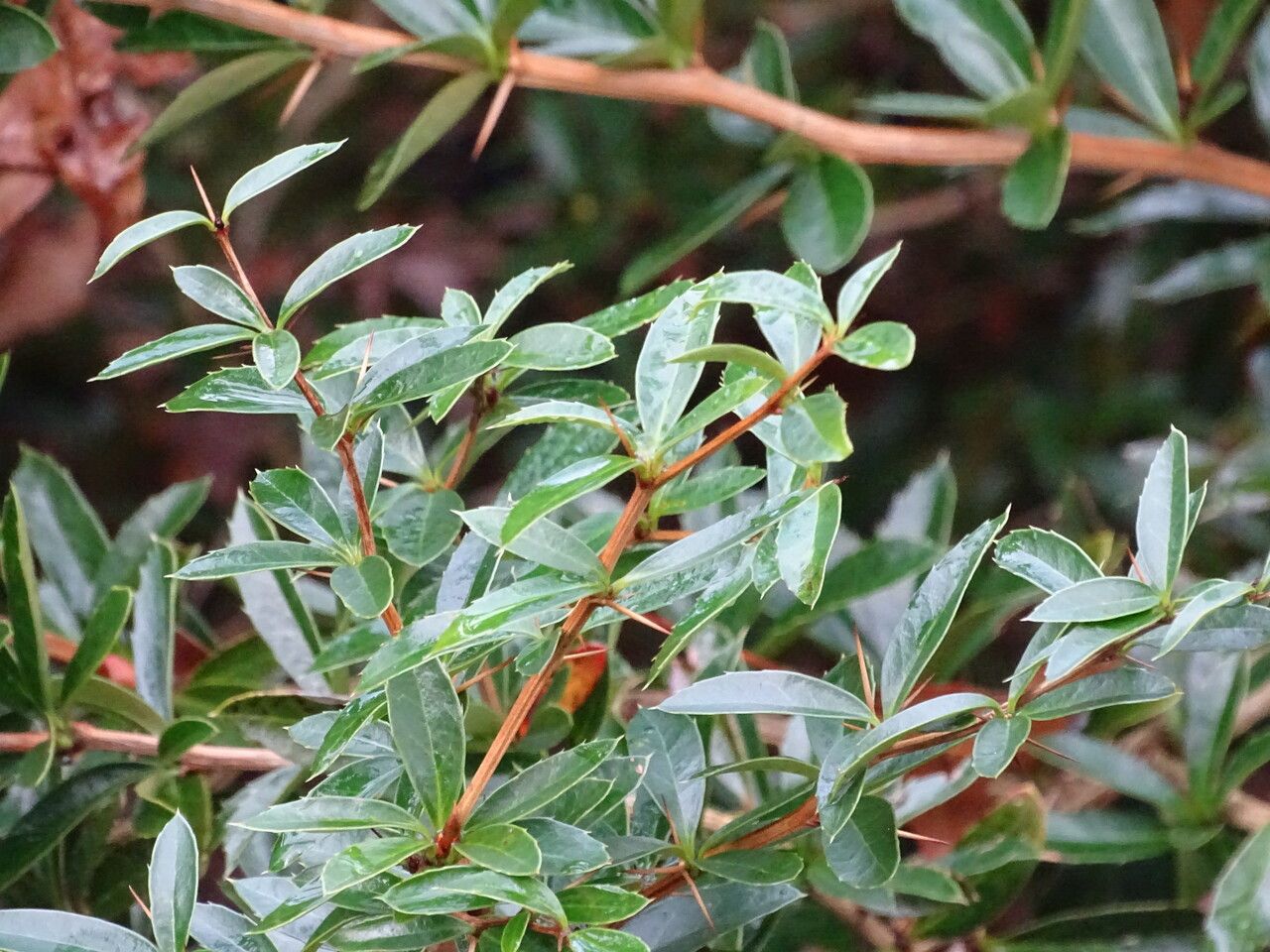
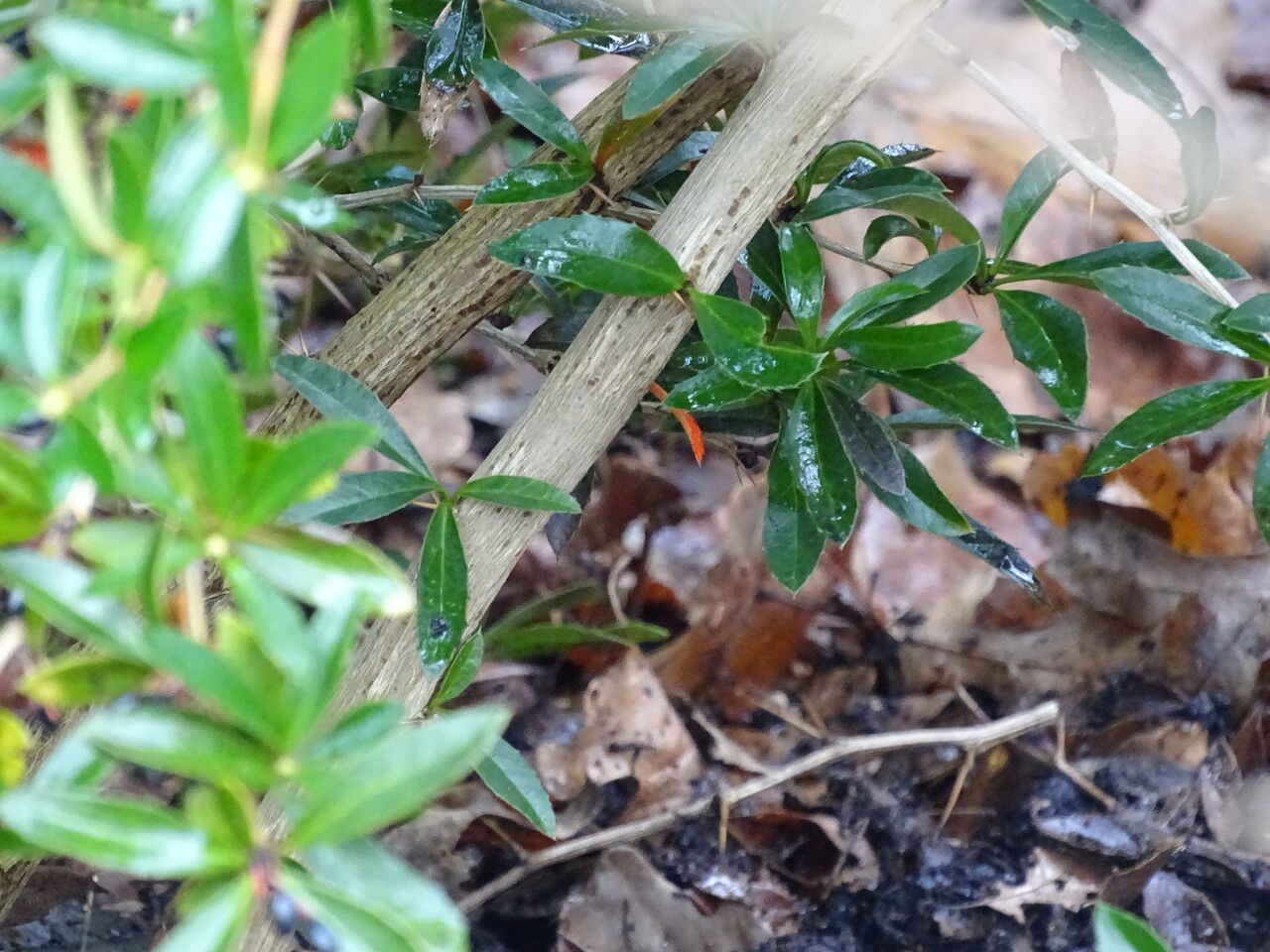
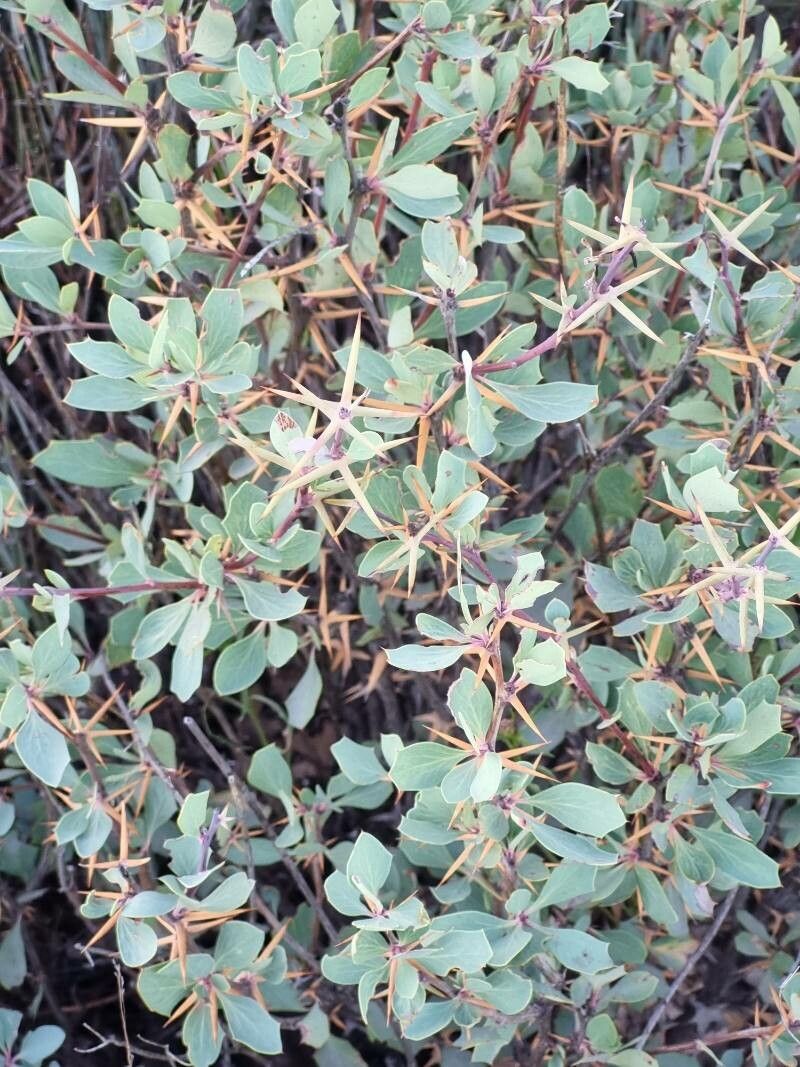
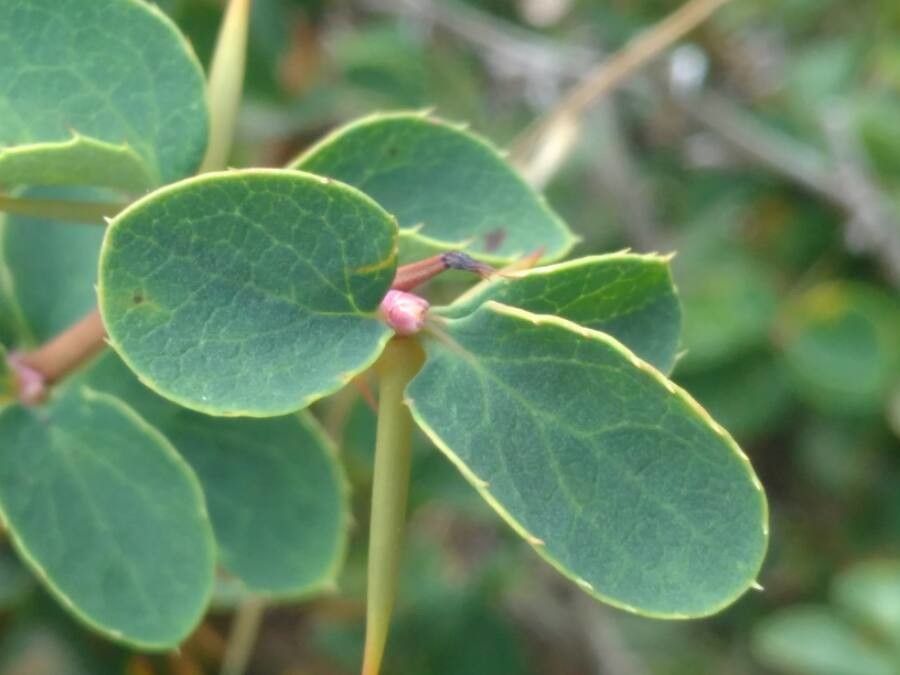
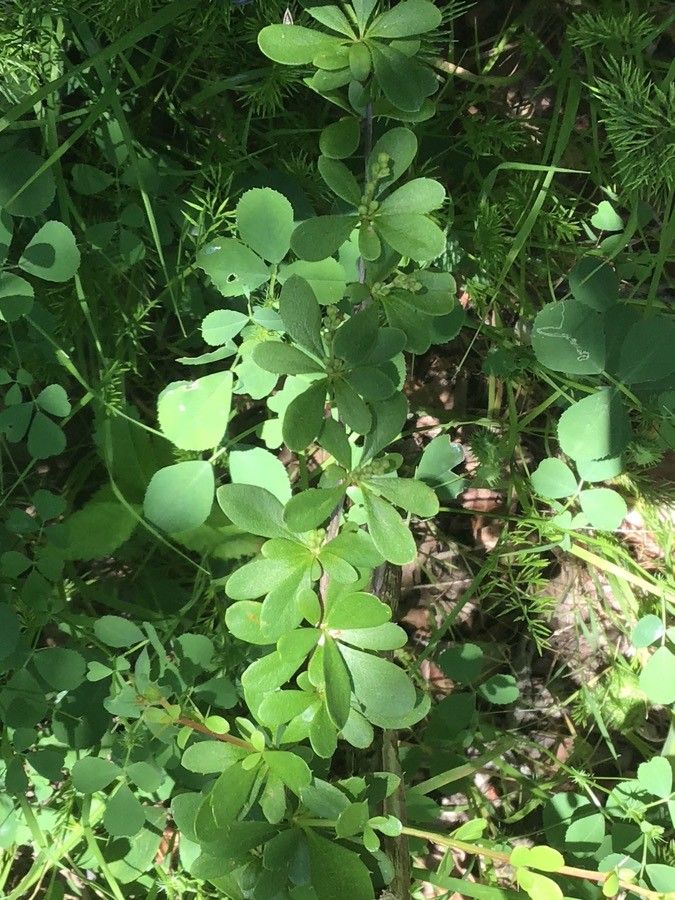
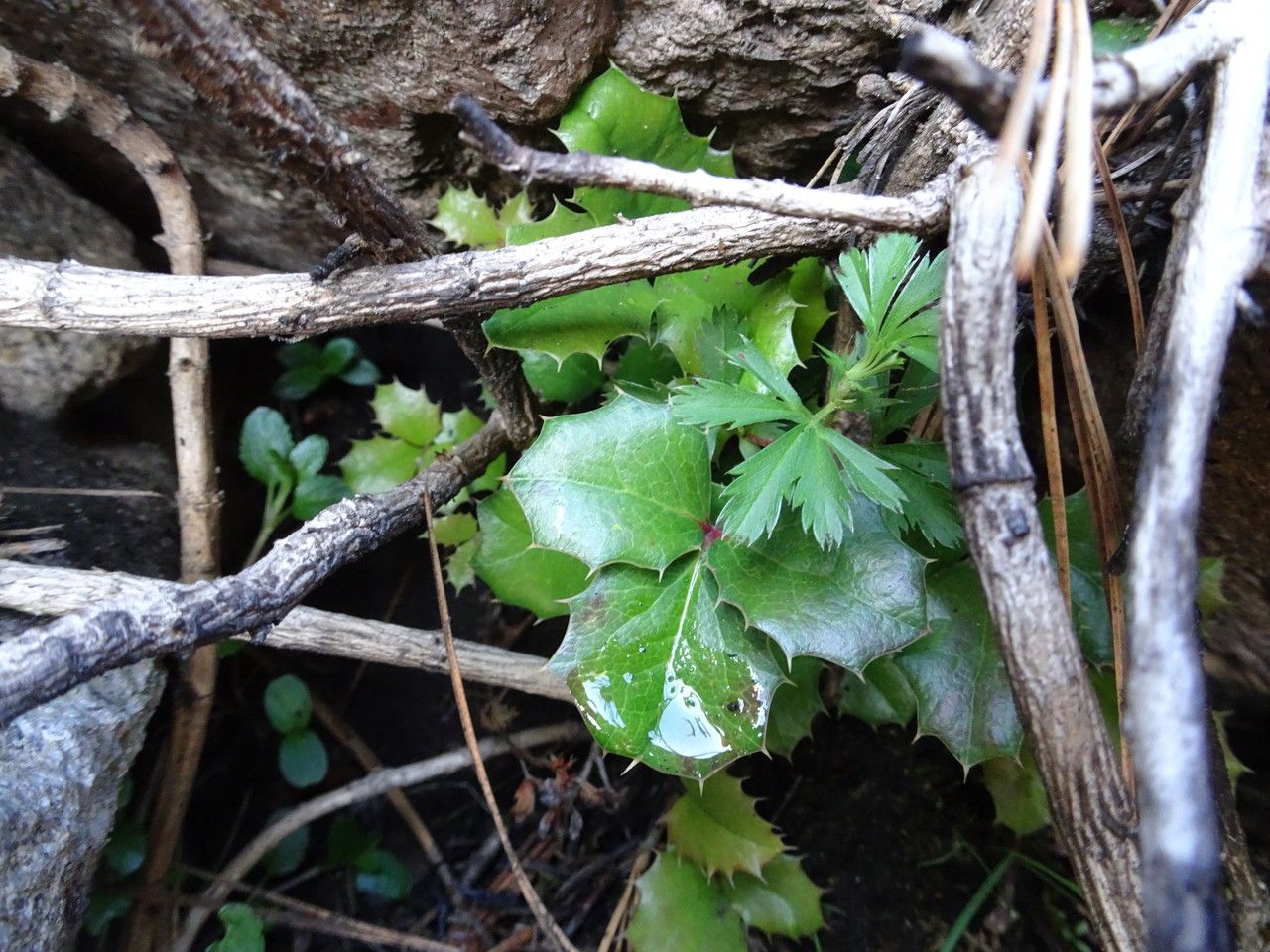
Taiwan barberry is highly disease-resistant and generally not susceptible to illnesses. In terms of care, this plant is fairly low-maintenance. When grown outdoors it needs little watering, and larger specimens usually do not require pruning. Smaller plants, however, should be pruned after they finish blooming. Taiwan barberry is suitable for anyone with outdoor space, such as a garden or a deck, and does not require extensive care experience.
How to keep Berberis Kawakamii.
Light
Taiwan barberry comes from open surroundings like sunlit meadows and the outskirts of forests where there is abundant light. It flourishes in Full Sun and can also withstand Partial Sun, showing good adaptability to a range of sunlight situations.
Water
The Taiwan barberry is a plant that naturally grows in moist environments and thrives best with consistent moisture, although it can tolerate moderate drought. To maintain its health, it should be watered twice a week. This plant is more suited for outdoor cultivation, where it can take advantage of natural rainfall patterns and adapt to varying water supplies in different climates.
Temperature
The Taiwan barberry is highly adaptive to different weather conditions, including hot summers and cold winters. Nonetheless, there is an optimal temperature range for its development. If the temperature rises too much, the plant is susceptible to stress from heat and humidity, which could lead to its death. In areas where temperatures touch the lower end of its cold resistance, it becomes essential to apply insulation techniques to safeguard the plant.
Fertilizer
The fertilization of Taiwan barberry is highly dependent on timing. Start fertilizing in the early part of spring and continue the process on a monthly basis until the start of summer. Supplying fertilizers aids in producing attractive blooms and fuels the plant during both dormant and active growth stages.
Pruning
Prune the Taiwan barberry in early spring to remove damaged branches and control its size. This practice promotes better air circulation and encourages new growth. Avoid heavy pruning, as it can reduce flowering. Regular maintenance is essential for the plant's health and vigor, allowing it to thrive in alignment with its growth cycle before the blooming season.
Botanical profile.
- Plant Type
- Shrub
- Life Cycle
- Perennial
- Genus
- Berberis
- Family
- Berberidaceae
- Hardiness Zone
- 5-8
- Mature Height
- 0.91 m to 2.13 m
- Mature Spread
- 0.91 m to 1.52 m
- Leaf Color
- Green
- Leaf Type
- Semi-evergreen
- Flower Color
- Yellow
- Flower Size
- 0.51 cm to 0.76 cm
- Bloom Time
- Early spring, Mid spring
- Planting Time
- Spring, Summer
- Harvest Time
- Summer
- Native Area
- China
Reader questions.
What are the sunlight requirements for Taiwan barberry (Berberis kawakamii)?
Taiwan barberry (Berberis kawakamii) thrives under specific sunlight conditions. For the plant to flourish, it requires full sun, which means it should receive above 6 hours of sunlight daily. If you're unable to provide full sun, Taiwan barberry can also grow in partial sun — about 3-6 hours of sunlight each day. It's crucial to observe how sunlight moves through your garden throughout the day. Choosing locations that offer the right mix of light and shade will significantly contribute to the happiness and health of your Taiwan barberry plants.
What is Taiwan barberry?
Taiwan barberry, known scientifically as Berberis kawakamii, is a plant species. Details regarding its essential characteristics, symptoms (if any are relevant), and additional information have not been provided.