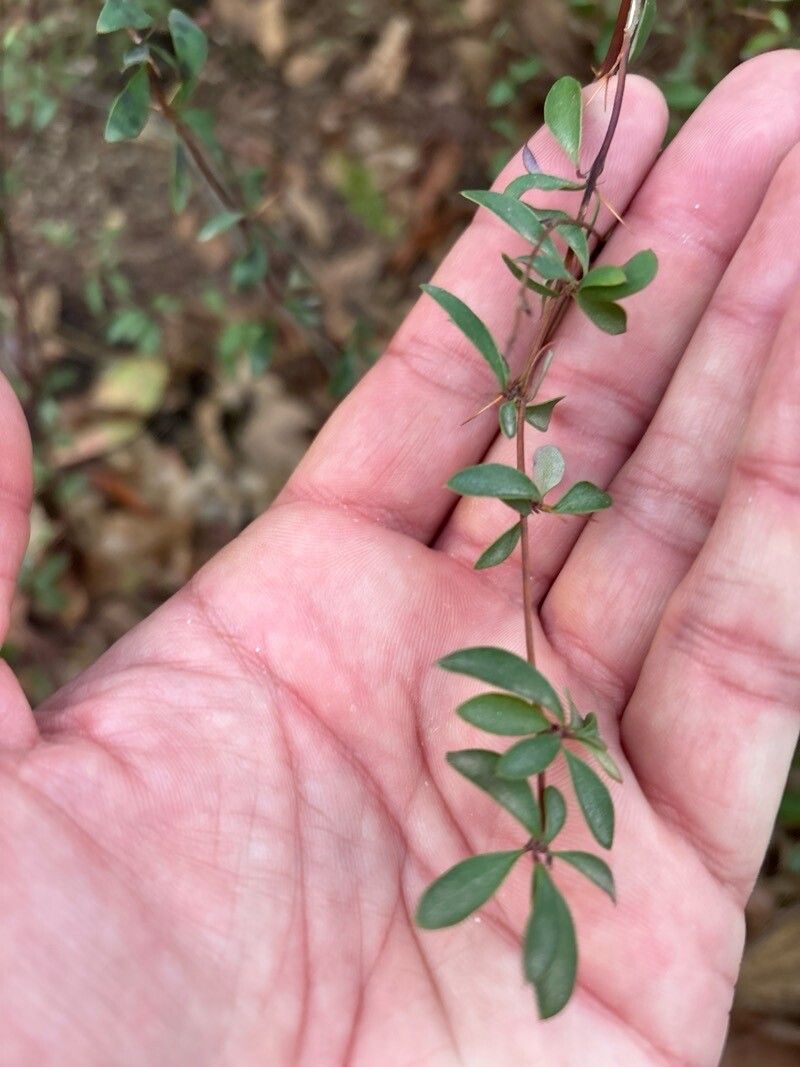
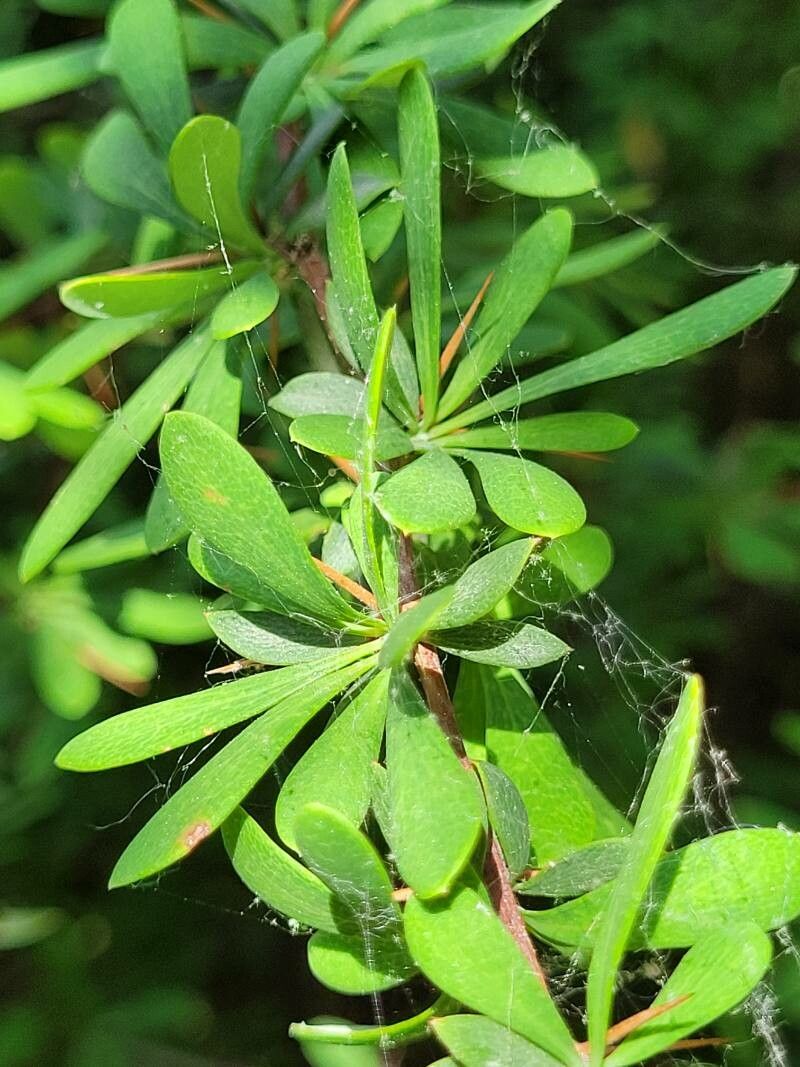
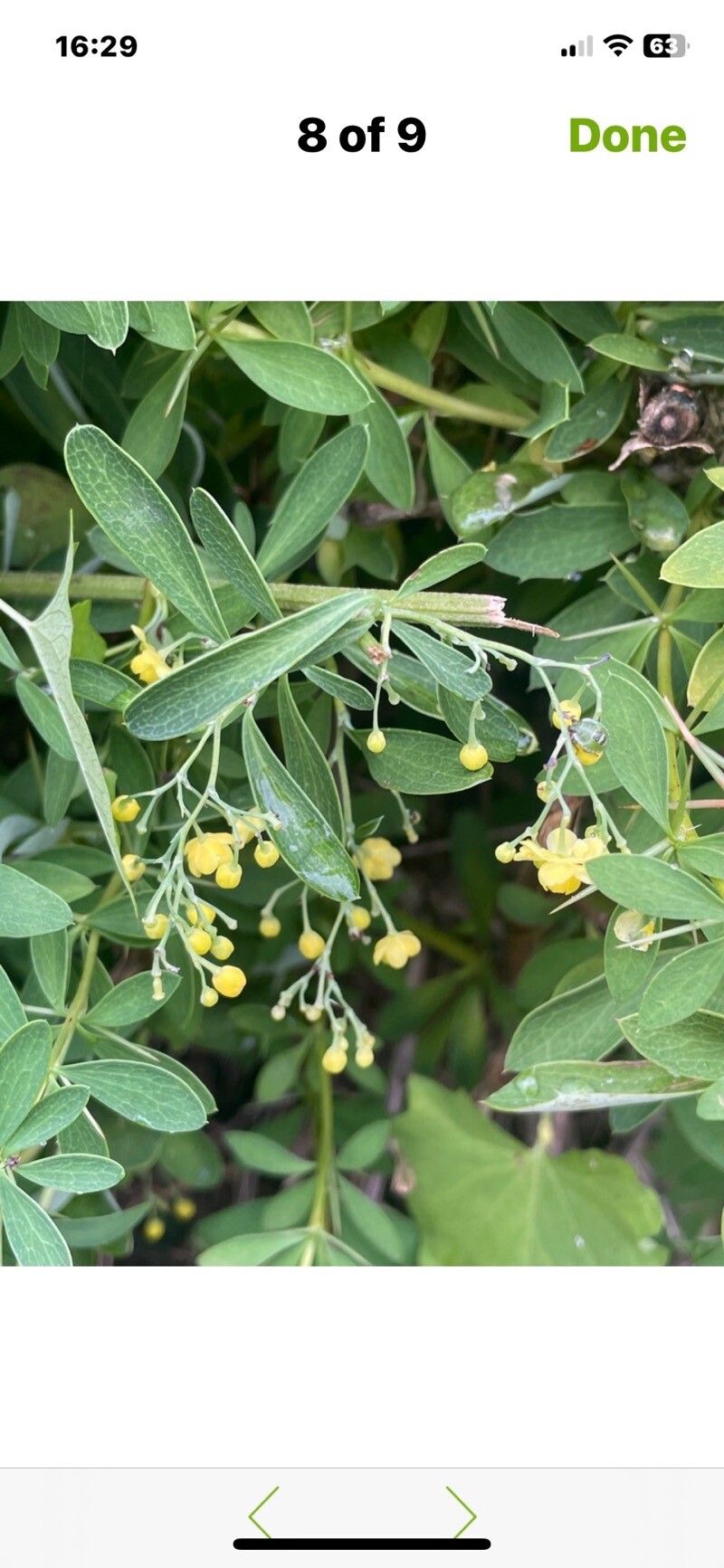
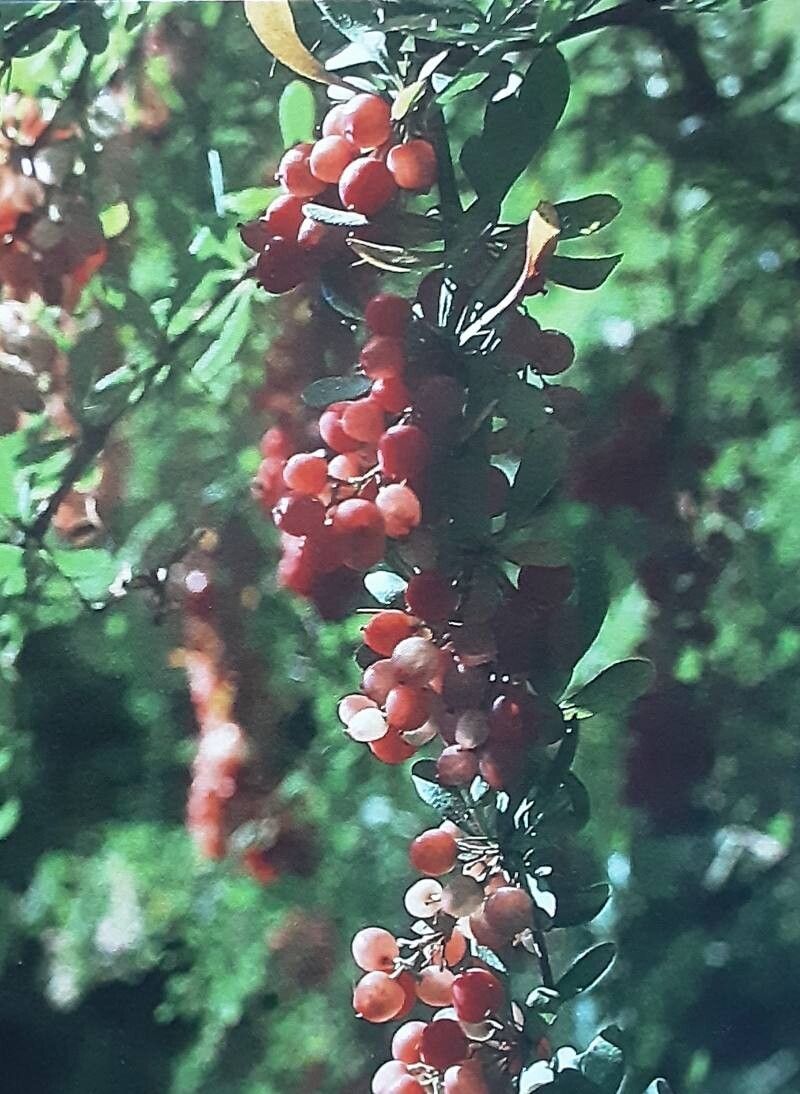
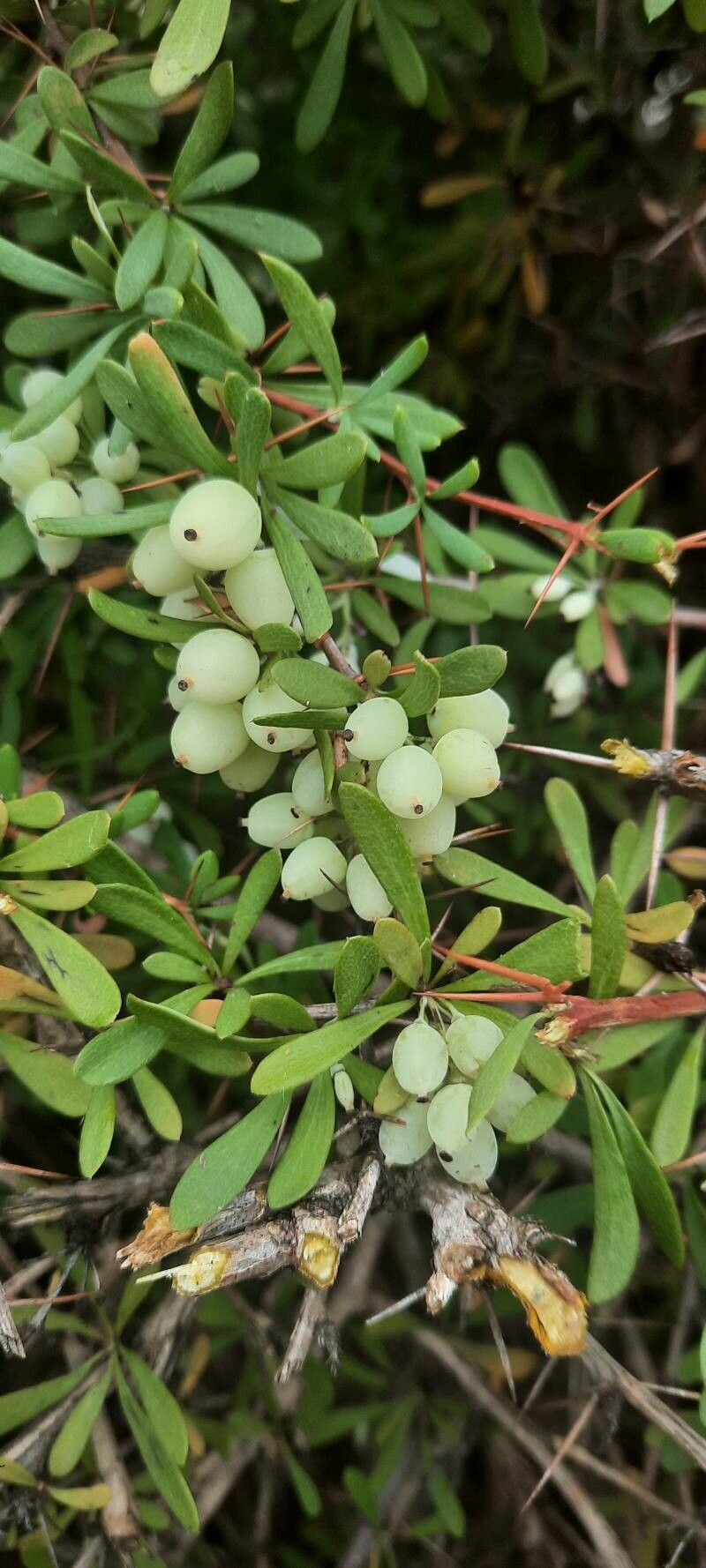
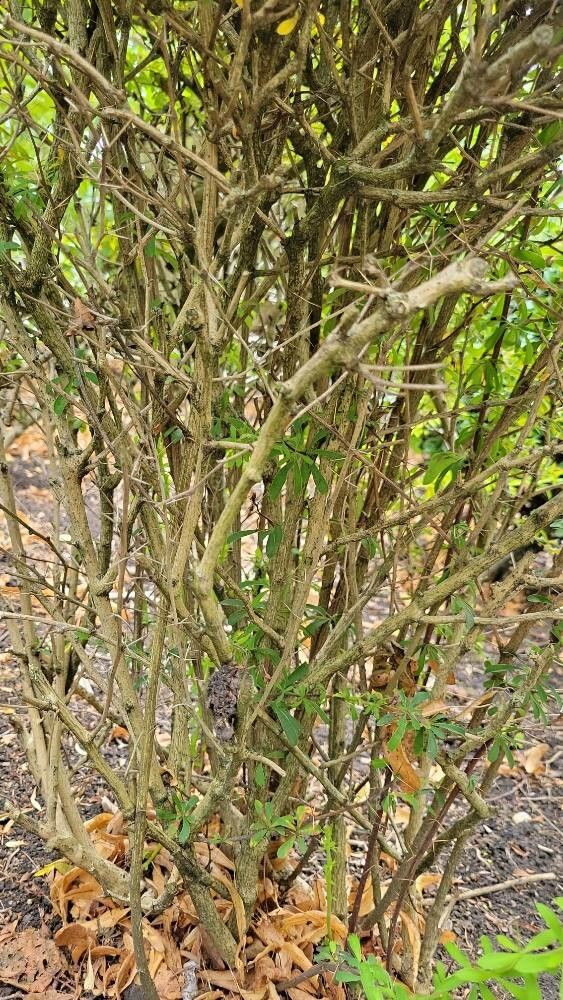
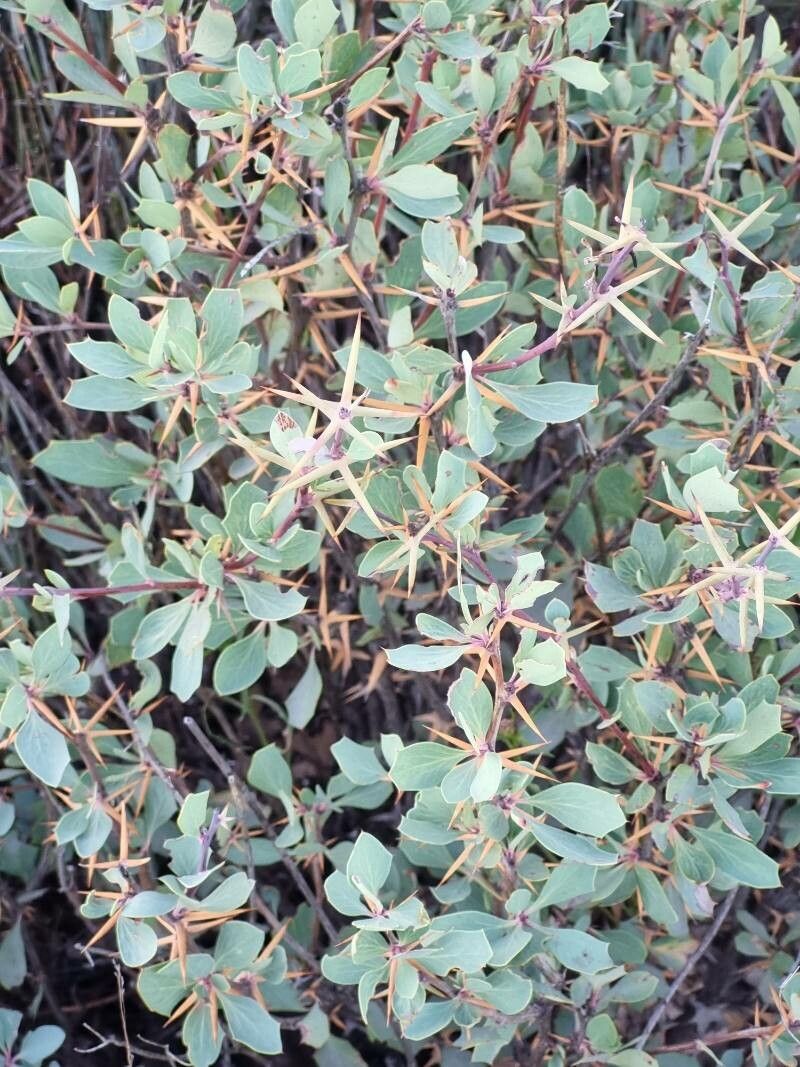
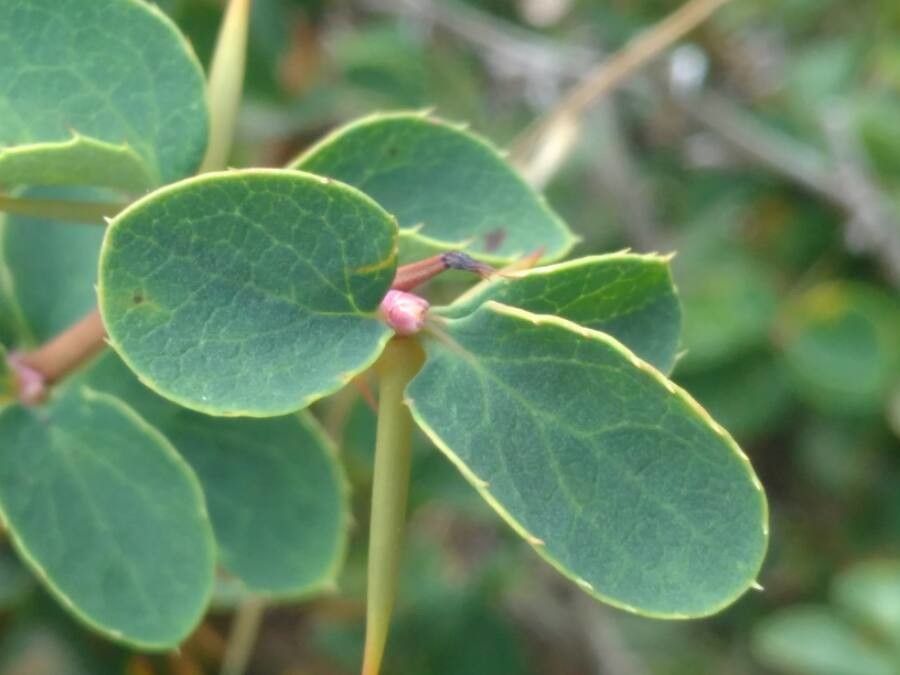
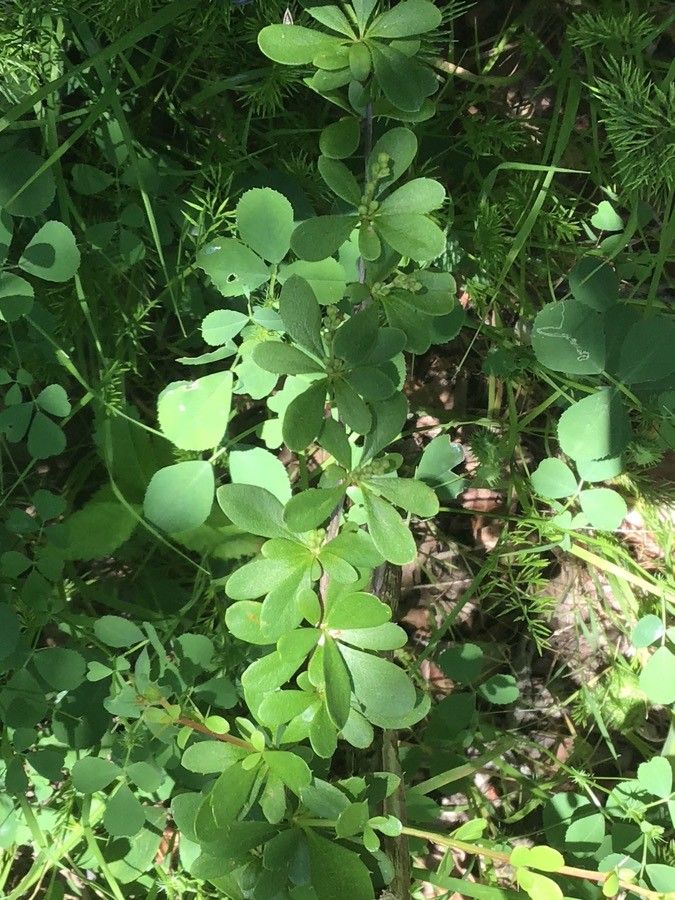
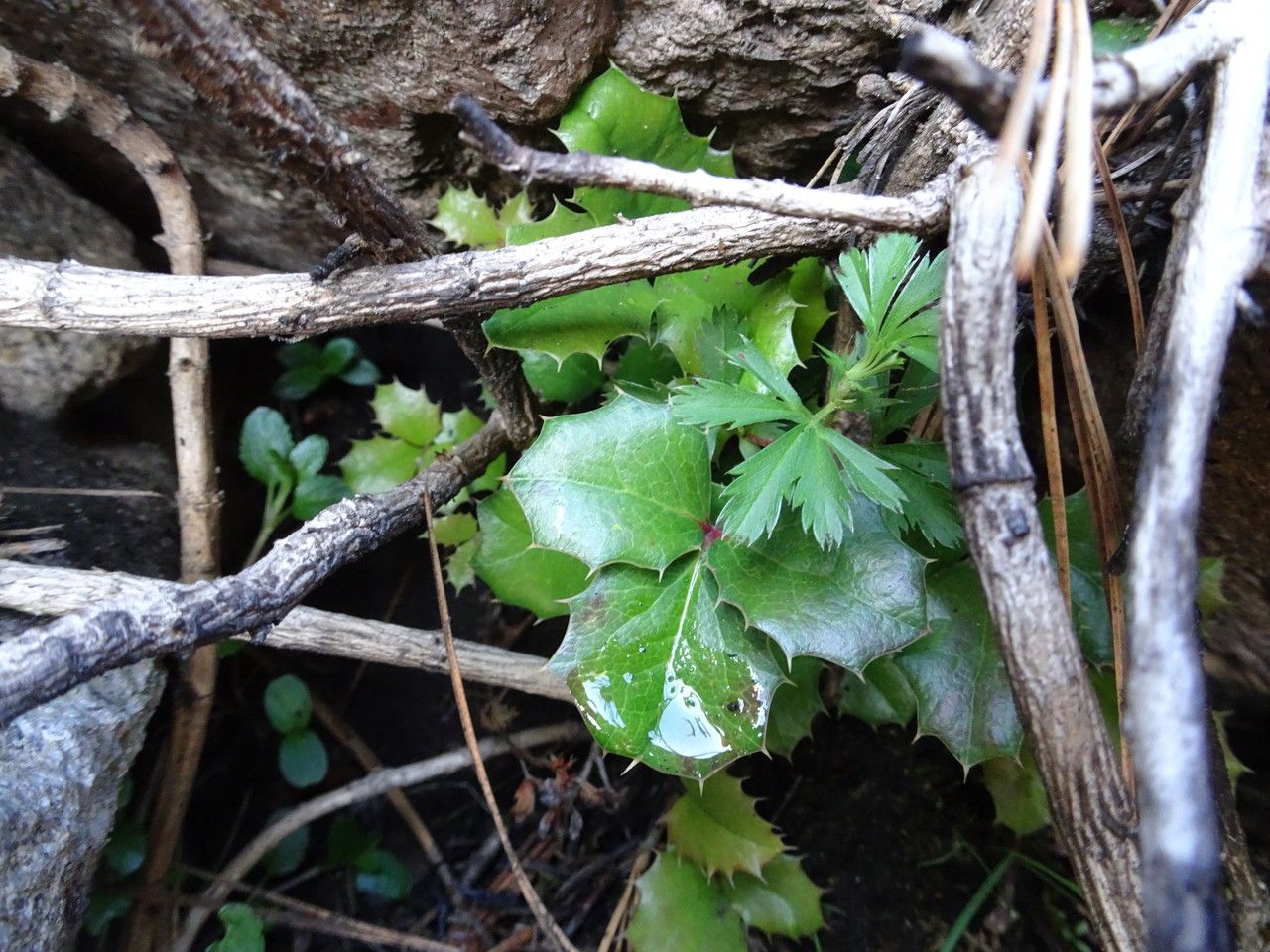
Berberis wilsoniae, Mrs. Wilson's barberry, is a species of flowering plant in the family Berberidaceae. It is native to Tibet, south-central China, and Myanmar, and has been introduced to the North and South Islands of New Zealand. It is a mound-forming, deer-resistant shrub, with blueish-green leaves that turn red in Autumn and yellow flowers that produce translucent pink fruit. A number of cultivars are available.
How to keep Berberis Wilsoniae.
Water
Water Mrs. Wilson's barberry only when the topsoil is dry during its first growing season. Once it is established, this plant becomes drought-resistant and should only be watered during extended periods of drought. Use a hose to provide gentle, slow watering over the root system.
Pruning
Pruning Mrs. Wilson's barberry has several benefits, including improved vigor and better light penetration. To get the best results, prune the plant in the spring while avoiding exposure to excessive moisture. You can remove up to one-third of the canopy, paying special attention to cutting away old or diseased branches. For safety, make sure to use disinfected tools and wear gloves.
Botanical profile.
- Genus
- Berberis
- Family
- Berberidaceae
- Mature Height
- 1 m
- Mature Spread
- 2 m
Other names.