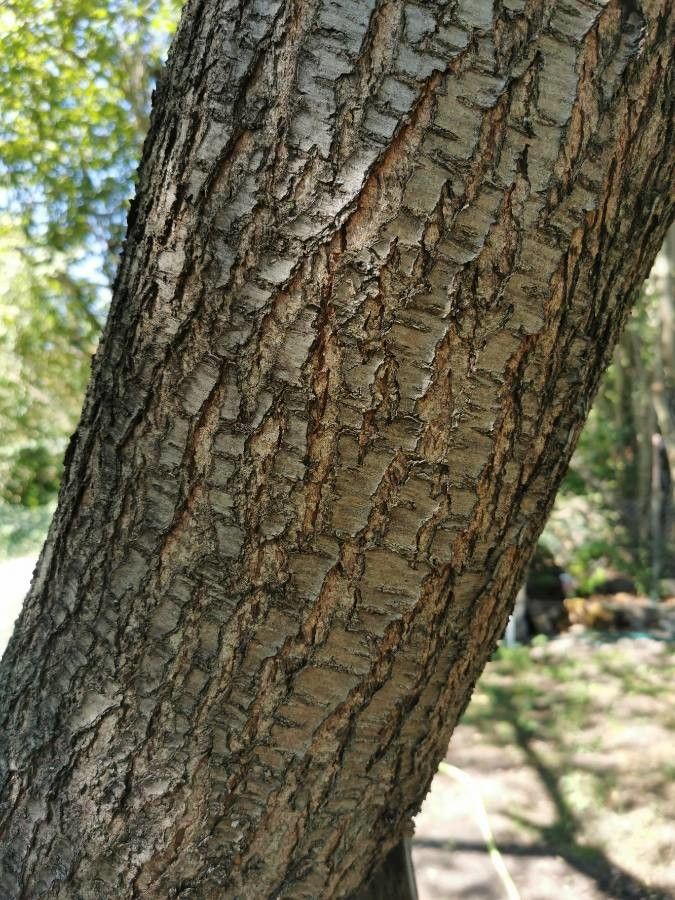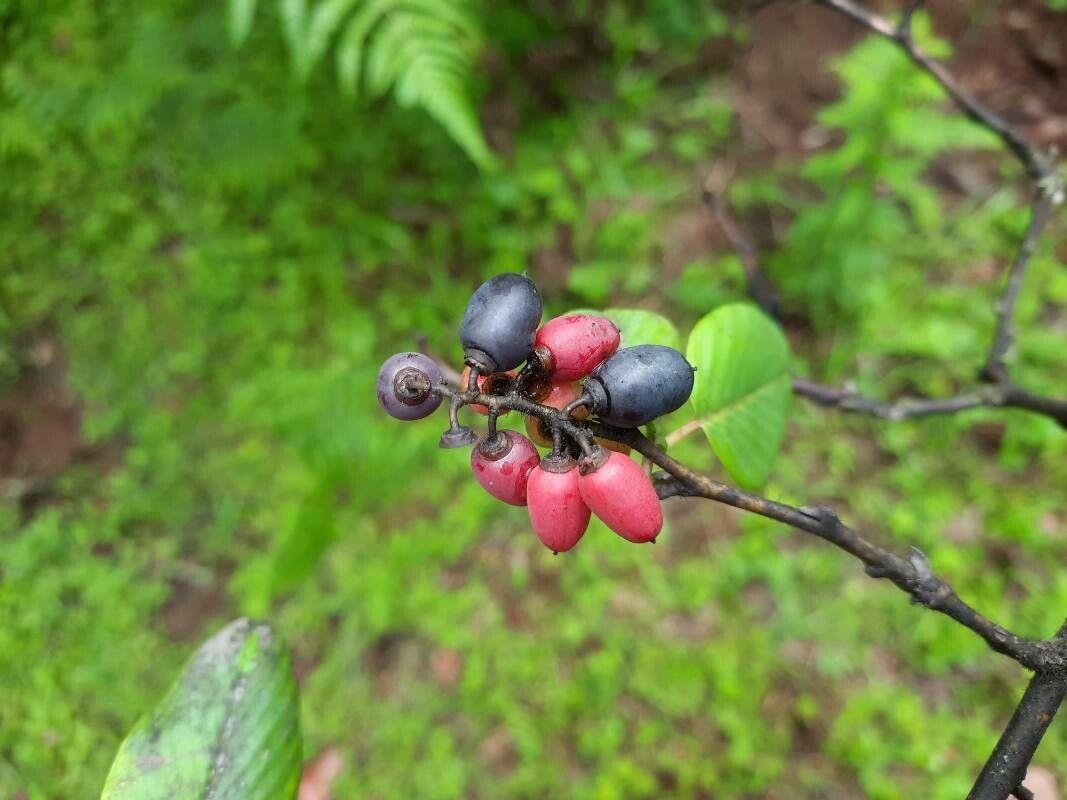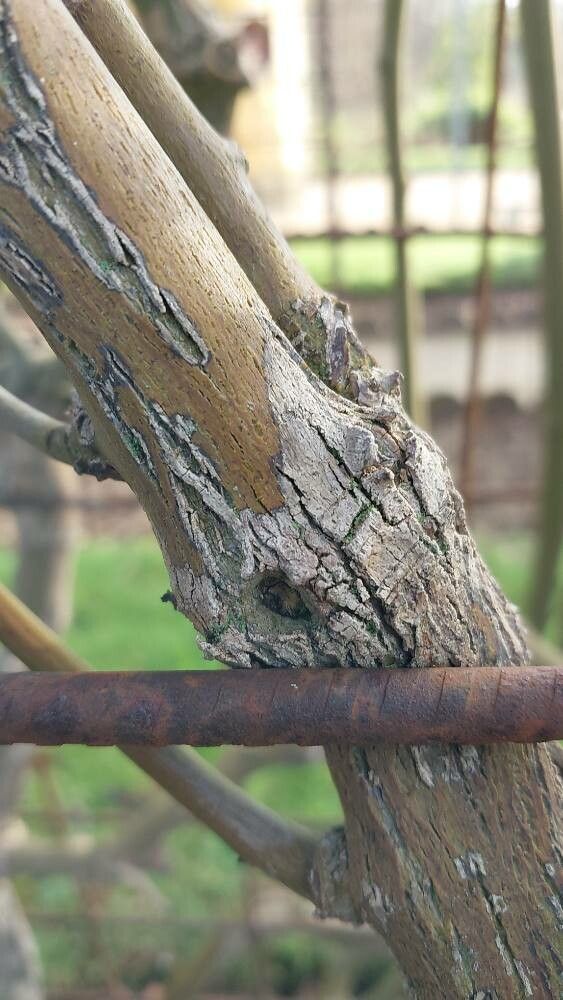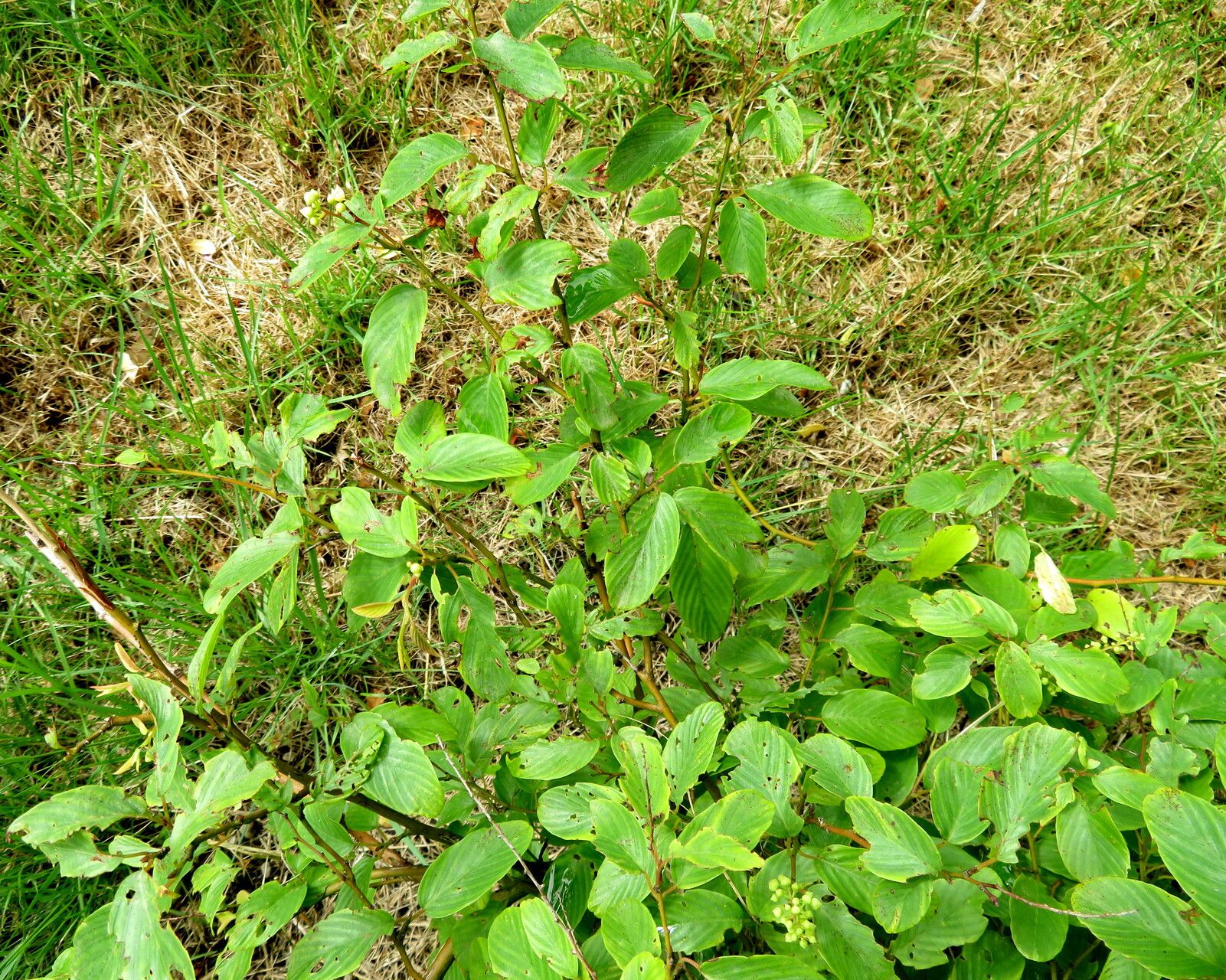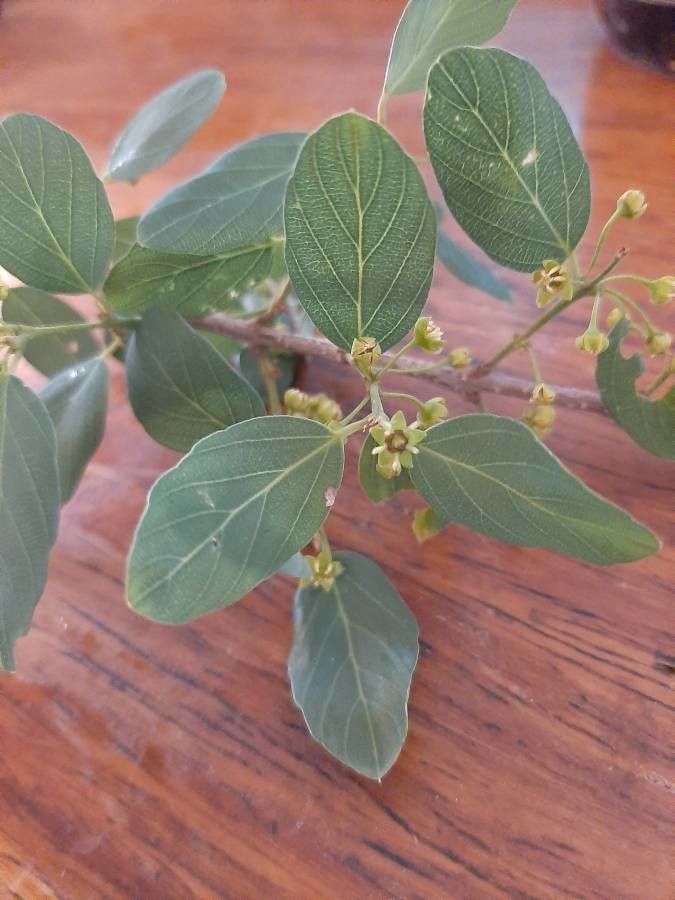
Berchemia zeyheri, commonly known as Red Ivory or Red Ivorywood, is a small to medium-sized tree native to southern Africa. Belonging to the Rhamnaceae family, this tree can grow up to 10 meters tall. It features smooth grey bark and produces small greenish-yellow flowers that bloom in spring and summer. The tree bears small red berries that ripen in autumn.
The wood of Berchemia zeyheri is highly valued for its durability, strength, and attractive reddish-brown color. It has been utilized for centuries by indigenous peoples to craft tools, weapons, and furniture, as well as in traditional medicine.
Berchemia zeyheri thrives in well-drained soils and can grow in both full sun and partial shade. Once established, it is tolerant of drought conditions. Additionally, its fruit attracts birds, making it an excellent addition to any garden or landscape.
Overall, Berchemia zeyheri offers both aesthetic and practical value. Its attractive foliage and durable wood make it an ideal choice for gardeners seeking both beauty and functionality in their landscape design.
Pau-rosa shows good resistance to diseases and is generally not prone to them. Regarding care, this plant is fairly low-maintenance. When grown outdoors, it needs only minimal watering, and larger plants typically do not require pruning. Smaller plants, however, should be pruned after they finish blooming. Pau-rosat is suitable for anyone with an outdoor area, such as a garden or deck, and does not demand extensive care experience.
How to keep Berchemia Zeyheri.
Temperature
Pau-rosa adapts well to temperature, tolerating higher heat and wide temperature fluctuations. In hot weather, attention should be paid to watering and providing adequate shade to prevent sunburn. However, Pau-rosa is relatively sensitive to low temperatures; although it can withstand some cold, excessively cold conditions can cause frost damage.
Fertilizer
Fertilize your Pau-rosa in early spring to encourage healthy growth. Regular feeding boosts overall health, producing vigorous growth, greater resilience to harsh conditions, and improved resistance to diseases and pests. Keep a consistent fertilization schedule for your Pau-rosa to ensure vibrant foliage with deep color and a lush appearance.
Botanical profile.
- Plant Type
- Tree
- Life Cycle
- Perennial
- Genus
- Berchemia
- Family
- Rhamnaceae
- Hardiness Zone
- 6-9
- Native Area
- Mozambique, South Africa, Eswatini, Botswana, Zimbabwe