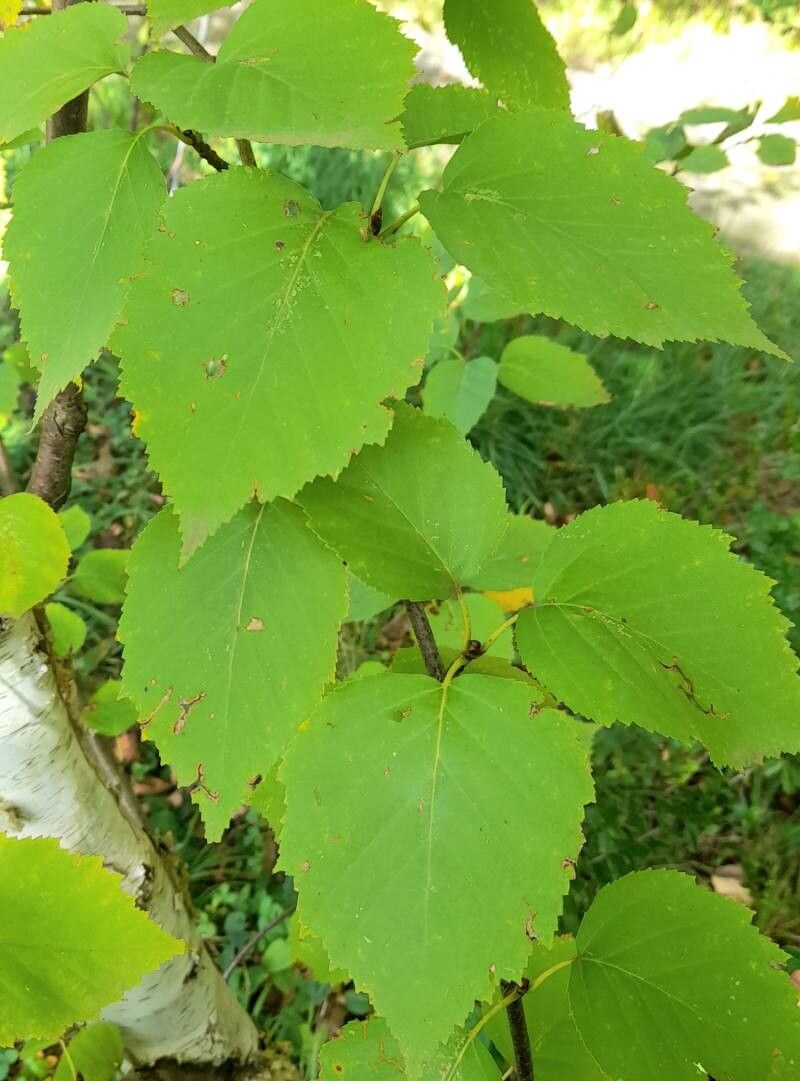
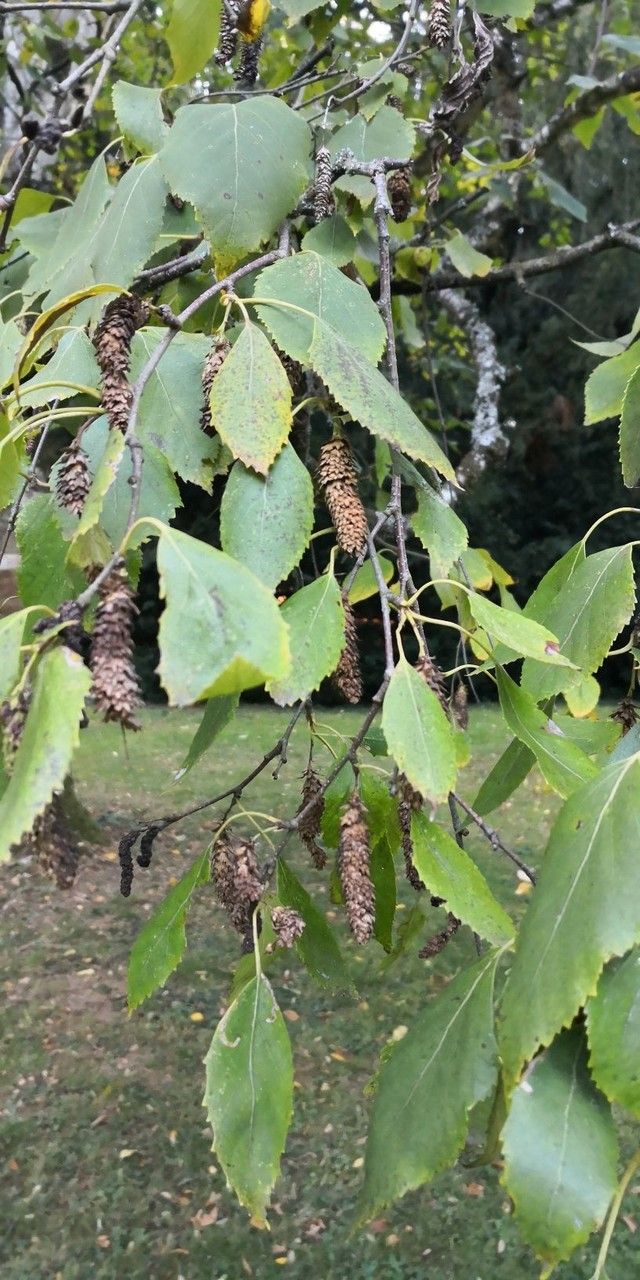
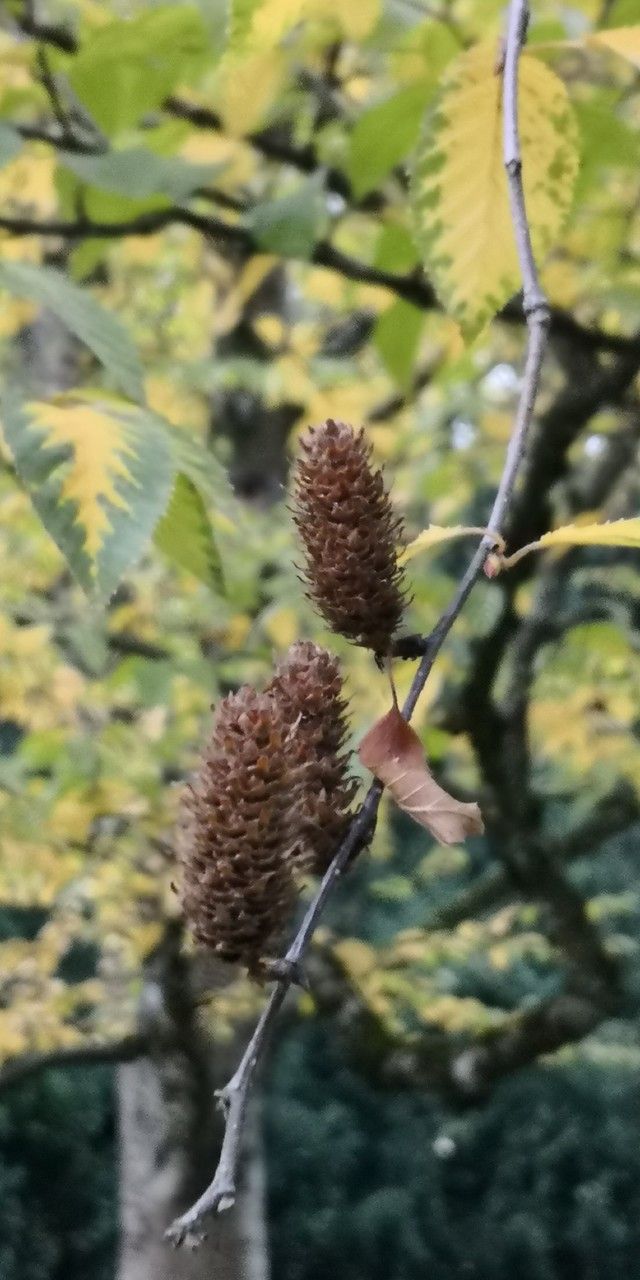
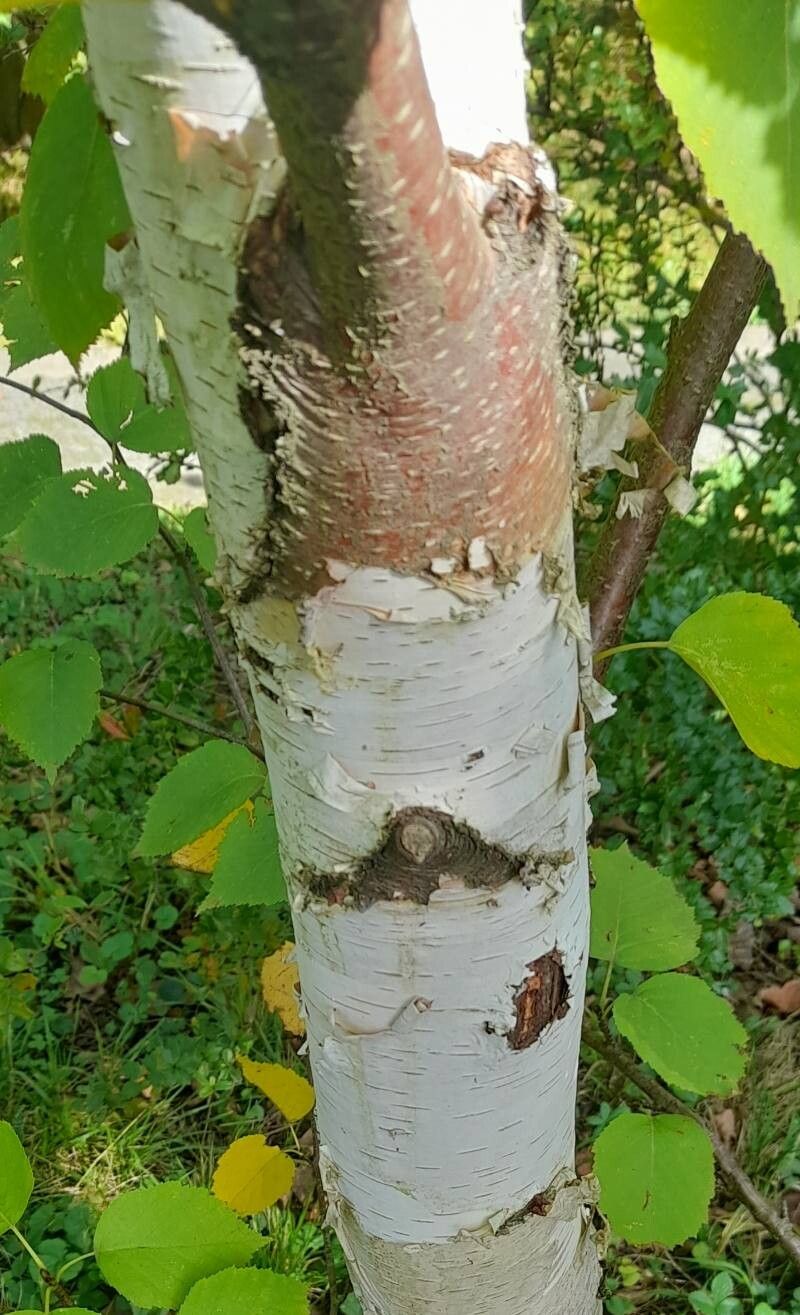
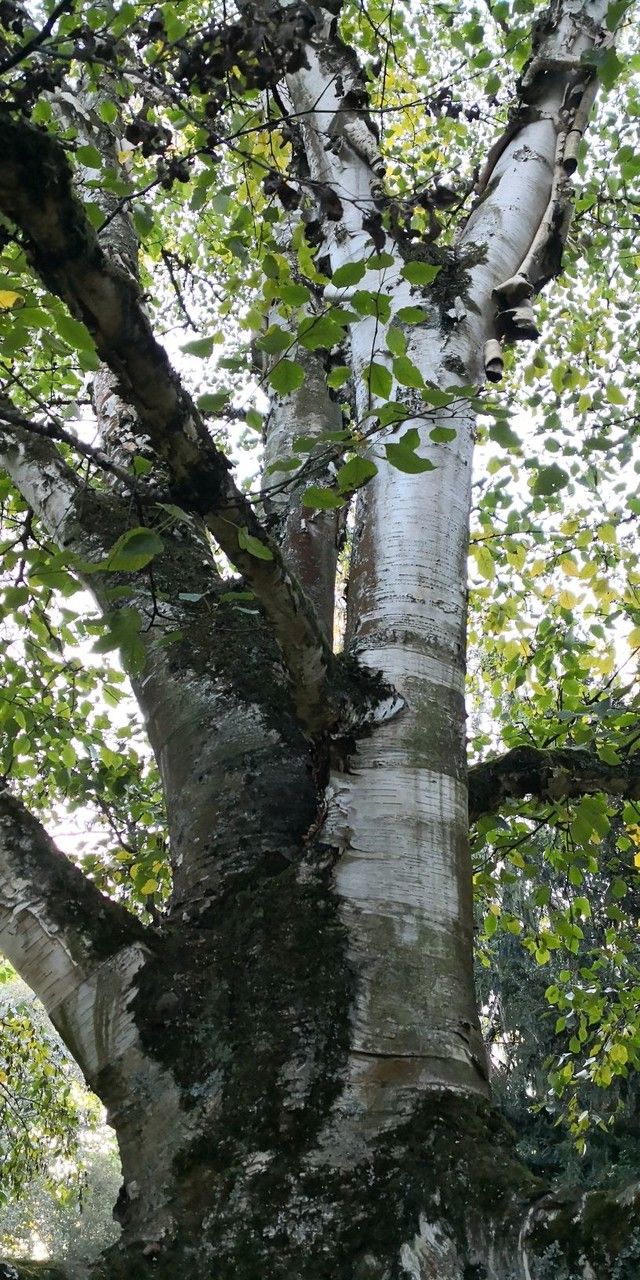
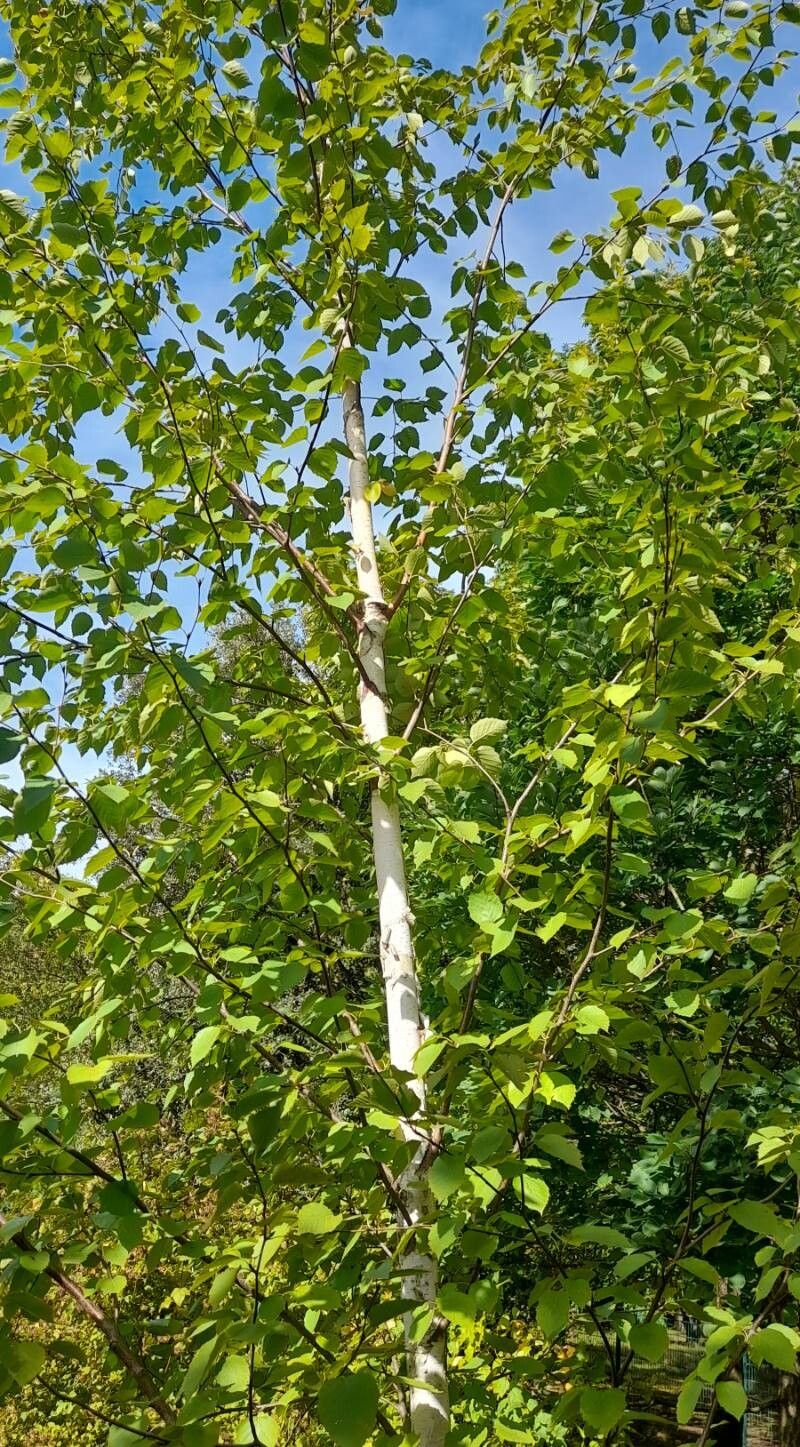
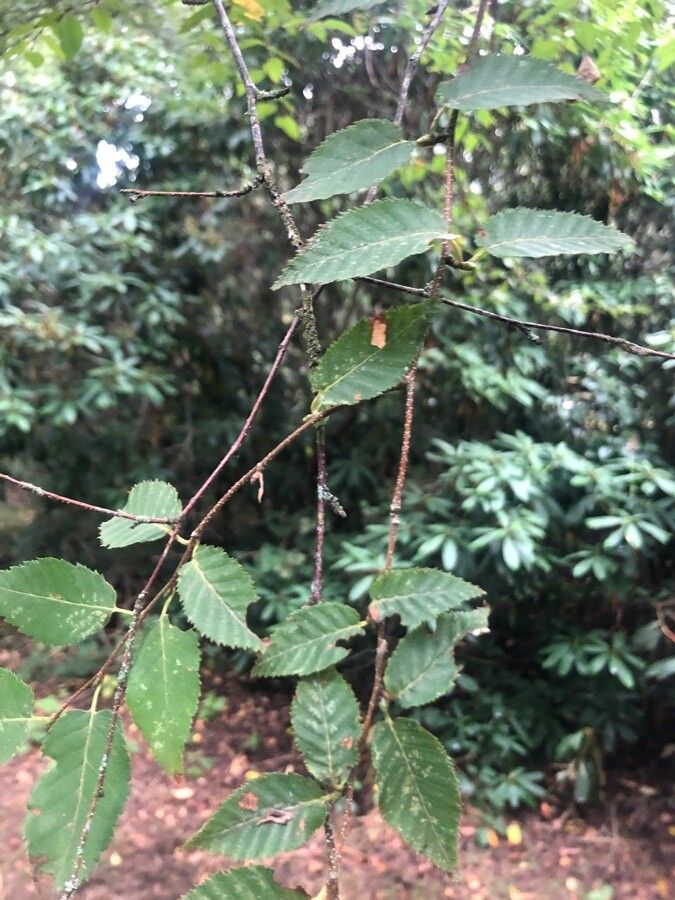
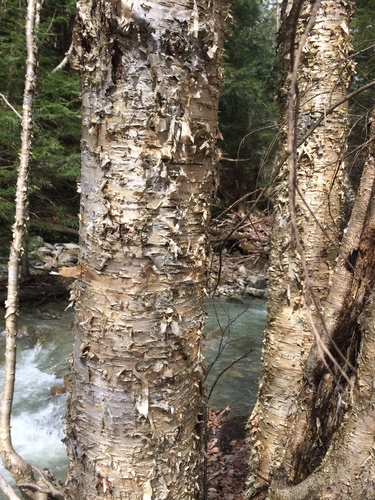
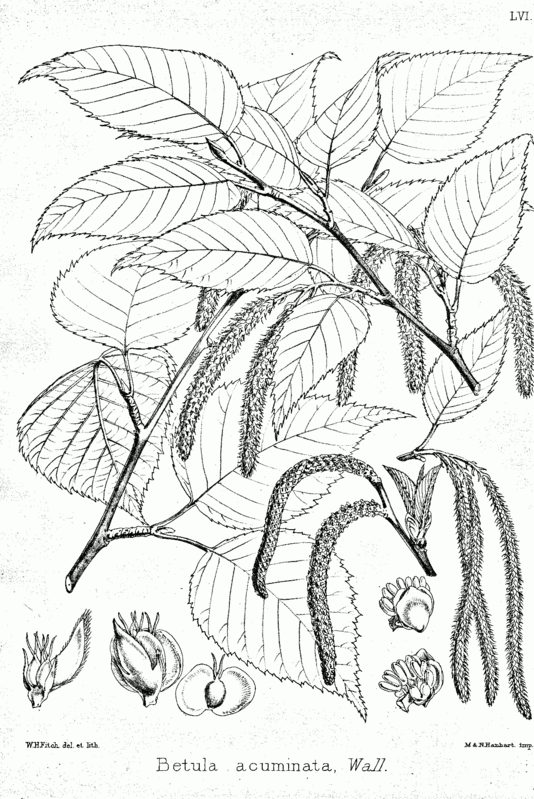
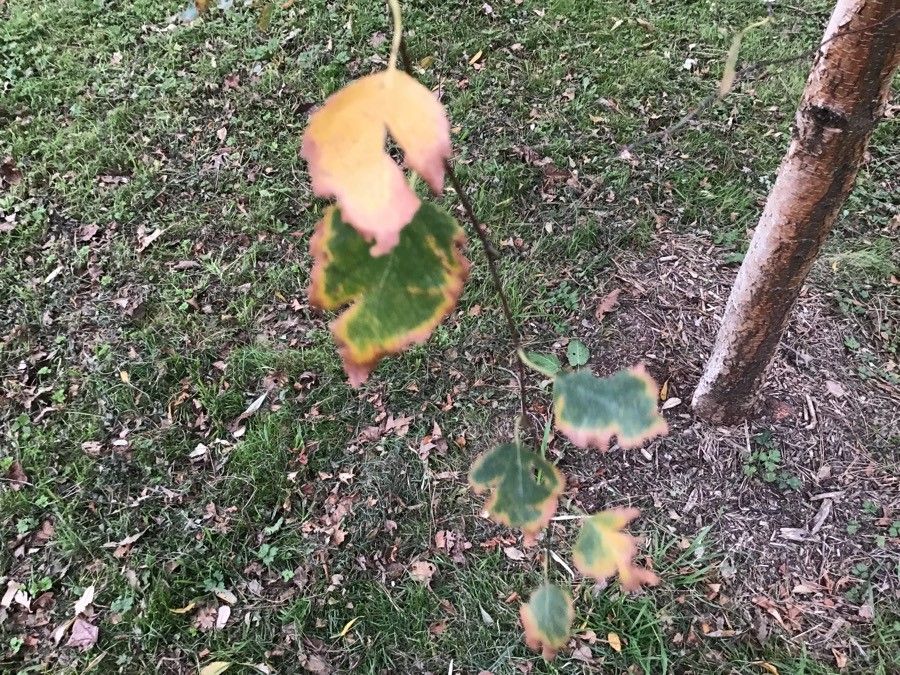
Betula cordifolia, the mountain paper birch or heartleaf birch is a birch species native to Eastern Canada and the Northeastern United States. Until recently it was considered a variety of Betula papyrifera, with which it shares many characteristics, and it was classified as B. papyrifera var. cordifolia (Regel) Fern.
Heart-leaved paper birch has strong resistance to disease and is generally not susceptible to illnesses. In terms of care, this plant is fairly low maintenance. When grown outdoors it needs only minimal watering, and larger plants usually do not need pruning. However, smaller plants should be pruned after they have bloomed. Heart-leaved paper bircht is suitable for anyone with an outdoor area, such as a garden or deck, and does not demand much care experience.
How to keep Betula Cordifolia.
Light
The heart-leaved paper birch is native to open habitats, such as sunny meadows and forest edges, which provide abundant light. It thrives in Full Sun but will also tolerate Partial Sun, demonstrating adaptability to various sunlight conditions.
Water
The heart-leaved paper birch grows best in areas with moderate rainfall, where moisture levels are balanced. While it can tolerate periods of drought, it thrives with regular watering every 2-3 weeks. Being a deciduous tree, it sheds its leaves during the dry seasons, which helps minimize water loss and adapt to fluctuating water availability.
Temperature
Heart-leaved paper birch shows strong adaptability to a range of climate conditions, from scorching summers to chilly winters. However, it has an optimal temperature range for growth. If temperatures become excessively high, the plant is vulnerable to heat and humidity stress, which can lead to its death. In areas where temperatures approach the lower limit of its cold tolerance, providing insulation to protect the plant is important.
Fertilizer
To encourage healthy growth, apply fertilizer to your Heart-leaved paper birch in early spring. Regular feeding improves overall health, producing vigorous growth, greater tolerance of harsh conditions, and increased resistance to pests and diseases. Keep to a consistent fertilization routine for your Heart-leaved paper birch to maintain vibrant foliage with deep color and a lush appearance.
Pruning
The heart-leaved paper birch is a deciduous tree known for its heart-shaped leaves and peeling bark. For best results, prune in early spring, targeting dead or intersecting branches to enhance airflow. Avoid heavy pruning, and use sterilized tools to make clean cuts, which will encourage healthy growth and an appealing appearance.
Botanical profile.
- Plant Type
- Tree
- Life Cycle
- Perennial
- Genus
- Betula
- Family
- Betulaceae
- Hardiness Zone
- 1-6
- Mature Height
- 15.24 m to 24.38 m
- Mature Spread
- 7.62 m to 14.94 m
- Leaf Color
- Green, Dark Green
- Leaf Type
- Deciduous
- Flower Color
- Yellow, Red, Brown
- Flower Size
- 5.08 cm to 10.16 cm
- Bloom Time
- Early spring, Mid spring
- Planting Time
- Spring, Autumn
- Harvest Time
- Late summer, Early fall, Mid fall
Other names.