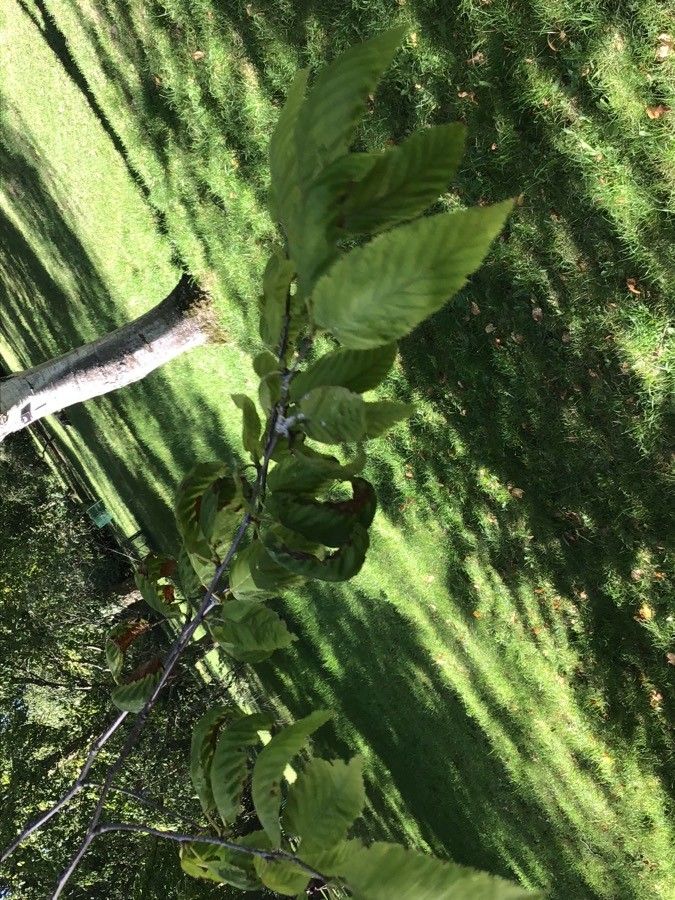
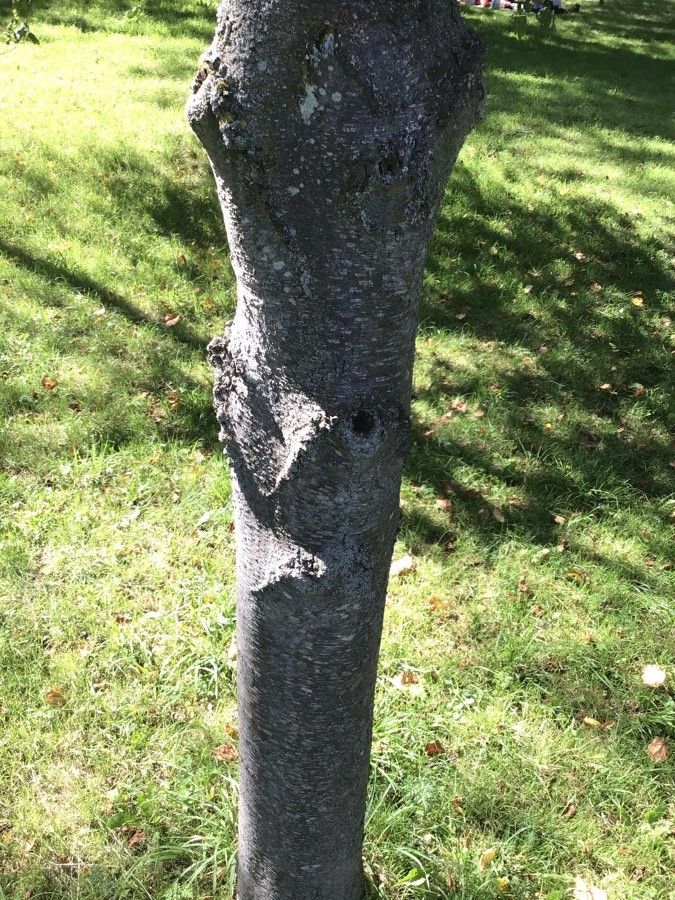
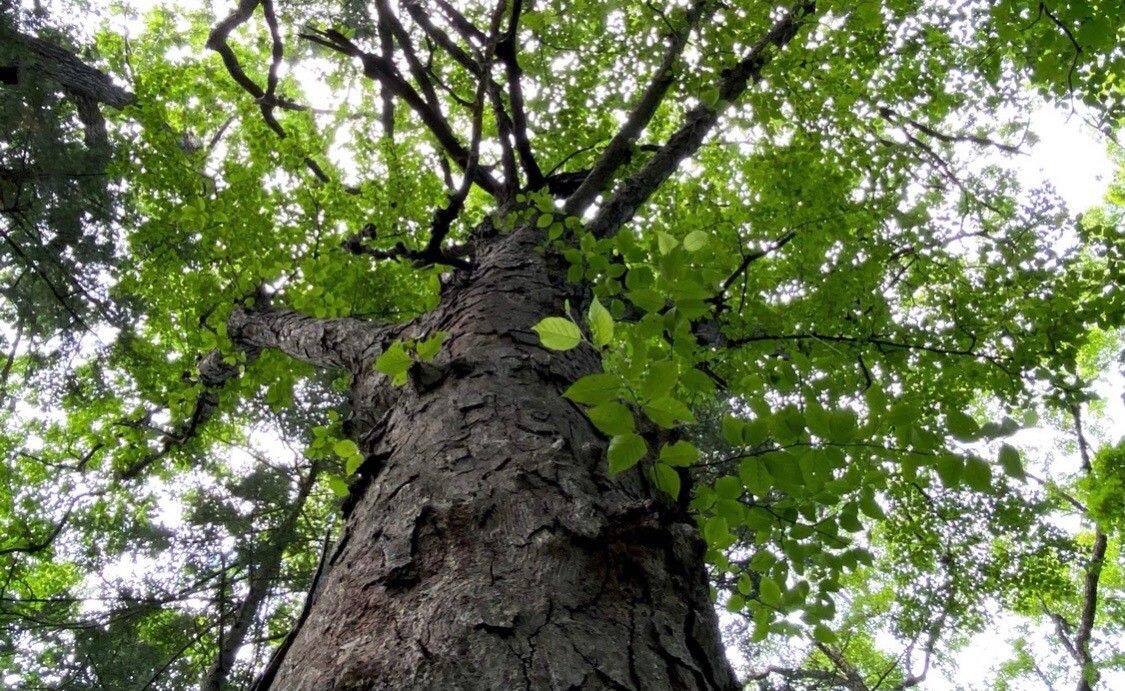
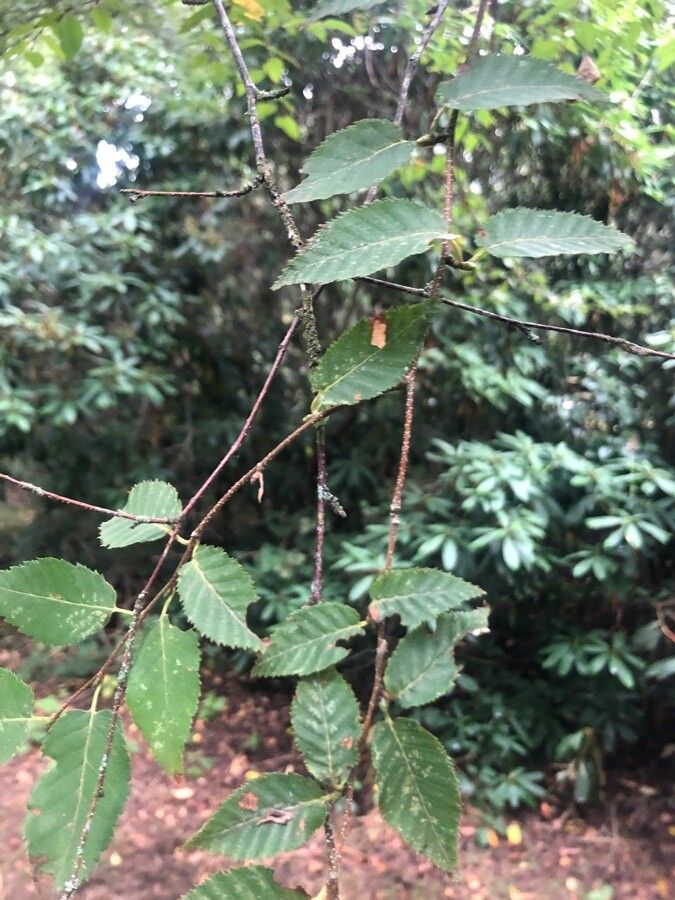
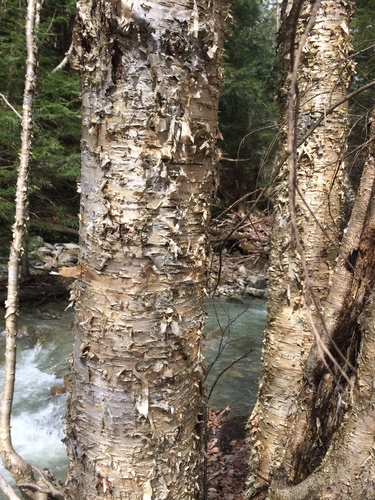
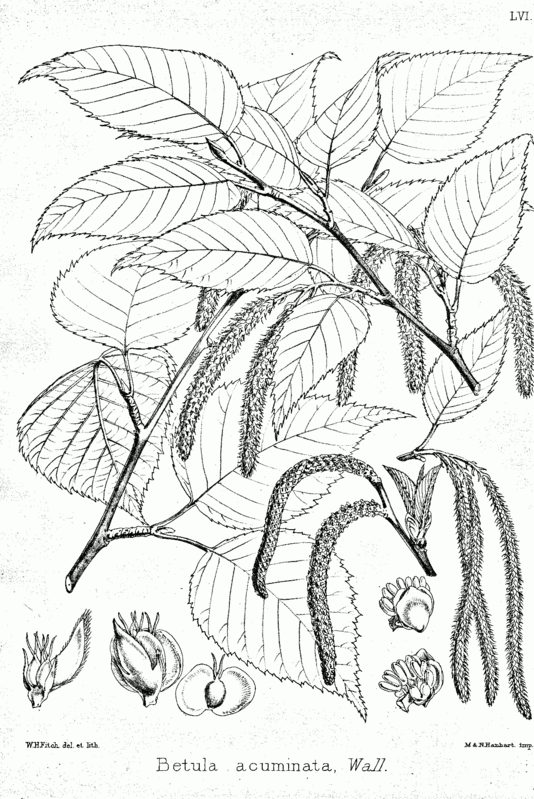
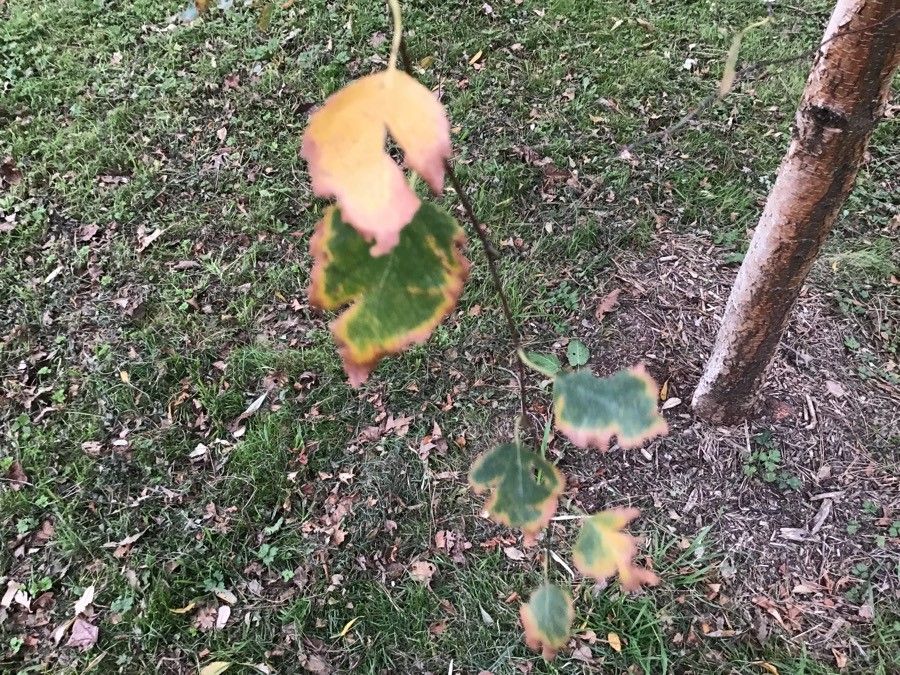
Betula schmidtii, the iron birch or Schmidt's birch, is a species of flowering plant in the family Betulaceae. It is native to Manchuria, Korea, Primorsky Krai of the Russian Far East, and Japan. A tree reaching 30 m (100 ft) with nearly black bark, its wood is so dense that it does not float, and is used where a tough, durable material is desired.
Schmidt's birch is fairly resistant to disease and generally does not suffer from illnesses. In terms of care, this plant is relatively low maintenance. When grown outdoors it needs little watering, and larger plants typically do not require pruning. Smaller plants, however, should be pruned after they finish blooming. Schmidt's bircht is suitable for anyone who has an outdoor area, such as a garden or deck, and does not demand much care experience.
How to keep Betula Schmidtii.
Light
Schmidt's birch comes from open habitats, such as sunny meadows and forest margins, which provide abundant light. It flourishes in Full Sun but can also tolerate Partial Sun, adapting well to different light conditions.
Water
Schmidt's birch, which originates from cooler climates, thrives in moderate moisture and can withstand occasional watering. To prevent overwatering, it is best to water this plant every 2-3 weeks. Ensure the soil is well-draining, as this will support its growth and accommodate its adaptation to natural precipitation patterns.
Temperature
Schmidt's birch shows strong adaptability to a range of climate conditions, whether in blistering summers or freezing winters. Nonetheless, it has an optimal temperature range for growth. When temperatures become too high, the plant is susceptible to heat and humidity stress, which can cause its death. In areas where temperatures near the lower limit of its cold tolerance, taking insulating measures to protect the plant is important.
Fertilizer
To encourage healthy growth, fertilize your Schmidt's birch in early spring. Routine fertilization improves overall health, leading to vigorous growth, better toughness in challenging conditions, and enhanced resistance to diseases and pests. Adhere to a specific fertilization schedule for your Schmidt's birch to preserve foliage that is bright in color and lush in appearance.
Pruning
Schmidt's birch features an attractive bark and a pyramid-shaped canopy. To maintain its health and appearance, prune in early spring to remove any dead or crossing branches. This will improve air circulation and promote healthy growth. Be careful not to prune too heavily, as this can stress the tree. For personalized care tips, consult local horticultural resources.
Botanical profile.
- Plant Type
- Tree
- Life Cycle
- Perennial
- Genus
- Betula
- Family
- Betulaceae
- Hardiness Zone
- 4-7
- Mature Height
- 20.12 m to 35.05 m
- Mature Spread
- 7.92 m
- Leaf Color
- Yellow, Green
- Leaf Type
- Deciduous
- Flower Color
- Yellow, Green
- Flower Size
- 0.76 cm to 0.76 cm
- Bloom Time
- Early spring, Mid spring
- Planting Time
- Spring, Summer, Autumn
- Harvest Time
- Late summer, Early fall, Mid fall
- Native Area
- Russia, Japan, Koppen, South Korea, China
Other names.
Reader questions.
What are the sunlight requirements for Schmidt's birch?
Schmidt's birch requires full sun exposure, defined as more than 6 hours of direct sunlight per day, to thrive. However, it can also tolerate partial sun conditions, which means it can grow with about 3-6 hours of sunlight daily. Observing how sunlight moves through your garden will help you choose the ideal locations that provide the necessary balance of light and shade for your plants, ensuring their well-being.
What is Schmidt's birch?
Schmidt's birch, known scientifically as Betula schmidtii, is a species within the Betula (birch) genus. Unfortunately, there's no additional detailed description provided about its characteristics, habitat, or any other specific information.
What are some essential care tips for Schmidt's birch regarding light conditions?
Originating from open environments like sunny meadows and forest edges, Schmidt's birch does best in full sunlight but has the adaptability to grow under partial sun as well. In situations where natural sunlight is insufficient, especially during winter or in less sunny spaces, artificial lighting becomes crucial for optimal growth. When employing artificial lights, it's recommended to select the right type, such as LED lights, customized to your plant's specific light wavelength needs. Full sun plants require 30-50 watts per square foot, partial sun plants 20-30 watts per square foot, and full shade plants 10-20 watts per square foot. The light source should be placed 12-36 inches above the plant, with the duration mimicking the natural daylight hours, generally 8-12 hours per day.
What are the symptoms of insufficient light in Schmidt's birch?
Schmidt's birch, when not receiving adequate sunlight, may exhibit several symptoms indicating light deficiency. New leaves might grow smaller than normal. The plant could develop a leggy or sparse appearance, characterized by longer spaces between leaves or stems, leading to a weak structure prone to breaking. Faster leaf drop is another symptom, as the plant tries to conserve resources. Growth may also stall or cease altogether. Insufficient light can cause new leaves to appear lighter in color or pale, a sign of decreased chlorophyll and nutrients. Additionally, symptoms like chlorosis, sunscald, leaf curling, wilting, and leaf scorching can occur due to too much sunlight, affecting the plant's ability to photosynthesize and maintain proper health.
What are some solutions for managing sunlight exposure for Schmidt's birch?
To manage sunlight exposure for healthy growth, gradually adjust your Schmidt's birch to sunnier locations, aiming for at least 6 hours of direct sunlight daily. Utilize a south-facing window and keep curtains open for maximum exposure. For larger plants that aren't easily moved or when natural light is lacking, artificial grow lights can provide the necessary illumination for at least 8 hours a day. For outdoor plants, introduce them progressively to sunnier spots to avoid sunburn. Note that parts of the plant damaged by insufficient light might not recover, but new growth will be healthy once proper light levels are achieved. Additionally, if natural light is blocked, consider pruning or transplanting smaller plants to sunnier locations, ensuring ample sunlight and proper drainage.