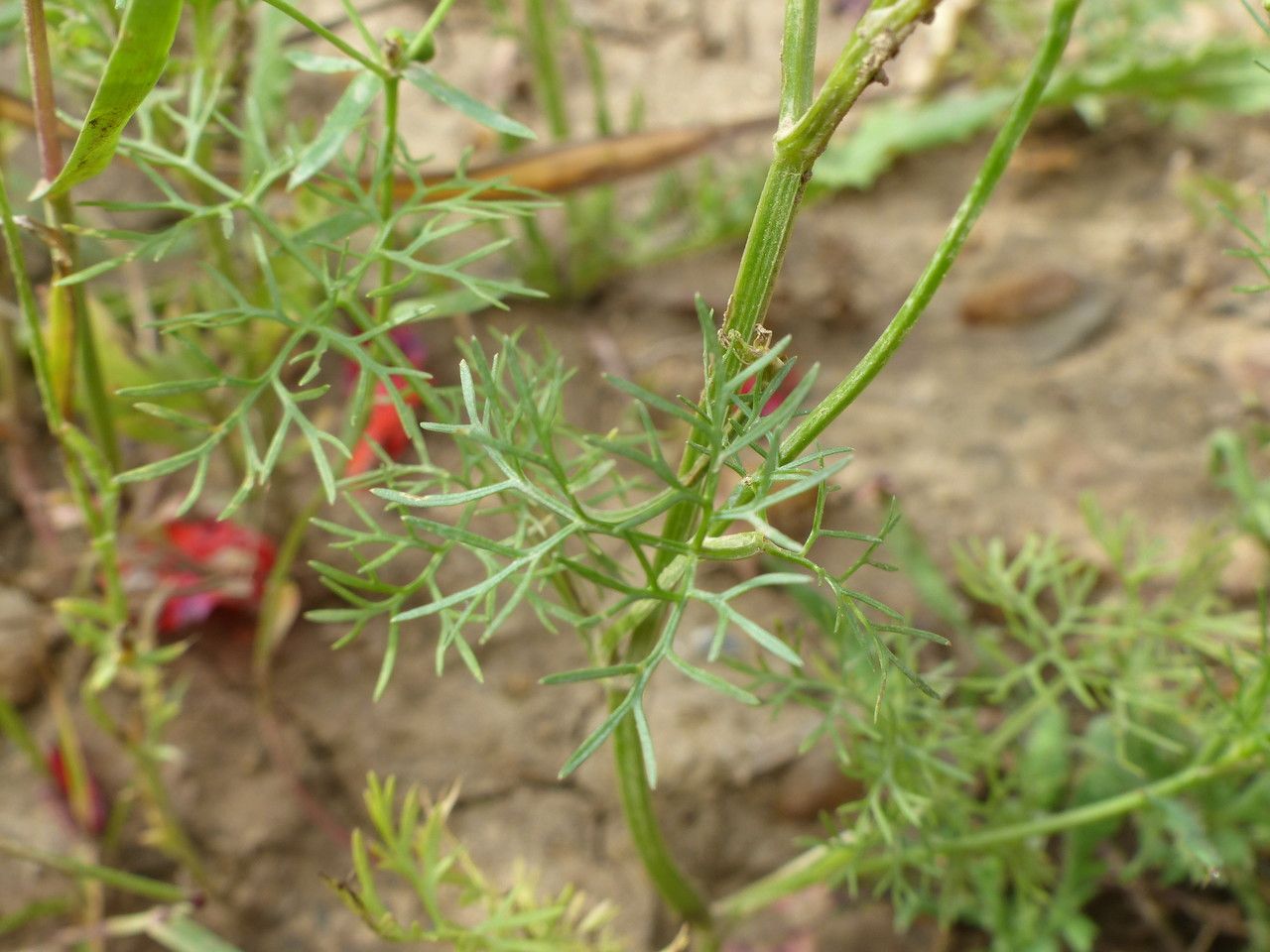
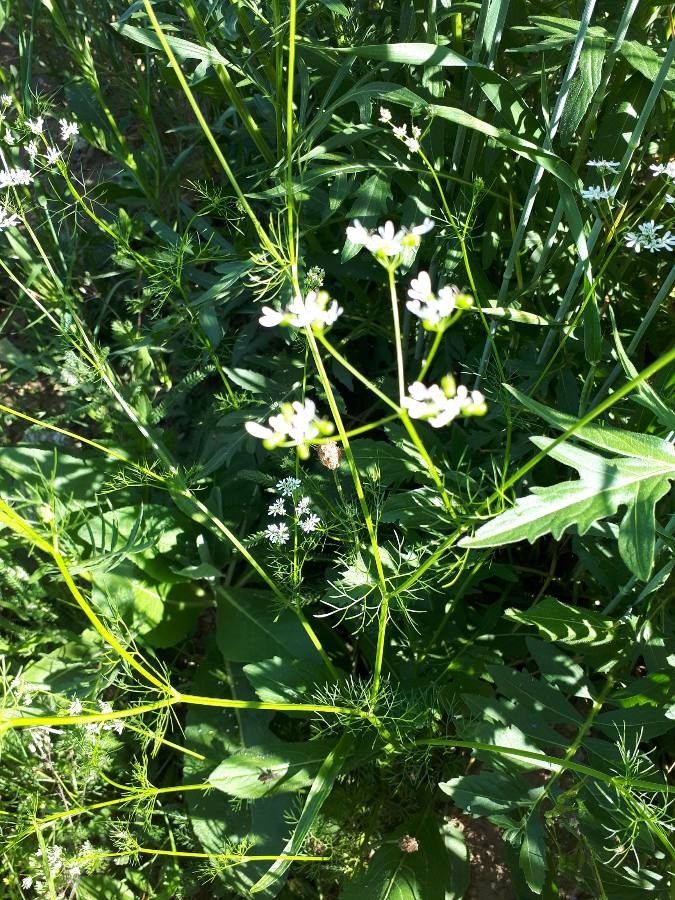
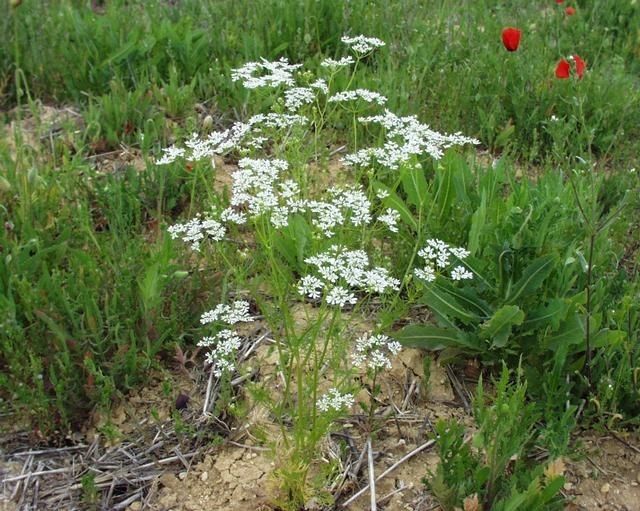
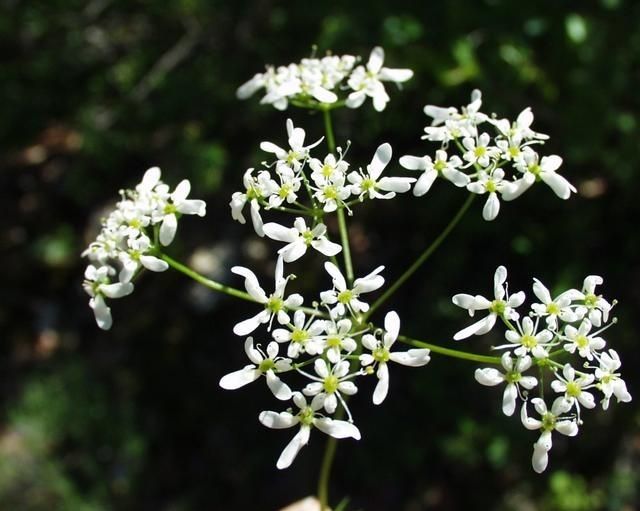
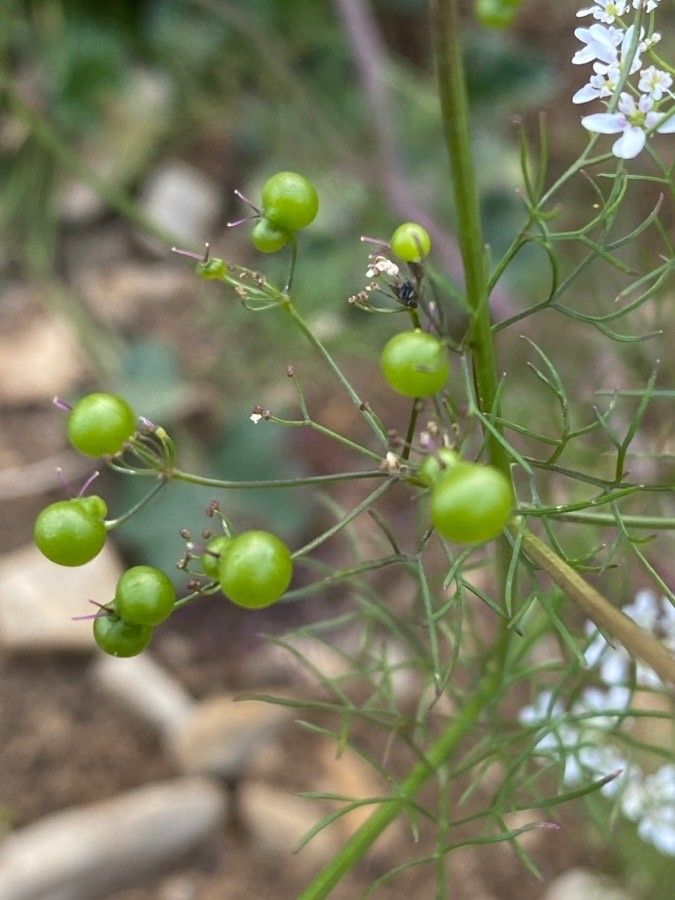
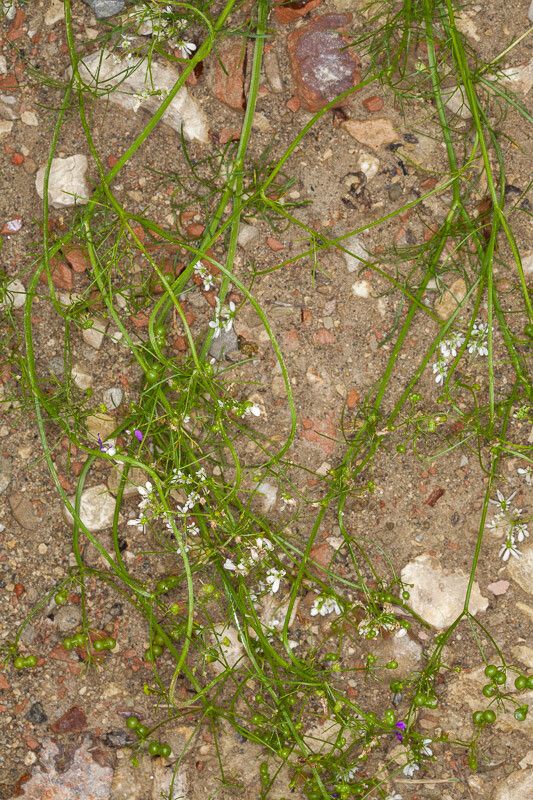
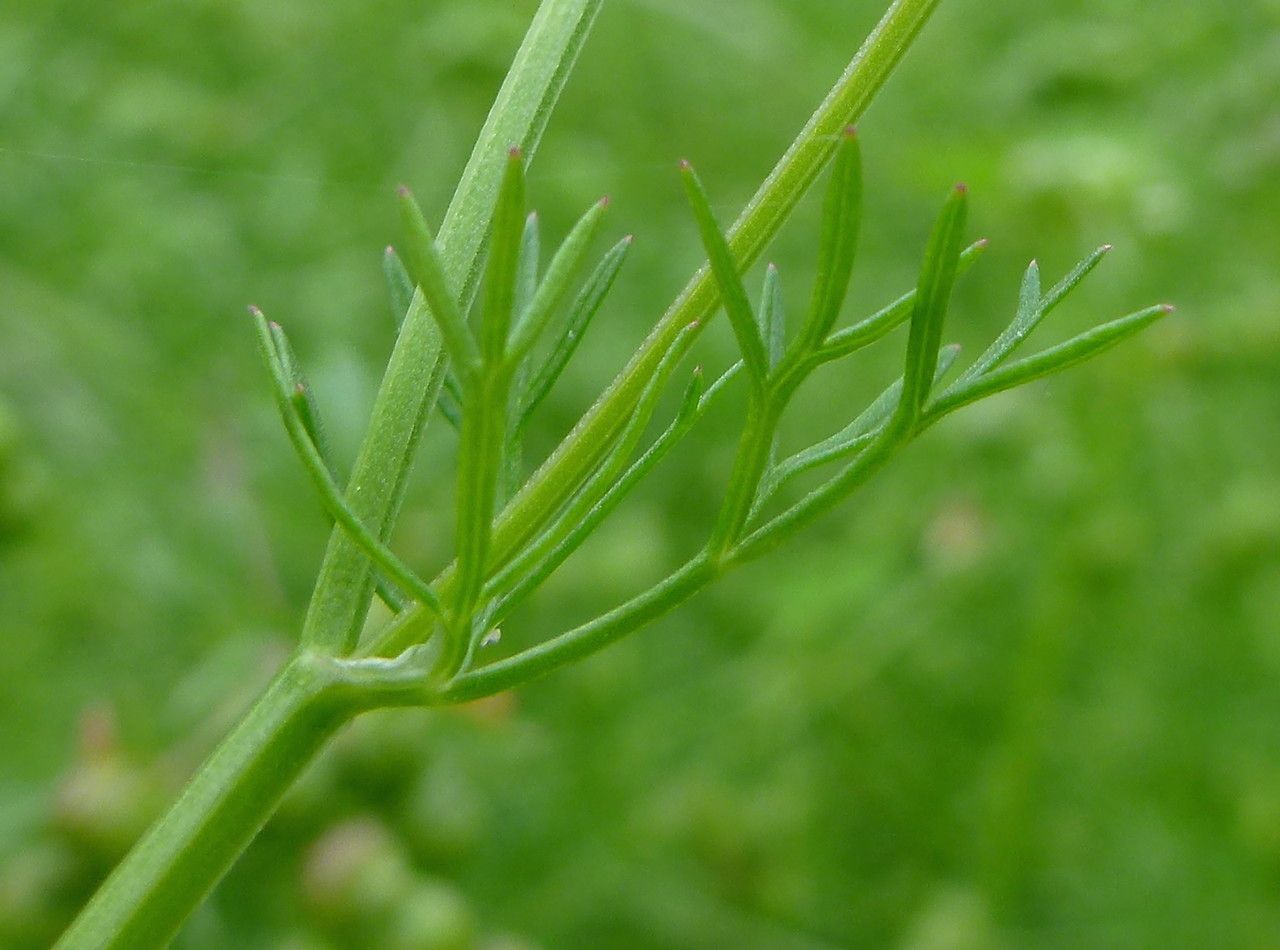
Bifora radians, the wild bishop, is a species of annual herb in the family Apiaceae. They have a self-supporting growth form and simple, broad leaves. Individuals can grow to 31 cm tall.
Wild bishop is fairly disease-resistant and typically does not suffer from many illnesses. It can, however, be vulnerable to pests and diseases present in its environment. Such infections are generally mild. In terms of care, the plant requires moderate maintenance. Regular pruning is needed to keep a tidy appearance and support healthy growth. Fertilizing can also help encourage flowering. Wild bishop is suitable for anyone with outdoor space, such as a garden or patio, and does not demand extensive care experience. It may need more attention when grown indoors.
How to keep Bifora Radians.
Light
Wild bishop comes from bright, open habitats and performs best in full sun. It tolerates partial shade but favors direct sunlight for optimal growth. This plant, which can be annual or biennial, is noted for its sun-loving habit.
Water
Wild bishop, native to Mediterranean climates, prefers moderate humidity but can withstand short periods of drought. It thrives in well-draining soil and requires consistent moisture, typically needing watering twice a week to maintain optimal health. Its resilience makes it well-suited for outdoor cultivation.
Temperature
Wild bishop can adjust to a wide range of temperatures, though its distribution may still be limited by different combinations of water and heat. It does best in warm summer climates with sufficient rainfall or watering. Long stretches of cloudy, rainy weather, as well as extended high temperatures, can raise the likelihood of Wild bishop dying. In winter, adequate protection from cold can improve the plant's survival rate.
Fertilizer
Wild bishop benefits from frequent, dilute applications of fertilizer to encourage healthy leaf development. Fertilize Wild bishop about once a month during the summer months. Nitrogen is vital for foliage, and supplying nitrogen-rich sources helps Wild bishop thrive.
Pruning
Wild bishop has delicate, branching stems and small white flowers. For optimal growth, it is best to prune the plant from early to late spring. During pruning, remove any dead or weak branches to improve air circulation, reduce pests, and enhance the plant's vitality. Be sure to use clean, sharp tools to prevent the spread of disease.
Botanical profile.
- Plant Type
- Herb
- Life Cycle
- Annual
- Genus
- Bifora
- Family
- Apiaceae
- Hardiness Zone
- 6-9
- Mature Height
- 20 cm to 49 cm
- Mature Spread
- 15 cm to 30 cm
- Leaf Color
- Green
- Leaf Type
- Deciduous
- Flower Color
- White
- Flower Size
- 2.54 cm
- Bloom Time
- Mid spring, Late spring
- Planting Time
- Spring
- Harvest Time
- Early summer, Mid summer
- Native Area
- Turkey, Czech Republic, Slovakia, Montenegro, Bulgaria, Armenia, Greece, Croatia, Slovenia, Belarus, Ukraine, Serbia, Russia, Afghanistan, Hungary, Italy, Spain, Iran, Albania, Azerbaijan, Romania, France
Other names.
Reader questions.
What are the sun requirements for Wild Bishop (Bifora radians)?
Wild Bishop, known botanically as Bifora radians, thrives best when its sunlight requirements are met precisely. The plant needs full sun, which means it should receive above 6 hours of sunlight daily. However, it can also grow in partial sun conditions, requiring about 3 to 6 hours of sunlight each day. It's important to observe the movement of sunlight through your garden carefully, selecting locations that offer the ideal mix of light and shade. This careful placement ensures the plants remain healthy and happy.