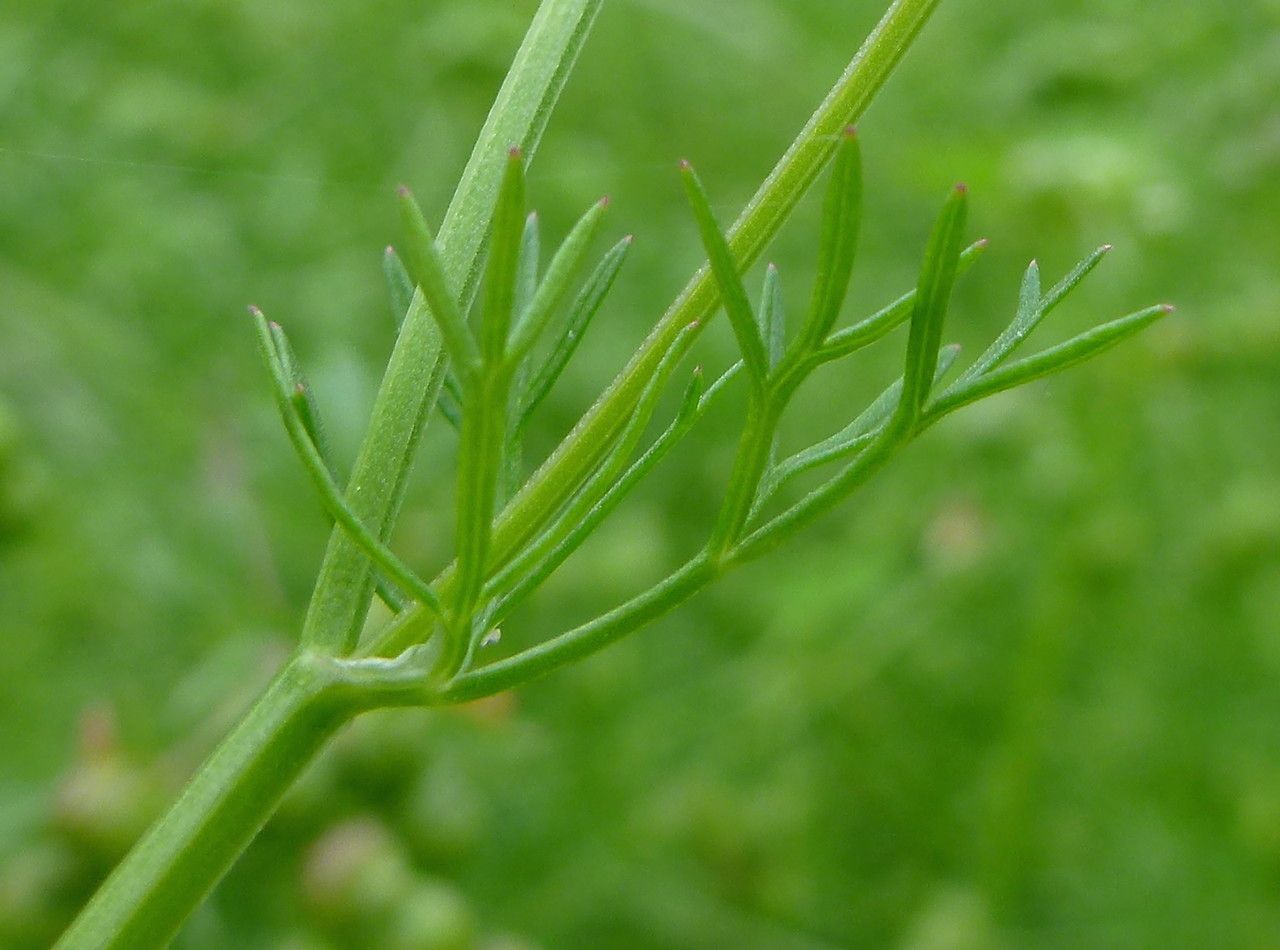
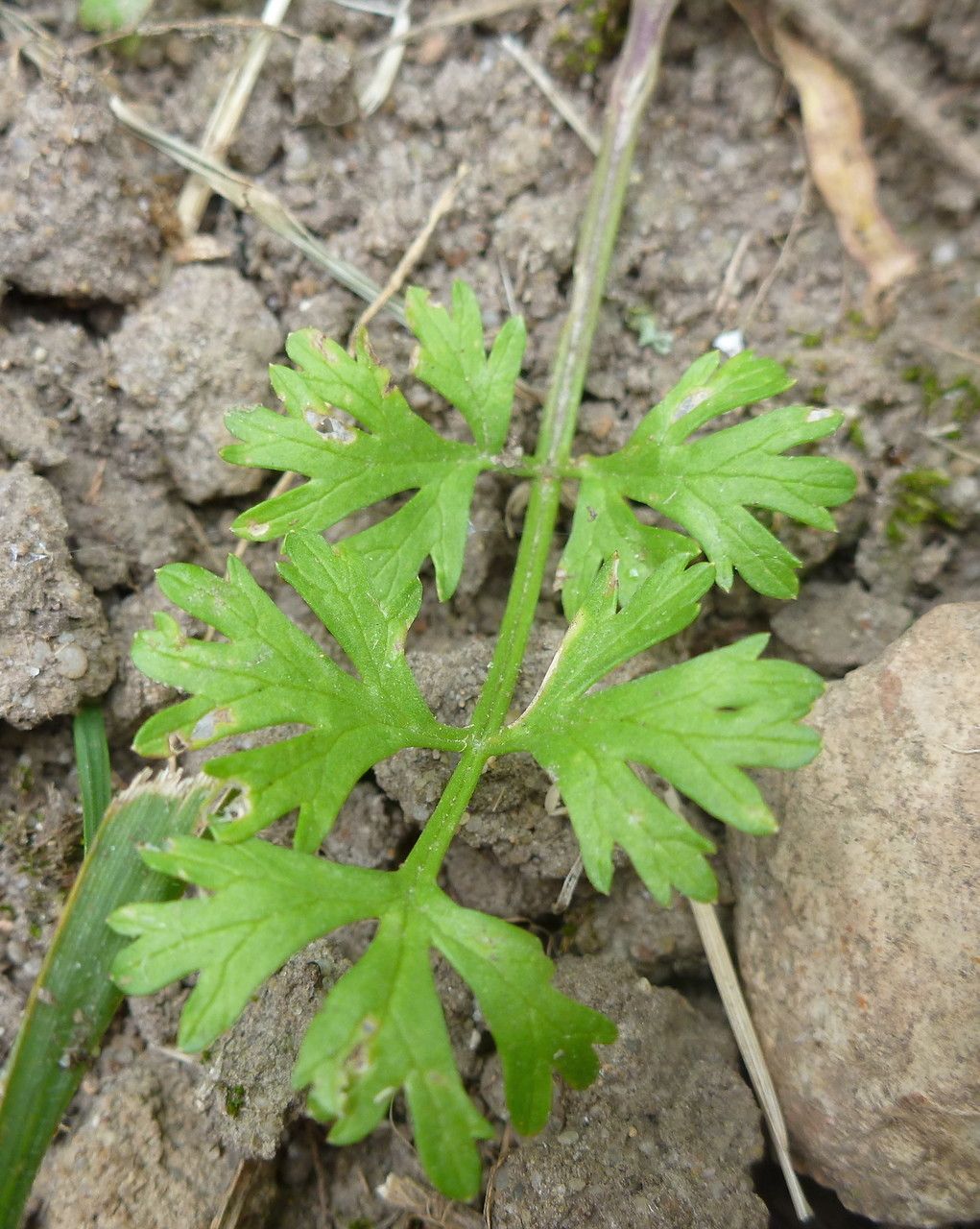
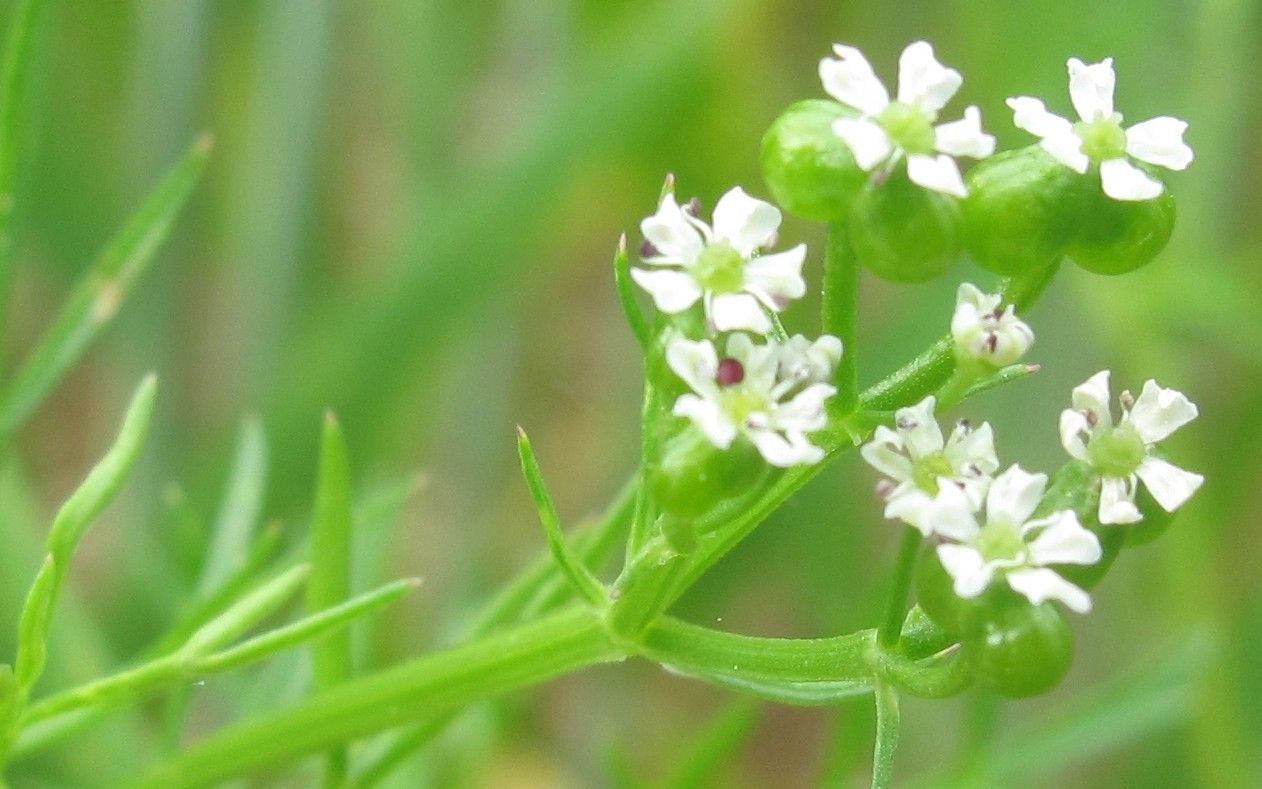
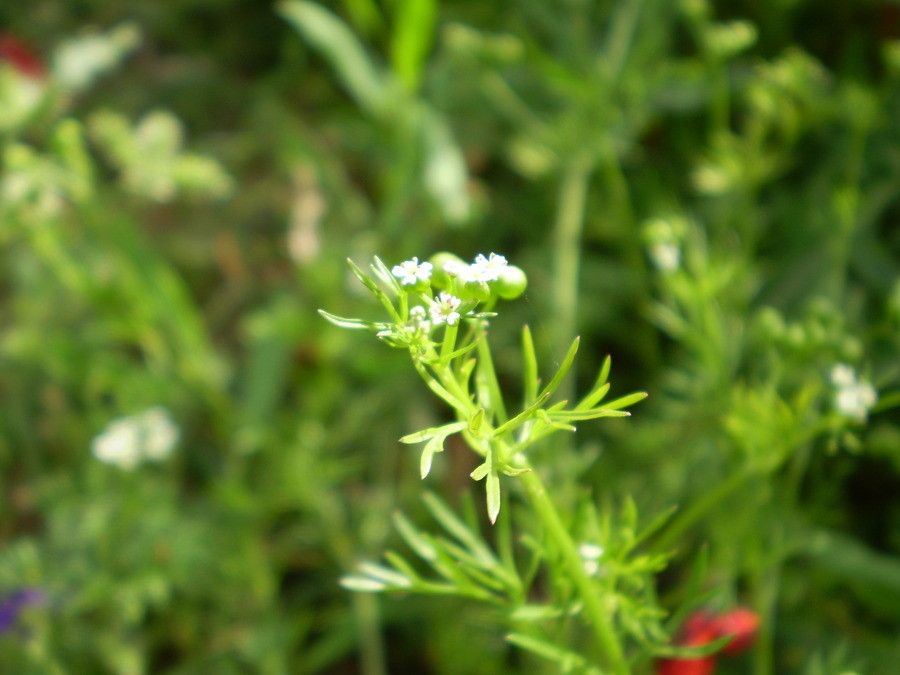
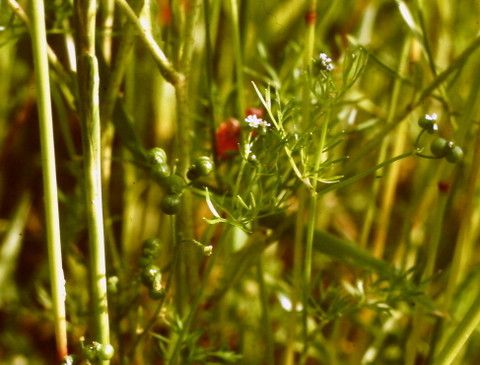
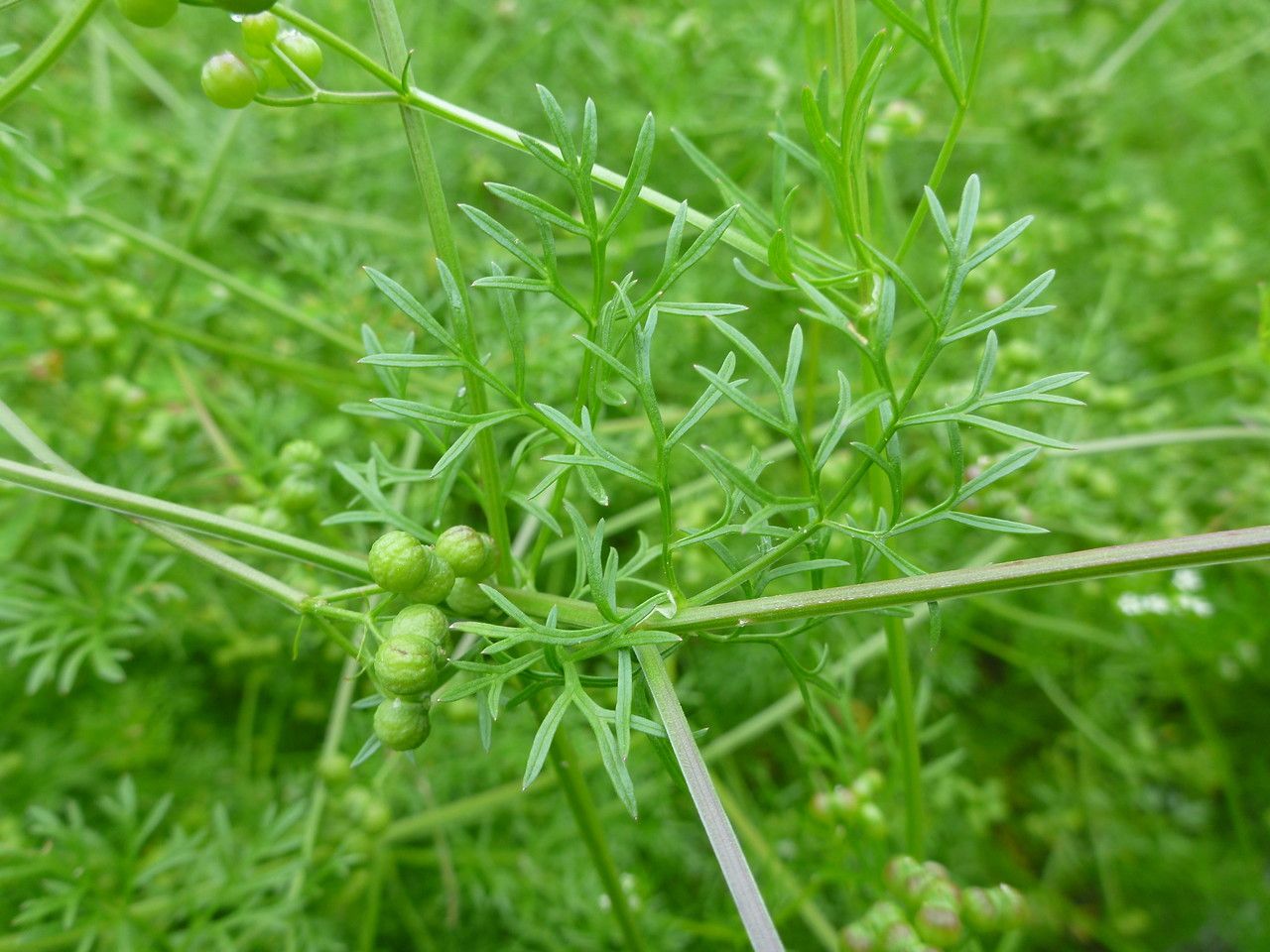
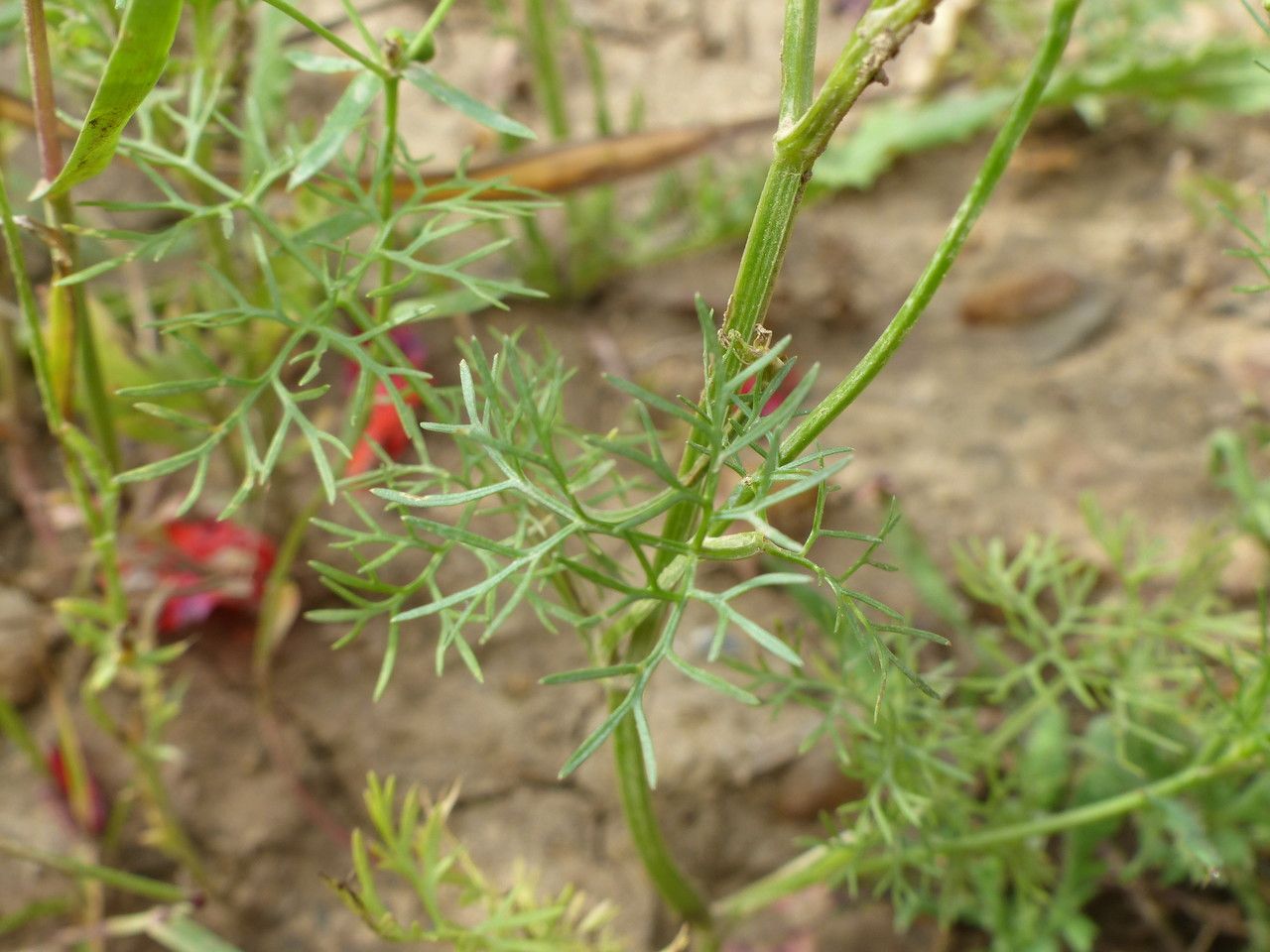
European bishop is fairly disease-resistant and generally not prone to illnesses. However, it can be affected by pests and diseases present in its surroundings. These infections are typically mild. In terms of care, this plant requires moderate maintenance. It should be pruned regularly to keep a neat appearance and support healthy growth. Fertilizing can also help encourage flowering. European bishop is suitable for anyone with an outdoor area, such as a garden or patio, and does not need extensive care experience. It may need more attention when grown indoors.
How to keep Bifora Testiculata.
Light
The European bishop comes from bright, open habitats and performs best in full sun. It will tolerate some partial shade but favors direct sunlight for optimal growth. This plant, which may be annual or biennial, is recognized for its sun-loving habit.
Water
The European bishop plant, which originates from Mediterranean climates, thrives best in sunny conditions with occasional rainfall, demonstrating its tolerance for drought. To ensure optimal growth, water the European bishop weekly, using well-draining soil. This approach allows for infrequent but deep watering sessions, which align with the plant's natural watering patterns in its native environment.
Temperature
The European bishop can tolerate a wide range of temperature conditions, but its distribution may still be limited by various combinations of water and heat. It does best in warm summer climates with adequate rainfall or watering. Extended periods of cloudy, rainy weather, as well as prolonged high temperatures, can raise the likelihood of the European bishop dying. In winter, proper protection from cold can improve the plant’s survival rate.
Fertilizer
The European bishop responds well to regular, dilute fertilizer applications to encourage healthy leaf growth. You should feed the European bishop about once a month during the summer. Nitrogen is vital for foliage, and providing nitrogen-rich supplements helps the European bishop thrive.
Pruning
In early to late spring, strategic pruning is essential for European bishop plants to promote healthy growth and improve air circulation. Begin by removing any dead stems and then lightly trim the plant to maintain its shape. Regular pruning helps minimize pests and enhances blooming. To prevent plant stress, use sterilized tools and avoid over-pruning.
Botanical profile.
- Plant Type
- Herb
- Life Cycle
- Annual
- Genus
- Bifora
- Family
- Apiaceae
- Hardiness Zone
- 7-10
- Mature Height
- 40 cm
- Mature Spread
- 20 cm to 40 cm
- Leaf Color
- Green
- Leaf Type
- Semi-evergreen
- Flower Color
- White
- Flower Size
- 0.20 cm to 0.25 cm
- Bloom Time
- Mid spring, Late spring
- Planting Time
- Spring, Summer
- Harvest Time
- Early summer, Mid summer
- Native Area
- Saudi Arabia, Libya, Turkey, Tunisia, Montenegro, Cyprus, Bulgaria, Greece, Croatia, Slovenia, Morocco, Lebanon, Uzbekistan, Iraq, Portugal, Syria, Italy, Spain, Iran, Albania, Azerbaijan, Algeria, Turkmenistan, France
Other names.
Reader questions.
What are the sun requirements for European bishop plants?
The European bishop plant thrives in conditions where it can receive full sun for optimal growth, requiring above 6 hours of sunlight daily. It can also grow in partial sun, which is about 3-6 hours of sunlight daily. It's beneficial to watch how sunlight moves through your garden to ensure you're providing your plants with the right balance of light and shade they need to flourish.
How does artificial lighting support indoor European bishop plants?
For European bishop plants grown indoors, where natural sunlight may be insufficient, especially during winter or in less sunny spaces, artificial lighting is vital for their growth. LED lights are recommended because they can be customized to provide specific wavelengths needed by your plants. The requirement for artificial light varies depending on the plant's sunlight needs: 30-50W/sq ft for full sun plants, 20-30W/sq ft for partial sun plants, and 10-20W/sq ft for full shade plants. The light source should be placed 12-36 inches above the plant and mimic natural daylight hours, with most plants requiring 8-12 hours of light per day.
What are the common symptoms of light deficiency in European bishop plants?
European bishop plants not receiving enough light may exhibit several symptoms indicating light deficiency. These include smaller new leaves, leggy or sparse growth, faster leaf drop, slower or no new growth at all, lighter-colored new leaves, chlorosis, sunscald, leaf curling, wilting, and leaf scorching. Each of these symptoms points towards the plant's struggle in insufficient light conditions, leading to a reduction in health and vigor.
How can you manage sunlight-related issues for European bishop plants?
Sunlight-related issues in European bishop plants can be managed by adjusting their exposure to light. For indoor plants, gradually increase their exposure to natural light or use artificial lighting, ensuring they receive at least 6 hours of direct sunlight daily, or keep a desk or ceiling lamp on for at least 8 hours daily. Outdoors, slowly move plants to sunnier spots, avoiding sudden changes to prevent sunburn. Also, consider pruning surrounding trees to reduce obstructions and transplant smaller plants during their dormant period to areas with ample sunlight and good drainage. Remember, while parts of the plant that suffered from insufficient light may not recover, new growth will be healthy with increased light exposure.