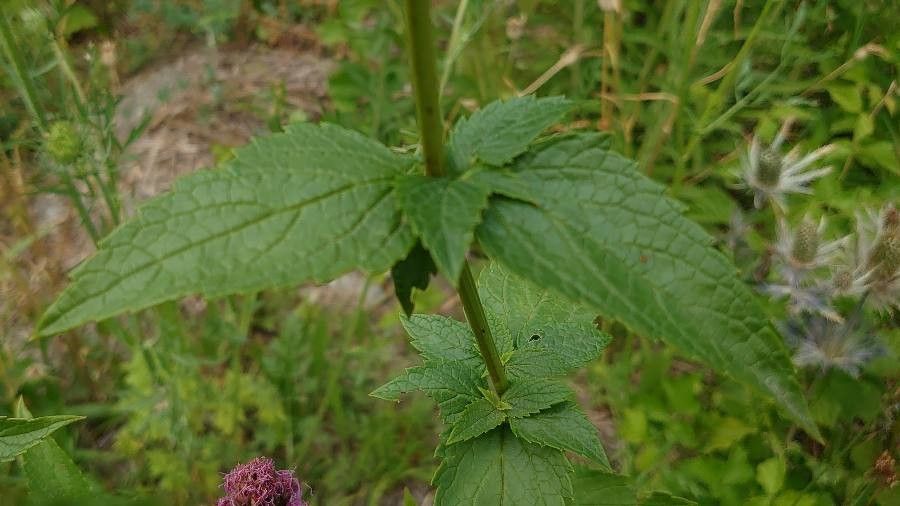
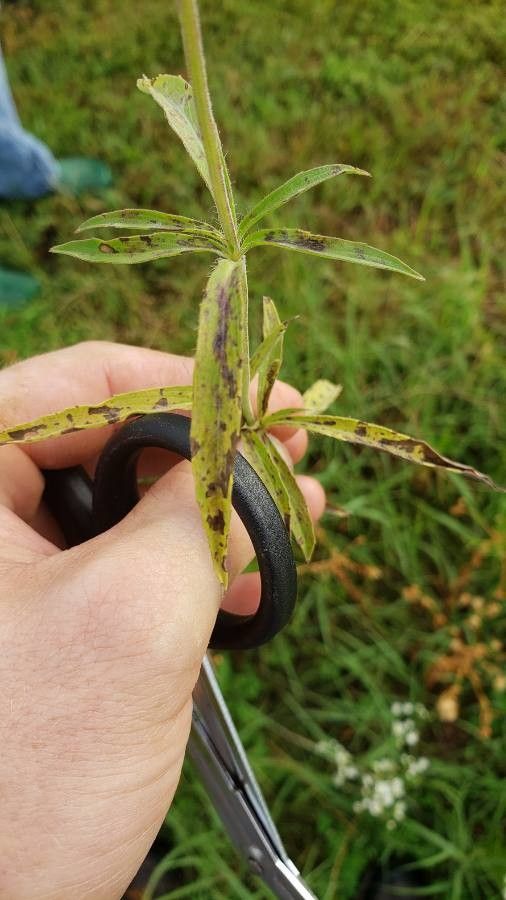
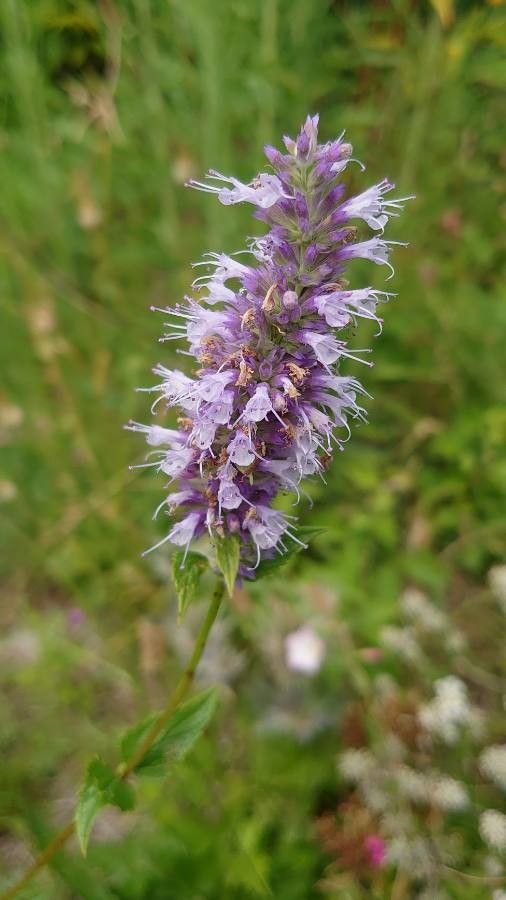
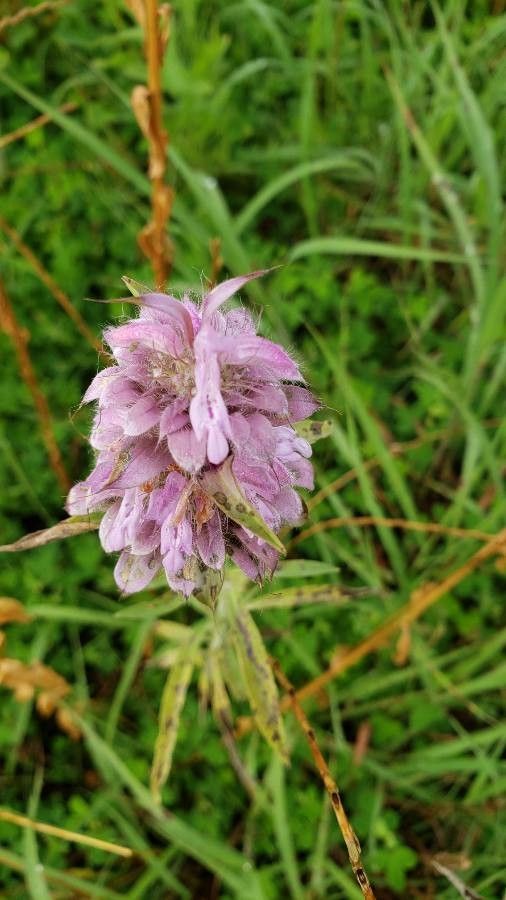
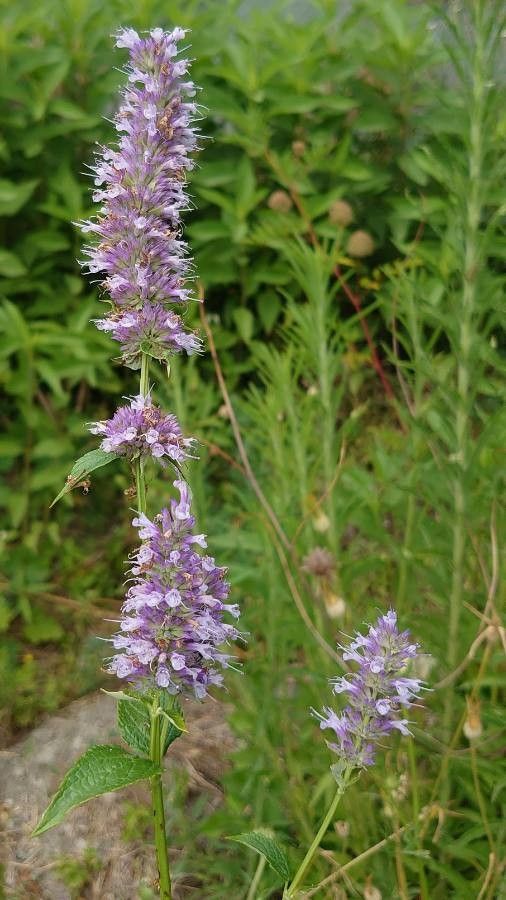
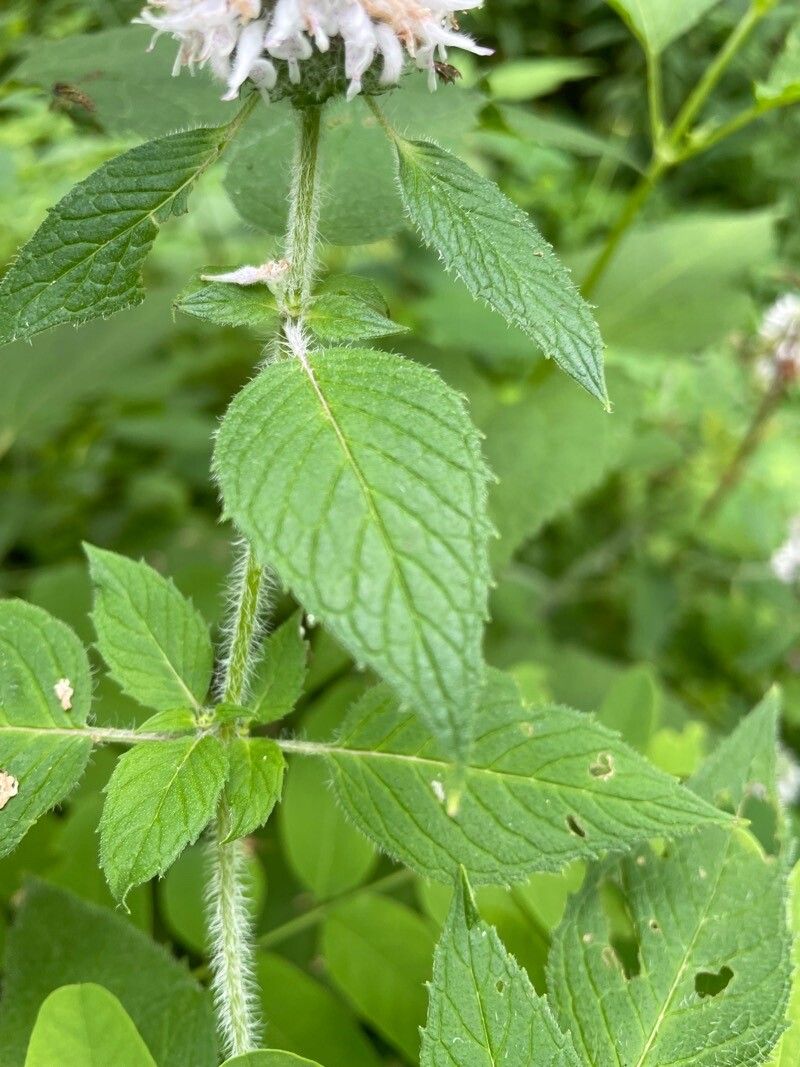
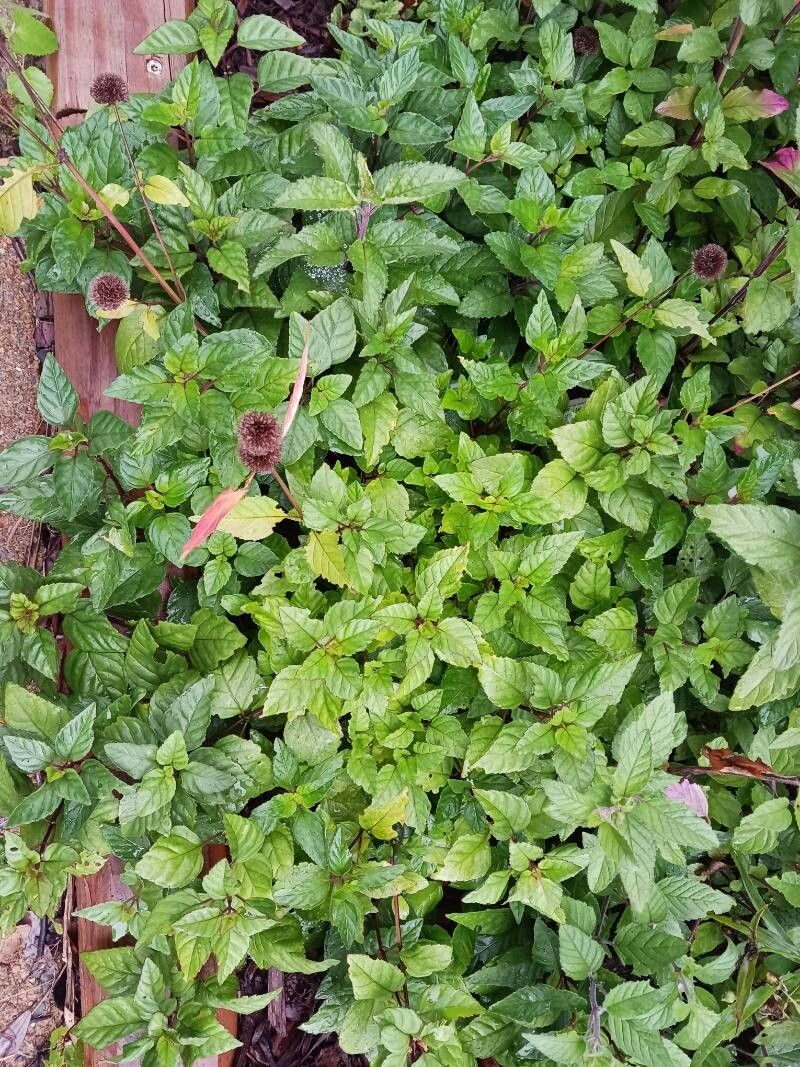
Blephilia ciliata is a species of herbaceous perennial plant in the Lamiaceae (mint) family native to central and eastern North America. It is commonly called downy wood mint. Other common names include downy pagoda-plant, sunny woodmint and Ohio horsemint.
The downy pagoda plant is fairly disease-resistant and ordinarily does not tend to get ill. Still, it can be affected by pests and diseases present in its environment. These problems are typically minor. Regarding care, this plant needs a moderate level of maintenance. It should be pruned regularly to keep a neat appearance and support healthy growth. Fertilizing can also encourage it to flower. The downy pagoda plant is well-suited to anyone with outdoor space, such as a garden or patio, and does not demand extensive gardening experience. When kept indoors it may need more attentive care.
How to keep Blephilia Ciliata.
Light
Downy pagoda plant does best when it receives many hours of daylight. As it matures, it can tolerate partially shaded conditions, although plentiful light enhances its health and growth. Its native habitat also affects its sun requirements. Excessive light can cause damage, while inadequate light may stunt its growth.
Water
The Downy Pagoda Plant thrives in moderate humidity and requires consistently moist soil without becoming waterlogged. Watering it once a week helps keep it properly hydrated. Although it is typically grown outdoors, using mulch can help retain soil moisture, making it well-suited for temperate climates with predictable rainfall.
Temperature
The downy pagoda plant grows best in temperatures from 41 to 89.6 °F (5 to 32 °C). Because it originates in temperate regions, it tends to prefer cooler climates. During periods of extreme weather, it may be necessary to adjust conditions to be warmer or cooler.
Fertilizer
For the Downy pagoda plant, the primary time to apply fertilizer is in early spring as the flowers begin to form. Using the appropriate fertilizer promotes better blooms and helps the Downy pagoda plant produce attractive flowers. Fertilizing at this time ensures strong flowering during the season and supplies energy for dormant growth phases.
Pruning
The Downy Pagoda Plant has hairy leaves and tiered flowers. It responds well to pruning in early spring. To keep the plant in top shape, it's important to remove spent blooms and trim any leggy growth. This not only enhances the plant's shape and vigor but also promotes density, health, and air circulation. Proper pruning aligns with the growth cycle of the Downy Pagoda Plant, ensuring it stays healthy and vibrant.
Botanical profile.
- Plant Type
- Herb
- Life Cycle
- Perennial
- Genus
- Blephilia
- Family
- Lamiaceae
- Hardiness Zone
- 4-8
- Mature Height
- 30 cm to 76 cm
- Mature Spread
- 20 cm to 46 cm
- Leaf Color
- Green
- Leaf Type
- Deciduous
- Flower Color
- Lavender, White
- Flower Size
- 2.54 cm
- Bloom Time
- Late spring, Early summer, Mid summer
- Planting Time
- Autumn, Winter
- Harvest Time
- Late summer, Early fall, Mid fall
Other names.
Reader questions.
How should I water my Downy pagoda plant?
To properly water the Downy pagoda plant, use filtered, room temperature water. This is because tap water can contain harmful particles. The plant is used to warm environments, so avoid using cold water to prevent shocking its system. Additionally, overhead watering should be avoided as it can cause issues with the foliage. Instead, soak the soil with filtered, room temperature water until it is completely saturated. This helps the roots spread and collect nutrients.
What are the sun requirements for a Downy Pagoda Plant?
The Downy Pagoda Plant, or Blephilia ciliata, thrives best in conditions that match its natural habitat, requiring full sun, defined as above 6 hours of sunlight per day, to ensure its health and development. It can also tolerate partial sun, which means about 3-6 hours of sunlight per day. Observing the movement of sunlight through your garden is vital for identifying the ideal location that offers a balanced exposure to light and shade, ensuring the plant's wellbeing.
What are the ideal temperature conditions for the Downy Pagoda Plant?
The Downy Pagoda Plant, also known as Blephilia ciliata, thrives in temperatures ranging from 41 to 89.6 °F (5 to 32 °C). Originating from temperate regions, it prefers cooler climates but can adjust to somewhat warmer or cooler conditions. It possesses strong cold resistance, implying that special frost protection is generally not needed. However, during winters with temperatures expected to drop below -30°C, providing some form of cold protection by covering the plant with soil or straw is advised. Additionally, watering the plant abundantly before the first freeze of autumn helps ensure the soil remains moist throughout winter and early spring, aiding in the plant's survival and growth during these times.
What should I do if I give too much water or too little water to my Downy pagoda plant?
Both overwatering and underwatering can harm your Downy pagoda plant, but overwatering is more common. When this plant gets too much water, its stems and leaves may droop and turn yellow. Overwatering for a long time can also cause diseases like root rot, mold, and mildew, which can be fatal. While underwatering is less common for the Downy pagoda plant, it can still happen. In such cases, the leaves become brittle and brown. It's crucial to recognize the signs of overwatering early on. Some diseases caused by overwatering, like root rot, may be irreversible if you wait too long. If you see early signs, reduce watering immediately. Check the soil quality of your plant. If it drains poorly, replace it with a loose, well-draining potting mix. If your Downy pagoda plant shows signs of insufficient water, increase your watering schedule until the signs disappear.
How does the Downy Pagoda Plant react to different lighting conditions?
The Downy Pagoda Plant benefits significantly from ample daylight. While it can adjust to partially shaded sites as it matures, a generous light exposure is critical for its growth and health. This plant is adaptable, but excessive sunlight or too little light can respectively lead to symptoms of sunscald and chlorosis, or inhibited growth and development. The plant's origin and habitat provide cues for its sun requirements, illustrating the importance of exposure to the right amount of natural or artificial light.
How does the Downy Pagoda Plant react to low temperatures, and what are the remedies?
The Downy Pagoda Plant is considerably cold-tolerant, best thriving above 5°C. It should ideally remain above -25°C during winter months. Temperatures falling below -30°C may not prompt immediate changes but can lead to a reduced sprouting rate or total lack of sprouting in spring. To address this, it is recommended to remove parts of the plant that have failed to sprout in spring, ensuring healthier growth for the remaining sections.
How many times should I water my Downy pagoda plant?
If your Downy pagoda plant is in a pot, the most precise way to determine if it needs water is to check the soil. Stick your finger into the soil and if the top few inches are dry, it's time to water it. The same method can be used if your plant is outdoors in the ground. During spring and early fall, watering once a week should be sufficient. However, in very hot weather, you may need to increase watering to twice a week or more. It's worth noting that mature, well-established Downy pagoda plants are quite resilient and can withstand periods of drought.
What artificial lighting requirements does the Downy Pagoda Plant have?
Indoor Downy Pagoda Plants need sufficient lighting, especially when natural sunlight is lacking, like in winter or darker spaces. Artificial lighting can be a crucial aid in such situations, with LED lights being a popular choice due to their ability to offer specific light wavelengths needed by plants. For full sun plants, 30-50W per square foot of artificial light is recommended, partial sun plants require 20-30W, and full shade plants need 10-20W. The light source should be placed 12-36 inches above the plant to mimic natural sunlight, ensuring the plants receive 8-12 hours of light daily.
What should be done if the Downy Pagoda Plant experiences high temperatures?
In case of high temperatures, specifically above 32°C during summer, the Downy Pagoda Plant may exhibit signs of stress such as leaves becoming lighter, prone to curling, susceptible to sunburn, and, in severe cases, the plant might wilt and dry up entirely. To mitigate these effects, trimming away sunburned and dried parts of the plant is essential. Relocating the plant to a shaded area or using a shade cloth can protect it from the harsh midday and afternoon sun. It is also crucial to water the plant in the morning and evening to maintain soil moisture and support the plant’s health.
How much water does my Downy pagoda plant require?
When watering your Downy pagoda plant, it's important to give it a generous amount of water. Make sure the first two to three inches of soil are dry before watering. Give the plant a thorough watering so that the soil is completely soaked. You should add enough water to see excess water draining from the bottom of the pot. If you don't see any excess water, it means you haven't given enough water. However, be careful not to let water accumulate in the soil as it can harm the plant. If water doesn't drain properly from the pot, it could indicate poorly draining soils, which should be avoided. If the plant is outside, it generally needs about 1 inch of rain per week.
What symptoms indicate insufficient lighting for the Downy Pagoda Plant?
When the Downy Pagoda Plant does not receive adequate light, several symptoms may appear. These include smaller new leaves compared to older ones, leggy or sparse growth, faster leaf drop, slower or halted growth, lighter-colored new leaves indicating a lack of chlorophyll, chlorosis leading to yellowing leaves, sunscald, leaf curling as a protective measure, wilting due to excessive transpiration, and leaf scorching characterized by brown, dry edges. These symptoms highlight the plant's need for proper light exposure.
How do I water my Downy pagoda plant at different stages of growth?
The water needs of the Downy pagoda plant can vary depending on its growth stages. In the first few years or after transplanting, more water should be provided to support the development of new roots. These roots require additional moisture to ensure future growth. As the plant matures, it will require less water. Additionally, during the bloom period, the plant may need more water to support flower development.