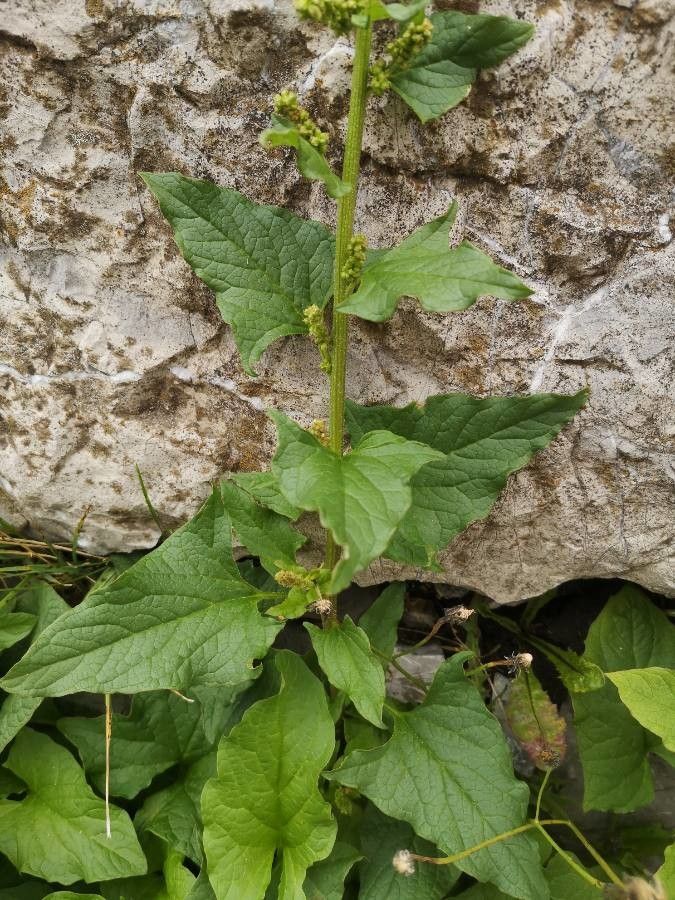
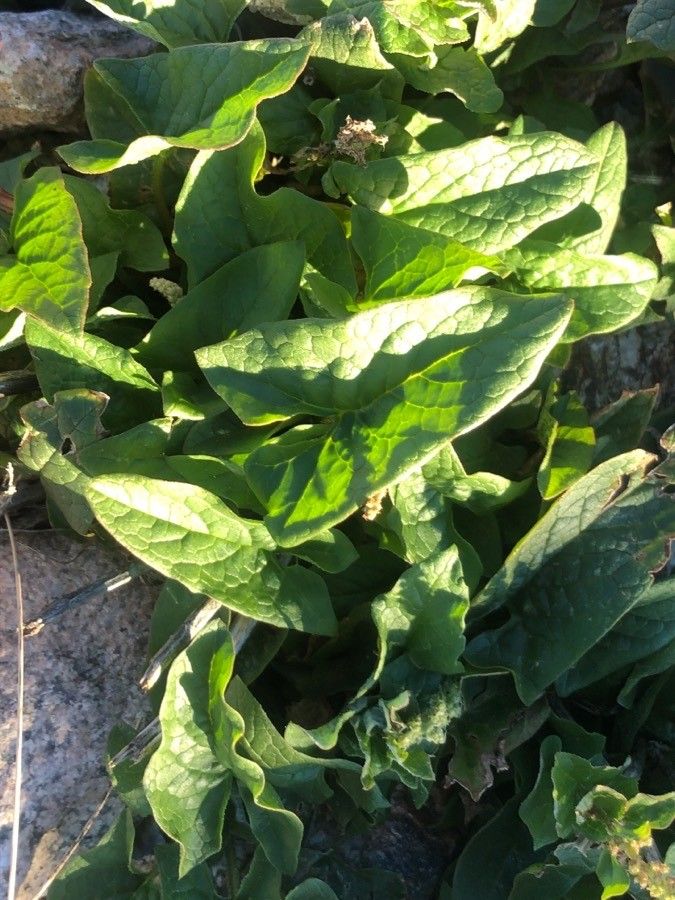
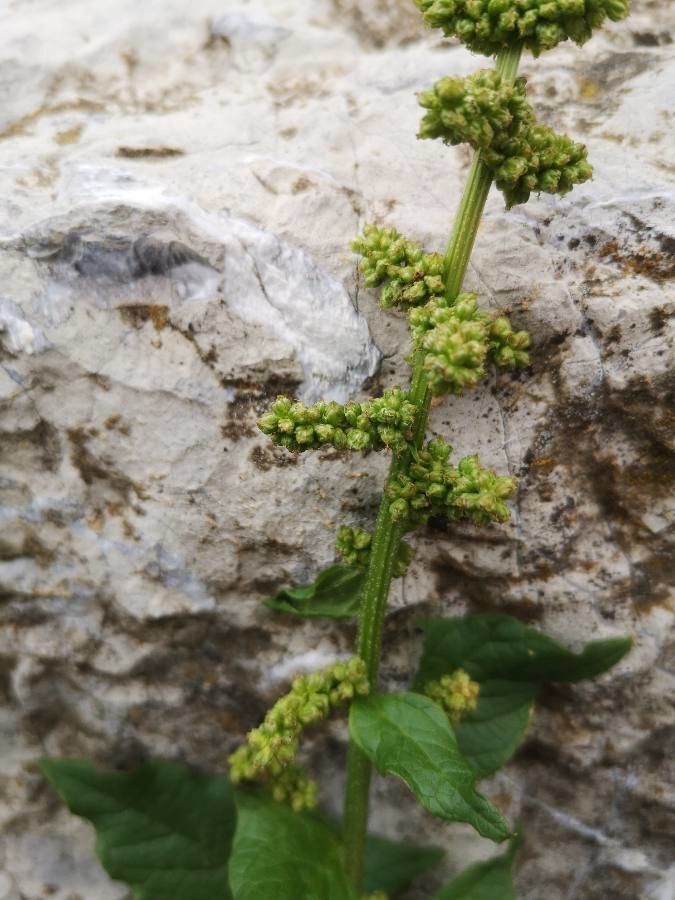
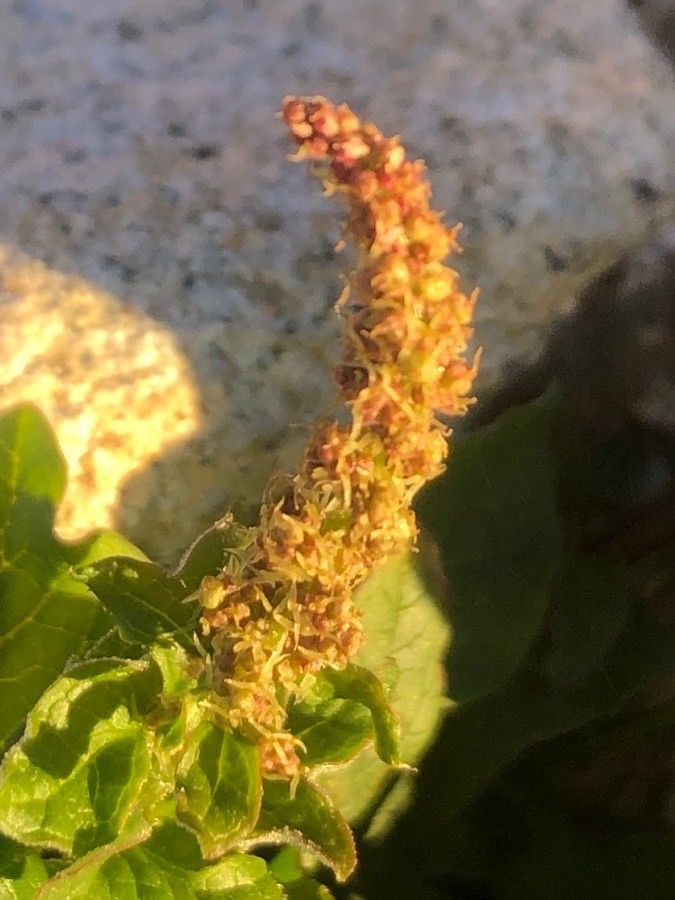
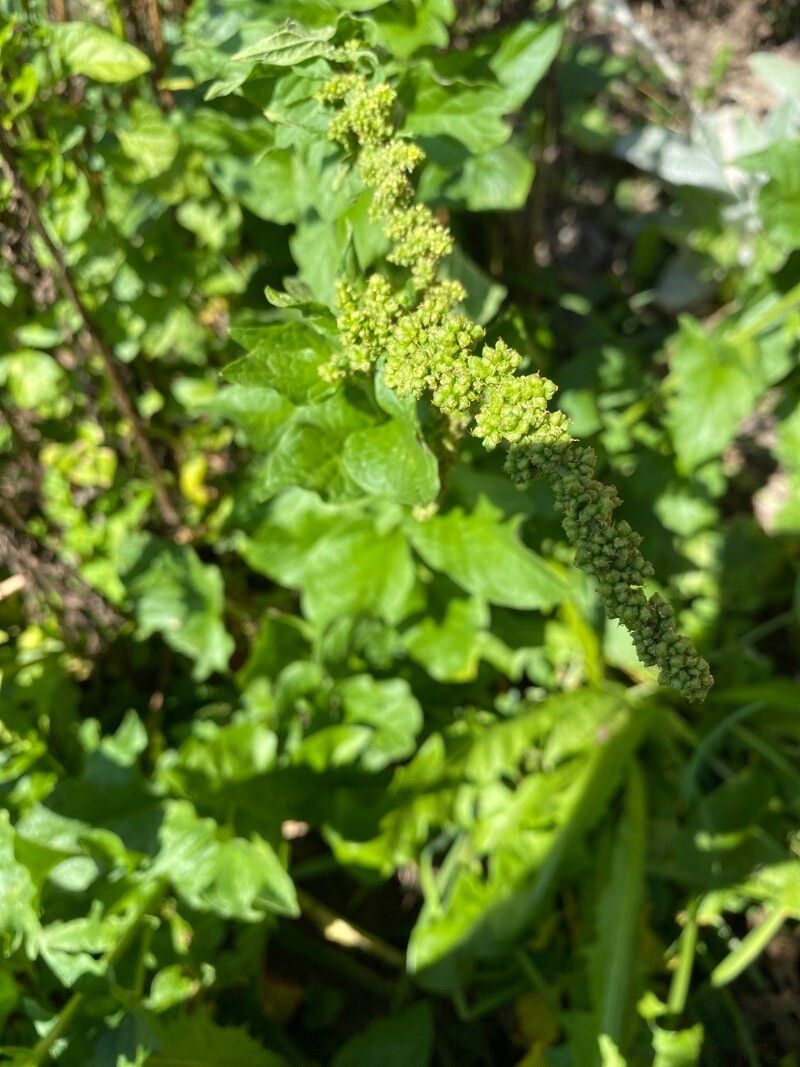
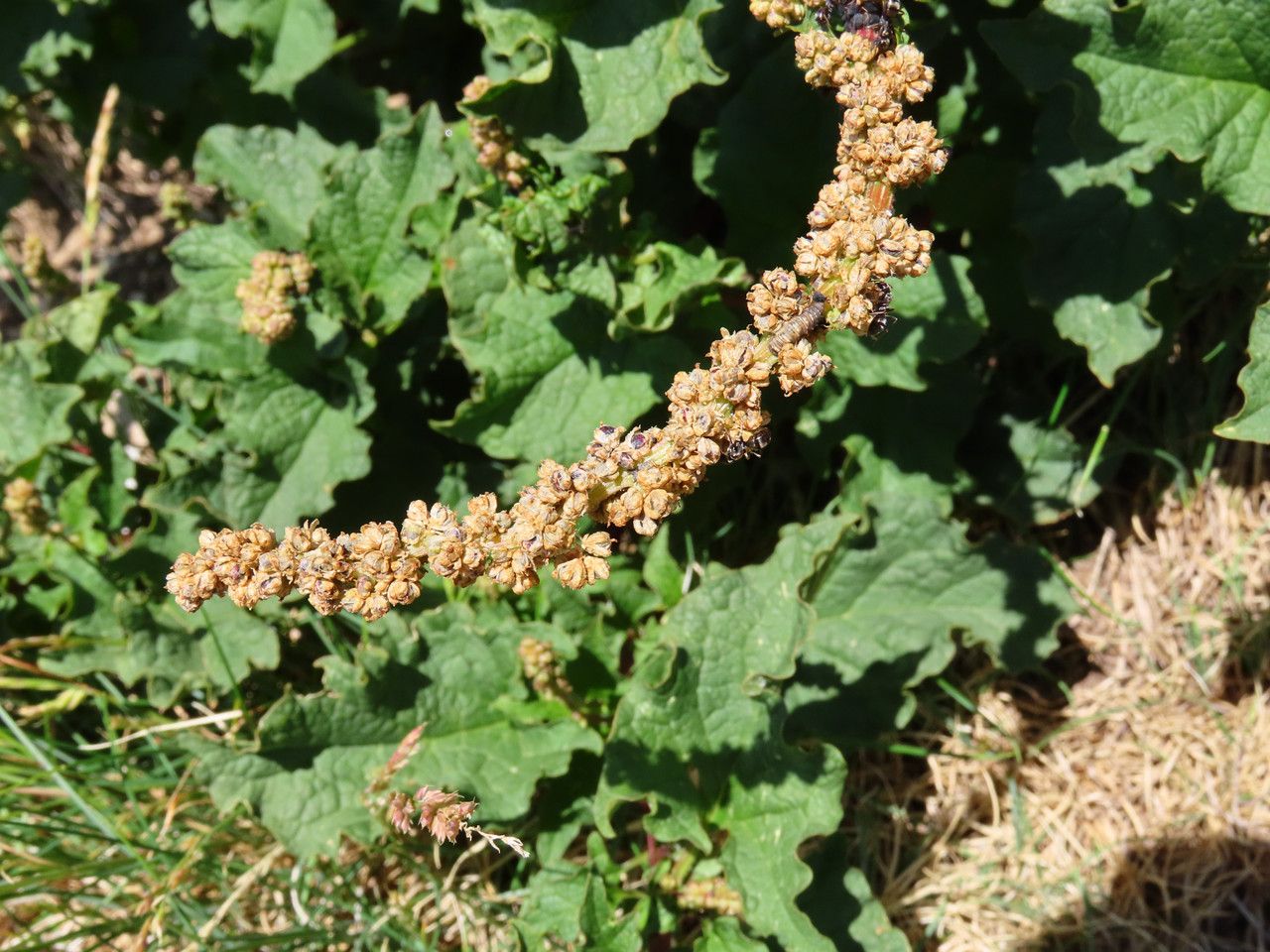
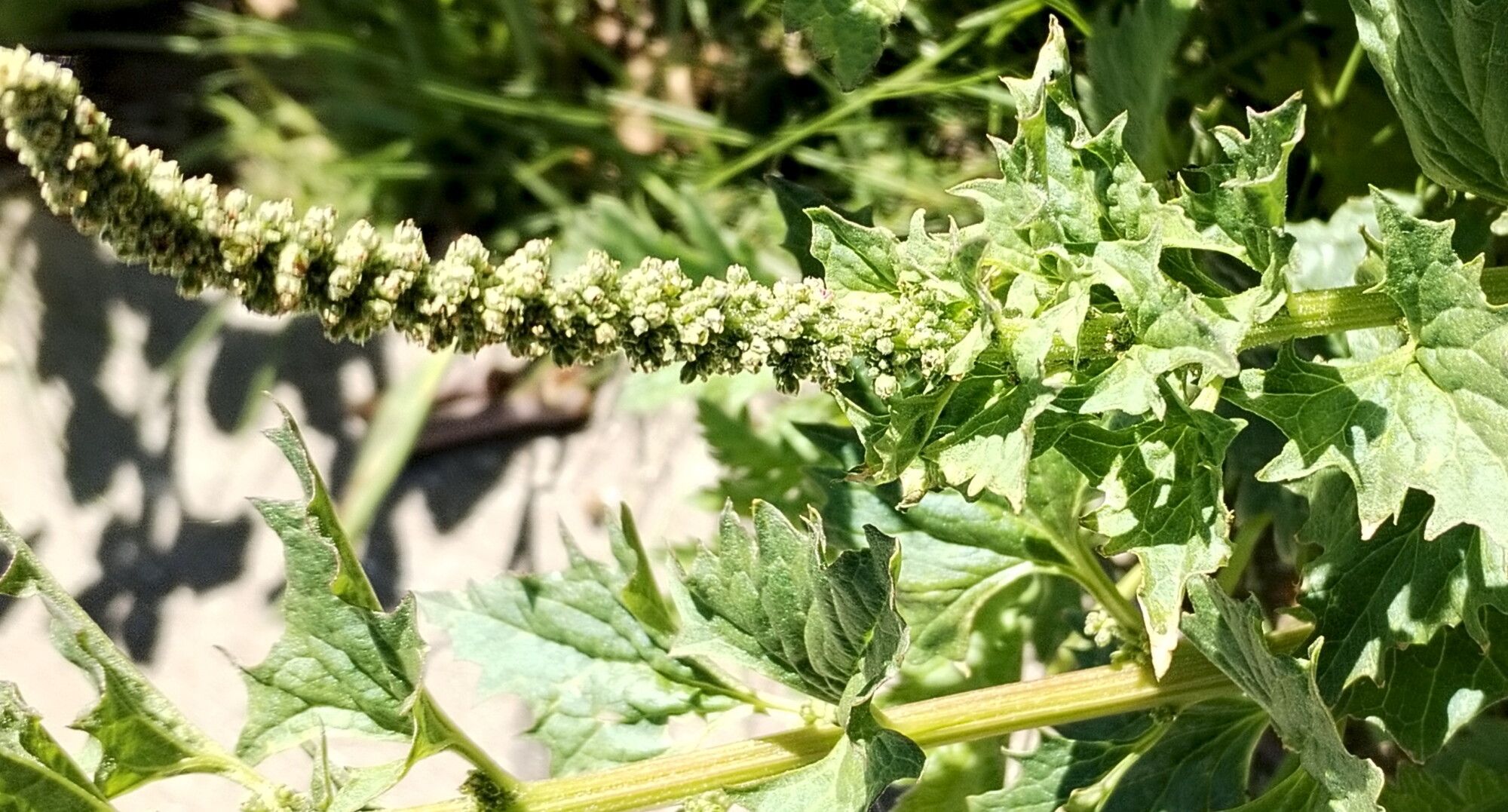
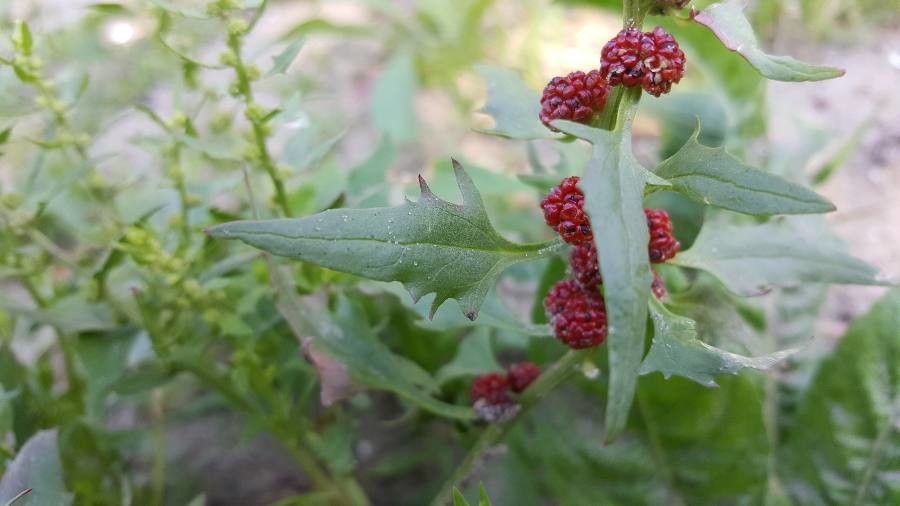
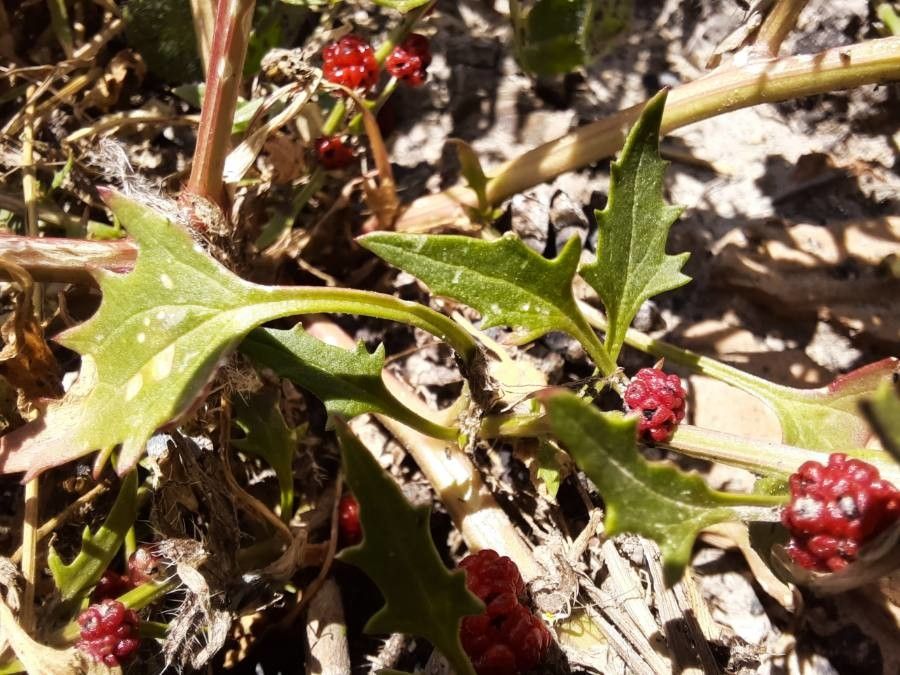
Blitum bonus-henricus (syn. Chenopodium bonus-henricus), also called Good-King-Henry, poor-man's asparagus, perennial goosefoot, Lincolnshire spinach, Markery, English mercury, or mercury goosefoot, is a species of goosefoot which is native to much of central and southern Europe. Good-King-Henry has been grown as a vegetable in cottage gardens for hundreds of years, although this dual-purpose vegetable is now rarely grown and the species is more often considered a weed.
Good king henry has moderate resistance to disease but can be vulnerable to illnesses such as leaf spot. Its vulnerability to insect pests varies by variety, though most types are less resistant to pests. Regarding care, Good king henry requires regular watering and feeding, and yellow leaves should be pruned frequently. Pests and diseases should be controlled when they appear, and the plant should be harvested promptly. Good king henry is suitable for people who can spare some time and energy for regular care.
How to keep Blitum Bonus Henricus.
Light
Good king henry performs best when given maximum sunlight, which is vital for its vigorous growth and overall health. It can, however, still do well with reduced light levels. Generous light encourages productive growth phases, but too much sun can stress it and disturb its growth balance.
Water
Good King Henry thrives in consistently moist conditions and needs regular watering, ideally twice a week, to keep the soil damp. Although it is moderately drought-tolerant, the plant prefers higher humidity. This plant is ideal for outdoor cultivation, as it benefits from rainwater and the nutrients it provides.
Temperature
Good King Henry is native to temperate regions and has an optimal growth temperature of 68 to 95°F (20 to 35℃). It can tolerate temperature fluctuations but grows best within that range. Seasonal adjustments may be needed to keep it healthy.
Fertilizer
Good king henry naturally produces nitrogen through its root system, lessening the need for extra fertilizers. It does well in well-draining soils, and fertilization may not be required depending on the soil's composition. However, low potassium or phosphorus can impede successful growth, while a nitrogen deficiency does not cause problems.
Pruning
Prune Good King Henry from early to late spring to encourage growth and remove any damaged parts. Thinning the plant will improve air circulation and light access, which helps reduce pests and diseases. To promote overall health and productivity, use clean, sharp tools to make precise cuts.
Botanical profile.
- Plant Type
- Herb
- Life Cycle
- Annual, Perennial
- Genus
- Blitum
- Family
- Amaranthaceae
- Hardiness Zone
- 6
- Mature Height
- 15 cm to 61 cm
- Mature Spread
- 49 cm
- Leaf Color
- Dark Green
- Leaf Type
- Deciduous
- Flower Color
- Green
- Flower Size
- 2.54 cm
- Bloom Time
- Late spring, Early summer, Mid summer
- Planting Time
- Spring
- Harvest Time
- Mid summer, Late summer, Early fall
- Native Area
- Sweden, Austria, Slovakia, Montenegro, Croatia, Slovenia, Belarus, Russia, Germany, Estonia, Romania, Latvia, Belgium, Portugal, Netherlands, France, Czech Republic, Bulgaria, Poland, Greece, Ukraine, Serbia, Lithuania, Norway, Italy, Spain, Switzerland, Denmark, Finland, Albania, Ireland, United Kingdom, Hungary
Other names.
Reader questions.
How should I water my Good King Henry plant?
The Good king henry has specific preferences when it comes to watering, and it also cares about how you water it. If you don't water it properly, you could harm your tomatoes. The best way to water Good king henry is to apply the water directly to the soil in a slow and gentle manner. Avoid pouring all the water at once or using overhead watering. It's important to water slowly but deeply to ensure the soil is sufficiently moist for the growth of Good king henry.
Why should I put fertilizer on my Good king henry plant?
Good king henry can be grown in various soil types as long as they have good drainage. Whether or not you need to use fertilizer will depend on the soil content. If the soil lacks enough potassium or phosphorus, it may not adequately support the growth of Good king henry. However, if the soil only lacks nitrogen, you can still see successful growth without using fertilizer.
What are the sunlight requirements for Good King Henry?
Good King Henry requires full sun, meaning it thrives best with above 6 hours of sunlight daily. It can also grow in partial sun conditions, which constitutes about 3-6 hours of sunlight. Observing how sunlight moves through your garden is crucial, as selecting the appropriate spots that offer a balance of light and shade can significantly affect the plant's growth and health.
What is the optimal growth temperature range for Good King Henry?
Good King Henry thrives in temperate climates and performs best within a temperature range of 68 to 95°F (20 to 35°C). The plant has the ability to adjust to temperature fluctuations but maintaining this range is ideal for its health. Keeping temperatures above 20°C during winter cultivation is beneficial, and it's important to ensure the minimum temperature stays above the freezing point to prevent damage.
What should I do if I give too much or too little water to my Good king henry plant?
If you realize that you have given too much water to your Good king henry and are worried about the risk of disease, you should take action right away. The best solution for an overwatered Good king henry is to remove it from where it is currently growing. Once the plant is out of the ground, you can let its roots dry a bit before replanting it in a new location with well-draining soil. If you are growing the plant in pots, you could also consider transferring it to a pot with more or bigger drainage holes. In the case of underwatering, simply increase the frequency of watering your plant.
What is the best time to put fertilizer on my Good king henry plant?
- Use compost or manure at planting time. - If you prefer liquid fertilizer, add a small dose when seedlings emerge. - Fertilize Good King Henry just once during the growing cycle. - Add fertilizers high in phosphorus and potassium as a soil amendment the year before planting Good King Henry.
Why is light essential for Good King Henry, and how can artificial lighting supplement it?
Light is essential for Good King Henry as it bolsters its growth and health, particularly under maximum sunlight exposure. Nonetheless, the plant can still prosper with lesser amounts of light. Abundant light prompts productive growth stages; however, extreme sunlight may cause stress and growth imbalances. For indoor plants, artificial lighting becomes crucial when natural sunlight is insufficient, especially in winter or less sunny spaces. Artificial lights such as LEDs, customized to deliver specific wavelengths, can significantly support growth by mimicking natural light conditions. Full sun plants require 30-50W/sq ft, partial sun plants need 20-30W/sq ft, and full shade plants require 10-20W/sq ft of artificial light. The light source should be placed 12-36 inches above the plant for 8-12 hours per day to simulate natural daylight hours appropriately.
What should I do if the temperature drops below the ideal range for Good King Henry?
Good King Henry has a moderate tolerance to low temperatures, but it is advised to keep it above 0°C during winter to avoid damage. If the temperature falls below -5°C (25°F), you should consider bringing the plant indoors or providing protection with a temporary greenhouse or wrapping materials such as plastic film or fabric. In case of exposure to temperatures below -25°C leading to frost damage, trim away the affected parts and move the plant indoors to a warm area near a south-facing window, supplementing with artificial lighting if necessary.
How often do I need to water my Good king henry plant?
Good king henry requires a lot of water throughout its growing season. To meet this high water demand, water it regularly in the spring and summer. At the beginning of the growing season, water it once or twice a week. As the season progresses, increase the frequency of watering. Depending on the weather, you may need to water it twice a day or more during the summer. Once Good king henry has completed its major growth stages, reduce watering to about once a week until the end of the season.
When is the best time to not fertilize my Good king henry?
To ensure the best results with Good king henry, it's important to avoid excessive fertilization. This means refraining from adding unnecessary chemical or natural fertilizers that can harm the environment. Specifically, be cautious about introducing extra nitrogen into the soil. It is generally recommended to use a light touch when fertilizing Good king henry. Ideally, if you can refrain from using any fertilizer on this plant, you can still achieve a successful harvest while saving yourself time and effort in the growing process.
What are the common symptoms of light deficiency in Good King Henry when grown indoors?
When grown indoors with insufficient light, Good King Henry may show several symptoms of light deficiency that could go unnoticed. These include smaller new leaves than mature ones, leggy or sparse growth that makes the plant appear thin and stretched, faster leaf drop as a conservation measure, slower or halted growth due to survival mode, and lighter-colored new leaves indicating lack of chlorophyll. Additionally, chlorosis (yellowing leaves), sunscald (damage from intense light), leaf curling (to reduce exposed surface area), wilting (loss of turgor pressure), and leaf scorching (brown, dry leaf edges from too much sunlight) can occur under extreme sunlight conditions.
How should I care for Good King Henry during high temperatures?
During summer, it's important to ensure that Good King Henry's environment does not exceed 35°C, as higher temperatures can slow down its growth, lighten the color of its leaves, and increase susceptibility to sunburn. If temperatures go beyond 38°C, remove sunburned and dried-up parts, and relocate the plant to a shadier spot, especially from the afternoon sun. Watering the plant in the morning and evening can help keep the soil moist and further protect the plant from heat stress.