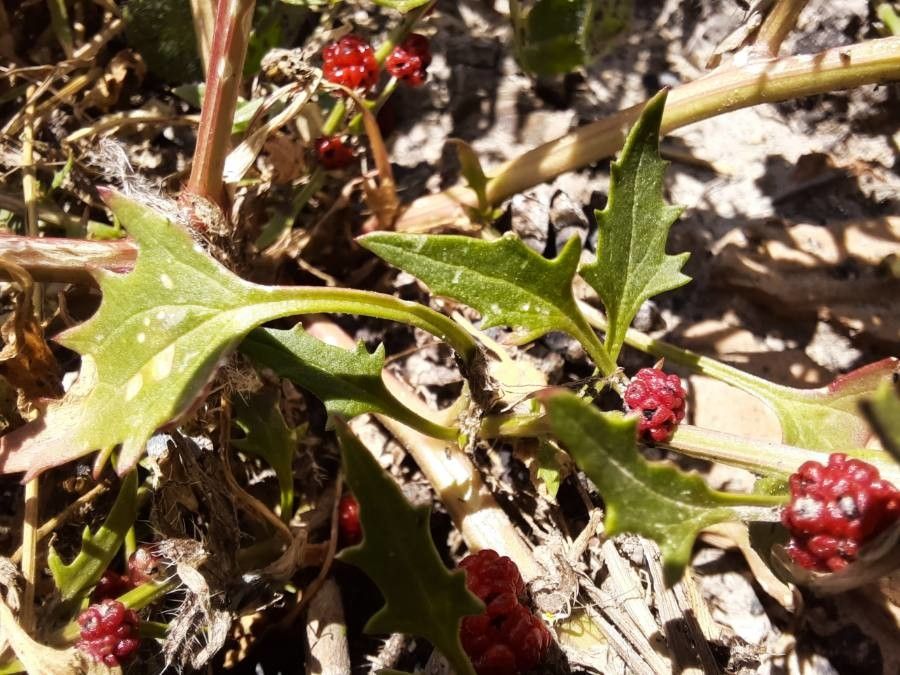
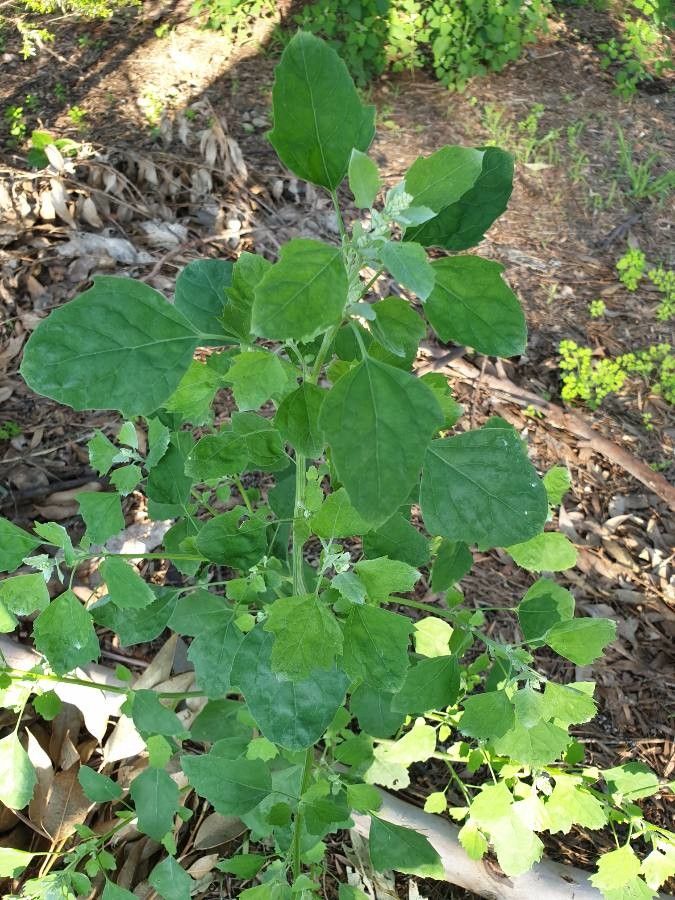
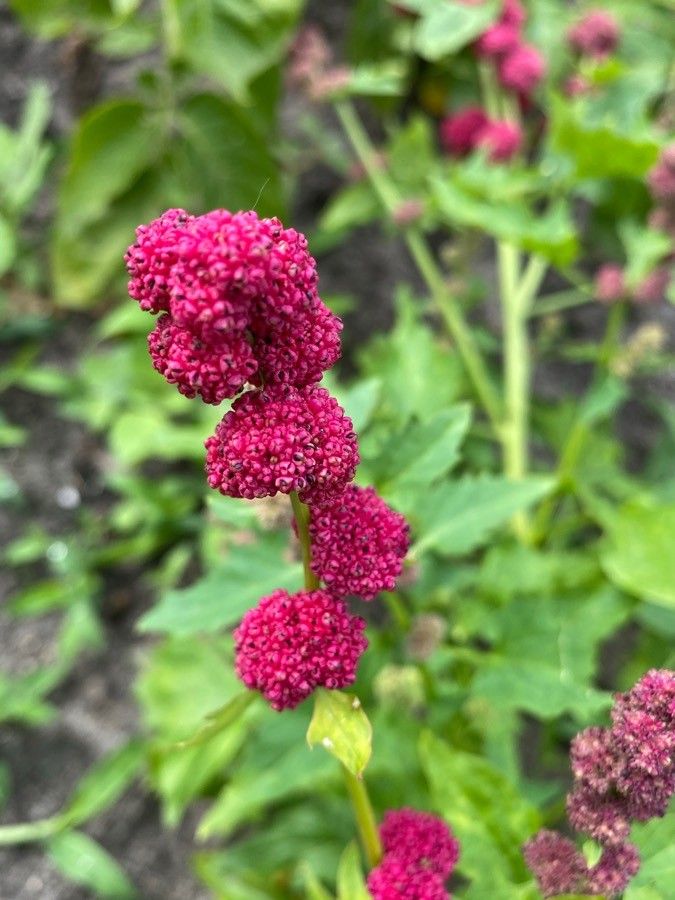
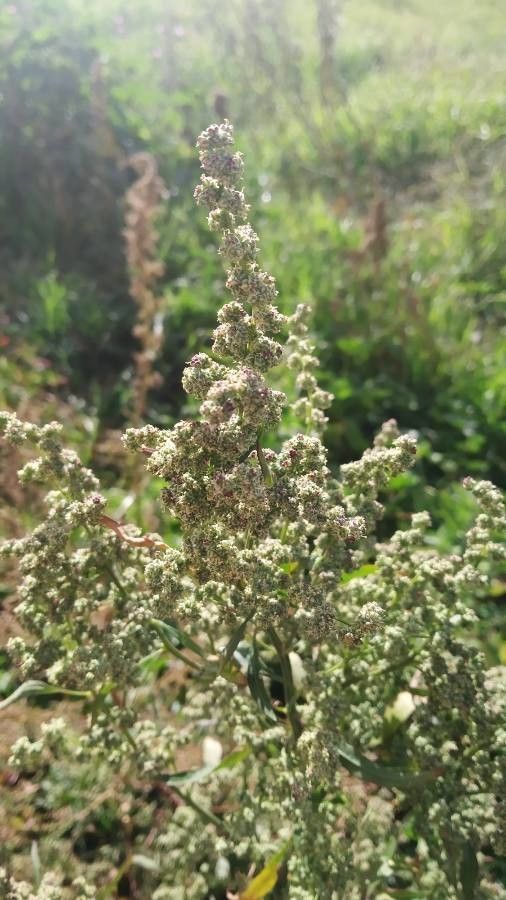
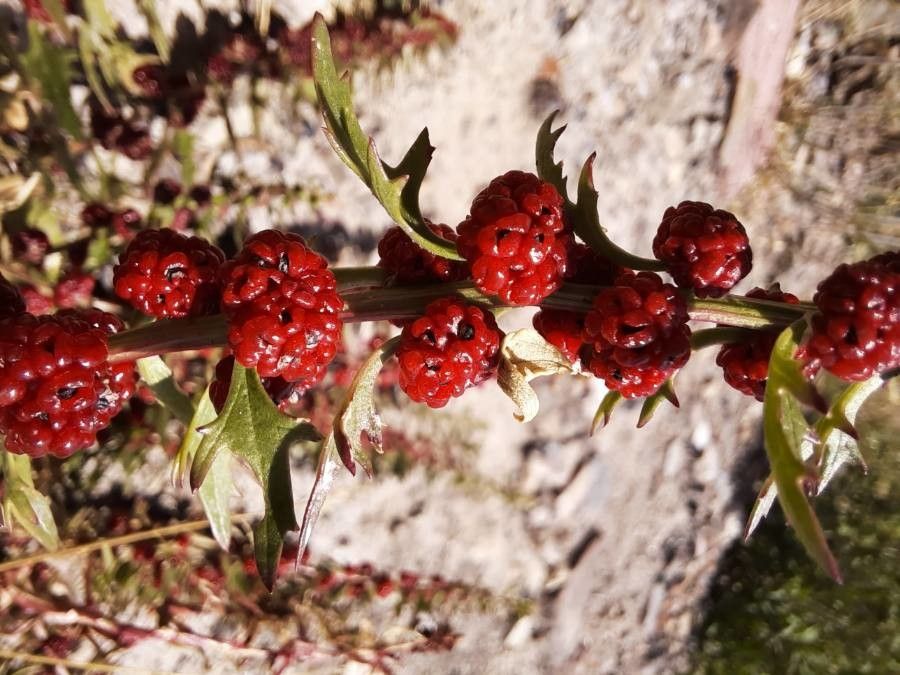
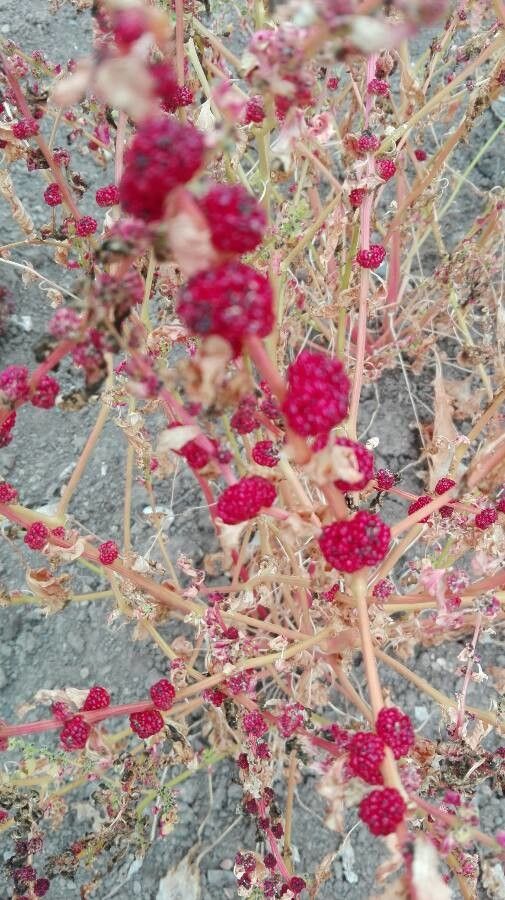
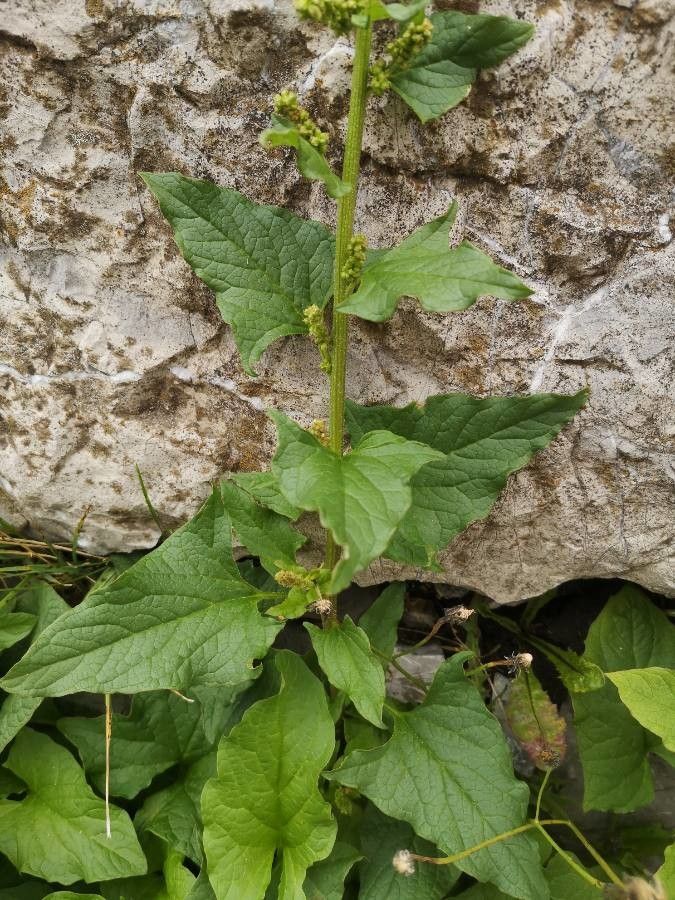
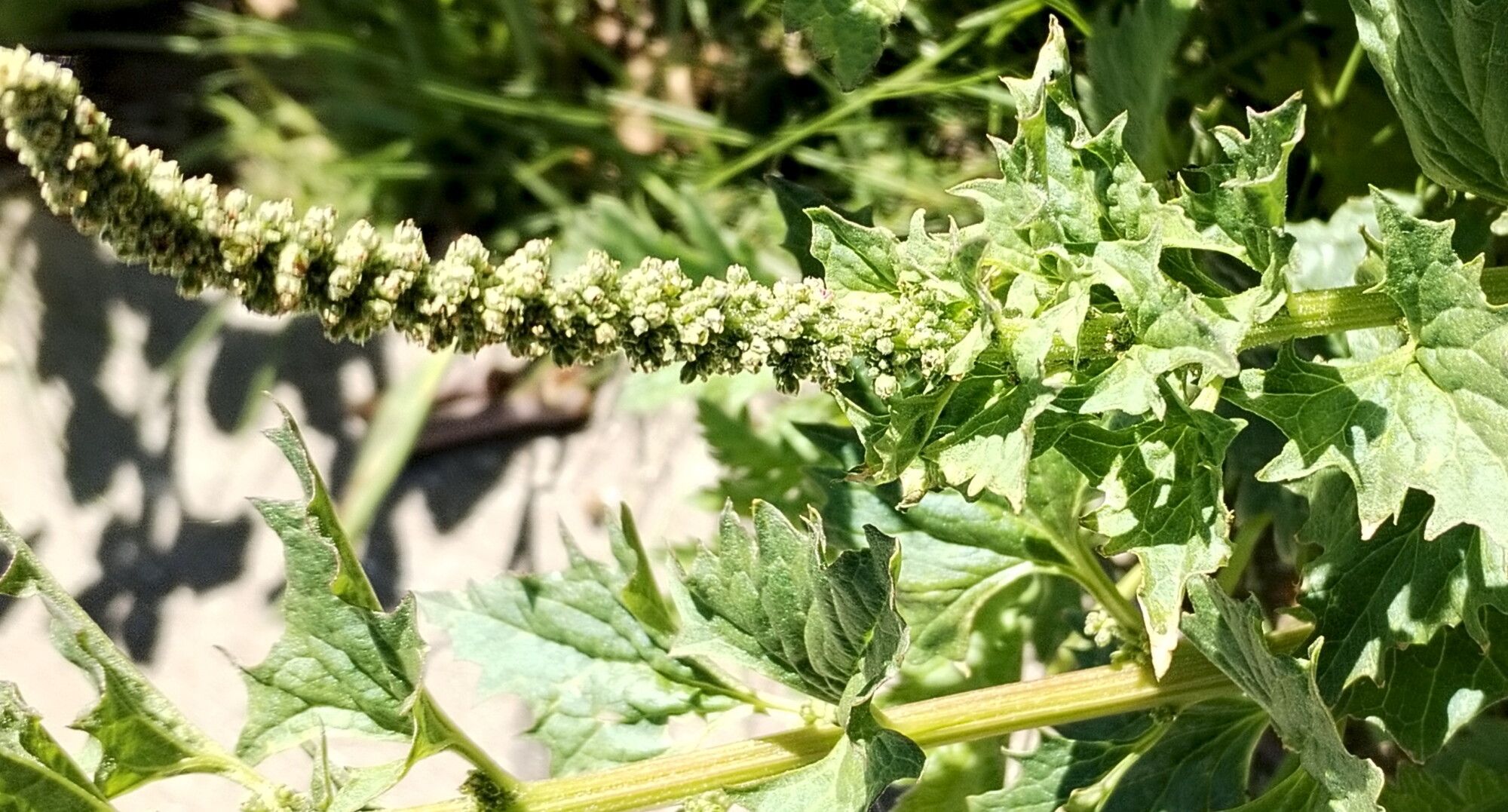
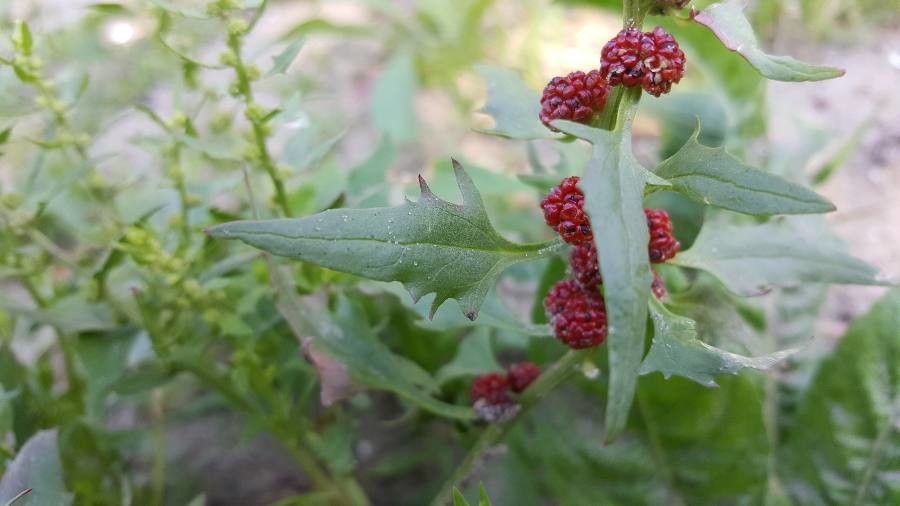
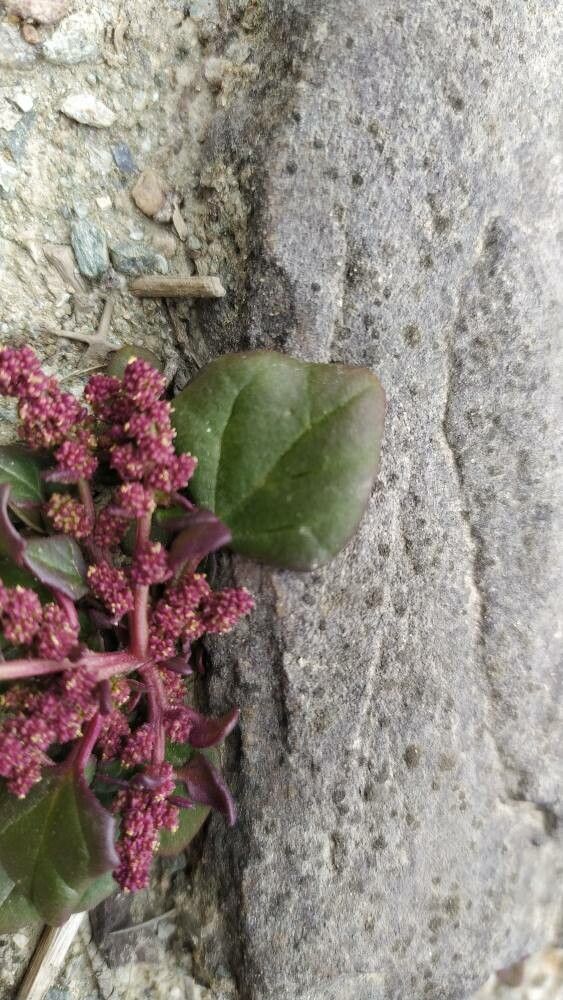
Blitum virgatum, (syn. Chenopodium foliosum) is a species of flowering plant in the amaranth family known by the common name leafy goosefoot. It is native to Eurasia. It can be found on other continents as an introduced species, growing as a minor weed in disturbed habitats and cultivated land.
Leafy goosefoot has moderate resistance to disease but can be prone to problems like leaf spot. Its vulnerability to insect pests varies by variety, though most varieties are not very resistant to pests. For care, Leafy goosefoot needs regular watering and fertilizing, and yellow leaves should be pruned frequently. It is important to manage pests and diseases as soon as they appear and to harvest the plant in a timely way. Leafy goosefoot is best suited for people who can spend some time and effort on regular care.
How to keep Blitum Virgatum.
Light
Leafy goosefoot comes from habitats that receive abundant sunlight, such as open fields and sunlit meadows. It prefers full sun but can also tolerate partial sun.
Water
Leafy goosefoot, a plant native to temperate regions, thrives best in conditions where the soil remains consistently moist but not waterlogged. To achieve this, it's best to water the plant weekly, ensuring the moisture level is moderate but allowing for short dry periods in between. When grown outdoors, leafy goosefoot benefits from soil that mimics the natural patterns of precipitation—steady and moderate, without any extreme fluctuations.
Temperature
Leafy goosefoot prefers a moderately warm native climate, with temperatures between 68 to 95 °F (20 to 35 ℃). To achieve optimal growth, modify the ambient temperature to match seasonal changes.
Fertilizer
To maximize the yield and flavor of Leafy goosefoot, provide plenty of nitrogen throughout the entire growth period, from before planting through harvest. Plants given adequate water and fertilizer develop plentiful, healthy leaves and are less likely to be bitter. Before planting, amend the soil with organic matter such as compost or manure, ideally 2 to 8 weeks beforehand.
Pruning
Leafy goosefoot is a herbaceous plant known for its vibrant green leaves. To maintain its health and shape, it's best to prune in the spring. During this time, focus on removing dead foliage and trimming back any overly long stems. Make sure to sterilize your tools before pruning to prevent the spread of disease. Regular trimming not only encourages healthy growth but also helps maintain the plant's form.
Botanical profile.
- Plant Type
- Herb
- Life Cycle
- Annual
- Genus
- Blitum
- Family
- Amaranthaceae
- Hardiness Zone
- 4-10
- Mature Height
- 40 cm
- Mature Spread
- 20 cm to 40 cm
- Leaf Color
- Green, Dark Green
- Leaf Type
- Deciduous
- Flower Color
- Yellow, Green
- Flower Size
- 0.76 cm
- Bloom Time
- Summer
- Planting Time
- Spring, Summer
- Harvest Time
- Late summer, Early fall, Mid fall
- Native Area
- Nepal, Libya, Turkey, Austria, Cyprus, Bulgaria, Pakistan, Greece, China, Uzbekistan, Russia, Afghanistan, Iraq, Italy, Kazakhstan, Spain, Switzerland, Iran, Albania, Algeria, Turkmenistan, France
Other names.
Reader questions.
How should I water my Leafy goosefoot plant?
Leafy goosefoot can be watered using various common watering tools like a garden hose with a spray nozzle or a watering can. This plant is not too particular about the type of water it receives, as it can thrive with rainwater, tap water, or filtered water. However, it is generally advised not to water this plant from above, as it may cause damage to the leaves, flowers, and could lead to disease. The recommended method for watering Leafy goosefoot is to set up a drip irrigation system, which allows for even and direct application of water to the soil. In the case of container-grown Leafy goosefoot, the watering approach remains similar, but the tools used can be changed to a cup, watering can, or tap water, applying water directly to the soil.
Why should I put plant food on my Leafy goosefoot?
Plants require nutrients to grow, but some types can obtain what they need without additional fertilizers. Leafy goosefoot is a plant that relies on nutrients for growth and internal processes, just like other plants. The main nutrients that plants require, such as nitrogen, phosphorus, and potassium, contribute to essential functions in a plant's growth. In the case of foliage, nitrogen plays a particularly important role. However, Leafy goosefoot often struggles to obtain enough nitrogen from the soil alone. This is why many gardeners choose to supplement its diet by providing a nitrogen source.
What is the ideal temperature range for growing Leafy goosefoot?
Leafy goosefoot thrives in moderate to warm climates, with ideal temperatures ranging between 68 to 95 °F (20 to 35 °C). It's adapted to grow well in environments where the temperature adjusts seasonally. This plant also exhibits strong cold resistance, making it capable of surviving without special frost protection measures in most winter conditions.
What should I do if I give my Leafy goosefoot too much or too little water?
To avoid underwatering Leafy goosefoot, simply water it more regularly when you notice it lacks moisture. Overwatering, on the other hand, can be a more serious issue. If your Leafy goosefoot is overwatered, it can become susceptible to diseases that lead to decline and death. To prevent this, choose a growing location that receives plenty of sunlight and has good drainage to avoid waterlogged soil. If your potted Leafy goosefoot is overwatered, consider changing it to a new pot with proper drainage and loose soil.
When should I fertilize my Leafy goosefoot plant?
Leafy goosefoot generally grows well, but to give it a boost during active growth, you can apply a fertilizer about once a month. Only fertilize Leafy goosefoot once a month during the spring and summer months, not during fall and winter when it is less active and requires fewer nutrients. You'll know when to start fertilizing if you see signs of new growth. Whether grown outside or indoors in a container, the fertilization schedule remains the same. However, if your Leafy goosefoot is in a container, you may not need to fertilize for the first one to two months. Container plants usually have enough nutrients in the potting soil, so it's best to start fertilizing after your plant has been in the same soil for a while.
How to protect Leafy goosefoot from extreme cold?
While Leafy goosefoot has cold resistance, in conditions where temperatures are expected to drop below -30°C, it is important to provide additional cold protection. This can be achieved by covering the plant with insulating materials such as soil or straw. Additionally, watering the plant abundantly before the first freeze in autumn helps keep the soil moist, which is crucial for the plant's survival through the cold months by preventing drought and water scarcity.
How frequently should I water my Leafy goosefoot?
Leafy goosefoot requires regular watering throughout the growing season. In the spring, water this plant once a week. As the season progresses and becomes warmer, you may need to water it two to three times a week. However, exceeding this watering rate can harm the plant. Regardless of watering frequency, ensure that the soil remains moist but not wet. When it comes to watering a potted Leafy goosefoot, you need to water it more frequently than one planted in the ground. Potted soil tends to dry out faster, so watering a container-grown plant a few times a week is usually necessary, compared to once a week for an in-ground plant.
When is it not a good idea to add fertilizer to my Leafy goosefoot?
To ensure the health of your Leafy goosefoot, avoid fertilizing it if it's already unhealthy due to disease or insect pests. Additionally, refrain from fertilizing a dehydrated plant as it can worsen the problem. Only fertilize plants that are in good health. When watering, be cautious not to splash fertilizer onto the leaves or stem, as this can cause burned spots. Unless using a special fertilizer specifically for foliage, make sure not to allow the fertilizer to directly touch the plant.
What are the symptoms of Leafy goosefoot being exposed to too low or high temperatures?
Leafy goosefoot shows remarkable tolerance to cold, ideally remaining above 0°C during winters and thriving best above 20°C. If temperatures fall below -30°C, it may not exhibit visible winter damage but could experience reduced or no sprouting in spring. On the other end, when summer temperatures surpass 35°C, especially above 41°C, its leaves may appear lighter, curl up, get sunburned, and in extreme cases, the plant may wilt and dry completely.
How much water does my Leafy goosefoot plant need?
There are a few different ways to determine how much water to give your Leafy goosefoot. Some gardeners prefer to feel the soil for moisture, suggesting that you should water until the top six inches of soil are moist. Alternatively, you can use a set measurement of about two gallons of water per week, depending on factors like temperature and soil dryness. However, be cautious with strict guidelines as they may result in overwatering if your plant needs less water. When growing Leafy goosefoot in a container, the method changes. You should water enough to moisten all dry soil layers, which can be tested by inserting your finger into the soil. You can also stop watering when you notice a slight excess water trickling out of the pot's drainage holes.
What kind of fertilizer does my Leafy goosefoot plant need?
Leafy goosefoot thrives on fertilizers containing high levels of nitrogen, potassium, and phosphorus, as well as other vital nutrients like iron, manganese, and zinc. A balanced fertilizer, such as an all-purpose one with a 10-10-10 NPK number, is recommended for Leafy goosefoot. Alternatively, natural fertilizers like blood meal or worm castings can also be effective. If you prioritize leaf growth, opt for a fertilizer higher in nitrogen, like fish fertilizer. It's important to focus on the desired outcome when choosing supplements - if you're not aiming for flowers or seeds, there's no need to provide excessive nutrients in those areas.
What are the recommended solutions for Leafy goosefoot exposed to extreme temperatures?
For plants that fail to sprout in spring due to extremely low winter temperatures, removing the unsprouted parts is advisable. In the case of high temperatures leading to sunburn or drying, affected areas should be trimmed away. It's recommended to relocate the plant to a shaded area during the hottest parts of the day or use a shade cloth for protection. Ensuring the soil remains moist by watering in the morning and evening can also mitigate the stress of high temperatures.