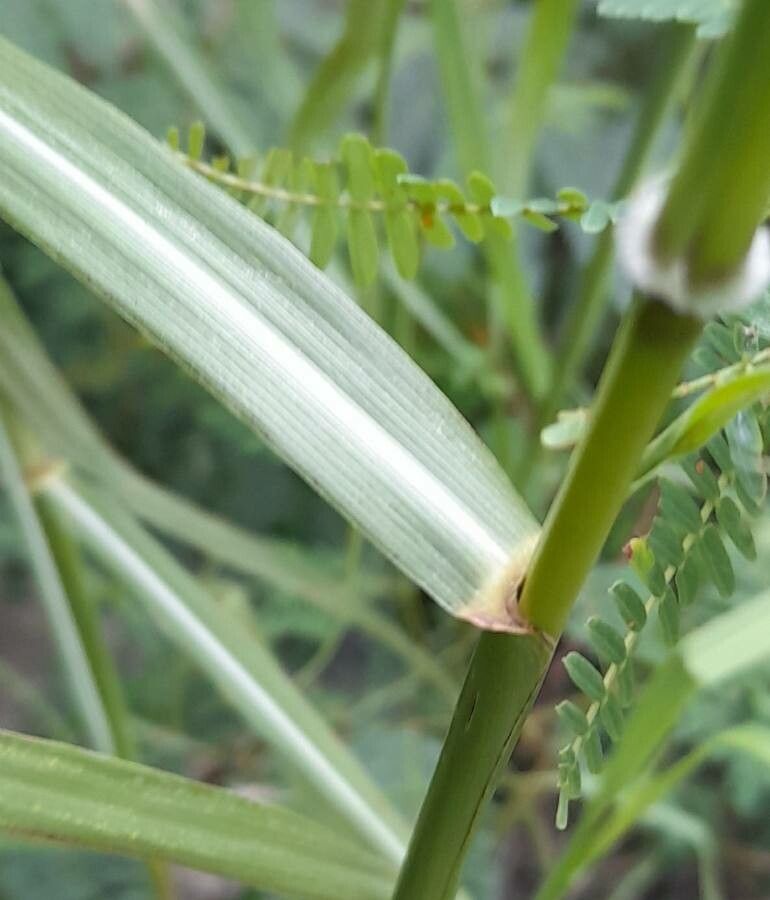
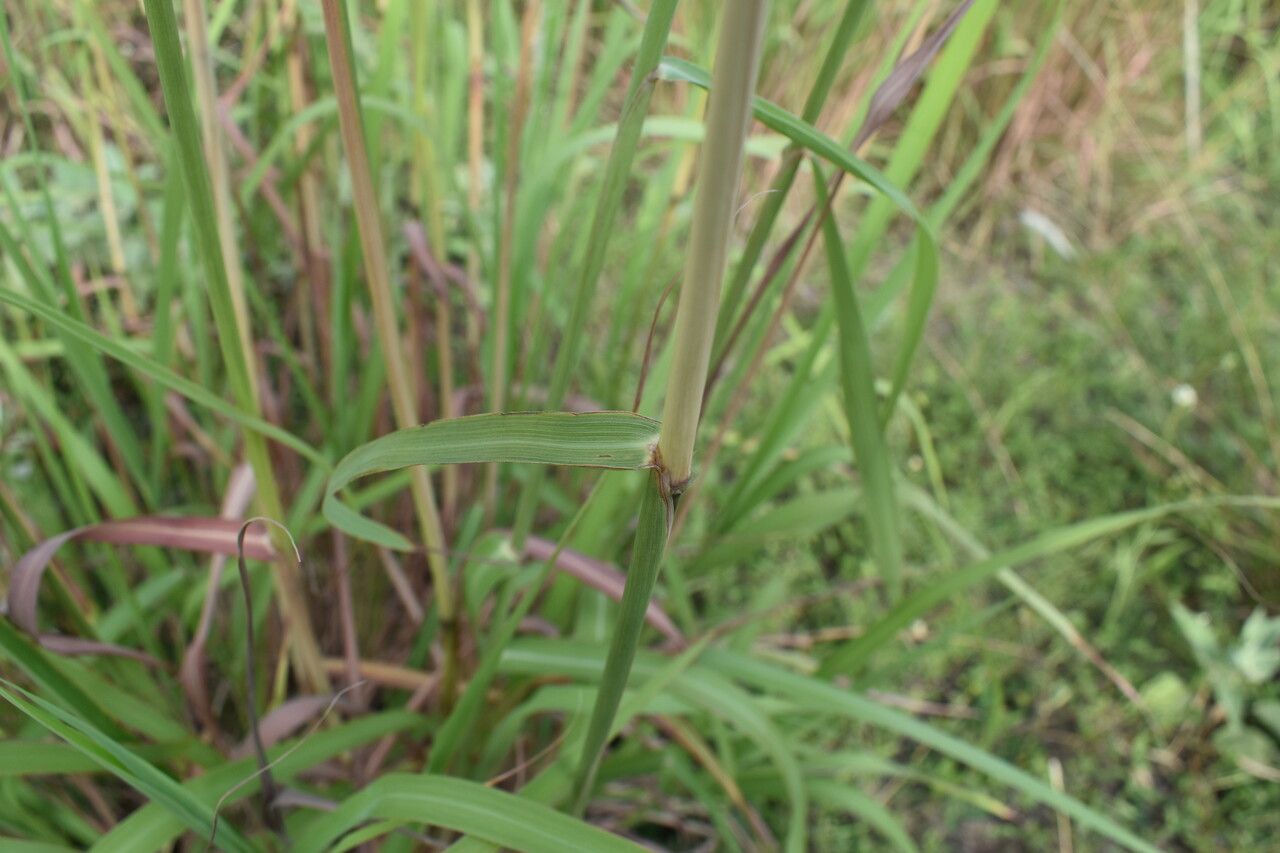
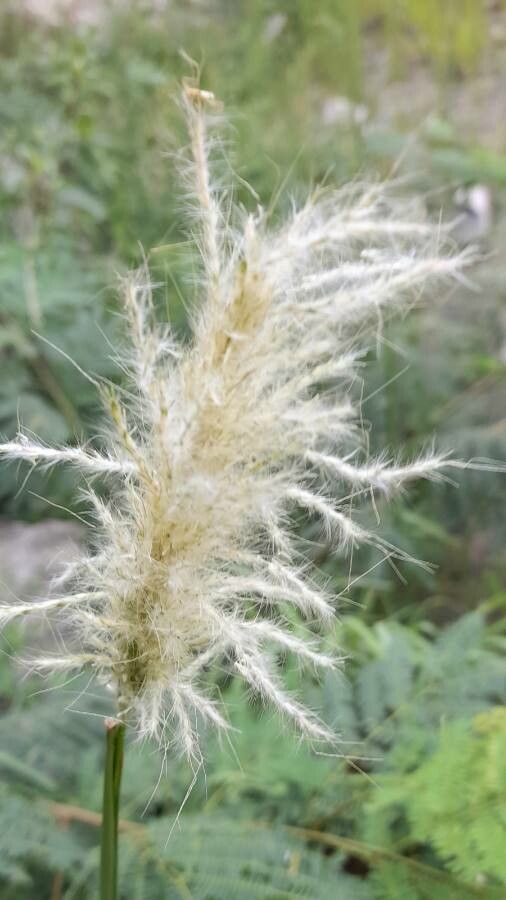
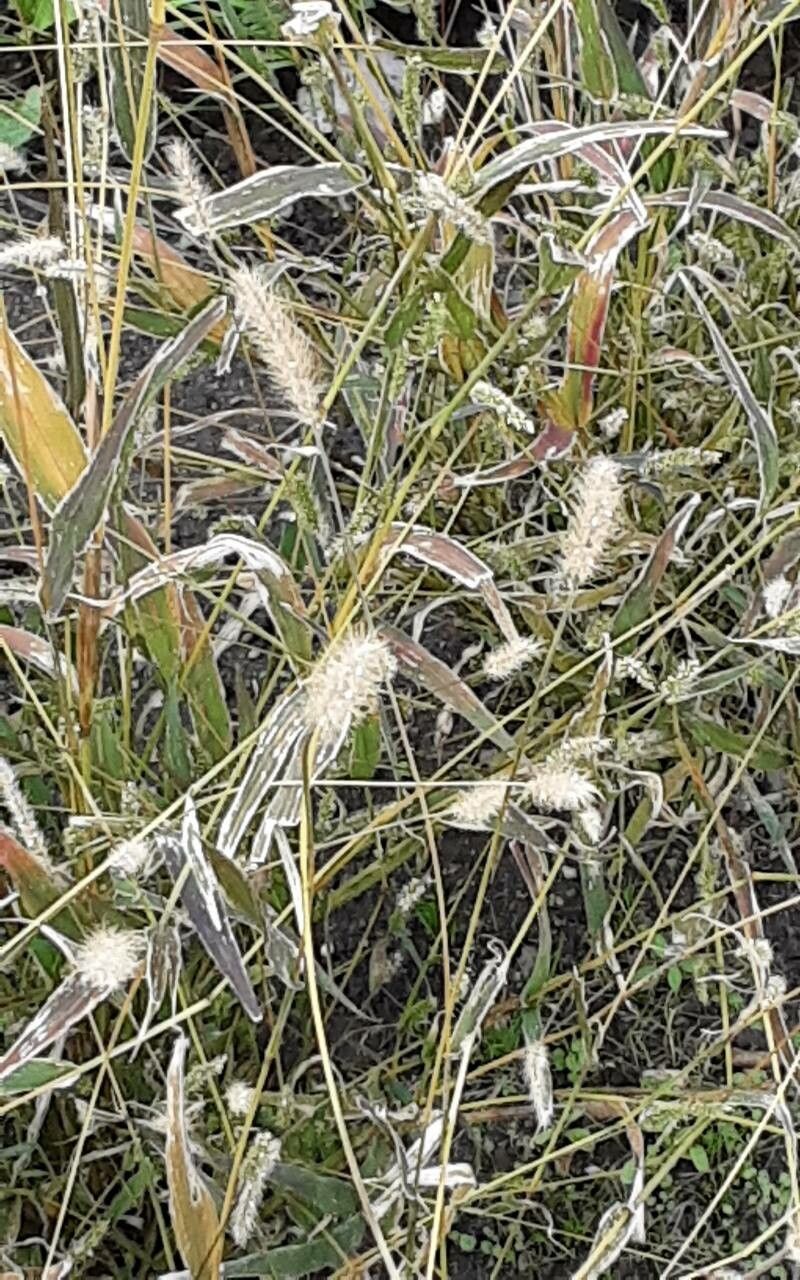
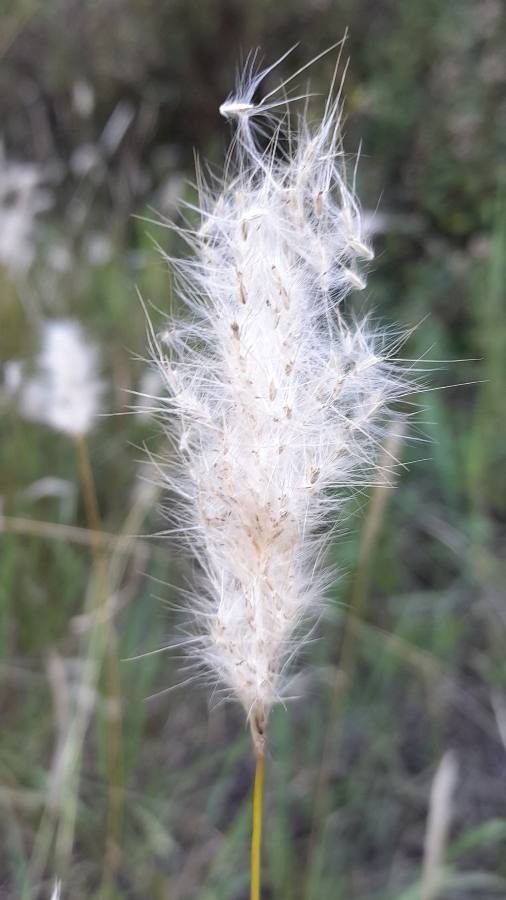
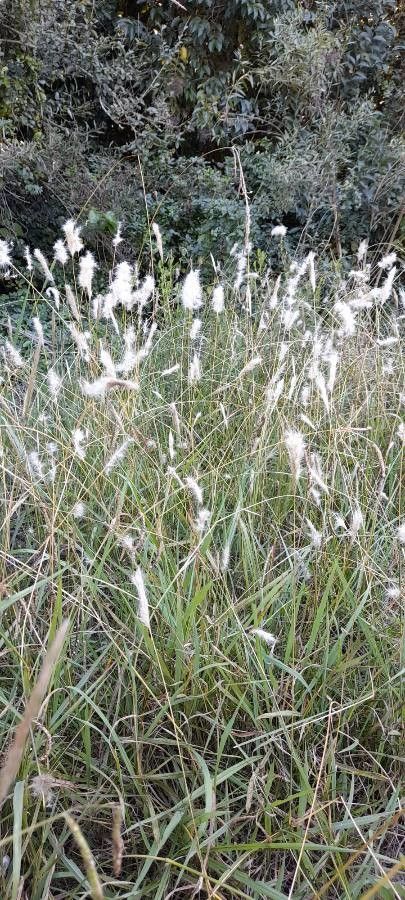
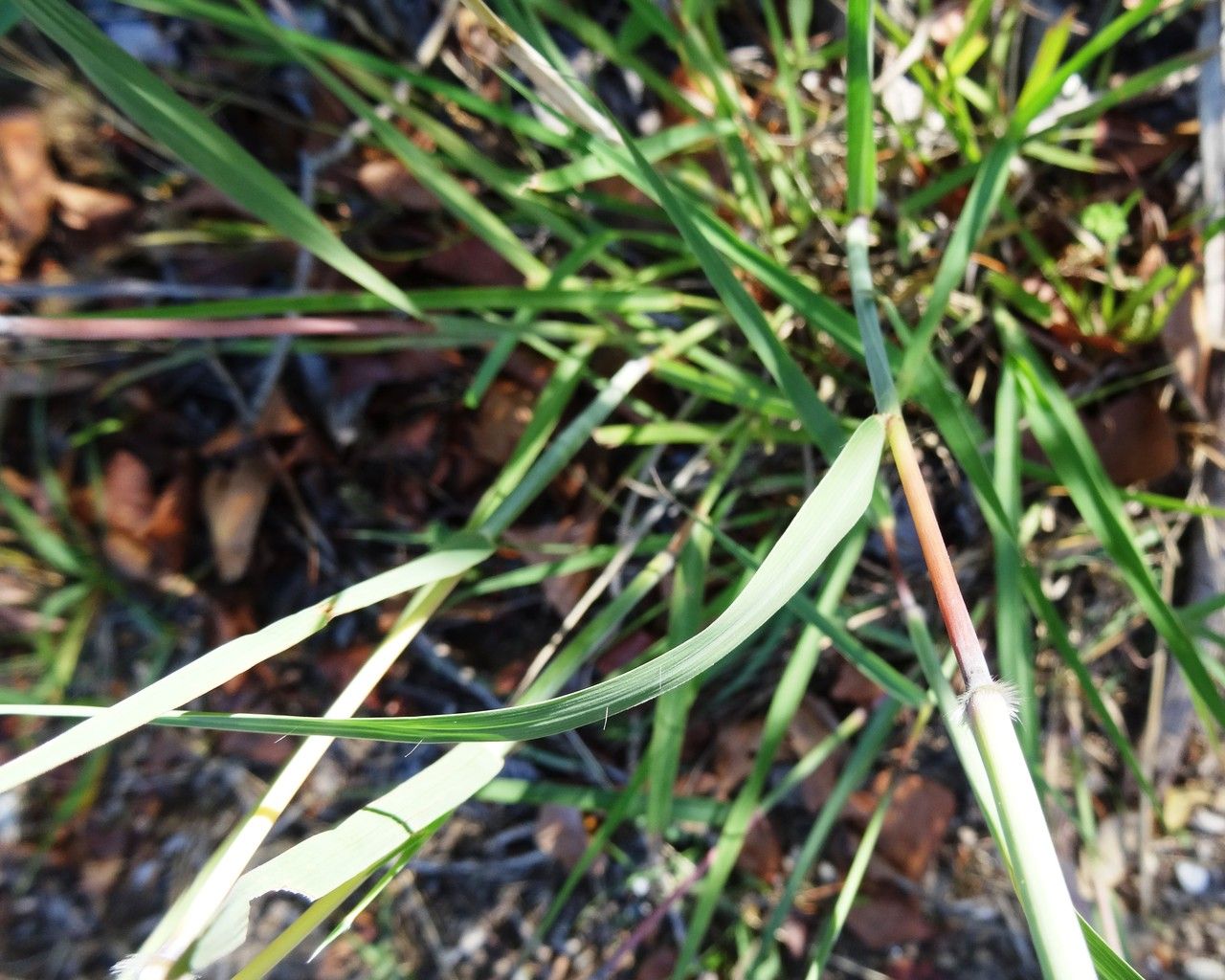
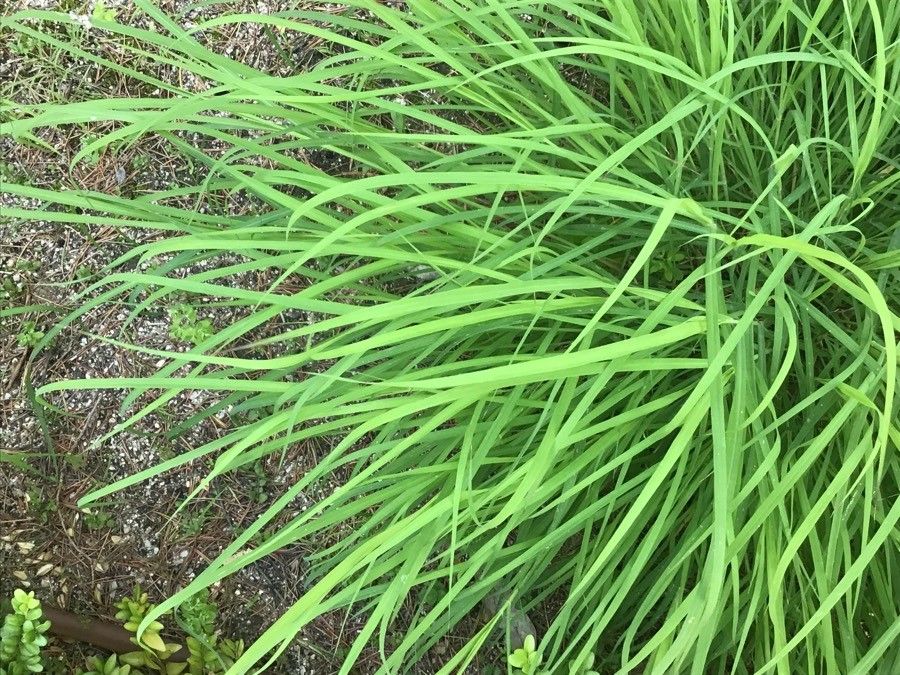
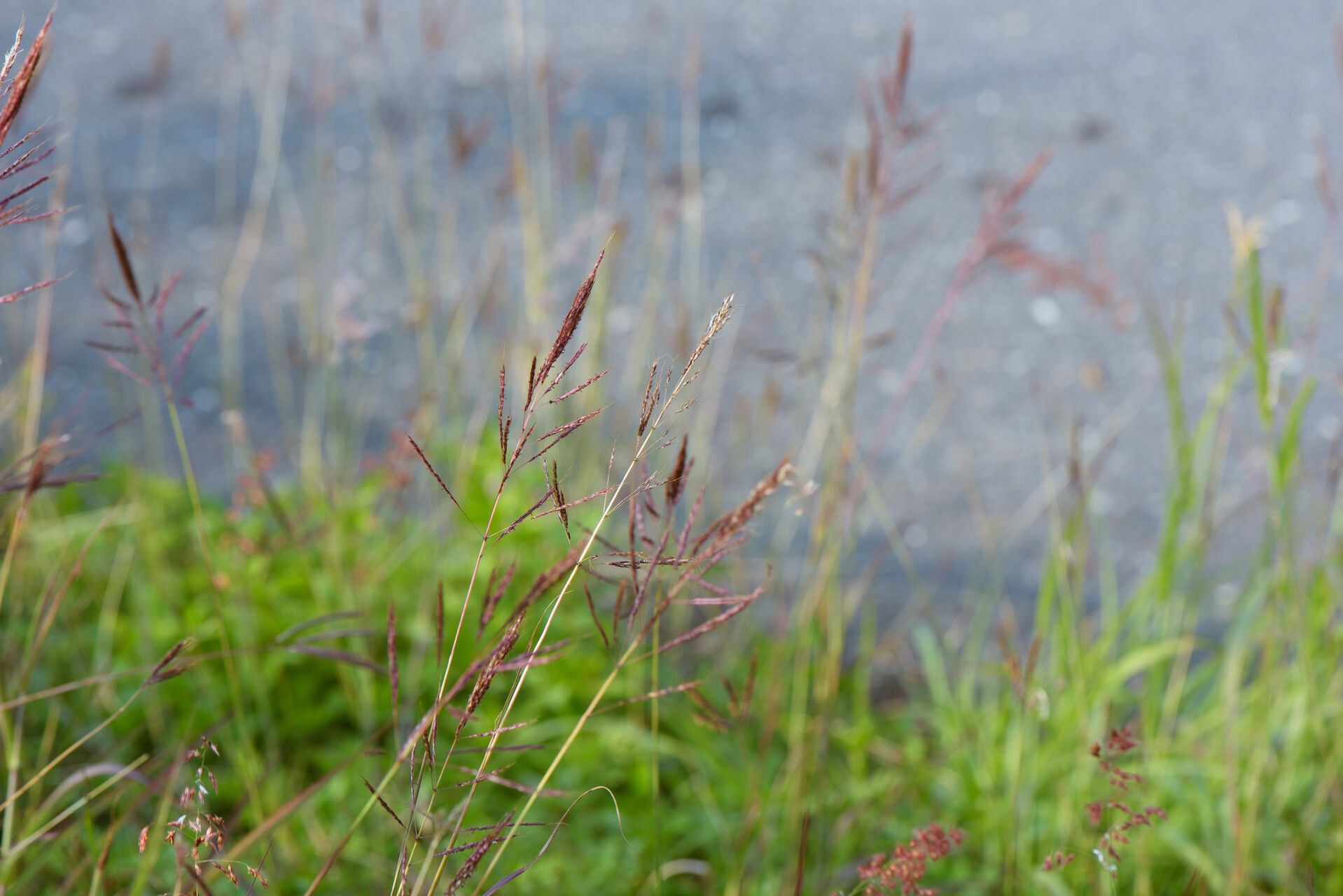
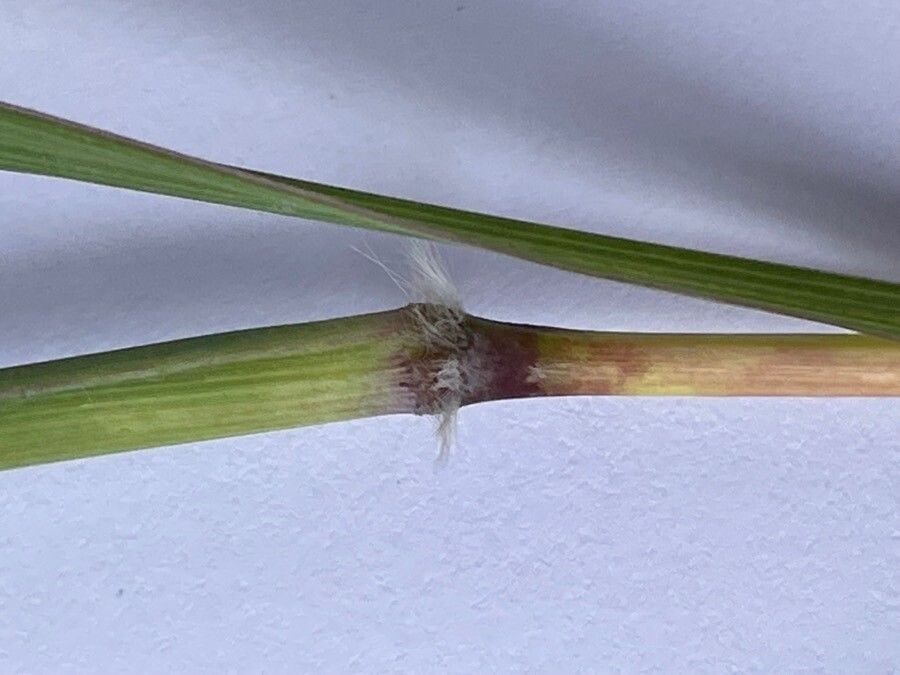
Bothriochloa laguroides, the silver blue stem, is a species of grass in the genus Bothriochloa of the family Poaceae. The species is native to Mexico and South America.
Silver Beard Grass has strong resistance to disease and is generally unlikely to develop illnesses. As for care, this species is fairly low-maintenance. When grown outside it needs only light watering, and larger specimens typically do not require pruning. Smaller plants, however, should be trimmed after they finish blooming. Silver Beard Grasst is well suited to anyone with an outdoor area, like a garden or deck, and does not demand much prior care experience.
How to keep Bothriochloa Laguroides.
Light
Silver Beard Grass usually does best with plenty of sunlight. This sun-loving plant comes from habitats with strong sun exposure, so it needs similar conditions. Although it prospers with continuous light, moderation is important because too much exposure can harm its health.
Temperature
Silver Beard Grass originates from regions with moderate temperatures. It does best at temperatures between 50 and 95 °F (10 to 35 °C). Seasonal temperature changes are necessary to replicate its natural surroundings.
Fertilizer
Silver Beard Grass needs extra nutrients to encourage healthy new growth. In spring, applying compost around the base of the plant will effectively supply the nutrients it requires. Fertilizing helps support vigorous growth and assists the plant in resisting diseases and pests.
Pruning
Silver Beard Grass is an ornamental plant valued for its silvery seed heads and drought resistance. To maintain its health and appearance, prune it annually in early spring. This involves removing dead stems to encourage healthy growth and ensure an attractive shape. Pruning at the right time aligns with its growth cycle, enhancing its beauty and preventing overcrowding.
Botanical profile.
- Plant Type
- Grass
- Life Cycle
- Perennial
- Genus
- Bothriochloa
- Family
- Poaceae
- Hardiness Zone
- 6-10
- Mature Height
- 0.34 m to 1.22 m
- Mature Spread
- 91 cm
- Leaf Color
- Green, Light Green
- Leaf Type
- Semi-evergreen
- Flower Color
- White
- Flower Size
- 4.06 cm to 15.24 cm
- Bloom Time
- Summer
- Planting Time
- Spring, Summer, Autumn
- Harvest Time
- Late summer, Early fall, Mid fall
- Native Area
- Colombia, Honduras, Mexico, Bolivia, Venezuela, Peru, Brazil, Ecuador
Other names.
Reader questions.
What are the sunlight requirements for Silver Beard Grass?
Silver Beard Grass requires above 6 hours of sunlight to thrive, indicating its preference for full sun conditions. Observing how sunlight moves through your garden is crucial in choosing the perfect balance of light and shade for your plants. This sun-loving species is accustomed to environments known for generous solar exposures, hence its need for similar conditions in your garden. While continuous light exposure is beneficial, a balance is vital as overexposure can adversely affect the plant's health.
What is the native environment of Silver Beard Grass?
Silver Beard Grass, botanically known as Bothriochloa laguroides, is native to environments that experience moderate temperatures. It flourishes in a temperature range from 50 to 95 °F (10 to 35 °C), indicating its preference for climates that are neither too cold nor too hot. To ensure its healthy growth outside its natural habitat, it's vital to mimic these temperature conditions through seasonal adjustments.
How can artificial lighting be used for Silver Beard Grass indoors?
When natural sunlight is insufficient, especially in winter or less sunny spaces, artificial lighting becomes essential for the optimal growth of indoor Silver Beard Grass. LED lights are a popular choice because they can be customized to provide specific wavelengths needed by plants. For full sun plants, 30-50W/sq ft of artificial light is recommended, with the light source placed 12-36 inches above the plant. Mimicking natural daylight hours, most plants will need 8-12 hours of artificial light per day.
Does Silver Beard Grass require special frost protection measures?
Silver Beard Grass is notable for its strong cold resistance, which usually negates the need for special frost protection measures during winter. However, in regions where temperatures are expected to plunge below -25°C, it becomes necessary to take steps to protect the plant. This can be done by covering the plant with insulating materials such as soil or straw. Additionally, watering the plant abundantly before the first freeze in autumn helps keep the soil moist and in a frozen state, aiding the plant through winter and early spring by preventing drought and water scarcity.
What are some important symptoms of light deficiency or overexposure in Silver Beard Grass?
Silver Beard Grass shows several symptoms under inadequate or excessive light conditions. Symptoms of light deficiency include small leaves, leggy or sparse growth, faster leaf drop, slower or no new growth, and lighter-colored new leaves. Overexposure can lead to chlorosis, sunscald, leaf curling, wilting, and leaf scorching. These symptoms indicate the plant's struggle with light conditions, either conserving resources due to low light or suffering damage from excessive sunlight.
How does Silver Beard Grass react to low temperatures?
Silver Beard Grass exhibits a high tolerance to cold, typically thriving in conditions above 10°C. During winter, it's advised to maintain temperatures above -15°C. When temperatures drop below -25°C, the plant might not show immediate distress, but there could be a notable reduction in spring sprouting, or in some cases, no sprouting at all. The recommended solution for any non-sprouting parts in spring is removal, to help promote healthier growth.
What solutions can improve the light conditions for Silver Beard Grass?
To improve light conditions for Silver Beard Grass, gradual adaptation to sunlight is key. For indoor plants, move them weekly to a sunnier location until they achieve at least 6 hours of direct sunlight daily. Using artificial light, such as a desk or ceiling lamp for at least 8 hours daily, can supplement natural light. Outdoors, moving plants to the best sunlight spot gradually prevents sunburn. Reducing obstructions like pruning trees can help, and transplanting smaller plants during their dormant period to a sunnier location with good drainage is beneficial. Note that parts affected by insufficient sunlight might not recover, but new growth will be healthy after adjusting the light exposure.
What should I do if Silver Beard Grass is exposed to high temperatures?
In the summer, it's crucial to maintain the surrounding temperature of Silver Beard Grass below 35°C to prevent heat stress. Exposure to temperatures above 41°C can cause the leaves to lighten in color, curl, become susceptible to sunburn, and in severe instances, lead to wilting or complete drying out of the plant. To mitigate heat damage, trim away sunburned and dried-up parts, and if possible, move the plant to a shadier spot or use a shade cloth to protect it from the midday and afternoon sun. Ensuring the soil remains moist by watering in the morning and evening can also help alleviate heat stress.