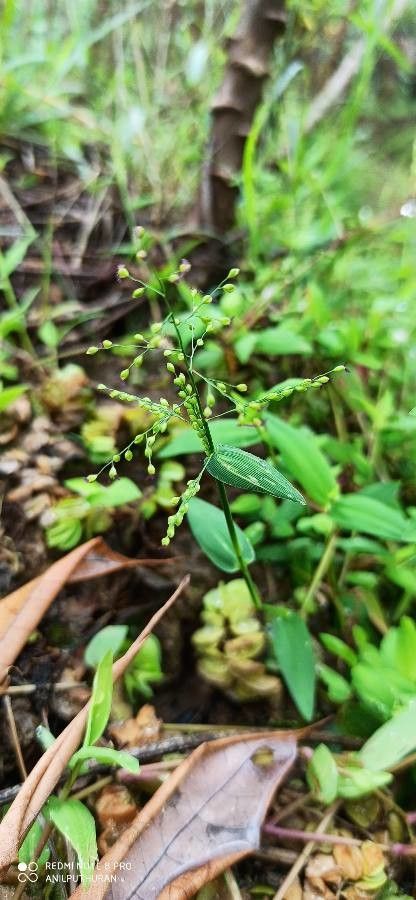
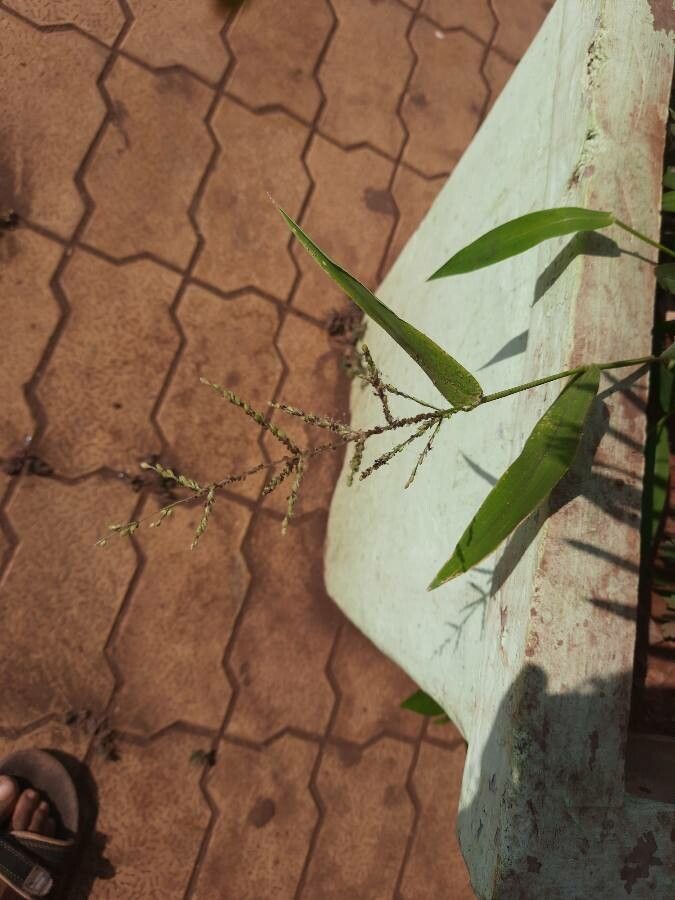
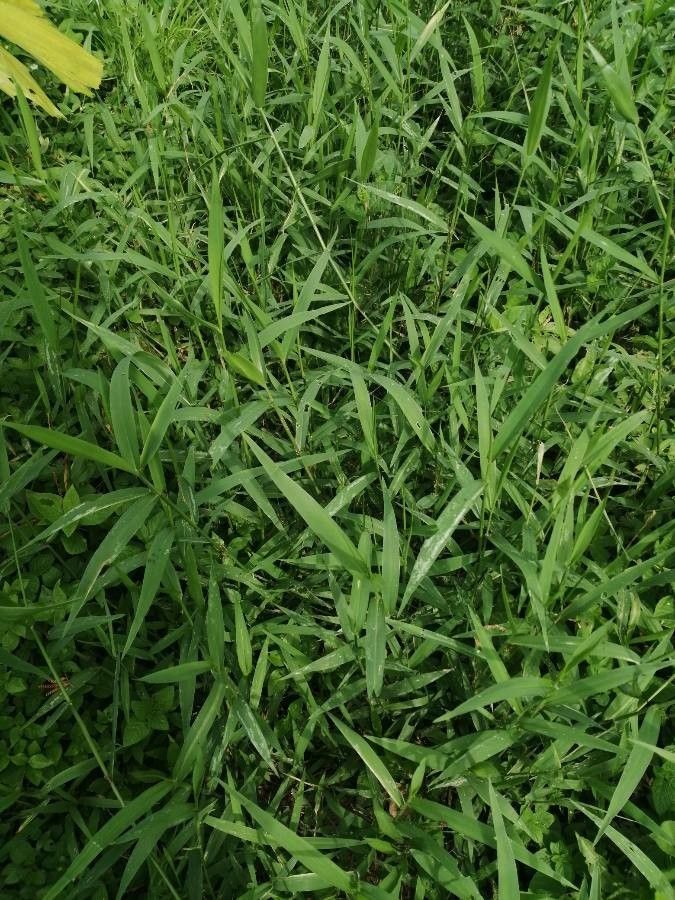
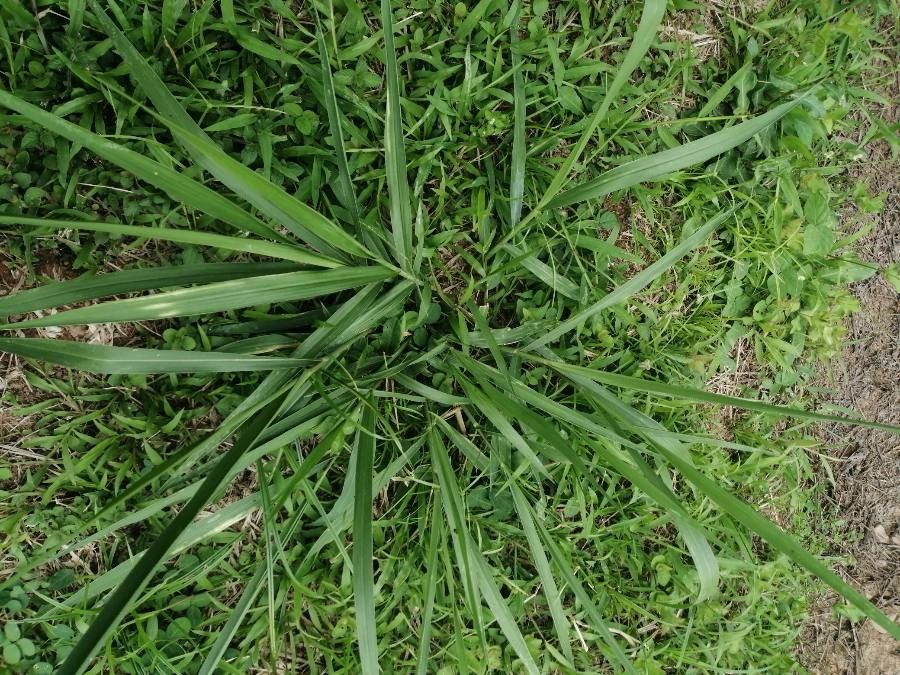
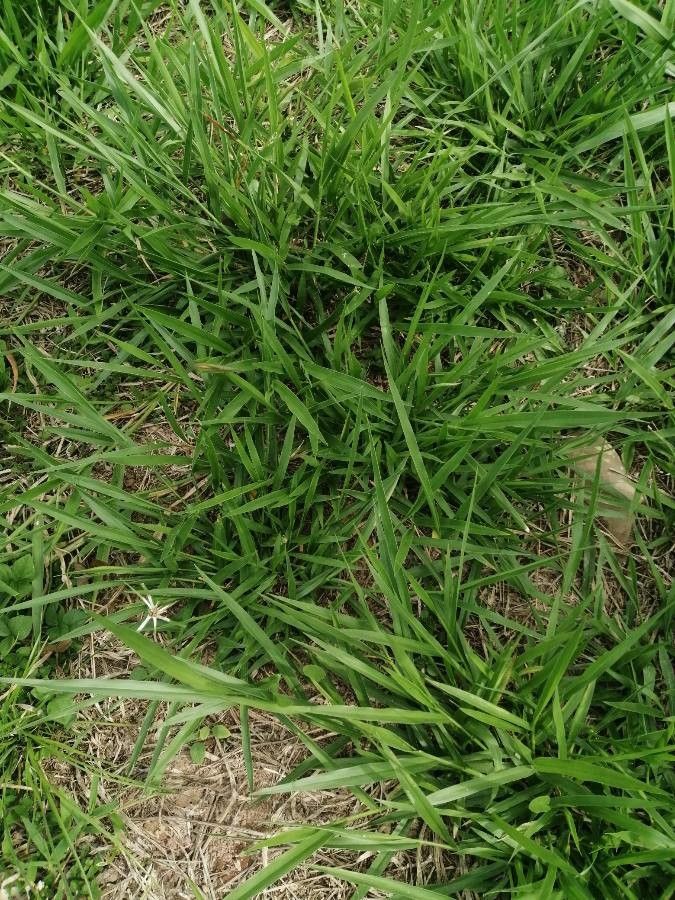
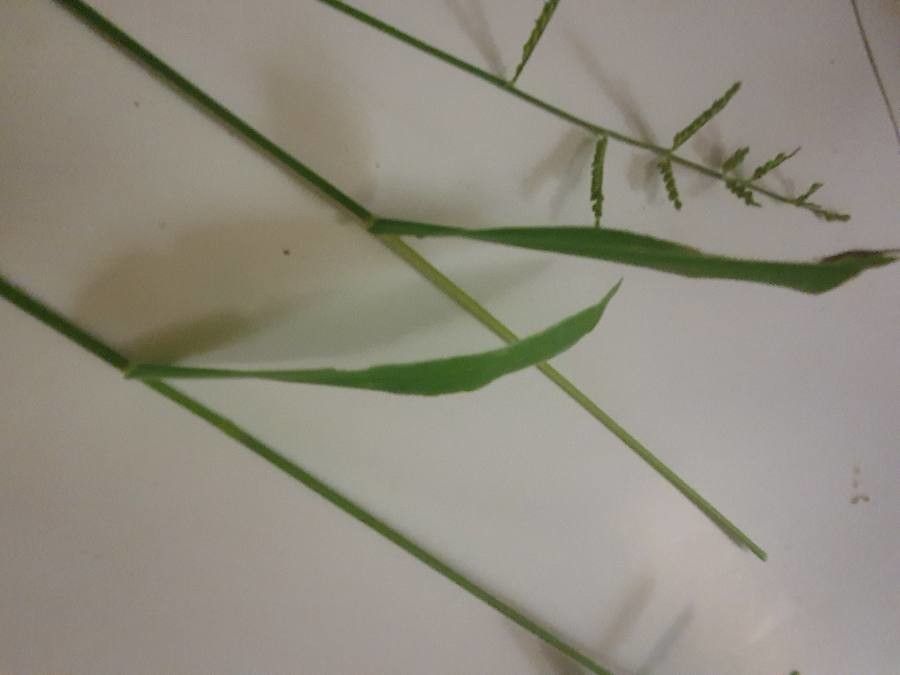
Brachiaria ramosa (L.) Stapf (browntop millet) is a perennial millet grass belonging to the grass family (Poaceae). It is native to South Asia, where it is traditionally cultivated as a cereal crop.The reconstructed Proto-Dravidian name for Brachiaria ramosa is *conna-l.Other scientific names for browntop millet include Urochloa ramosa (L.) Nguyen and Panicum ramosum (L.).
Browntop millet is highly resistant to disease and typically does not fall victim to illnesses. In terms of maintenance, this plant is fairly low-maintenance. When grown outdoors it needs only light watering, and larger plants usually do not require pruning. Smaller plants, however, should be cut back after they finish flowering. Browntop millett is well suited for anyone with an outdoor area, like a garden or a deck, and does not demand much experience in plant care.
How to keep Brachiaria Ramosa.
Light
Browntop millet is well adapted to places with abundant sunlight. It thrives when receiving full sun throughout the day. Although it can tolerate some shade, its ideal condition is continuous sun exposure. However, excessive exposure can possibly hinder its growth.
Water
Browntop millet, a plant native to savannas, thrives in a balanced environment of both moisture and drought. To replicate its natural conditions, it requires weekly watering. When grown outdoors, it also benefits from natural rainfall. As an annual grass, browntop millet needs efficient irrigation during its growing season to achieve the best yield.
Temperature
Browntop millet is native to regions where temperatures range from 68 to 95°F (20 to 35°C). It performs best in these warm conditions. Seasonal adjustments may involve methods to conserve heat during colder periods.
Fertilizer
For best growth, Browntop millet needs three fertilizer applications: one before planting, another about one month after seedlings emerge, and a final application 1 to 1.5 months after the second. Some Browntop millet varieties also benefit from extra fertilizer at planting to promote rapid growth.
Pruning
Browntop millet benefits from pruning between early to late spring. Focus on trimming dead stems to improve air circulation. Avoid heavy pruning, as it can stress the plant. Regular maintenance encourages healthy growth and helps control spreading. Always use clean, sharp tools to prevent infections.
Botanical profile.
- Plant Type
- Grass
- Life Cycle
- Annual, Perennial
- Genus
- Brachiaria
- Family
- Poaceae
- Hardiness Zone
- 7
- Mature Height
- 30 cm to 61 cm
- Mature Spread
- 2 cm
- Leaf Color
- Green
- Leaf Type
- Semi-evergreen
- Flower Color
- Yellow, Green, Brown
- Flower Size
- 0.25 cm to 0.51 cm
- Bloom Time
- Summer, Early fall, Mid fall
- Planting Time
- Spring, Summer, Autumn
- Harvest Time
- Late summer, Fall, Early winter
Other names.
Reader questions.
What are the sunlight requirements for Browntop millet?
Browntop millet, known botanically as Brachiaria ramosa, thrives best in environments that offer full sunlight, requiring more than 6 hours of sunlight daily to flourish. It's essential for the plant's health and growth that it receives a generous amount of sunlight, although it can tolerate some light shade. However, an environment with too much shade or insufficient sunlight can hamper its growth. Observing how sunlight moves through your garden will help you choose the best spots that provide a perfect balance of light and shade, ensuring the plant's wellbeing.
What is the native climate for Browntop millet?
Browntop millet, botanically known as Brachiaria ramosa, is native to regions where temperatures vary between 68 to 95°F (20 to 35°C). It thrives optimally within this temperature range. Depending on seasonal variations, especially in colder periods, heat conservation methods might be necessary to maintain the ideal temperature for the plant.
Can Browntop millet grow with artificial lighting?
Yes, Browntop millet can grow with artificial lighting, especially in conditions where natural sunlight is insufficient, such as during winter or in less sunny spaces indoors. Artificial lights can provide a vital solution for optimal growth, promoting faster and healthier plant development. LED lights are recommended due to their ability to be customized to specific wavelengths needed by the plants. For successful growth, full sun plants need between 30-50W per square foot of artificial light. It's important to place the light source about 12-36 inches above the plant and ensure it receives 8-12 hours of light per day, mimicking natural daylight hours as closely as possible.
Does Browntop millet require frost protection in winter?
Browntop millet exhibits a strong resistance to cold weather, negating the need for special frost protection measures in most winter conditions. However, should winter temperatures plummet below -15°C, it's crucial to implement cold protection strategies, such as covering the plant with soil or straw. A proactive measure includes watering the plant generously before the arrival of the first freeze in autumn to keep the soil moist and mitigate the risks of drought and water scarcity during the colder months.
What symptoms indicate insufficient light for Browntop millet?
When Browntop millet is cultivated indoors or in conditions with inadequate light, it may show several symptoms indicating light deficiency. These symptoms include smaller new leaves compared to previous ones, leggy or sparse growth, faster leaf drop, slower or no new growth, leaves developing lighter colors or irregular color patterns indicating a lack of chlorophyll, chlorosis, sunscald, leaf curling to minimize water loss, wilting due to water loss from overexposure, and leaf scorching characterized by brown, dry, and crispy leaf edges.
How does Browntop millet react to low temperatures?
Being cold-tolerant, Browntop millet manages well in cooler climates, ideally staying above 0°C during winter. If temperatures fall beneath -15°C, the plant may not exhibit noticeable changes throughout the winter; however, come spring, there might be a noticeable decrease in sprouting, or in some cases, no sprouting at all. To manage this, remove any parts of the plant that have failed to sprout once spring arrives.
How can I improve Browntop millet's growth with insufficient lighting?
To improve growth for Browntop millet facing insufficient lighting, consider gradually moving the plant to a sunnier location each week until it receives at least 6 hours of direct sunlight daily, particularly using a south-facing window. For plants that are large or hard to move, use artificial light by keeping a desk or ceiling lamp on for at least 8 hours daily, or invest in professional grow lights. For outdoor plants, choose the best spot for sunlight and make adjustments gradually to avoid sunburn. Removing obstructions like pruning trees or transplanting to sunnier locations with good drainage is also beneficial. It's important to note that while parts of the plant affected by insufficient sunlight may not recover, new growth will be healthy after improving light exposure.
How does high temperature affect Browntop millet?
During summer, it's critical to ensure that Browntop millet's environment does not exceed 35°C. Temperatures above 38°C can cause the leaves to lighten in color, become prone to curling, suffer sunburn, and in extreme cases, result in the wilting and drying out of the entire plant. To mitigate these issues, trim away the affected parts, relocate the plant to a shaded area away from the strong midday and afternoon sun, or utilize a shade cloth to protect it. Additionally, watering the plant during the cooler morning and evening hours is beneficial to maintain moist soil conditions.