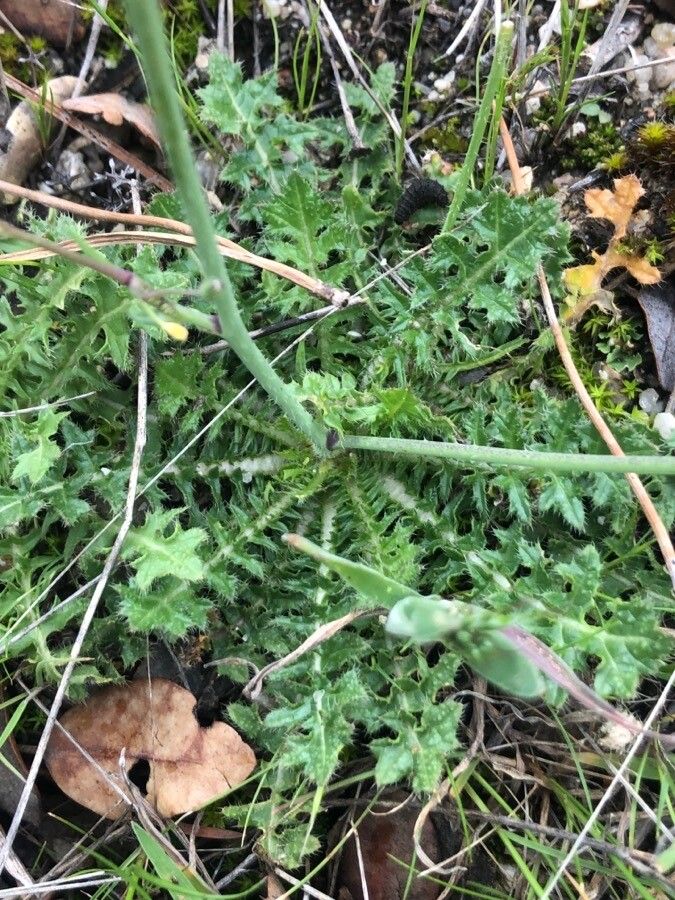
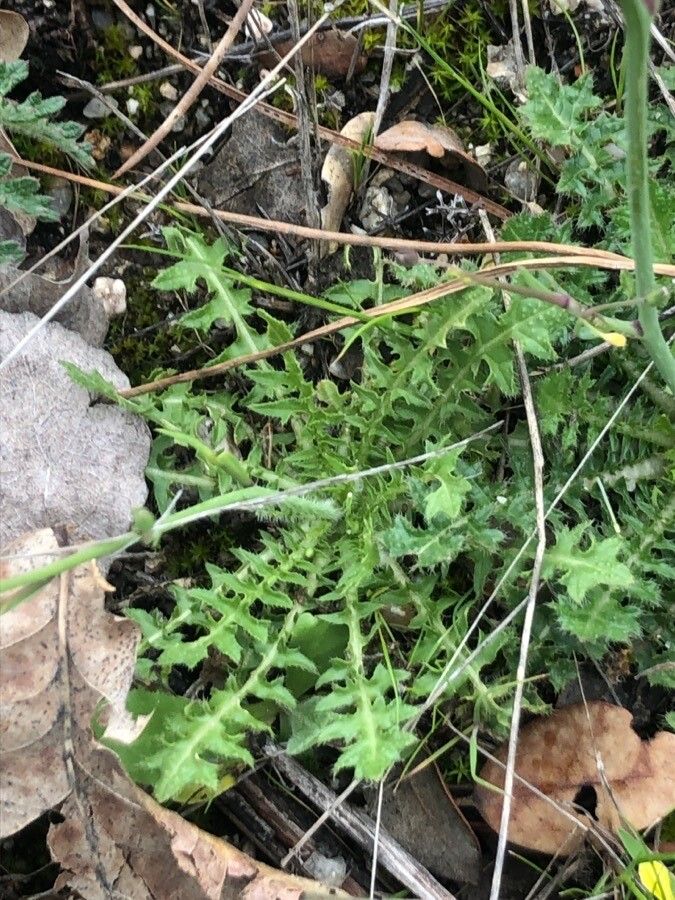
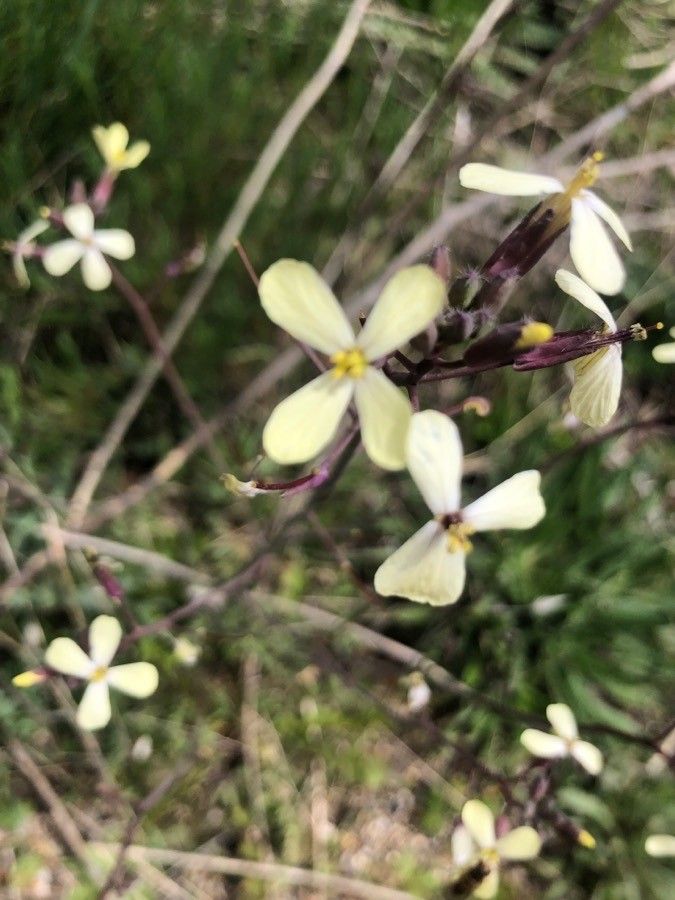
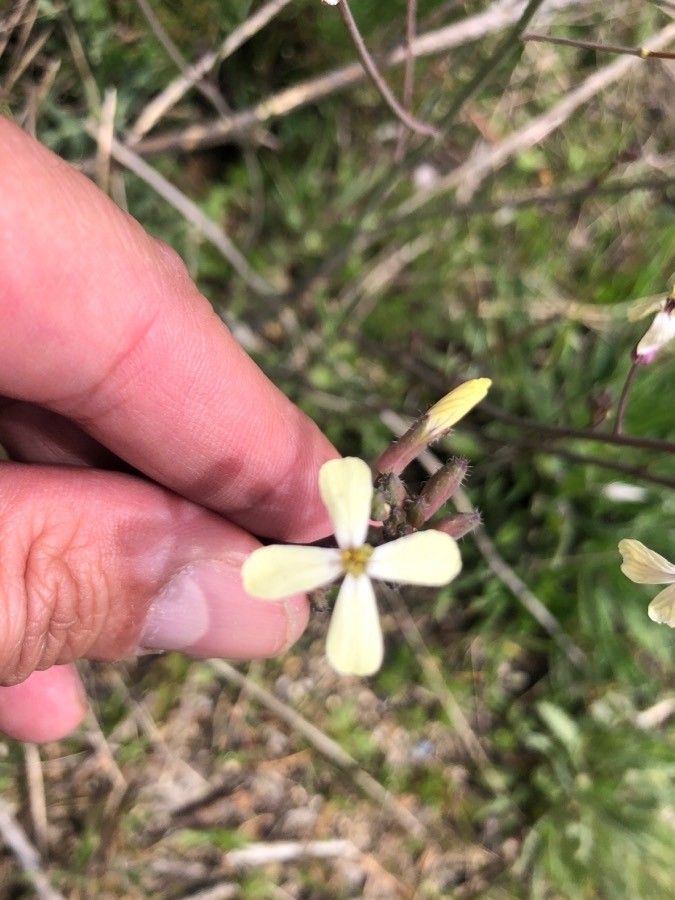
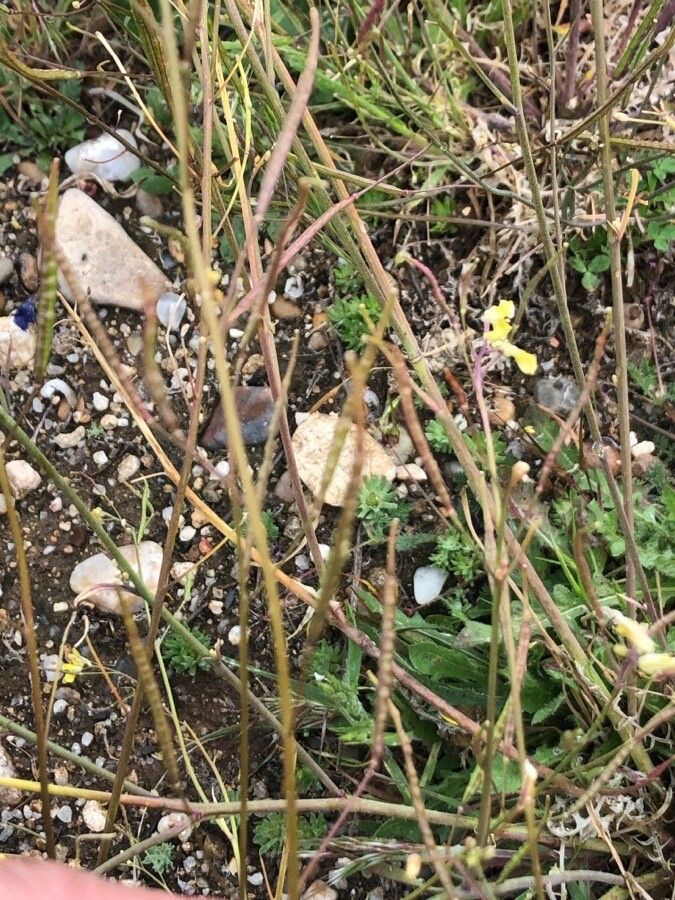
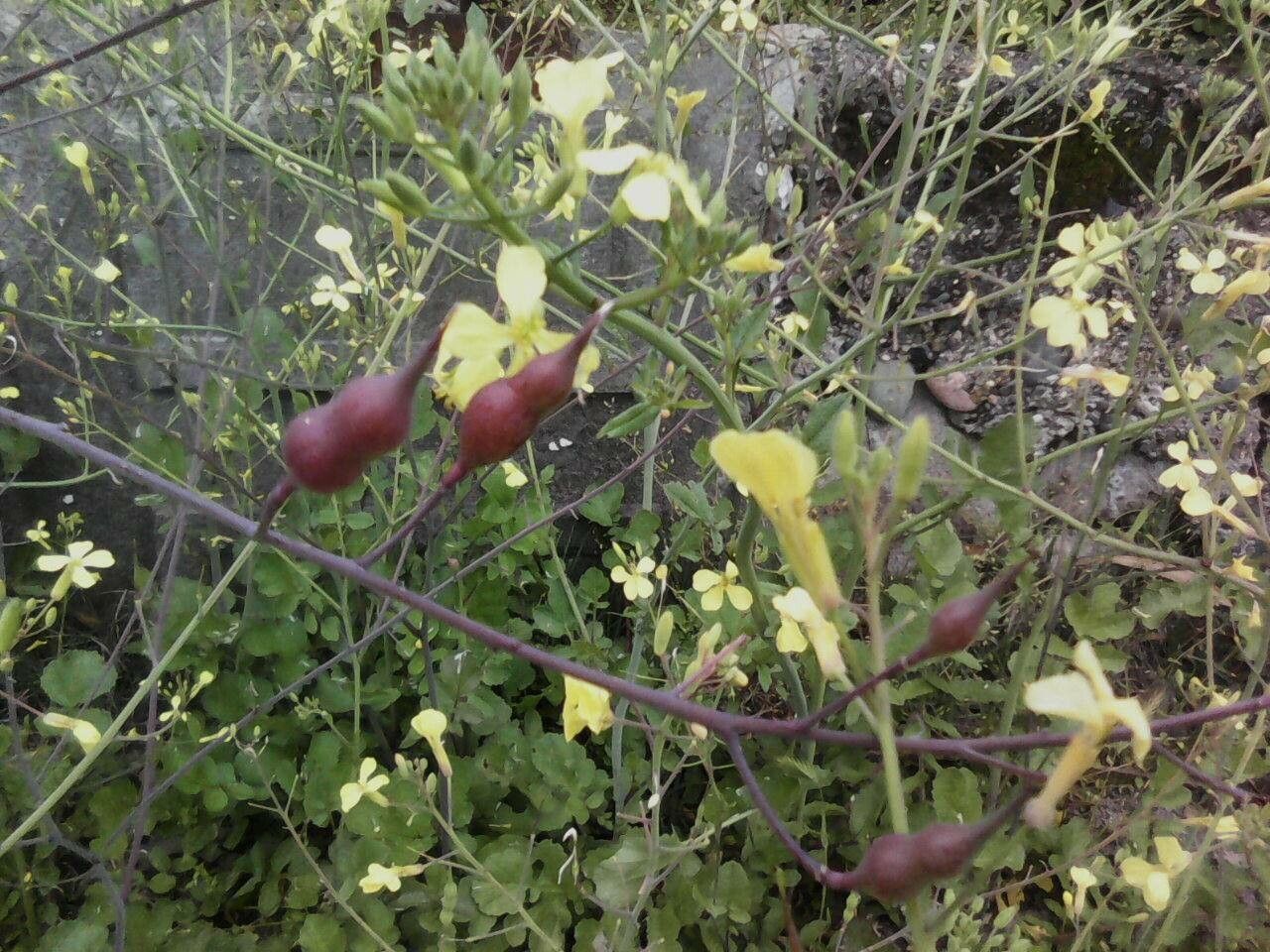
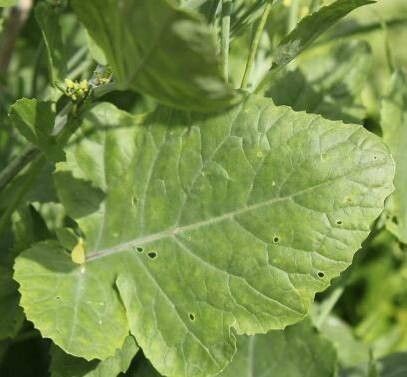
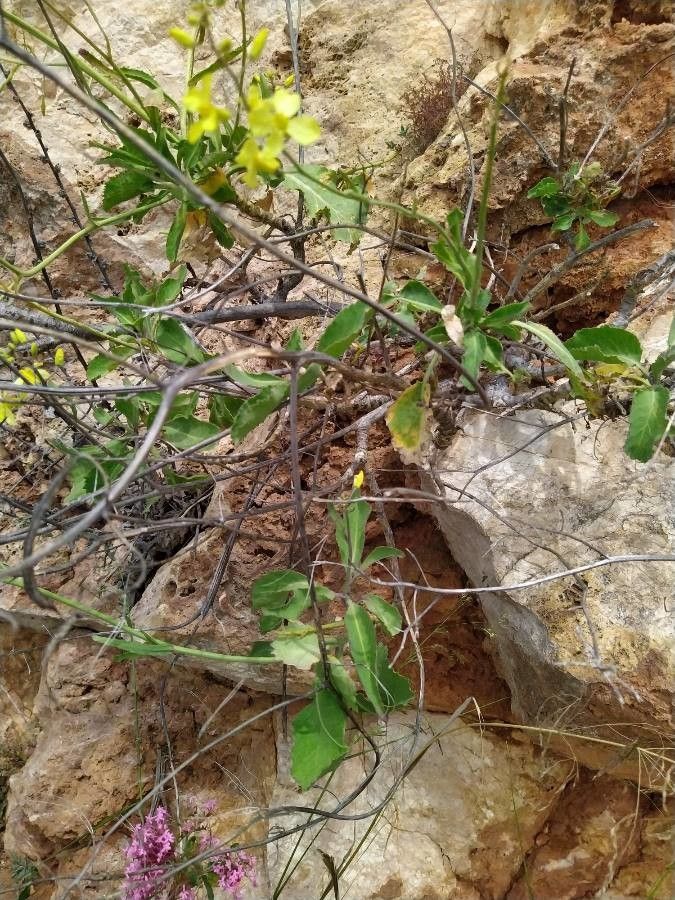
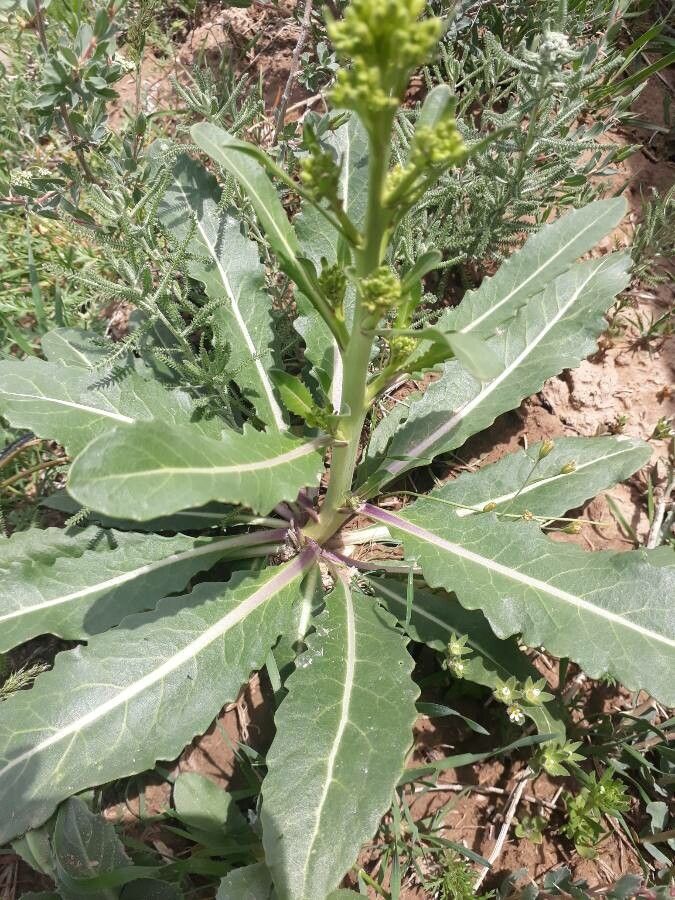
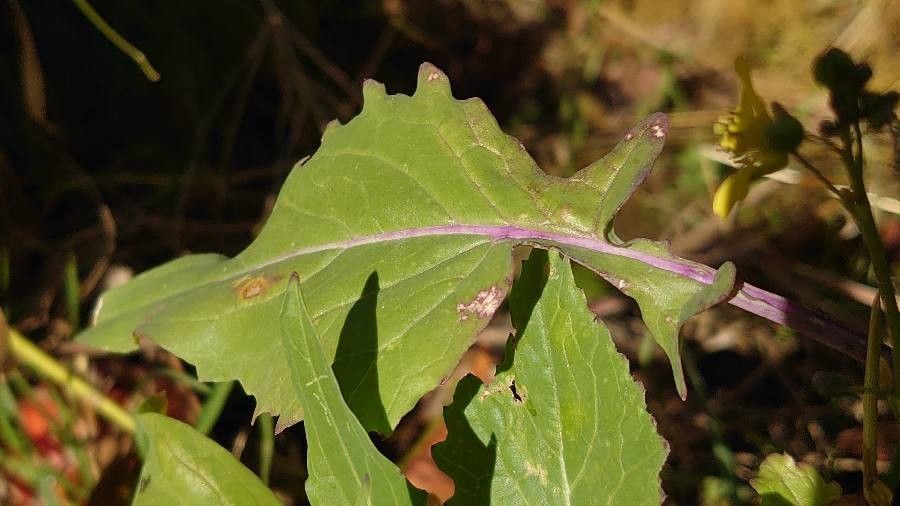
Brassica barrelieri shows good disease resistance and is generally not prone to illnesses. Still, it can be vulnerable to pests and diseases present in its environment. Such infections are typically mild. Regarding care, this plant needs moderate maintenance. It should be pruned on a regular basis to preserve its appearance and healthy growth. Fertilizing can also encourage flowering. Brassica barrelieri is suitable for anyone with an outdoor area, such as a garden or patio, and does not demand much care experience. It may need extra attention when grown indoors.
How to keep Brassica Barrelieri.
Light
Brassica barrelieri comes from sunny, open habitats where it does best in full sunlight. It will tolerate some shade but favors direct sun to reach its best growth. This plant, which may be annual or biennial, is noted for its sun-loving character.
Water
Brassica barrelieri requires plenty of water to thrive. During propagation, place potted seedlings in water to keep the compost moist, which helps the roots establish quickly. After planting, make sure the surrounding soil remains well-watered, and continue regular watering throughout the establishment and growth stages.
Temperature
Brassica barrelieri can tolerate a wide range of temperatures, although its distribution may still be restricted by different combinations of moisture and heat. It does best in warm summer climates with sufficient rainfall or watering. Extended periods of cloudy, rainy weather, as well as prolonged high temperatures, can raise the likelihood of Brassica barrelieri dying. During winter, adequate protection from the cold can increase the plant's chances of survival.
Fertilizer
Brassica barrelieri benefits from frequent, light applications of fertilizer to encourage healthy leaf growth. You should feed Brassica barrelieri about once a month during the summer months. Nitrogen is important for foliage, and adding nitrogen-rich sources helps Brassica barrelieri thrive.
Pruning
To properly maintain Brassica barrelieri, it's important to occasionally prune the plant to prevent rotting. Begin by removing any leaves that touch the ground, as this will reduce the risk of disease and help the plant direct its energy toward healthier growth. You can simply tear off any yellow, flat leaves. Additionally, remove any large, healthy leaves that may be overshadowing other plants, and consider eating them.
Botanical profile.
- Plant Type
- Herb
- Life Cycle
- Annual
- Genus
- Brassica
- Family
- Brassicaceae
- Hardiness Zone
- 7-10
- Mature Height
- 30 cm to 76 cm
- Mature Spread
- 20 cm to 40 cm
- Leaf Color
- Green, Dark Green
- Leaf Type
- Semi-evergreen
- Flower Color
- Yellow
- Flower Size
- 1.02 cm to 2.03 cm
- Bloom Time
- Spring
- Planting Time
- Spring, Summer, Autumn
- Harvest Time
- Late spring, Early summer, Mid summer
- Native Area
- Morocco, Spain, Algeria, Portugal
Other names.