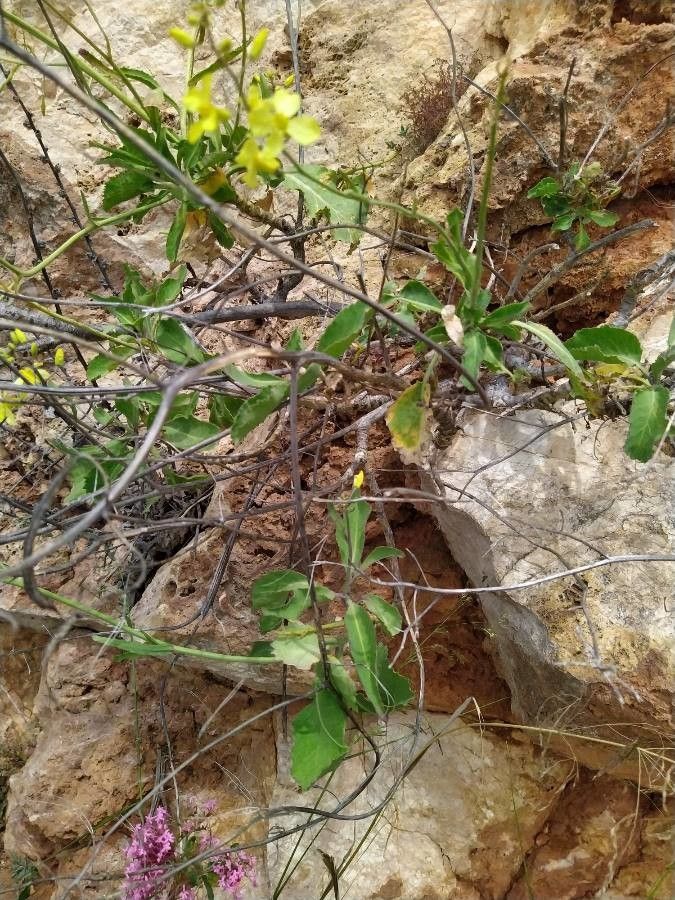
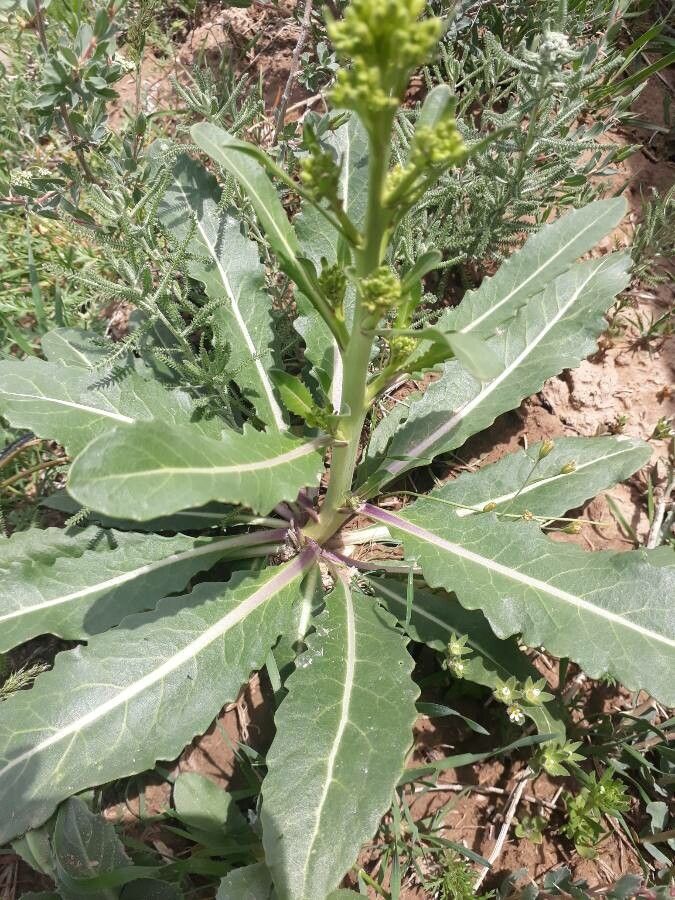
Brassica fruticulosa, commonly known as the Mediterranean cabbage, is a perennial plant belonging to the Brassicaceae family. Native to the Mediterranean region, it is found in countries such as Spain, Italy, Greece, and Turkey.
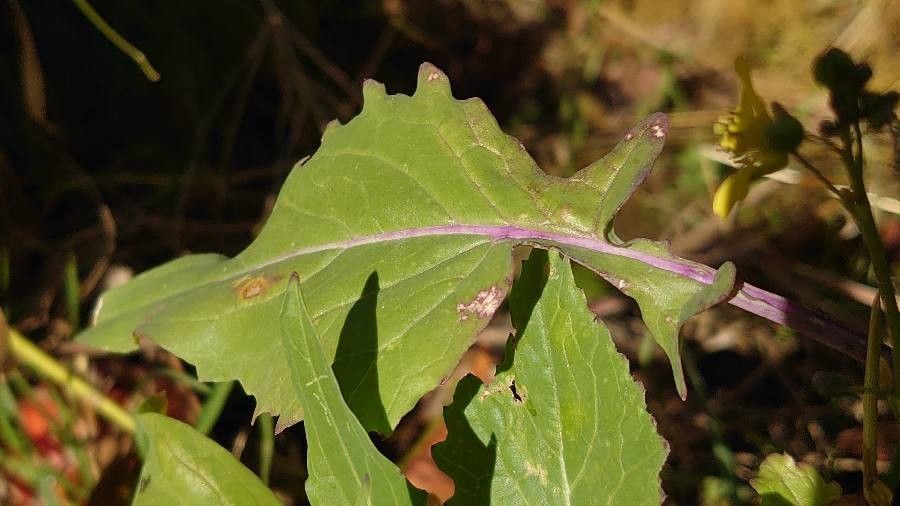
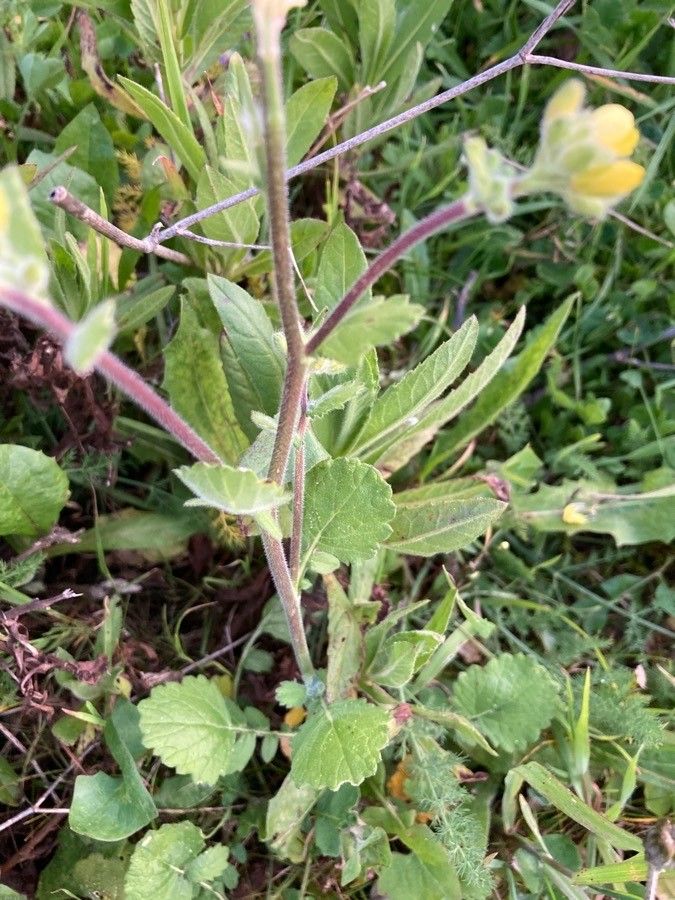
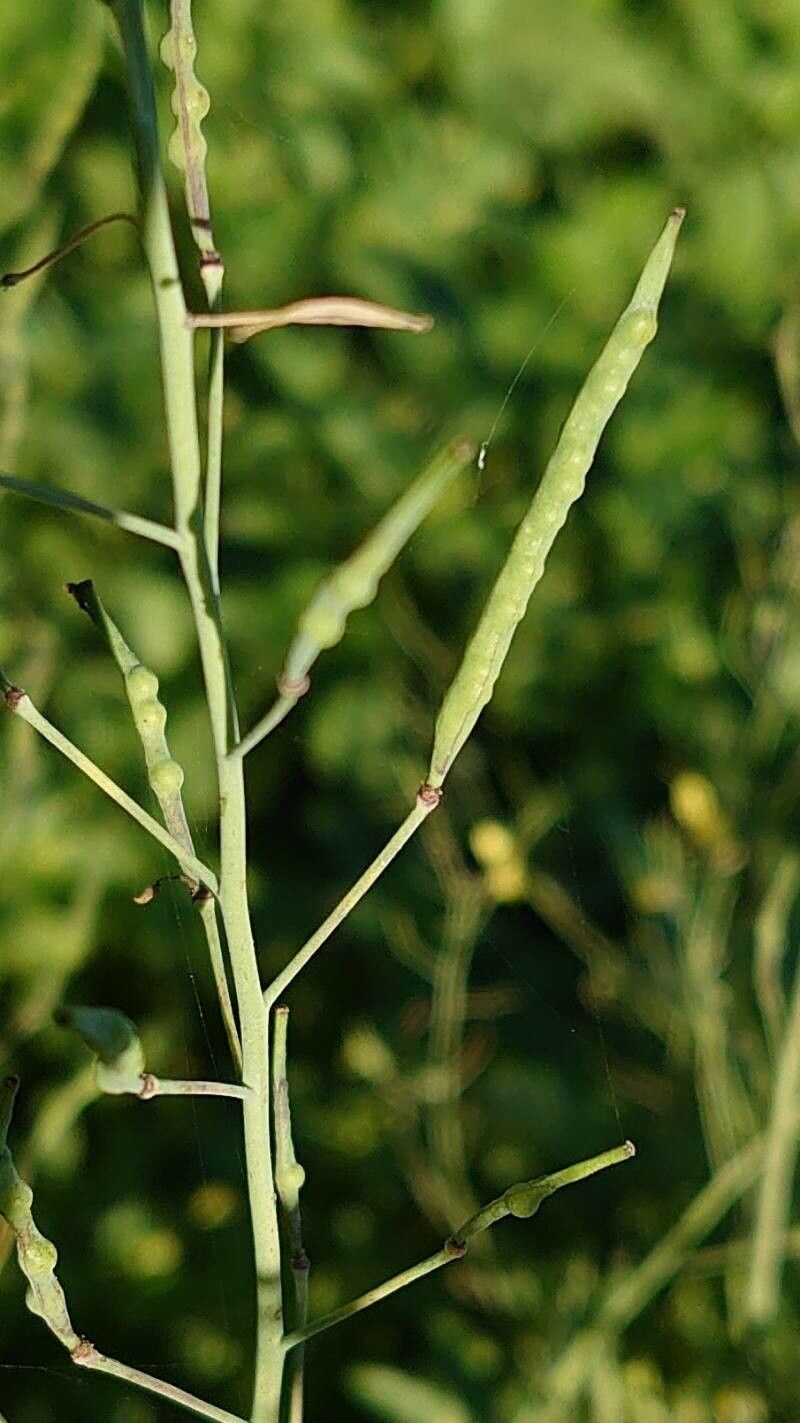
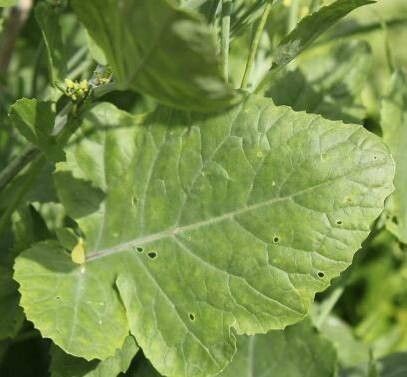
The plant can grow up to 1 meter in height and features a woody stem with numerous branches. Its leaves are green-grey, deeply lobed, and have toothed edges. The yellow flowers bloom from May to July.
Brassica fruticulosa prefers well-drained soils rich in nutrients but can also tolerate poor soils. It requires full sun exposure for optimal growth but can tolerate partial shade as well.
Traditionally, the plant has been used for medicinal purposes due to its high antioxidant content, including vitamin C, carotenoids, and flavonoids, which have anti-inflammatory properties.
In addition to its medicinal benefits, Brassica fruticulosa is also used in culinary applications. Its leaves can be consumed raw or cooked, similar to spinach or kale.
Overall, Brassica fruticulosa is a versatile plant offering both medicinal benefits and culinary uses, making it an important species within its native range.
Mediterranean cabbage has moderate disease resistance but can be prone to illnesses like leaf spot. Its vulnerability to insect pests differs by variety, although most varieties tend to be relatively susceptible to pests. For care, Mediterranean cabbage requires consistent watering and fertilization, along with regular removal of yellow leaves. It is important to address pests and diseases as they occur and to harvest the plant promptly. Mediterranean cabbage is appropriate for people who can invest some time and effort in routine care.
How to keep Brassica Fruticulosa.
Light
Mediterranean cabbage does best with abundant sunlight, echoing the sunny conditions of its native habitat. Ample light is important throughout its different stages of growth. While it can tolerate some shade, it will not reach peak development there. Too little sun restricts its growth, and excessive light may cause harm.
Water
Mediterranean cabbage, originally from the Mediterranean region, is drought-tolerant and needs watering just once a week. It flourishes in well-draining soil that replicates its naturally dry environment. For best results, cultivate it outdoors while ensuring good drainage to avoid root rot from excess moisture.
Temperature
Mediterranean cabbage is indigenous to areas where temperatures range from 68 to 95 °F (20 to 35 ℃). It does best within that temperate span and may suffer stress if conditions fall outside it. In cooler regions, seasonal adjustments may be needed.
Fertilizer
To optimize the yield and flavor of Mediterranean cabbage, supply adequate nitrogen throughout the entire growth period, including the pre-planting stage and at harvest. Plants that receive enough water and fertilizer produce plentiful, healthy leaves and are less bitter. Before planting, improve the soil with organic matter such as compost or manure, preferably 2 to 8 weeks beforehand.
Pruning
To improve the growth and health of Mediterranean cabbage, it's beneficial to prune the plant regularly from early to late spring. By removing dead branches and trimming back leggy stems, you encourage bushier growth. This practice enhances airflow, reduces the risk of disease, and promotes healthier blooms, thereby improving the overall appearance of your garden.
Pot & Repot
Mediterranean cabbage grows best when planted in pots with excellent drainage. This prevents waterlogging and supports healthy root development.
Botanical profile.
- Plant Type
- Herb
- Life Cycle
- Annual
- Genus
- Brassica
- Family
- Brassicaceae
- Hardiness Zone
- 4-9
- Mature Height
- 49 cm
- Mature Spread
- 20 cm to 40 cm
- Leaf Color
- Green, Dark Green
- Leaf Type
- Evergreen
- Flower Color
- Yellow
- Flower Size
- 1.02 cm to 1.52 cm
- Bloom Time
- Mid spring, Late spring, Early summer
- Planting Time
- Spring, Autumn
- Harvest Time
- Summer
Other names.
Reader questions.
How should I water my Mediterranean cabbage plant in the best way?
Watering Mediterranean cabbage is easy and flexible. You can use a garden hose with a spray nozzle, a watering can, or any common watering tool. They are not picky about their water source and can survive on rainwater, tap water, or filtered water. However, it's best not to water them from overhead as it can damage the leaves and flowers and may lead to disease. Setting up a drip irrigation system is often the most effective way to water Mediterranean cabbage, as it applies water evenly and directly to the soil. If you have a container-grown plant, simply use a cup, watering can, or tap to water the soil directly.
What are the sunlight requirements for Mediterranean cabbage?
Mediterranean cabbage, scientifically known as Brassica fruticulosa, thrives under conditions reminiscent of its native sunny environments, requiring a copious amount of sunlight throughout its various growth stages. For optimal growth, it needs more than 6 hours of sunlight daily (full sun), but it can also grow in partial sun, with about 3-6 hours of sunlight. However, it does not flourish optimally in shaded conditions, and too little sun impairs its growth, while excessive light may cause damage. Observing how sunlight moves through your garden and choosing spots that provide a balance of light and shade will ensure the happiness of your plants.
What is the ideal temperature range for Mediterranean cabbage?
Mediterranean cabbage, botanically known as Brassica fruticulosa, thrives in climates with temperature ranges of 68 to 95 °F (20 to 35 °C). It prefers this temperate range for optimal growth. In climates outside this range, seasonal adjustments may be required to maintain plant health. Despite its strong cold resistance, special care should be taken to protect it from temperatures dropping below -30°C.
What should I do if I give too much water or too little water to my Mediterranean cabbage?
To prevent underwatering Mediterranean cabbage, simply water it more regularly when you notice it lacks moisture. Overwatering, on the other hand, can cause serious issues, including diseases that can kill the plant. To prevent this, choose a growing location that gets enough sunlight to dry the soil and has good drainage to prevent waterlogging. If you overwater a potted Mediterranean cabbage, consider changing it to a new pot with better drainage and loose soil.
How do I use artificial lighting for indoor Mediterranean cabbage plants?
Indoor Mediterranean cabbage plants require adequate lighting to mimic their natural sunny conditions, especially when natural sunlight is insufficient, such as during winter or in less sunny spaces. LED lights are a popular choice for indoor plant lighting as they can be customized to provide the specific wavelengths of light needed by the plant. For full sun plants, 30-50W per square foot is necessary, while partial sun plants need 20-30W per square foot, and full shade plants require 10-20W per square foot. The light source should be placed 12-36 inches above the plant to mimic natural sunlight, and most plants benefit from 8-12 hours of artificial light per day.
How can Mediterranean cabbage be protected during winter?
Mediterranean cabbage has significant cold resistance, meaning special frost protection is typically not necessary. However, to safeguard against extreme winter conditions, especially if temperatures are expected to fall below -30°C, you can cover the plant with soil or straw for insulation. Additionally, watering the plant abundantly before the first frost ensures the soil stays moist, thus helping prevent drought and water scarcity during the colder months.
How much should I water my Mediterranean cabbage?
Mediterranean cabbage requires regular watering throughout the growing season. In the spring, watering once a week is recommended, but as the season progresses and becomes hotter, you may need to water two to three times per week. It is important not to exceed this rate as it can harm the plant. Regardless of the watering frequency, ensure that the soil remains moist, but not wet. When it comes to Mediterranean cabbage in a pot, you will need to water more frequently. Potted soil tends to dry out faster, so watering a container-grown plant a few times per week is usually necessary compared to just once a week for plants in the ground.
What are the signs of inadequate light in Mediterranean cabbage?
Mediterranean cabbage shows several symptoms when it receives inadequate light. These include the growth of smaller new leaves compared to older ones, leggy or sparse growth where spaces between leaves or stems lengthen, causing a thin appearance. Plants may also experience faster leaf drop to conserve resources, slower or ceased new growth, lighter-colored new leaves indicating a lack of chlorophyll, and even chlorosis where leaves lose their green color and turn yellow due to a breakdown of chlorophyll from excessive light, affecting photosynthesis.
What are the symptoms of Mediterranean cabbage being exposed to low temperatures?
When exposed to low temperatures, specifically below -30°C, Mediterranean cabbage may not show immediate changes but could experience decreased or absent sprouting come spring. Although well adapted to cold, ensuring that temperatures remain above 0°C during winter is crucial for its vitality. In spring, removing any parts of the plant that have failed to sprout can help manage the effects of exposure to harsh winter conditions.
How much water should I give my Mediterranean cabbage?
When determining how much water to give your Mediterranean cabbage, there are a few different approaches you can take. Some gardeners prefer to gauge moisture levels in the soil by feeling it. This method suggests watering until the top six inches of soil feel moist. Another option is to use a specific measurement to determine water quantity. Generally, two gallons per week is recommended, but adjust based on heat and soil drying speed. It's important to be cautious with strict guidelines to avoid overwatering if your plant needs less water. When growing Mediterranean cabbage in a container, a different method is necessary. Ensure all layers of dry soil are moistened, which can be tested by sticking your finger in the soil or observing a slight trickle of excess water from drainage holes.
What are the symptoms of excessive sunlight exposure in Mediterranean cabbage?
Excessive sunlight can harm Mediterranean cabbage plants, leading to symptoms such as sunscald, where leaves or stems are damaged, appearing pale, bleached, or necrotic. Leaf curling happens as a defense mechanism to reduce surface area exposed to sunlight. Other signs include wilting, where the plant loses turgor pressure and begins to droop, and leaf scorching, characterized by brown, dry, and crispy leaf edges or patches—signs indicating a reduction in the plant's photosynthetic capacity and overall health.
What happens if Mediterranean cabbage is exposed to high temperatures and how can it be mitigated?
Exposure to high temperatures, especially above 38°C, can cause Mediterranean cabbage to show signs of stress, such as leaves becoming lighter in color, curling, sunburn, and in extreme cases, wilting and drying out. To mitigate damage, trim away any sunburned or dried parts and relocate the plant to a shaded area, especially during the peak midday and afternoon heat. Employing a shade cloth can also afford protection from the sun, and watering the plant in the cooler morning and evening hours helps keep the soil moist.