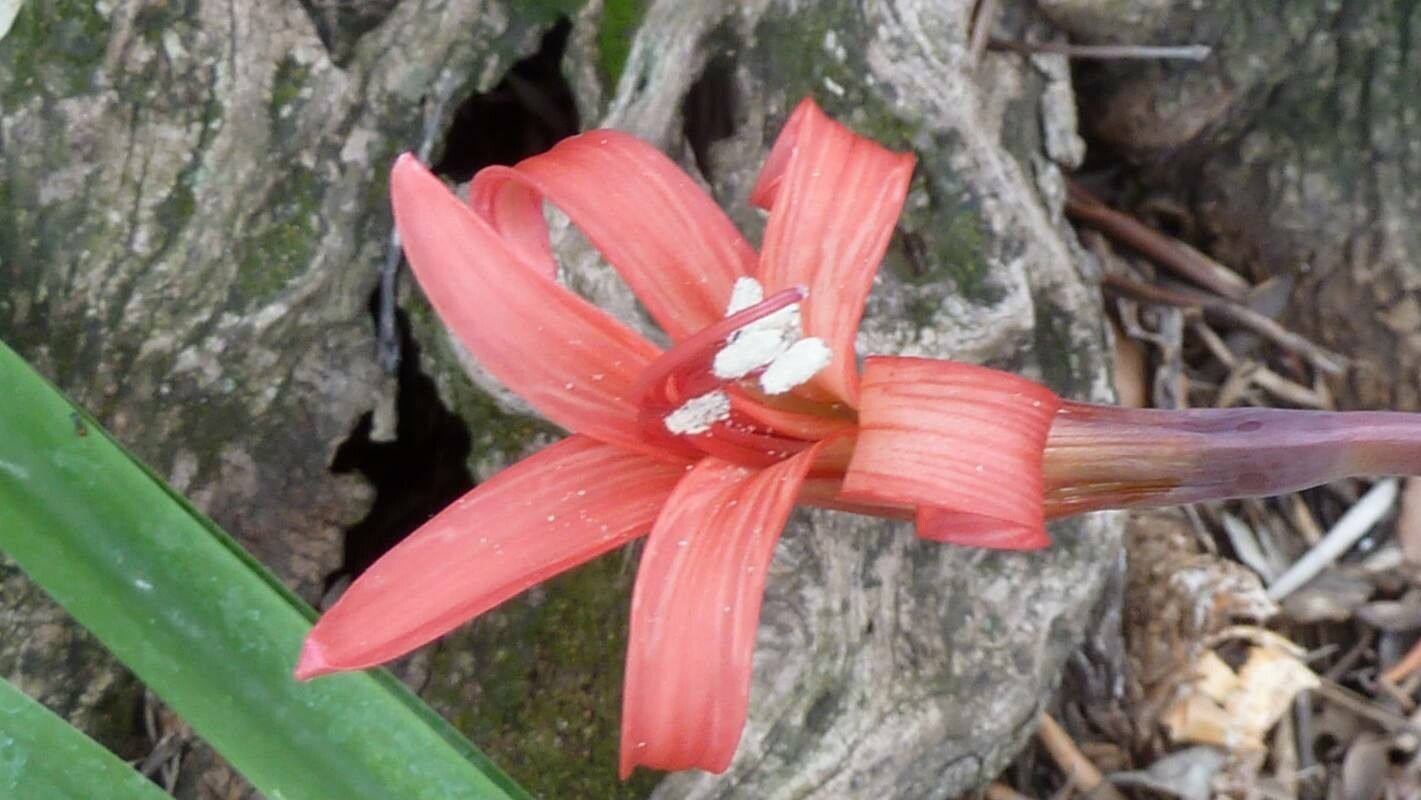
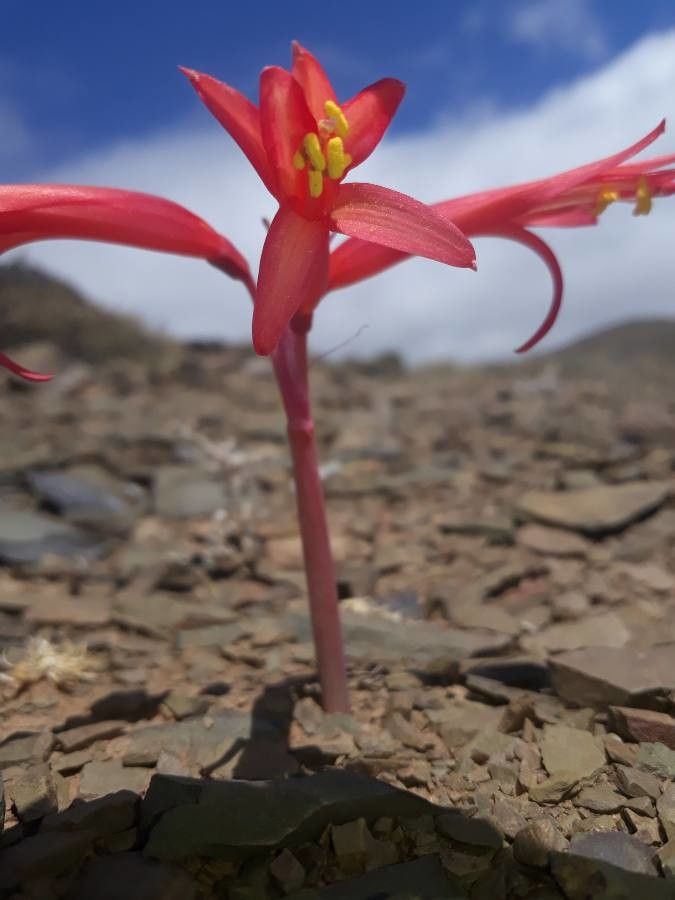
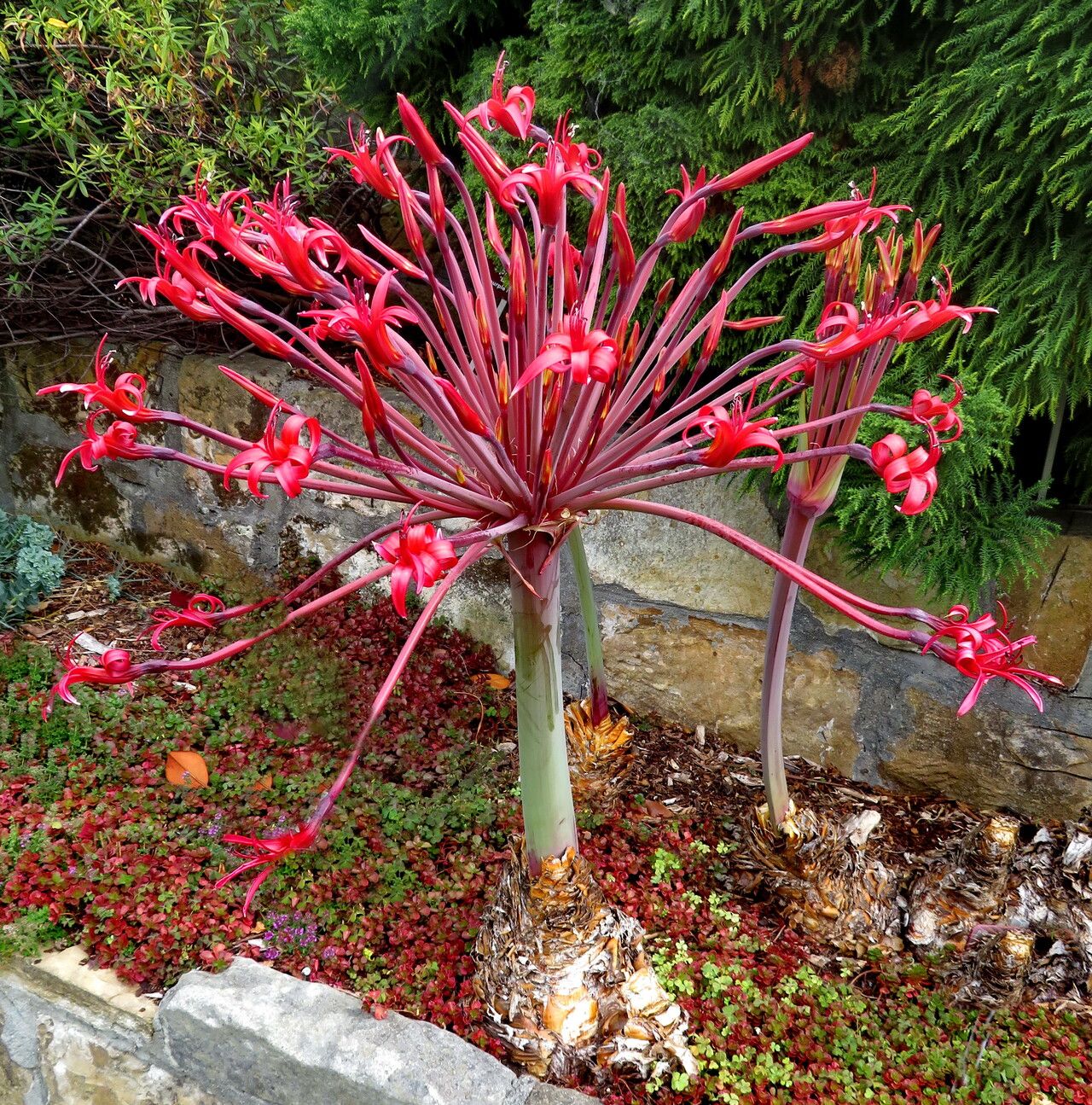
Brunsvigia orientalis is a bulbous plant species in the Amaryllidaceae family, native to South Africa. It thrives in rocky areas and grasslands. The plant features a large bulb, up to 20 cm in diameter, which stores nutrients essential for the growth of its leaves and flowers.
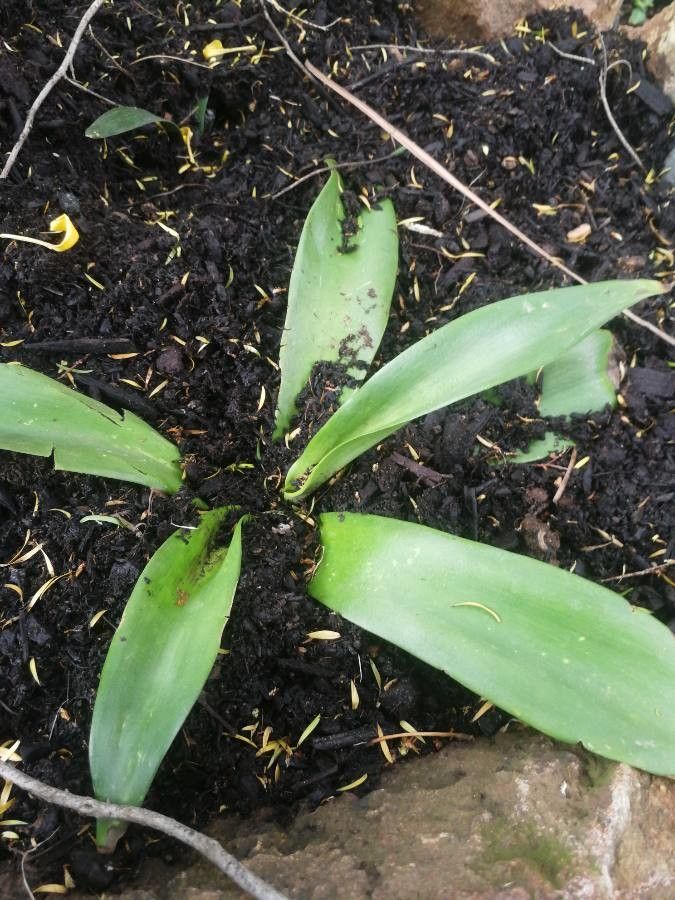
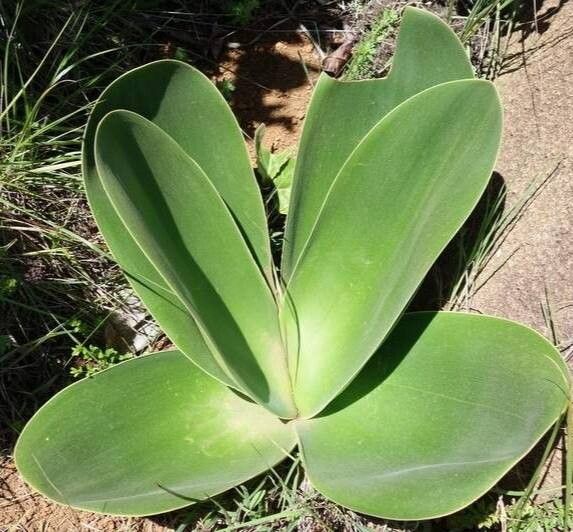
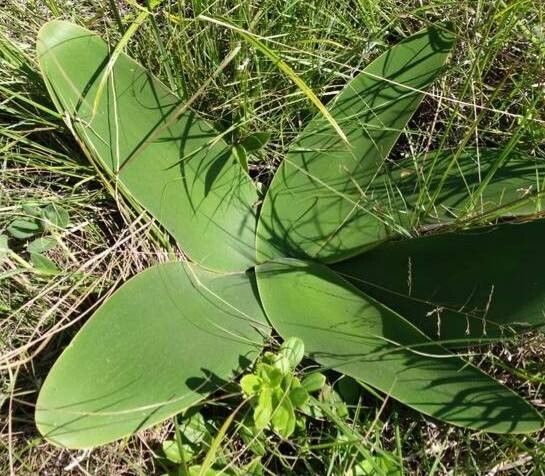
The leaves of Brunsvigia orientalis are long, narrow, and strap-like, reaching up to 60 cm in length. They emerge from the bulb after the flowering period, which occurs in autumn or winter. The flowers are large and impressive, with bright red or pink petals arranged in an umbel shape atop a tall stem that can grow up to 60 cm high.
Commonly known as the candelabra flower due to its striking appearance when it blooms en masse, Brunsvigia orientalis is also utilized by traditional healers for its potential medicinal properties, as it contains alkaloids that may have therapeutic effects.
The plant requires well-draining soil and plenty of sunlight but can tolerate partial shade. It prefers dry conditions during its dormant period but needs regular watering during its active growth phase.
Overall, Brunsvigia orientalis is an attractive ornamental plant that adds color and interest to gardens. It also holds potential medicinal benefits for humans, when used appropriately by trained professionals.
King candelabra is fairly disease-resistant and is generally not prone to illnesses. However, it can be affected by pests and diseases present in its environment. These problems are usually not serious. In terms of care, this plant requires moderate maintenance. It should be pruned regularly to maintain a neat appearance and healthy growth. Fertilizing can also help encourage flowering. King candelabra is well suited to anyone with outdoor space, such as a garden or patio, and does not demand extensive care experience. It may need more attention when grown indoors.
How to keep Brunsvigia Orientalis.
Light
The king candelabra needs abundant sunlight to stay healthy. Native to areas with open skies, it does best when receiving uninterrupted sun throughout its life. Excessive shade can hinder its growth; while heavy sun exposure generally won't damage it, very intense, prolonged sunlight can stress the plant.
Water
The King Candelabra, a plant native to arid regions, is known for its exceptional drought tolerance and can thrive with just weekly watering. Its adaptations to cope with irregular rainfall make well-draining soil essential to prevent root rot, especially during dormancy. Although it is typically grown outdoors, careful moisture management is needed to mimic its natural dry habitat effectively.
Temperature
King candelabra is indigenous to areas with warm climates. Its preferred temperature range is 68 to 100 °F (20 to 38℃). To encourage healthy growth, tune temperatures to match the seasonal changes of its native habitat.
Fertilizer
Appropriate fertilization is essential for King candelabra's health and appearance. Fertilize King candelabra in summer, repeating monthly throughout summer. Nutrients fuel growth and preserve the plant's components. Fertilization improves King candelabra's flower display, ensuring the best blooms.
Pruning
The King Candelabra plant produces large flowering heads and benefits from pruning between early and late spring. This pruning helps maintain healthy growth and shape. It's important to remove dead foliage to improve airflow around the plant. To ensure optimal vigor, avoid pruning during peak flowering periods. For the best results, consult local horticultural guidelines.
Pot & Repot
Repot the king candelabra every 2 to 3 years during its dormant period, which is after it has finished flowering. Choose a deep pot to accommodate the growth of its bulbs and roots. Use well-draining soil, and avoid watering the plant until new growth emerges to ensure a healthy transition.
Botanical profile.
- Plant Type
- Herb
- Life Cycle
- Perennial
- Genus
- Brunsvigia
- Family
- Amaryllidaceae
- Hardiness Zone
- 9-11
- Mature Height
- 61 cm
- Mature Spread
- 61 cm
- Leaf Color
- Dark Green
- Leaf Type
- Deciduous
- Flower Color
- Pink, Red
- Flower Size
- 10.16 cm to 15.24 cm
- Bloom Time
- Late summer, Early fall
- Planting Time
- Winter
- Harvest Time
- Mid fall, Late fall
- Native Area
- South Africa
Other names.
Reader questions.
What are the sunlight requirements for King Candelabra?
King Candelabra (Brunsvigia orientalis) requires full sun exposure for healthy growth, meaning it should receive above 6 hours of sunlight daily. It thrives in environments with clear skies and proliferates best under unhindered rays throughout its lifecycle. While too much shade can impede its development, King Candelabra is quite resilient and generally does not suffer from too much sun exposure. However, extreme and prolonged sun can stress the plant. It's beneficial to observe how sunlight moves through your garden to choose spots that provide a great balance of light and shade, ensuring the plants' happiness.
How can artificial lighting benefit indoor King Candelabra plants?
Indoor King Candelabra plants require adequate lighting for optimal growth, especially when natural sunlight is insufficient. Artificial lights, like LED lights which can be customized to provide specific wavelengths, offer a vital solution. For full sun plants like King Candelabra, 30-50W per square foot of artificial light is recommended. The light source should be placed 12-36 inches above the plant to mimic natural sunlight as closely as possible, and mimic the length of natural daylight hours with most plants needing 8-12 hours of light per day. This setup promotes faster, healthier growth by ensuring the plant receives adequate light.
What are the symptoms of light deficiency in King Candelabra?
King Candelabra shows several symptoms when exposed to inadequate lighting, such as smaller new leaves compared to the previous ones, leggy or sparse growth indicating a thin, stretched-out appearance, faster leaf drop to conserve resources, slower or no new growth as the plant enters survival mode, and lighter-colored new leaves or chlorosis, indicating a lack of chlorophyll and essential nutrients. Characteristics like sunscald, leaf curling, wilting, and leaf scorching are symptoms of both light deficiency and excessive sunlight exposure, affecting the plant's health significantly.
How can you address light deficiency and excessive sunlight issues for King Candelabra?
To manage light deficiency in King Candelabra, gradually move the plant to a sunnier location, aiming for at least 6 hours of direct sunlight daily. For indoor plants that are large or not easily movable, consider using artificial lighting, such as keeping a desk or ceiling lamp on for at least 8 hours a day or investing in professional grow lights. If the plant is outdoors, make gradual adjustments to sunlight exposure to prevent sunburn. Pruning obstructions or transplanting to a sunnier location can also help. While parts of the plant affected by insufficient light may not recover, new growth will be healthy after improving light exposure.