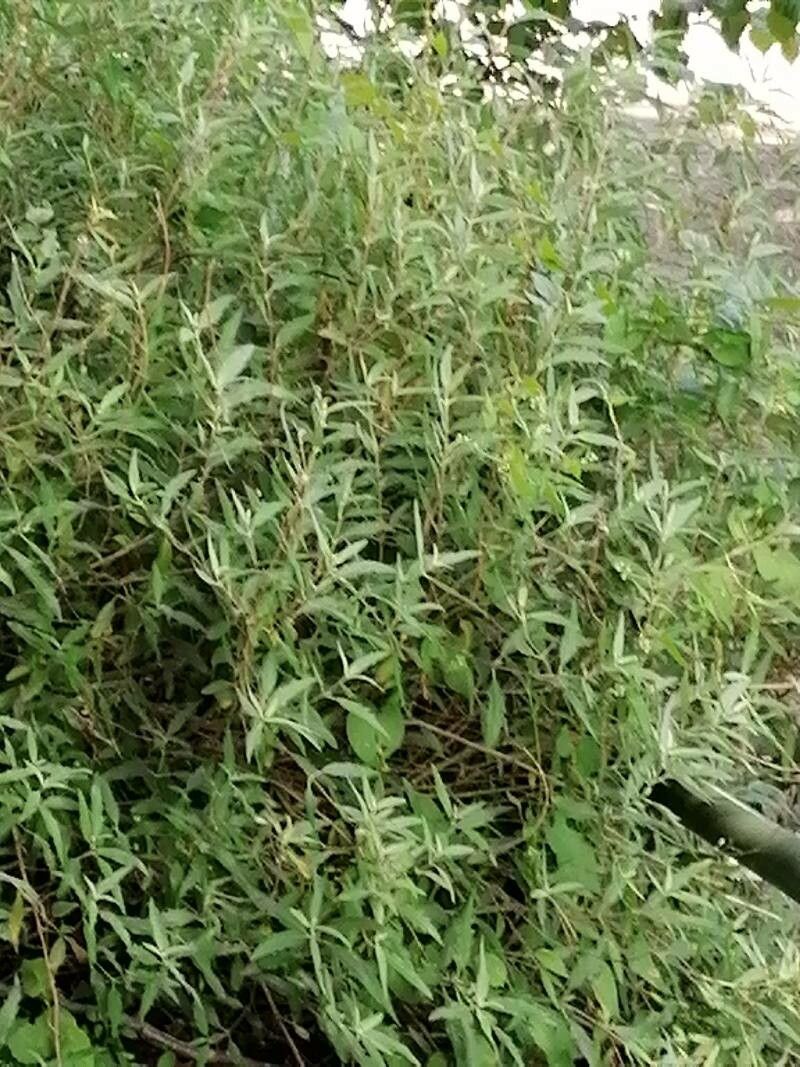
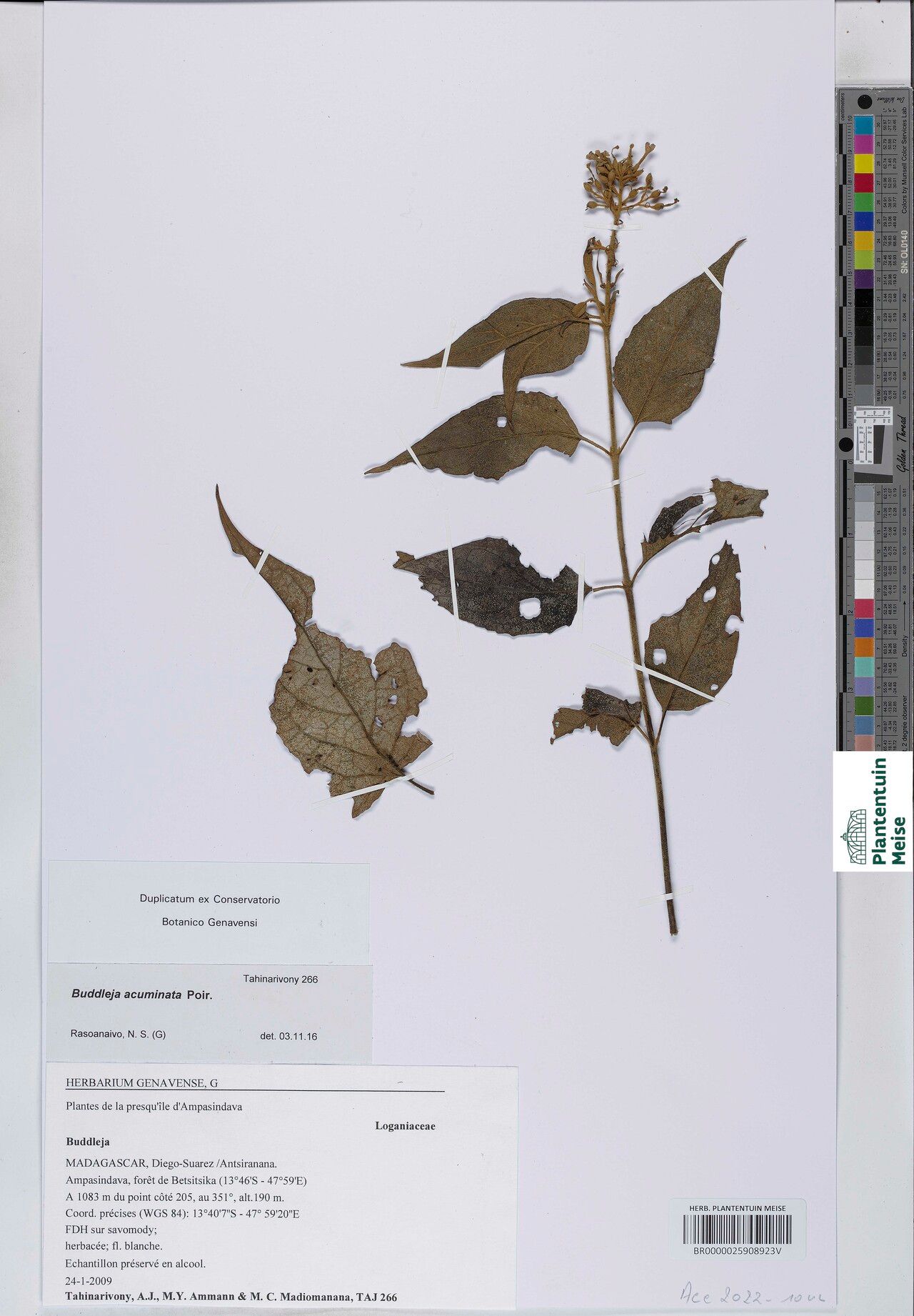
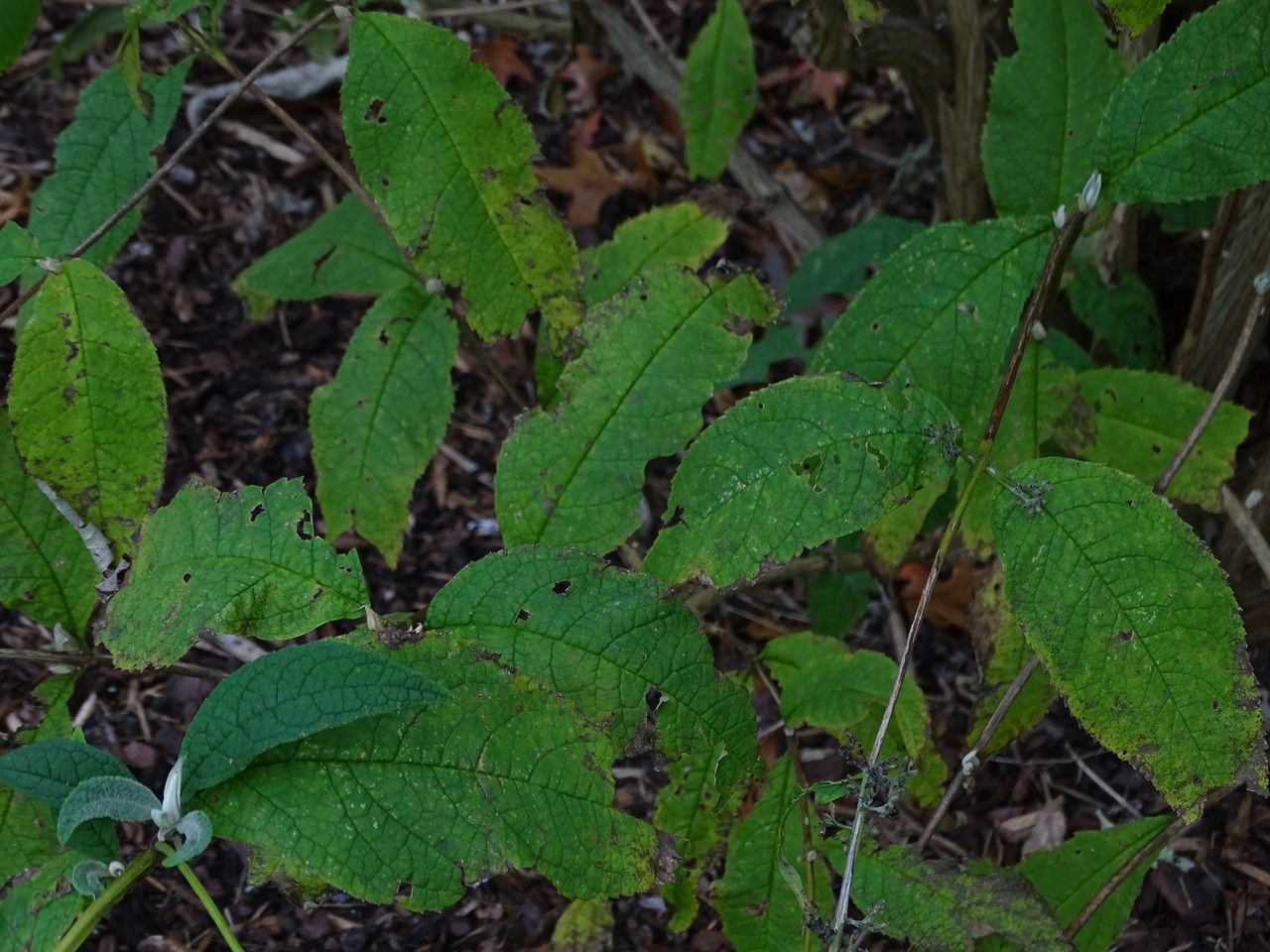
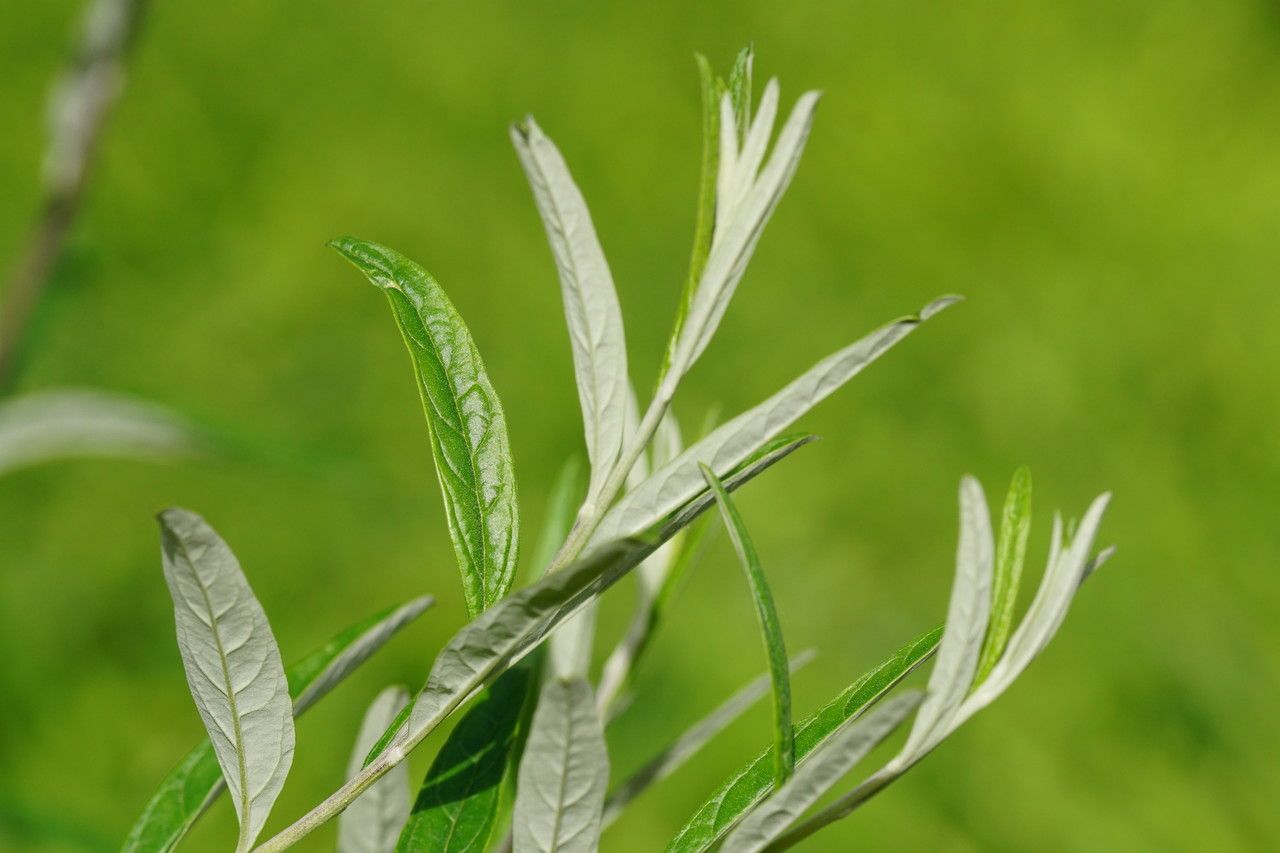
Buddleja sessiliflora, commonly known as the Rio Grande butterfly bush, is a deciduous shrub belonging to the Scrophulariaceae family. Native to Mexico, this plant thrives in rocky areas and along stream banks. It can grow up to 3 meters tall with a spread of about 2 meters.
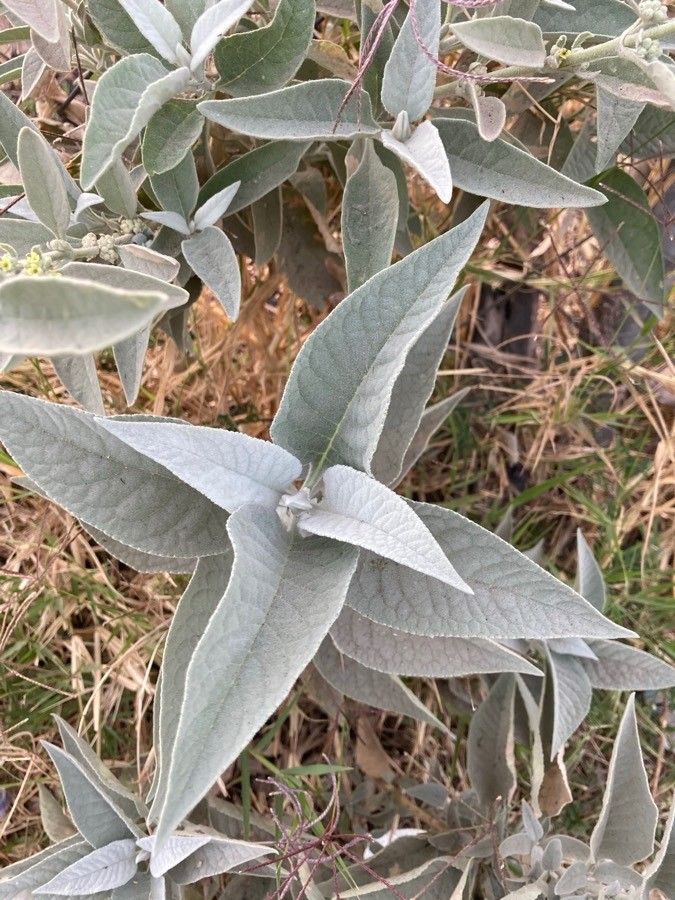
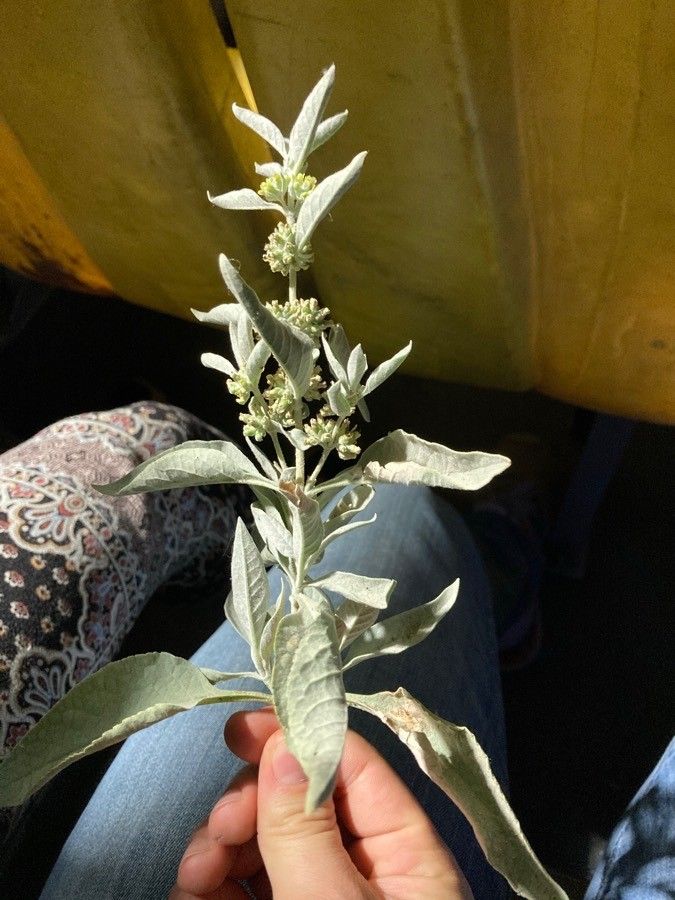
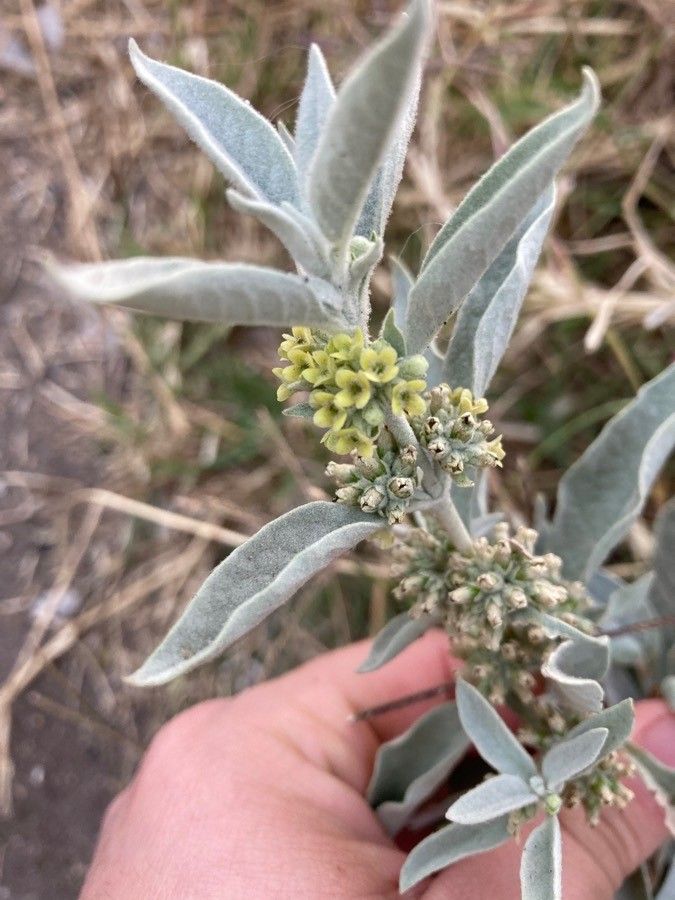
The leaves of Buddleja sessiliflora are lance-shaped, gray-green in color, and boast a velvety texture. The flowers, though small, are numerous and form clusters at the ends of branches. These tubular-shaped blooms have four petals and range in color from pinkish-purple to lavender-blue.
From late spring through early fall, the Rio Grande butterfly bush blooms, attracting a variety of pollinators such as butterflies and bees with its sweet fragrance. While it prefers full sun exposure, it can also tolerate partial shade.
Buddleja sessiliflora is an excellent addition to any garden or landscape, not only for its attractive appearance but also for its ability to attract pollinators. Once established, it requires minimal care, making it an ideal choice for low-maintenance gardens or naturalized areas.
Rio grande butterfly-bush has strong resistance to disease and is generally not prone to disease. Regarding care, this plant is fairly low-maintenance. When grown outdoors it needs little watering, and larger plants typically do not require pruning. Smaller plants, however, should be pruned after they finish blooming. Rio grande butterfly-bush is appropriate for anyone with an outdoor space, such as a garden or deck, and does not require much care experience.
How to keep Buddleja Sessiliflora.
Light
Rio grande butterfly-bush comes from open habitats, such as sunny meadows and forest edges, which supply abundant light. It flourishes in Full Sun but can also tolerate Partial Sun, adjusting well to different sunlight levels.
Water
The Rio Grande butterfly bush thrives in soil that ranges from well-drained to moist and can tolerate short-term droughts. During the first year, water it weekly. Plants grown in containers require more frequent watering than those planted in the ground. Once the plant is established, reduce the watering frequency to prevent root rot caused by waterlogging.
Temperature
Rio grande butterfly-bush is well adapted to heat, able to tolerate higher temperatures and greater temperature fluctuations. When temperatures rise, attention to watering and providing suitable shade is necessary to prevent sunburn. However, Rio grande butterfly-bush is not very tolerant of low temperatures. While it can endure some cold, excessively low temperatures can result in frost damage.
Fertilizer
Timing matters when fertilizing the Rio Grande butterfly-bush. Apply fertilizer in early spring and continue monthly until early summer. Fertilizer promotes lovely blooms and supplies energy during both dormant and active growth phases.
Pruning
The Rio Grande butterfly bush is known for its fragrant flowers and drought tolerance. To keep it healthy, prune it in early spring. Start by removing dead wood and thinning out crowded branches to improve air circulation. Trim back one-third of the previous year's growth to maintain its shape, stimulate new shoots, and enhance the plant's overall health, resulting in more blooms.
Botanical profile.
- Plant Type
- Shrub
- Life Cycle
- Perennial
- Genus
- Buddleja
- Family
- Scrophulariaceae
- Hardiness Zone
- 8-11
- Mature Height
- 0.91 m to 1.83 m
- Mature Spread
- 1.52 m to 2.44 m
- Leaf Color
- Green, Dark Green
- Leaf Type
- Evergreen
- Flower Color
- Yellow, White
- Flower Size
- 0.51 cm to 0.76 cm
- Bloom Time
- Mid spring, Late spring, Early summer
- Planting Time
- Autumn, Winter
- Harvest Time
- Summer
- Native Area
- Mexico
Other names.
Reader questions.
What is the Rio Grande butterfly-bush?
The Rio Grande butterfly-bush, known botanically as Buddleja sessiliflora, is a plant species. Unfortunately, there's no further information provided about its characteristics, habitat, or care.